Why Traditional Shoes Make Bunions Worse
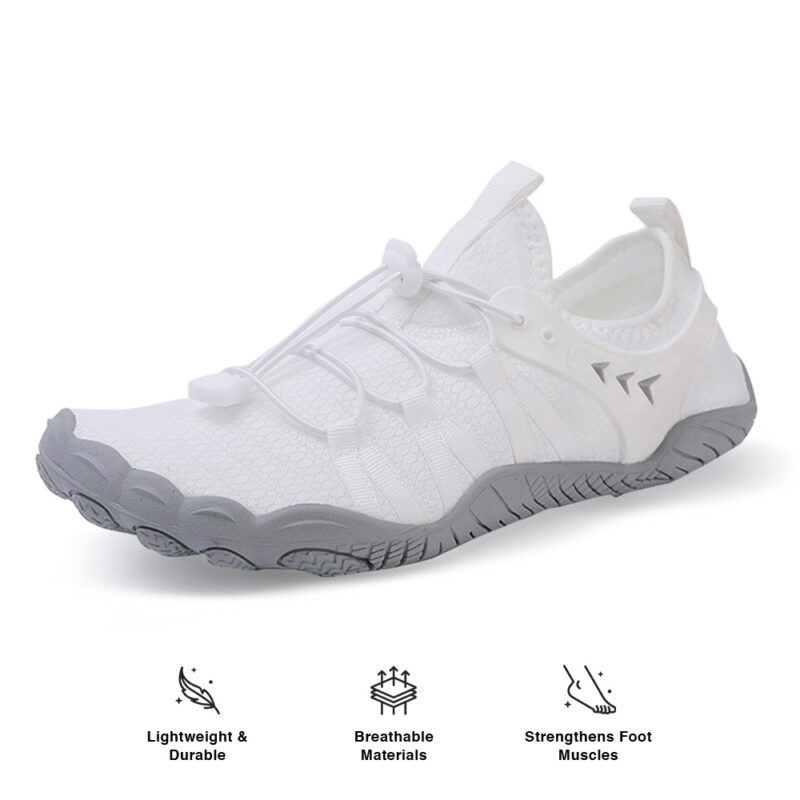
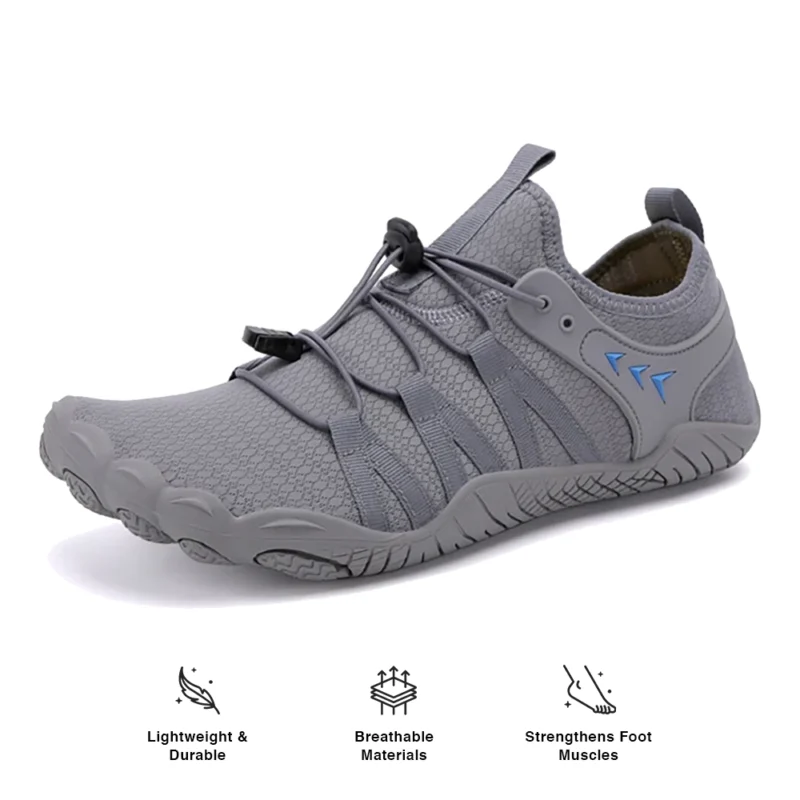
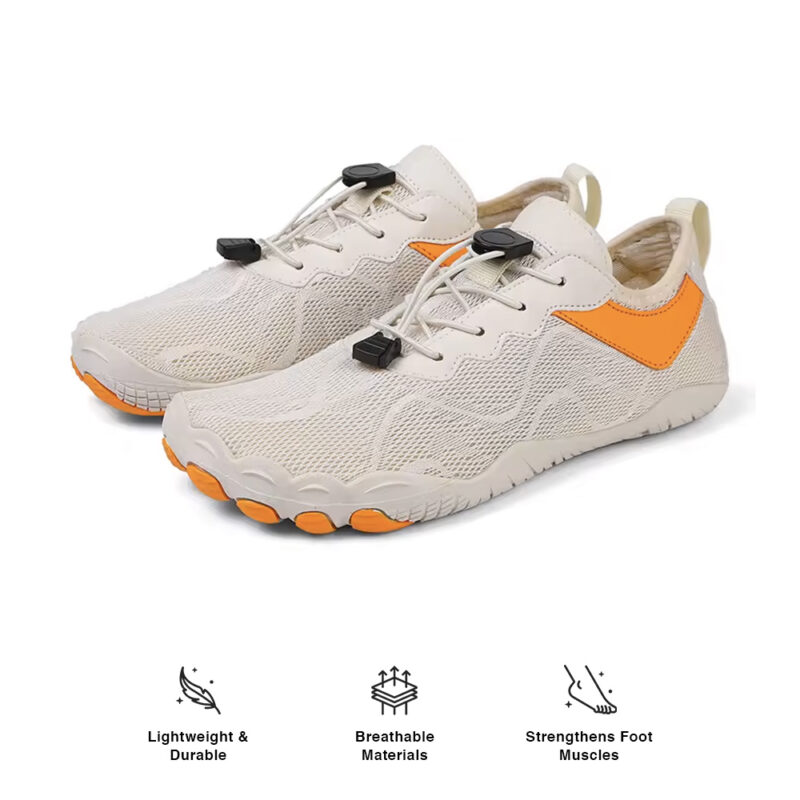
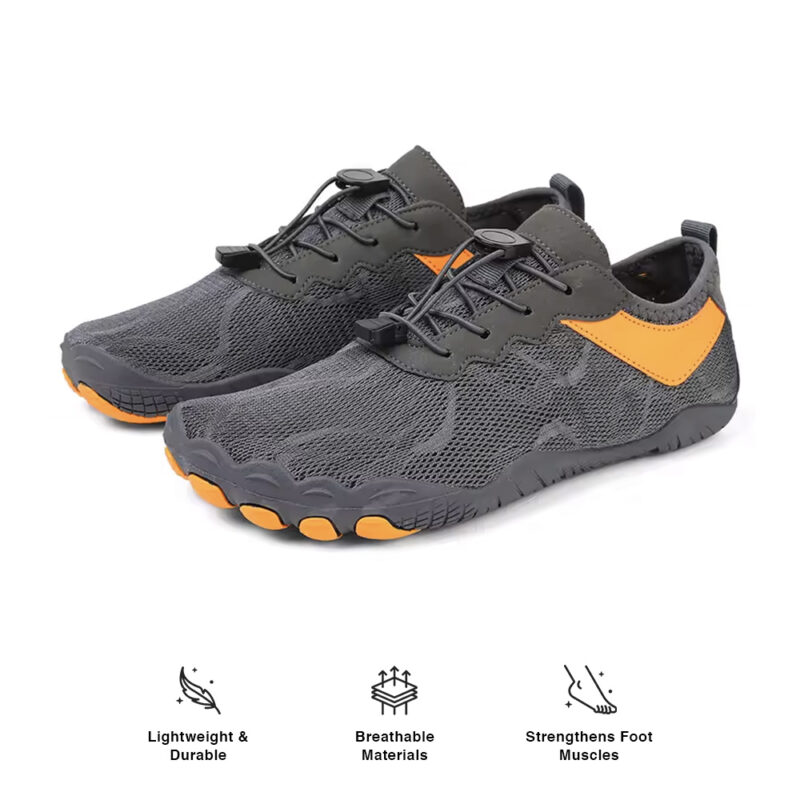
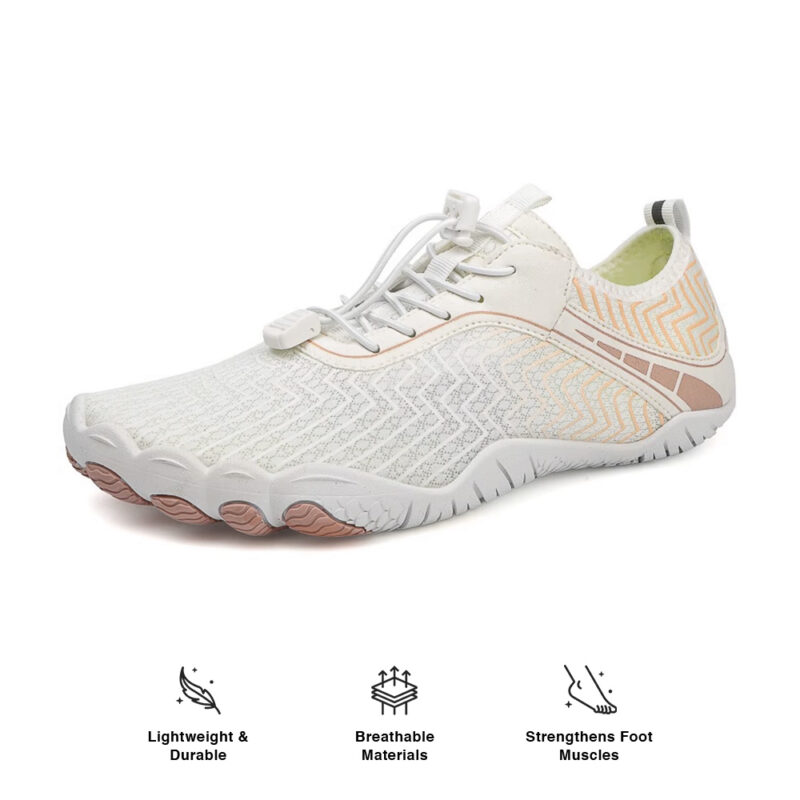
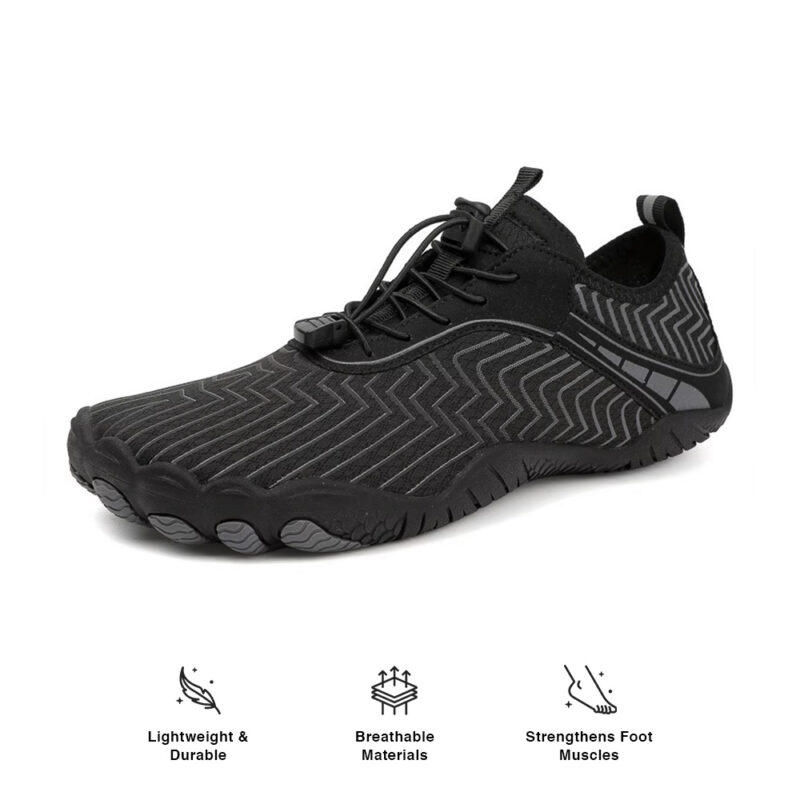
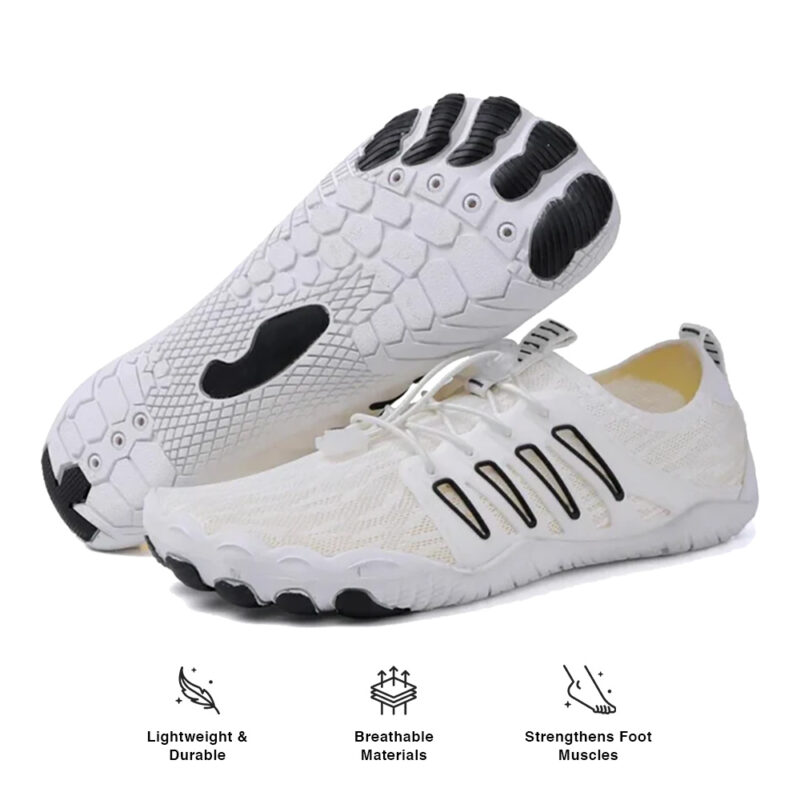
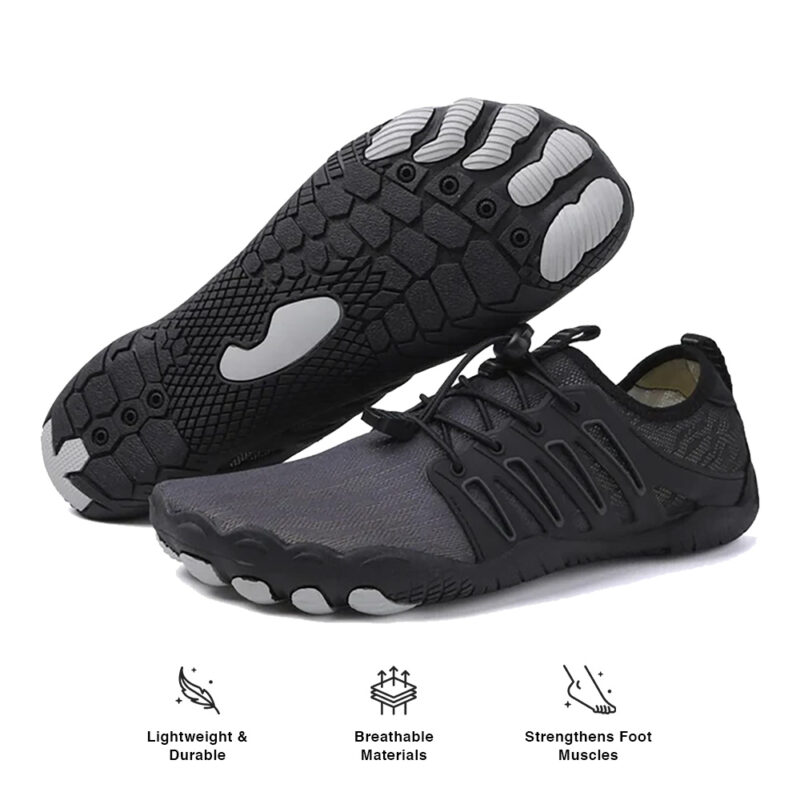
Living with bunions means you've probably noticed how most shoes seem designed to create the exact conditions that aggravate your condition. Traditional footwear tapers dramatically at the toe, forcing your big toe toward your other toes and increasing pressure on that already tender joint. What you really need is the opposite: space for your toes to spread naturally and room for your bunion without constant friction. The best shoes for bunions feature wide, spacious toe boxes that mirror your foot's natural fan shape, allowing each toe to rest in its intended position without crowding or compression.
How Foot Freedom Reduces Bunion Pain
Your bunion pain often intensifies because rigid shoes prevent your foot from moving the way it's meant to move. When your foot can't flex, bend, and adapt naturally to surfaces, all that stress concentrates right at your bunion joint. You need shoes that move with you, not against you. Flexible soles and materials allow your foot to function as a dynamic, adaptable structure rather than a rigid block. This natural movement helps distribute pressure evenly across your entire foot, taking some of the burden off that painful bunion area and giving you the relief you've been seeking.
The Power of Natural Toe Splay for Bunion Relief
Years of wearing narrow shoes have likely trained your toes to scrunch together, which only worsens bunion formation and discomfort. Your feet are designed to spread wide for stability and balance, with each toe playing an important role in how you walk and stand. The best shoes for bunions encourage this natural toe splay by providing ample width in the forefoot area. When your toes can spread freely, your foot becomes more stable and balanced, reducing the abnormal pressure patterns that contribute to bunion pain and progression.
Building Stronger Feet to Support Your Bunions
Traditional shoes often act like casts for your feet, doing all the work and leaving your foot muscles weak and dependent. With bunions, you need your feet to be as strong and functional as possible to help stabilize your joints naturally. Minimalist footwear challenges your foot muscles to engage and strengthen with every step. As these muscles develop, they provide better support for your entire foot structure, including the area around your bunion. Think of it as physical therapy that happens naturally as you walk through your day.
Finding the Right Fit Without Compromise
Shopping for shoes with bunions usually feels like a series of disappointing compromises—you find wide shoes that are too loose everywhere else, or you settle for styles that accommodate your bunion but look clinical rather than stylish. What you really need is footwear that fits your actual foot shape, not an idealized version of what feet "should" look like. The best shoes for bunions come in truly anatomical shapes that are wide where your foot is wide and narrow where your foot is narrow, giving you a secure, comfortable fit without any pressure points or gaps.
Material Matters for Sensitive Feet
When you have bunions, your feet become hypersensitive to textures, seams, and pressure points that others might not even notice. Stiff leather, synthetic materials, and prominent stitching can turn a simple walk into an uncomfortable ordeal. You need shoes made from soft, breathable materials that feel gentle against your skin while still providing durability. Natural materials like supple leather or breathable fabrics mold to your foot's unique contours over time, creating a custom-like fit that accommodates your bunion without creating hot spots or irritation.
Transitioning Gradually for Long-Term Success
After years of wearing traditional shoes, your feet may need time to adjust to the freedom that the best shoes for bunions provide. Your muscles, tendons, and joints have adapted to restricted movement, so sudden changes can sometimes feel overwhelming at first. Start by wearing your new bunion-friendly shoes for short periods, gradually increasing the time as your feet strengthen and adapt. This patient approach allows your feet to rediscover their natural function while giving your bunion the gentle, consistent relief it needs to feel better day by day.