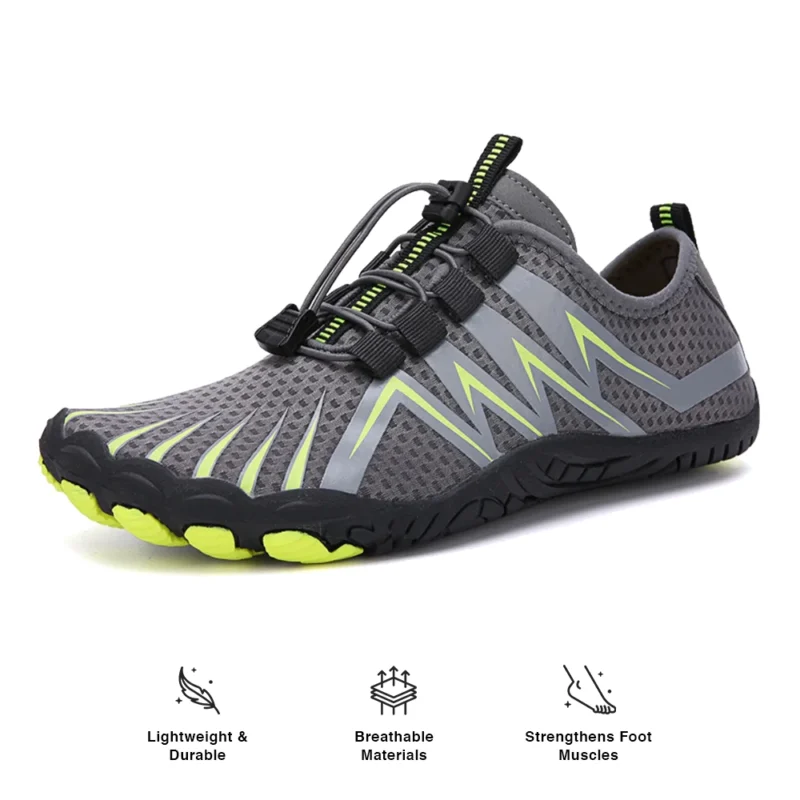
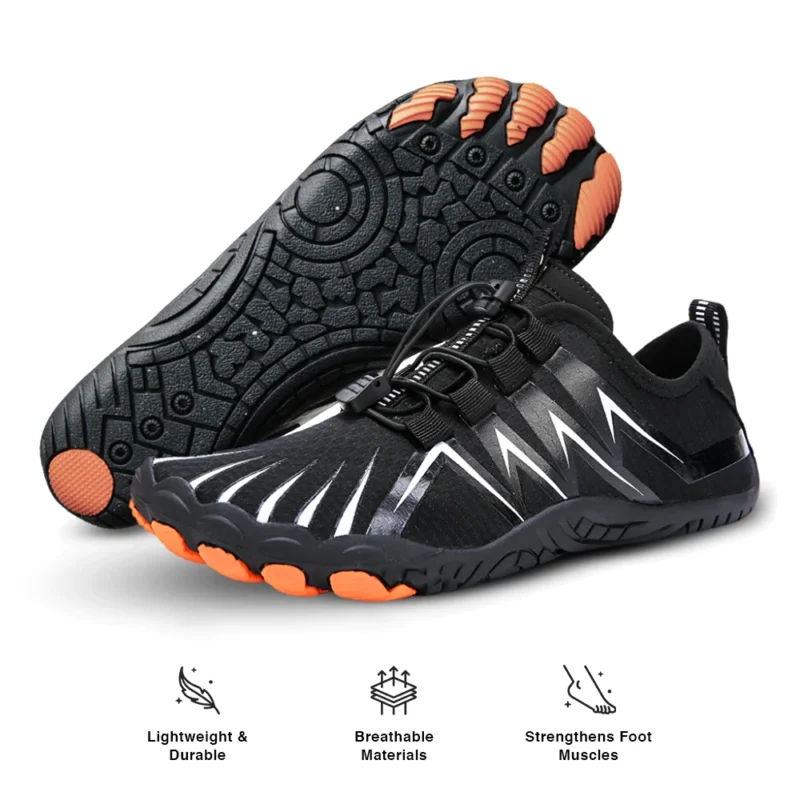
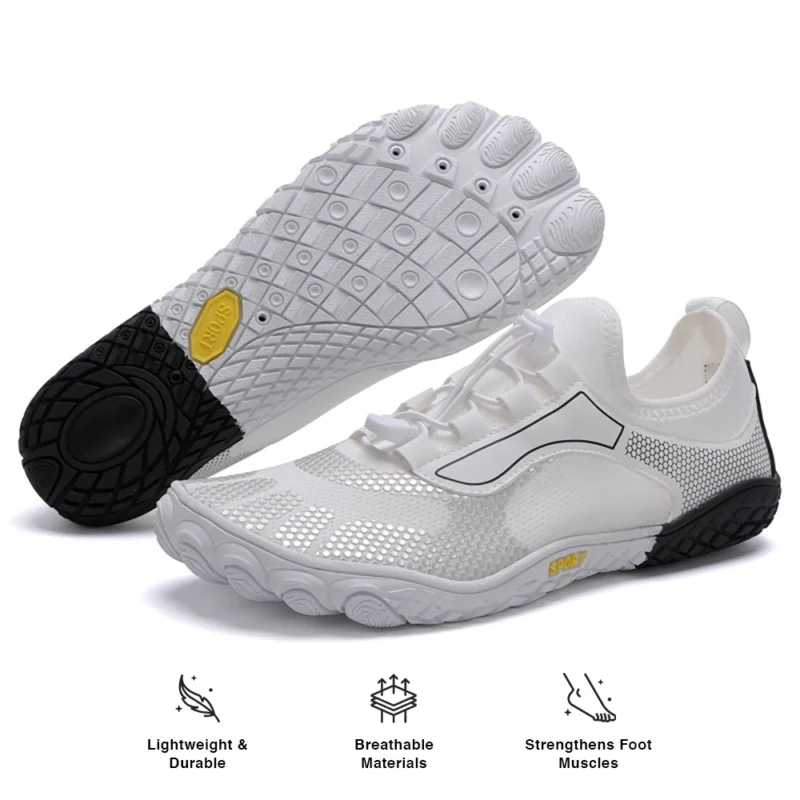
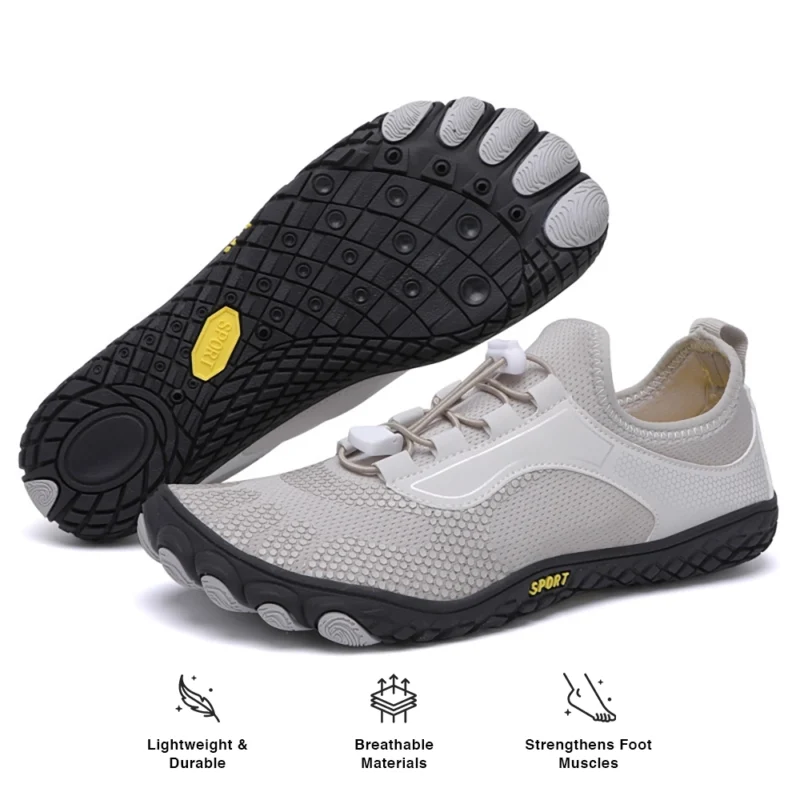
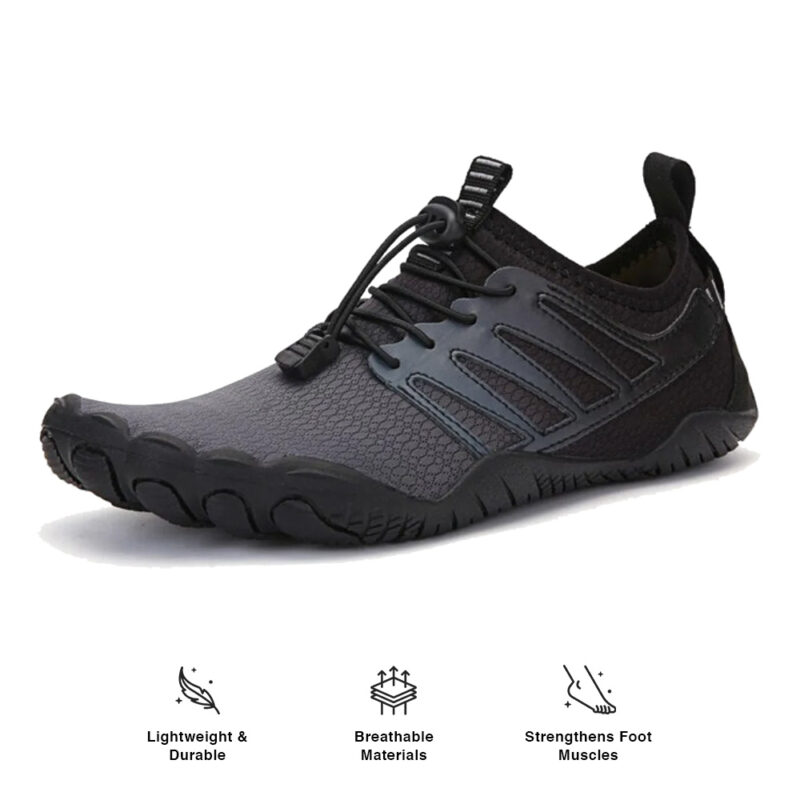
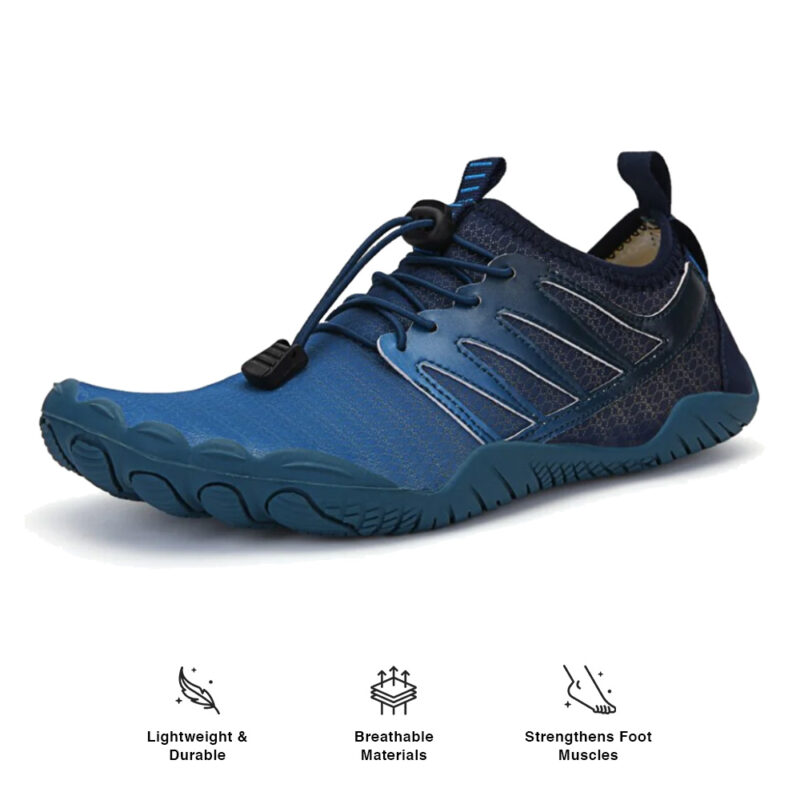
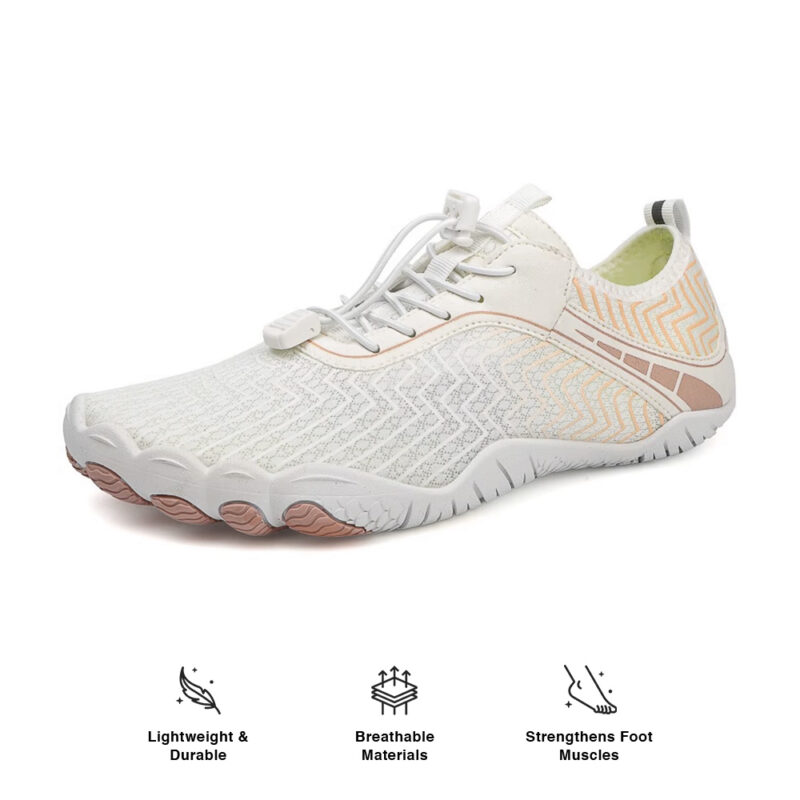
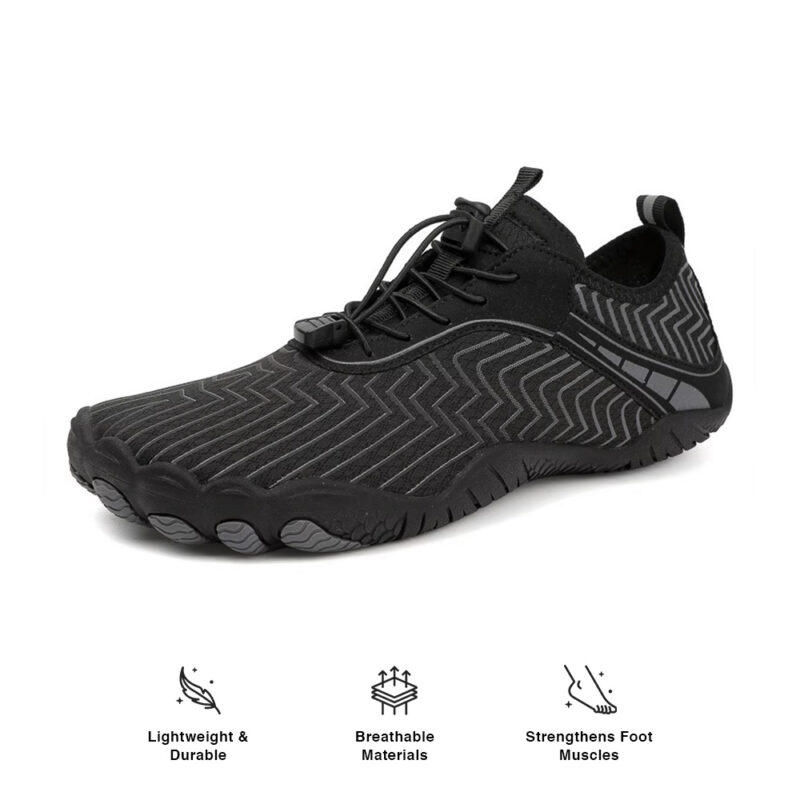
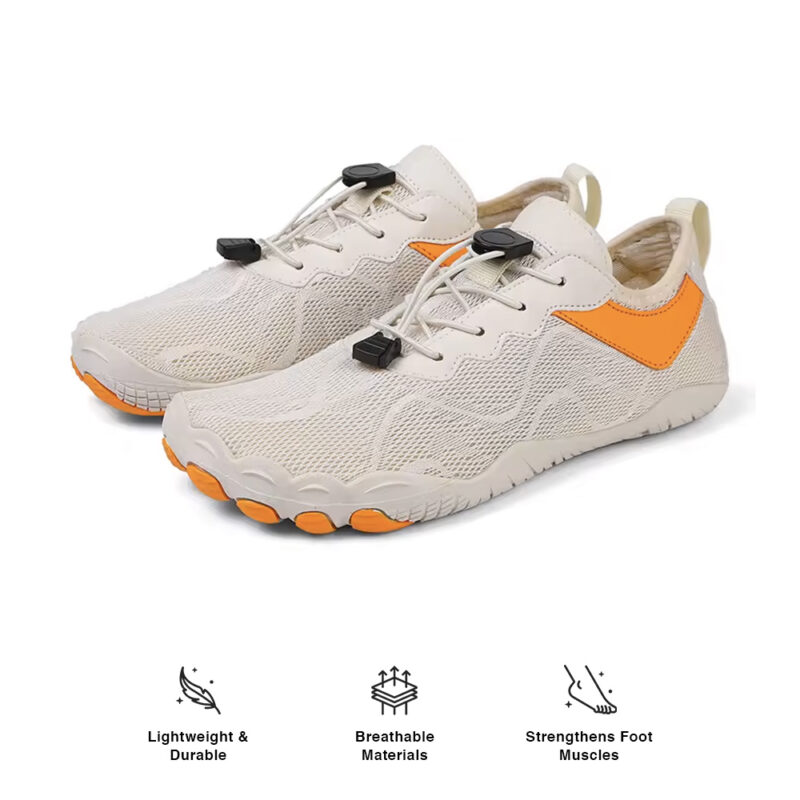
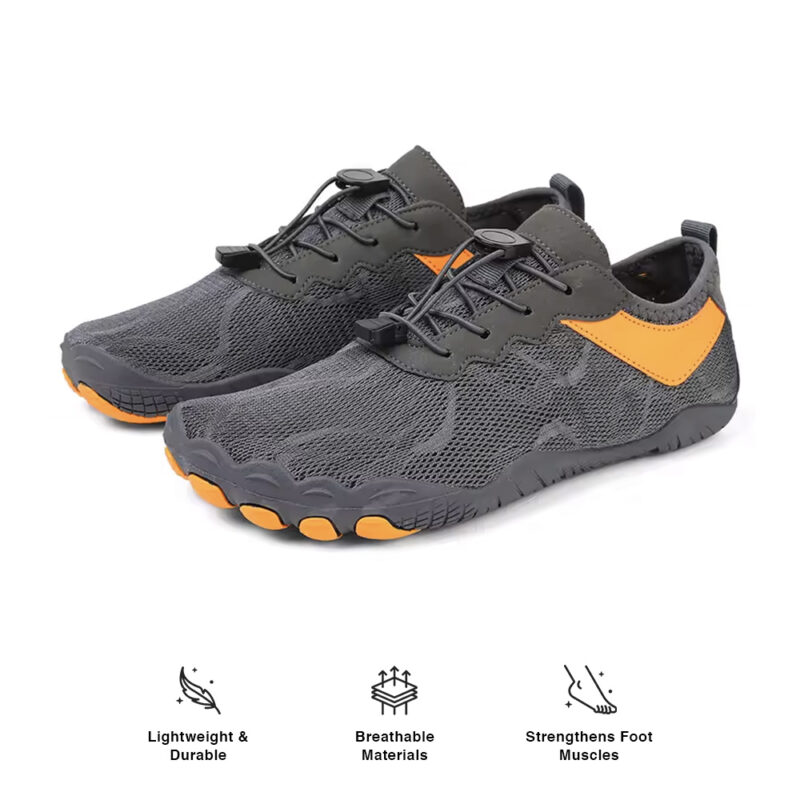
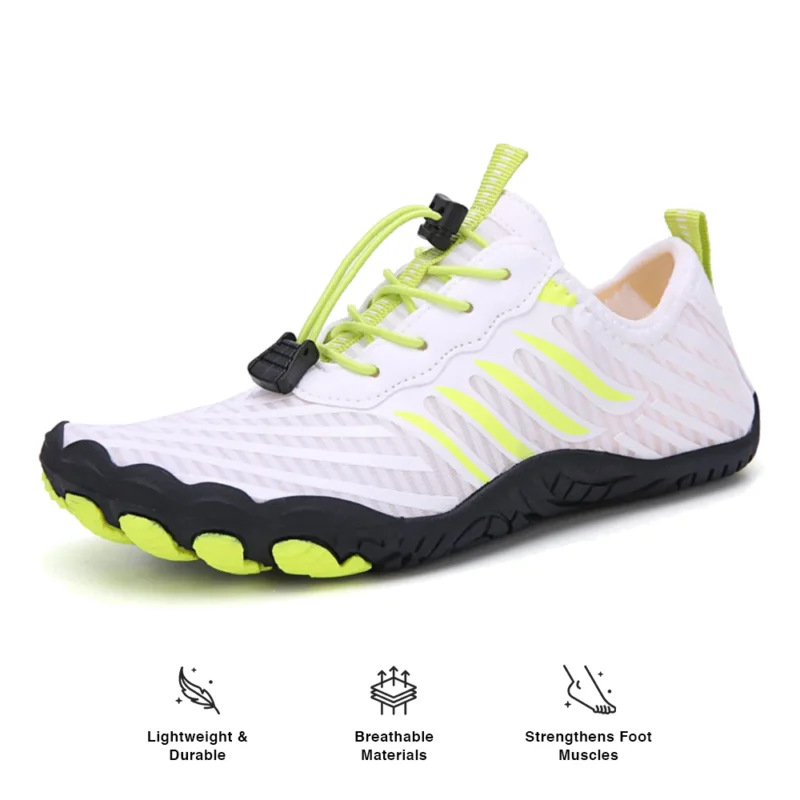
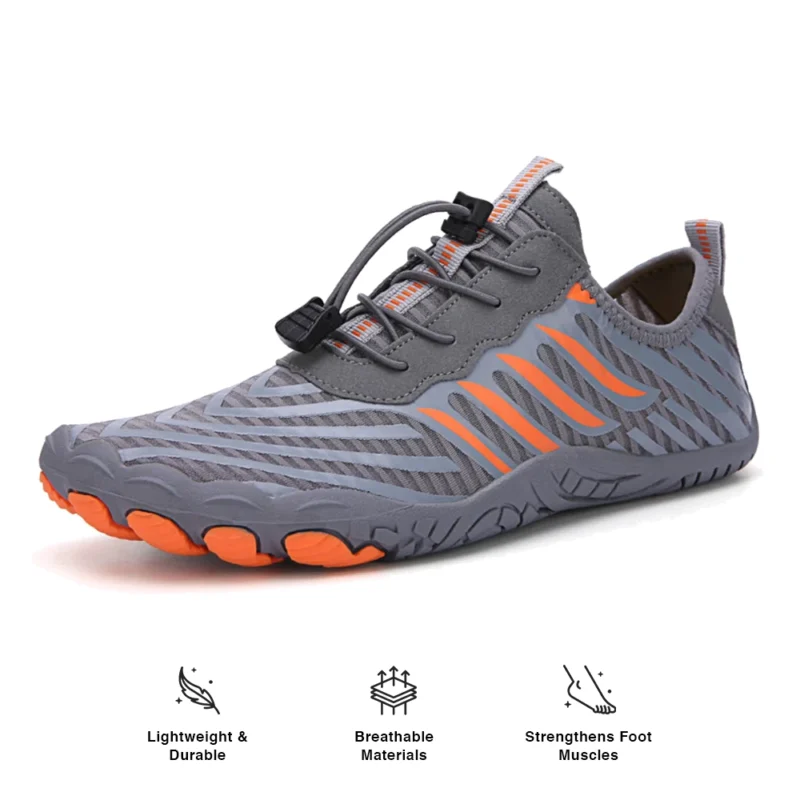
Why Your Current Running Shoes Might Be Holding You Back
Every runner knows the frustration of that perfect pair that suddenly starts causing problems. You blame your training, your form, even your genetics, but rarely question the shoes themselves. Traditional running shoes create a barrier between your feet and the ground, forcing your body to adapt to artificial surfaces and unnatural angles. When you choose the best shoes for running, you're looking for footwear that enhances rather than hinders your natural biomechanics. Start by paying attention to how your feet feel during and after runs—if you experience numbness, cramping, or instability, your shoes might be the culprit.
Ground Feel: The Secret to Better Balance and Control
Losing your footing on uneven terrain or feeling unstable during turns happens when thick soles disconnect you from the ground. Your feet are packed with nerve endings that send crucial information to your brain about surface texture, angle, and stability. The best shoes for running preserve this connection, allowing you to feel the ground and respond naturally to changes in terrain. Minimalist designs with thin, flexible soles restore your proprioception, giving you the confidence to tackle trails, sidewalks, and tracks with equal precision. Try walking barefoot for a few minutes before your next run to remind yourself what true ground connection feels like.
Building Stronger Feet Naturally
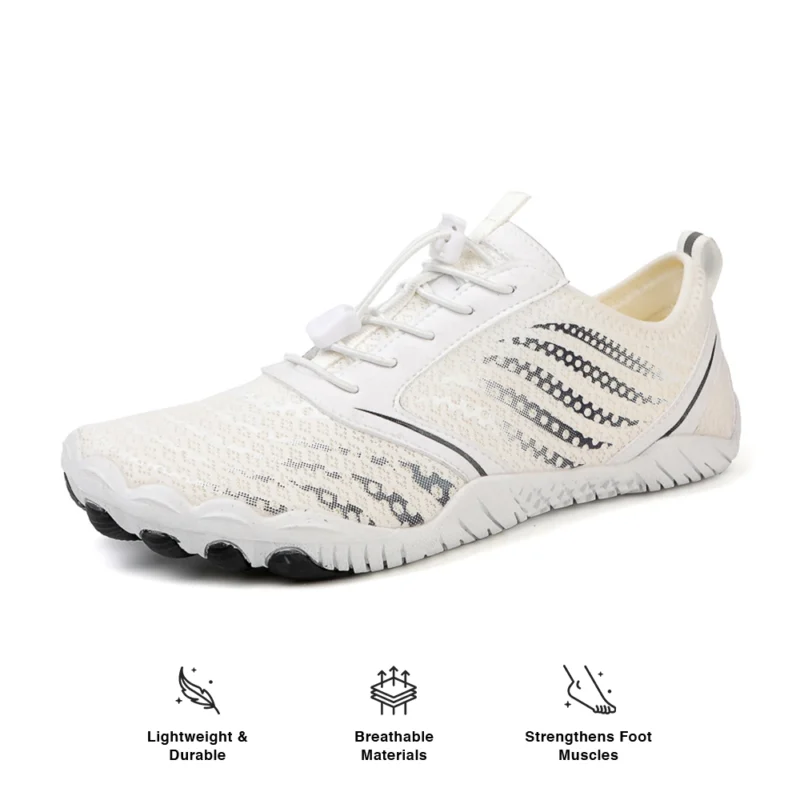
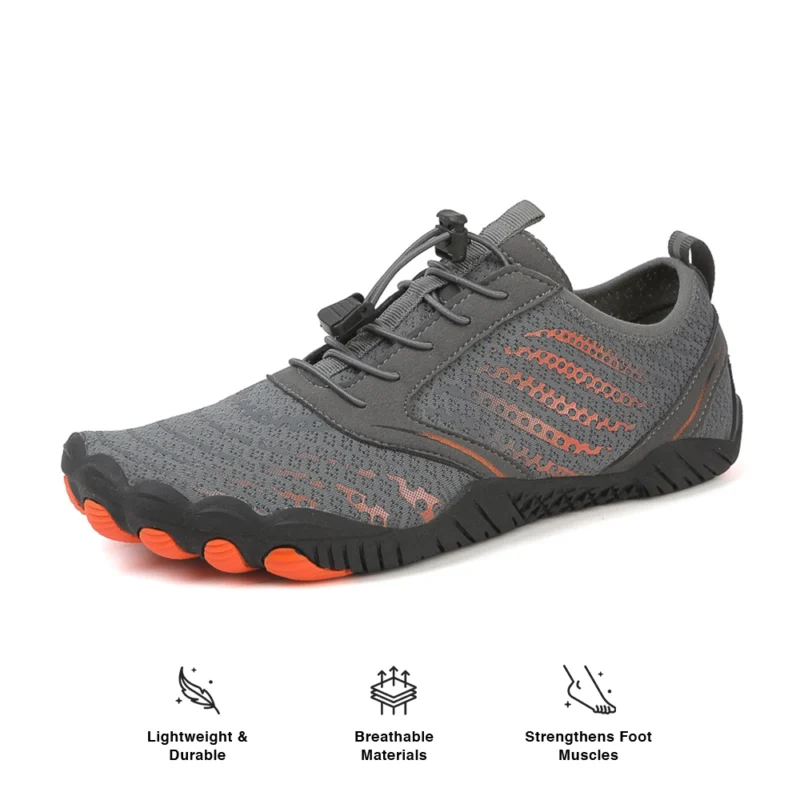
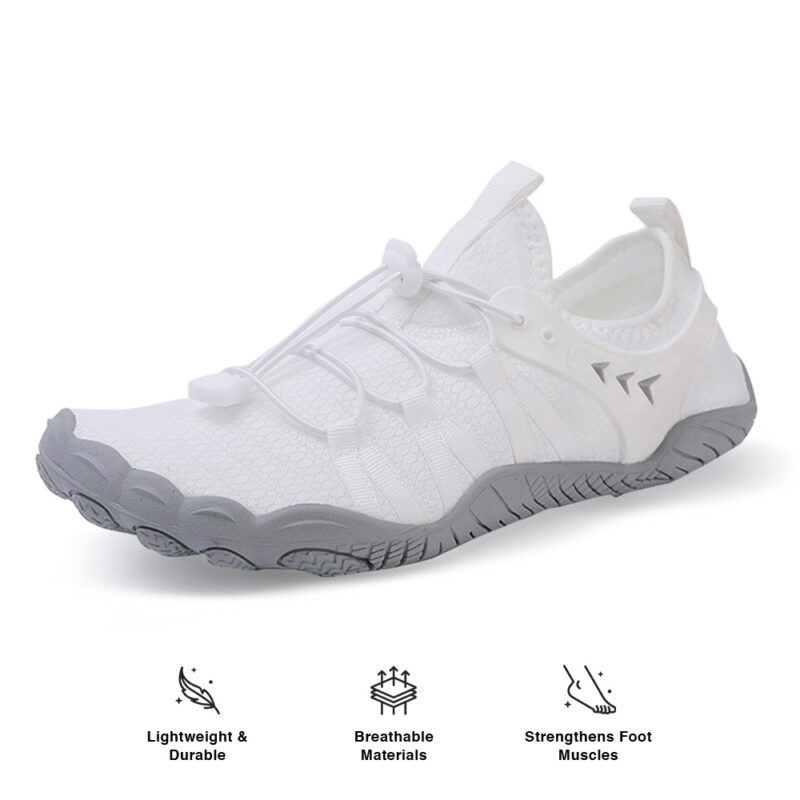
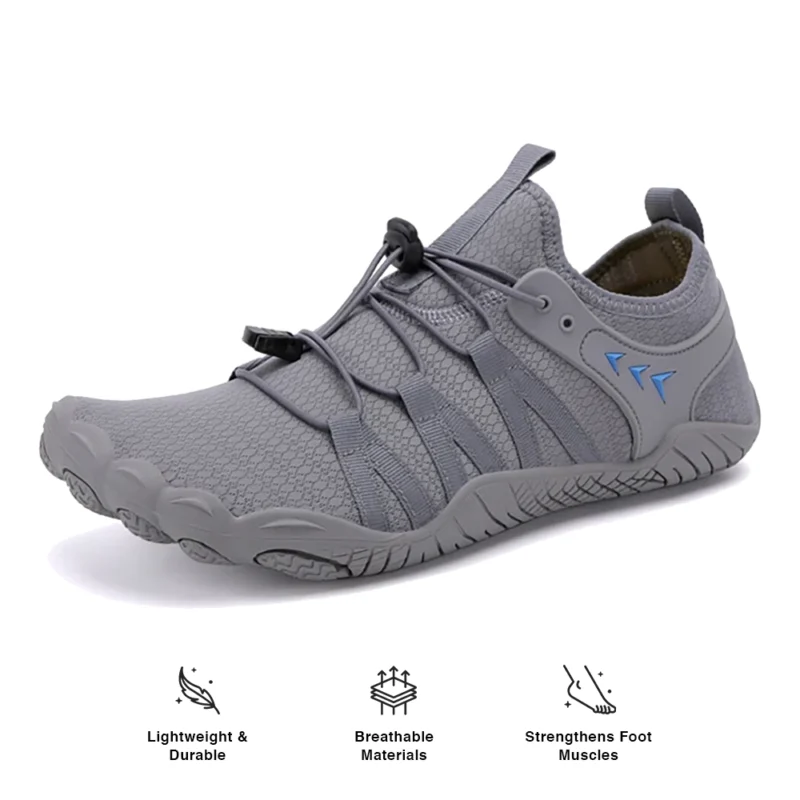
Weak feet plague many runners because traditional shoes do all the work for their foot muscles. When shoes provide rigid arch support and motion control, your intrinsic foot muscles essentially go to sleep, becoming weaker over time. The best shoes for running allow your foot muscles to engage with every step, gradually building strength and resilience. Minimalist footwear lets your arches rise and fall naturally, your toes spread for stability, and your feet adapt to different surfaces. Begin this transition slowly, alternating between your current shoes and minimalist options to allow your foot muscles time to strengthen.
Natural Gait Patterns for Injury Prevention
Heel-striking in thick, cushioned shoes sends shock waves up through your legs, often contributing to knee pain, shin splints, and other common running injuries. Your body has an elegant natural running pattern that favors a midfoot or forefoot strike when unencumbered by artificial cushioning. The best shoes for running support this natural gait by keeping your foot close to the ground and allowing unrestricted movement. This encourages a lighter, more efficient stride that works with your body's shock-absorption systems rather than against them. Practice short runs focusing on landing softly and quietly to develop this natural pattern.
Toe Freedom and Foot Shape Health
Cramped toes and narrow toe boxes force your feet into unnatural shapes, leading to bunions, hammertoes, and reduced stability. Your toes should be able to spread wide for balance and push-off power during running. The best shoes for running feature spacious toe boxes that accommodate your feet's natural shape, allowing each toe to function independently. This toe freedom improves your balance, enhances your push-off power, and prevents many common foot deformities that plague runners. Check your current shoes by tracing your bare foot on paper and comparing it to your shoe's outline—you might be surprised by the difference.
Durability Through Simplicity
Complex cushioning systems, motion control features, and multiple layers of materials create more points of failure in traditional running shoes. Minimalist designs focus on durability through simplicity, using fewer materials that are less likely to break down or lose their properties over time. The best shoes for running offer longevity through thoughtful construction rather than gimmicky features that wear out quickly. This approach not only saves money in the long run but ensures consistent performance throughout the shoe's lifespan. Look for shoes with reinforced high-wear areas and quality materials that can withstand your running routine.
Making the Transition Safely and Effectively
Switching to minimalist running shoes requires patience and gradual progression to avoid injury. Your feet, calves, and Achilles tendons need time to adapt to new movement patterns and increased demands. Start with just 10-15 minutes of running in the best shoes for running, focusing on soft, quiet landings and shorter strides. Gradually increase your time and distance over several weeks or months, listening to your body's feedback along the way. Incorporate foot-strengthening exercises and stretches into your routine to support this transition and build the foundation for injury-free running in your new footwear.