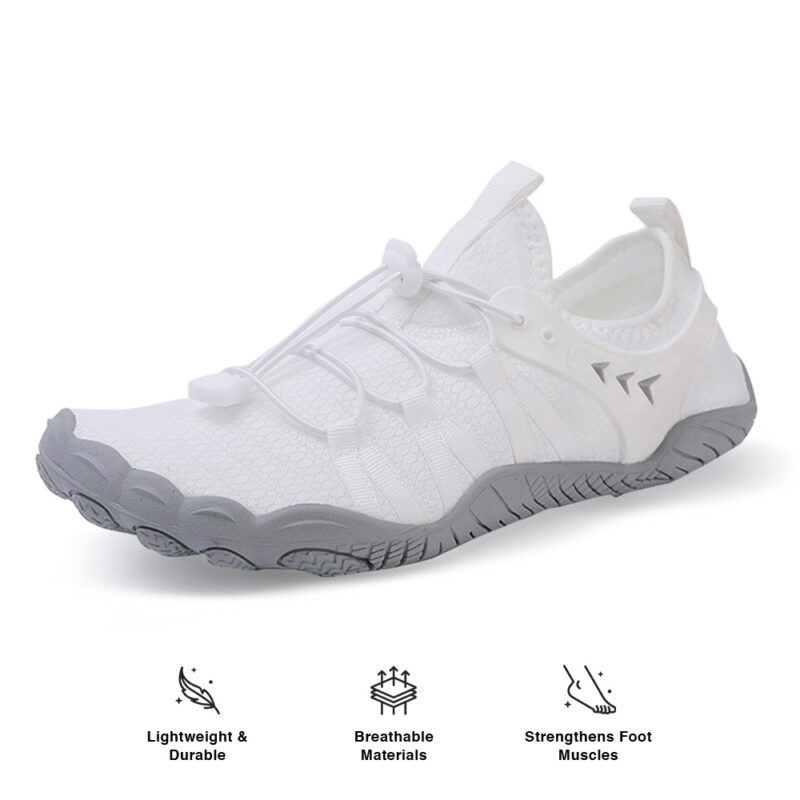
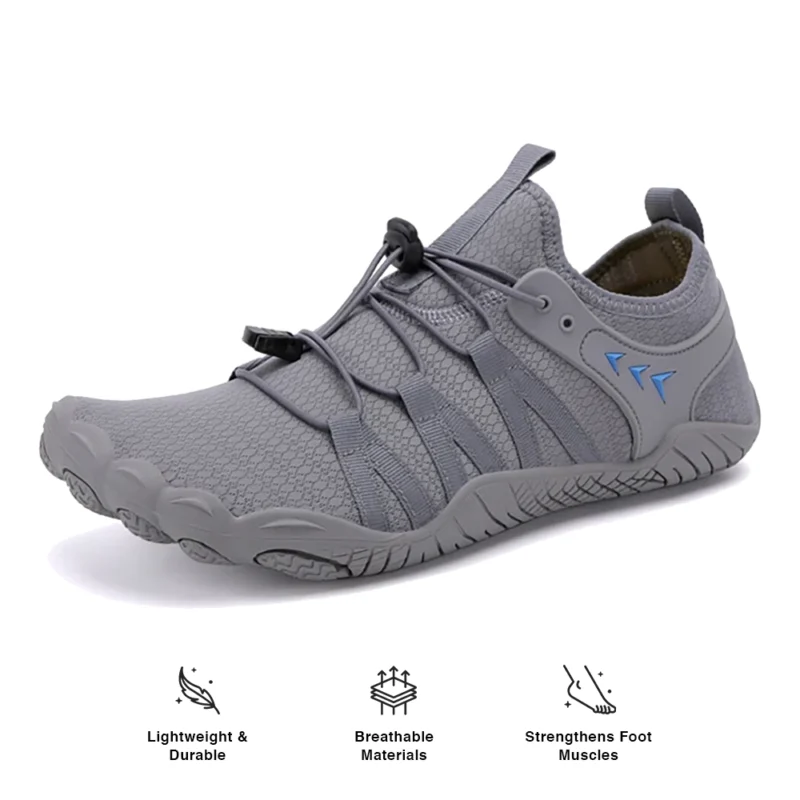
Why Your Current Work Shoes Are Working Against You
Standing for eight-hour shifts shouldn't leave your feet screaming for relief, yet most professionals accept foot pain as part of the job. Traditional work shoes create this problem by forcing your feet into unnatural positions with raised heels, narrow toe boxes, and rigid materials that prevent normal movement. The best work shoes take the opposite approach – they're designed like a second skin that moves with you, not against you. When you transition to minimalist work shoes, you'll notice your feet feel more alive and responsive, even during the longest shifts.
The Hidden Cost of "Supportive" Work Footwear
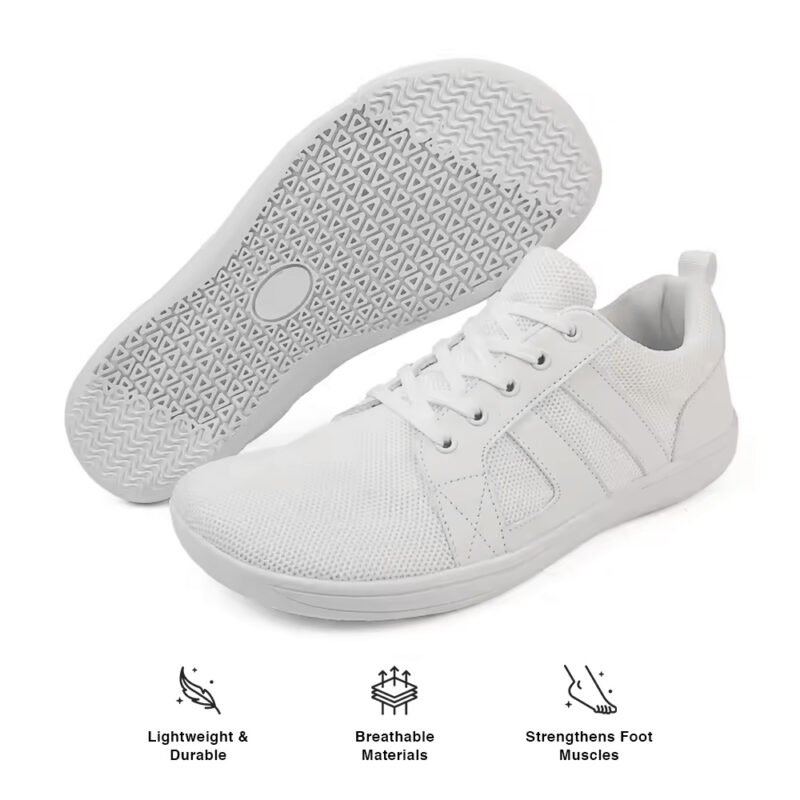
Your feet contain 26 bones, 33 joints, and over 100 muscles, tendons, and ligaments – yet conventional work shoes treat them like they need external life support. This artificial support actually weakens your foot muscles over time, creating dependence rather than strength. The best work shoes trust your feet to do what they're designed to do: support, balance, and propel you naturally. Look for work shoes with zero drop (flat from heel to toe) and flexible soles that let your foot muscles engage with every step.
How Ground Connection Transforms Your Work Day
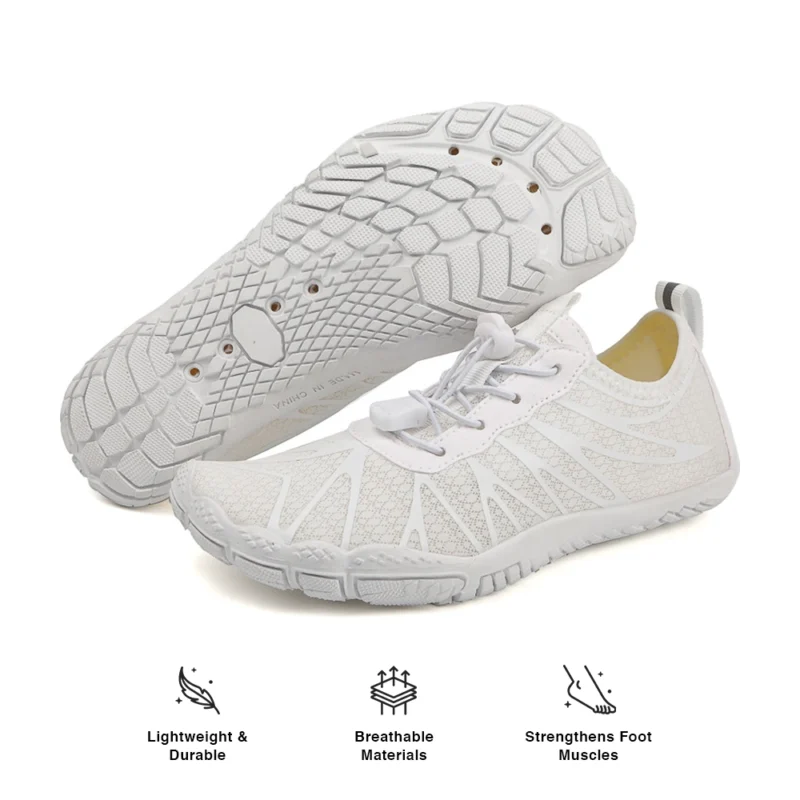
Most work shoes elevate you above the ground with thick, cushioned soles that disconnect you from your environment. This disconnection affects your balance, posture, and proprioception – your body's ability to sense where it is in space. The best work shoes feature thin, flexible soles that restore this crucial ground connection while still providing protection from workplace hazards. When you can actually feel the floor beneath your feet, your entire kinetic chain – from feet to spine – aligns more naturally, reducing the cumulative stress that builds up during long work days.
The True Meaning of Professional Comfort
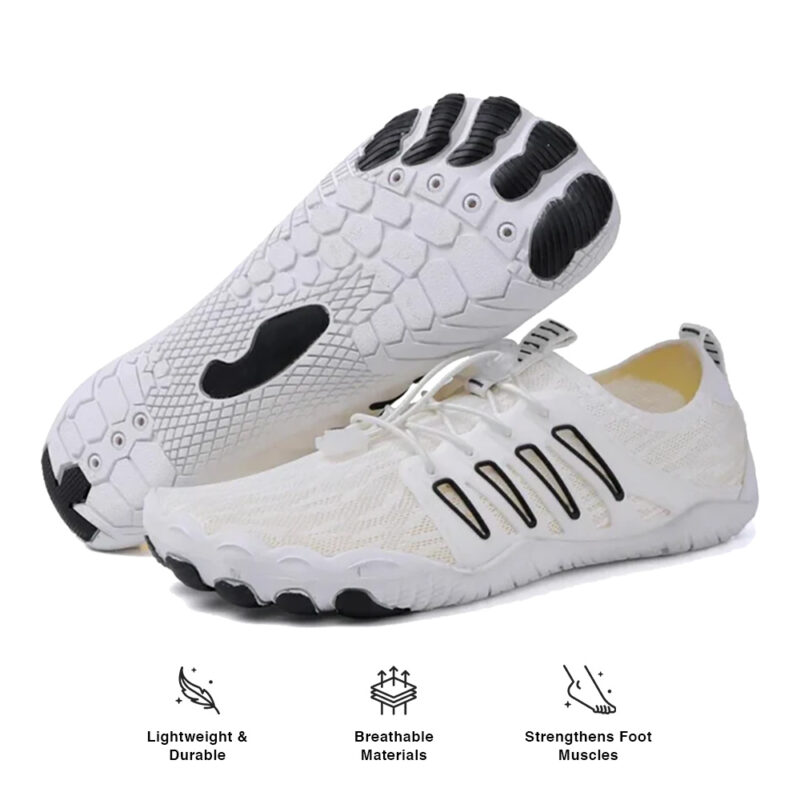
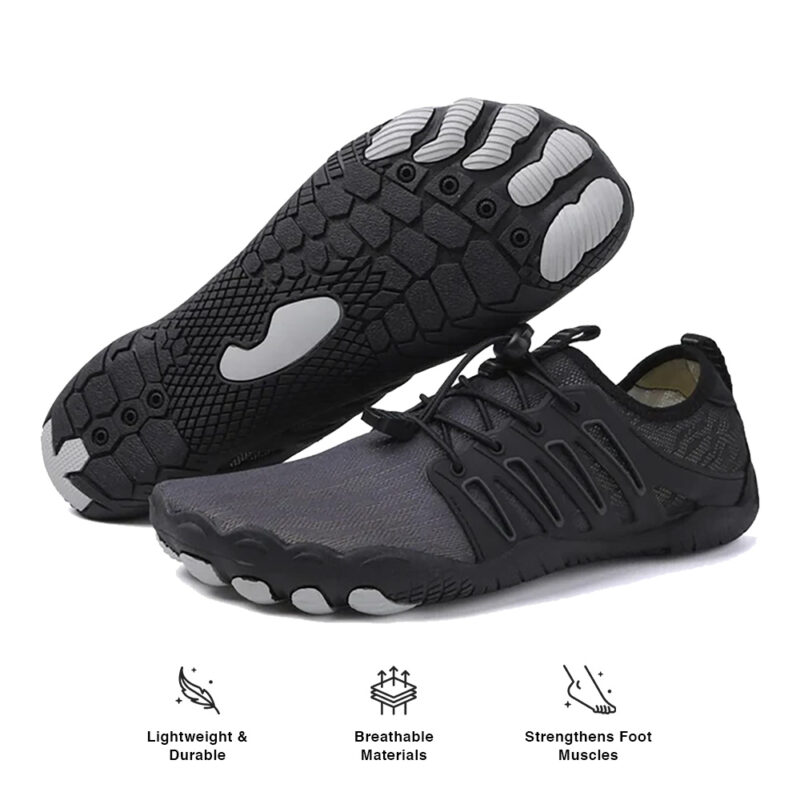
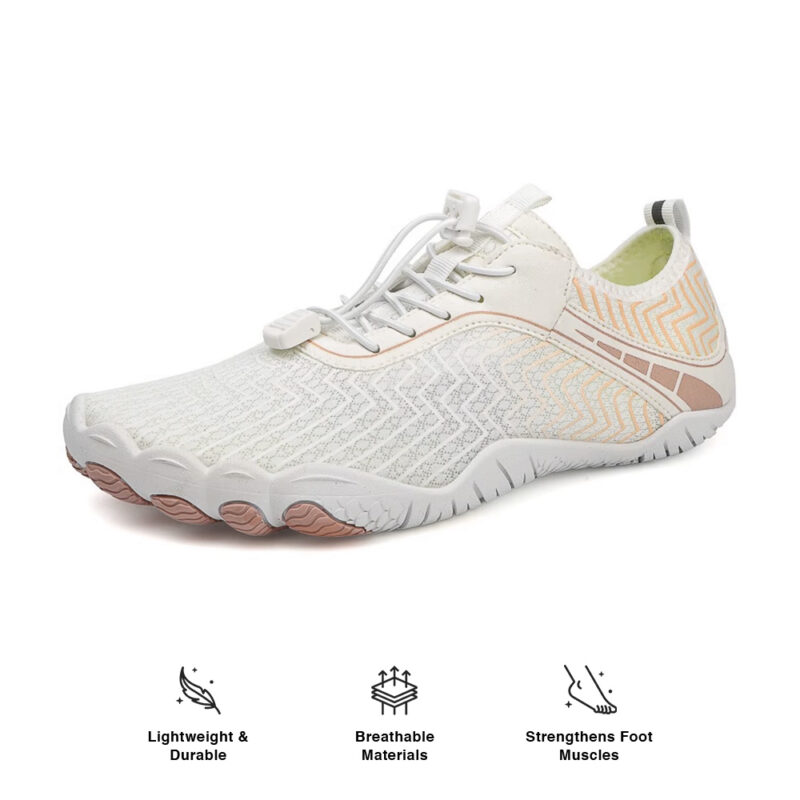
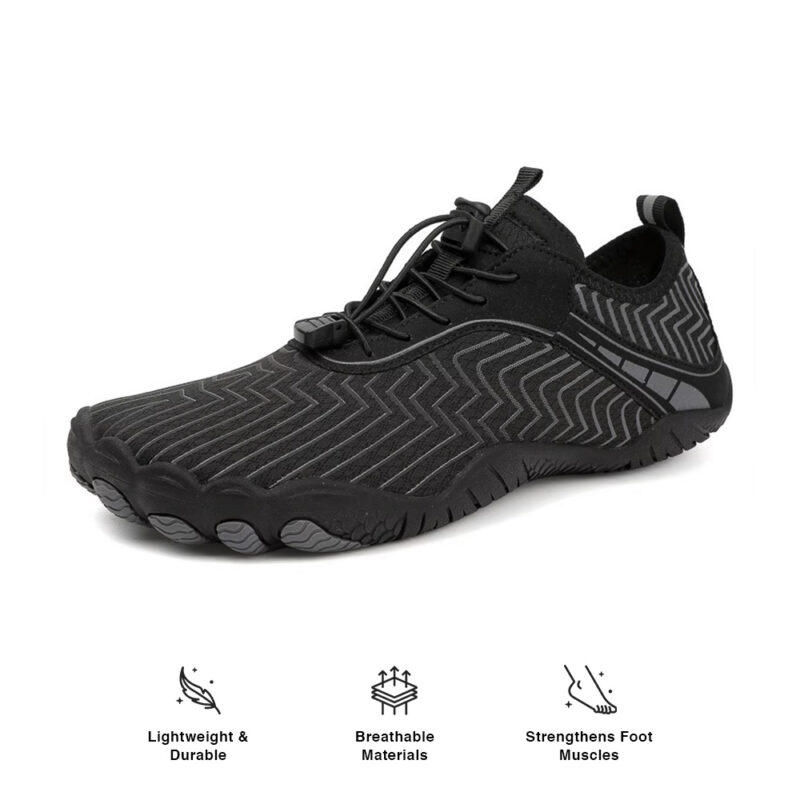
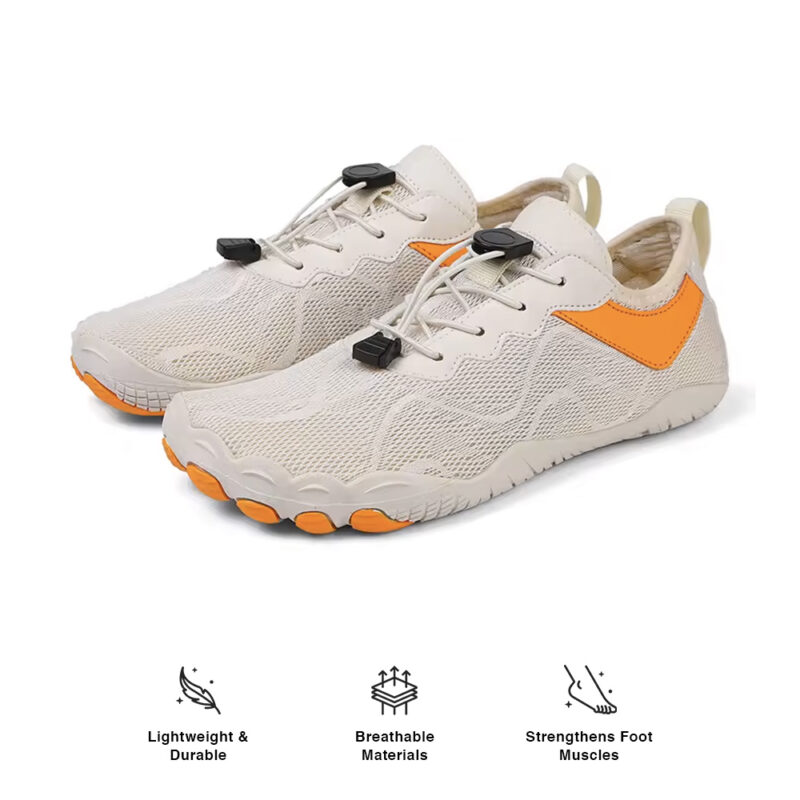
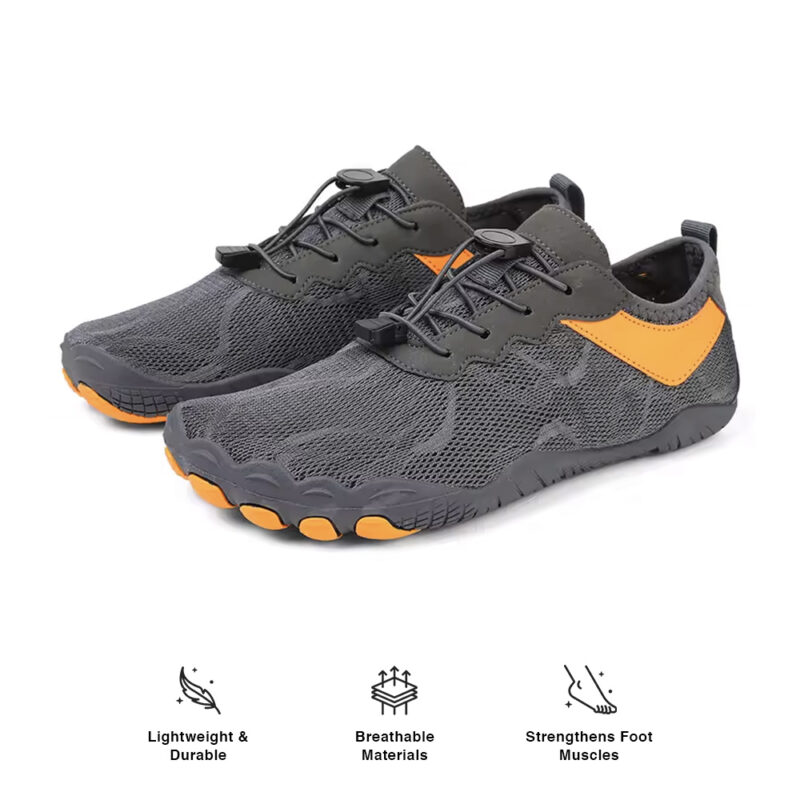
Real comfort at work isn't about maximum cushioning – it's about maximum freedom of movement. Your feet need to spread, flex, and adapt to different surfaces and positions throughout your shift. The best work shoes provide a roomy toe box that allows your toes to spread naturally, improving stability and reducing pressure points that cause pain and fatigue. Choose work shoes that feel like an extension of your foot rather than a constraint, and notice how this freedom translates into sustained energy and focus throughout your workday.
Building Stronger Feet While You Work
Every step in minimalist work shoes is an opportunity to strengthen your feet rather than weaken them. Unlike traditional work shoes that do the work for your feet, the best work shoes require your foot muscles to engage actively, gradually building strength and resilience over time. This process might feel different initially as your feet adapt to working naturally again, so transition gradually by alternating between old and new shoes for the first few weeks while your feet rediscover their strength.
Why Workplace Safety Doesn't Require Foot Imprisonment
Safety regulations don't have to mean sacrificing foot health. The best work shoes meet industry safety standards while maintaining the principles that keep your feet healthy and strong. Look for minimalist work shoes with protective toe caps, slip-resistant outsoles, and puncture-resistant materials that safeguard your feet without compromising natural movement. Modern barefoot work shoes prove you can have both protection and performance in the same package.
Making the Switch: Your Path to Better Work Days
Transitioning to the best work shoes is an investment in your long-term health and daily comfort. Start by evaluating your current footwear honestly – do your shoes enhance or restrict your natural movement? Begin incorporating foot-strengthening exercises into your routine and gradually increase time in minimalist footwear outside of work before making the full transition. Your feet have incredible capacity for strength and resilience when given the chance to function naturally, and the best work shoes simply provide that opportunity within your professional environment.