Why Traditional Shoe Design Fails Modern Men
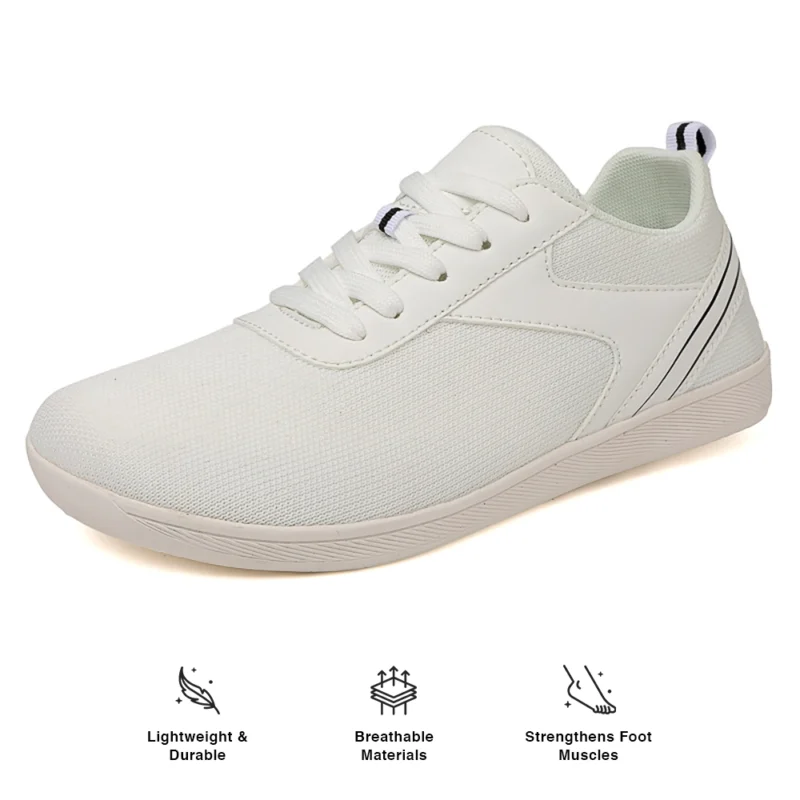
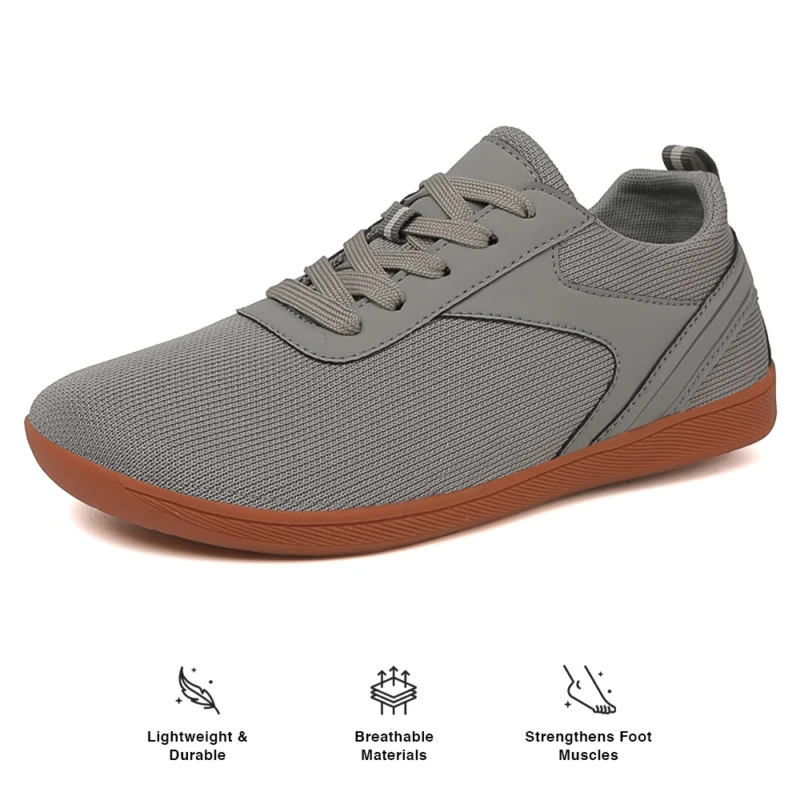
You've probably noticed that even expensive shoes leave you feeling tired and sore after long days. This happens because conventional shoe design treats your feet like fragile structures that need constant support and cushioning. Your feet actually contain intricate networks of muscles and sensors designed to adapt to different surfaces and provide natural shock absorption. When the best mens shoes restrict this natural function with thick soles and rigid structures, your foot muscles weaken and your balance suffers. Look for shoes with thin, flexible soles that let you feel the ground beneath your feet – this ground connection helps your body naturally adjust your posture and gait for optimal comfort and stability.
The Hidden Cost of Narrow Toe Boxes
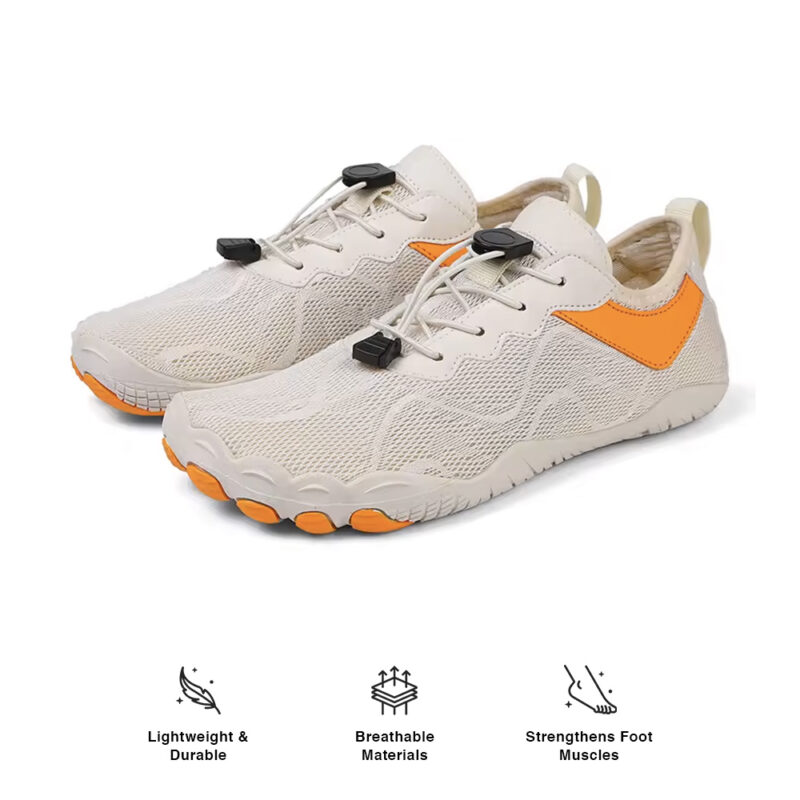
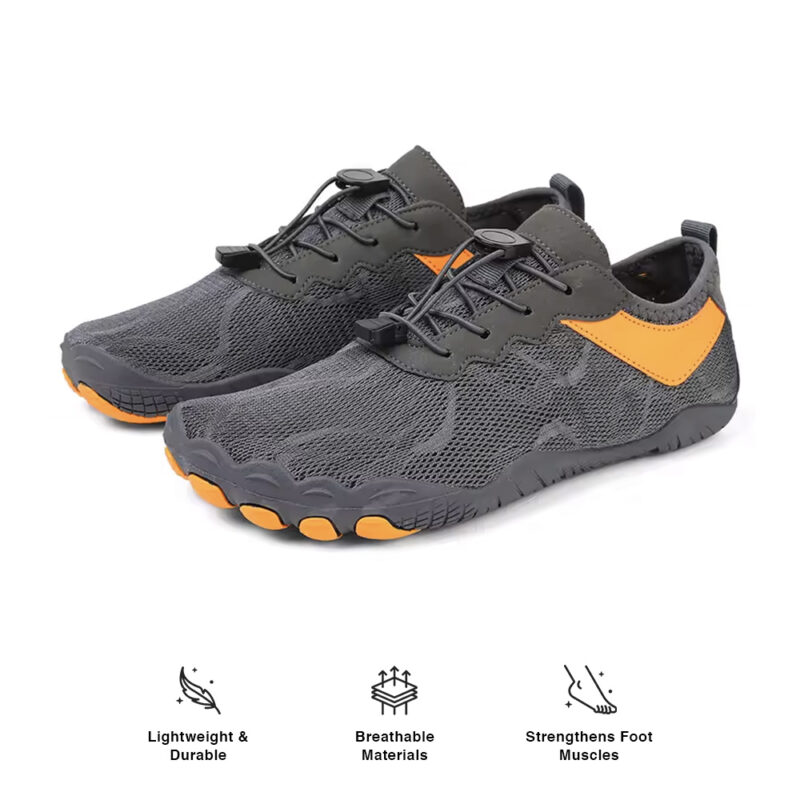
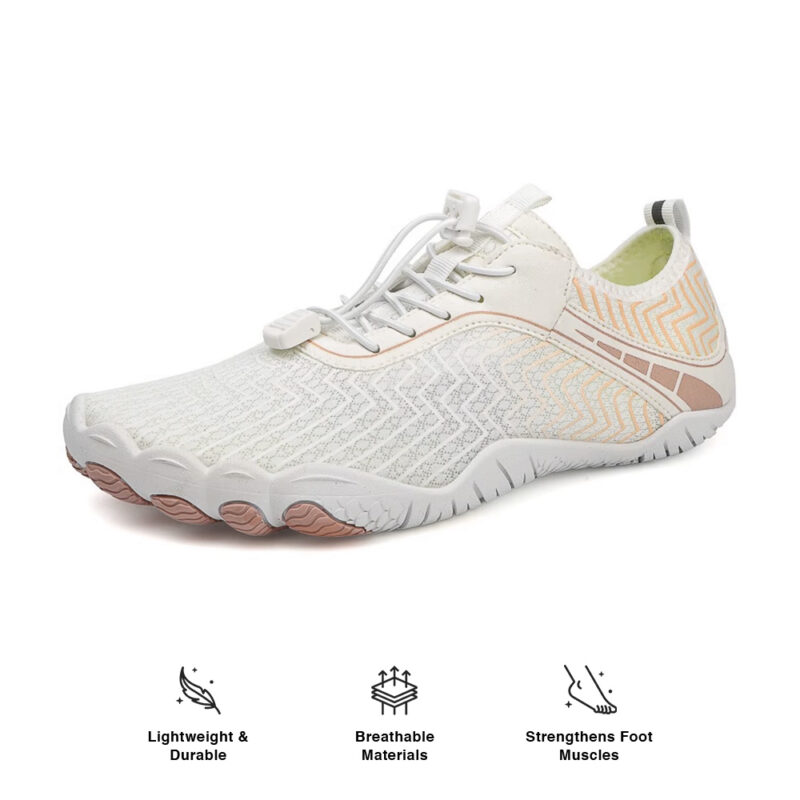
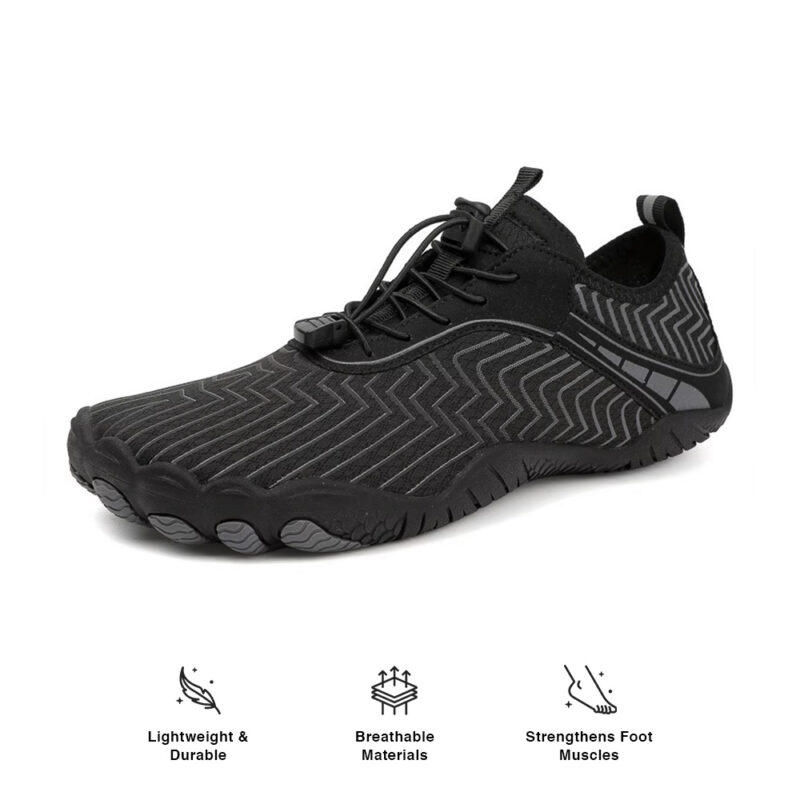
Your toes are designed to spread wide for balance and power, but most men's shoes squeeze them into unnatural positions. This cramped environment leads to bunions, hammertoes, and general foot discomfort that affects your entire day. The best mens shoes should have wide, foot-shaped toe boxes that allow your toes to splay naturally when you walk or run. This natural toe spread improves your balance, reduces pressure points, and lets your feet generate power more efficiently during movement. When shopping for new shoes, make sure you can wiggle all your toes freely and that the shoe follows the natural outline of your foot rather than forcing it into a narrow point.
Breaking Free from the Cushioning Trap
You might think more padding equals more comfort, but excessive cushioning actually makes your feet weaker over time. When shoes provide artificial shock absorption, your foot muscles don't have to work to protect your joints naturally. This leads to muscle atrophy and increased injury risk when you do encounter harder surfaces. The best mens shoes feature minimal cushioning that protects you from sharp objects while still allowing your feet to engage with the ground. Your feet will gradually adapt and become stronger, providing better natural shock absorption than any foam or gel insert ever could. Start with shorter periods in minimalist shoes and gradually increase your wear time as your feet strengthen.
How Heel Drop Affects Your Entire Body
Most men's shoes have elevated heels that tilt your body forward, forcing you to lean back to maintain balance. This artificial positioning strains your calves, affects your posture, and can contribute to back pain throughout your day. The best mens shoes have zero or minimal heel drop, keeping your foot in its natural position and allowing your body to stack properly from the ground up. When your heel and forefoot are at the same level, your weight distributes evenly across your foot, your calf muscles can function naturally, and your spine maintains better alignment. This simple change can dramatically reduce the fatigue and discomfort you experience during long days on your feet.
Finding Flexibility That Moves With You
Your feet need to bend, twist, and adapt to different surfaces throughout the day, but stiff shoes prevent this natural movement. Rigid soles force your feet to work harder and can lead to compensatory movement patterns that cause problems up your kinetic chain. The best mens shoes should bend easily at the ball of the foot and allow some twisting motion to accommodate uneven terrain. Test shoe flexibility by holding the heel and toe and trying to bend the shoe – it should fold naturally where your foot bends. This flexibility allows your foot muscles to engage properly and helps maintain the natural strength and mobility your feet were designed to have.
Material Choices That Support Foot Health
Your feet need to breathe and maintain proper temperature and moisture levels throughout the day. Synthetic materials and thick padding trap heat and moisture, creating environments where bacteria thrive and comfort suffers. The best mens shoes use natural, breathable materials like leather or high-quality synthetic fabrics that allow air circulation while providing durability. These materials also tend to be more flexible and conform to your foot shape over time, creating a custom fit that improves with wear. Choose shoes with minimal internal padding and seams that could create pressure points, focusing instead on quality materials that work with your foot's natural shape and function.
Making the Transition to Better Footwear
Your feet have likely adapted to traditional shoe design over many years, so transitioning to more natural footwear requires patience and gradual progression. Start by wearing the best mens shoes for short periods and on softer surfaces, gradually increasing duration and challenging terrain as your feet strengthen and adapt. You might experience some initial fatigue or soreness as dormant muscles wake up and begin working again – this is normal and temporary. Listen to your body and don't rush the process; building natural foot strength takes time but provides lasting benefits that far exceed the temporary adjustment period. Consider alternating between your old and new shoes during the transition to give your feet time to adapt while maintaining your daily activities.