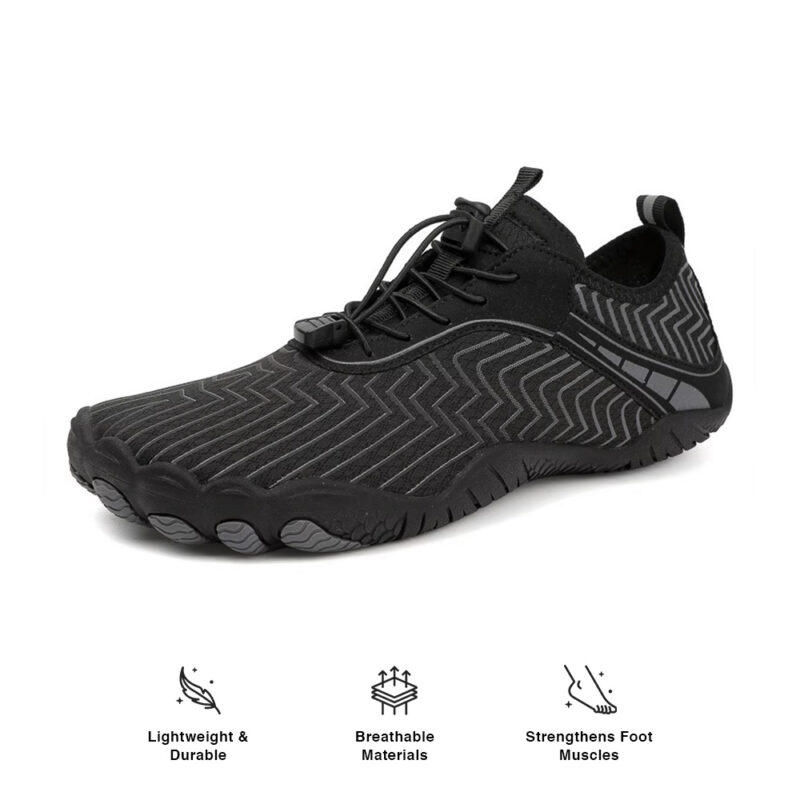
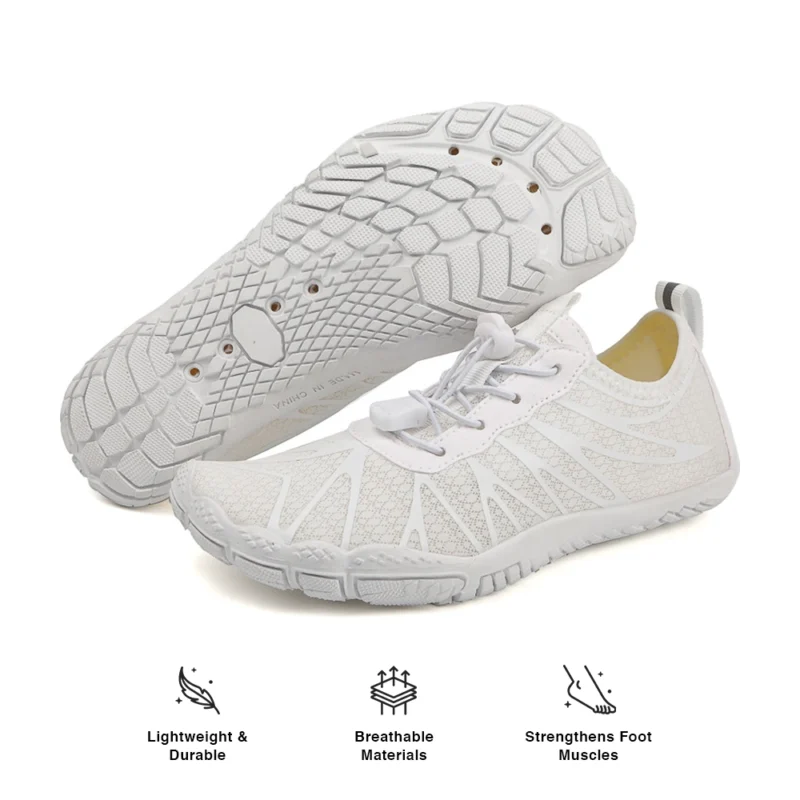
Why Neuropathy Makes Traditional Shoe Shopping a Nightmare
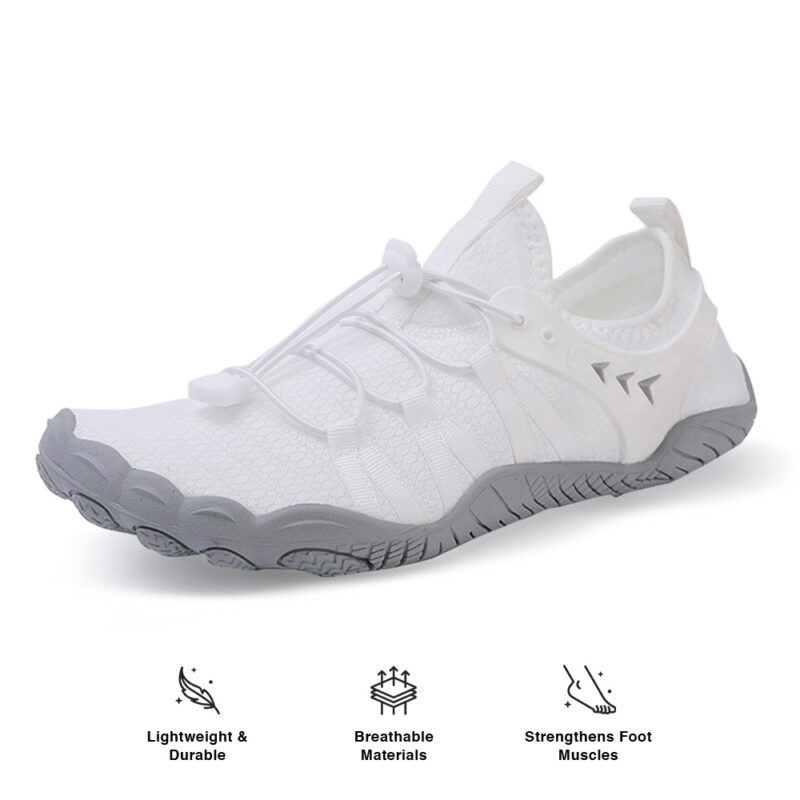
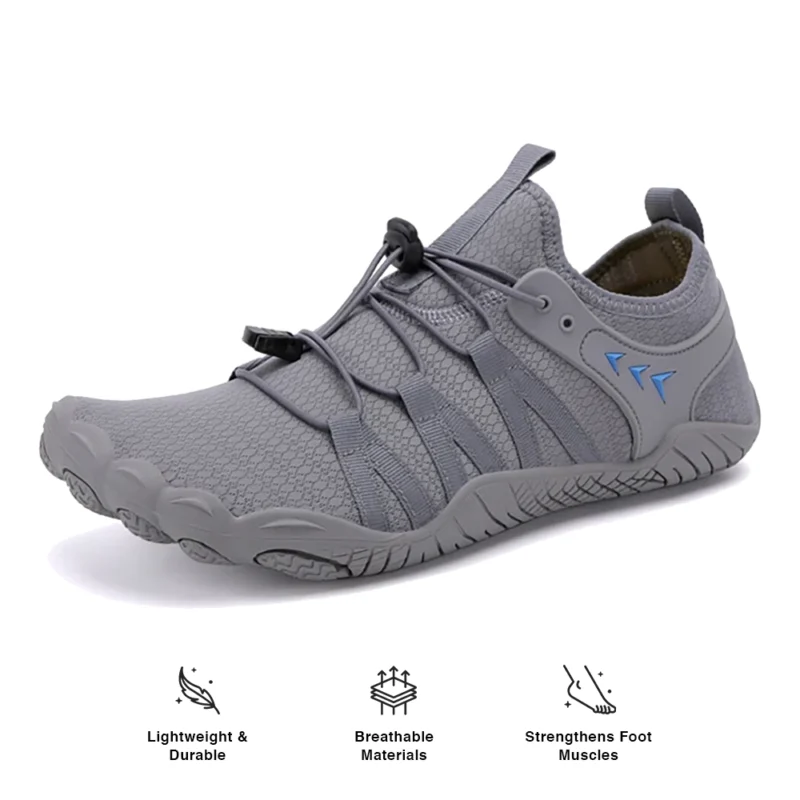
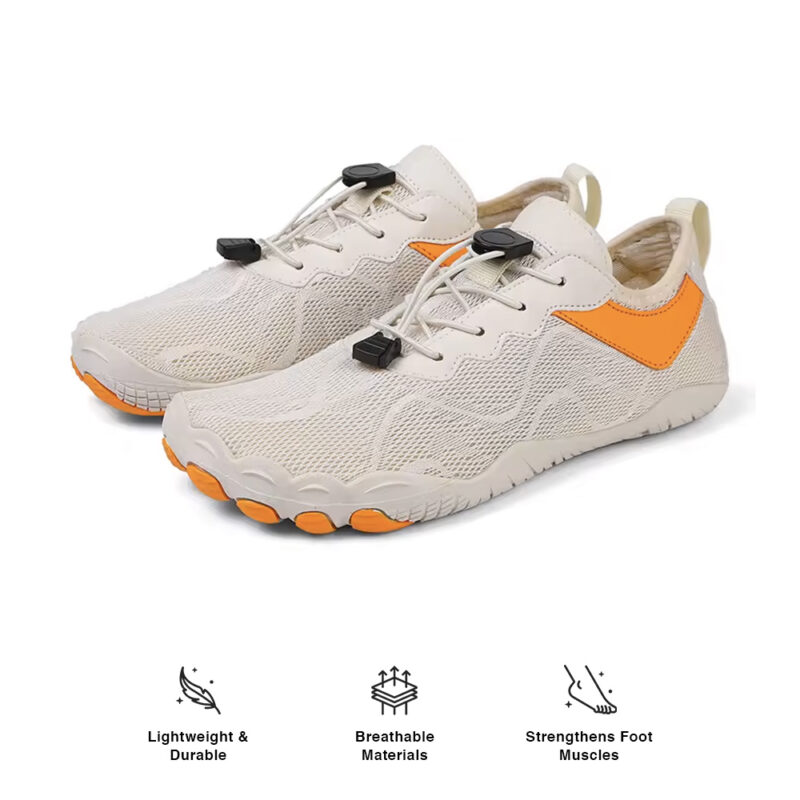
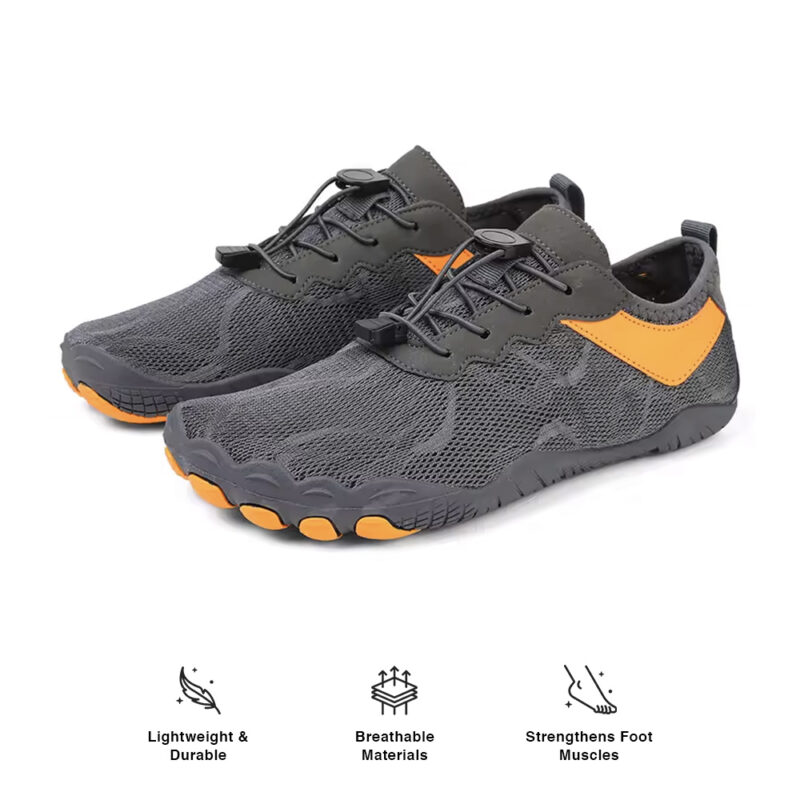
Living with neuropathy means every shoe shopping trip becomes an exercise in disappointment and pain. You try on pair after pair, hoping to find something that won't trigger those familiar burning sensations or create new pressure points on already sensitive feet. What you need in the best shoes for neuropathy is a completely different approach that prioritizes your foot's natural structure and movement patterns. Minimalist footwear eliminates the rigid structures that often cause problems, instead offering flexible materials that move with your feet throughout the day. Start by measuring your feet in the afternoon when they're naturally more swollen to ensure proper sizing.
The Hidden Danger of Narrow Toe Boxes for Nerve-Damaged Feet
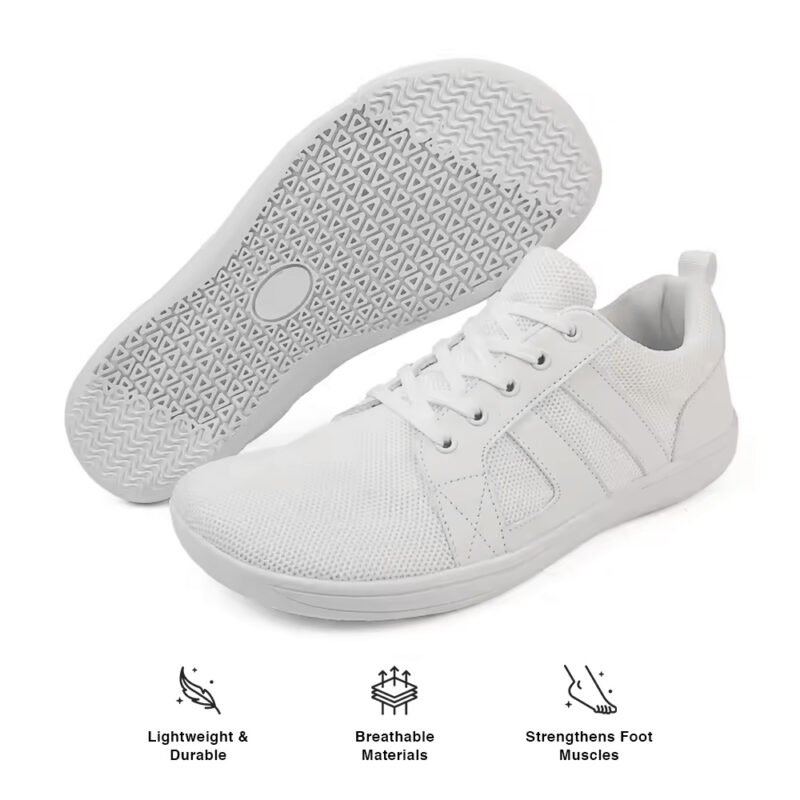
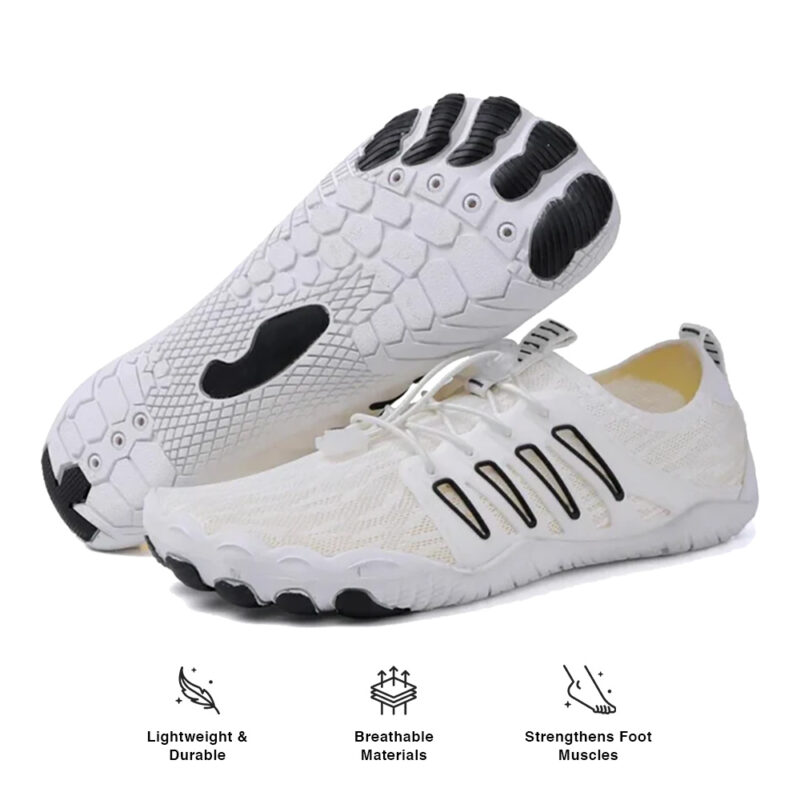
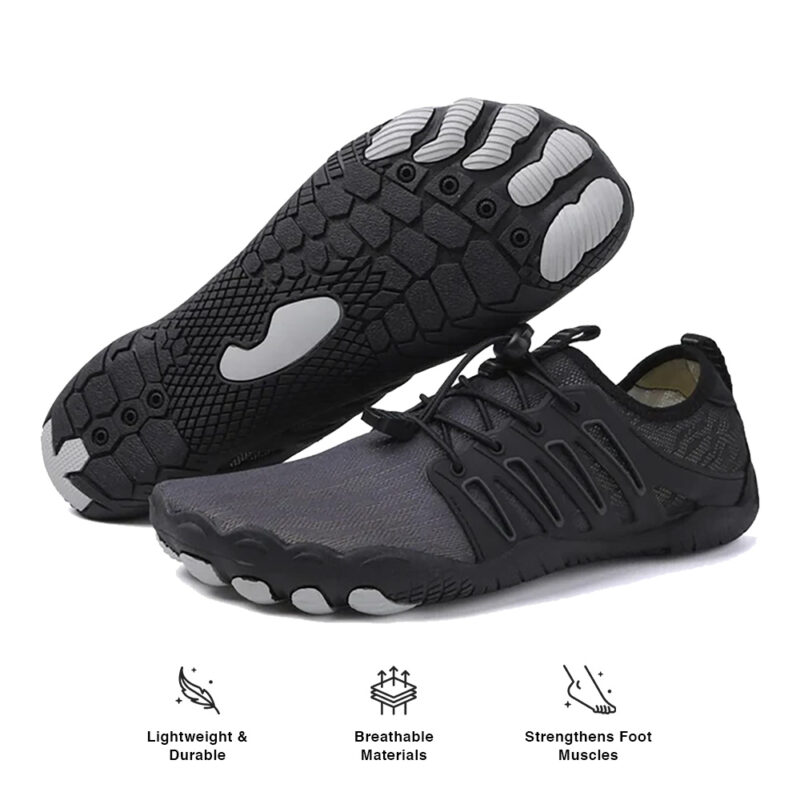
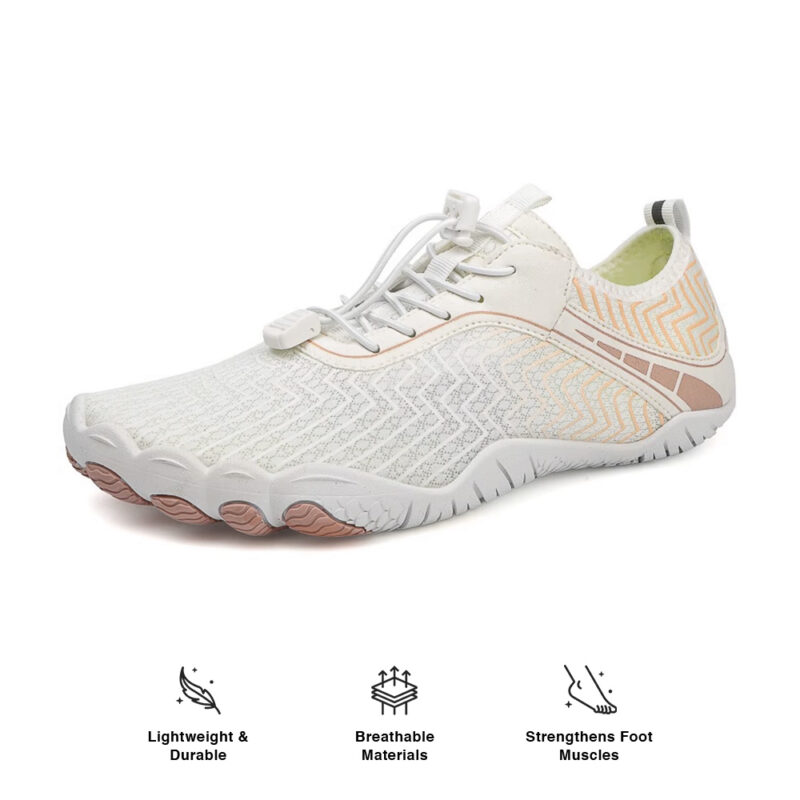
Your toes are already struggling with reduced sensation and potentially altered shape due to neuropathy, making cramped toe boxes particularly problematic. When searching for best shoes for neuropathy, you need options that provide generous width and length in the toe area to prevent additional nerve compression. Barefoot-style shoes feature anatomically shaped toe boxes that allow your toes to spread naturally, reducing pressure on the delicate nerves running through your forefoot. This natural toe spread also improves balance and stability, which becomes crucial when neuropathy affects your proprioception. Choose shoes with toe boxes that are widest at the tips of your toes, not at the ball of your foot.
How Flexible Soles Can Improve Your Balance and Confidence
Balance issues often accompany neuropathy, making you feel unsteady and fearful of falling with each step you take. The best shoes for neuropathy should enhance rather than hinder your body's natural balance mechanisms through thin, flexible soles that allow ground feel. When your feet can actually sense the terrain beneath them, your brain receives valuable feedback that helps compensate for reduced nerve function in your feet. Minimalist soles strengthen the small muscles in your feet and lower legs, creating a more stable foundation for your entire body. Practice walking on different safe surfaces while wearing flexible-soled shoes to gradually rebuild confidence and improve proprioception.
Why Breathable Materials Matter More When You Have Neuropathy
Neuropathy can affect your body's ability to regulate temperature and moisture in your feet, making breathable materials essential for comfort and health. You need best shoes for neuropathy made from natural materials like leather or hemp that allow air circulation while wicking moisture away from sensitive skin. Poor ventilation can lead to fungal infections or skin breakdown, which becomes particularly dangerous when you have reduced sensation to detect problems early. Natural materials also tend to be more flexible and conforming, reducing the likelihood of creating pressure points on vulnerable areas. Look for shoes with minimal synthetic components and plenty of ventilation features.
The Importance of Easy On-Off Access for Daily Management
Managing neuropathy often means dealing with morning stiffness, swelling that changes throughout the day, and difficulty with fine motor tasks like tying laces. The best shoes for neuropathy should accommodate these challenges with thoughtful closure systems that don't require complex manipulation. Slip-on designs with elastic panels or wide velcro straps allow you to adjust fit as needed without struggling with traditional laces. Quick removal becomes important when you experience sudden pain flares or need to elevate your feet during the day. Consider shoes with heel tabs or other features that make removal easier when your hands aren't as steady.
Building Foot Strength Safely Despite Nerve Damage
Even with neuropathy, your feet benefit from gentle strengthening that can improve overall function and potentially reduce some symptoms. Best shoes for neuropathy with minimal structure encourage natural foot movement that safely builds strength over time without overwhelming compromised nerves. The key lies in gradual transition, starting with short periods in minimalist footwear and slowly increasing duration as your feet adapt. This approach helps maintain muscle tone and joint mobility, which becomes increasingly important as neuropathy progresses. Begin with indoor wear for 15-30 minutes daily and pay attention to how your feet respond before extending wear time.
Creating a Rotation System for Maximum Comfort Throughout Your Day
Your neuropathy symptoms likely fluctuate throughout the day, requiring different levels of accommodation and support at various times. Having multiple pairs of best shoes for neuropathy allows you to match your footwear to your current comfort needs and activity levels. Morning shoes might need more room for initial swelling, while evening options could focus on gentle compression and easy removal. This rotation system also prevents any single pair from becoming a source of pressure or irritation through extended wear. Keep a comfortable pair near your bed for nighttime needs and another by your front door for quick outdoor tasks.