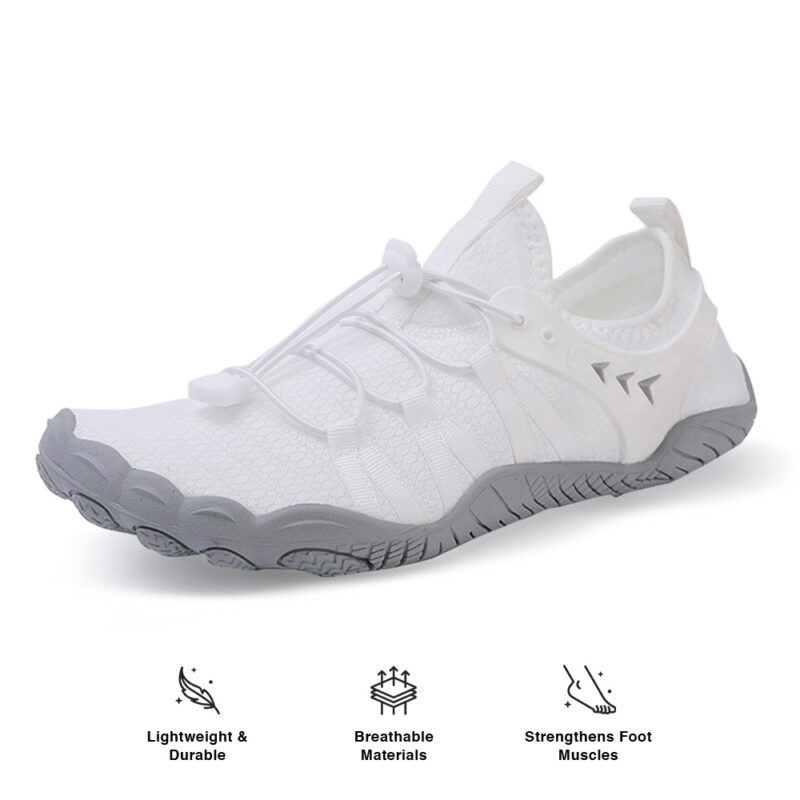
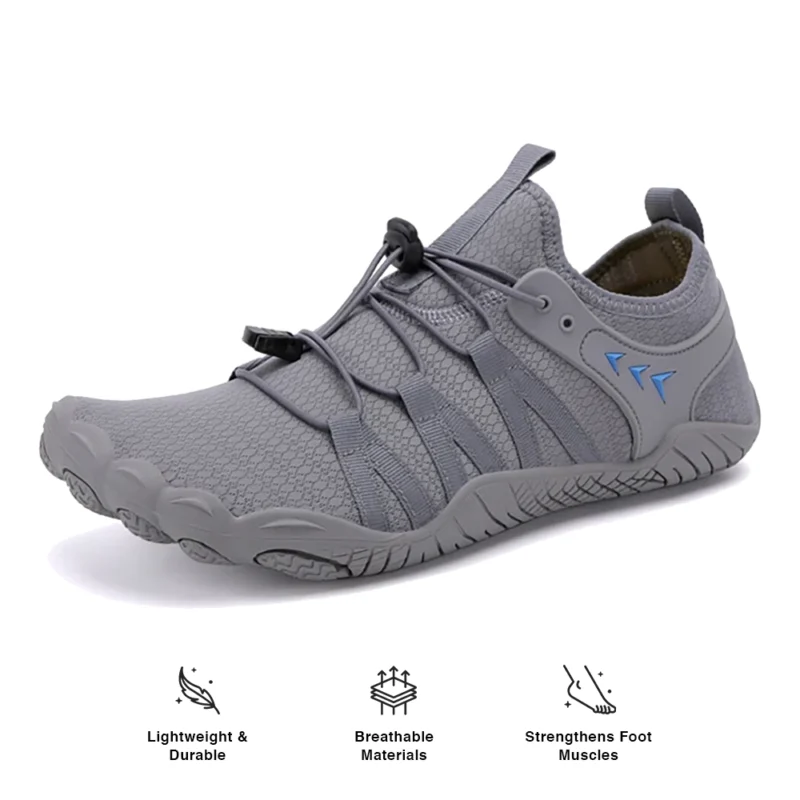
Your Feet Crave Natural Movement, Not Rigid Control
When you've been told you overpronate, the typical response is to strap your feet into motion control shoes that feel like walking in concrete boots. You want relief, not restriction, and your feet are actually crying out for the opposite of what traditional footwear provides. The best shoes for overpronation work by allowing your foot's natural arch to engage and strengthen rather than forcing it into an artificial position. Your intrinsic foot muscles – those small but mighty stabilizers – need to work in order to grow stronger, and minimalist shoes provide the perfect environment for this strengthening to occur naturally.
Ground Feel Transforms Your Balance and Stability
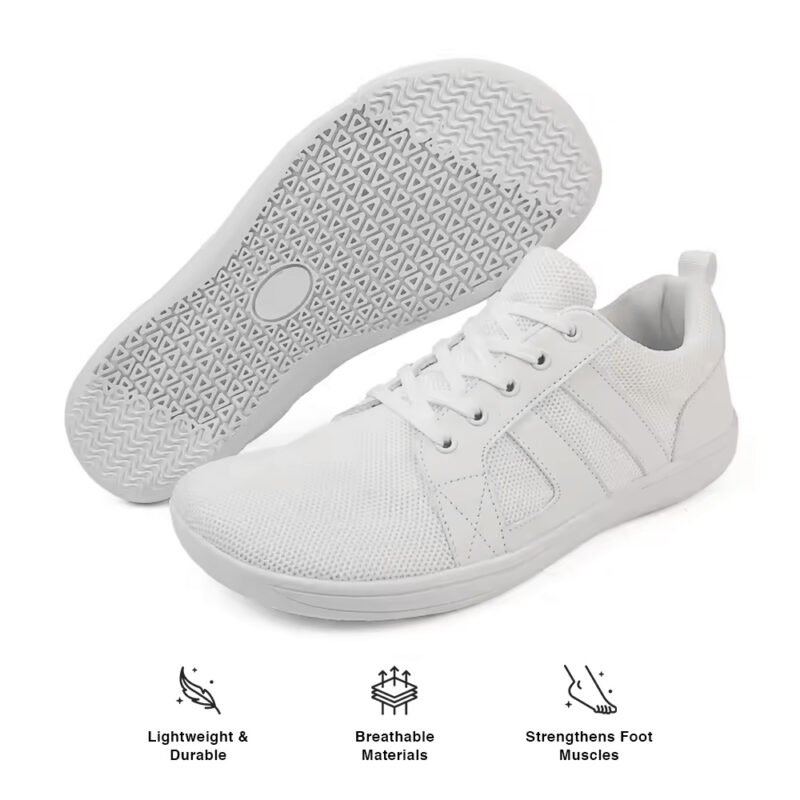
You've likely noticed that your balance feels off, especially on uneven surfaces, and this connects directly to overpronation issues. Traditional thick-soled shoes disconnect you from the ground, making your proprioceptive system work overtime to figure out where you are in space. When you choose the best shoes for overpronation with thin, flexible soles, your feet can actually feel the ground beneath them, sending crucial sensory information up through your nervous system. This enhanced ground connection allows your body to make micro-adjustments naturally, improving your overall stability and reducing the tendency for your feet to collapse inward.
Toe Freedom Unlocks Your Foot's Natural Architecture
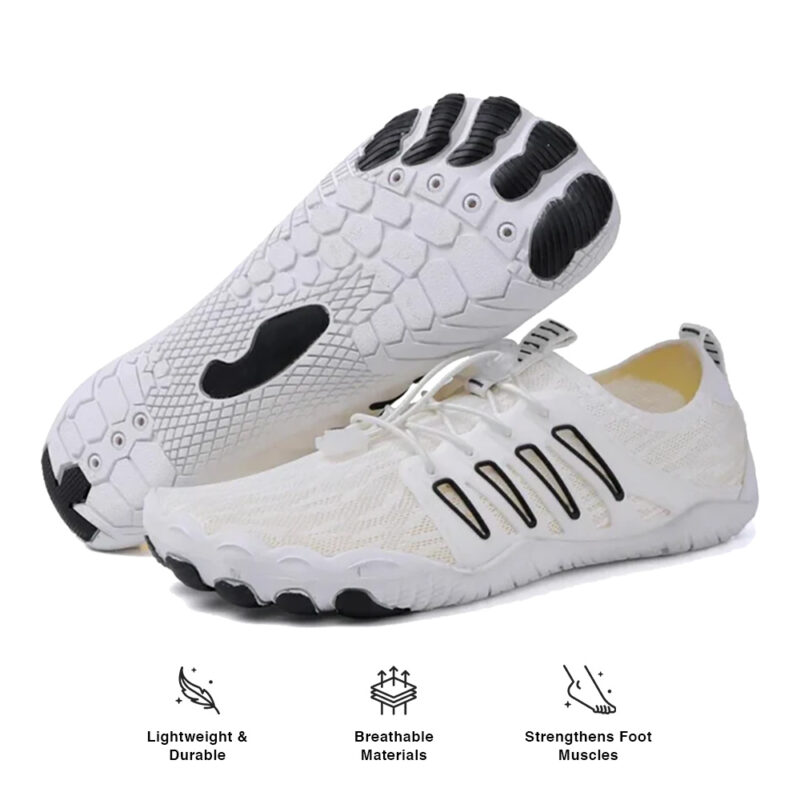
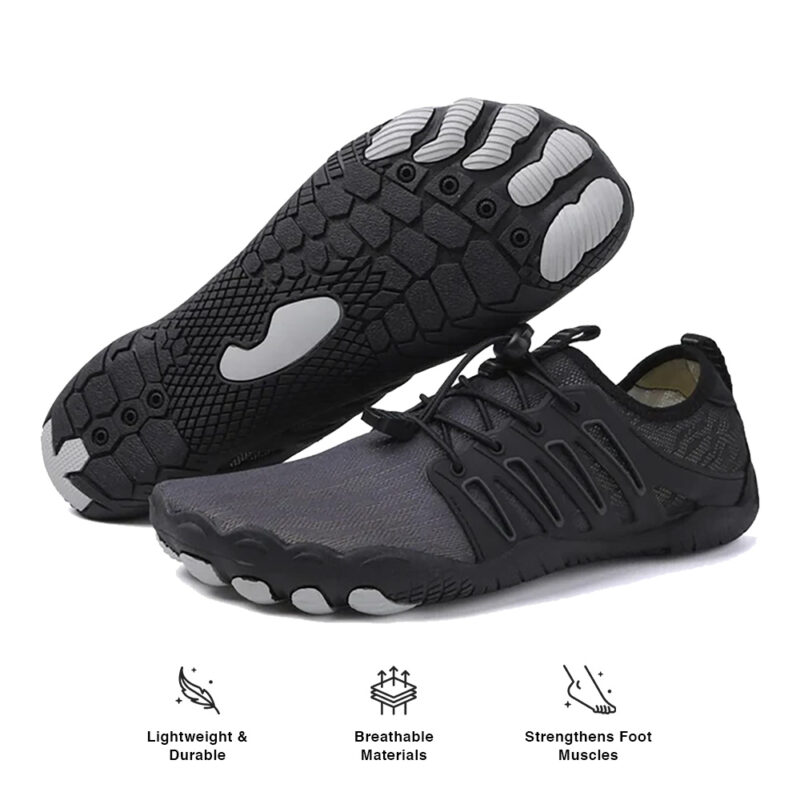
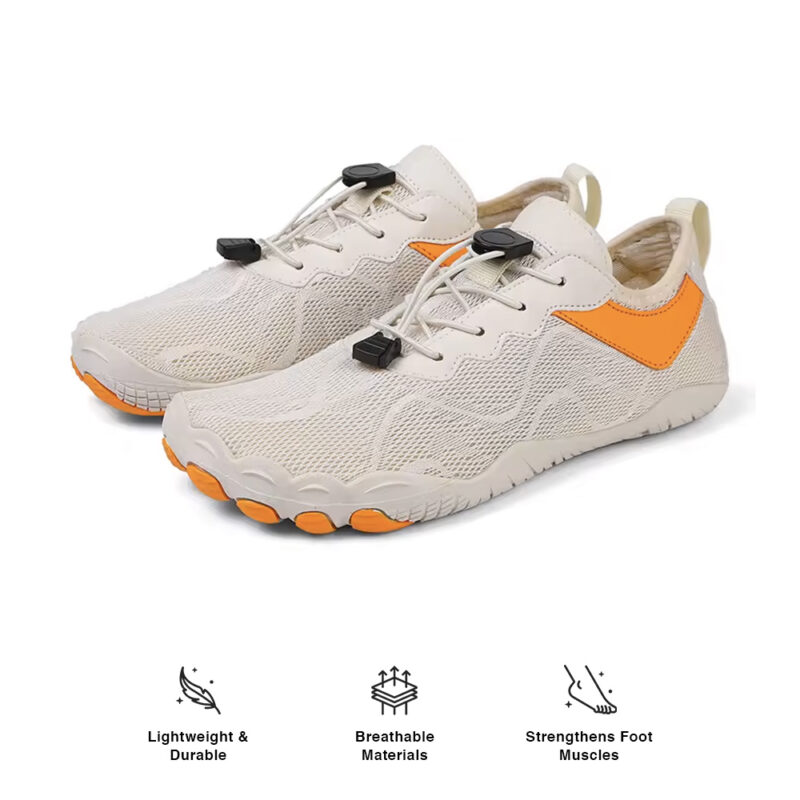
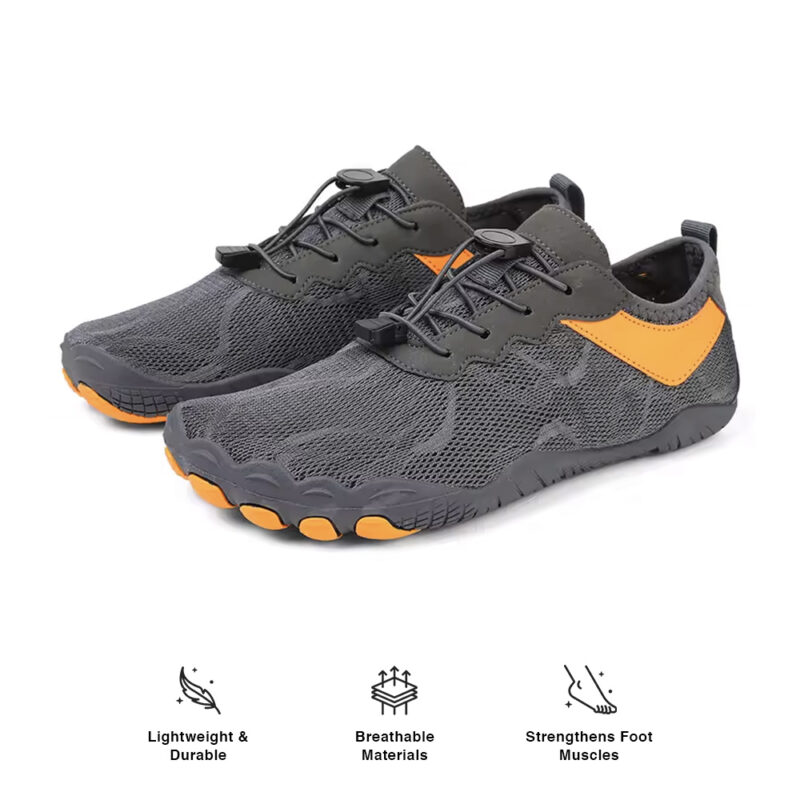
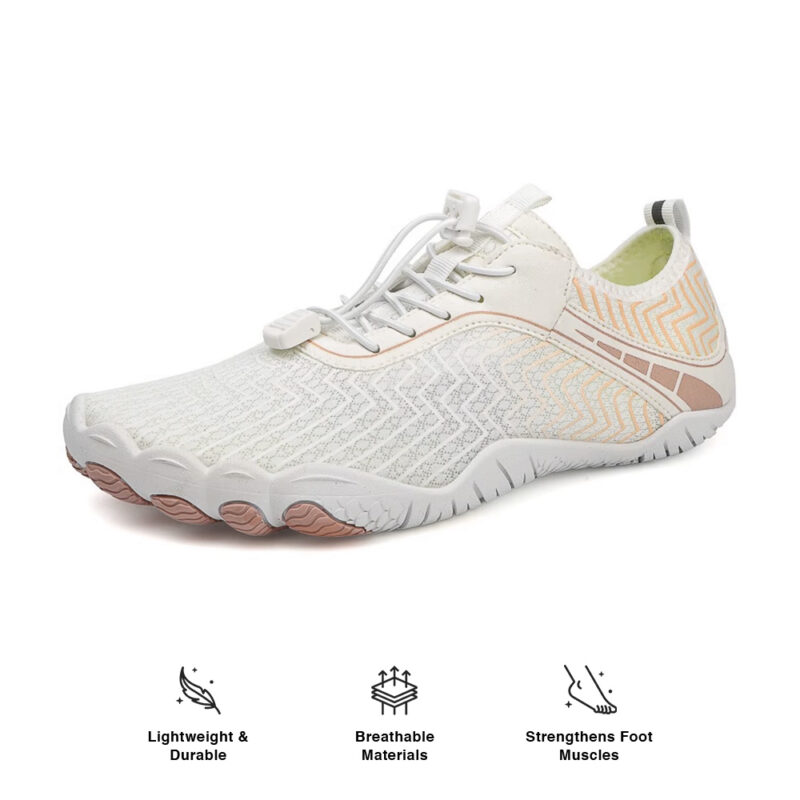
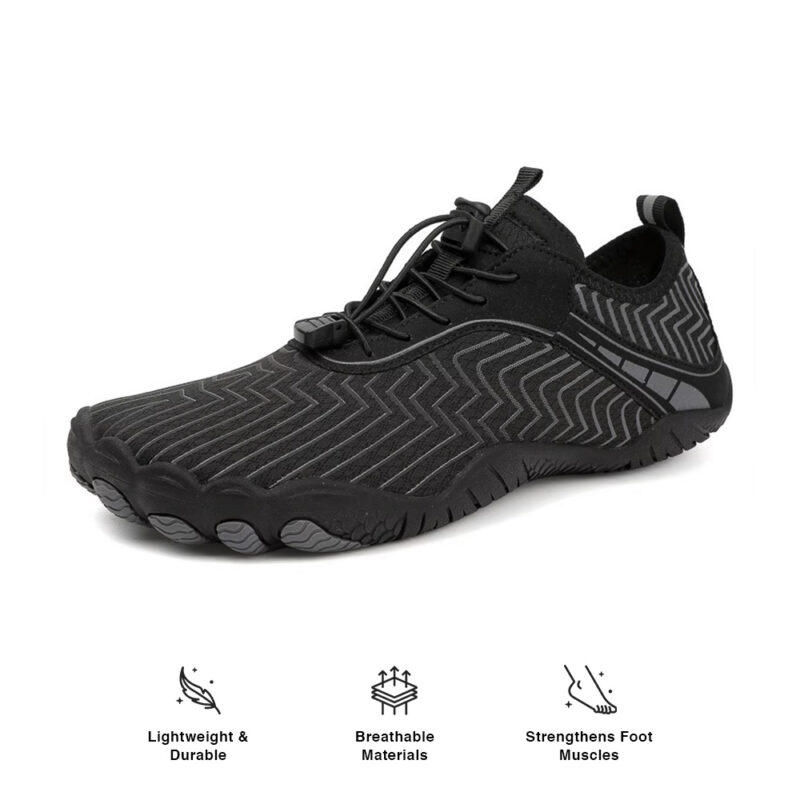
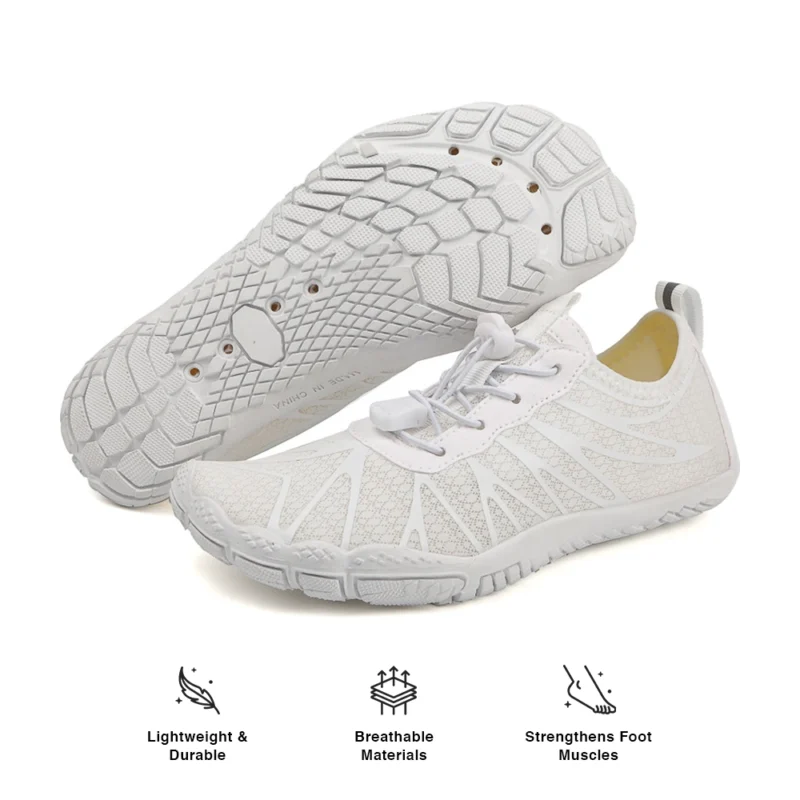
Your toes have been cramped in narrow toe boxes for years, and this restriction directly contributes to overpronation problems because your toes can't spread and grip the ground effectively. You need footwear that respects your foot's natural shape, with a wide toe box that allows your toes to splay and function as they're designed to. The best shoes for overpronation feature toe boxes that mirror your barefoot footprint, giving your big toe the space it needs to provide medial stability and your smaller toes room to contribute to balance and propulsion.
Flexibility Means Your Feet Can Do Their Job
Stiff, inflexible shoes turn your feet into passive passengers rather than active participants in movement, which actually encourages overpronation because your foot muscles become weak and dependent. You want shoes that bend, twist, and flex with every step, allowing the complex biomechanics of your feet to unfold naturally. When you select the best shoes for overpronation with maximum flexibility, you're choosing footwear that moves like a second skin, enabling your feet to strengthen through natural movement patterns rather than being held in place by external structures.
Zero Drop Promotes Proper Body Alignment
The elevated heel in traditional shoes shifts your weight forward and disrupts the natural alignment of your entire body, often contributing to overpronation as your feet struggle to maintain balance on an uneven platform. You need a level playing field – literally – where your heel and forefoot sit at the same height, allowing your body to stack properly from the ground up. The best shoes for overpronation feature zero drop construction that encourages proper posture and weight distribution, helping your feet land beneath your center of gravity rather than out in front where overpronation is more likely to occur.
Lightweight Design Lets Your Feet Move Freely
Heavy, bulky shoes require extra energy to lift with each step and can throw off your natural gait pattern, potentially exacerbating overpronation issues. You want footwear that feels almost weightless, allowing your feet and legs to move with efficiency and grace. When you choose the best shoes for overpronation in lightweight, minimalist designs, you're selecting shoes that disappear on your feet, letting your natural movement patterns emerge without the interference of heavy, cumbersome footwear that fights against your body's innate wisdom.
Gradual Transition Builds Lasting Foot Strength
Your feet have likely been supported by traditional shoes for years, so the muscles and tendons need time to adapt and strengthen when you transition to more natural footwear. You don't want to shock your system by jumping immediately into completely barefoot shoes, but rather ease into the best shoes for overpronation by starting with short periods of wear and gradually increasing as your feet grow stronger. Begin with 15-20 minutes of wear during low-impact activities, then slowly extend the duration and intensity as your foot strength improves, allowing your body to naturally correct overpronation patterns through progressive adaptation.