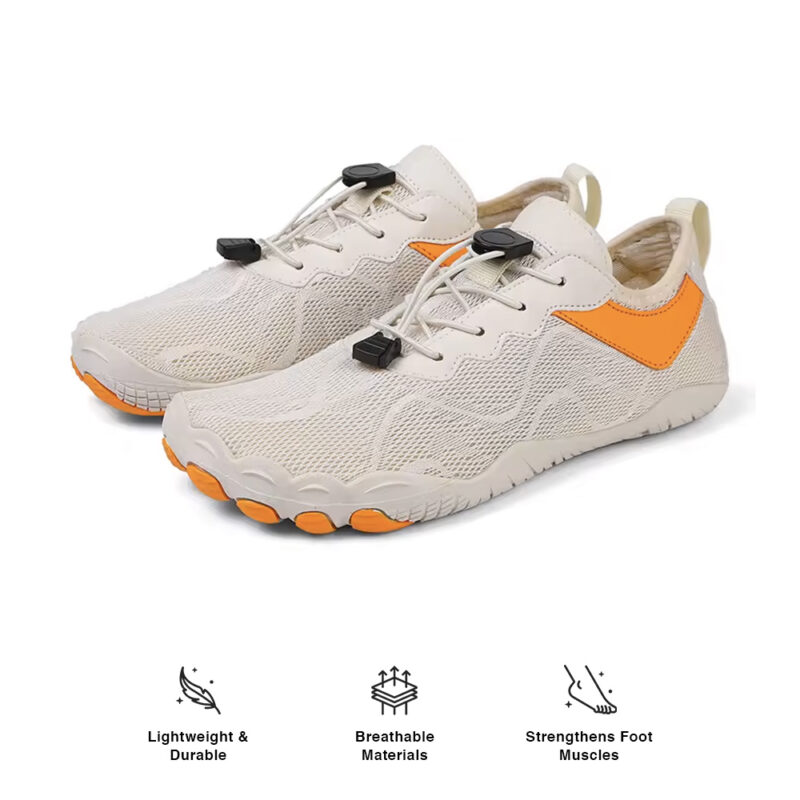
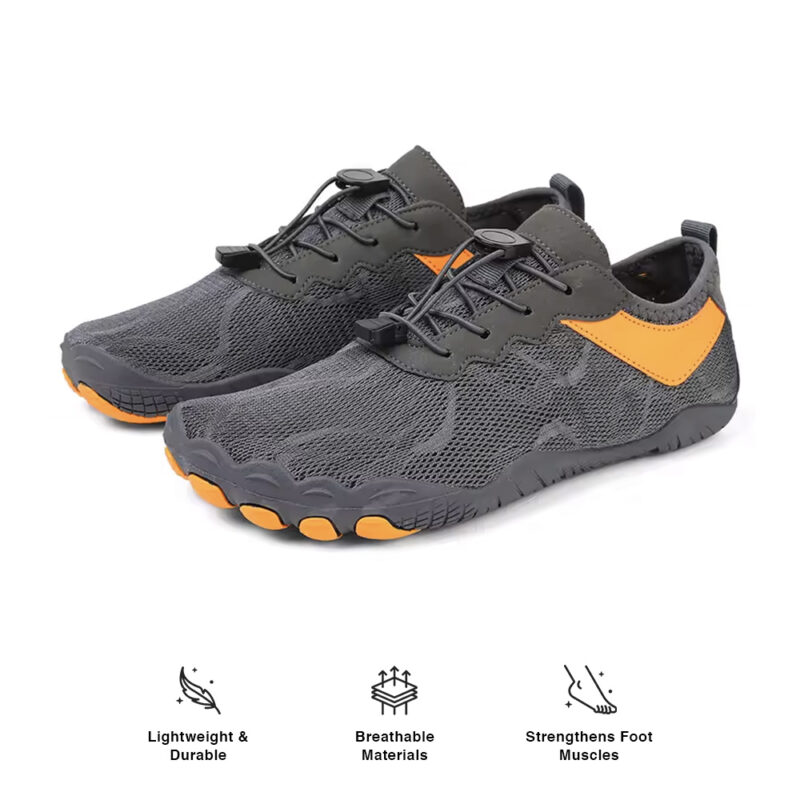
Your Feet Deserve to Spread and Breathe
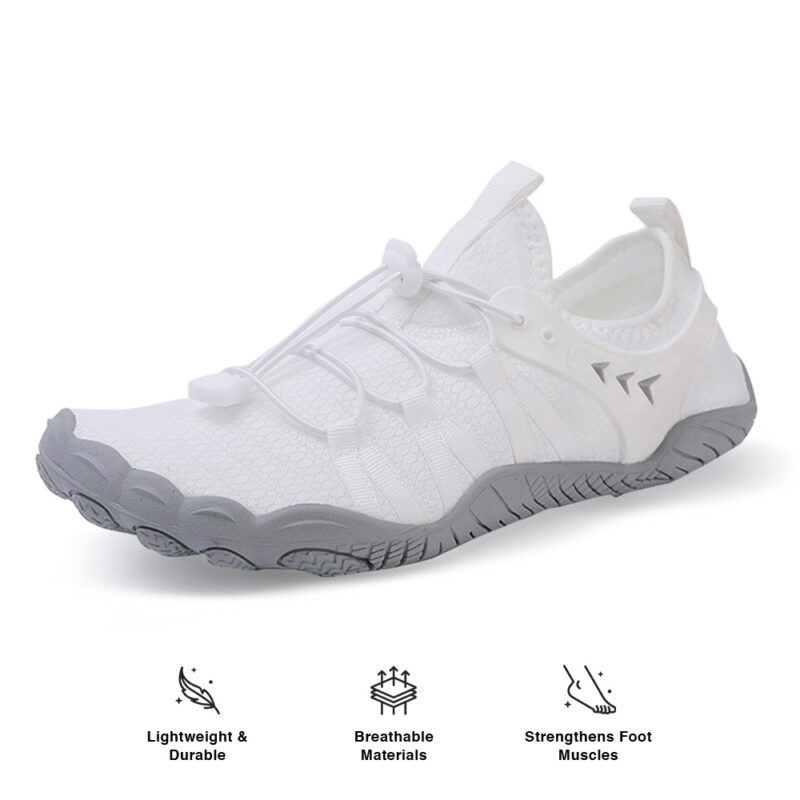
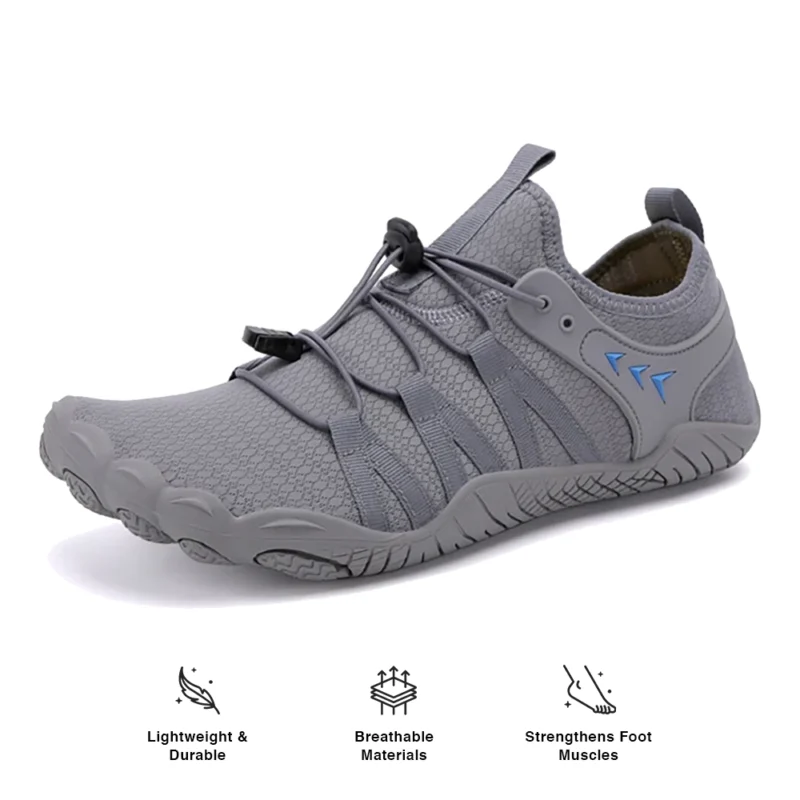
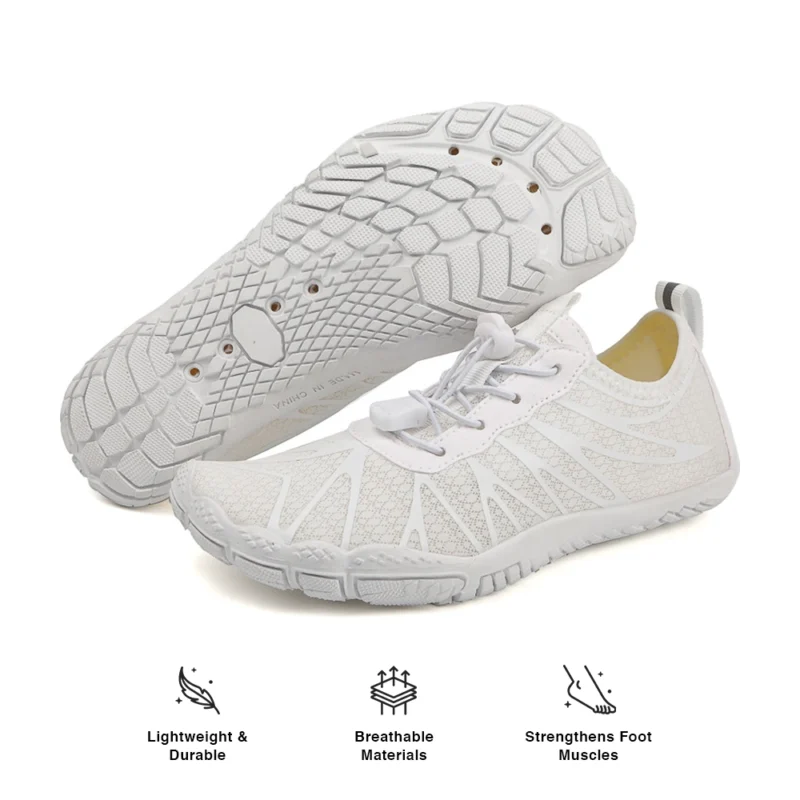
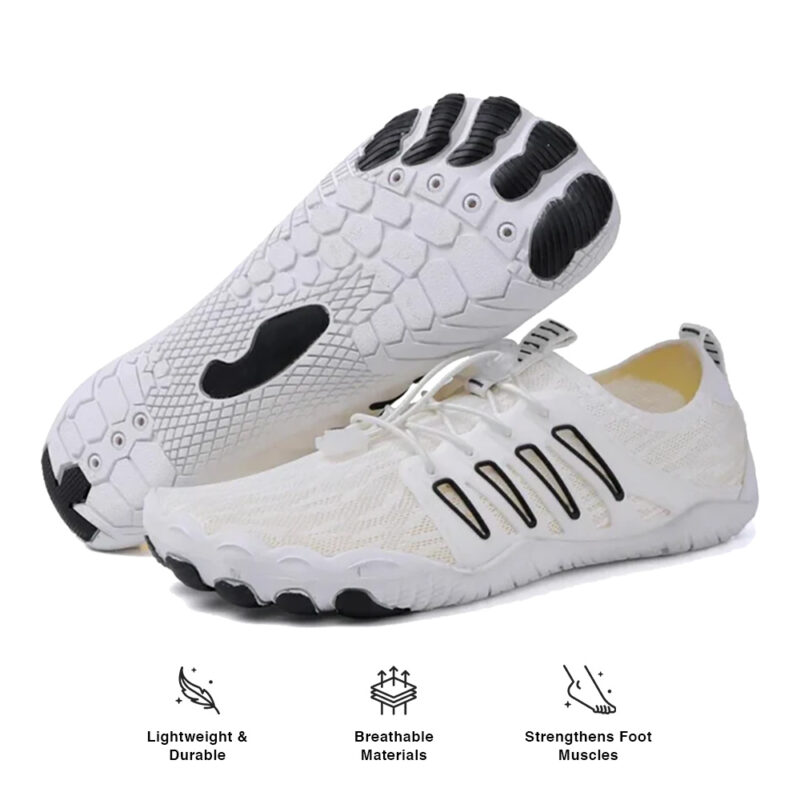
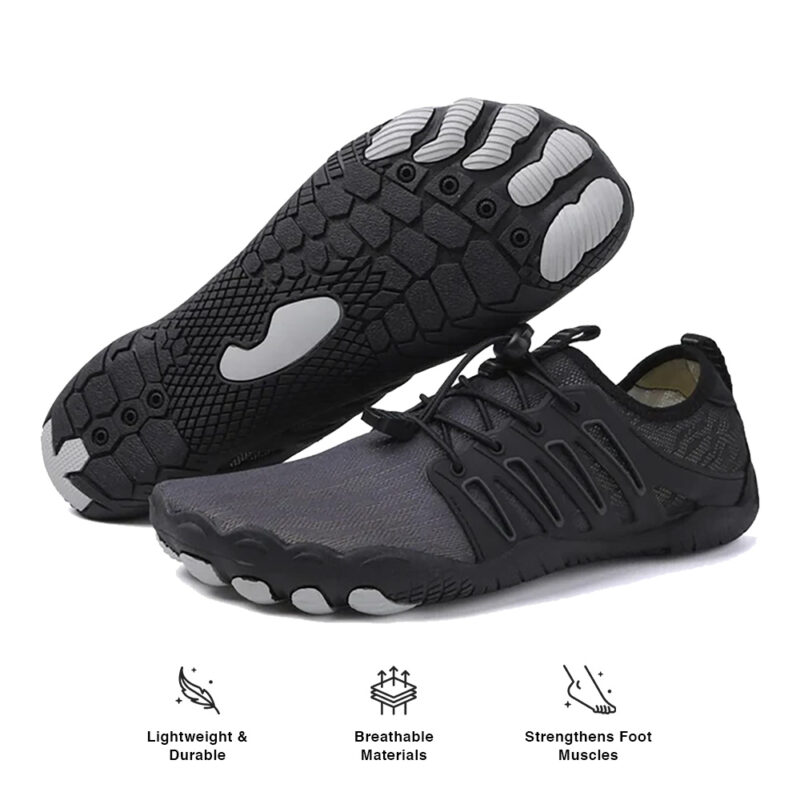
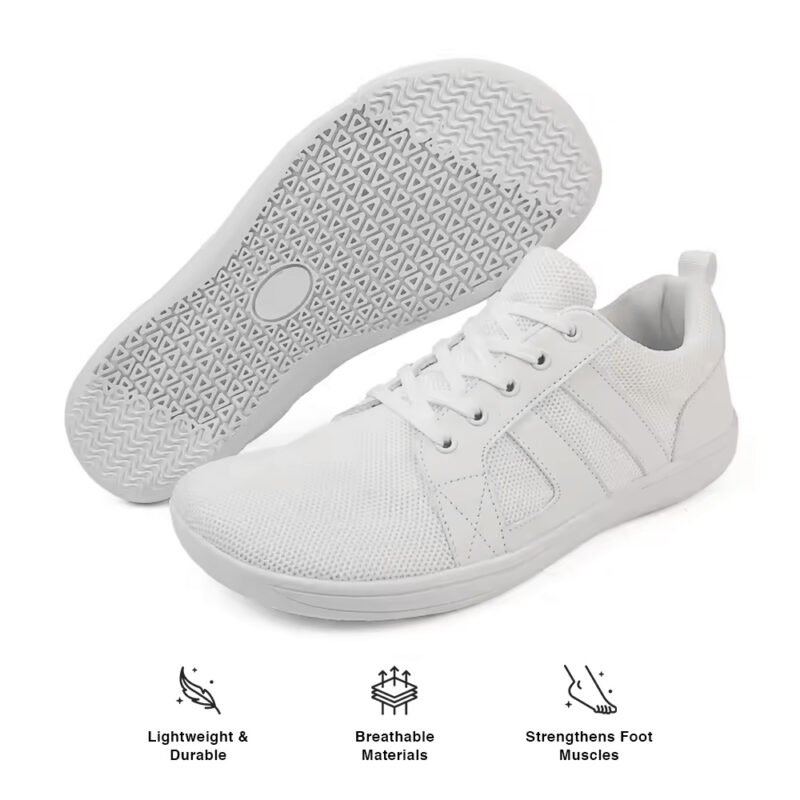
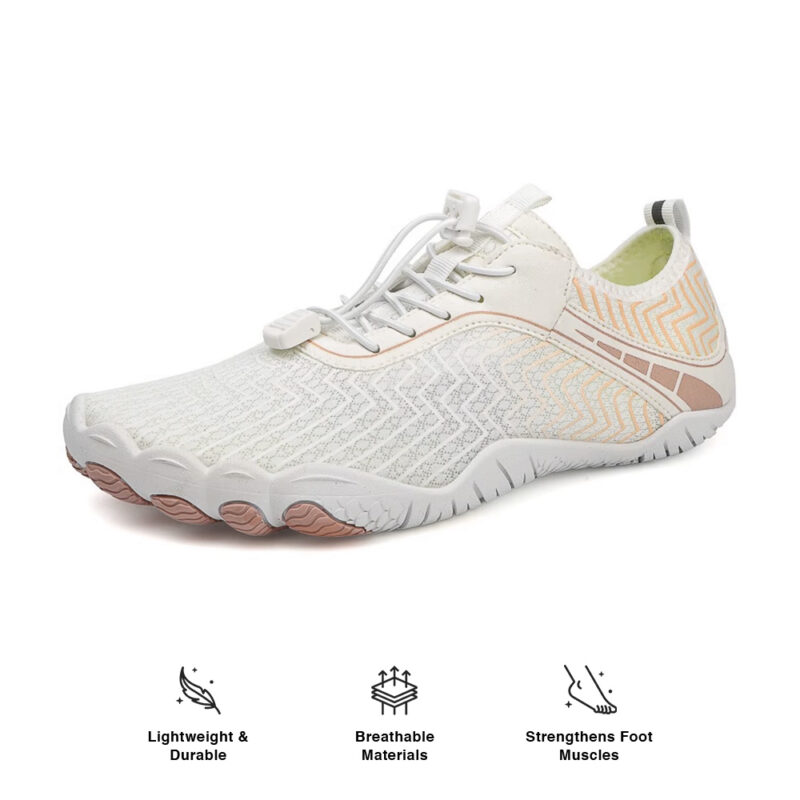
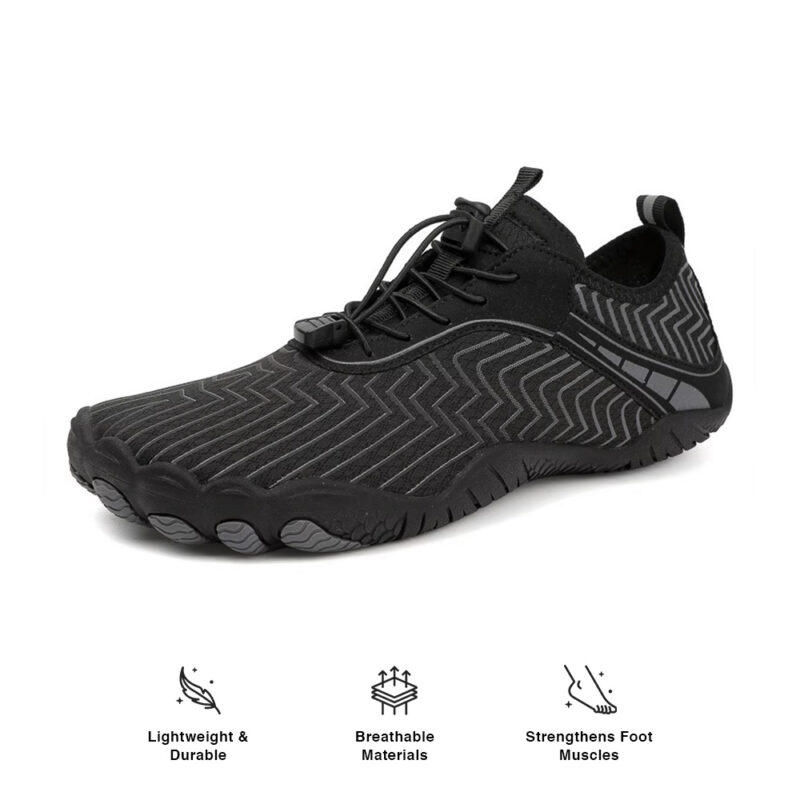
The cramped feeling in conventional shoes isn't just uncomfortable – it's actively harmful to your foot health. Your toes are meant to spread wide for stability and balance, but narrow shoe designs force them into unnatural positions. What you need in footwear is a toe box that gives your digits room to function naturally, allowing them to splay and grip as they were designed to do. Minimalist shoes best address this fundamental need through their anatomically shaped toe boxes that mirror your foot's natural outline. When you transition to wider toe boxes, start gradually by wearing them for shorter periods and pay attention to how your toes naturally want to spread – this is your foot reclaiming its natural shape.
Breaking Free from Heel-to-Toe Drop Dependency
That lifted heel feeling in traditional shoes creates an artificial forward lean that throws off your entire body's alignment. You've likely noticed how this affects your posture, forcing you to compensate with your back and hips throughout the day. Your body craves a neutral position where your heel and forefoot sit at the same level, allowing your spine to stack naturally above your feet. The zero-drop design of minimalist shoes best eliminates this artificial elevation, restoring your body's natural alignment from the ground up. When first wearing zero-drop shoes, focus on landing with your feet underneath your center of gravity rather than out in front – this helps your body adapt to its more natural movement pattern.
Reconnecting Your Feet to the Ground Beneath You
The thick, cushioned soles of conventional footwear create a barrier between you and the ground, dulling the important sensory feedback your feet need for balance and coordination. You lose that crucial connection that helps your body make micro-adjustments with each step. What your feet truly need is to feel the terrain beneath them – not every sharp pebble, but the subtle changes in surface that help guide your movement. Minimalist shoes best provide just enough protection while maintaining ground feel through their thin, flexible soles that let you sense the world beneath your feet. Practice walking on different surfaces mindfully – grass, pavement, gravel – and notice how your feet naturally adapt when they can actually feel what they're walking on.
Letting Your Feet Move Like the Complex Machines They Are
Your feet contain 26 bones, 33 joints, and over 100 muscles, tendons, and ligaments – they're incredibly sophisticated pieces of equipment that conventional shoes largely immobilize. The rigid structure of traditional footwear prevents your feet from flexing, bending, and adapting to terrain the way they're designed to do. You need footwear that bends with every step, allowing each joint to articulate naturally. Minimalist shoes best feature ultra-flexible soles that move with your feet rather than restricting them, enabling the natural rolling motion from heel to toe that makes walking and running efficient and comfortable. Try the simple flexibility test – if you can't easily bend your shoe in half or twist it with your hands, imagine what that rigidity is doing to your feet's natural movement.
Building Strength From the Ground Up
Years of relying on artificial support have likely left your feet weaker than they should be, contributing to issues that extend up through your entire body. Your feet, like any other part of your body, need to work in order to stay strong, but conventional shoes do all the work for them. What you need is footwear that challenges your feet to engage their natural stabilizing muscles with every step. Minimalist shoes best remove the artificial supports and let your feet strengthen naturally through use, gradually building the intrinsic foot strength that supports better balance, posture, and overall movement quality. Start with short walks and gradually increase duration as your foot strength improves – your feet will thank you as they rediscover their natural capabilities.
Finding Your Natural Stride Pattern
The way you walk and run in conventional shoes is likely quite different from your body's preferred movement patterns, leading to inefficient gait and potential overuse injuries. Heavy, structured shoes often encourage heel striking and longer strides that create jarring impact forces throughout your body. Your body naturally wants to use a more efficient, gentler stride pattern when it's not fighting against rigid footwear. Minimalist shoes best encourage your natural gait by removing the barriers that conventional shoes create, allowing you to find the stride length, foot strike, and cadence that feel most natural to your body. Pay attention to how your stride naturally shortens and your feet land more gently when you're not wearing heavily structured shoes – this is your body finding its most efficient way to move.
Experiencing True All-Day Comfort Through Freedom
Real comfort doesn't come from artificial padding and support – it comes from allowing your feet to function without restriction throughout your day. The temporary relief that conventional shoes might provide often comes at the cost of long-term foot health and natural function. What you're seeking is the kind of comfort that comes from feet that are strong, properly aligned, and free to move naturally with every step you take. Minimalist shoes best deliver this lasting comfort by working with your body's natural design rather than against it, creating a foundation for all-day ease that actually improves over time as your feet adapt and strengthen. Remember that true comfort is an active process – your feet working properly – rather than the passive experience of being cushioned and supported by your shoes.