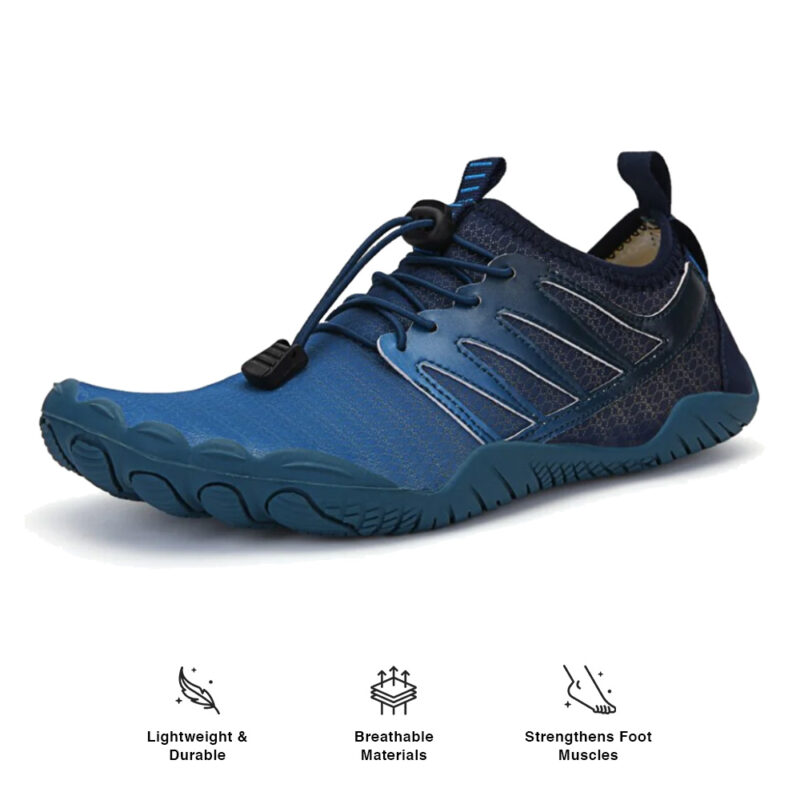
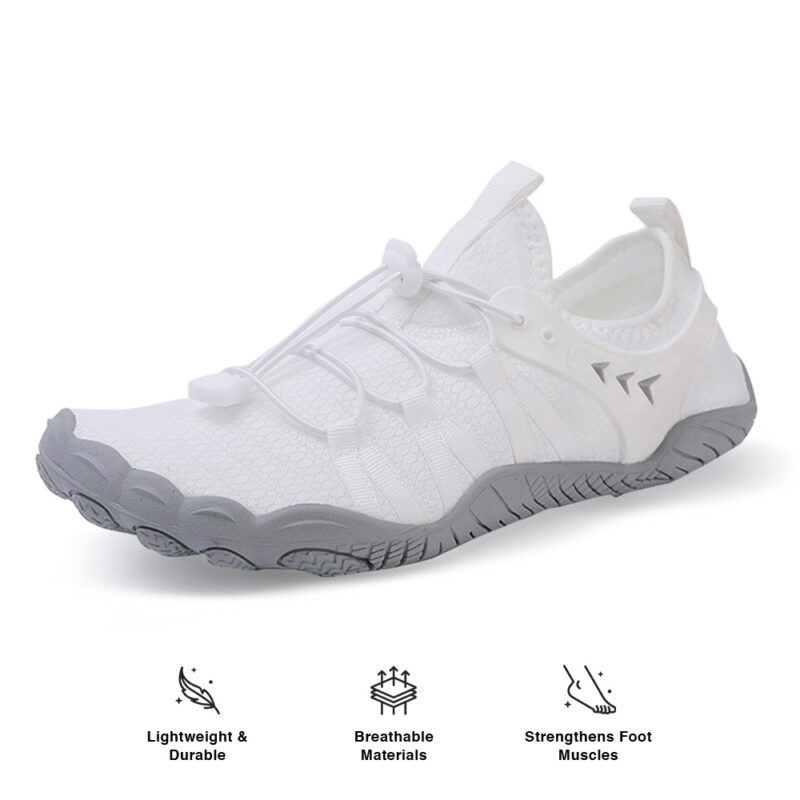
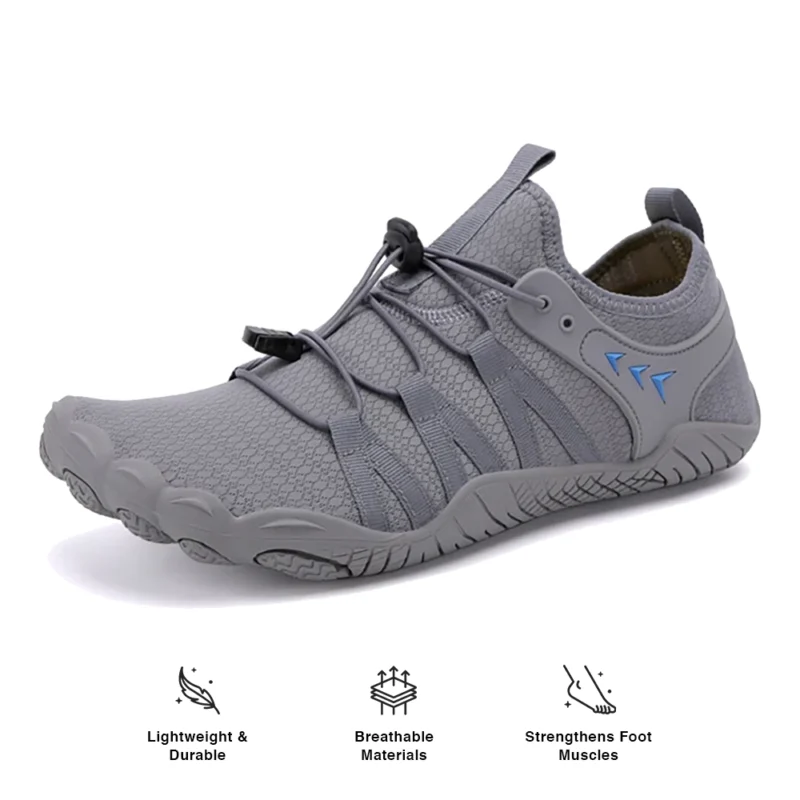
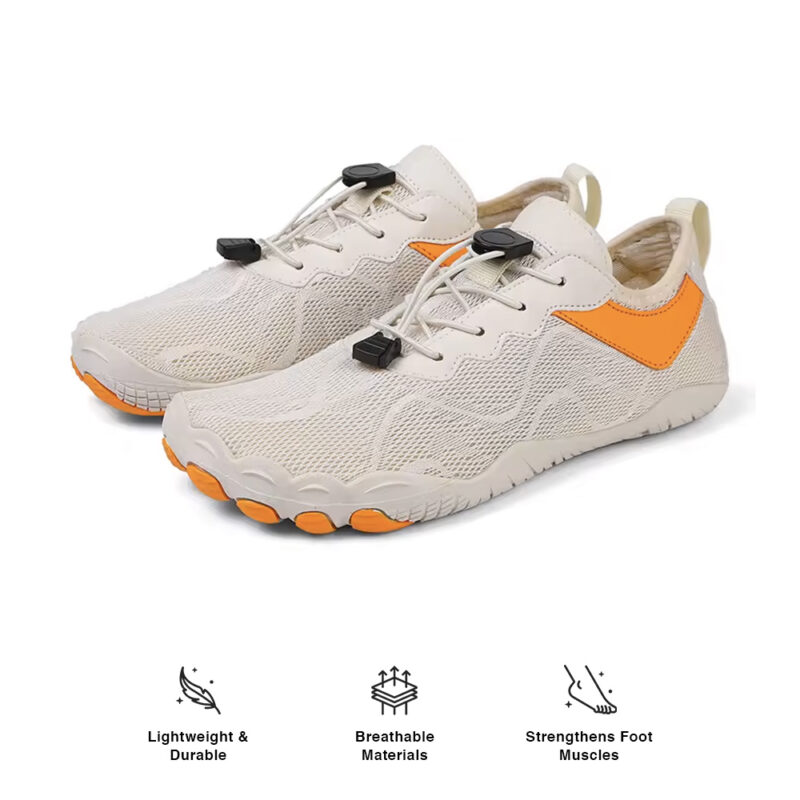
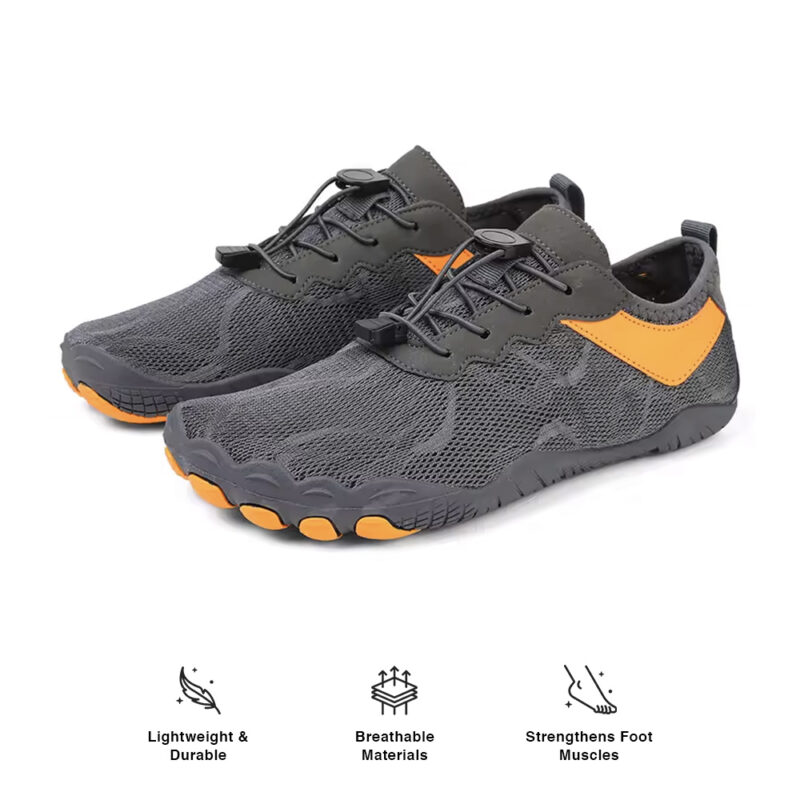
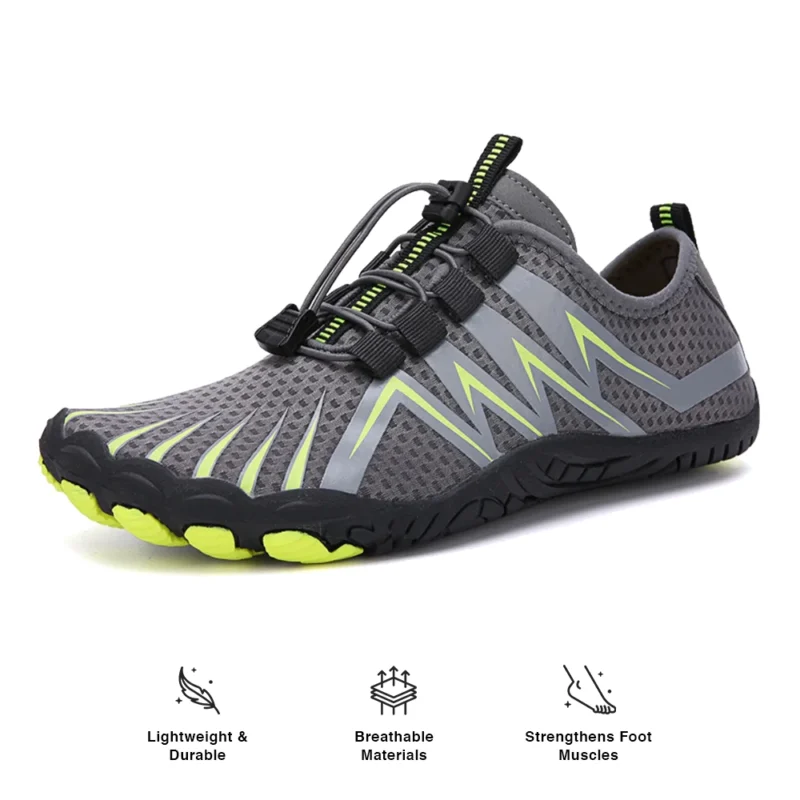
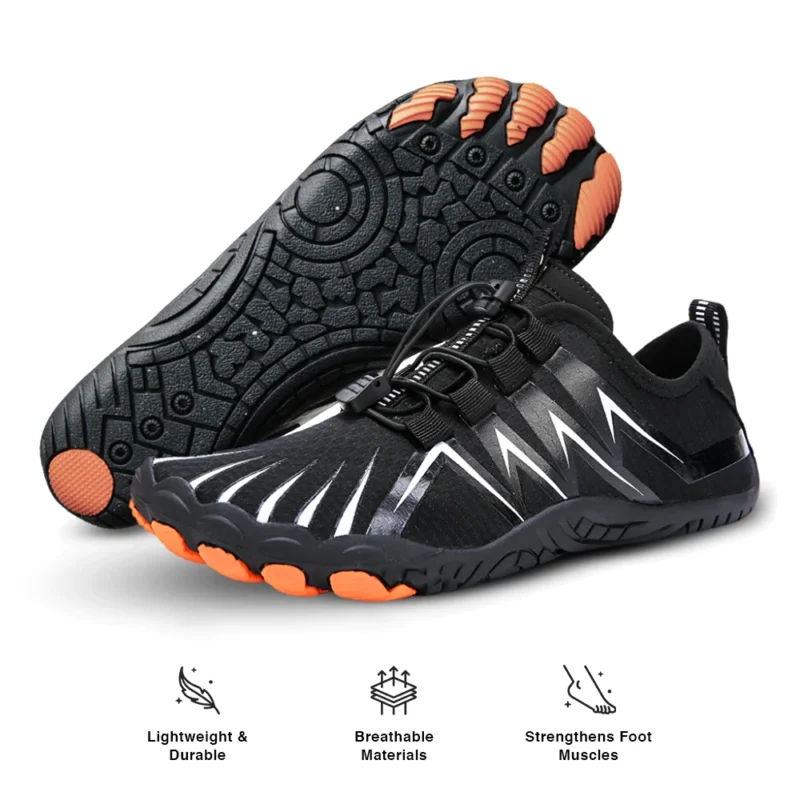
Ground Connection Changes Everything for Heavy Lifts
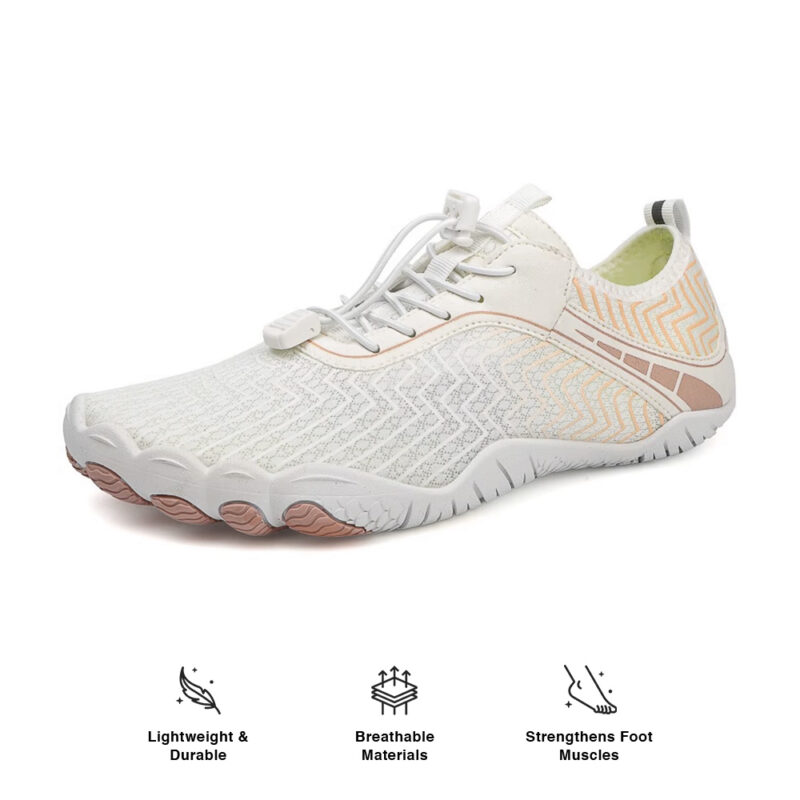
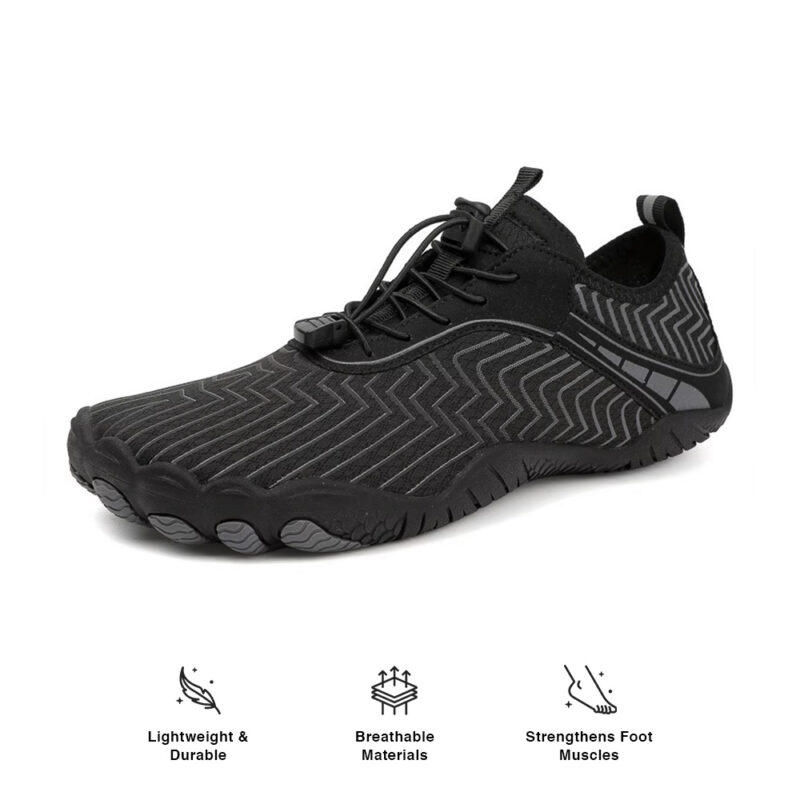
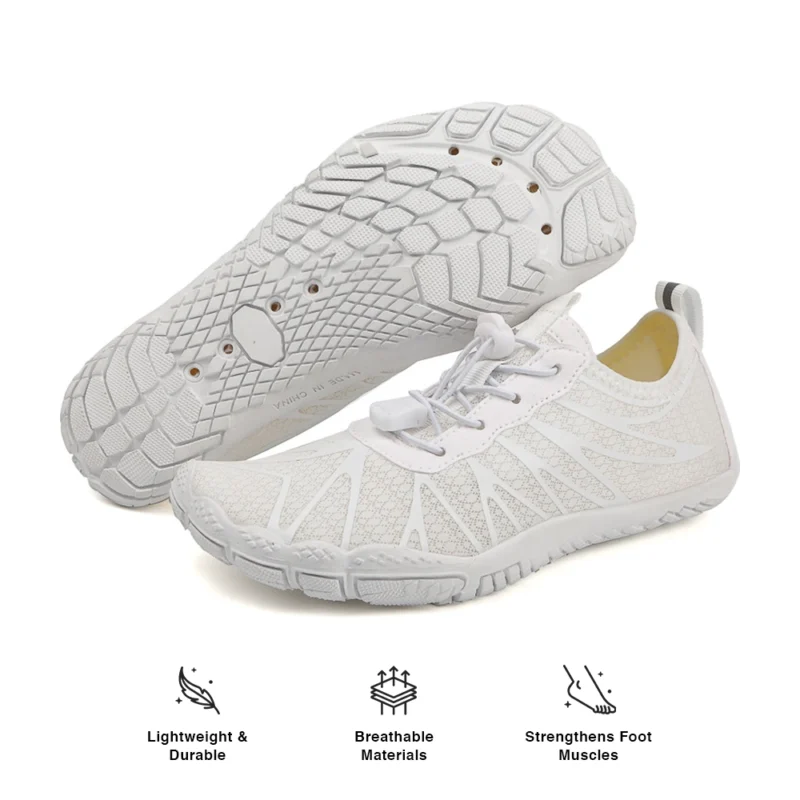
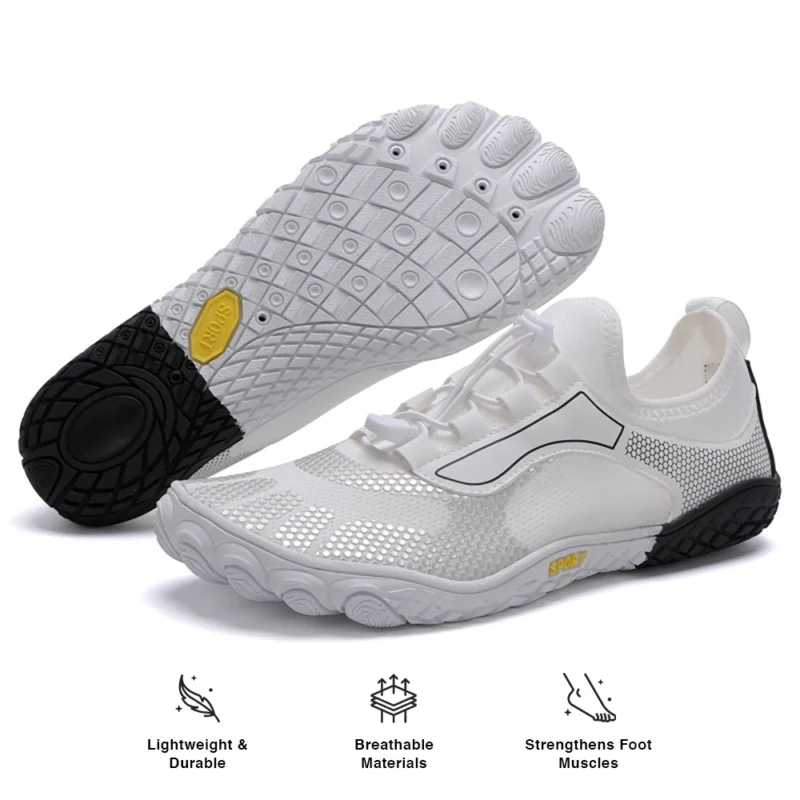
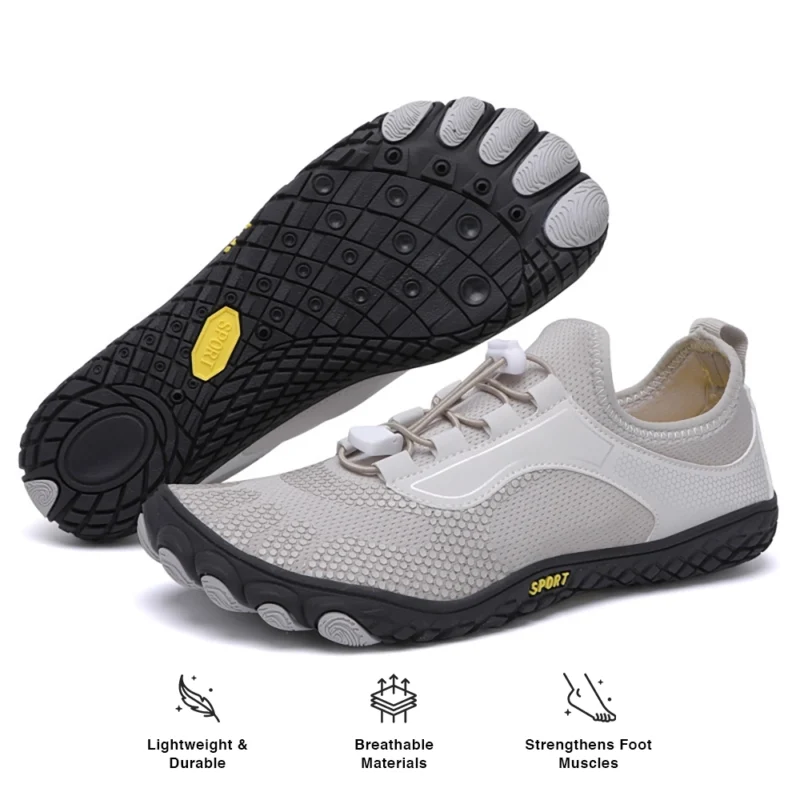
When you're pulling a heavy deadlift or squatting your bodyweight, the last thing you want is a squishy barrier between you and the floor. Traditional shoes with thick, compressible soles create instability exactly when you need maximum stability. Every serious lifter knows that feeling – your feet shifting inside cushioned shoes while you're trying to lock in perfect form under load. Best weight lifting shoes eliminate this problem by providing direct ground contact. The thin, firm sole of minimalist lifting shoes creates an unshakeable foundation that lets you focus entirely on the weight, not your footwear. Start your next training session by really feeling the floor beneath your feet – notice how much more confident and powerful each rep becomes when you're truly connected to your foundation.
Your Feet Were Built to Be Your Strongest Foundation
Years of wearing thick-soled shoes have likely weakened the small muscles in your feet that should be supporting every heavy lift. When these muscles are weak, your knees compensate, your hips compensate, and your entire kinetic chain suffers. You might notice your feet cramping during longer training sessions or feeling unstable during single-leg exercises. The best weight lifting shoes allow your feet to function as intended – as strong, stable platforms that adapt to every movement. Minimalist designs let your foot muscles engage fully with each lift, building strength from the ground up. Over time, you'll notice improved balance not just in the gym, but in everyday activities too. Challenge yourself to spend a few minutes each day walking barefoot or in minimal shoes – your feet will thank you with stronger, more stable lifting sessions.
Natural Squat Mechanics Unlock Your True Potential
If you've struggled with squat depth or feel like you're falling forward during the movement, your shoes might be the hidden culprit. Elevated heels in traditional athletic shoes shift your center of gravity forward, forcing you to fight against your natural movement patterns. This forward shift makes it harder to engage your glutes properly and puts unnecessary stress on your knees. When you're searching for the best weight lifting shoes, look for zero-drop designs that keep your heel and toe at the same height. This flat profile allows your hips to move back naturally, your glutes to fire properly, and your squat to reach its full depth without compensating movements. Your ankles get the mobility work they need, and your entire posterior chain learns to work as one powerful unit. Next time you squat, pay attention to where you feel the work – it should be primarily in your glutes and hamstrings, not your quads and knees.
Toe Freedom Equals Maximum Stability
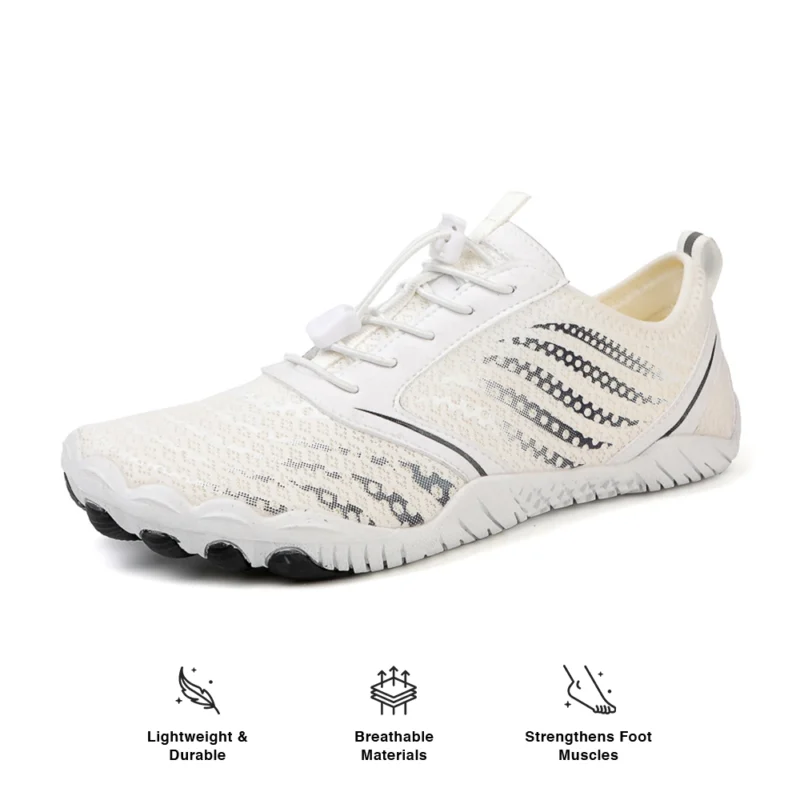
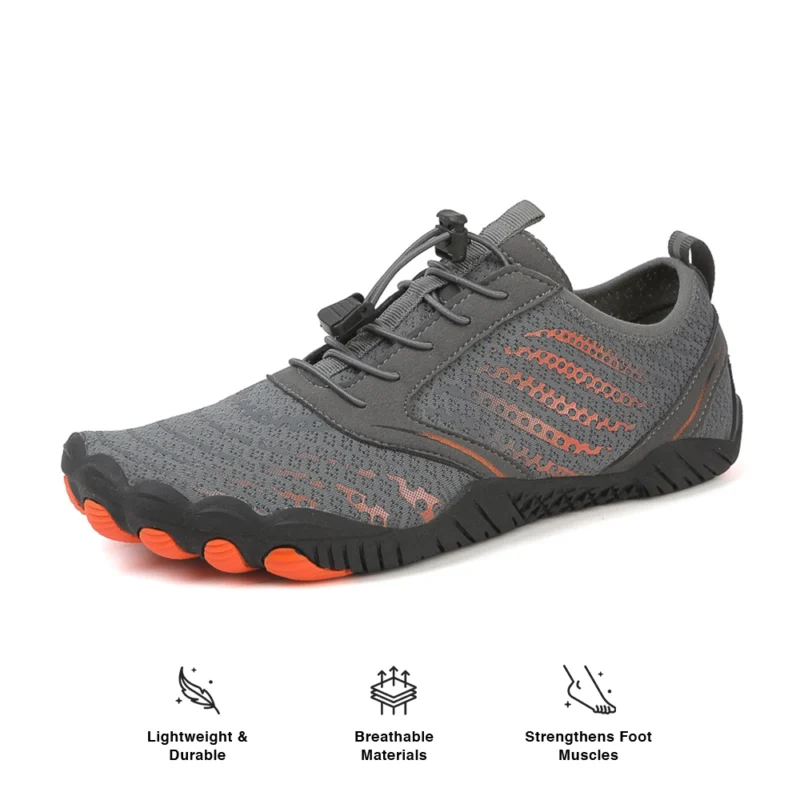
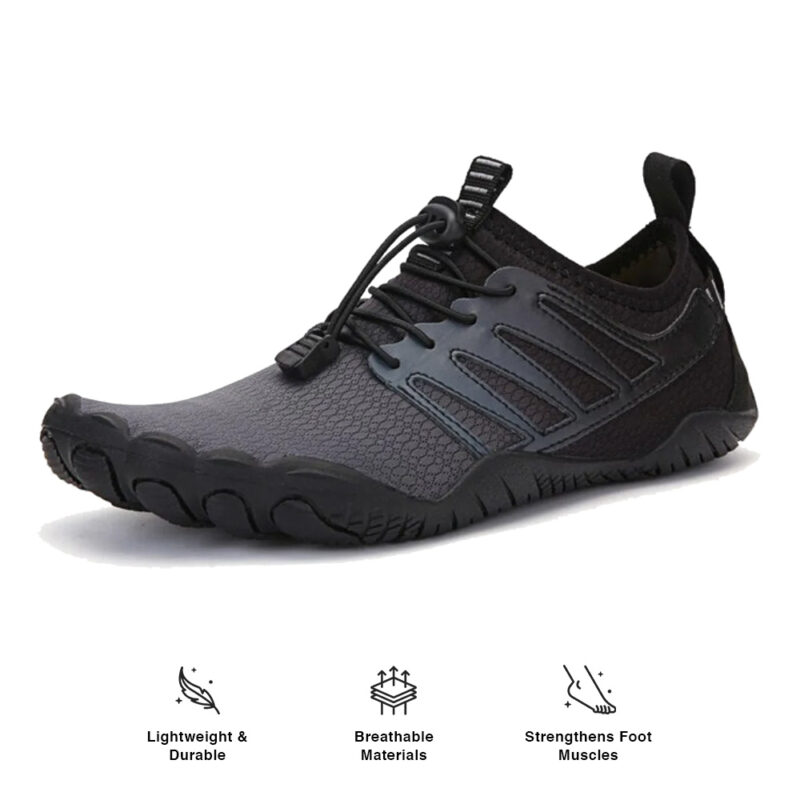
Watch any powerlifter set up for a heavy lift – they spread their toes wide, gripping the ground like roots anchoring a tree. Yet most athletic shoes squeeze your toes into a narrow toe box, preventing this natural stability mechanism from working. When your toes can't spread, you lose a crucial source of balance and power transfer. The best weight lifting shoes feature wide toe boxes that let your feet function naturally. This toe freedom isn't just about comfort – it's about performance. When your toes can spread and grip, your entire foot becomes a more effective platform for force production. You'll notice better balance during unilateral movements and more confidence during heavy compound lifts. Between sets, practice spreading your toes wide and pressing them firmly into the ground – this simple activation will improve your lifting stability immediately.
Proprioception Powers Better Movement Quality
The thick soles of conventional shoes don't just create instability – they also block the sensory feedback your nervous system needs for precise movement control. This sensory input, called proprioception, helps your brain understand exactly where your body is in space and how much force you're producing. When this feedback is muffled by thick shoe soles, your movement quality suffers, and you're more likely to develop compensation patterns that lead to injury. Minimal best weight lifting shoes preserve this crucial sensory connection, allowing your nervous system to make the tiny adjustments that perfect your form. You'll find yourself naturally correcting small imbalances before they become problems. The improved proprioception also carries over to better coordination in all your lifts. During your warm-up sets, focus on really feeling each rep – notice how much more information your feet provide when they're not isolated from the ground by thick cushioning.
Long-Term Joint Health Starts with Your Feet
Every veteran lifter knows that longevity in the gym depends on maintaining healthy movement patterns year after year. When your feet can't move naturally, the dysfunction travels up the kinetic chain, potentially affecting your knees, hips, and lower back over time. Traditional athletic shoes, with their restrictive design and artificial support systems, prevent your feet from developing the strength and mobility they need to support your entire body properly. The best weight lifting shoes support long-term joint health by allowing natural foot function. When your feet are strong and mobile, they absorb and distribute forces more effectively, reducing stress on the joints above. This isn't just about immediate performance – it's about being able to lift heavy and move well for decades to come. Invest in your long-term lifting career by giving your feet the freedom to strengthen and adapt naturally, and your entire body will thank you with years of pain-free training.
Progressive Adaptation Creates Stronger, More Resilient Feet
Transitioning to minimalist lifting shoes isn't just about changing footwear – it's about redeveloping the natural strength and function your feet were designed for. Your feet have likely adapted to years of artificial support and cushioning, so the transition to barefoot-style best weight lifting shoes should be gradual and intentional. Start by incorporating them into your lighter training days and shorter sessions, allowing your foot muscles to slowly build strength and endurance. You might experience some initial fatigue in your feet and calves – this is normal and indicates that previously dormant muscles are finally getting the workout they need. As your feet adapt, you'll notice improvements not just in lifting performance, but in overall balance, posture, and movement quality. The key is patience and consistency – give your feet time to remember how to be feet, and they'll reward you with a lifetime of stronger, more stable lifting sessions.