Your Feet Need Room to Breathe and Expand
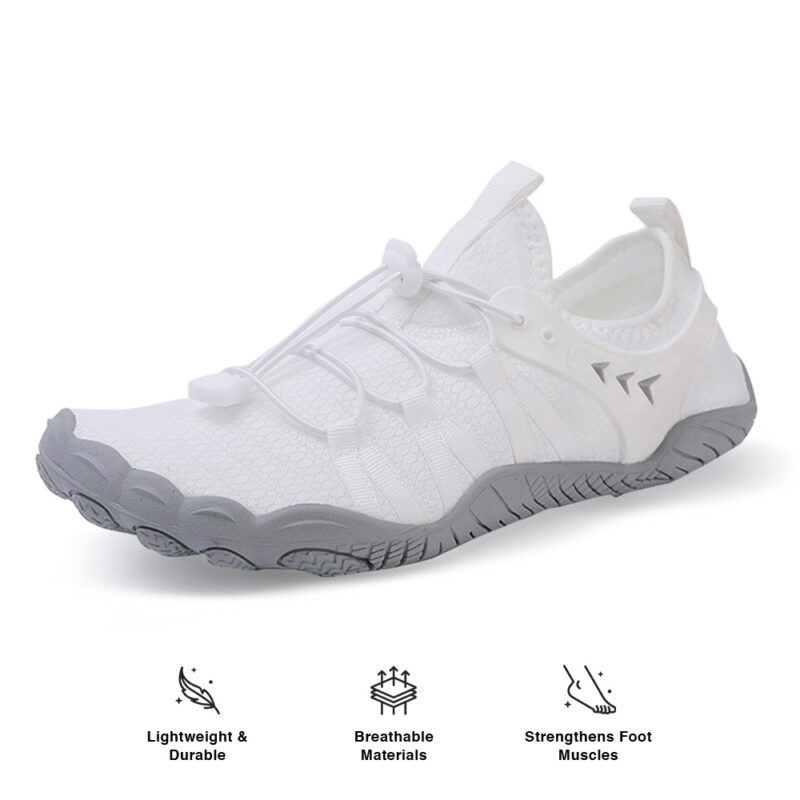
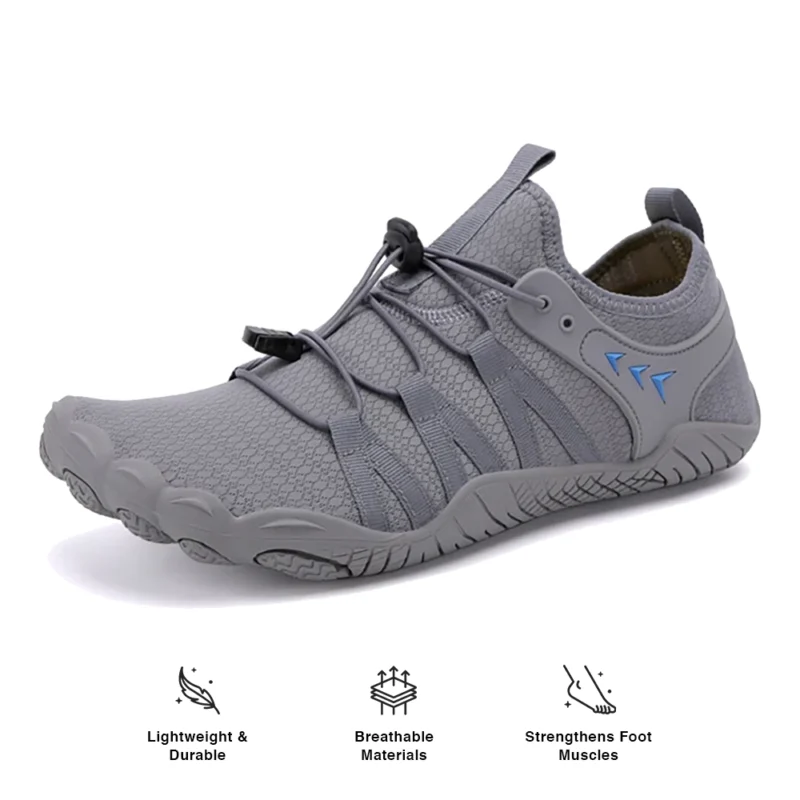
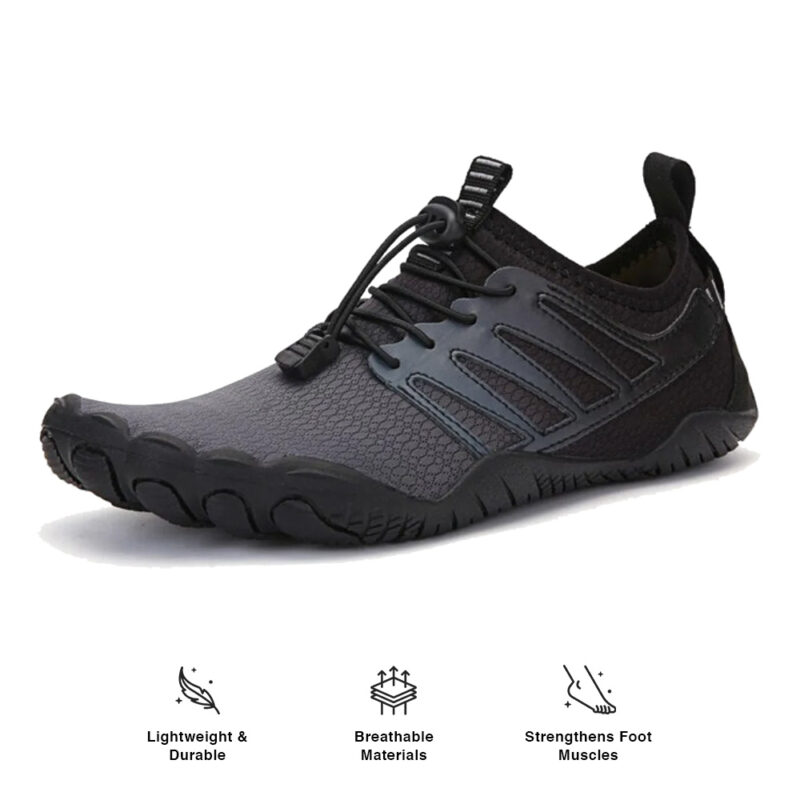
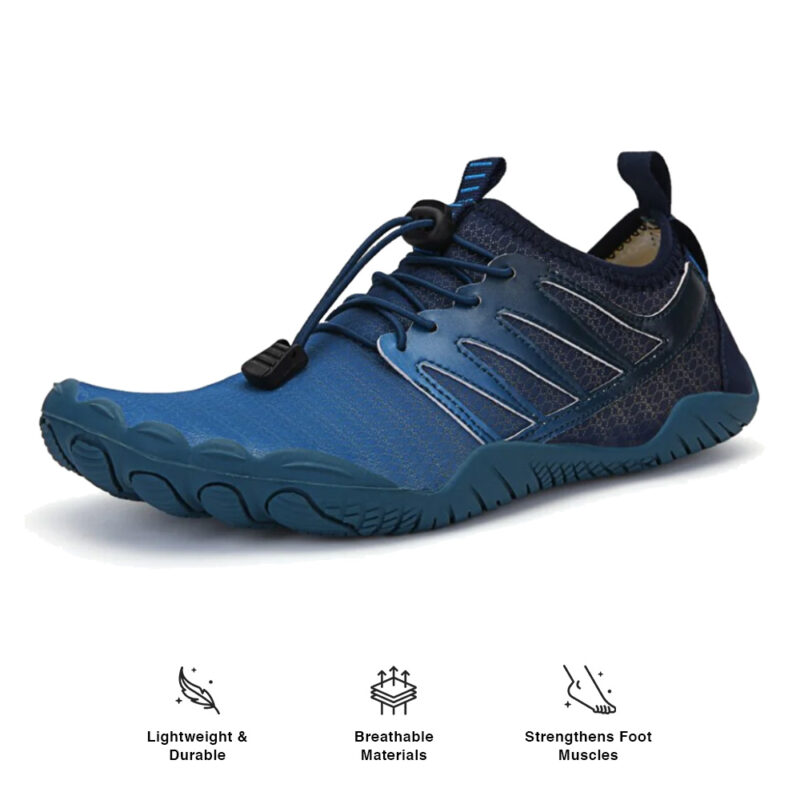
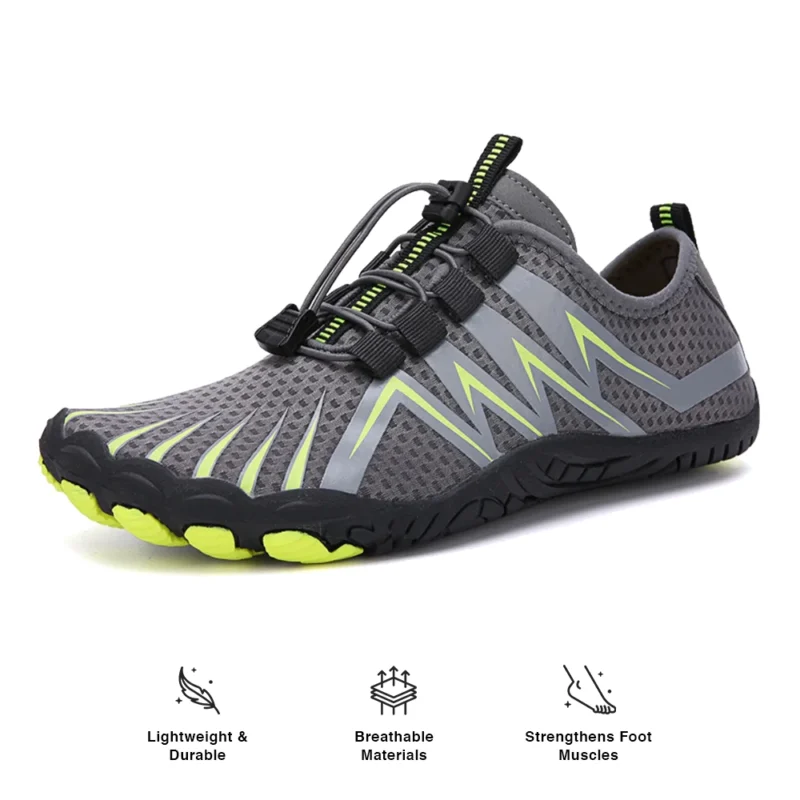
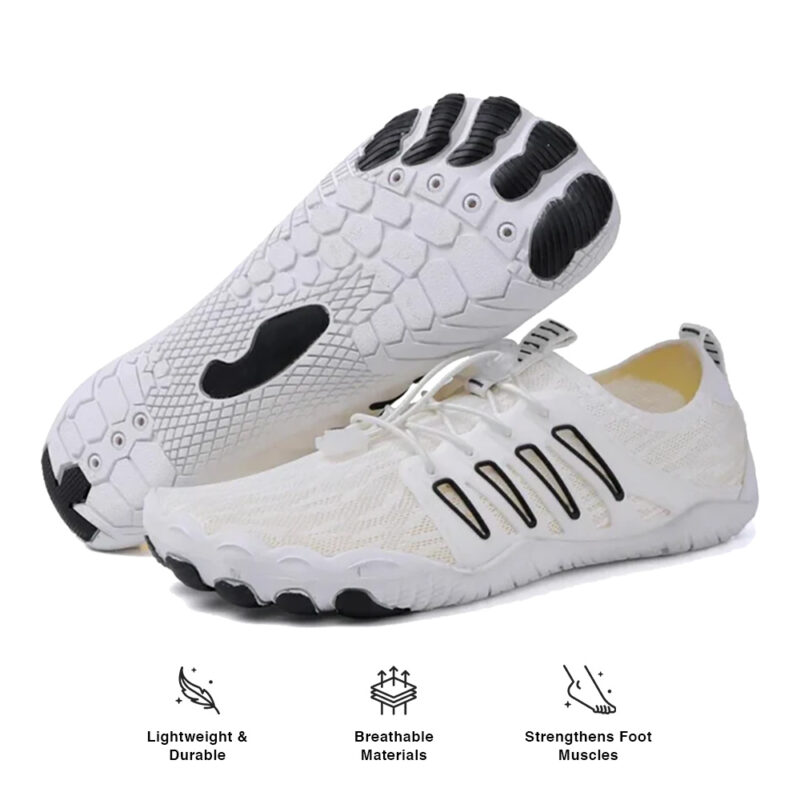
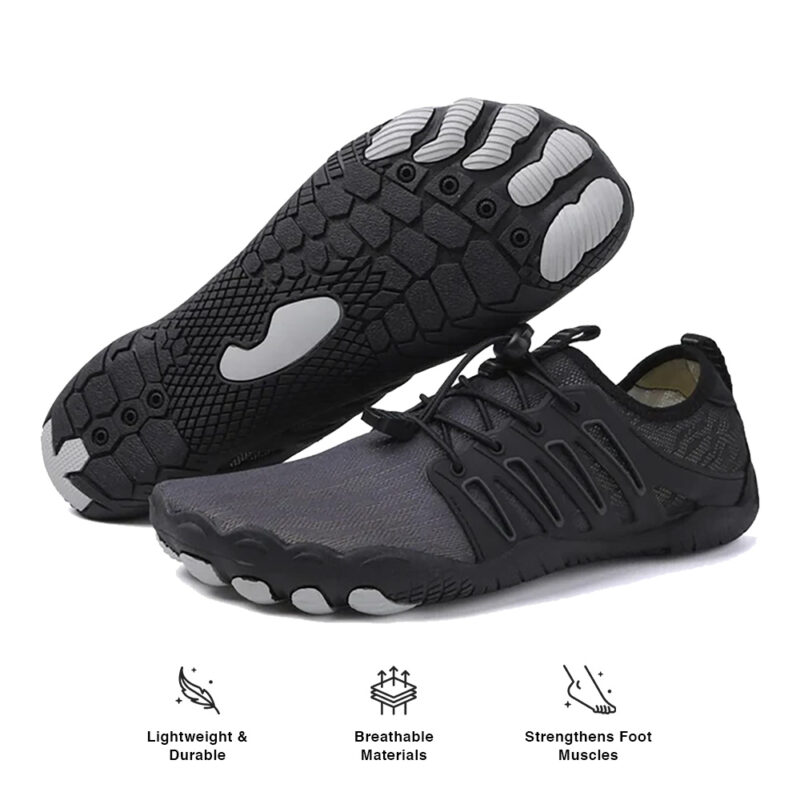
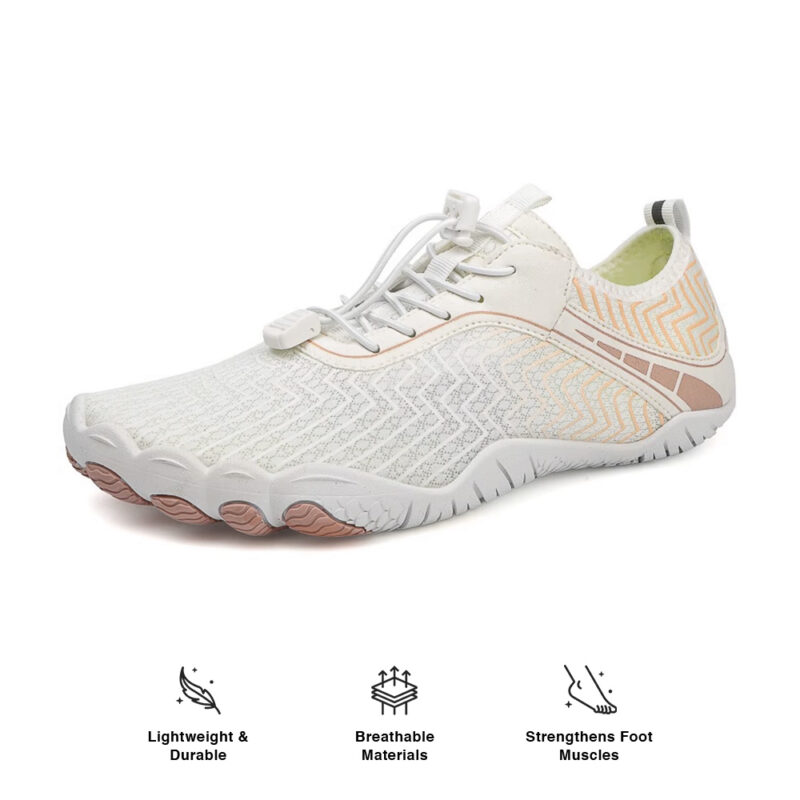
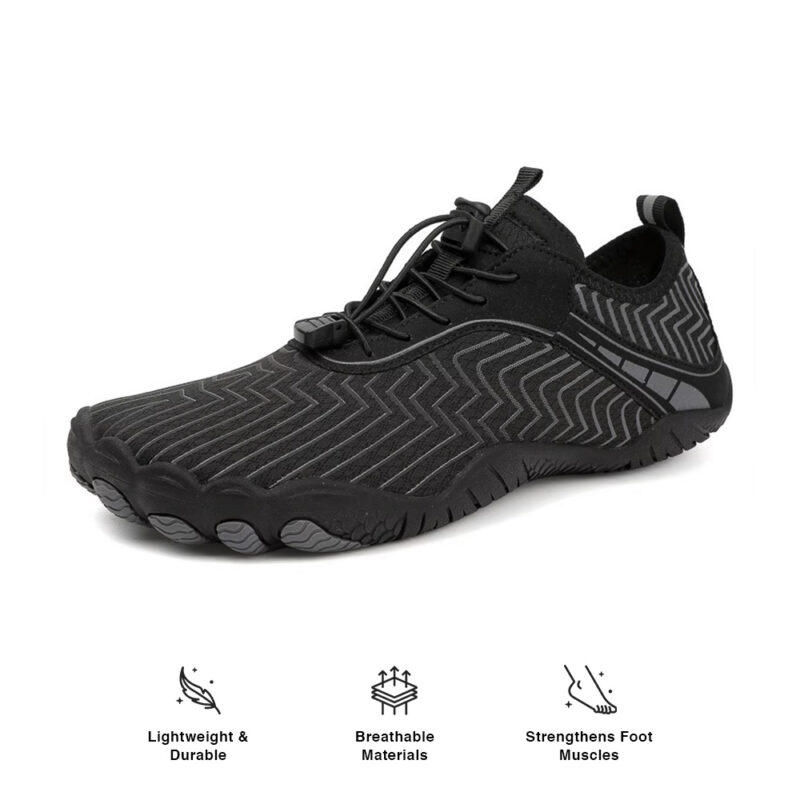
Traditional cycling shoes squeeze your feet into narrow, rigid boxes that prevent natural toe splay and circulation. You've probably experienced that familiar numbness or tingling during longer rides, wondering why your feet feel like they're going to sleep. What you need in the best cycling shoes is a wide toe box that allows your toes to spread naturally, just like they would if you were barefoot. Minimalist cycling shoes feature anatomically-shaped toe boxes that follow your foot's natural outline rather than forcing it into an artificial shape. When your toes can spread and your feet can expand naturally with each pedal stroke, blood flow improves dramatically, eliminating those painful hot spots and keeping your feet comfortable for hours of riding.
Power Transfer Doesn't Require Rigid Coffins
Many cyclists believe they need rock-hard soles for maximum power transfer, but this misconception leads to foot fatigue and reduced pedaling efficiency over time. Your feet contain 26 bones, 33 joints, and over 100 muscles, tendons, and ligaments – all designed to work together as a dynamic system. The best cycling shoes feature flexible soles that allow your foot muscles to engage naturally while still providing adequate stiffness for efficient power transfer. This flexibility lets your feet adapt to slight variations in pedal stroke and road conditions, reducing strain on your joints and improving overall pedaling mechanics. Look for shoes with moderate sole stiffness that bend naturally at the ball of your foot, allowing your intrinsic foot muscles to contribute to your pedal stroke rather than being completely immobilized.
Your Feet Were Built for Proprioception, Not Isolation
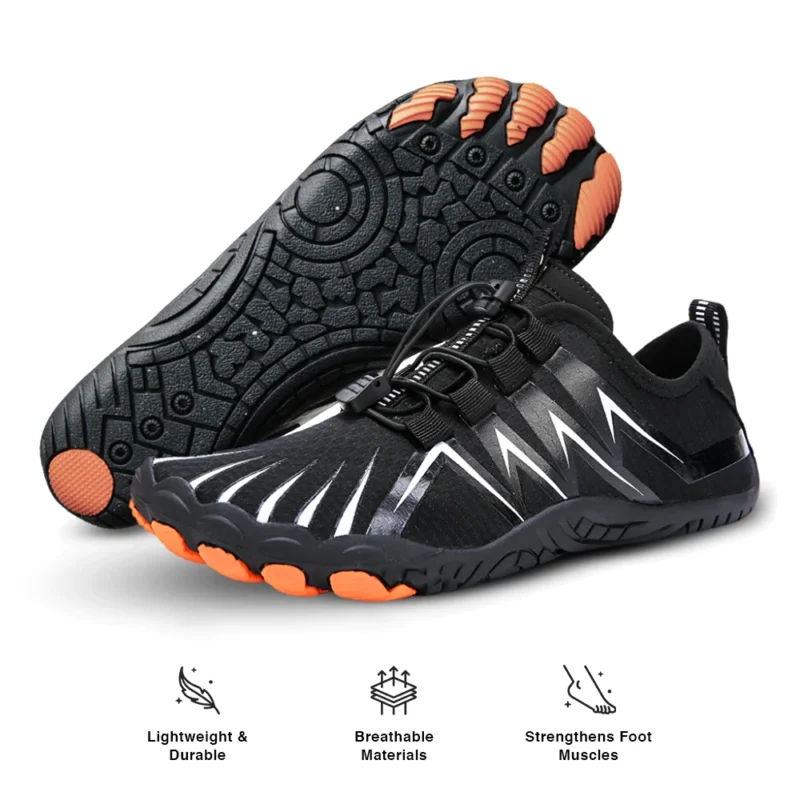
Thick, cushioned soles might feel comfortable initially, but they disconnect you from crucial feedback about your pedal position and bike handling. This sensory deprivation forces other parts of your body to compensate, often leading to knee pain, hip dysfunction, and poor bike control. What you need in best cycling shoes is ground connection – the ability to feel your pedals and respond to subtle changes in terrain or riding conditions. Minimalist cycling shoes feature thinner, more flexible soles that enhance proprioception without sacrificing protection. When you can actually feel your pedals through your shoes, your body naturally maintains better alignment, your pedal stroke becomes more efficient, and your overall bike handling improves significantly. Start with shorter rides to allow your feet to adapt to this increased sensory input, gradually building up as your proprioceptive abilities strengthen.
Foot Strength Comes from Movement, Not Support
Artificial arch support and motion control features in traditional cycling shoes actually weaken your feet over time by preventing natural movement and muscle engagement. Your arches are designed to flex, adapt, and strengthen through use – not remain static and supported. The best cycling shoes allow your feet to move naturally, engaging the small stabilizing muscles that maintain arch integrity and overall foot strength. Zero-drop soles (where the heel and forefoot are at the same height) promote natural foot positioning and prevent the artificial shortening of your Achilles tendon that occurs with elevated heels. As your feet strengthen through natural movement, you'll notice improved stability both on and off the bike, reduced pain in your feet, knees, and hips, and better overall athletic performance. Give your feet time to adapt to this newfound freedom – the strengthening process is gradual but incredibly rewarding.
Durability Through Simplicity, Not Complexity
Traditional cycling shoes often feature multiple layers, complex closure systems, and synthetic materials that break down quickly under regular use. You need best cycling shoes that are built to last without unnecessary complexity that adds weight and potential failure points. Minimalist cycling shoes typically feature simpler construction with high-quality materials that age gracefully and can often be repaired rather than replaced. Look for shoes with minimal seaming, durable leather or high-quality synthetic uppers, and simple closure systems that won't fail mid-ride. When shoes are designed around foot function rather than marketing gimmicks, they tend to be more durable, more comfortable, and ultimately more cost-effective over time.
Temperature Regulation Through Natural Materials
Synthetic materials in traditional cycling shoes often trap heat and moisture, creating uncomfortable conditions that can lead to blisters, fungal issues, and general discomfort during longer rides. Your feet need to breathe, especially when you're working hard and generating heat. The best cycling shoes prioritize natural temperature regulation through breathable materials and designs that work with your body's cooling systems rather than against them. Look for shoes made from leather, canvas, or other natural materials that wick moisture away from your skin and allow air circulation. Many minimalist cycling shoes also feature more open designs or strategic ventilation that keeps your feet dry and comfortable without compromising protection or power transfer. Your feet will stay more comfortable throughout your ride, and you'll avoid many of the common foot problems associated with trapped moisture and overheating.
Breaking Free from the Cycling Shoe Marketing Matrix
The cycling industry has convinced many riders that they need expensive, high-tech shoes with carbon fiber soles, complex dial systems, and aggressive styling to perform well. In reality, the best cycling shoes are often the simplest ones that prioritize foot health and natural function over flashy features. You don't need to spend hundreds of dollars on shoes that compromise your foot health in the name of marginal performance gains. Focus on finding shoes that fit your feet properly, allow natural movement, and are built to last from quality materials. Many excellent minimalist cycling options are available at reasonable prices from companies that prioritize function over fashion. Remember that the best cycling shoe is the one that keeps your feet healthy, comfortable, and strong for thousands of miles of riding ahead.