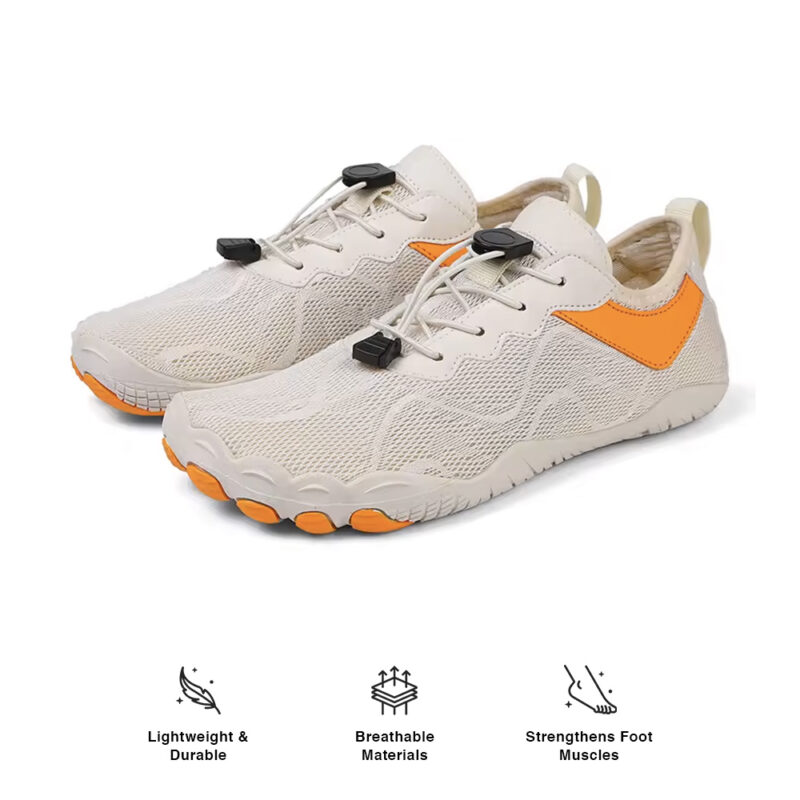
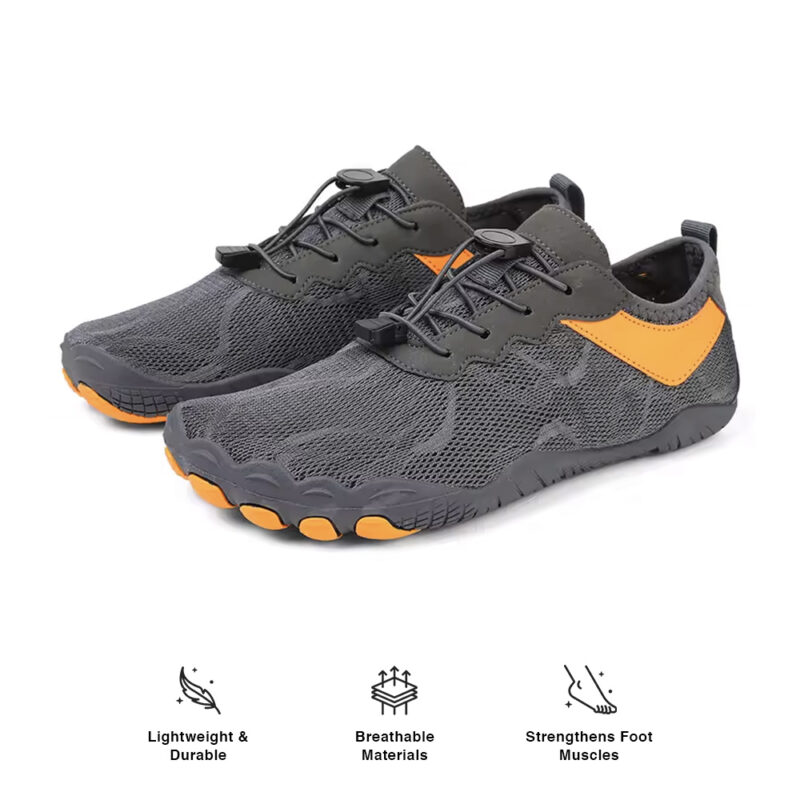
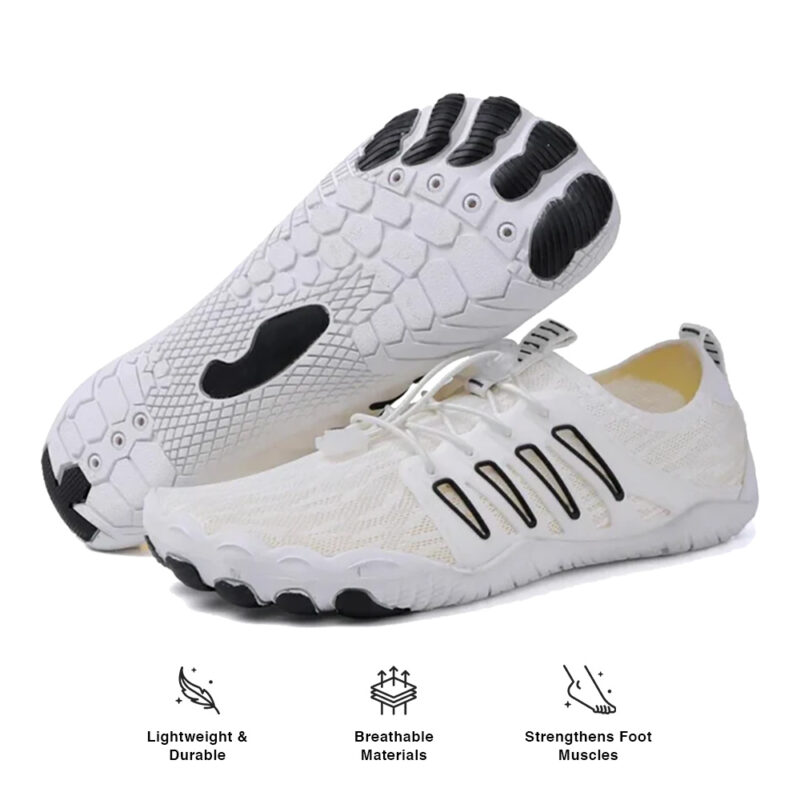
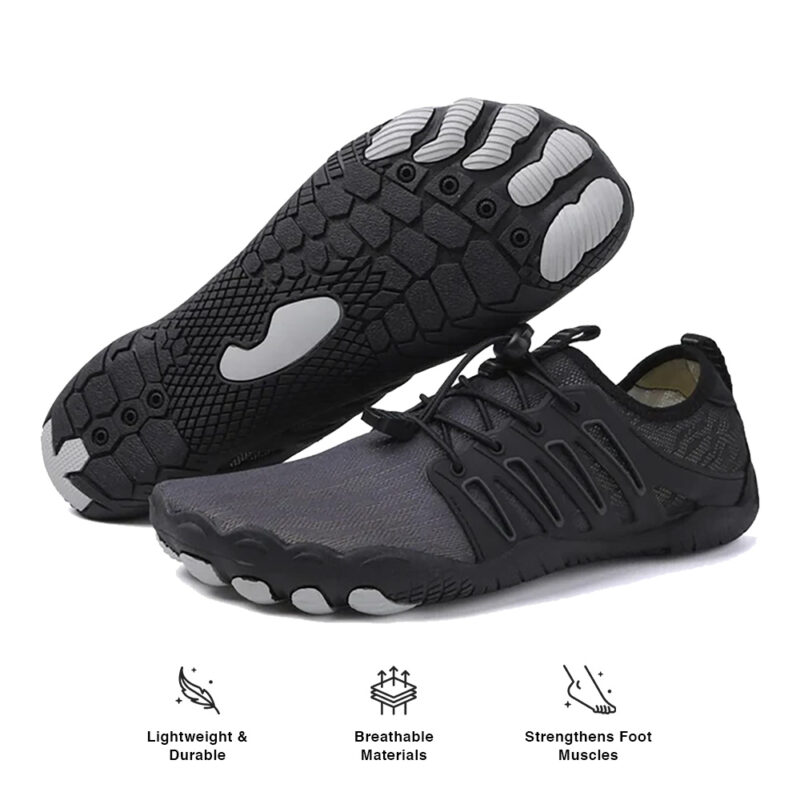
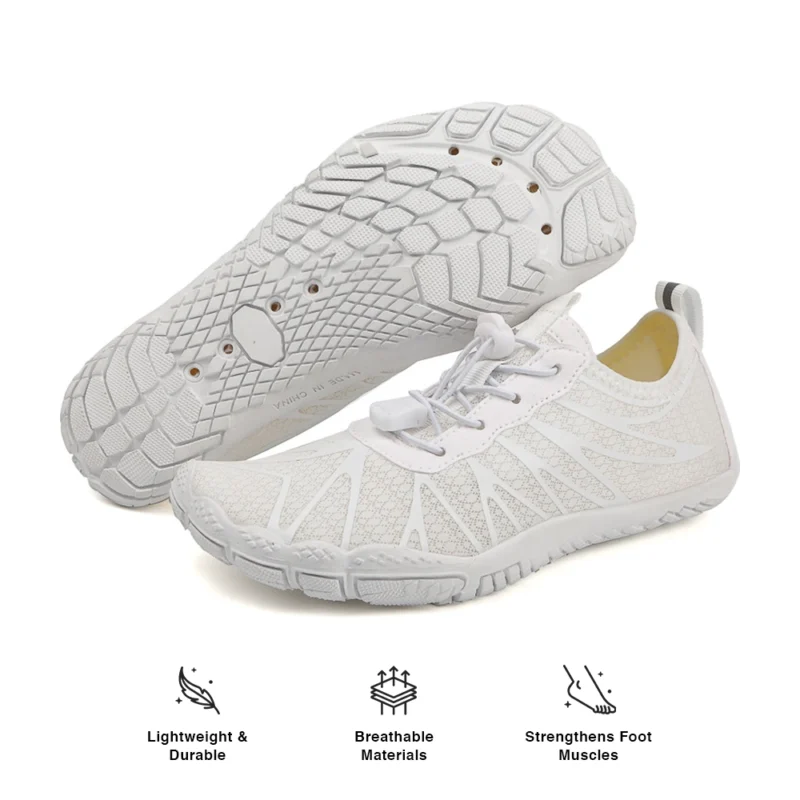
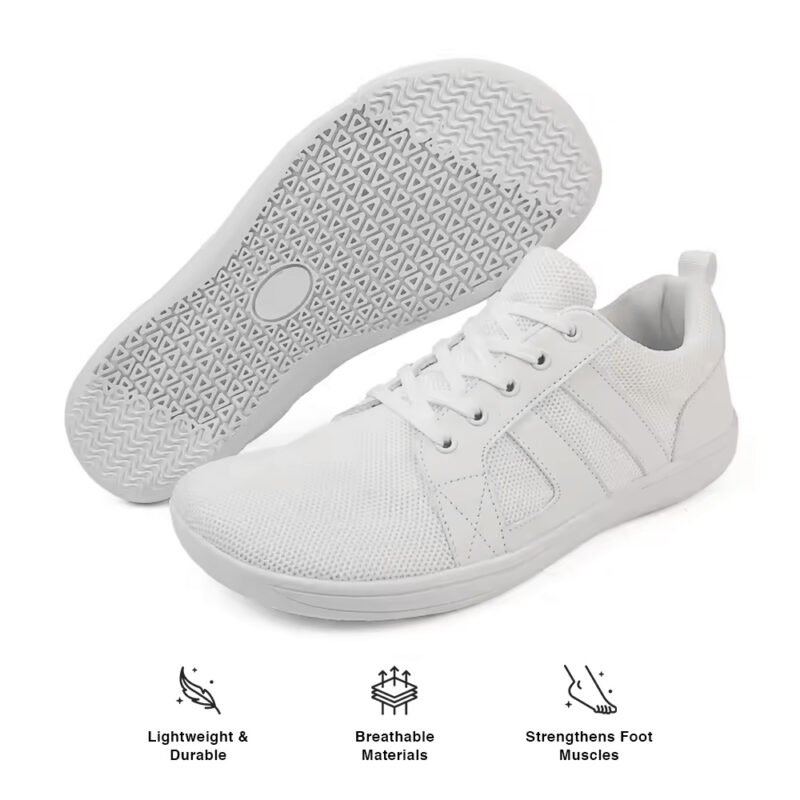
Your Feet Crave Natural Movement, Not Artificial Support
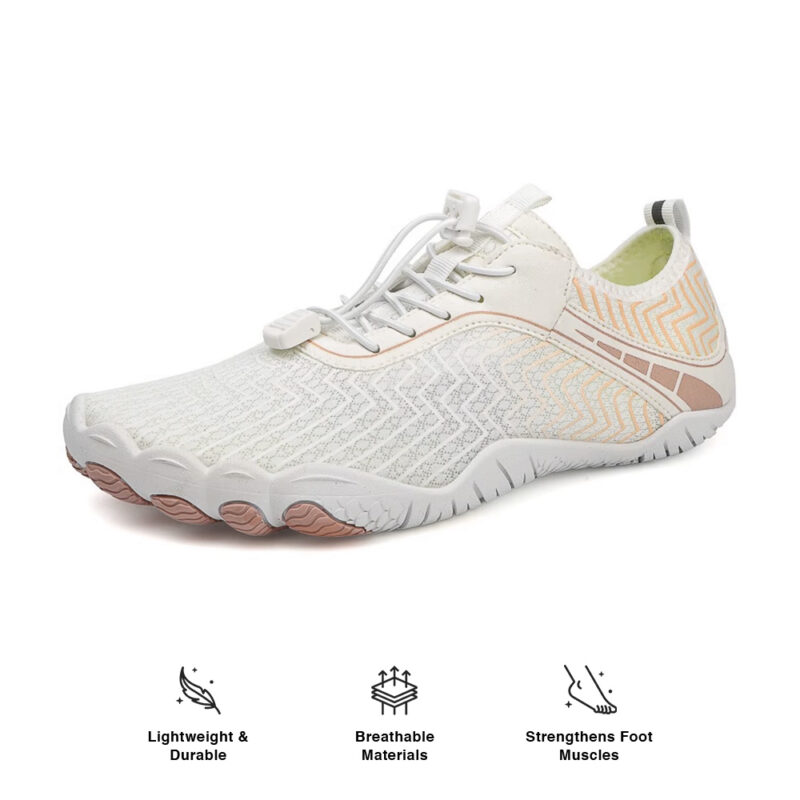
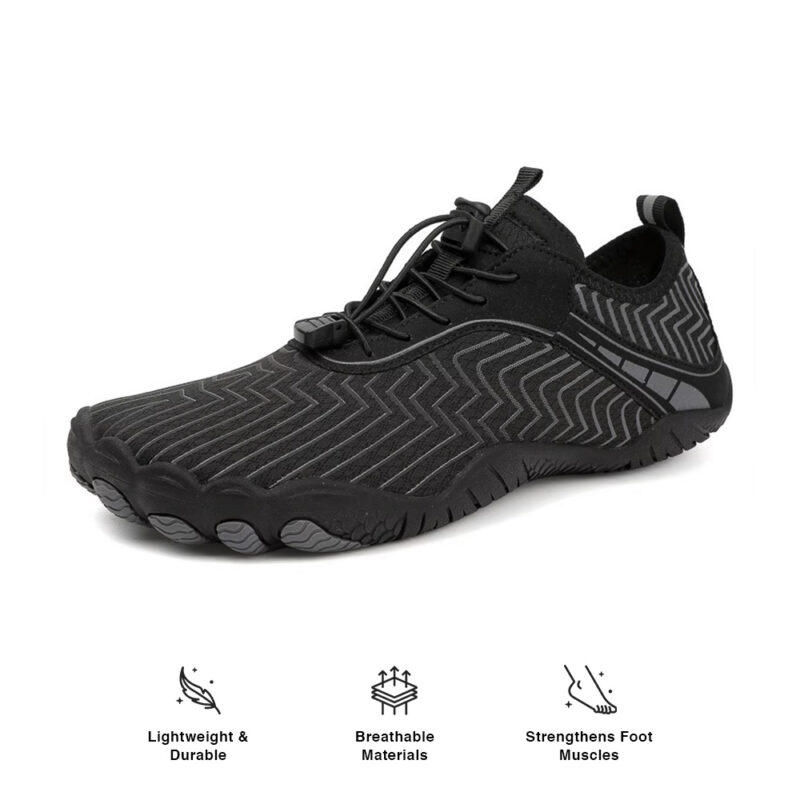
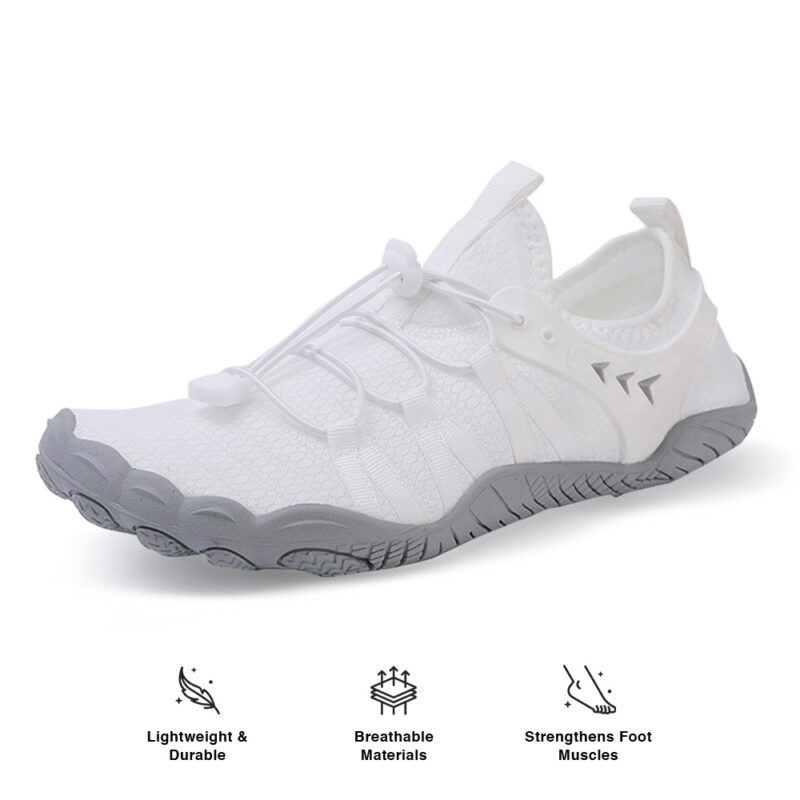
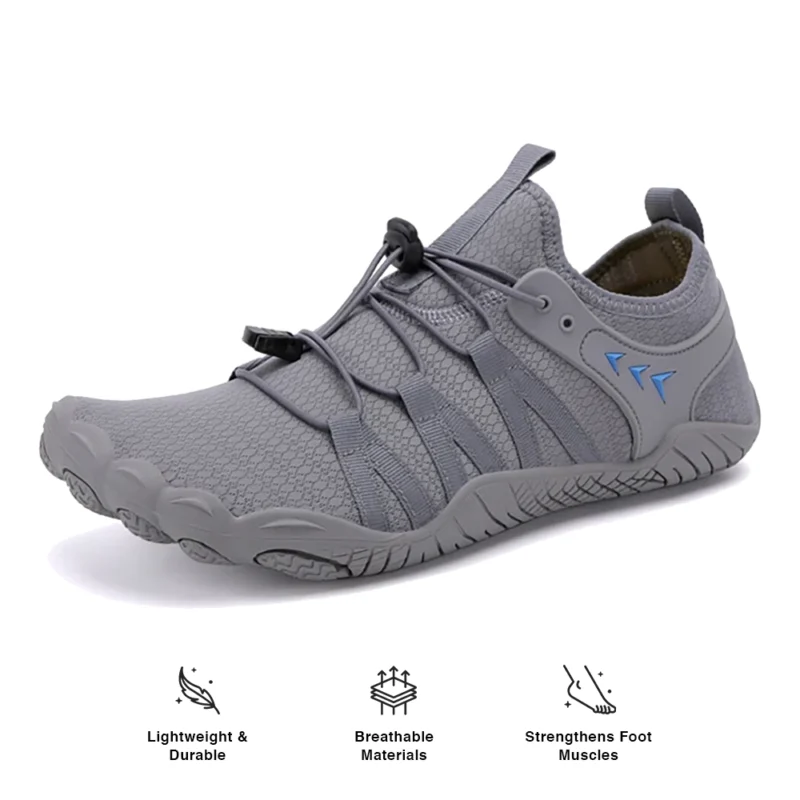
The burning heel pain you experience every morning stems from feet that have forgotten how to work naturally. Traditional shoes with thick soles and rigid construction force your feet into unnatural positions, weakening the very muscles that should protect your heels. The best shoes for heel spurs allow your feet to flex, bend, and adapt to surfaces just as nature intended. When you choose minimalist footwear with thin, flexible soles, your feet begin rebuilding the intrinsic strength that provides genuine, lasting relief. Start by wearing these shoes for short periods initially, gradually increasing wear time as your feet adapt and strengthen.
Ground Connection Transforms How Your Body Handles Impact
You've likely noticed that heel spurs hurt most on hard surfaces, leading you to seek maximum cushioning that actually disconnects you further from the ground. True healing happens when your feet can feel and respond to different surfaces, allowing your body's natural shock absorption system to activate. The best shoes for heel spurs feature thin soles that maintain ground connection while protecting your feet from sharp objects. This connection enables your feet, ankles, and legs to work together as an integrated system, distributing force naturally rather than concentrating pressure on your heel. Practice walking mindfully in these shoes, focusing on gentle, rolling steps that engage your entire foot.
Toe Freedom Directly Impacts Heel Health
The cramped, pointed toe boxes in most shoes create a chain reaction of dysfunction that contributes to heel pain. When your toes can't spread naturally, your foot loses its stable foundation, forcing other structures like your heel to compensate with increased tension and stress. Shoes designed for heel spurs must provide ample toe room, allowing your toes to spread wide and grip the ground naturally. This toe freedom restores your foot's natural arch support system and reduces the strain on your plantar fascia that often accompanies heel spurs. Choose shoes with toe boxes that match your foot's natural shape rather than forcing your feet into narrow, tapered designs.
Heel-to-Toe Drop Affects Your Entire Walking Pattern
Most shoes elevate your heel higher than your toes, creating an artificial slope that alters your natural gait and increases pressure on your heel. This elevated heel position shortens your calf muscles and places additional strain on your plantar fascia, potentially worsening heel spur symptoms. The best shoes for heel spurs maintain a zero-drop design, keeping your heel and toes at the same level to promote natural alignment. This flat sole design encourages a more natural walking pattern where you land on your midfoot rather than striking hard with your heel. Transition gradually to zero-drop shoes, as your calves and Achilles tendons may need time to adjust to the new positioning.
Material Flexibility Determines Foot Function
Rigid shoe materials act like casts on your feet, preventing the natural bending and twisting movements that keep your feet healthy and strong. The synthetic materials and stiff construction in traditional shoes force your feet to work against resistance with every step, contributing to the dysfunction that leads to heel spurs. Optimal shoes for heel spurs use soft, flexible materials that move with your feet rather than restricting them. Look for shoes made from supple leathers or breathable fabrics that bend easily when you flex them in your hands. This flexibility allows your feet to develop the dynamic strength needed to support your body weight naturally and reduce heel pressure.
Weight Distribution Changes Everything About Comfort
Heavy, bulky shoes alter your natural movement patterns and require extra energy with each step, contributing to fatigue and compensatory movements that can worsen heel pain. The additional weight on your feet changes how forces travel up through your legs, potentially creating new areas of tension and discomfort. The best shoes for heel spurs are remarkably lightweight, allowing you to move with the effortless efficiency your body was designed for. When your shoes feel almost weightless, your natural gait emerges, and your feet can focus on healing rather than compensating for artificial bulk. Choose shoes that feel like an extension of your feet rather than something you're carrying around.
Sensory Feedback Guides Natural Healing
Thick, cushioned soles block the valuable sensory information your feet need to make constant micro-adjustments that protect your heels from excessive impact. This sensory deprivation forces your feet to guess at appropriate responses, often resulting in over-compensation and increased heel stress. Shoes that promote heel spur recovery provide enough sole thickness to protect from sharp objects while maintaining sensory connection to the ground. This feedback allows your nervous system to fine-tune your movement patterns, naturally reducing the forces that contribute to heel spur development. Spend time walking on different textures in your minimalist shoes to retrain your feet's ability to adapt and respond appropriately to various surfaces.