Blog

Best Trail Running Shoes for Women

You're a woman who craves the freedom of trail running but struggles with traditional footwear that leaves your feet aching and disconnected from the ground beneath you. The bulky, over-engineered shoes in most stores promise comfort but deliver the opposite – feet that feel trapped, weak, and prone to injury on challenging terrain.

What you truly need are the best trail running shoes for women that work with your body, not against it. Your feet are incredibly sophisticated structures designed to adapt, grip, and respond to varied surfaces. When shoes restrict this natural function, you lose stability, strength, and the pure joy of feeling connected to every step of your trail adventure.

Barefoot and minimalist trail running shoes unlock your feet's natural intelligence. They allow your toes to spread for better balance, let your arches strengthen with each stride, and give you the ground feedback that prevents missteps and builds confidence on rocky, rooty terrain. This approach transforms your running from a battle against your footwear into a harmonious dance with the trail.

The best trail running shoes for women honor your feet's design while protecting them from sharp rocks and debris. They offer freedom of movement that builds stronger, more resilient feet over time, leading to improved posture, better balance, and the lasting comfort that comes from letting your body function as nature intended.

Here's to finding the best trail running shoes for women that set your feet free and elevate every trail adventure.

Top Picks for Best Trail Running Shoes
Original price was: $129.95.Current price is: $59.95.
Select options This product has multiple variants. The options may be chosen on the product page
$64.80
Select options This product has multiple variants. The options may be chosen on the product page
Original price was: $149.99.Current price is: $74.99.
Select options This product has multiple variants. The options may be chosen on the product page
Original price was: $129.98.Current price is: $58.95.
Select options This product has multiple variants. The options may be chosen on the product page
Original price was: $189.98.Current price is: $76.93.
Select options This product has multiple variants. The options may be chosen on the product page
$79.95
Select options This product has multiple variants. The options may be chosen on the product page
Original price was: $149.99.Current price is: $74.99.
Select options This product has multiple variants. The options may be chosen on the product page
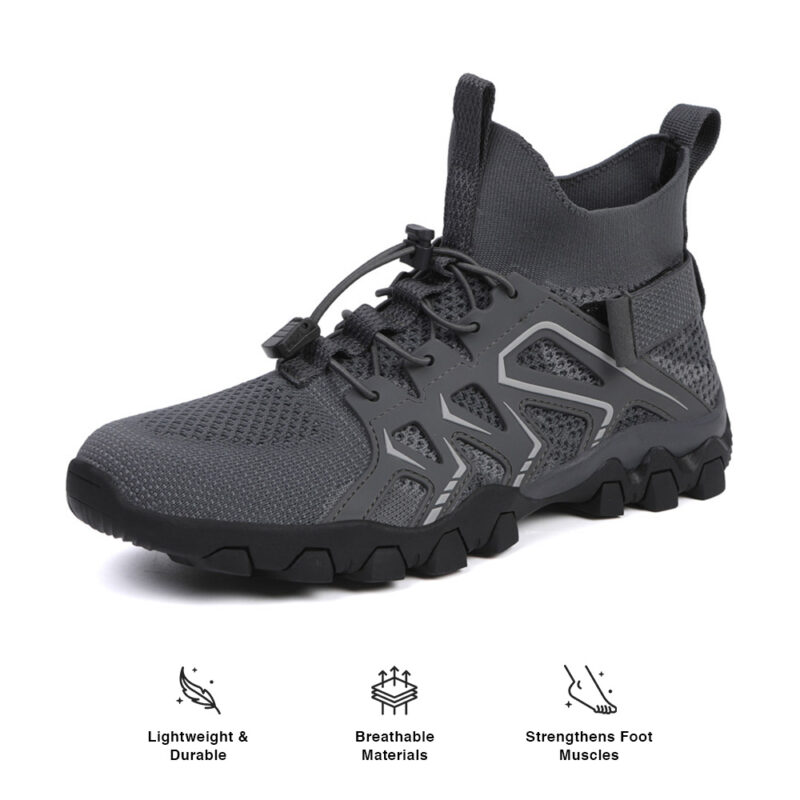
$79.95
Select options This product has multiple variants. The options may be chosen on the product page
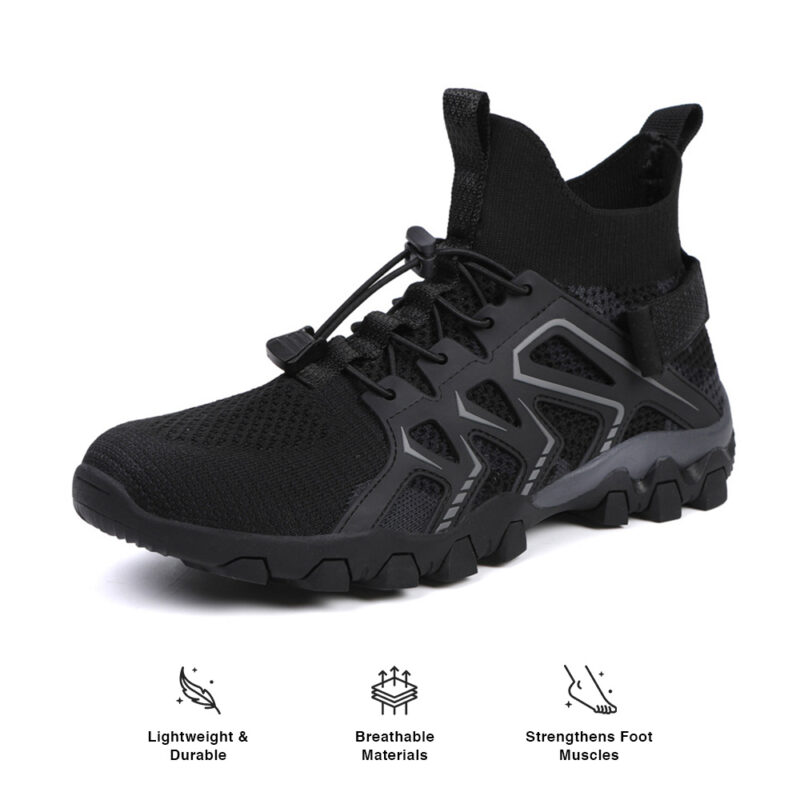
Why Your Feet Need Freedom on the Trails

Trail running should feel like flying, not fighting your footwear. Many women experience foot fatigue and instability because conventional shoes restrict natural toe splay and foot flexion. When searching for the best trail running shoes for women, prioritize designs with wide toe boxes that let your toes spread naturally for maximum stability and power transfer. Look for flexible soles that bend with your foot's natural motion rather than forcing it into rigid patterns.

Ground Connection Enhances Your Trail Awareness

Thick, cushioned soles might seem protective, but they actually increase injury risk by blocking crucial sensory feedback from the trail. Your feet contain thousands of nerve endings designed to read terrain and adjust your gait instantly. The best trail running shoes for women feature thin, flexible soles that maintain this vital ground connection while still protecting from sharp rocks and debris. Choose shoes with just enough sole thickness to shield your feet without numbing your natural trail instincts.

Lightweight Design Reduces Leg Fatigue

Heavy trail shoes drain your energy with every step, making longer runs feel like a battle against your own gear. Minimalist trail running shoes typically weigh 30-50% less than traditional options, reducing the metabolic cost of each stride. When evaluating the best trail running shoes for women, pick up the shoe and notice how light it feels – your legs will thank you after mile ten when you're still running strong instead of shuffling tired.

Natural Grip Patterns Work Better Than Aggressive Lugs

Oversized lugs and complex tread patterns often create instability by elevating your foot too far from the ground and creating awkward contact points. Your feet naturally grip surfaces through toe engagement and flexible sole contact. The best trail running shoes for women feature low-profile, multidirectional tread that mimics how your bare foot would naturally grip varied terrain. Test potential shoes by flexing them in your hands – the sole should bend easily in multiple directions.

Breathability Prevents Hot Spots and Blisters

Trail runs generate significant heat and moisture, especially during longer adventures or warm weather conditions. Synthetic materials in traditional shoes trap heat and create friction points that lead to painful hot spots. Minimalist trail shoes typically use lightweight, breathable materials that allow air circulation and moisture wicking. When selecting the best trail running shoes for women, look for mesh panels or natural materials that keep your feet cool and dry throughout your entire run.

Durability Through Simplicity

Complex shoe construction with multiple layers and components creates more failure points and reduces overall longevity. Simple, well-made minimalist designs often outlast heavily engineered alternatives because there are fewer parts to break down or separate. The best trail running shoes for women feature clean construction with reinforcement only where needed – typically at the toe and heel. Choose shoes with proven track records rather than the latest technological gimmicks that may not stand up to serious trail miles.

Transitioning Safely to Minimalist Trail Running

Your feet and lower legs need time to adapt to the increased demands of minimalist trail running after years in traditional shoes. Start with shorter trail runs and gradually increase distance as your foot strength improves. Begin your transition on familiar, less technical terrain before tackling challenging trails. Listen to your body and allow adequate recovery between runs as your muscles, tendons, and ligaments strengthen to support your natural running form.