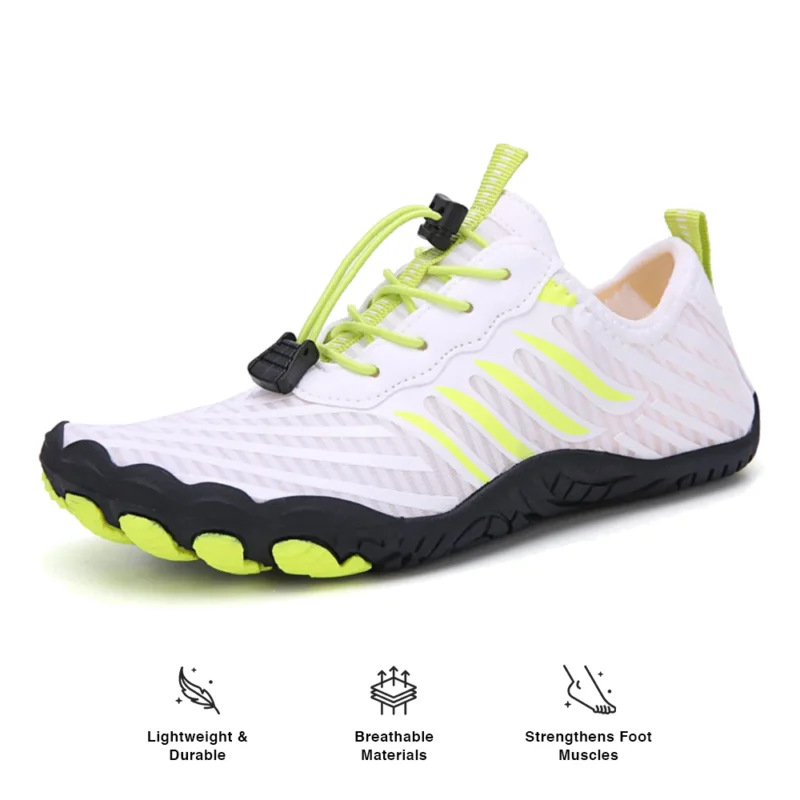
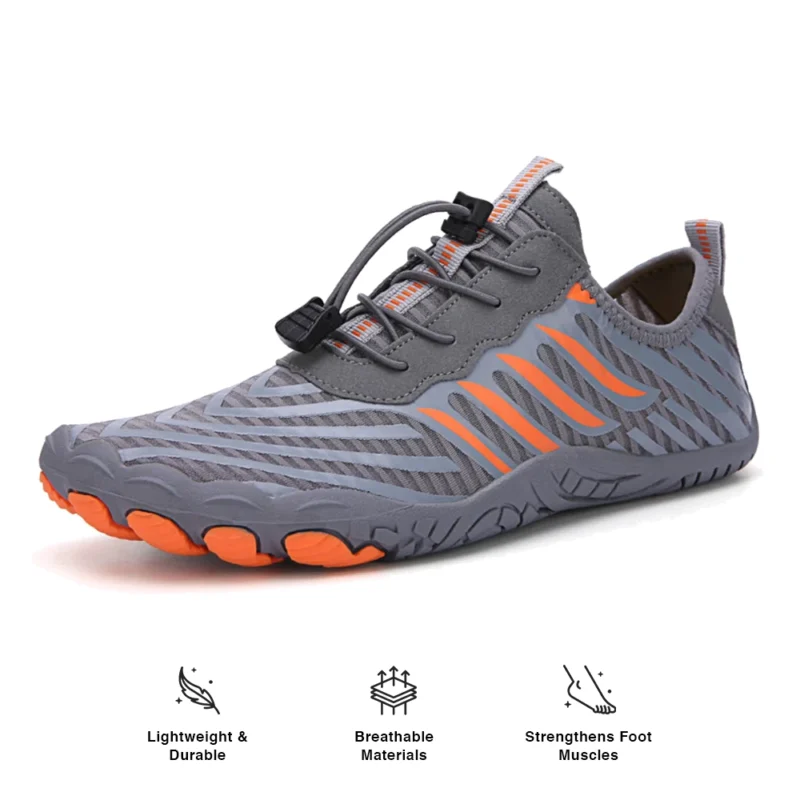
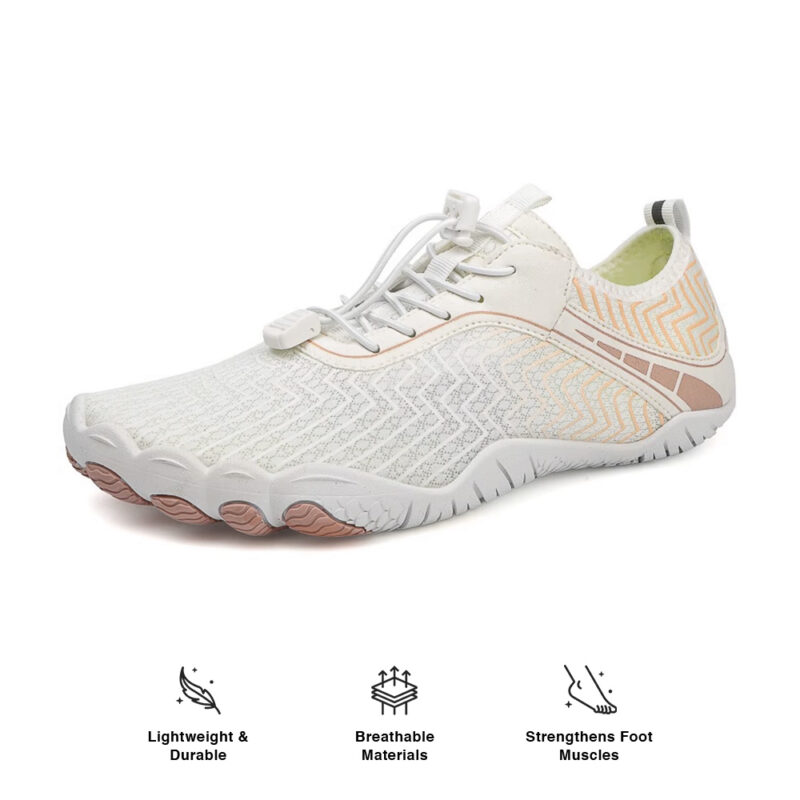
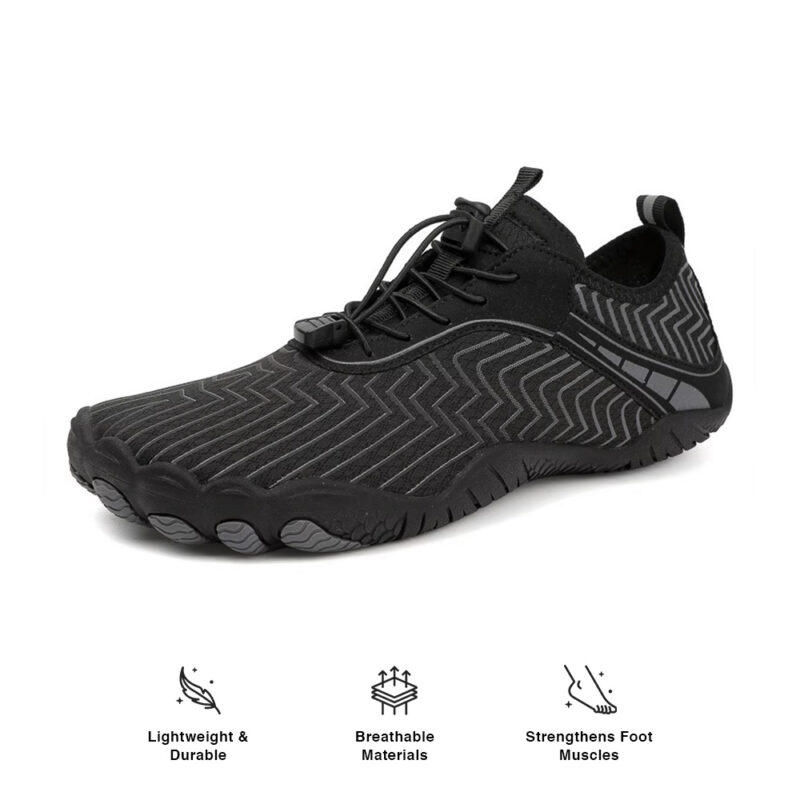
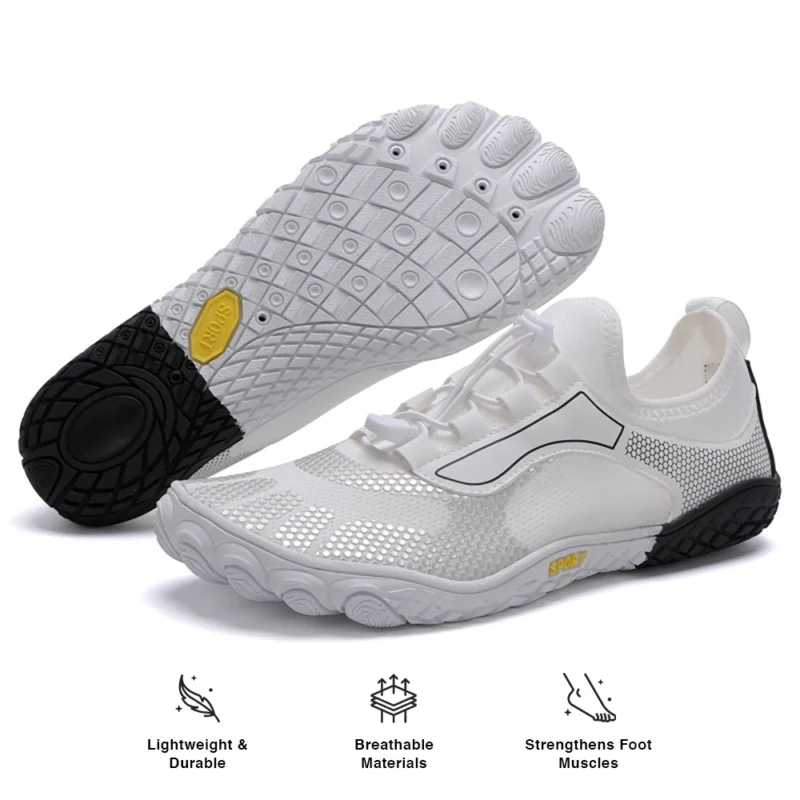
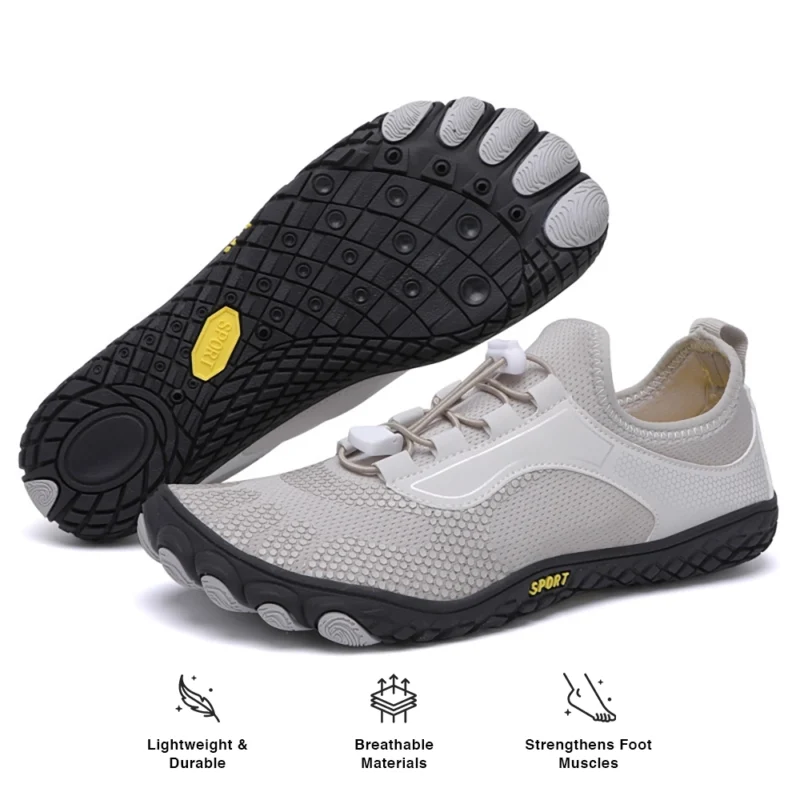
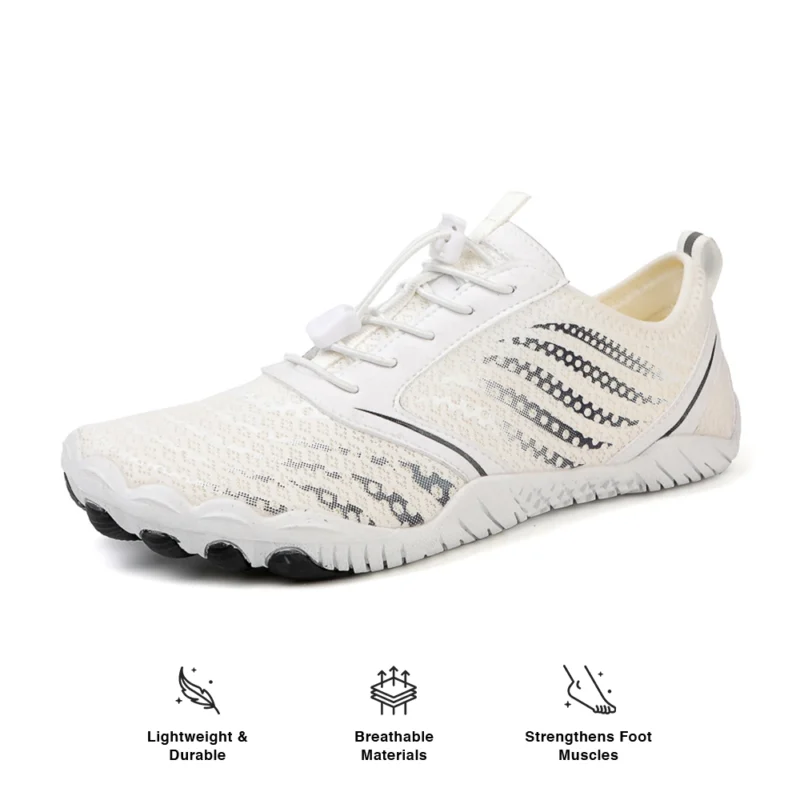
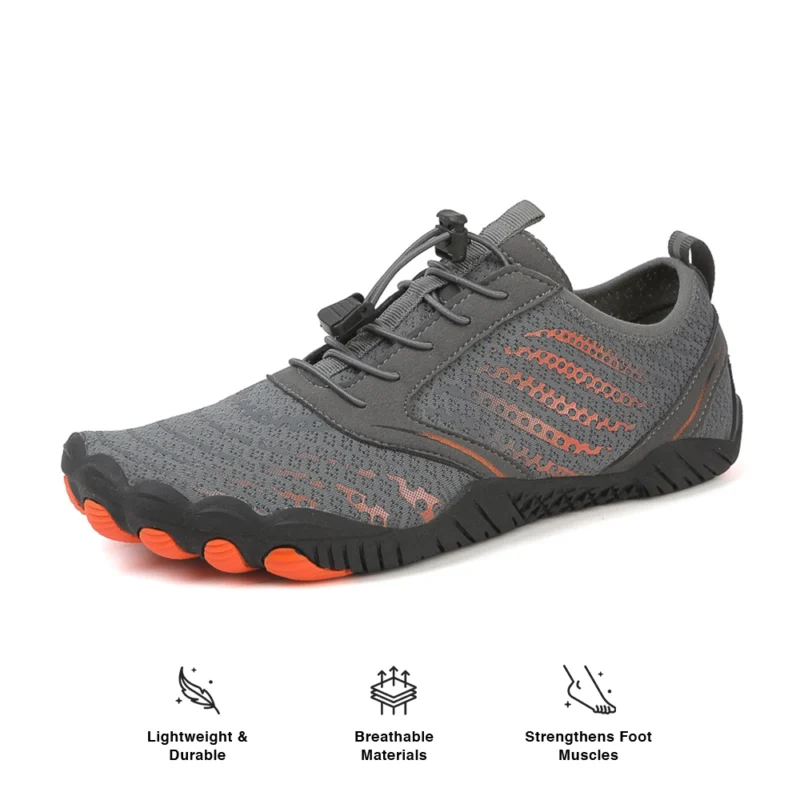
Why Your Current Shoes Might Be Holding You Back
You've probably noticed that despite spending good money on traditional running shoes, your feet still ache after longer runs or feel disconnected from the ground beneath you. This happens because conventional footwear creates a barrier between your feet and the natural feedback your body craves to move efficiently. What are the best running shoes for natural movement? They're the ones that let your feet actually feel the terrain and respond accordingly. Your foot contains 26 bones, 33 joints, and over 100 muscles and tendons that work together as a sophisticated system – but only when they're allowed to function freely. Start by paying attention to how your feet feel during your next run and notice if you're truly connected to each step.
The Foundation of Injury-Free Running Starts From the Ground Up
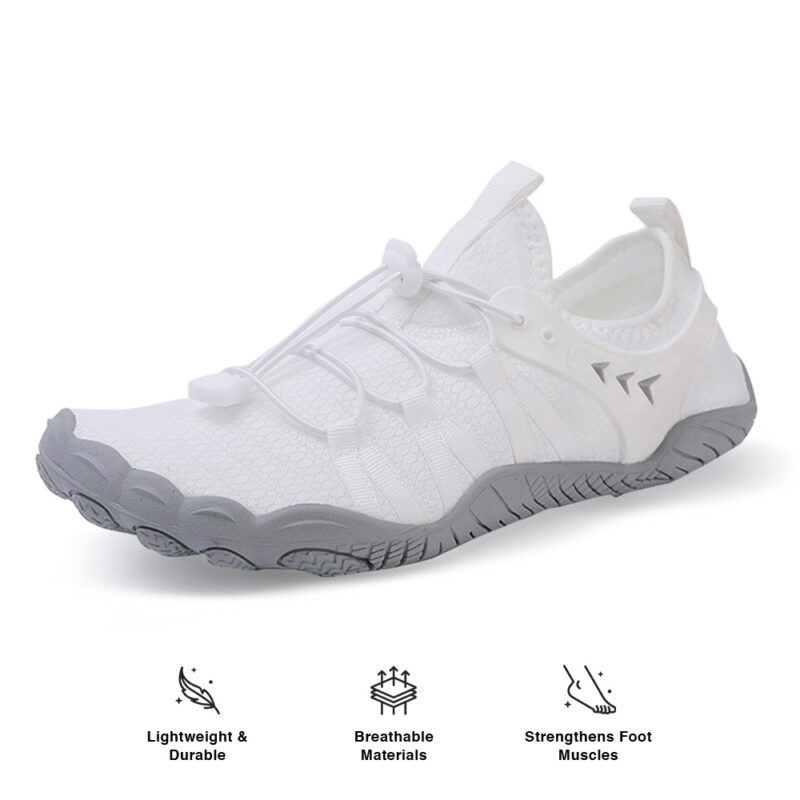
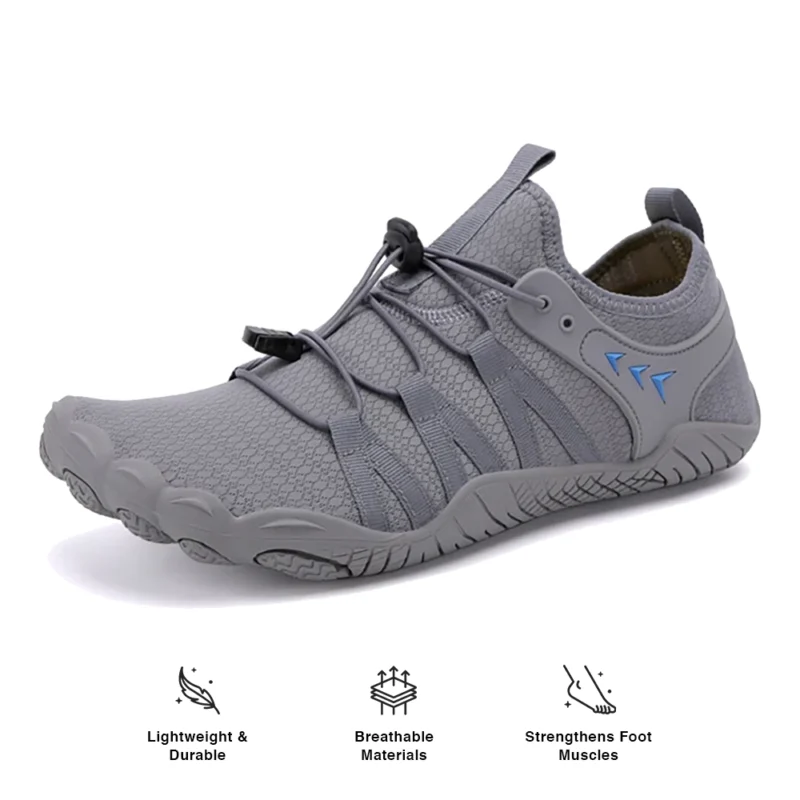
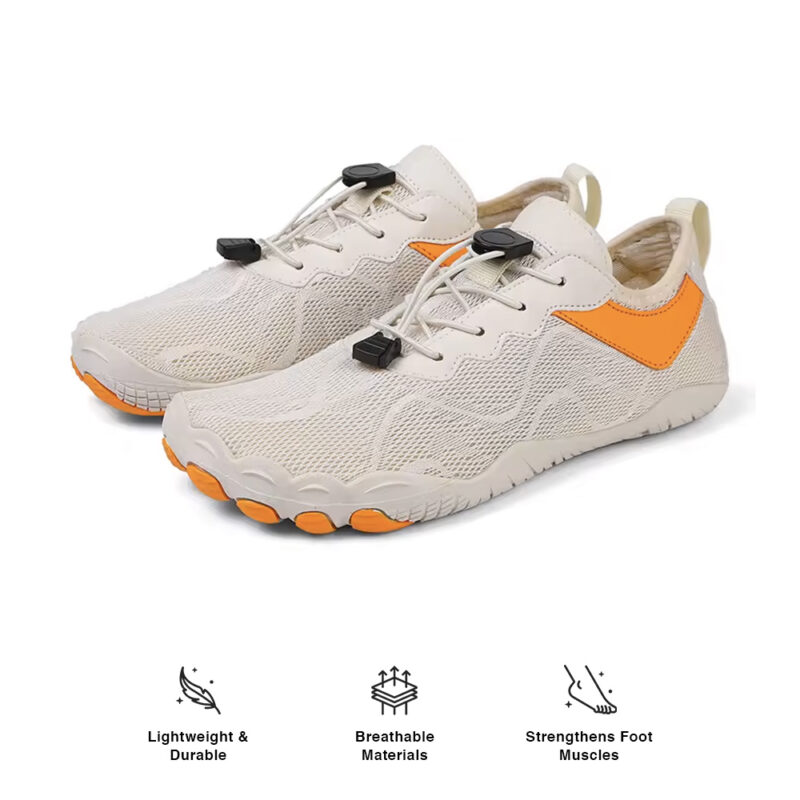
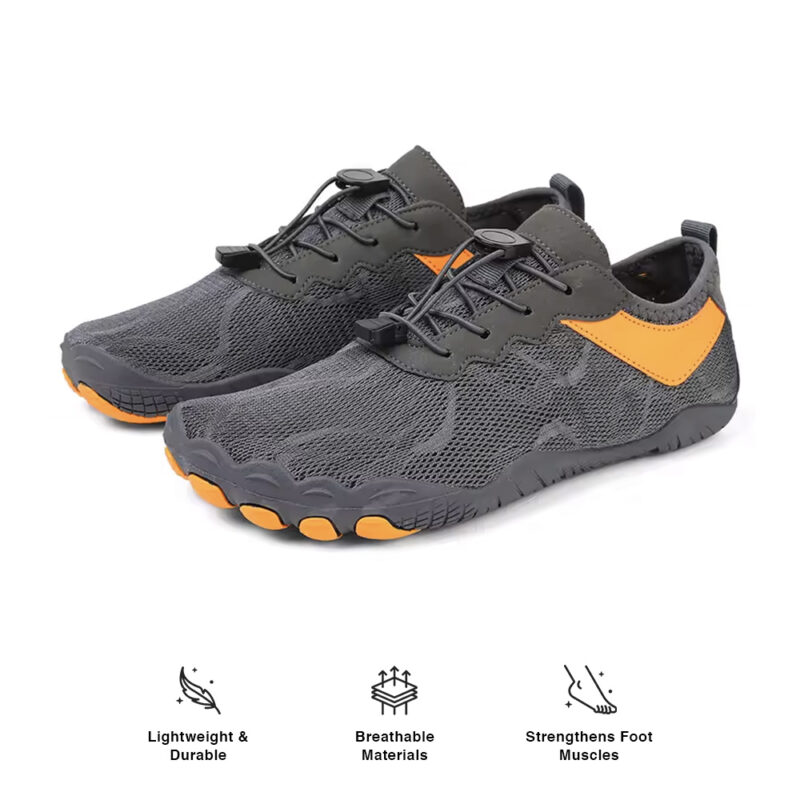
If you've been dealing with recurring injuries like shin splints, IT band issues, or knee pain, the problem might not be your training plan – it could be that your shoes are preventing your feet from building the strength they need to support your entire kinetic chain. When searching for what are the best running shoes for injury prevention, consider that your feet are designed to be your body's shock absorbers and stabilizers. Minimalist running shoes allow the small muscles in your feet to activate with each step, creating a strong foundation that supports proper alignment all the way up through your hips and spine. Begin your transition gradually by incorporating short barefoot walks on safe surfaces to awaken these dormant muscles before making the switch to minimalist running shoes.
How Natural Movement Patterns Improve Your Running Economy
You might feel like you're working harder than you should during runs, especially when you see other runners gliding effortlessly past you with what seems like half the effort. This inefficiency often stems from shoes that alter your natural gait and force you to fight against your own biomechanics with every step. What are the best running shoes for improving your natural stride? Look for options that have zero drop (no height difference between heel and toe) and allow your foot to flex naturally. This promotes a midfoot or forefoot strike pattern that's more efficient and less jarring than the heel-strike pattern encouraged by traditional shoes. Practice running in place barefoot to feel your natural landing pattern, then look for shoes that support rather than change this movement.
The Secret to Lasting Comfort Without Artificial Padding
You've probably been told that more cushioning equals more comfort, but you may have noticed that even the most padded shoes still leave your feet feeling tired, sore, or numb after long runs. True comfort comes from allowing your feet to move and function as they were designed, not from surrounding them with artificial materials that create pressure points and restrict natural movement. The best running shoes for long-term comfort work by letting your feet spread naturally, your toes splay for stability, and your arch engage actively rather than being artificially propped up. Try spending time barefoot at home to rediscover what natural foot comfort actually feels like, then seek out shoes that preserve this sensation.
Building Stronger Feet for Lifetime Performance
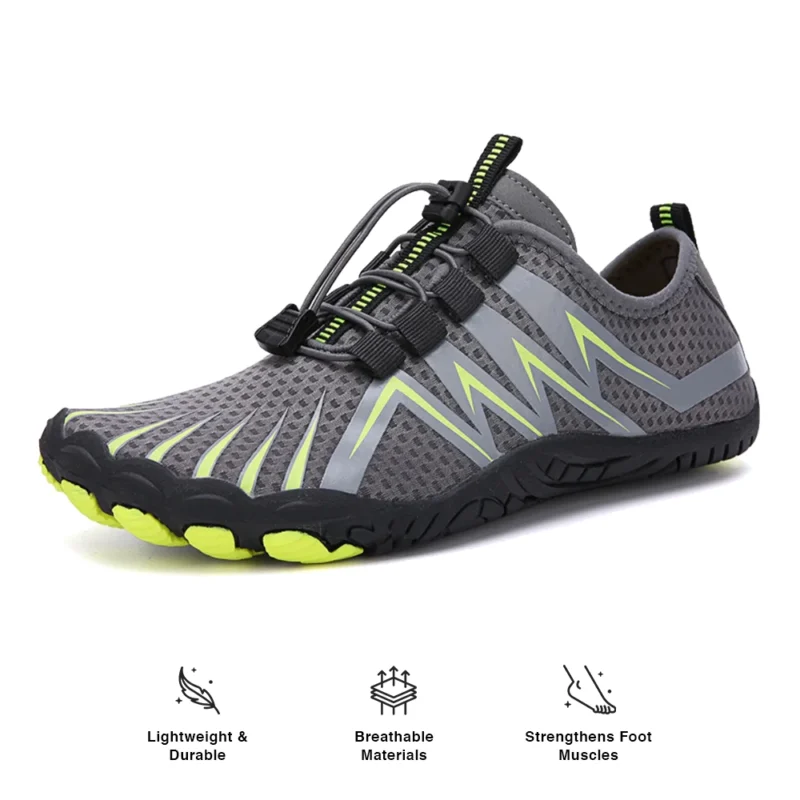
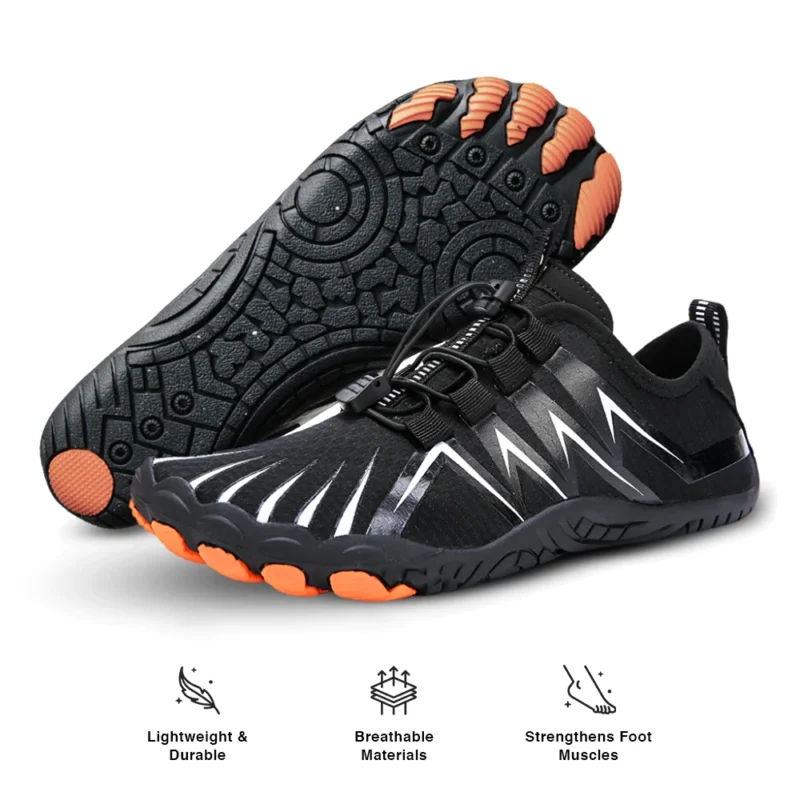
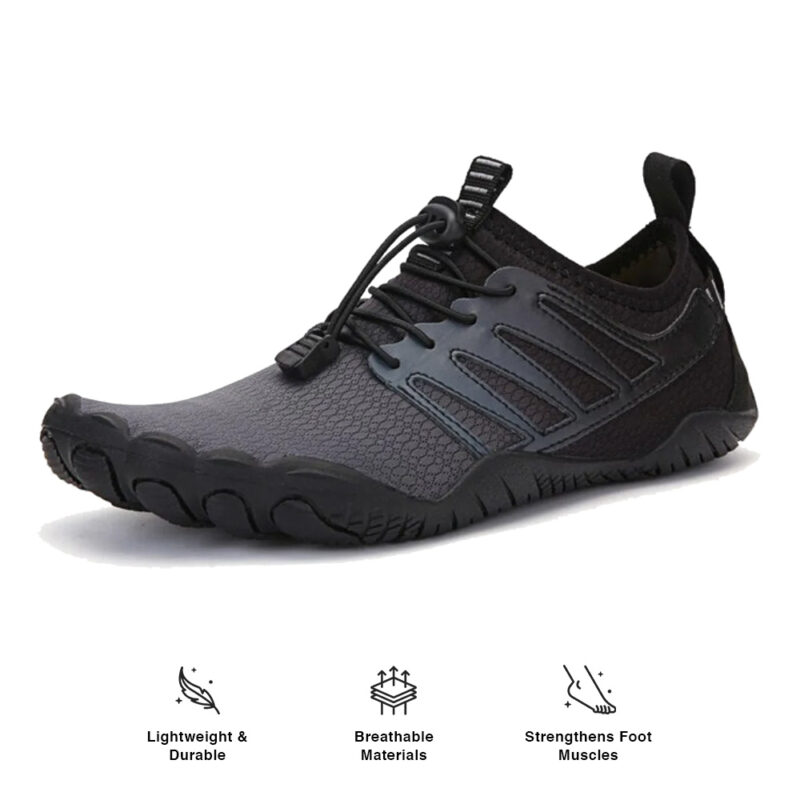
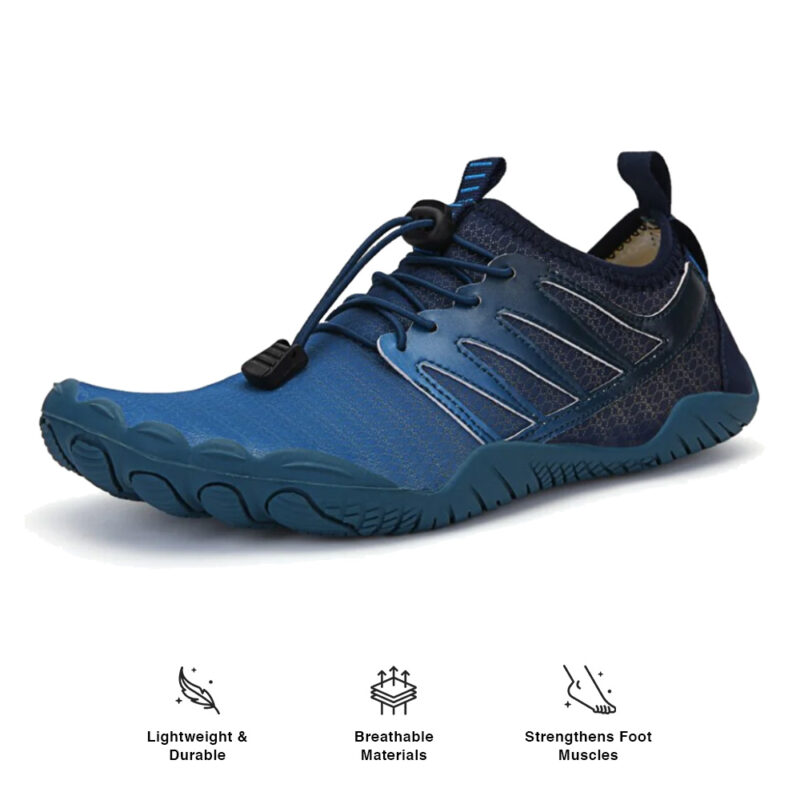
Perhaps you've noticed that despite regular running, your feet don't feel particularly strong, or you struggle with balance and stability during trail runs or uneven terrain. This weakness develops when shoes do all the work that your feet should be doing, essentially putting your foot muscles in a cast for hours every day. What are the best running shoes for building foot strength? They're the ones that challenge your feet to work actively with each step. Minimalist designs engage the intrinsic muscles of your feet, gradually building strength, flexibility, and proprioception that translates to better performance and fewer injuries over time. Start incorporating balance exercises and toe strengthening moves into your routine while you transition to more natural footwear.
The Connection Between Ground Feel and Running Confidence
You might have experienced moments during runs where you felt uncertain about foot placement, especially on trails or unfamiliar surfaces, leading to hesitation and tension that affects your entire stride. This disconnection happens when thick soles create a barrier between your feet and the ground, limiting the sensory feedback your nervous system needs to make split-second adjustments. What are the best running shoes for improving ground connection? Choose options with thin, flexible soles that allow you to feel texture and changes in terrain while still providing protection from sharp objects. This enhanced proprioception leads to more confident foot placement, better balance, and the kind of fluid, responsive movement that makes running feel effortless. Practice walking barefoot on different safe textures to retrain your feet to process sensory information effectively.
Making the Transition That Transforms Your Running Experience
You're probably wondering how to make this shift without derailing your current running routine or risking injury during the adaptation period. The key to successfully transitioning to what are the best running shoes for natural movement lies in patience and gradual progression that respects your body's adaptation timeline. Your feet have likely been in traditional shoes for years or decades, so they need time to rebuild strength and adjust to their newfound freedom. Start by wearing minimalist shoes for short walks and easy runs, gradually increasing time and intensity as your feet adapt. Listen to your body's signals and remember that some initial muscle soreness in your feet and calves is normal as dormant muscles begin to activate and strengthen.