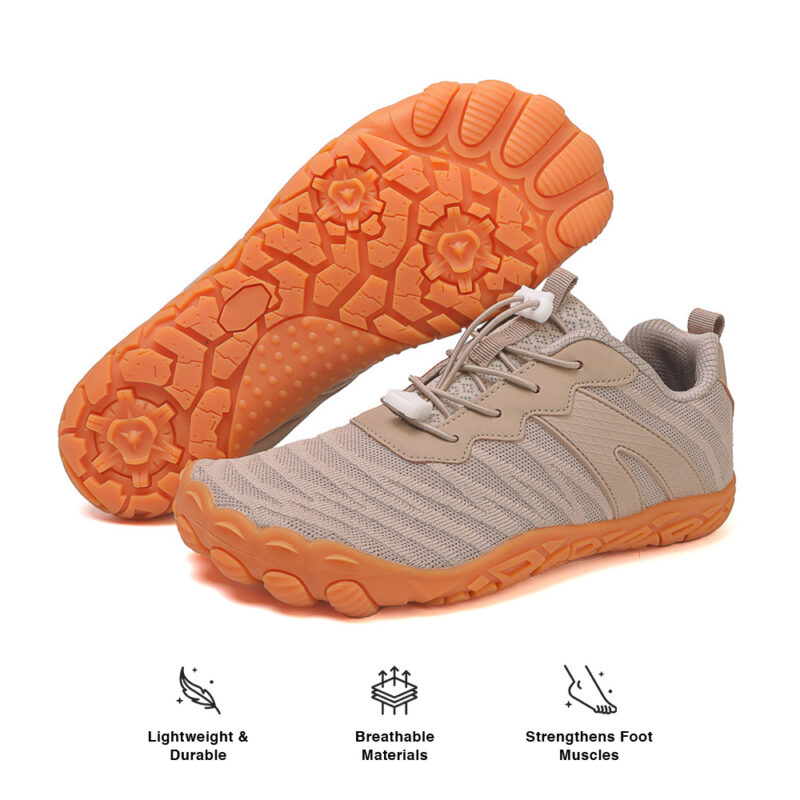
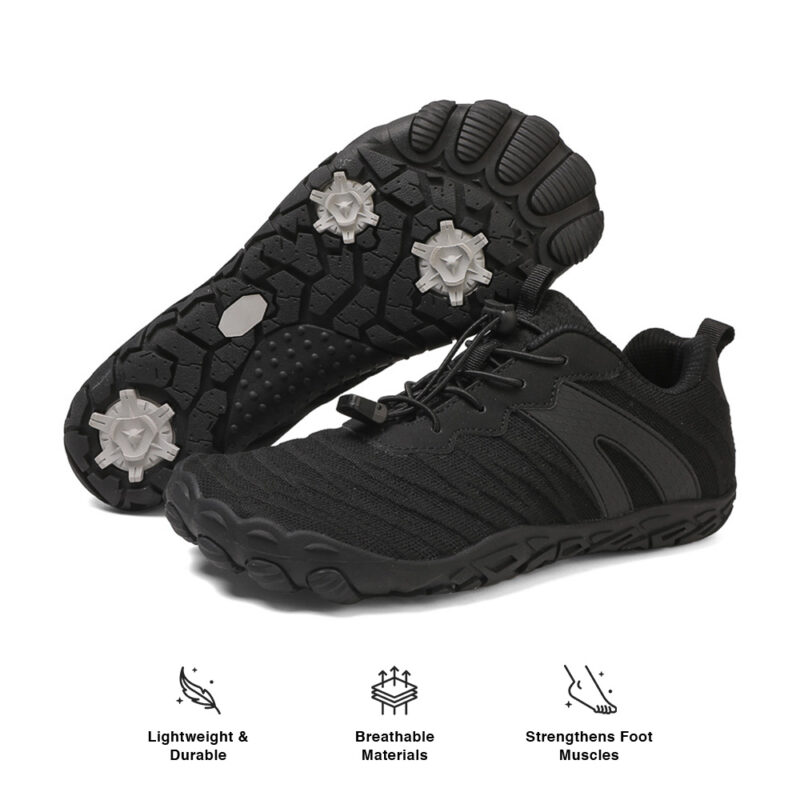
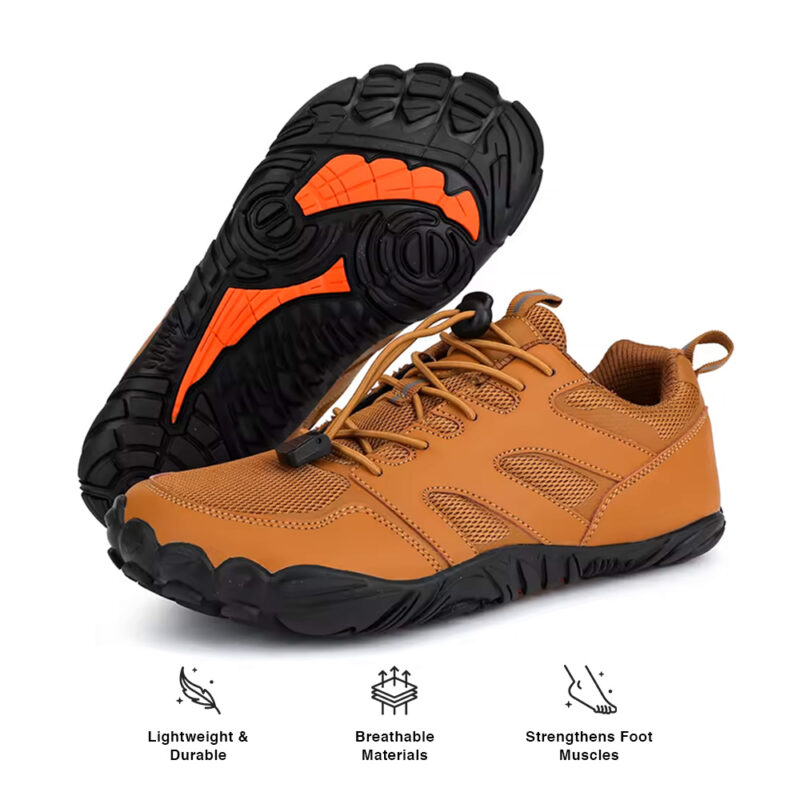
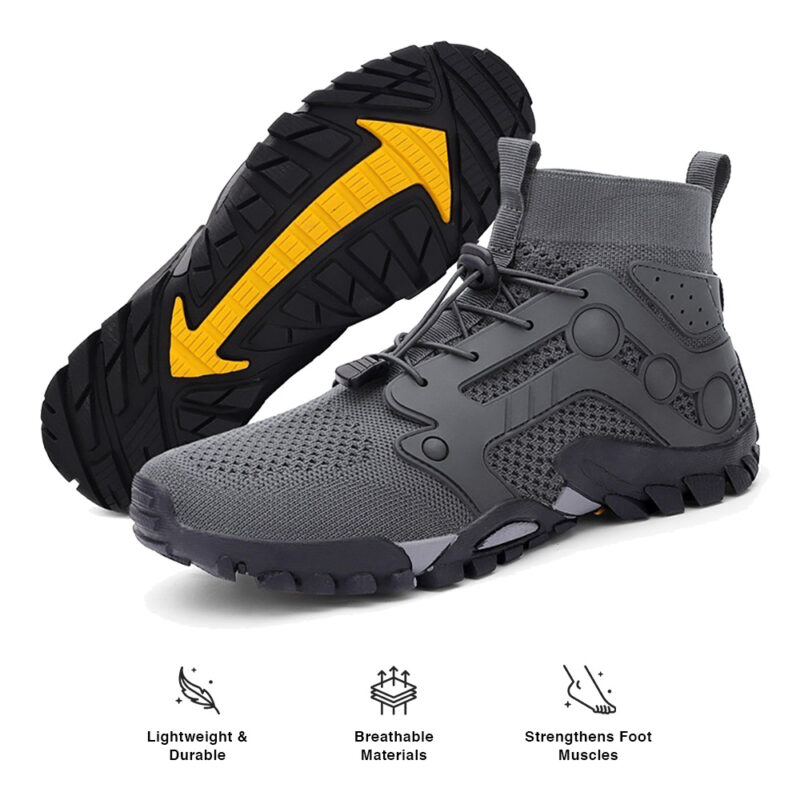
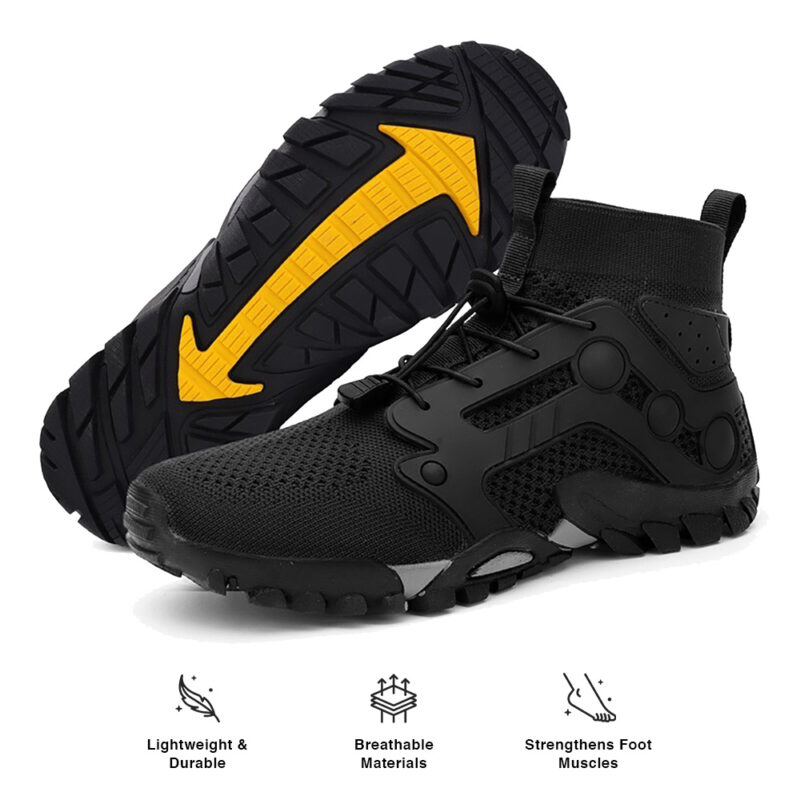
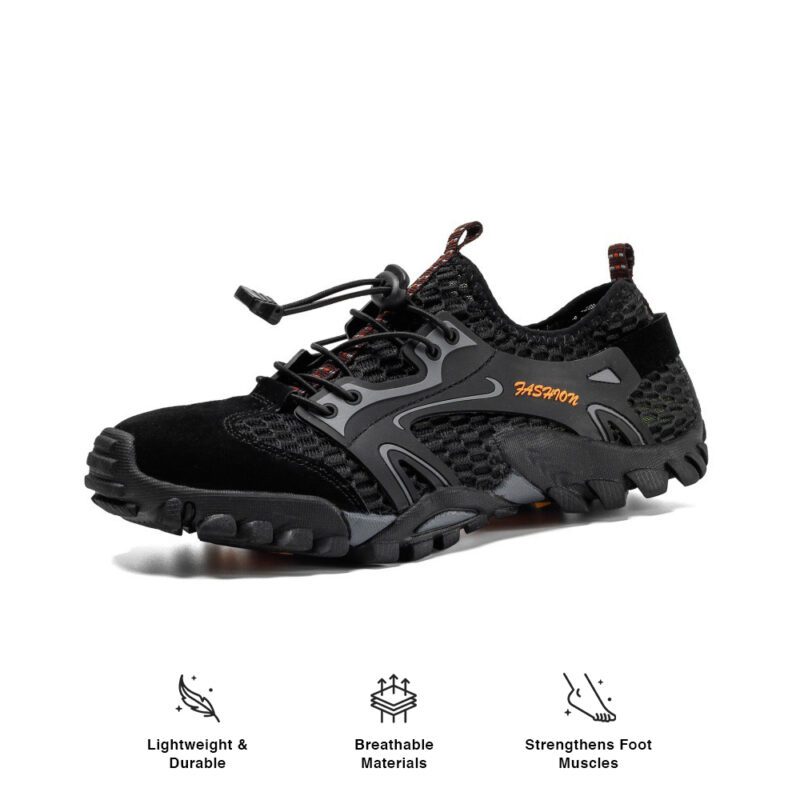
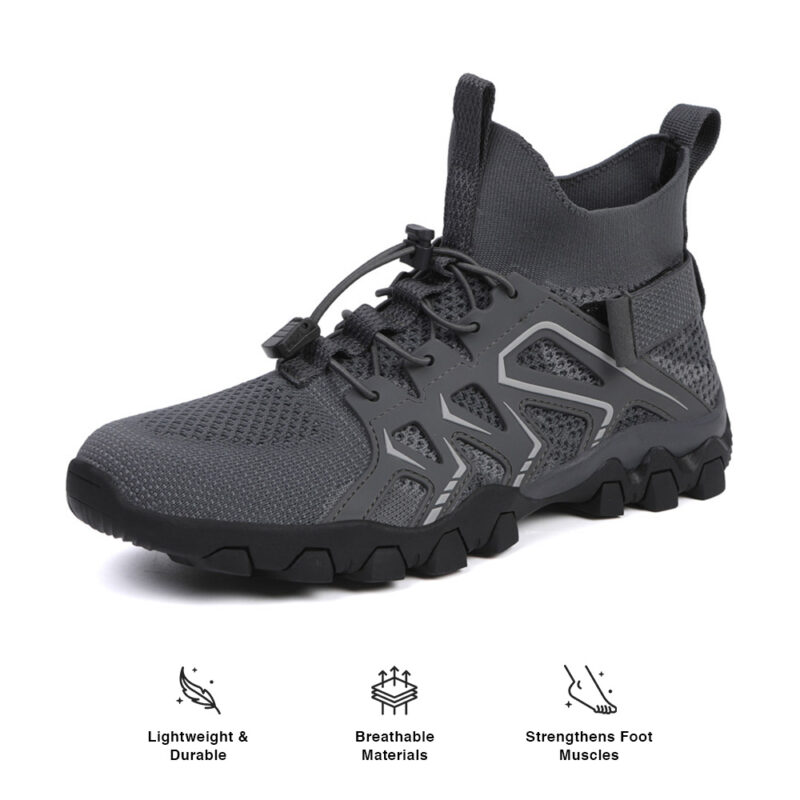
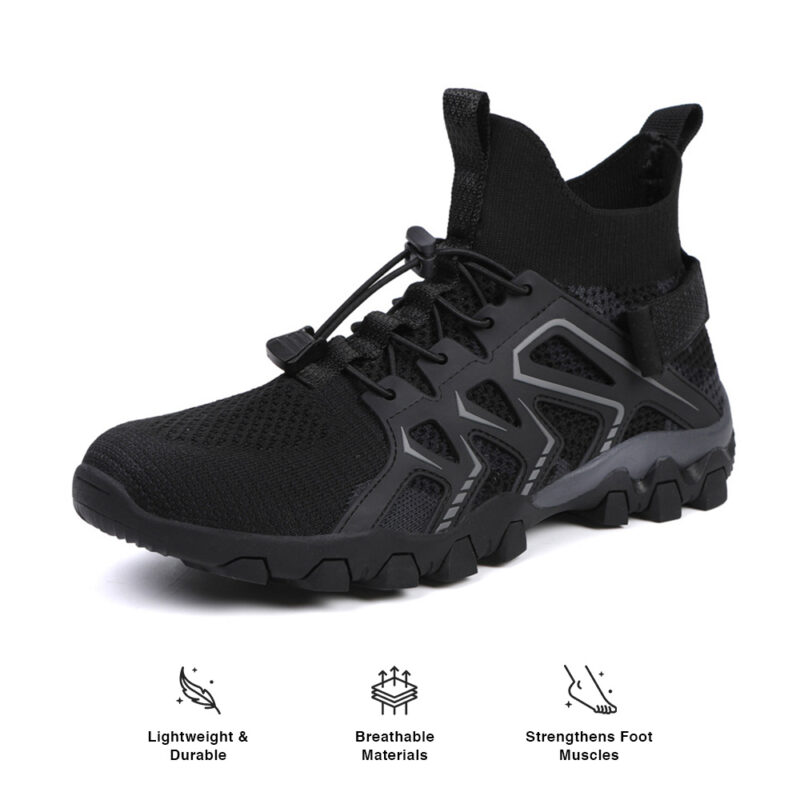
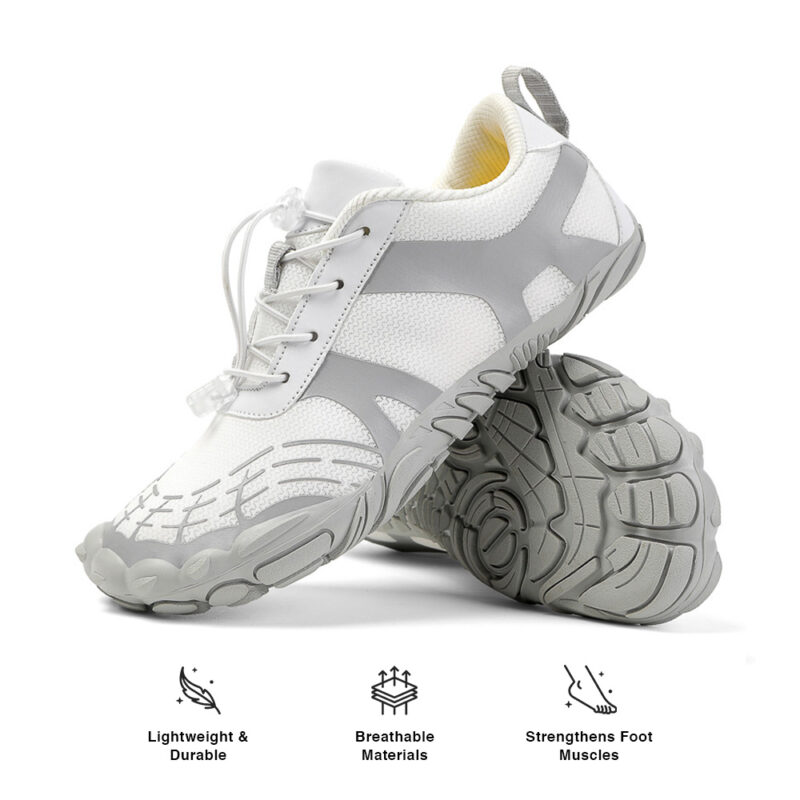
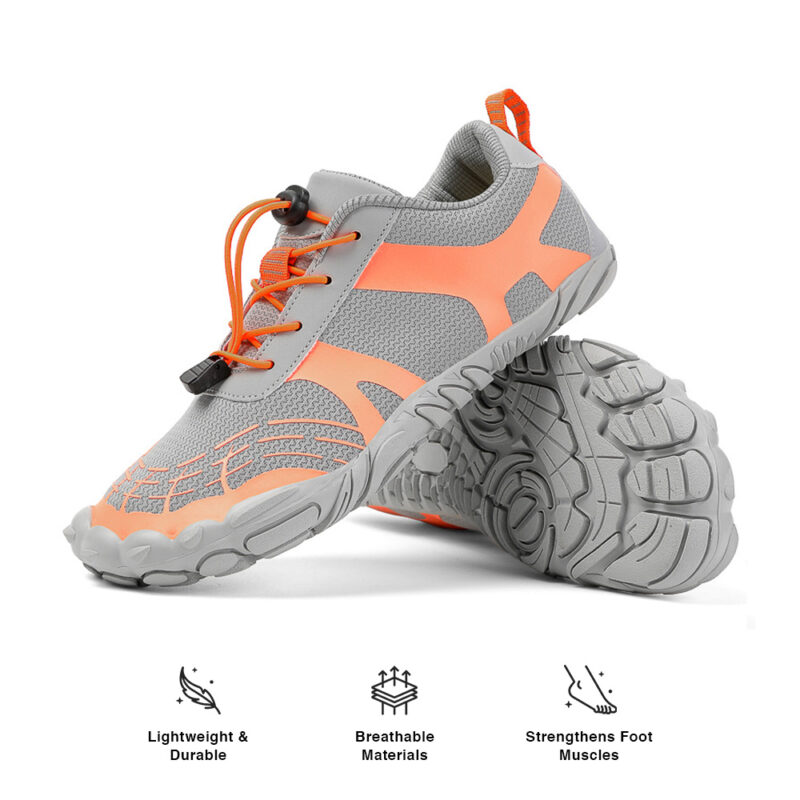
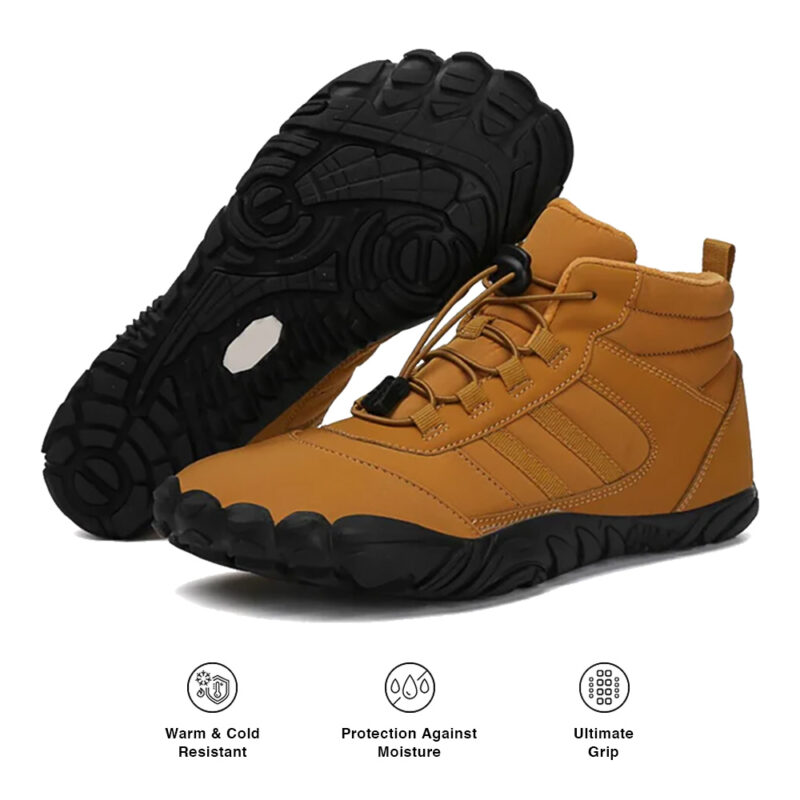
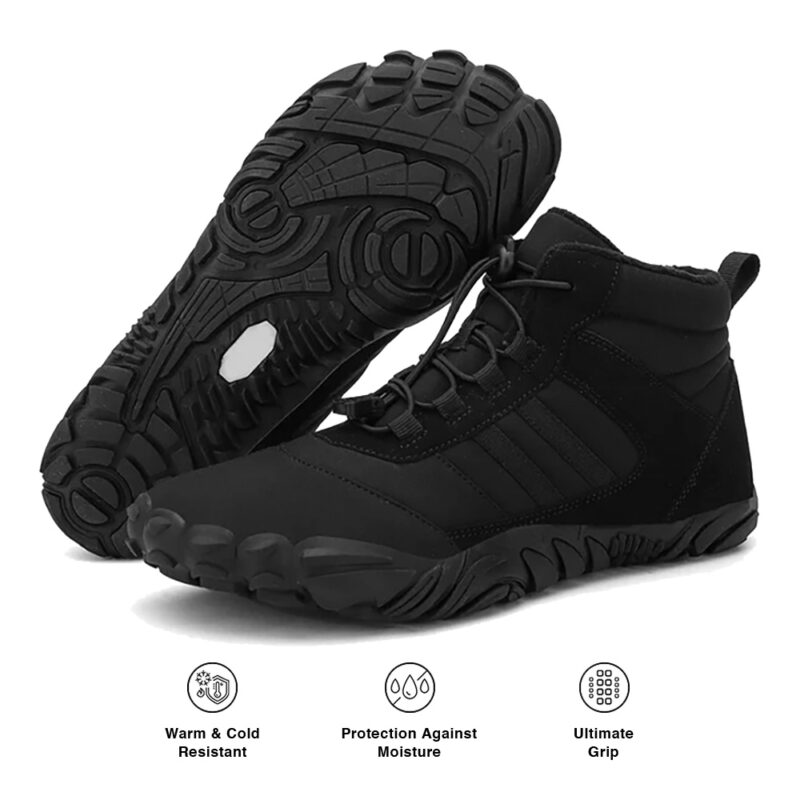
Best Hiking Shoe
You're an outdoor enthusiast who craves adventure on the trails, but your feet are holding you back. Every hiking trip ends with sore, tired feet that feel disconnected from the ground beneath you. You've tried thick-soled boots that promise comfort but leave you feeling clunky and unstable on rocky terrain.
The core problem isn't finding more padding or support. It's that conventional hiking footwear prevents your feet from doing what they're naturally designed to do. Your feet contain 26 bones, 33 joints, and over 100 muscles and ligaments that work together as a sophisticated system for balance, proprioception, and movement.
What you truly need is a best hiking shoe that lets your feet function as nature intended. You want footwear that enhances your connection to the trail rather than blocking it. You need shoes that allow natural foot movement so every step feels controlled and confident.
Barefoot and minimalist hiking shoes address these needs by allowing natural foot movement that strengthens your feet over time. When your feet can move freely, they develop stronger muscles and better balance. This improved proprioception helps you navigate uneven terrain with greater confidence and stability. The lasting comfort comes not from artificial cushioning, but from the freedom to use your feet's natural shock absorption and adaptive capabilities.
The best hiking shoe for your adventures is one that works with your body's design, not against it. Your feet will thank you with every mile on the trail.
Finding Your Natural Stride on Challenging Terrain
Uneven rocks and steep inclines make you feel unstable in bulky boots that separate your feet from crucial ground feedback. What you need in the best hiking shoe is a design that maintains your natural stride mechanics while protecting your feet from sharp objects. Minimalist hiking shoes feature flexible soles that bend with your foot's natural movement, allowing you to feel the terrain beneath you. This enhanced ground connection improves your balance and helps you adjust your gait instinctively for each step. Start with shorter hikes to let your feet adapt to this increased sensory input, gradually building up to longer adventures.
Conquering Steep Ascents Without Foot Fatigue
Climbing steep trails in rigid footwear forces your feet into unnatural positions that create fatigue and strain throughout your legs. The best hiking shoe for mountain terrain allows your foot to flex and grip naturally, engaging the small stabilizing muscles that traditional boots immobilize. Barefoot-style hiking shoes let your toes spread wide for better traction and your foot muscles work as they should during climbs. This natural engagement distributes effort more efficiently across your entire foot and leg, reducing the concentrated stress that leads to fatigue. Practice hill walking in your minimalist shoes on gradually steeper terrain to build strength in these previously underused muscles.
Managing Rocky Descents with Confidence
Descending loose rock and scree feels dangerous when you can't feel what's happening beneath your feet through thick soles. Your ideal best hiking shoe provides just enough protection while preserving the tactile feedback you need for secure foot placement. Minimalist hiking footwear uses thin, puncture-resistant soles that block sharp objects without eliminating ground feel. This sensory connection allows you to detect loose rocks and adjust your weight distribution instantly, preventing slips and falls. Focus on taking shorter, more controlled steps when descending in minimalist shoes, letting your enhanced ground awareness guide each placement.
Adapting to Variable Weather Conditions
Wet rocks and muddy trails demand footwear that won't slip, but traditional hiking boots often feel like platforms that distance you from the surface. The best hiking shoe for all conditions features a sole pattern designed for grip without compromising flexibility or ground connection. Barefoot hiking shoes typically use specialized rubber compounds and tread patterns that maintain traction while allowing your foot to feel and respond to surface changes. This combination of grip and feedback helps you automatically adjust your stride for slippery conditions. Test your minimalist hiking shoes on various surfaces during training walks to understand how they perform in different conditions.
Building Foot Strength for Long-Distance Adventures
Multi-day hikes reveal weaknesses in feet accustomed to rigid footwear that does all the work for them. The best hiking shoe actually strengthens your feet through use rather than creating dependency on external support. Minimalist designs encourage the natural pumping action of your foot muscles, improving circulation and reducing swelling during long hiking days. This active engagement prevents the muscle atrophy and weakness that develops from wearing overly supportive shoes. Begin with day hikes in your barefoot-style shoes, gradually increasing distance as your foot strength improves and hiking endurance naturally increases.
Navigating Stream Crossings and Wet Terrain
Water crossings become treacherous when your shoes hold water and lose traction on slippery rocks underwater. Your best hiking shoe choice for wet conditions needs to drain quickly while maintaining grip on submerged surfaces. Minimalist hiking shoes often feature quick-drying materials and drainage systems that prevent water retention. The improved ground feel through thin soles helps you detect underwater obstacles and maintain balance during crossings. When crossing streams, move slowly and deliberately, using your enhanced tactile feedback to test each step before committing your full weight.
Transitioning from Heavy Boots to Lightweight Freedom
Years of hiking in heavy, restrictive footwear has likely weakened your foot muscles and altered your natural gait patterns. The best hiking shoe transition happens gradually, allowing your feet time to redevelop strength and coordination. Start by wearing minimalist shoes for short walks on easy terrain, paying attention to how your feet feel and move differently. This progressive approach prevents overuse injuries while your feet adapt to their new freedom. Your hiking endurance will actually improve as your feet become stronger and more efficient, making each trail adventure more enjoyable than the last.