Why Traditional Motion Control Creates More Problems Than It Solves
Overpronation often develops when your feet become weak and dependent on external support systems found in conventional running shoes. Your foot naturally seeks stability, but thick cushioning and rigid arch supports prevent the small stabilizing muscles from engaging properly. The best running shoes for pronation runners recognize that your feet need to relearn their natural movement patterns through direct ground contact and unrestricted motion. Start by spending just 10 minutes daily walking barefoot on varied surfaces to begin reawakening your foot's natural proprioception and strength.
How Minimalist Design Rebuilds Your Natural Stability System
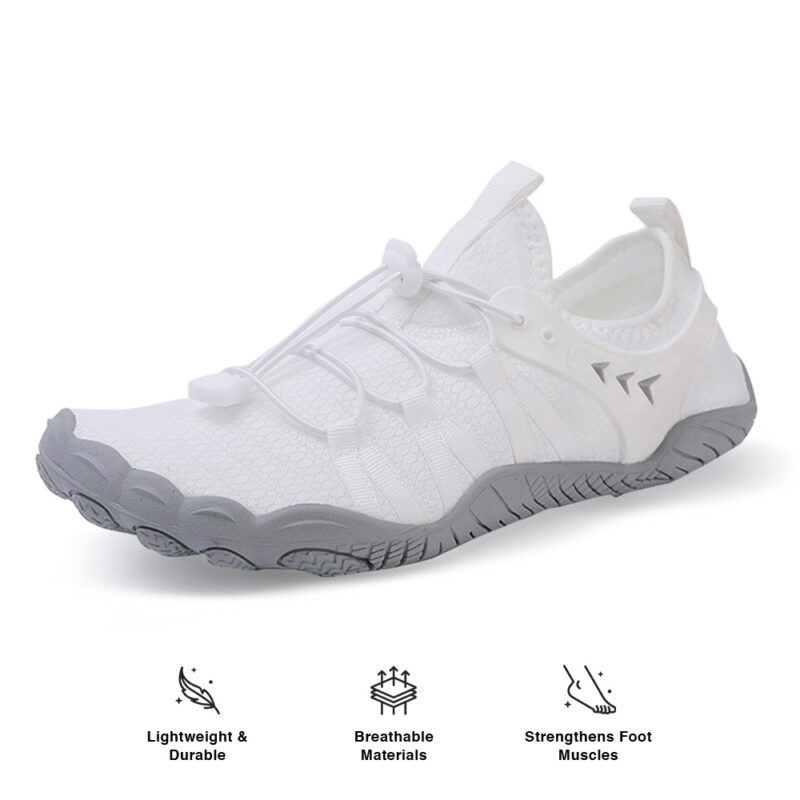
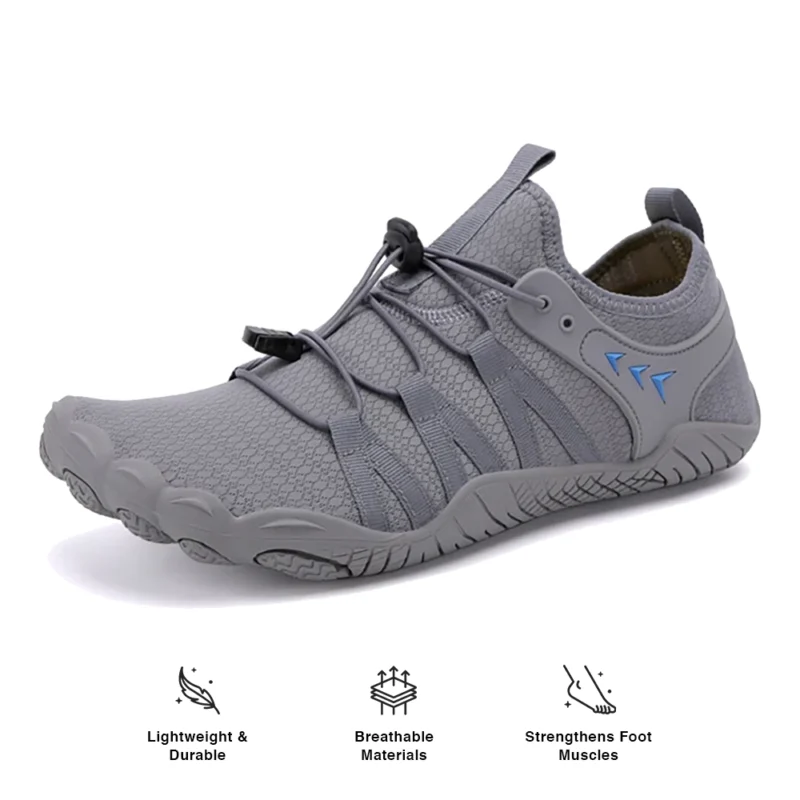
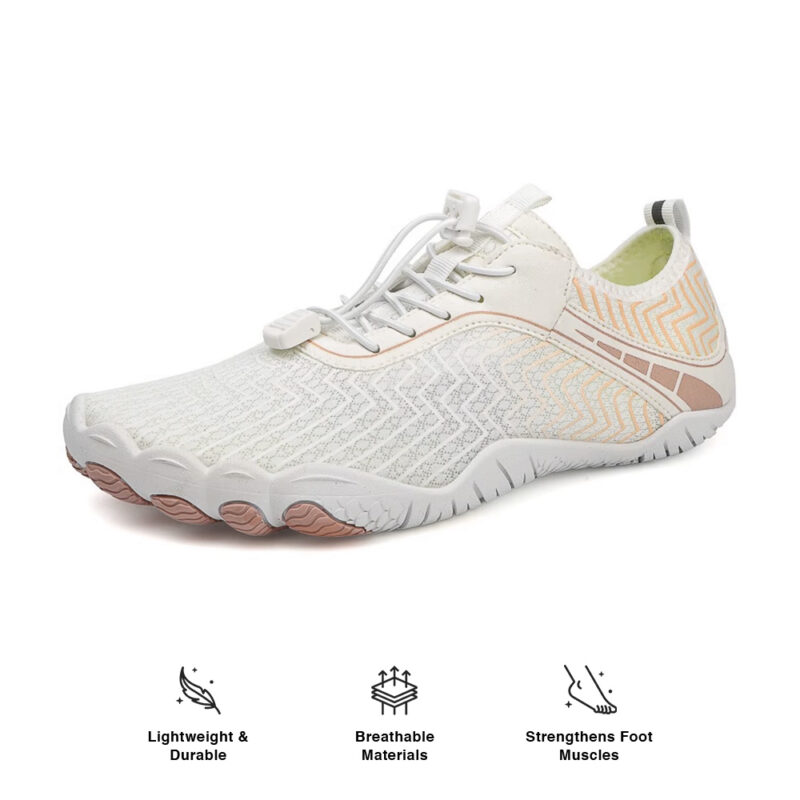
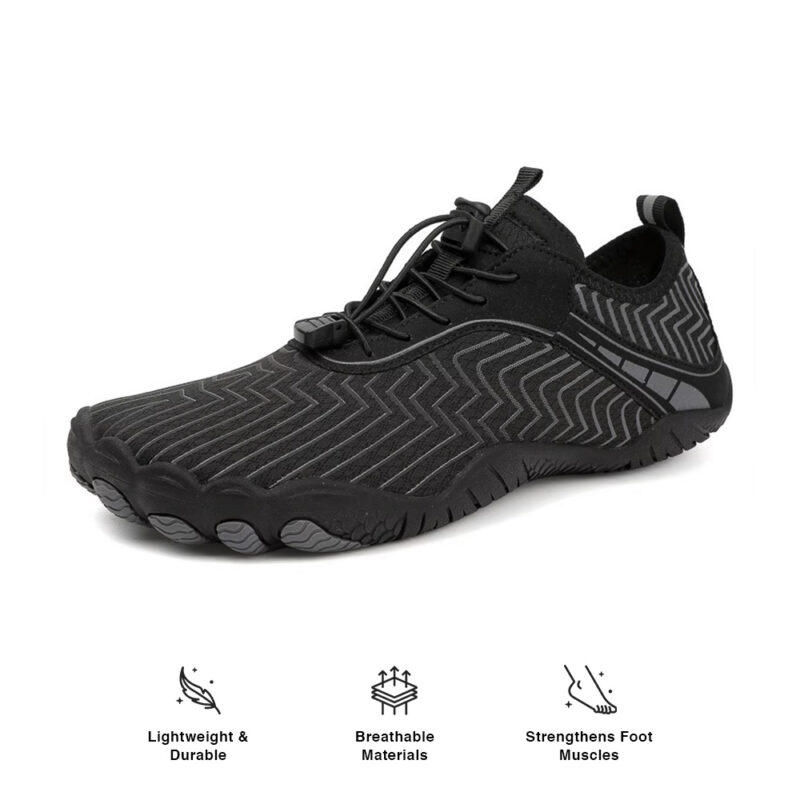
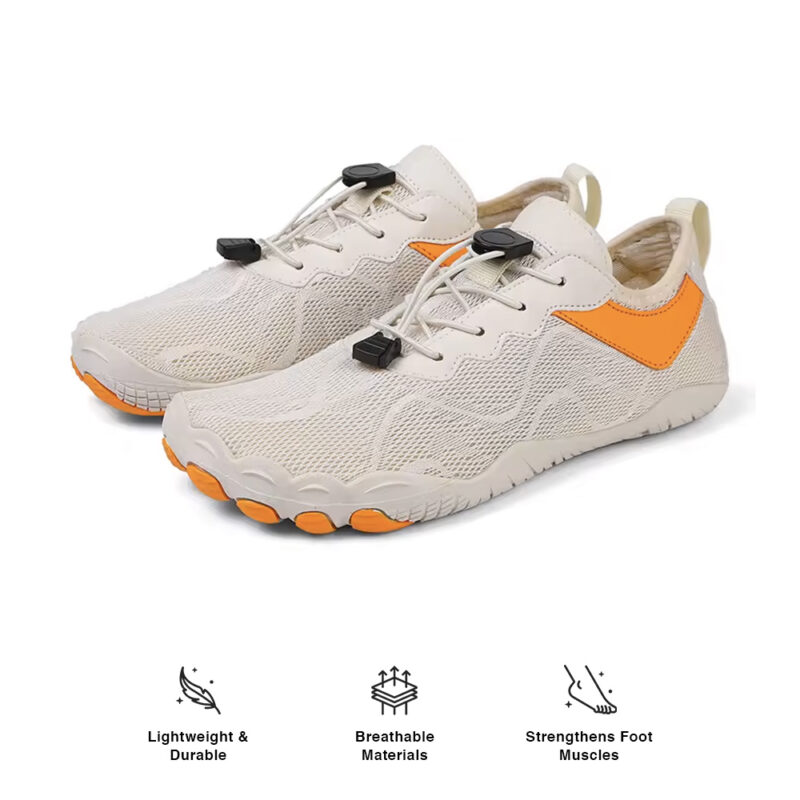
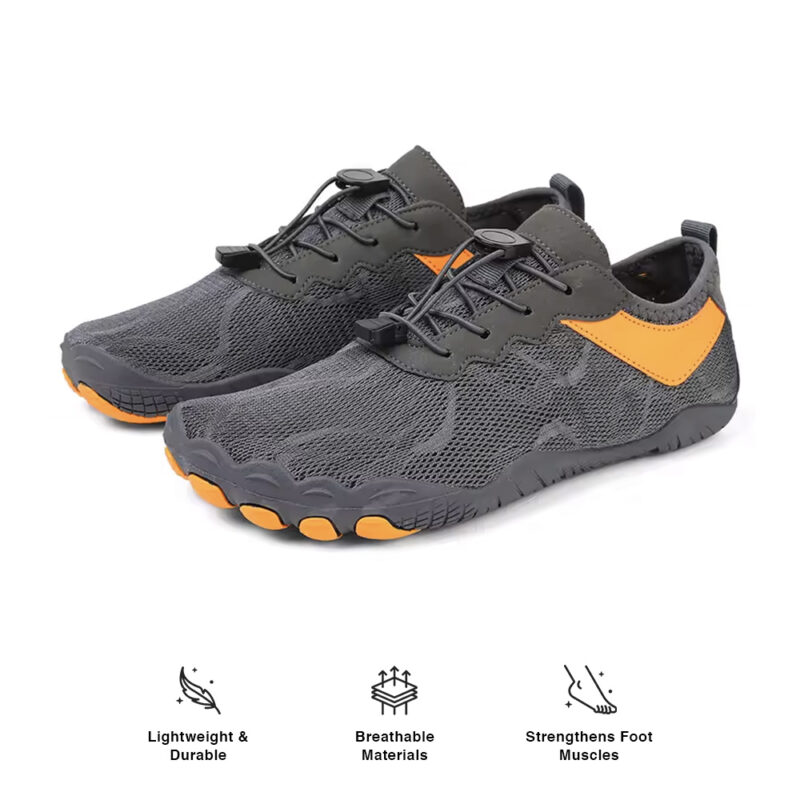
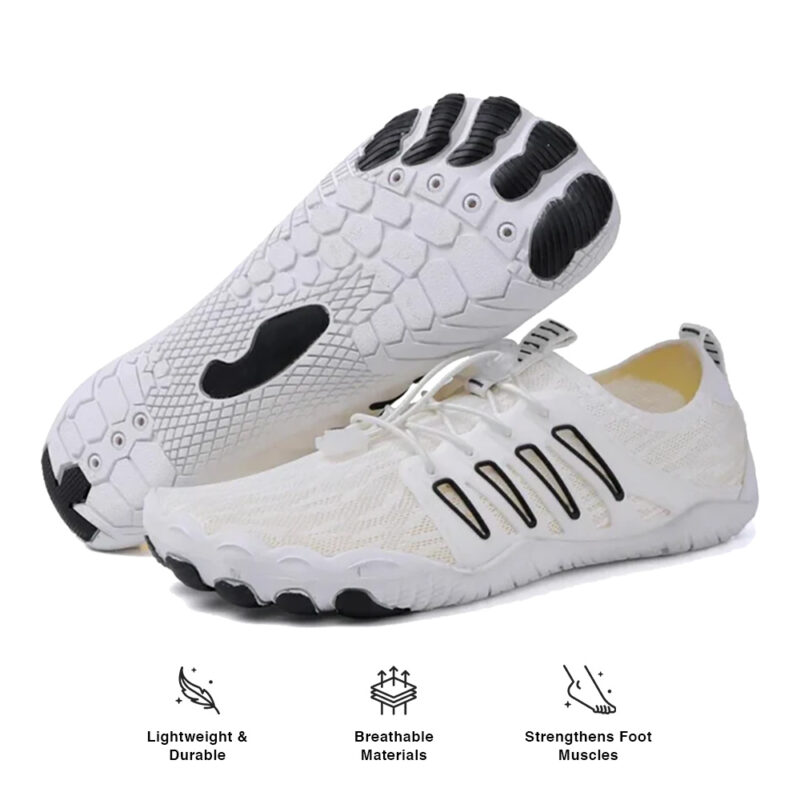
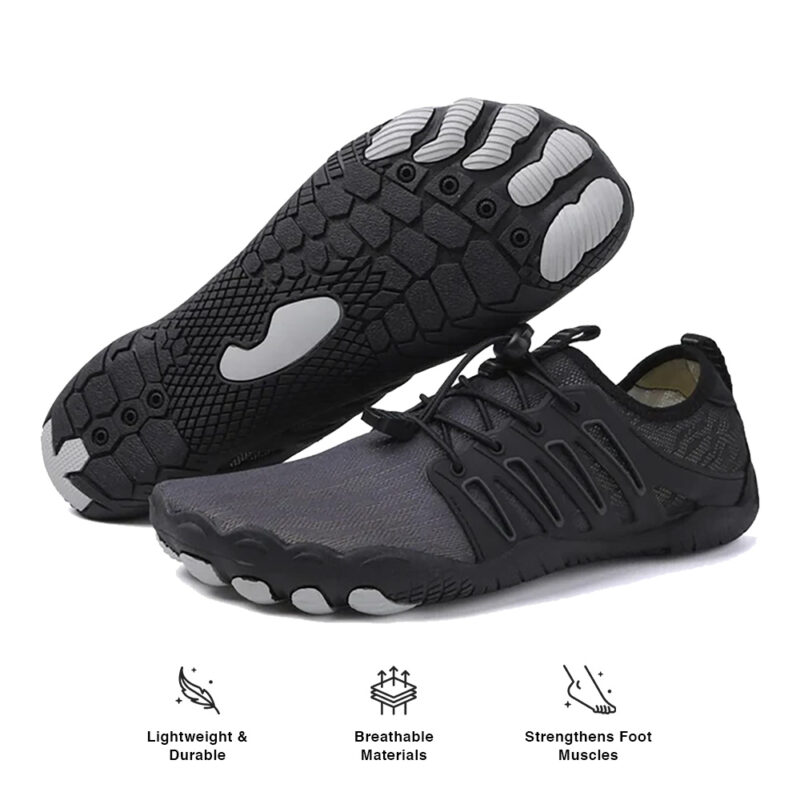
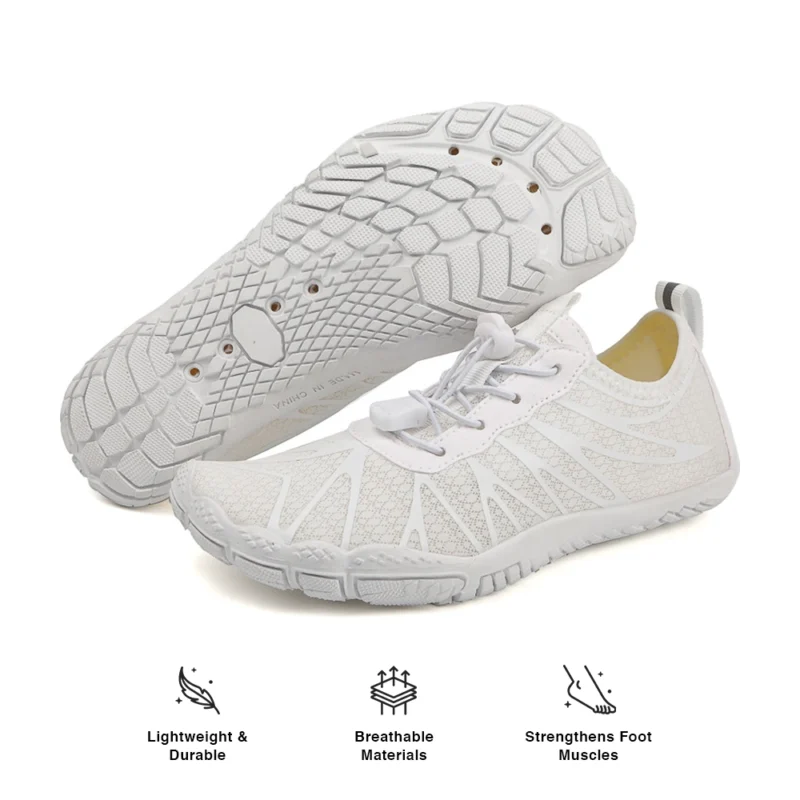
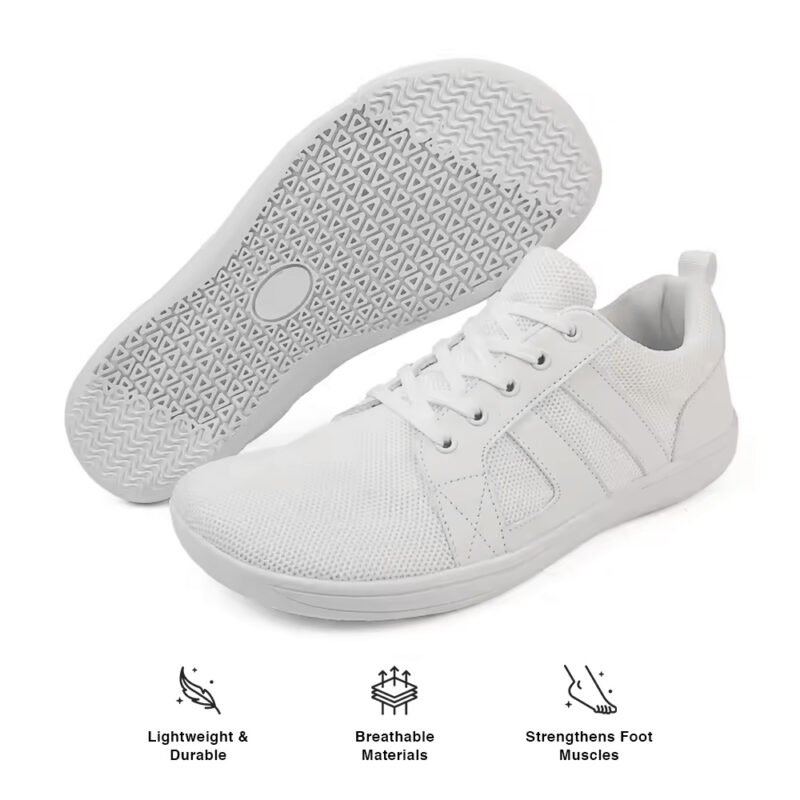
When you experience pronation issues, your body is compensating for weakness in your foot's intrinsic muscle system rather than dealing with a structural defect that needs correction. Minimalist footwear with thin, flexible soles allows these forgotten muscles to engage and strengthen with every step you take. The best running shoes for pronation runners provide just enough protection from terrain while maintaining complete flexibility and ground feel. Gradually increase your time in minimalist shoes by 10% each week, allowing your feet to adapt and grow stronger naturally.
Breaking Free from the Cushioning Trap That Weakens Your Feet
Excessive cushioning in traditional running shoes actually teaches your feet to land harder because they lose the ability to sense the ground properly. This creates a cycle where you need more and more padding to feel comfortable, while your natural shock absorption system grows weaker. True comfort comes from developing resilient feet that can handle impact through proper mechanics rather than artificial materials. The best running shoes for pronation runners feature minimal cushioning that preserves ground feedback while protecting from sharp objects. Practice landing softly on your forefoot during short runs to retrain your body's natural shock absorption system.
Restoring Proper Foot Function Through Natural Movement Patterns
Your pronation issues likely stem from years of wearing shoes that prevent normal toe splay and foot expansion during the gait cycle. Narrow toe boxes and rigid construction restrict your foot's ability to spread and grip the ground naturally. When your toes can move freely, they provide crucial stability and help distribute forces more evenly across your foot structure. The best running shoes for pronation runners feature wide toe boxes that allow complete toe movement and flexible materials that move with your foot. Spend time each day consciously spreading and flexing your toes to rebuild the neural pathways between your brain and feet.
Building Long-Term Foot Health Instead of Managing Symptoms
Most pronation solutions focus on controlling unwanted movement rather than addressing why that movement occurs in the first place. Your feet pronate excessively because they lack the strength and coordination to maintain proper alignment under load. By gradually transitioning to footwear that challenges your feet appropriately, you build lasting stability from within. The best running shoes for pronation runners act as training tools that progressively strengthen your entire kinetic chain from toes to hips. Include single-leg balance exercises in your daily routine to accelerate the development of the deep stabilizing muscles that prevent excessive pronation.
Transforming Your Running Experience Through Ground Connection
When you remove the barriers between your feet and the ground, running becomes an entirely different experience characterized by lightness, efficiency, and joy. Your body naturally adopts a more economical gait pattern when it can feel and respond to each surface variation. This enhanced sensory input improves your balance, coordination, and overall running form while reducing the impact forces that contribute to injury. The best running shoes for pronation runners maintain this crucial ground connection while providing essential protection from environmental hazards. Begin each run with a few minutes of mindful walking to connect with how your feet interact with the surface beneath you.
Creating Your Personal Transition Strategy for Optimal Results
Moving away from motion control shoes requires patience and a systematic approach that respects your body's adaptation timeline. Your feet have likely been supported artificially for years, so they need time to regain their natural strength and function. Success comes from listening to your body's signals and progressing gradually rather than making dramatic changes overnight. The best running shoes for pronation runners support this transition by offering varying levels of minimalism that you can progress through systematically. Start your transition by wearing minimalist shoes for walking and short distances, gradually increasing duration as your feet adapt and strengthen.