Blog

Best Shoes for Gym and Running

You're someone who refuses to choose between crushing your deadlifts and conquering your morning run. Your feet carry you through intense CrossFit sessions, treadmill sprints, and weekend trail adventures. Yet finding the right footwear feels impossible.

Traditional athletic shoes create a frustrating cycle. Heavy cushioning weakens your feet over time. Bulky soles throw off your balance during squats. Narrow toe boxes cramp your toes during long runs. You end up buying multiple pairs – one for lifting, another for running – but still deal with discomfort and nagging injuries.

What you truly need are shoes that work with your body, not against it. You want footwear that strengthens rather than weakens, protects without restricting, and performs across every activity in your routine.

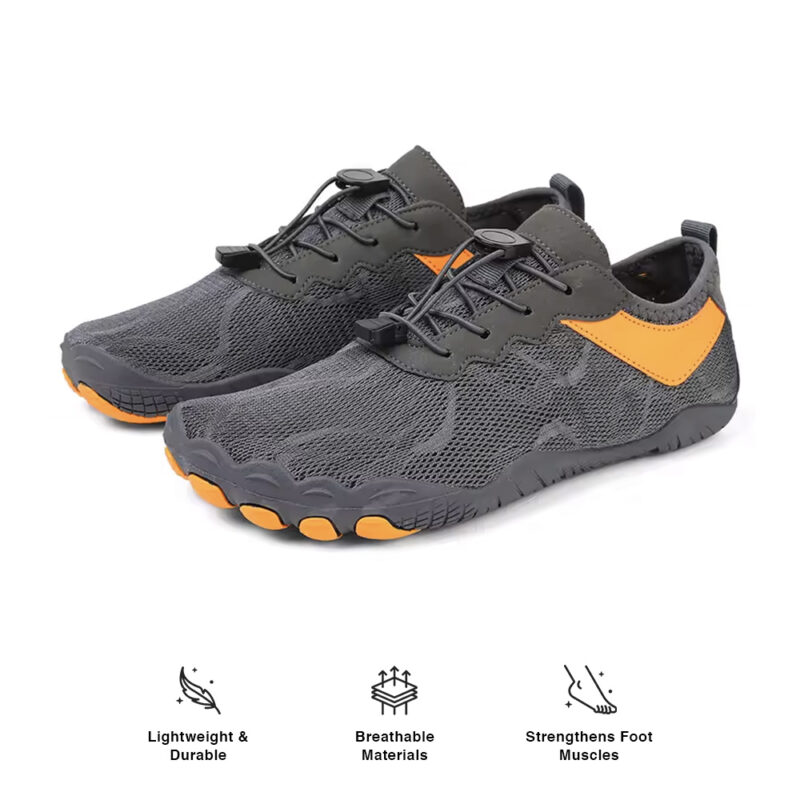
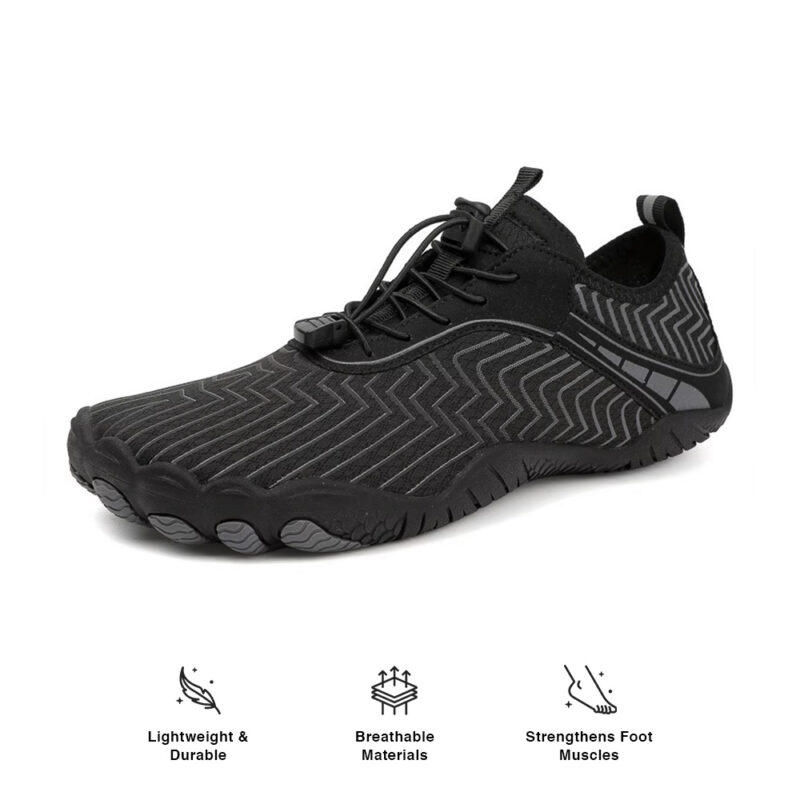
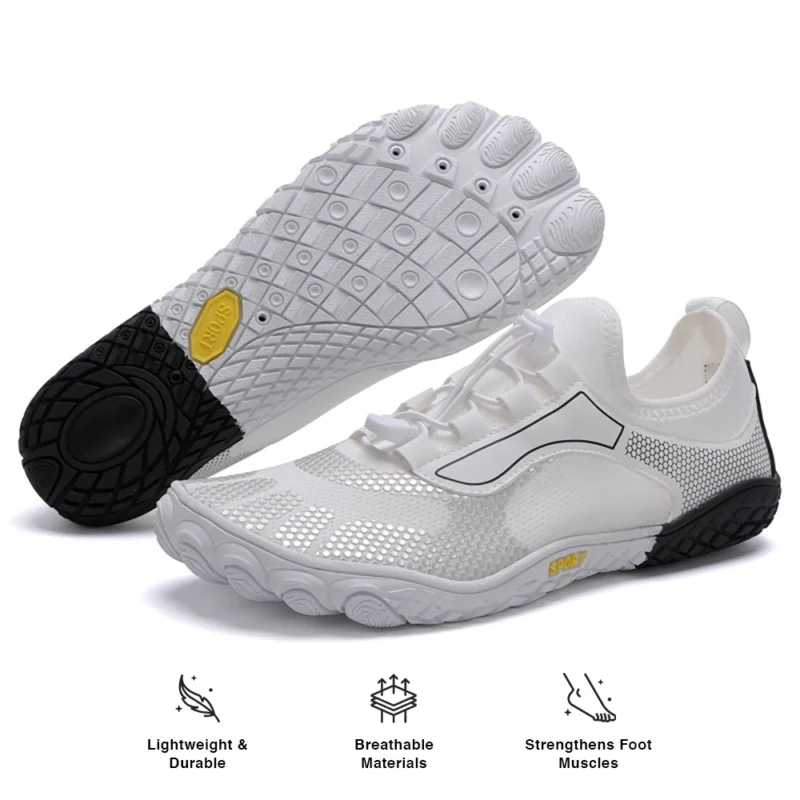
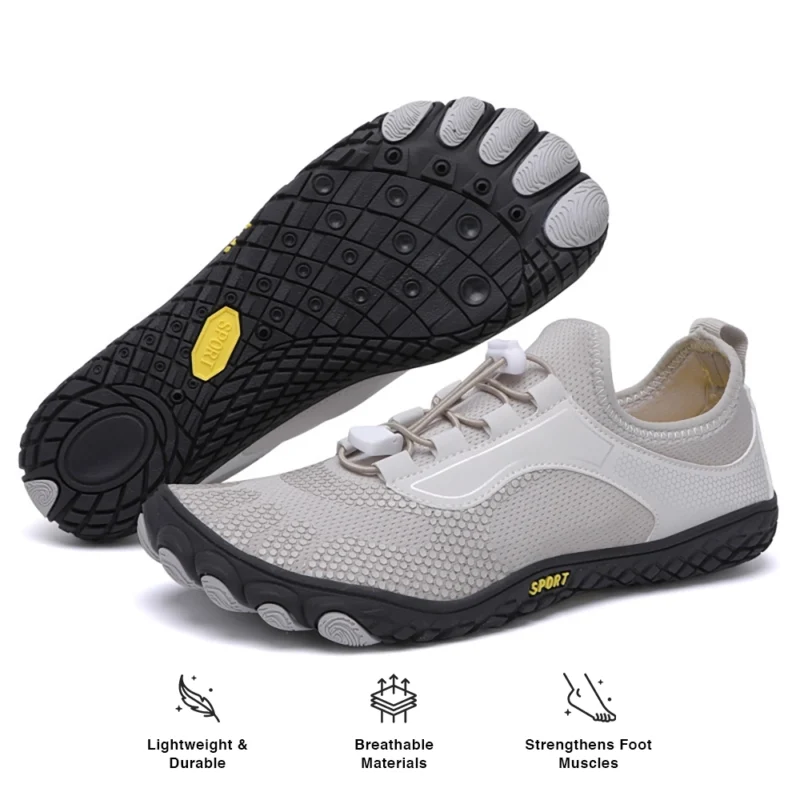
Barefoot and minimalist shoes solve these problems by honoring how your feet naturally function. They allow unrestricted toe movement, encourage proper landing mechanics, and build genuine foot strength from the ground up. Your balance improves during compound lifts. Your running form becomes more efficient. Your feet develop the resilience they were designed for.

The best shoes for gym and running aren't the most cushioned – they're the ones that let your feet do what they do best.

Here's to stronger feet and better workouts ahead!

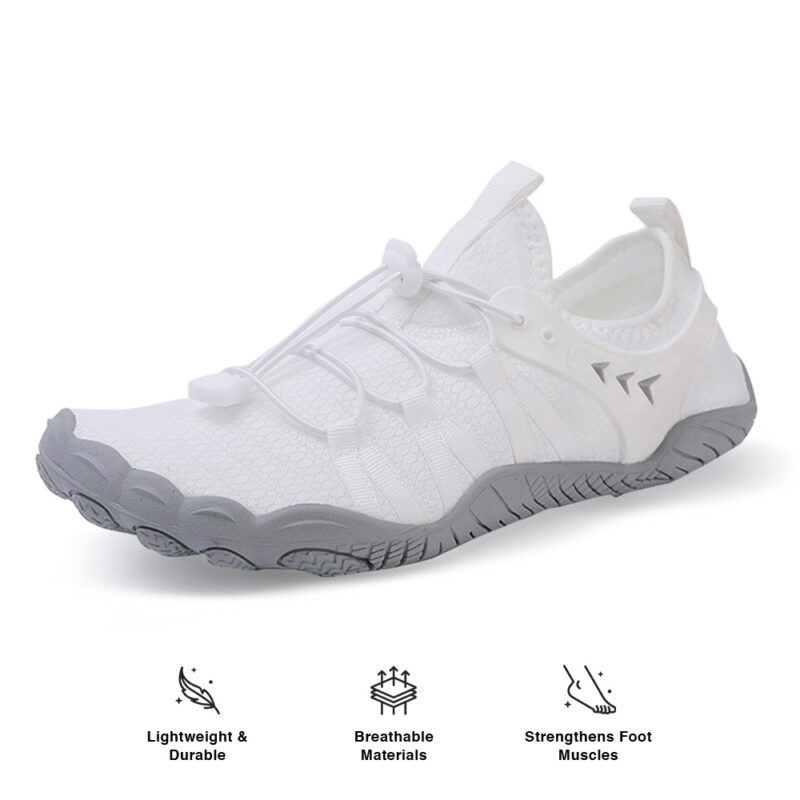
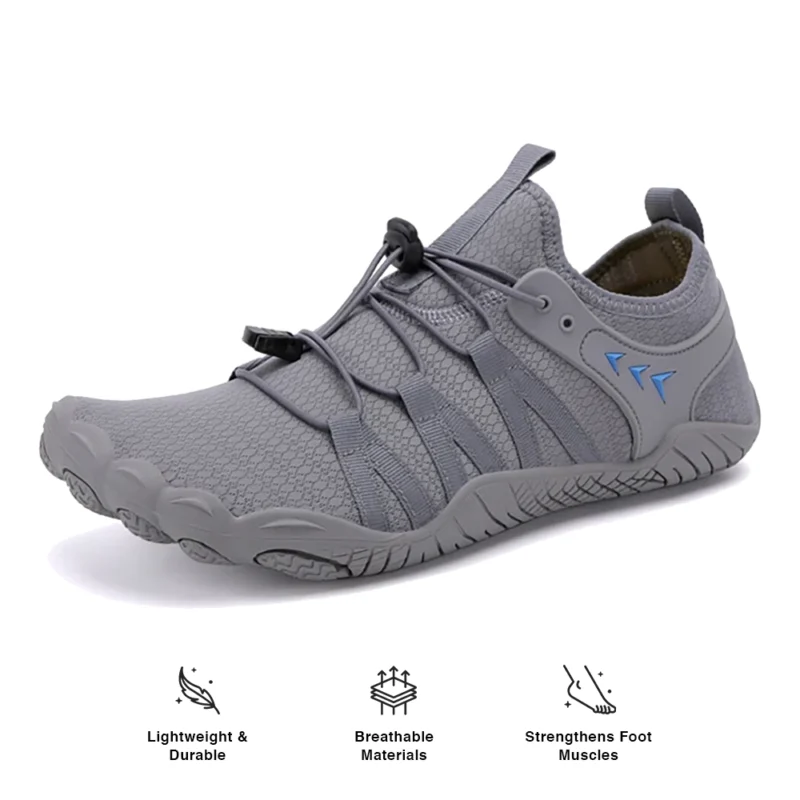
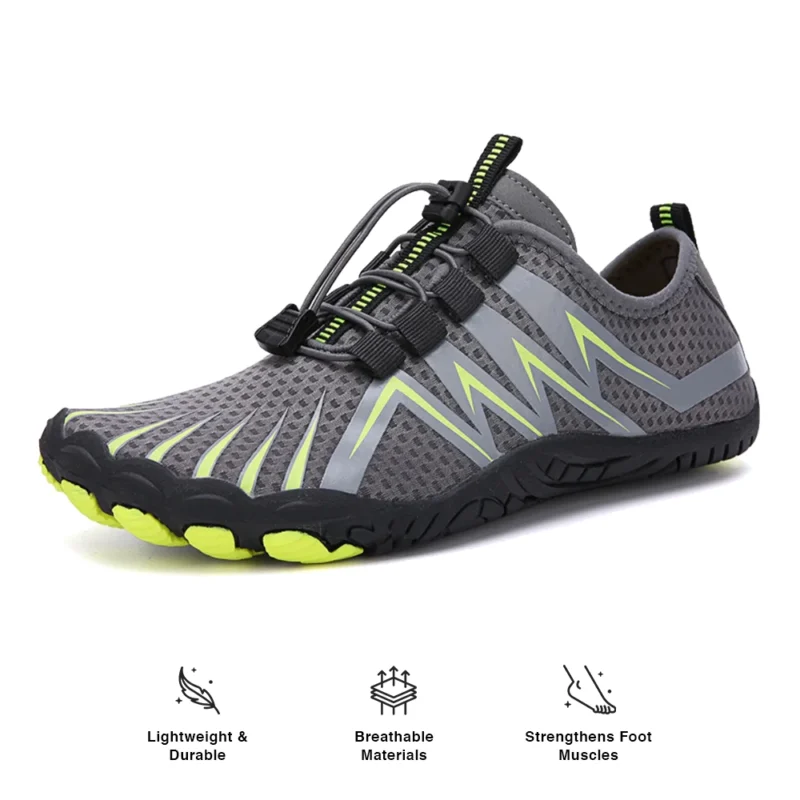
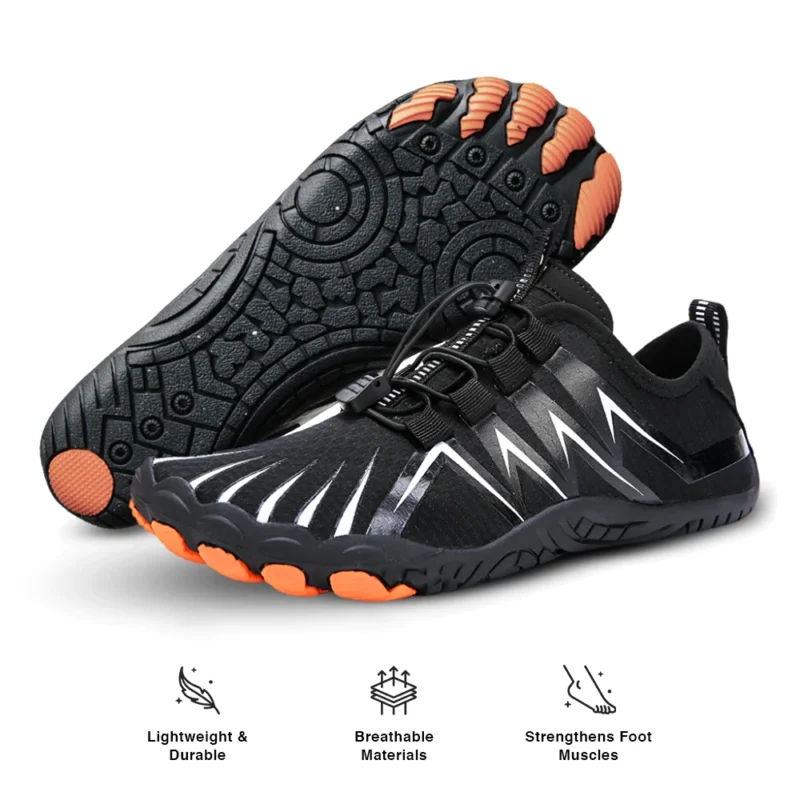
Top Picks for Best Shoes for Gym and Running
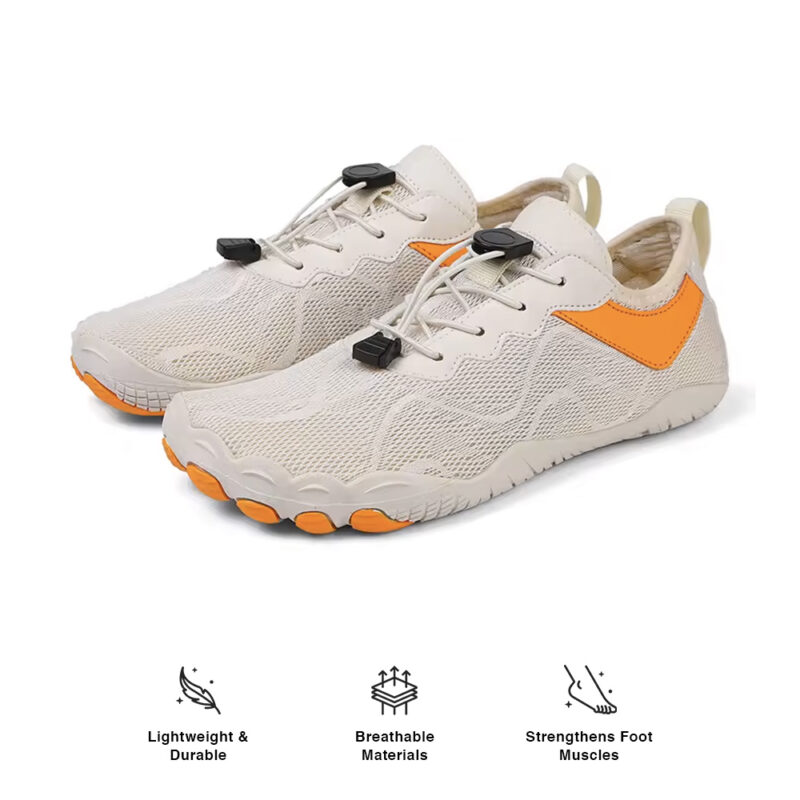
$79.95
Select options This product has multiple variants. The options may be chosen on the product page
$79.95
Select options This product has multiple variants. The options may be chosen on the product page
Original price was: $149.99.Current price is: $74.99.
Select options This product has multiple variants. The options may be chosen on the product page
Original price was: $133.50.Current price is: $59.95.
Select options This product has multiple variants. The options may be chosen on the product page
$79.95
Select options This product has multiple variants. The options may be chosen on the product page
Original price was: $133.50.Current price is: $58.98.
Select options This product has multiple variants. The options may be chosen on the product page
$79.95
Select options This product has multiple variants. The options may be chosen on the product page
Original price was: $149.99.Current price is: $74.99.
Select options This product has multiple variants. The options may be chosen on the product page
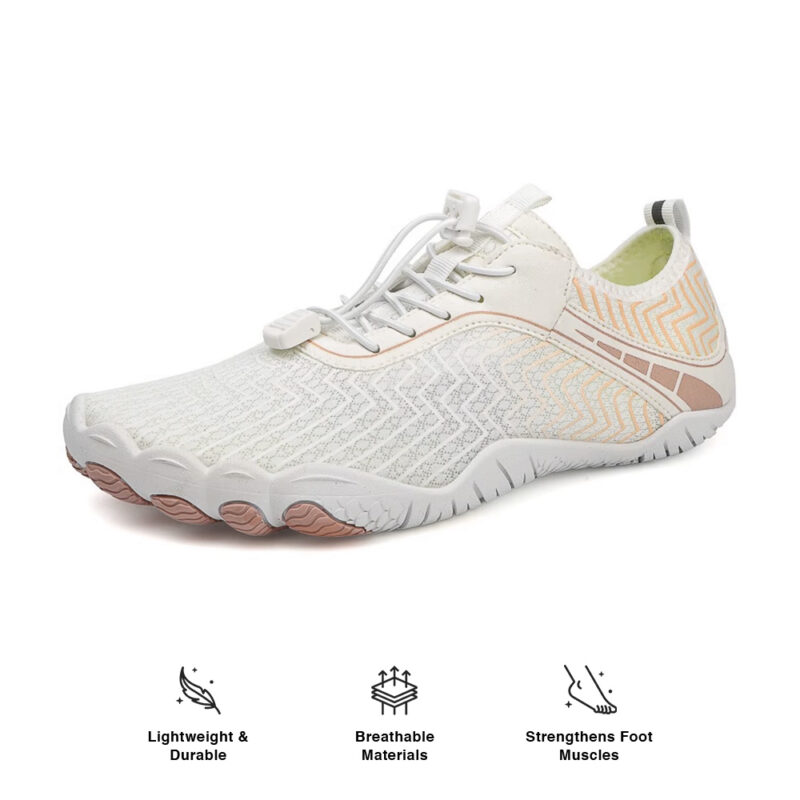
Why Your Current Shoes Are Sabotaging Your Workouts

You've probably noticed that your heavily cushioned trainers feel unstable during squats or make your feet feel disconnected from the ground. Traditional athletic shoes create an artificial barrier between you and the surface you're training on. Minimalist shoes restore that crucial ground connection, allowing your proprioceptors to function properly and improving your balance during compound movements. Start your next gym session by paying attention to how your feet feel against the ground – you'll be amazed at the difference.

The Hidden Cost of Switching Between Multiple Shoes

Constantly changing between lifting shoes, running shoes, and cross-trainers isn't just expensive – it's counterproductive for your foot development. Each shoe type forces your feet to adapt to different heel drops and toe box shapes, preventing consistent muscle memory and strength building. The best shoes for gym and running eliminate this problem by providing a consistent, natural platform that works for every movement pattern. Choose one versatile pair and watch your foot strength and movement quality improve across all activities.

How Weak Feet Are Holding Back Your Performance

Years of wearing traditional shoes have likely left your feet weaker than they should be. This weakness travels up the kinetic chain, affecting your ankle stability, knee alignment, and hip function during both lifting and running. Barefoot-style shoes gradually rebuild the intrinsic muscles in your feet, creating a stronger foundation for every movement. Begin with shorter training sessions in minimalist footwear and progressively increase duration as your feet adapt and strengthen.

Breaking Free from the Cushioning Trap

You might think more cushioning equals more comfort, but the opposite is often true for active individuals. Excessive foam and gel create an unstable platform that forces your body to work harder to maintain balance and proper form. Minimalist designs provide just enough protection while allowing your feet to feel and respond to the ground naturally. This enhanced ground feel improves your lifting technique and running efficiency while reducing the compensatory stress on your joints.

Finding Shoes That Actually Last Through Serious Training

Quality minimalist shoes for gym and running are built to withstand intense, varied training without breaking down like traditional athletic shoes. Their simpler construction – without complex midsole foams and intricate support systems – actually makes them more durable for multi-sport use. The flexible materials adapt to your foot's natural movement patterns instead of fighting against them, reducing premature wear and extending the life of your investment.

Preventing Injuries Through Natural Movement

Most gym and running injuries stem from altered movement patterns caused by restrictive footwear rather than overuse alone. Shoes with elevated heels and narrow toe boxes force your body into unnatural positions that stress joints and soft tissues. The best shoes for gym and running feature zero-drop soles and wide toe boxes that allow natural foot positioning and gait mechanics. Transition gradually to allow your body to readjust to moving the way it was designed to move.

Making the Transition Without Derailing Your Training

Switching to minimalist footwear doesn't mean starting your fitness journey over from scratch. Begin by wearing your new shoes for shorter, less intense sessions while your feet adapt to the increased sensory input and muscle activation. Gradually increase duration and intensity over several weeks, paying attention to how your feet and lower legs respond. This patient approach ensures you can maintain your training consistency while building the foot strength that will enhance your performance long-term.