Blog

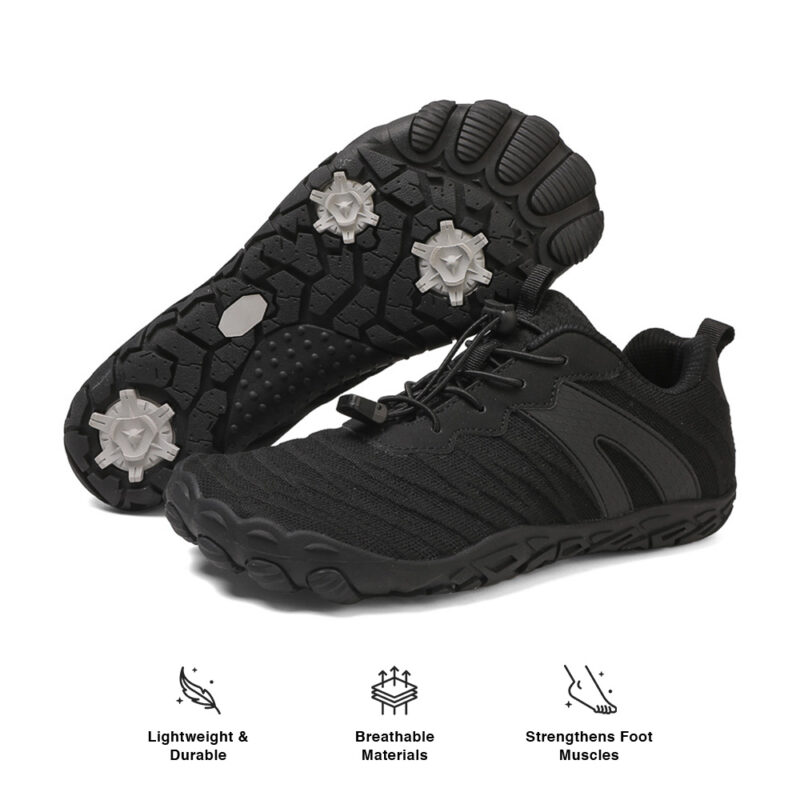
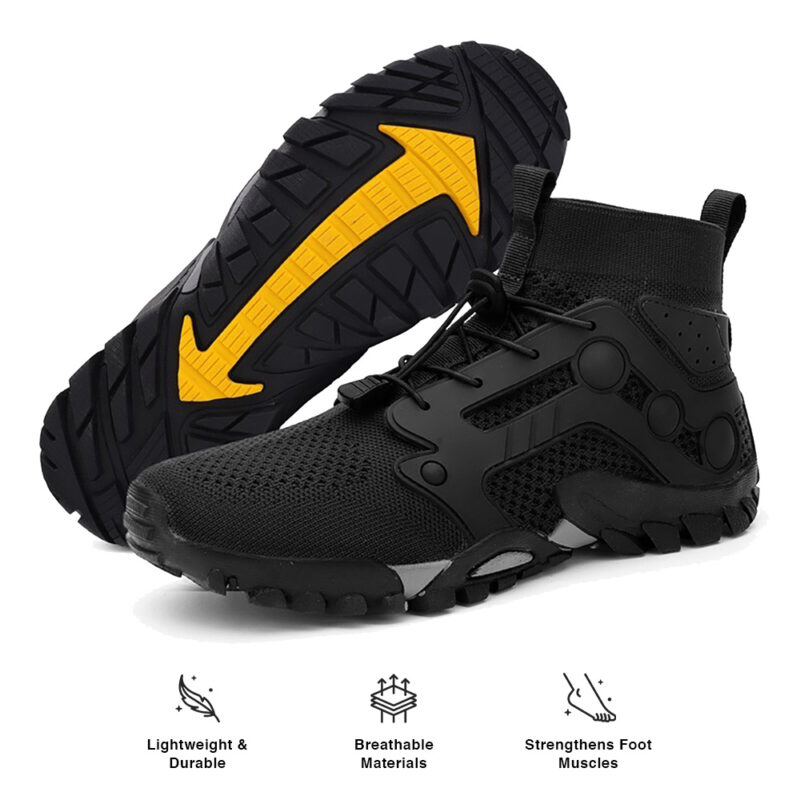
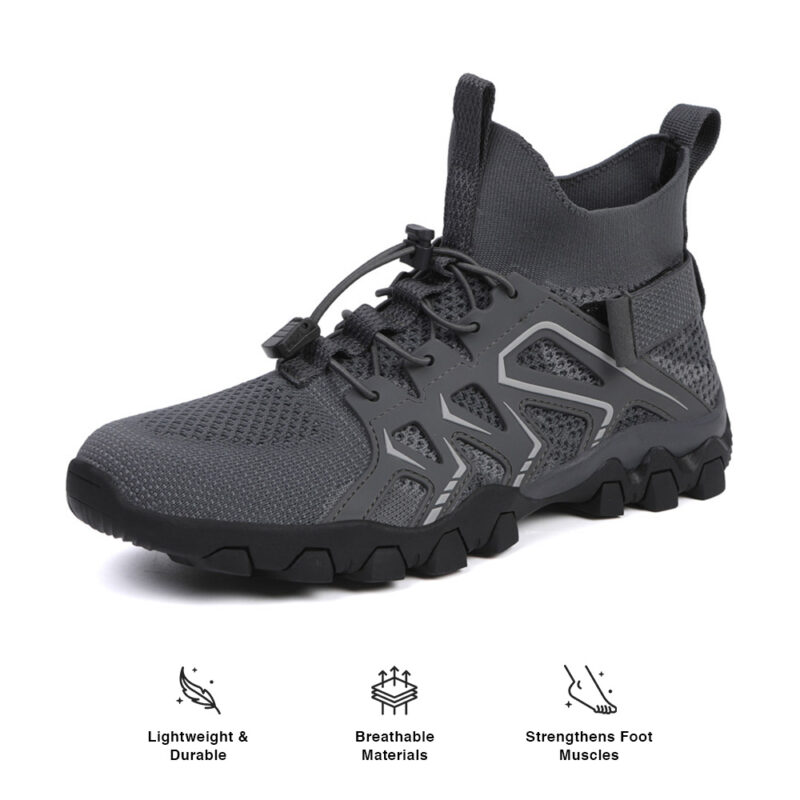
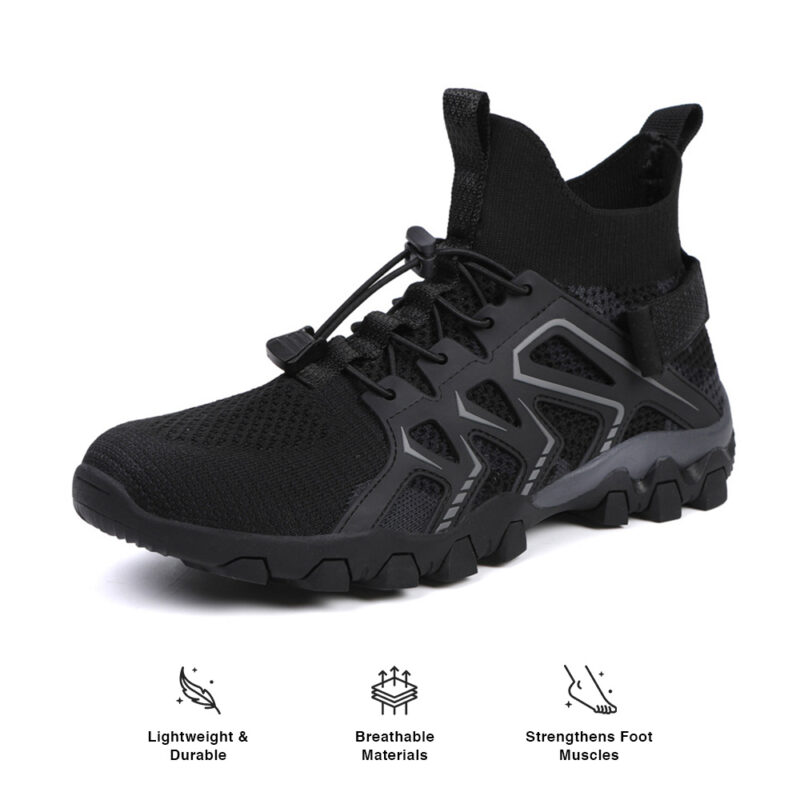
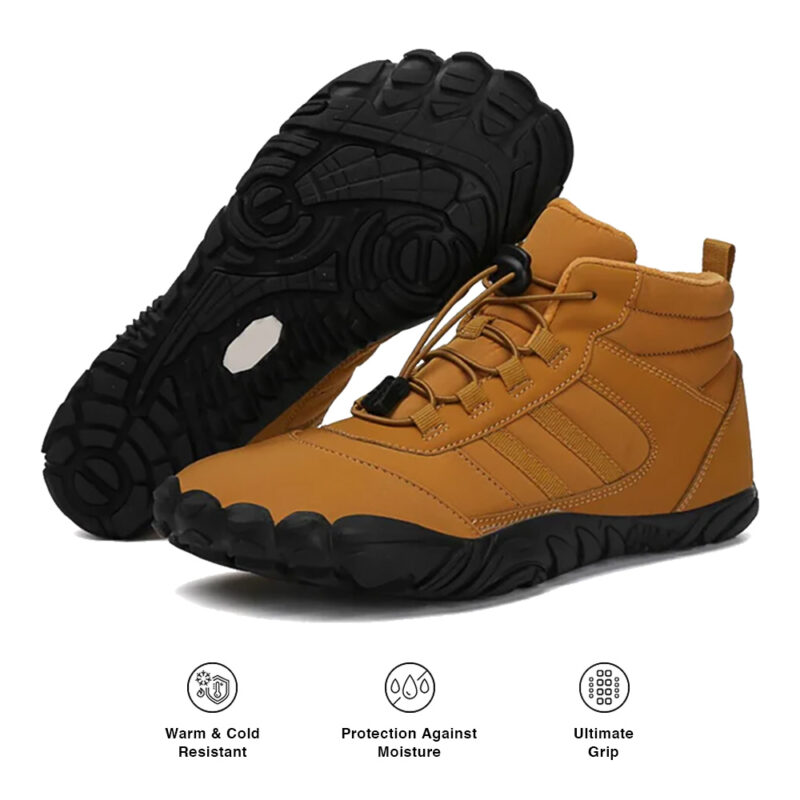
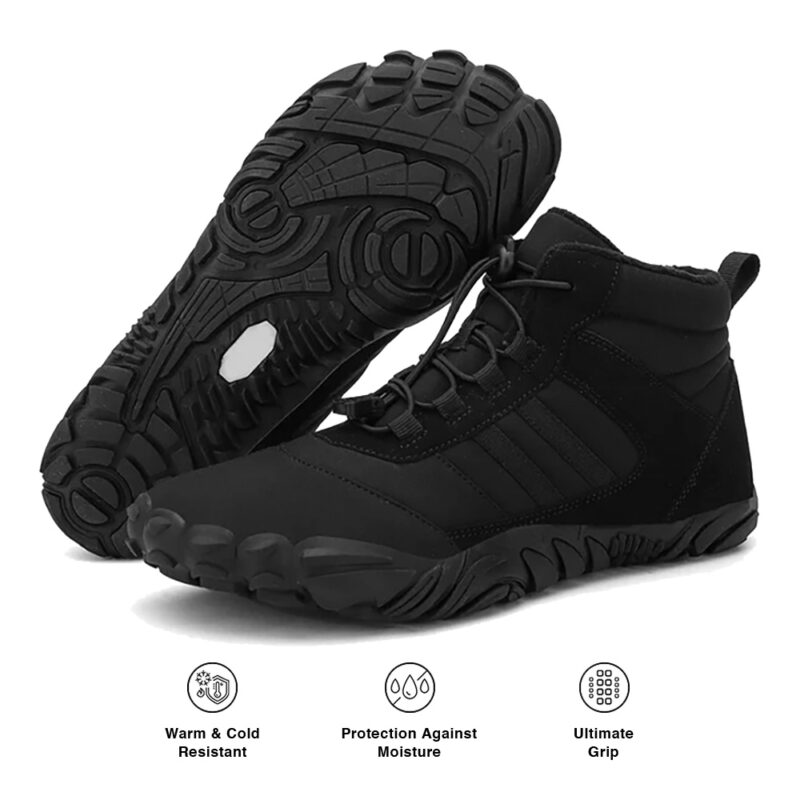
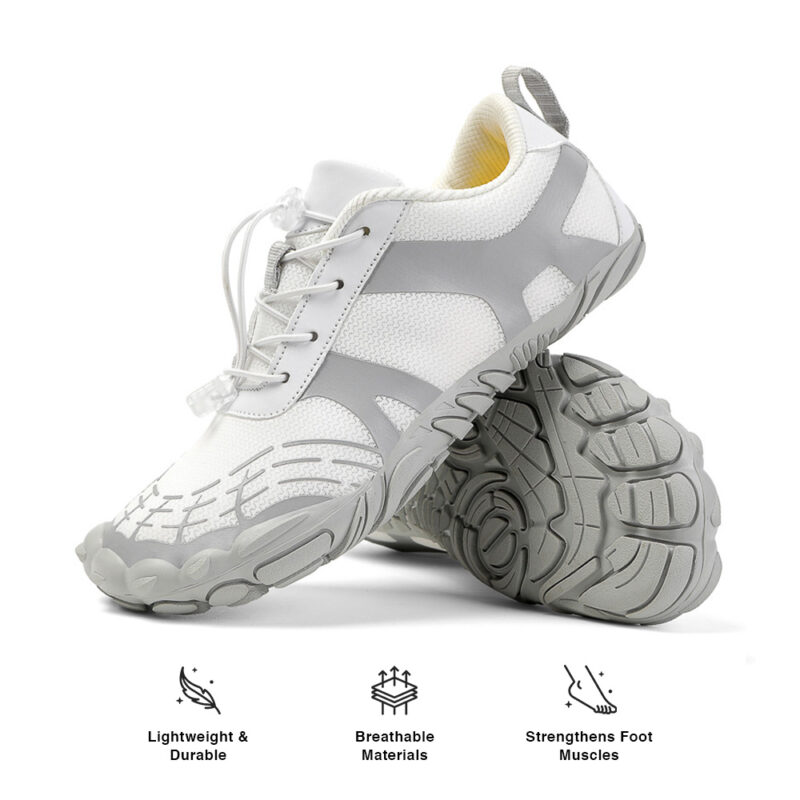
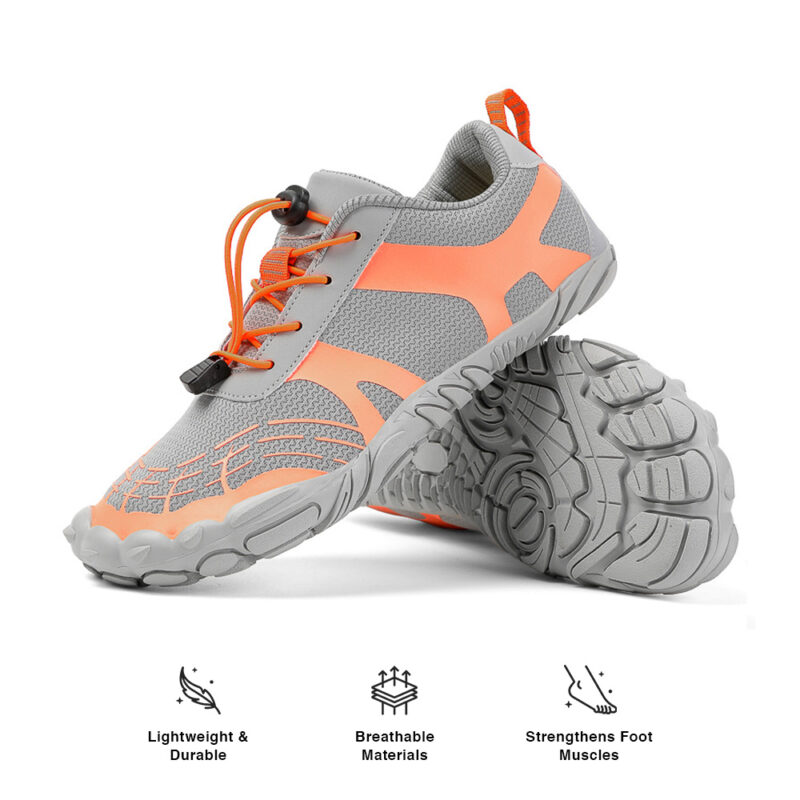
Best Women’s Hiking Shoes

You're a woman who craves adventure on the trails but dreads the foot pain that comes afterward. You've tried countless pairs of traditional hiking boots, only to end up with blisters, cramped toes, and that heavy, clunky feeling that makes every step feel like work instead of joy.

Your feet weren't designed to be trapped in rigid boxes with artificial support. They're incredibly sophisticated structures with 26 bones, 33 joints, and over 100 muscles that work together to provide natural stability, balance, and power. When you choose the best women's hiking shoes, you're looking for footwear that works with your body's design, not against it.

What you truly need is freedom. Freedom for your toes to spread and grip naturally. Freedom for your feet to feel the terrain beneath you. Freedom from dependence on artificial cushioning that weakens your natural shock absorption systems.

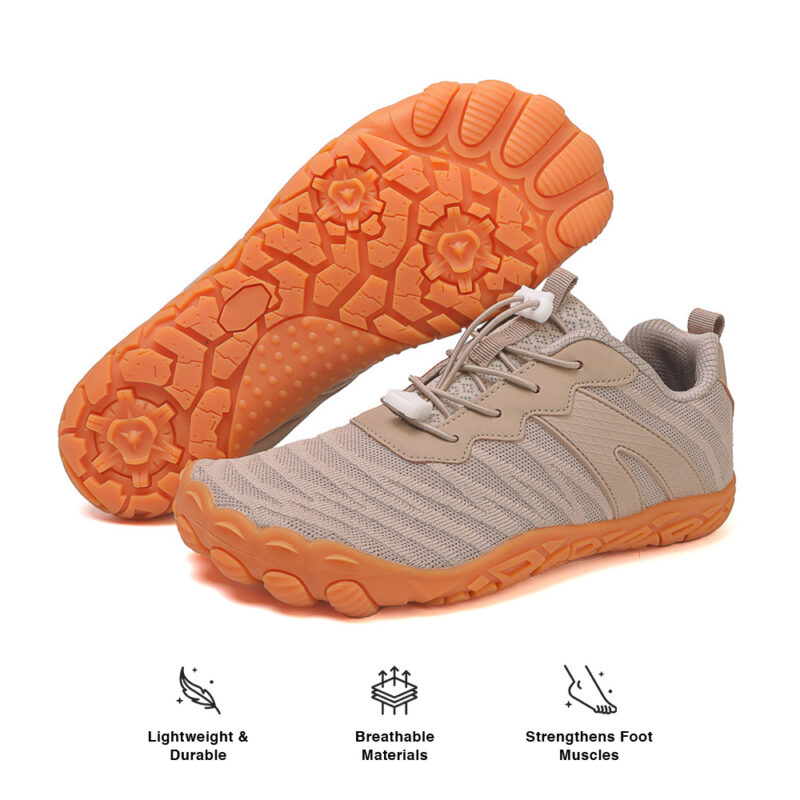
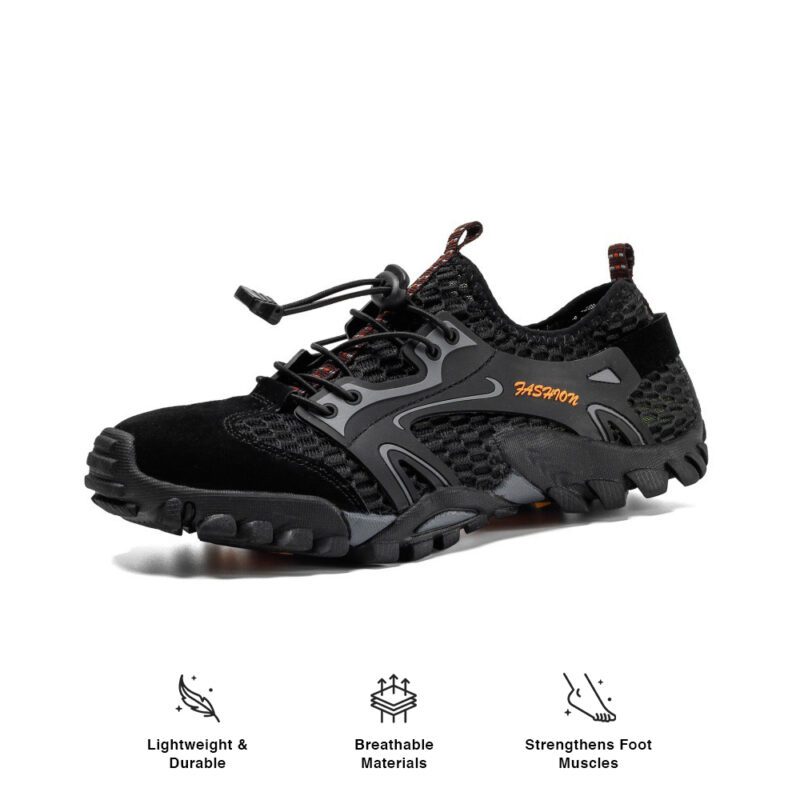
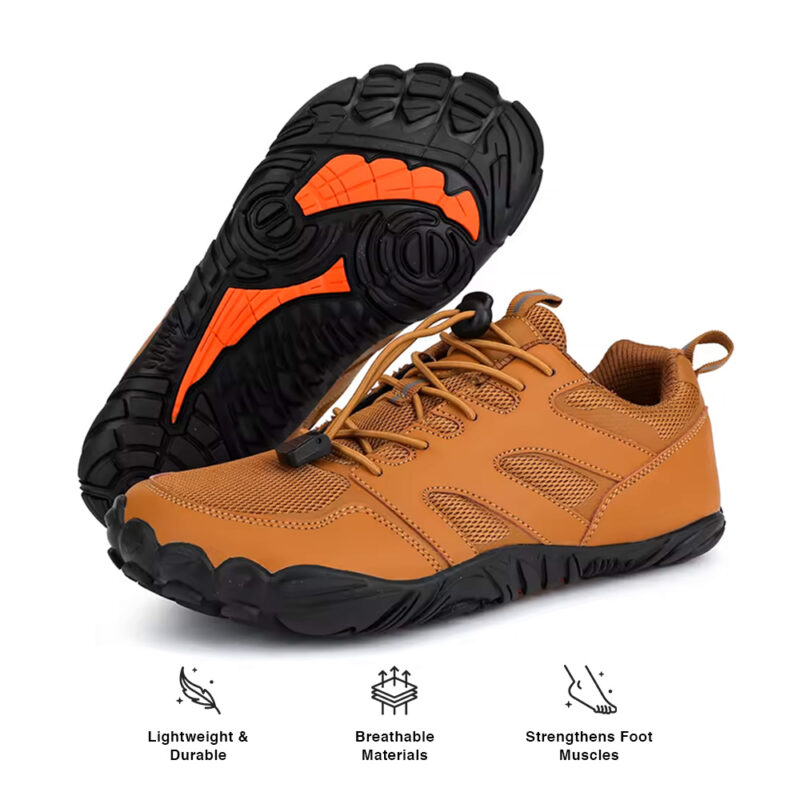
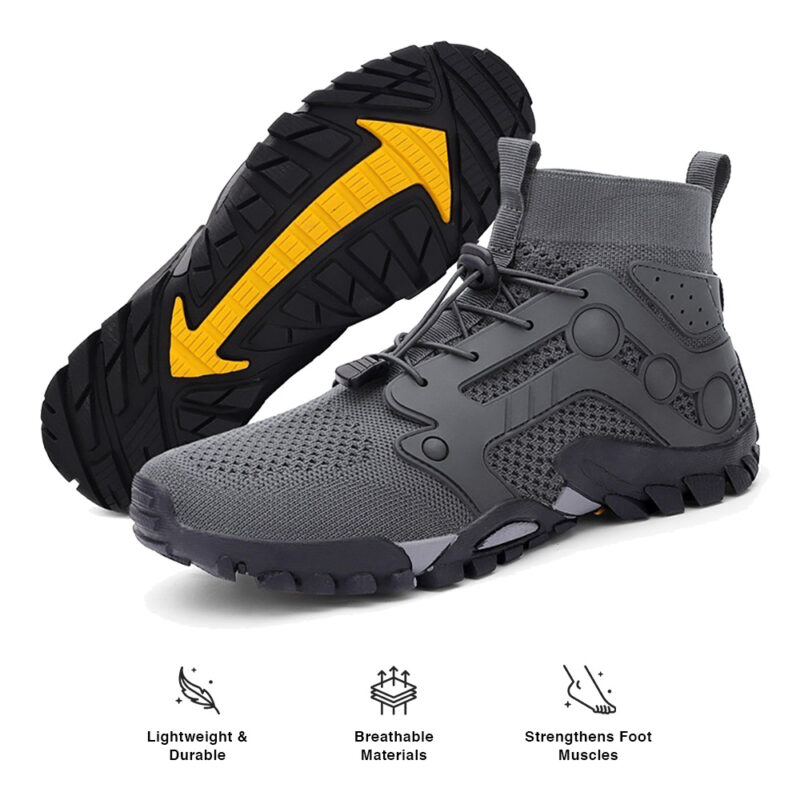
Barefoot and minimalist hiking shoes deliver exactly what your feet crave. They allow natural foot movement that strengthens your intrinsic foot muscles with every step. They improve your balance and proprioception, helping you navigate uneven terrain with confidence. Most importantly, they provide lasting comfort through freedom – the kind of comfort that comes from using your feet as nature intended.

When you make the switch to the best women's hiking shoes designed for natural movement, you're not just changing your footwear. You're reclaiming your body's innate wisdom and rediscovering what it feels like to move with strength, stability, and joy on every trail.

Happy trails, and here's to stronger, happier feet on all your adventures ahead.

Top Picks for Best Women’s Hiking Shoes
$64.80
Select options This product has multiple variants. The options may be chosen on the product page
Original price was: $129.98.Current price is: $58.95.
Select options This product has multiple variants. The options may be chosen on the product page
Original price was: $129.95.Current price is: $59.95.
Select options This product has multiple variants. The options may be chosen on the product page
Original price was: $129.95.Current price is: $59.95.
Select options This product has multiple variants. The options may be chosen on the product page
Original price was: $129.95.Current price is: $59.95.
Select options This product has multiple variants. The options may be chosen on the product page
Original price was: $189.98.Current price is: $76.93.
Select options This product has multiple variants. The options may be chosen on the product page
$79.95
Select options This product has multiple variants. The options may be chosen on the product page
$79.95
Select options This product has multiple variants. The options may be chosen on the product page
Why Heavy Boots Leave You Exhausted

Traditional hiking boots can weigh up to three pounds per pair, forcing your legs to work overtime with every step. Your body burns significantly more energy lifting heavy footwear, leaving you fatigued when you should be energized by nature. Minimalist designs prioritize lightweight construction that lets your legs move efficiently and naturally. Look for shoes under 8 ounces per shoe to experience the difference that weight reduction makes on longer hikes.

Breaking Free From Toe Cramping and Hot Spots

Narrow toe boxes in conventional hiking footwear squeeze your toes together, creating pressure points and restricting natural toe splay that's essential for balance. Your toes need space to spread and grip the ground for optimal stability on uneven terrain. The best women's hiking shoes feature wide, foot-shaped toe boxes that allow your forefoot to function naturally. Choose designs where you can wiggle all five toes freely, and watch how your balance and comfort improve on challenging trails.

Building Real Foot Strength Instead of Dependency

Thick, rigid soles create a barrier between your feet and the ground, forcing you to rely on artificial support rather than developing your own strength. Your feet contain intrinsic muscles designed to adapt and respond to terrain changes, but traditional hiking shoes keep these muscles dormant and weak. Zero-drop, flexible soles in minimalist designs allow your feet to work actively with each step. Start with shorter hikes to gradually build the foot strength that will serve you on every future adventure.

Finding Your Natural Balance on Technical Terrain

Elevated heels in traditional hiking boots shift your weight forward and disrupt your natural center of gravity, making you more prone to stumbles and falls. Your body maintains better balance when your heel and forefoot sit at the same level, allowing your proprioceptive system to function optimally. Zero-drop construction in the best women's hiking shoes keeps your body in proper alignment from the ground up. Practice walking on varied surfaces to develop the enhanced balance awareness that comes with natural foot positioning.

Staying Connected to the Trail Beneath You

Thick, cushioned soles disconnect you from valuable ground feedback that helps your body adapt to changing terrain in real-time. Your feet are packed with nerve endings designed to process information about surface texture, stability, and obstacles ahead. Thin, flexible soles in minimalist hiking shoes restore this crucial sensory connection while still providing protection from sharp rocks and debris. Choose soles around 4-6mm thick to maintain ground feel while ensuring adequate puncture resistance for rugged trails.

Choosing Durability That Matches Your Adventures

Quality minimalist hiking shoes use premium materials and construction methods that prioritize long-term performance over short-term cushioning. Look for reinforced high-wear areas, quality rubber compounds, and construction techniques like hand-stitched details that indicate attention to durability. The best women's hiking shoes balance protection with natural function, using materials that flex and move with your feet while standing up to thousands of miles on varied terrain.

Making the Transition Safely and Successfully

Switching to minimalist hiking footwear requires a gradual approach that allows your feet and legs to adapt to their new role as active participants in your movement. Start with short, easy hikes on familiar terrain while your foot muscles strengthen and your gait adjusts naturally. Increase distance and difficulty progressively, listening to your body's feedback and allowing adequate recovery time between adventures. The reward for patience during this transition is stronger, more resilient feet that will carry you confidently on trails for years to come.