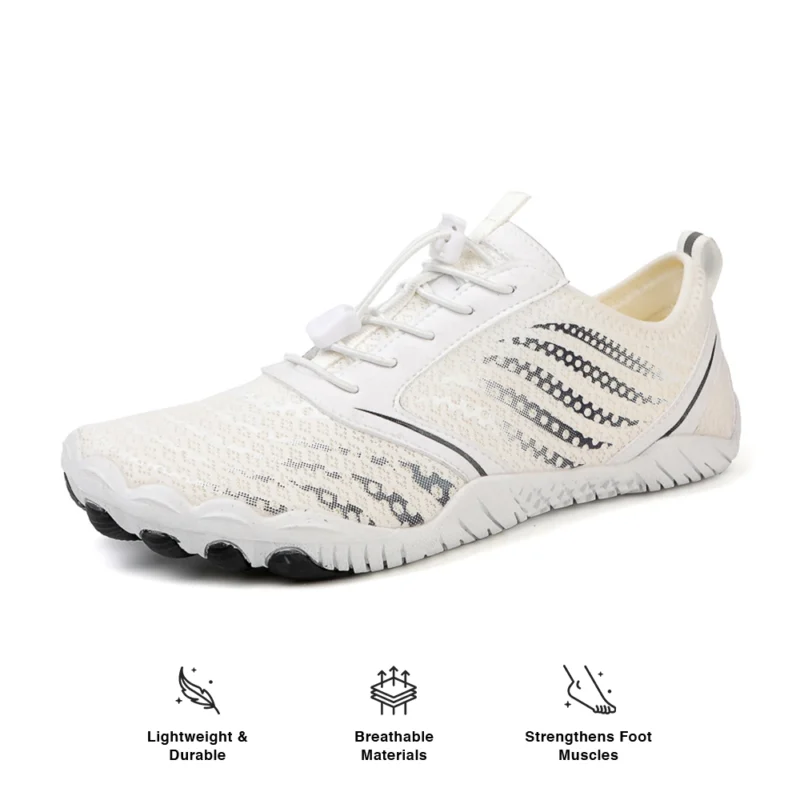
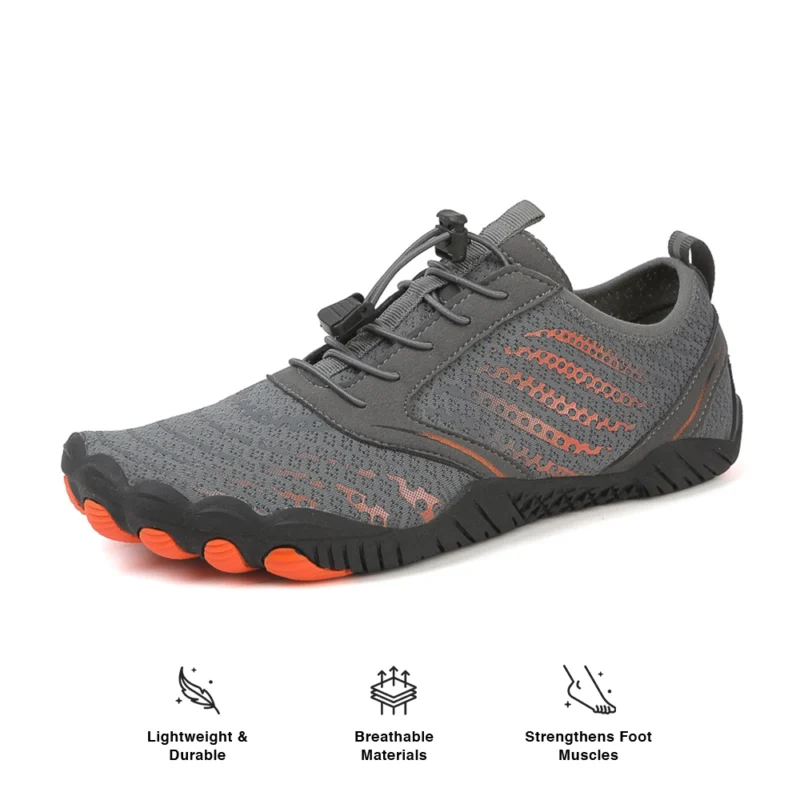
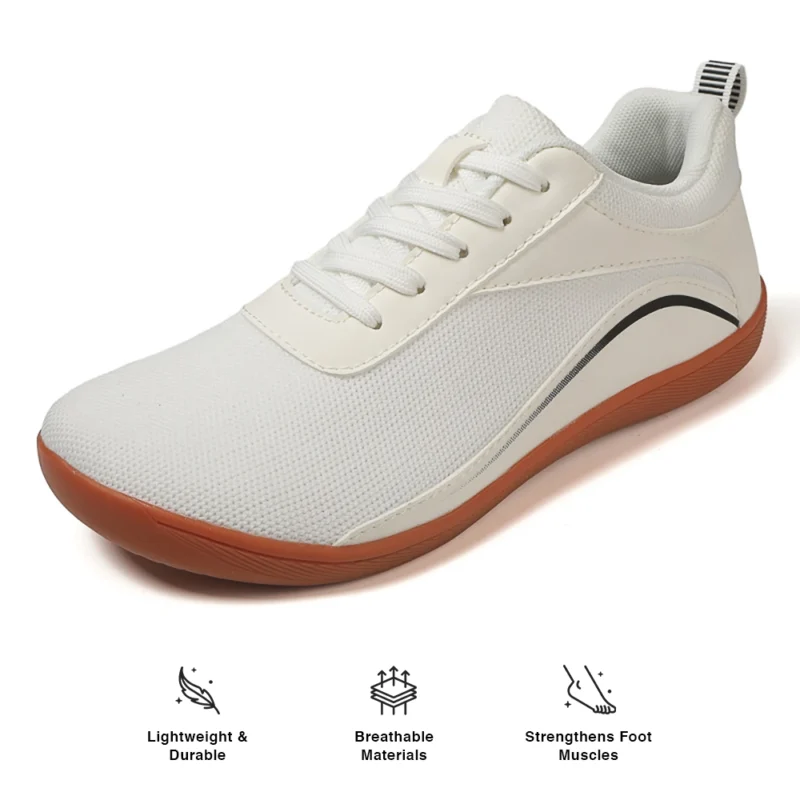
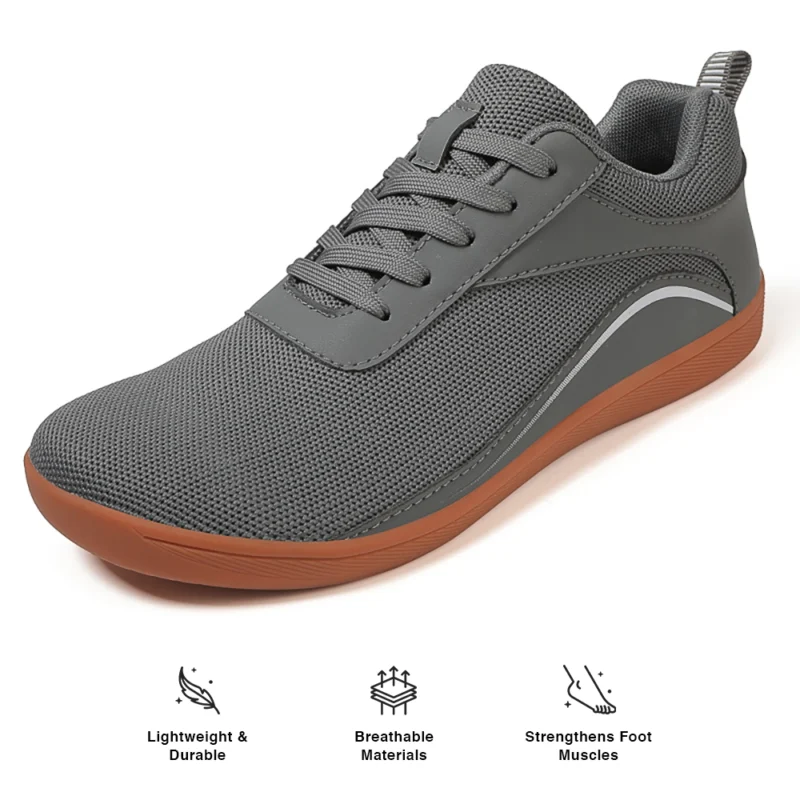
Why Your Feet Hurt After Long Walks
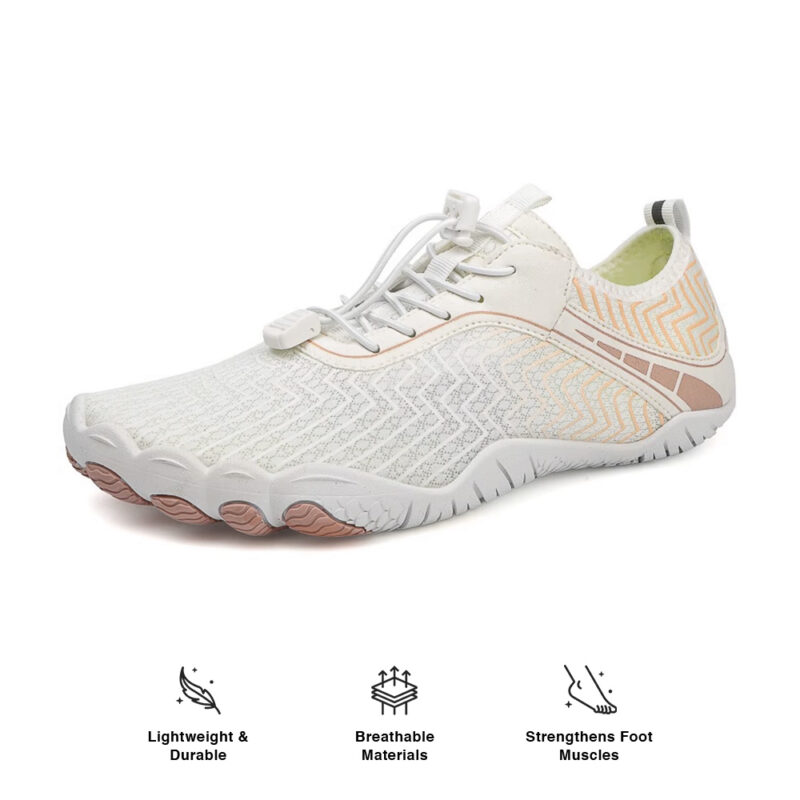
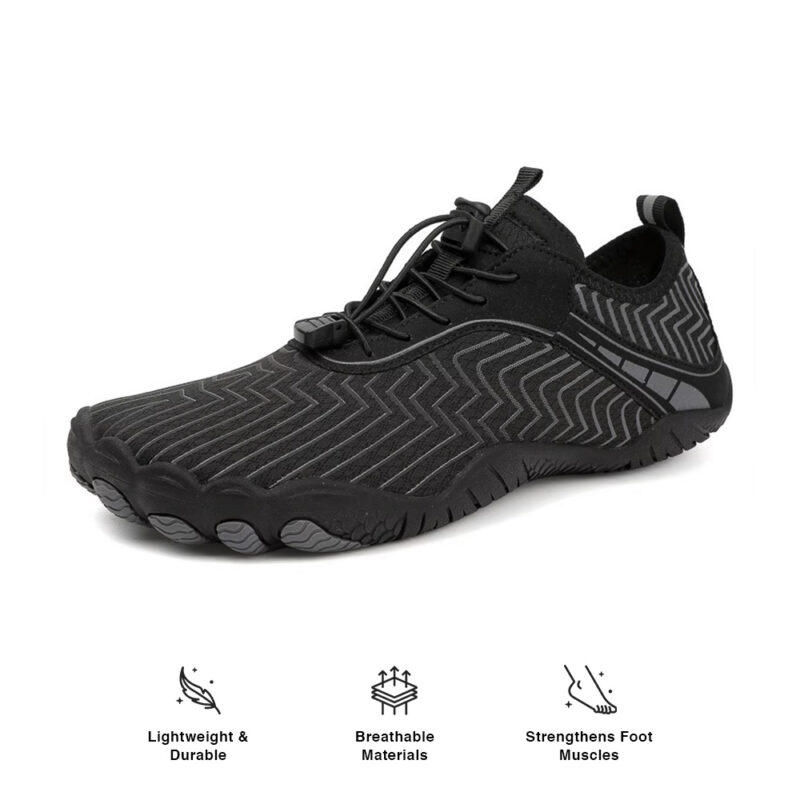
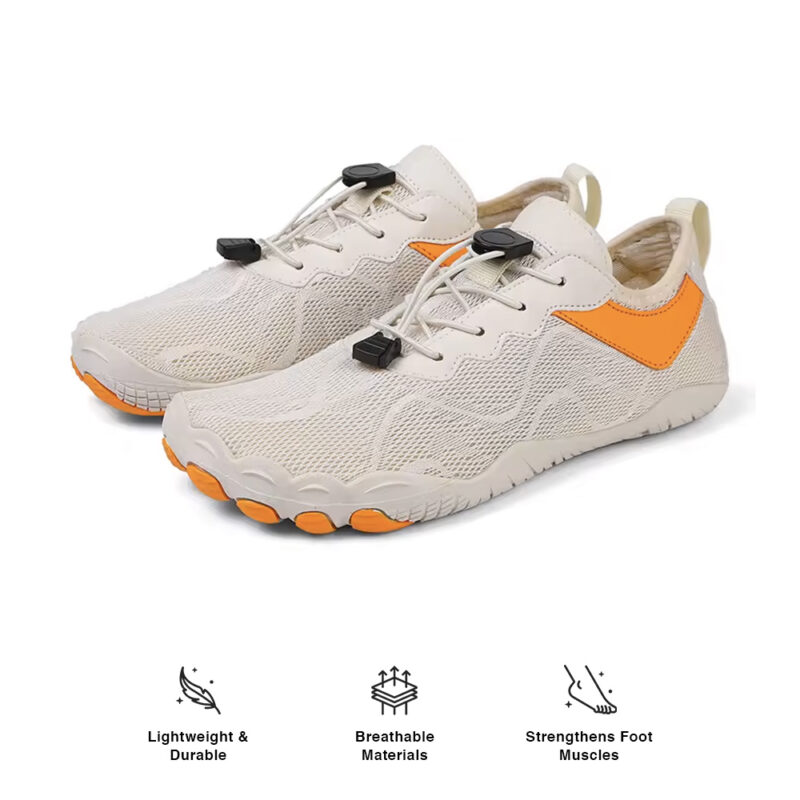
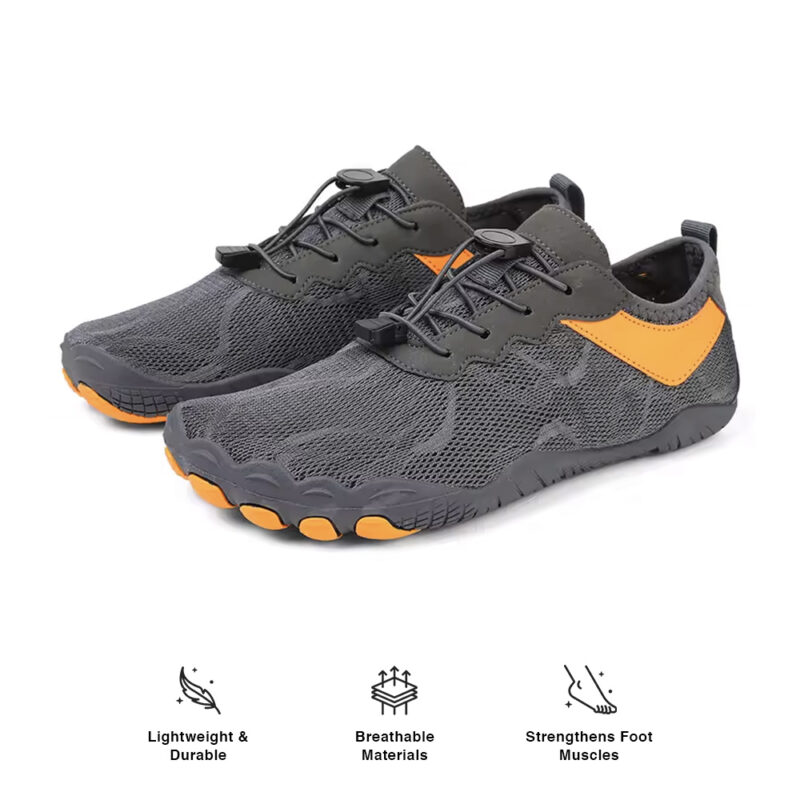
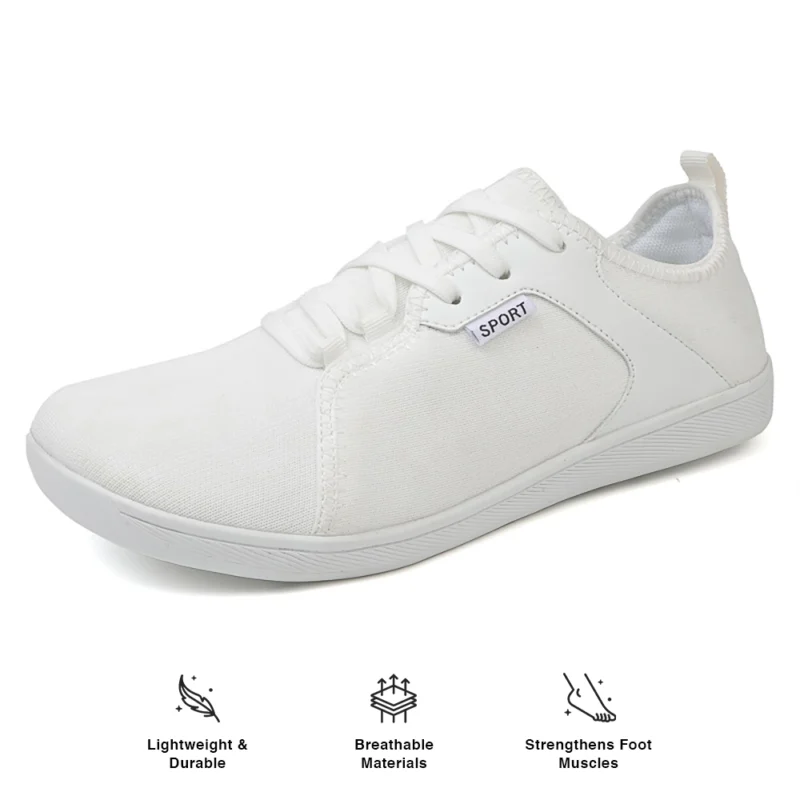
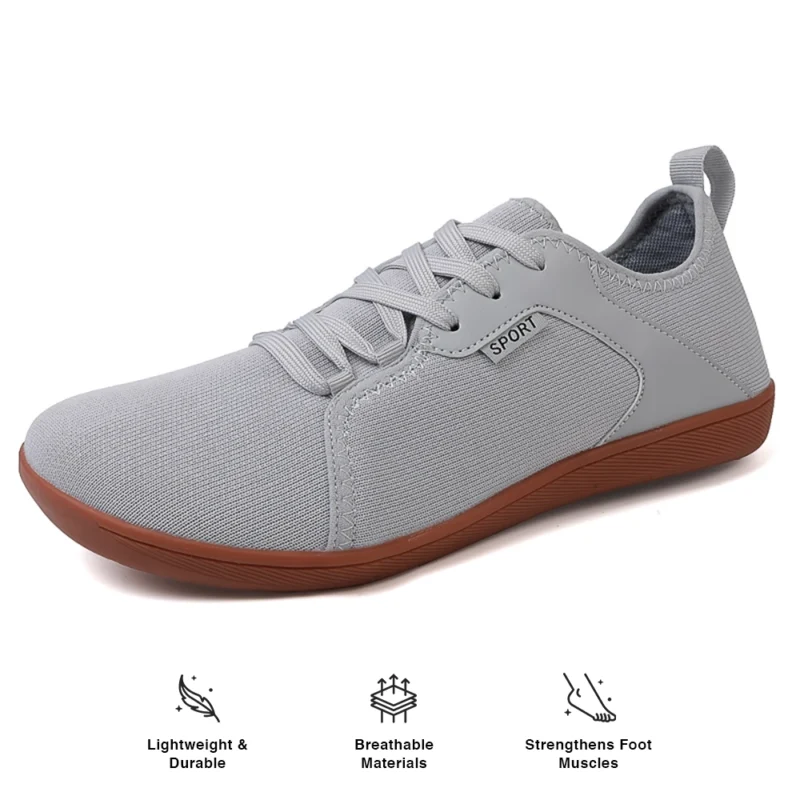
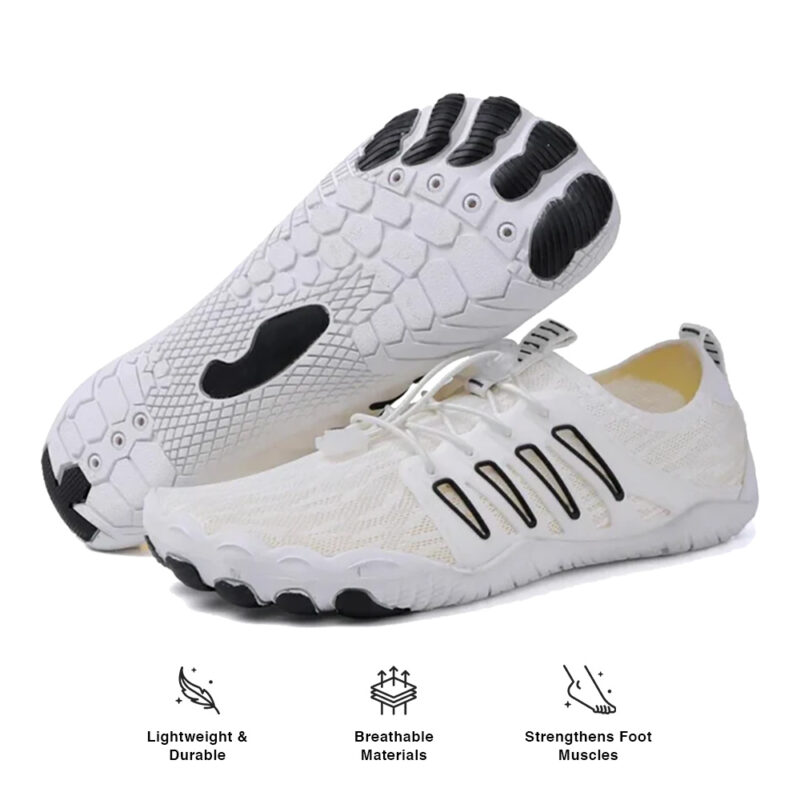
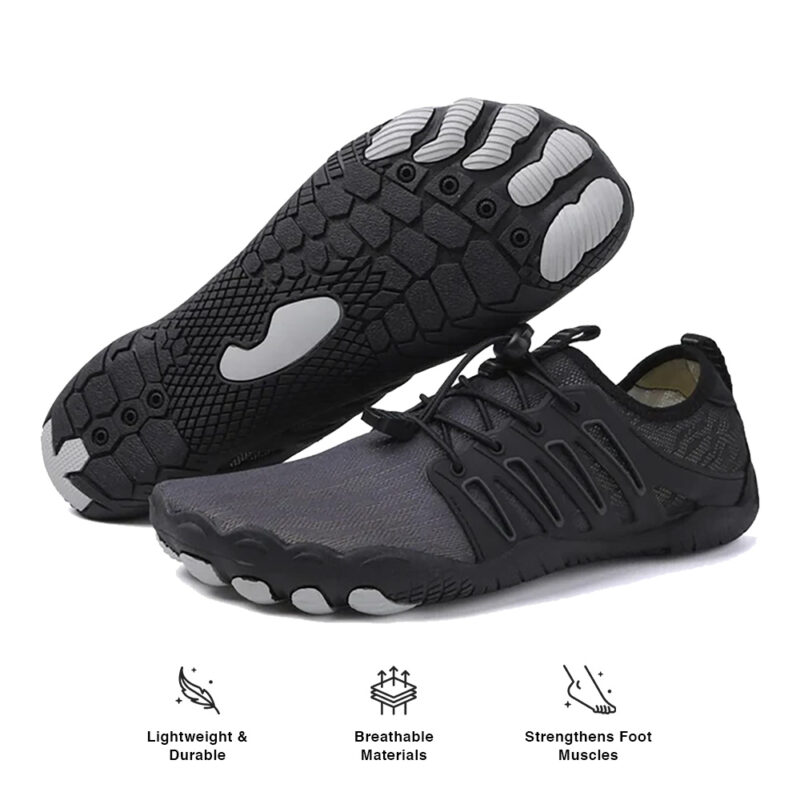
Walking shouldn't leave you wincing or reaching for pain relievers, yet many people accept foot discomfort as normal after extended periods on their feet. Traditional walking shoes often create this problem by forcing your feet into unnatural positions and preventing the small muscles in your feet from engaging properly. What are the best walking shoes for eliminating this pain? Look for designs that allow your toes to spread naturally, your arches to flex and strengthen, and your feet to feel the ground beneath them. When you choose minimalist walking shoes, you give your feet the freedom to move as they evolved to move, which naturally reduces strain and builds the strength needed for pain-free walking.
Finding Shoes That Actually Last
You've probably experienced the disappointment of walking shoes that looked perfect in the store but fell apart after a few months of regular use. This happens because heavily cushioned shoes compress and break down quickly, while complex support systems often fail at stress points. The most durable walking shoes are surprisingly simple in design, focusing on high-quality materials and construction rather than gimmicky features that add bulk and failure points. Minimalist walking shoes typically outlast traditional designs because they have fewer components to break down, and their simple construction puts less stress on seams and joints. When searching for what are the best walking shoes for longevity, prioritize quality materials and straightforward design over complicated cushioning systems.
Shoes That Work for Multiple Activities
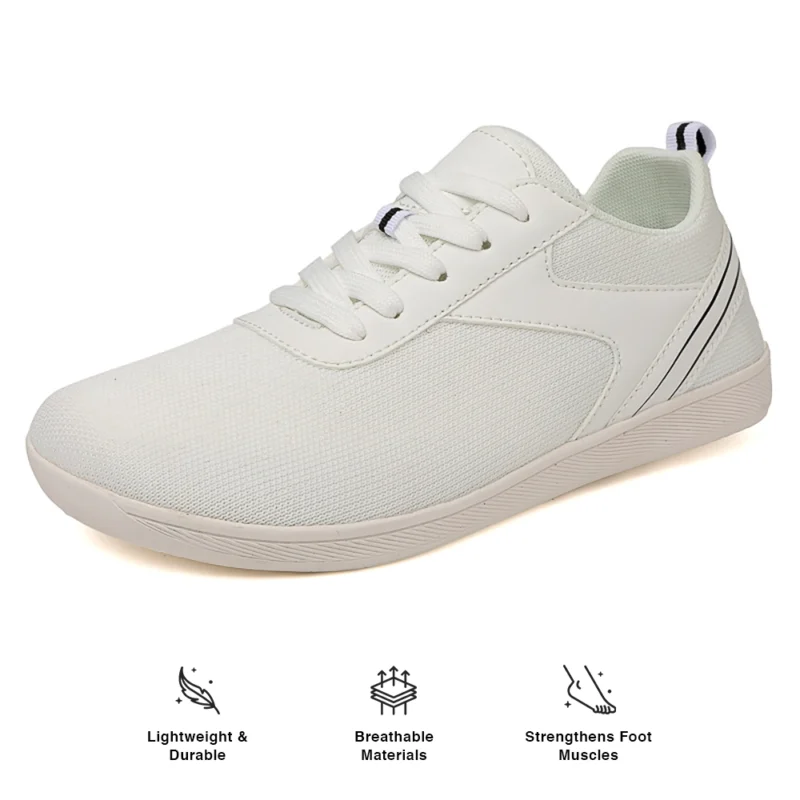
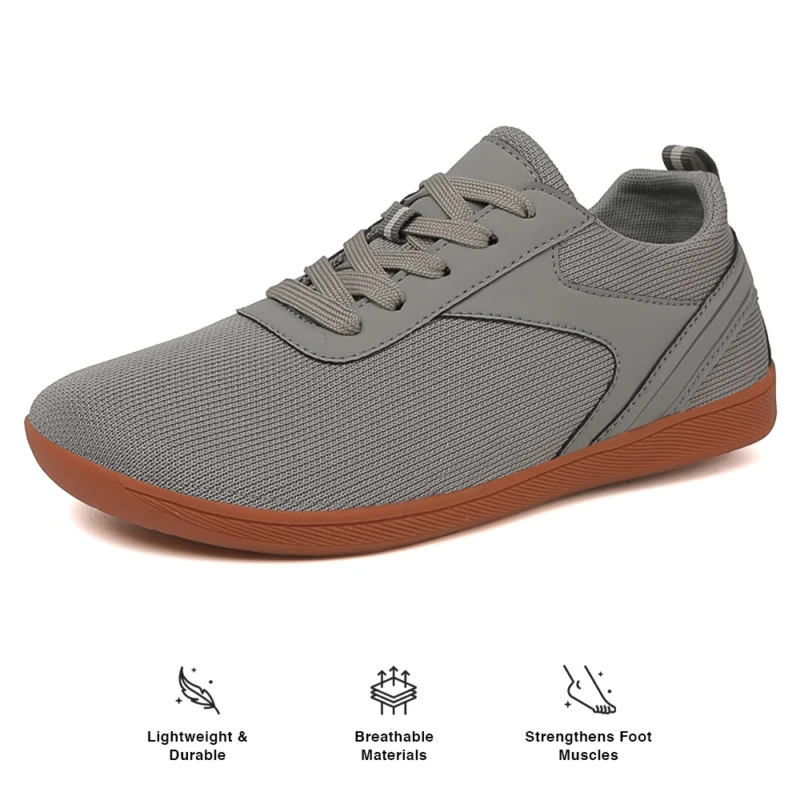
Modern life demands versatility from your footwear – you need shoes that transition seamlessly from morning walks to afternoon errands to casual social events. Traditional athletic shoes often look too sporty for daily wear, while dress shoes leave your feet screaming after physical activity. The best walking shoes bridge this gap by offering clean, versatile styling that pairs well with both athletic and casual clothing. Minimalist designs naturally achieve this versatility because they focus on the essential elements of foot protection without unnecessary bulk or obvious athletic styling. Choose shoes with neutral colors and streamlined silhouettes that complement your existing wardrobe while providing the performance you need.
Breaking Free from the Comfort Trap
The walking shoe industry has convinced many people that comfort comes from maximum cushioning and support, but this approach often backfires by creating weak, dependent feet that require increasingly more artificial assistance. True comfort develops when your feet are strong, flexible, and able to adapt to different surfaces naturally. What are the best walking shoes for genuine, long-term comfort? Those that challenge your feet just enough to build strength while protecting them from harmful surfaces. Start with shoes that offer moderate ground feel and gradually transition to more minimal designs as your feet adapt and strengthen.
Understanding Ground Feel Without Fear
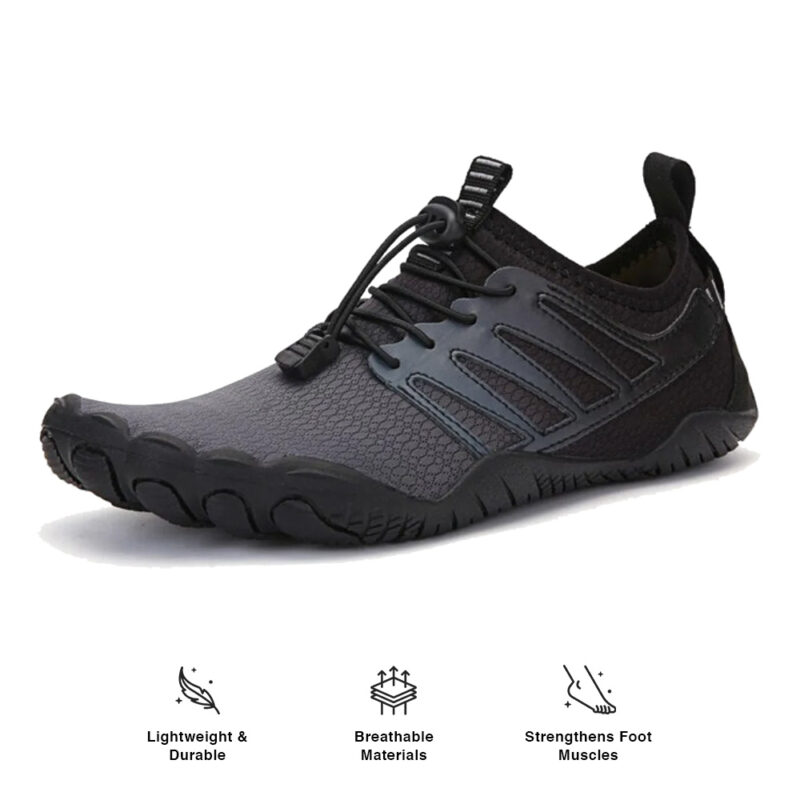
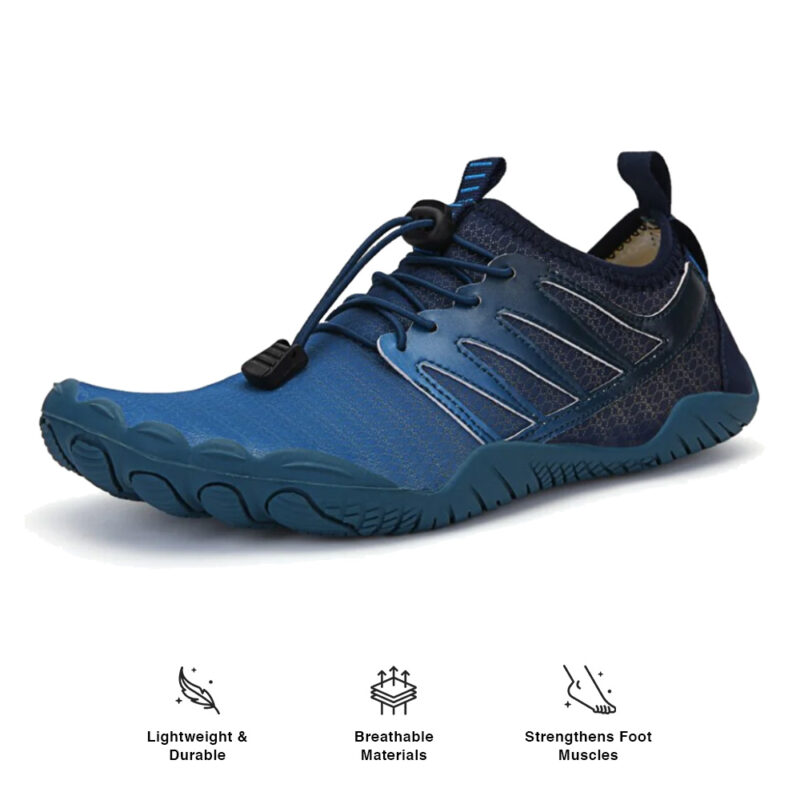
Many people worry that feeling the ground through their shoes will be uncomfortable or harmful, but appropriate ground feedback actually improves your walking experience by helping you develop better balance, posture, and gait efficiency. The key is finding the right level of protection – enough to shield your feet from sharp objects and rough surfaces, while still allowing sensory input that helps your nervous system coordinate movement. Quality minimalist walking shoes achieve this balance through thin but durable soles that protect without numbing your feet. When you can feel subtle changes in terrain, your body automatically adjusts your stride and posture for optimal efficiency and reduced impact.
Making the Transition Successfully
Switching to minimalist walking shoes requires a thoughtful approach, especially if you've worn traditional shoes for years. Your feet may have adapted to artificial support and restricted movement, so sudden changes can cause temporary discomfort or fatigue. The most successful transition involves gradually increasing your time in minimalist shoes while allowing your feet to strengthen and adapt. Start with short walks and slowly build up duration and intensity as your feet become accustomed to their new freedom. What are the best walking shoes for beginners to minimalist footwear? Look for designs that offer a moderate amount of sole thickness and flexibility while still allowing natural foot movement – these provide a gentle bridge between traditional and fully minimal designs.
Choosing Quality Over Marketing Hype
The walking shoe market is filled with complicated terminology, proprietary technologies, and bold comfort claims that often distract from what actually matters for foot health and walking performance. The best approach is to focus on fundamental design principles rather than marketing buzzwords: Does the shoe allow your toes to spread naturally? Is the sole flexible enough to bend with your foot? Does the heel sit at the same level as the toes? These simple criteria matter more than any proprietary cushioning system or support technology. When evaluating what are the best walking shoes for your needs, trust your feet's feedback over advertising claims and choose shoes based on how they feel and function rather than how they're marketed.