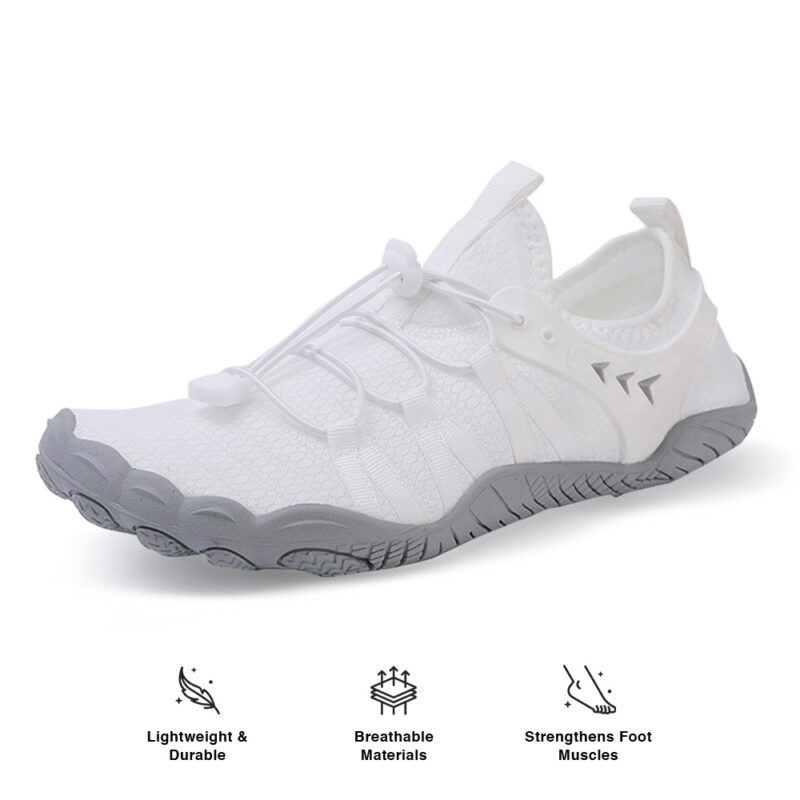
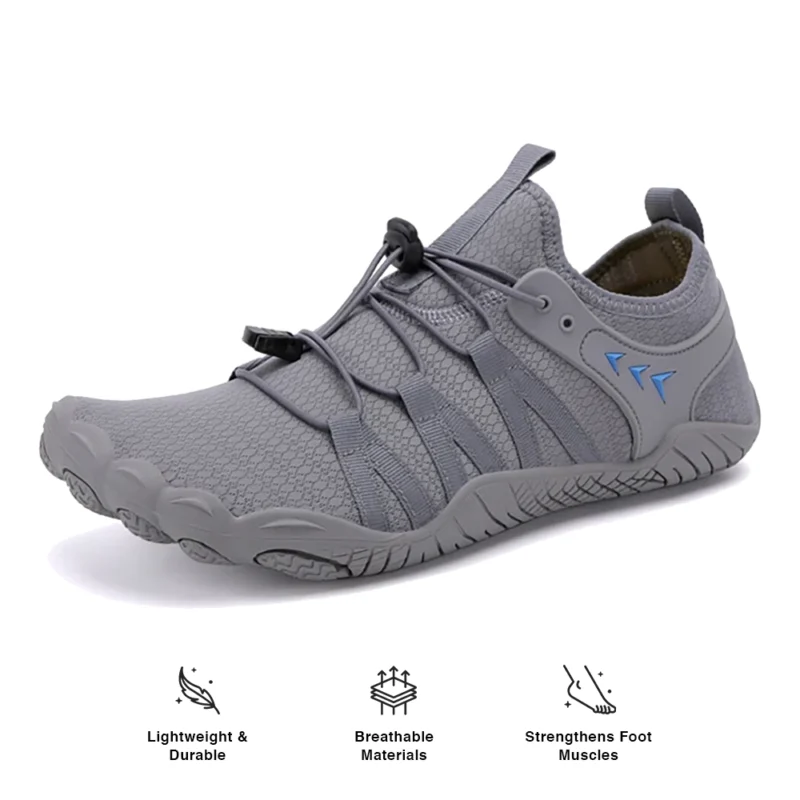
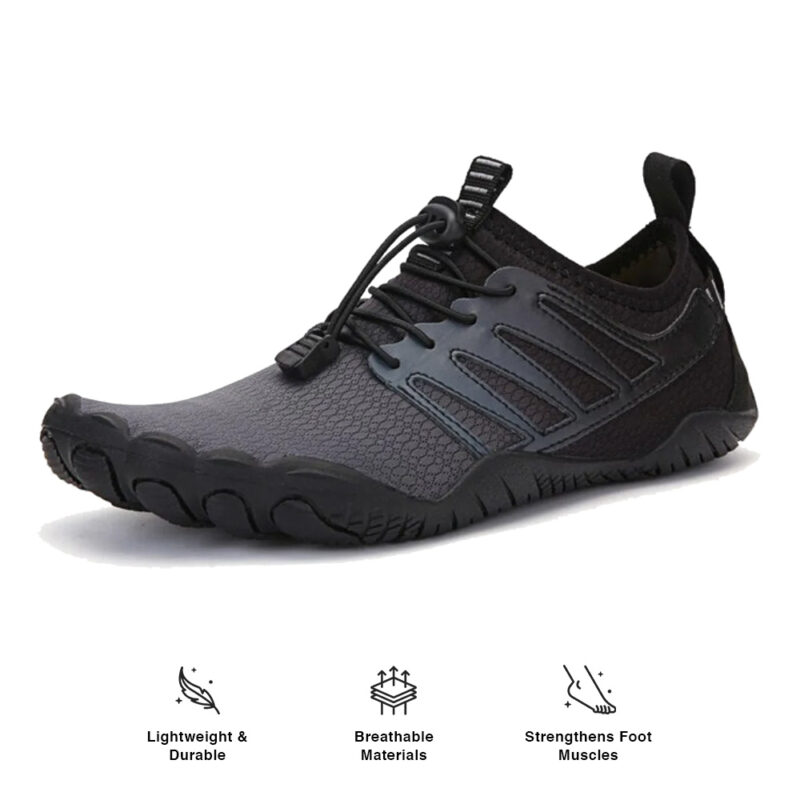
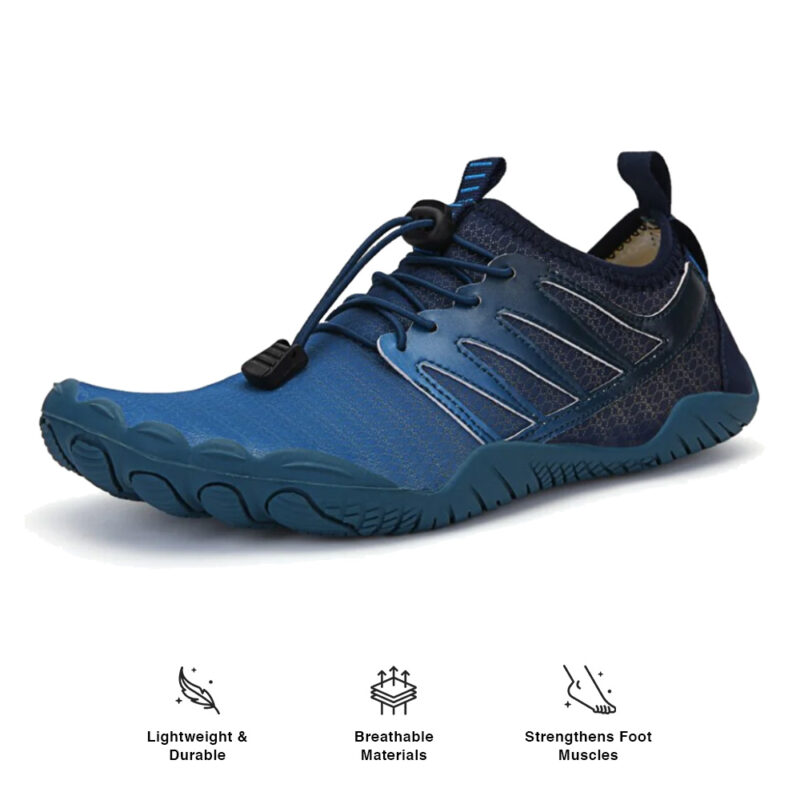
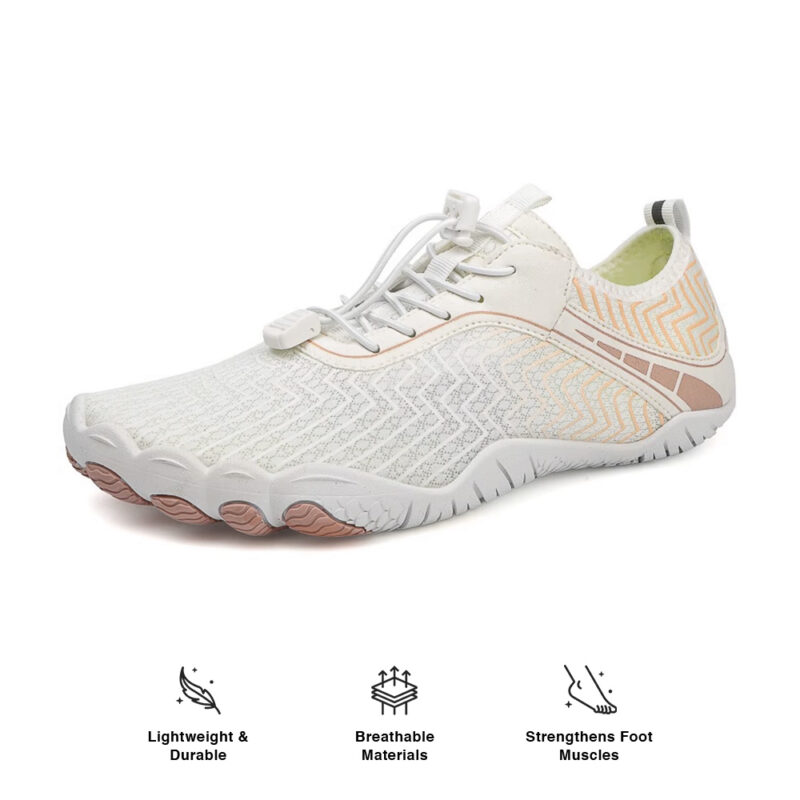
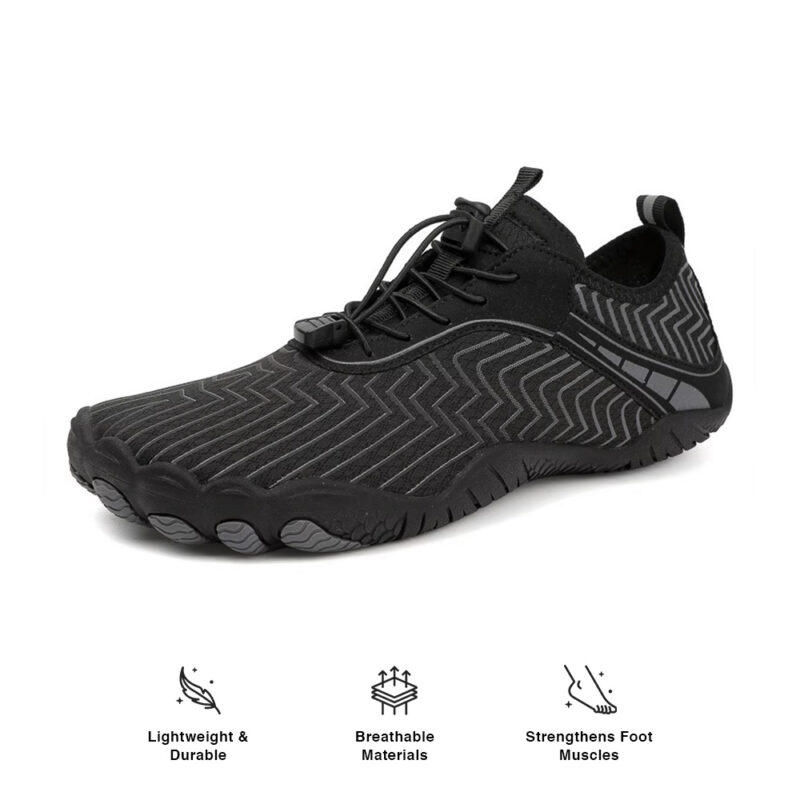
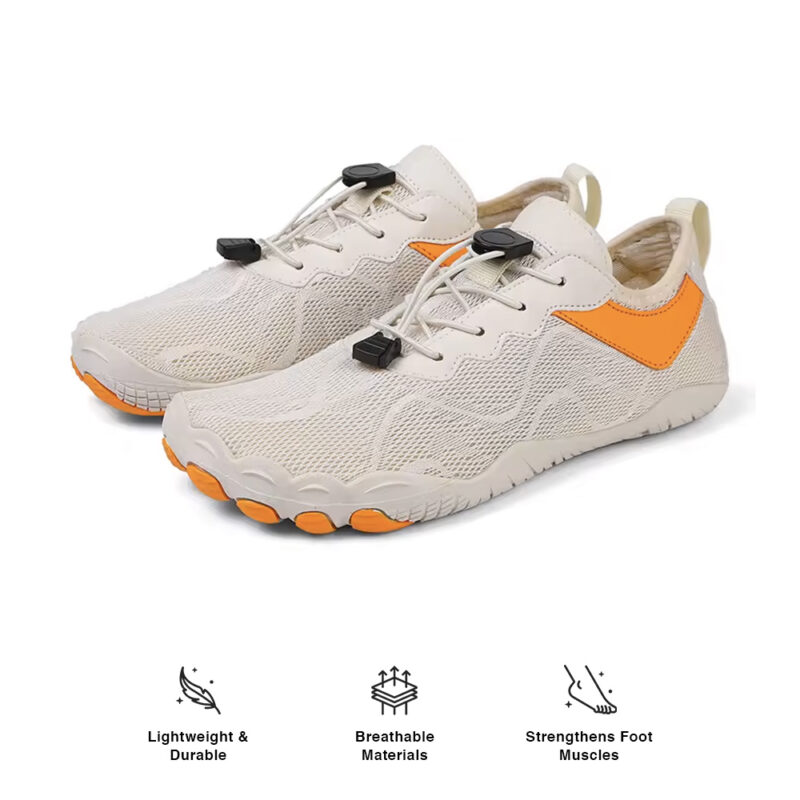
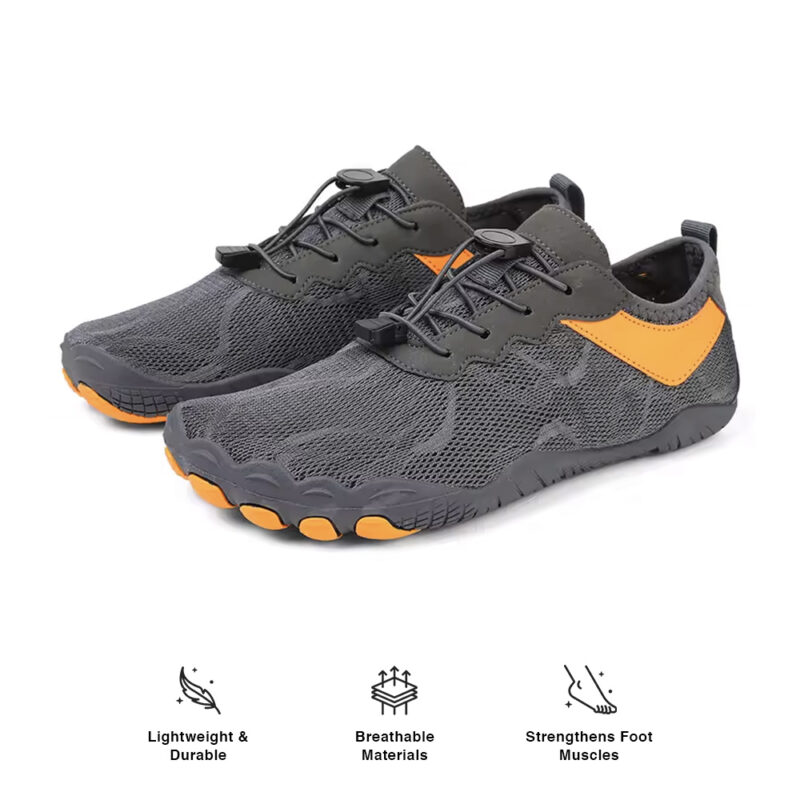
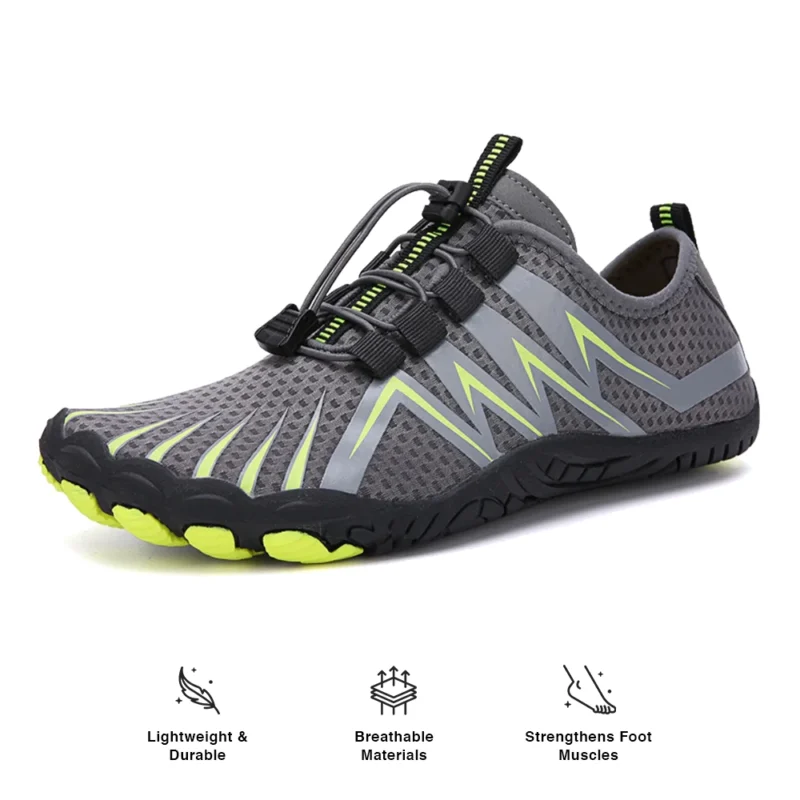
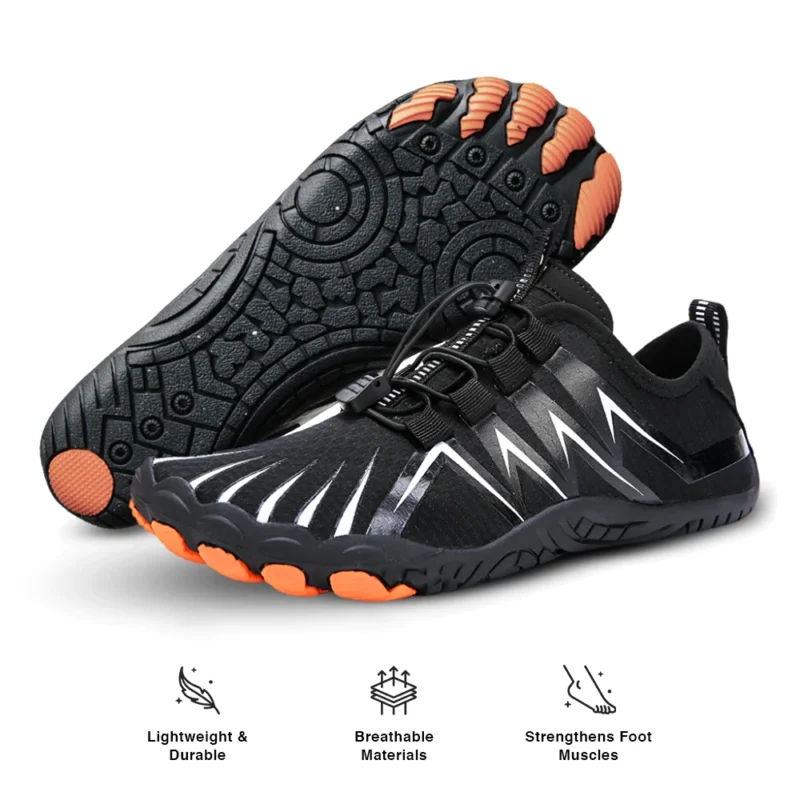
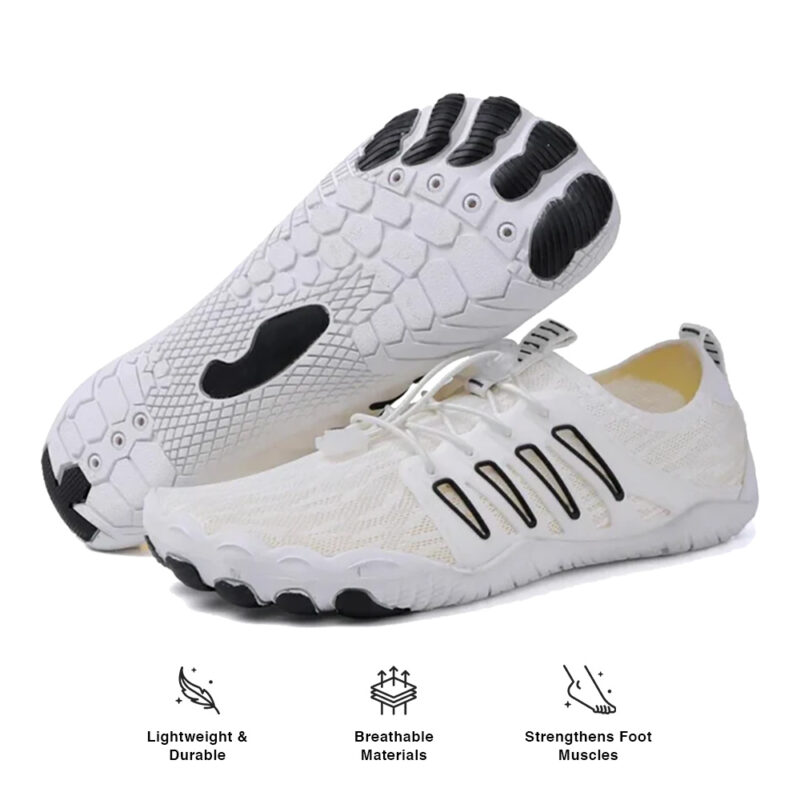
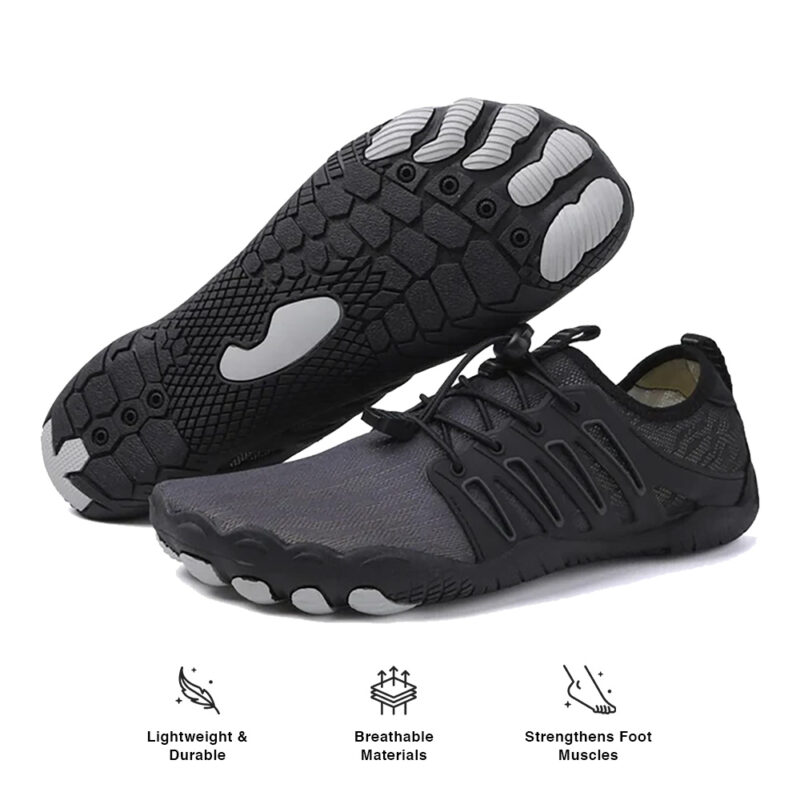
Why Your Current Cross Training Shoes Are Holding You Back
You've probably experienced that frustrating moment when your shoes feel unstable during a heavy squat or slip during a box jump. Most traditional cross training shoes create a barrier between your feet and the ground, reducing the natural feedback your body needs for optimal performance. When you choose minimalist alternatives among the best cross training shoes for men, your feet can actually grip and respond to surfaces naturally. This enhanced proprioception improves your lifting technique and reduces compensatory movements that lead to injury. Start paying attention to how your feet feel during different exercises – this awareness will guide you toward better footwear choices.
The Lateral Movement Challenge That's Sabotaging Your Workouts
Side-to-side movements during agility drills or sports-specific training reveal the weakness in heavily cushioned cross trainers. Your feet slide inside the shoe, creating instability and reducing power transfer. The best cross training shoes for men should allow your feet to move as one unit with the shoe, creating a stable platform for cutting, jumping, and pivoting. Minimalist designs with wider toe boxes let your toes spread naturally for better lateral stability. When your next workout includes lateral movements, notice how your current shoes respond – do they move with you or against you?
Breaking Free from the Heel-Drop Trap
That elevated heel in traditional athletic shoes might feel normal, but it's actually throwing off your entire kinetic chain. This artificial heel drop forces your body into compensatory positions that can stress your knees, hips, and lower back during compound movements. The best cross training shoes for men feature zero or minimal heel drop, allowing your body to maintain natural alignment during squats, deadlifts, and lunges. Your posterior chain can activate more efficiently, and you'll likely notice improved mobility over time. Next time you're barefoot at home, pay attention to how naturally your body moves – that's the feeling you want from your training shoes.
Why Toe Box Width Matters More Than You Think
Cramped toes can't provide the stable base your body needs during dynamic exercises. Traditional athletic shoes often narrow at the toe, forcing your toes together and reducing your foot's natural spreading ability. This compromise affects everything from balance to power generation. Minimalist cross training shoes prioritize anatomical toe box shape, allowing your toes to spread and grip naturally. This improved foot function translates into better balance during single-leg exercises and more stable landings from jumps. Take a moment to wiggle your toes in your current shoes – if they can't move freely, it's time for an upgrade.
The Durability Factor That Saves Your Budget
You're tired of replacing shoes every few months because the excessive foam breaks down or the upper materials can't handle varied training demands. The best cross training shoes for men should be built to last through countless workouts across multiple training modalities. Minimalist designs often feature fewer components that can fail, with durable materials that improve with age rather than deteriorate. Quality construction means better long-term value and consistent performance throughout the shoe's lifespan. Keep track of how long your current shoes last and what fails first – this information will help you make better choices moving forward.
Ground Feel That Transforms Your Training
The thick soles in conventional cross trainers disconnect you from the ground, reducing the sensory feedback that helps your body make micro-adjustments during movement. When you can actually feel the surface beneath your feet, your proprioceptive system works more effectively, improving balance and movement quality. The best cross training shoes for men provide just enough protection while maintaining ground connection. This enhanced feel helps you identify muscle imbalances, improve lifting technique, and move more efficiently during complex exercises. During your next workout, spend a few minutes training barefoot to experience the difference ground feel makes.
Building Foot Strength for Long-Term Performance
Your feet contain 26 bones, 33 joints, and over 100 muscles, tendons, and ligaments – yet most shoes treat them like rigid blocks that need constant support. This external support weakens your intrinsic foot muscles over time, creating dependency and reducing natural shock absorption. Transitioning to minimalist cross training shoes gradually allows these muscles to strengthen and function as nature intended. Stronger feet mean better force transmission, improved balance, and reduced injury risk throughout your entire kinetic chain. Start incorporating some barefoot time into your warm-ups to begin awakening these dormant muscles.