Blog

Best Jogging Shoes

You're someone who takes your running seriously, whether you're pounding pavement at dawn or hitting trails on weekends. You've probably cycled through countless pairs of traditional running shoes, each promising to be the game-changer that finally eliminates those nagging aches and keeps you injury-free.

But here's what's really frustrating you: despite investing in expensive footwear with all the latest technology, you're still dealing with knee pain, shin splints, or that persistent lower back discomfort after longer runs. Your feet feel weak and dependent on external support, and you're tired of replacing shoes every few months when they lose their cushioning.

What you truly need in the best jogging shoes isn't more artificial support – it's freedom for your feet to function as nature designed them. Your feet contain 26 bones, 33 joints, and over 100 muscles and tendons that are perfectly engineered for running when allowed to move naturally.

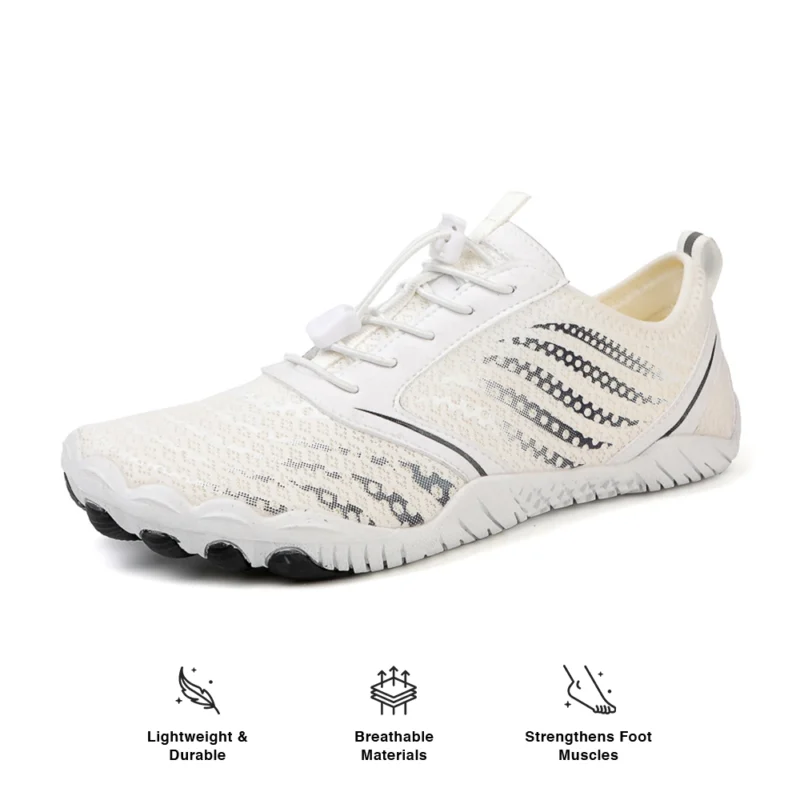
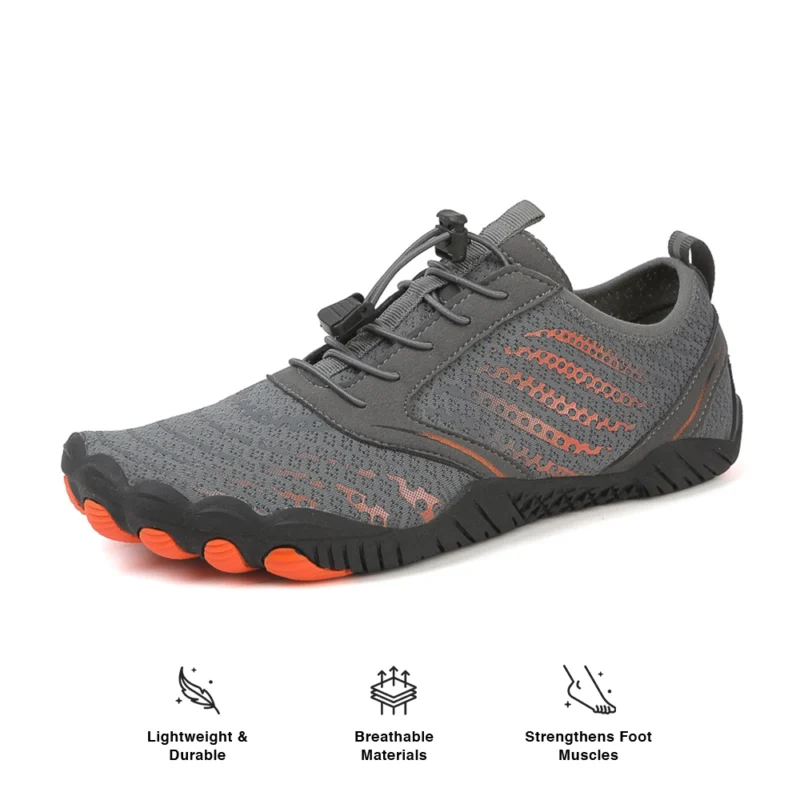
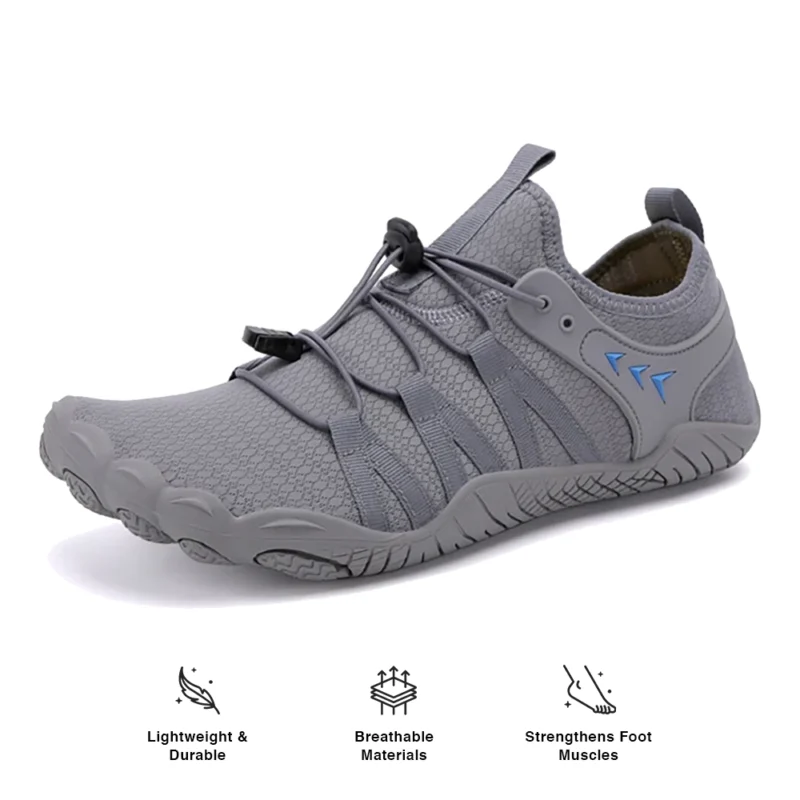
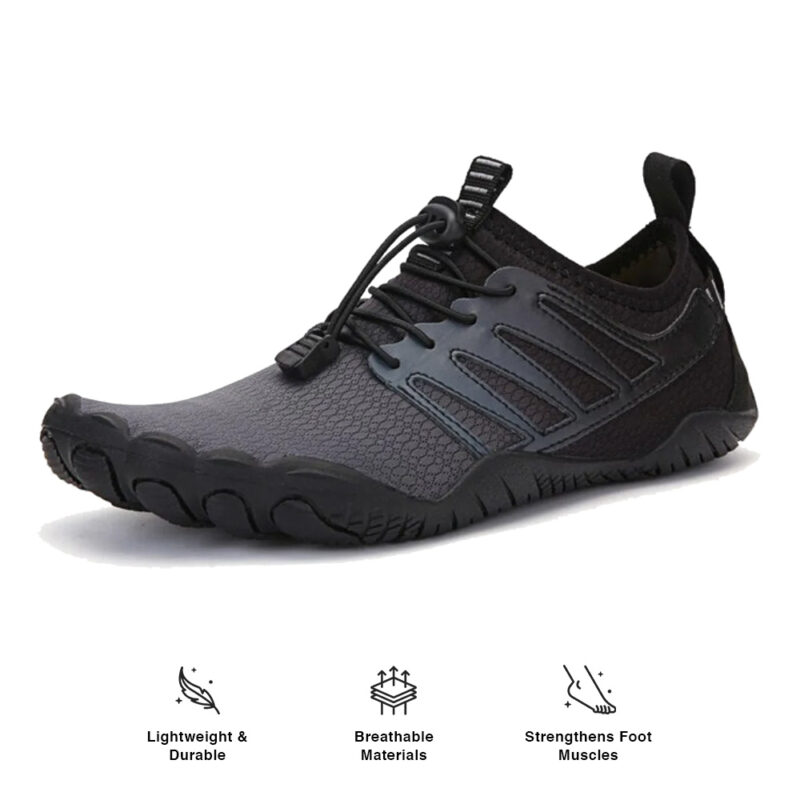
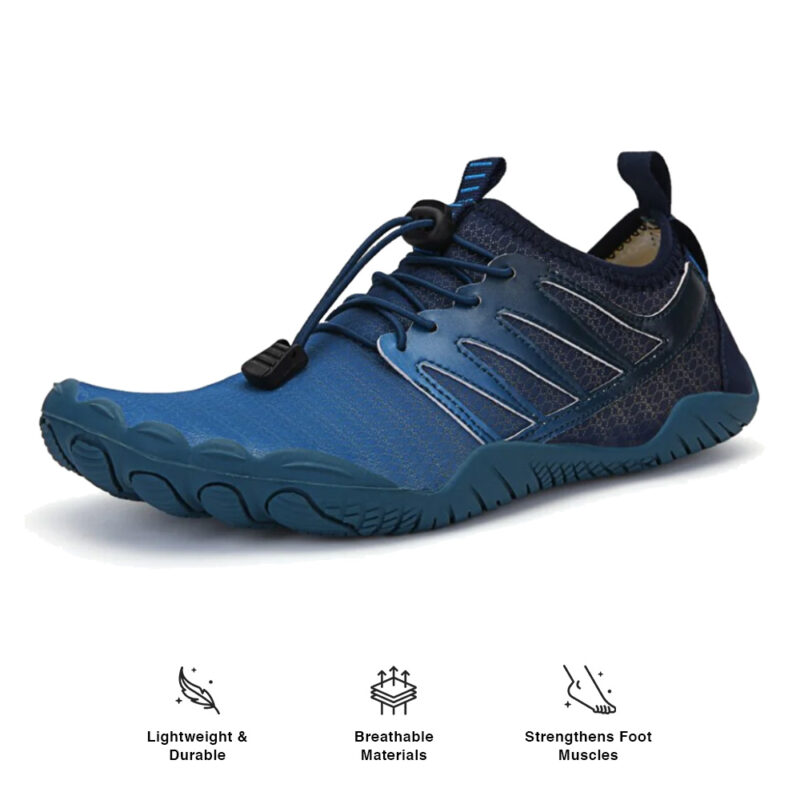
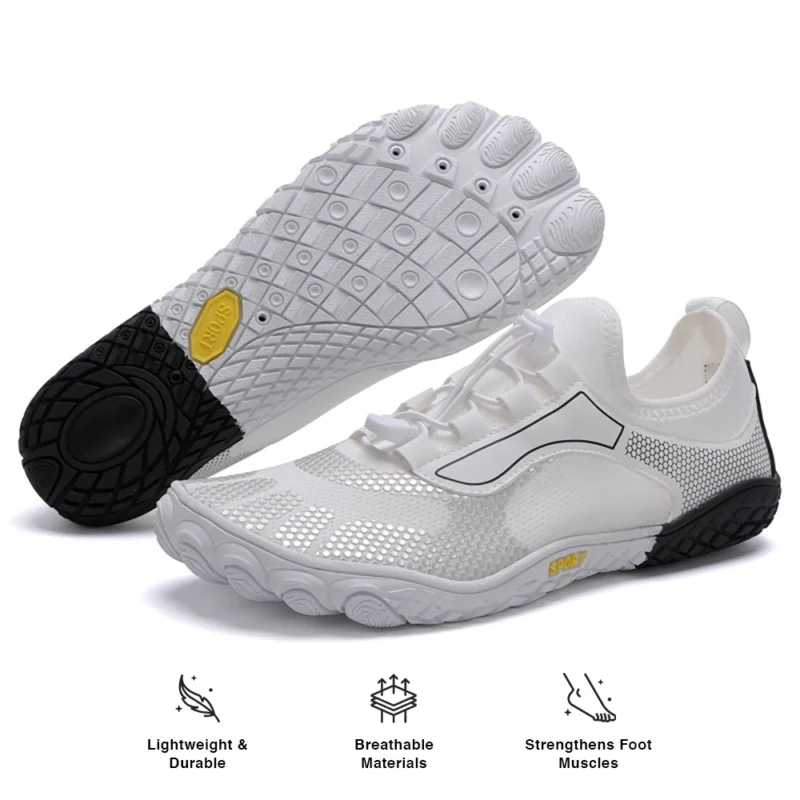
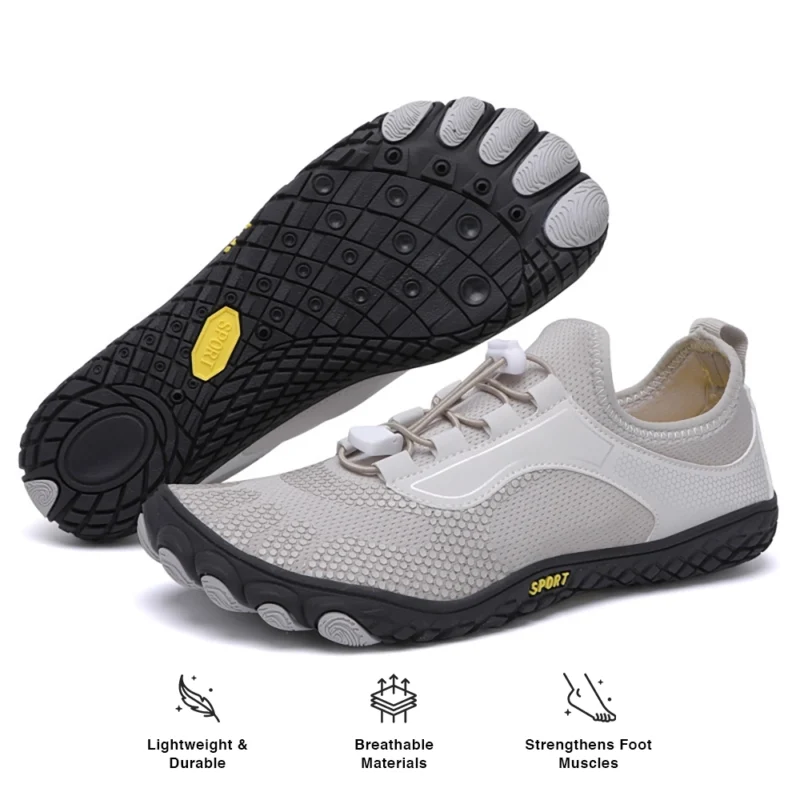
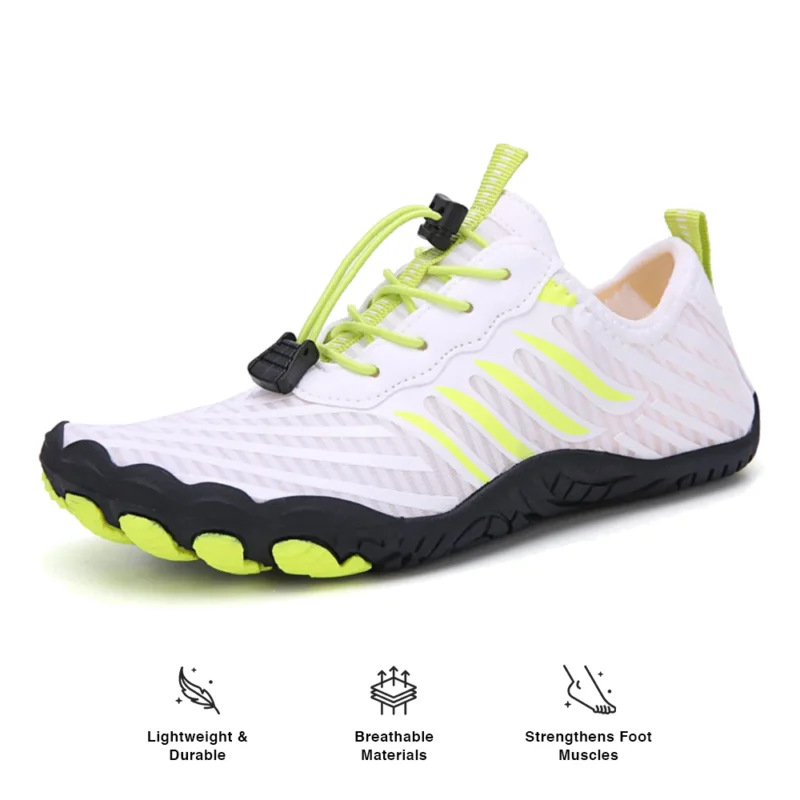
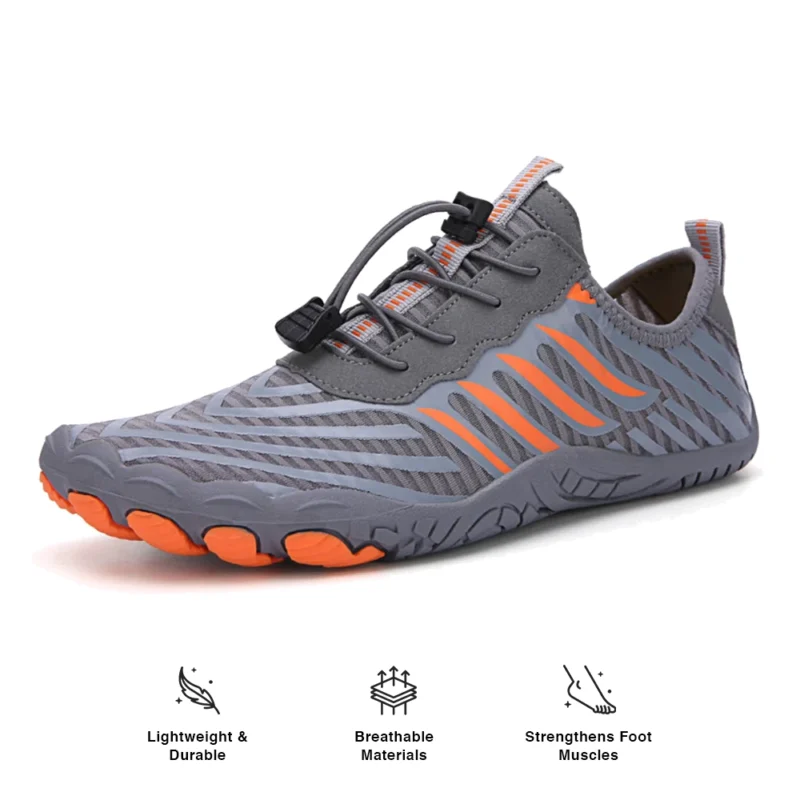
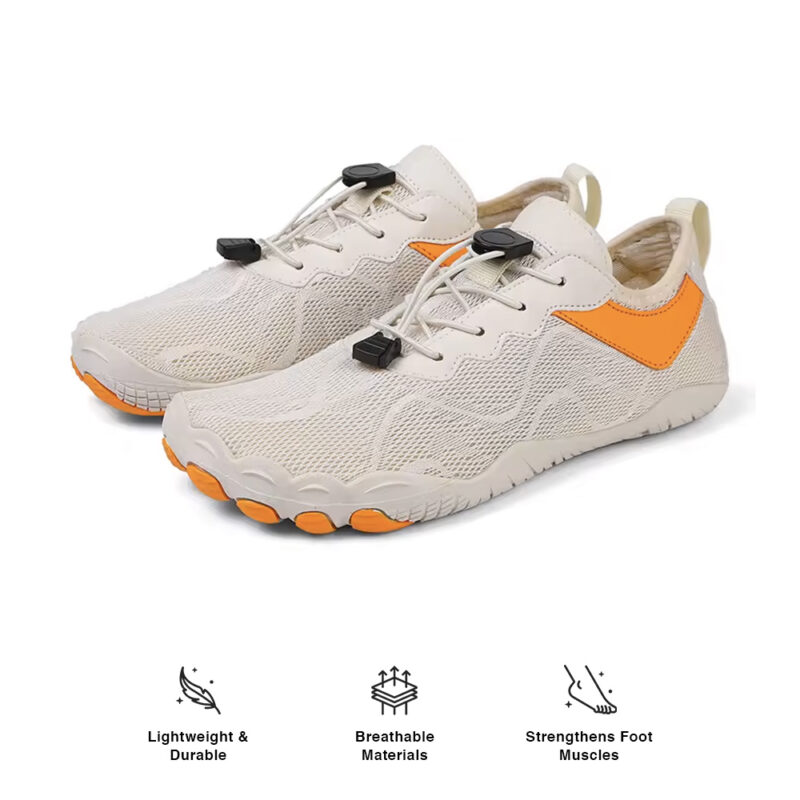
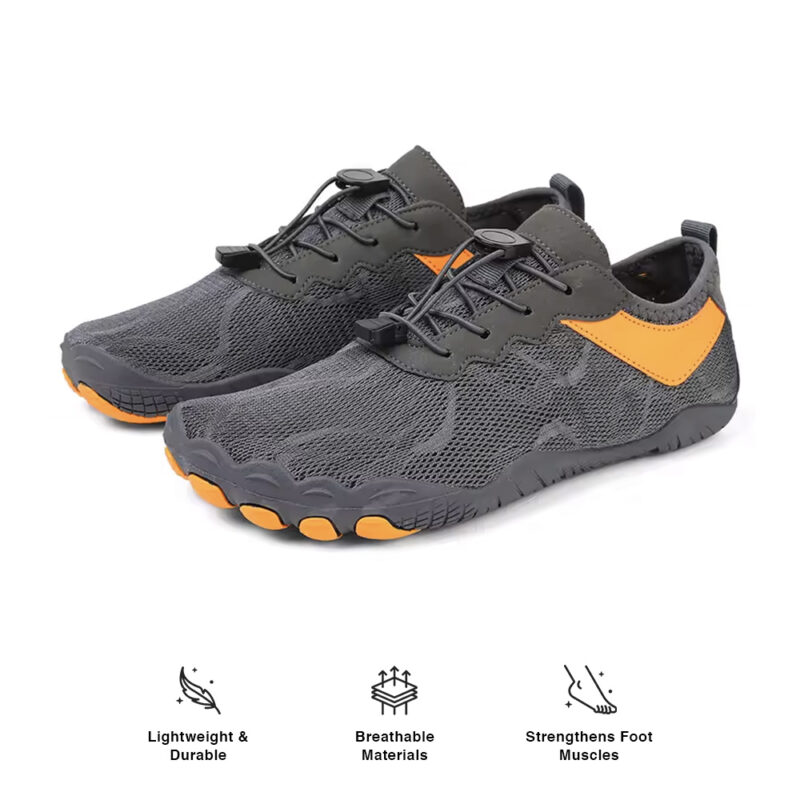
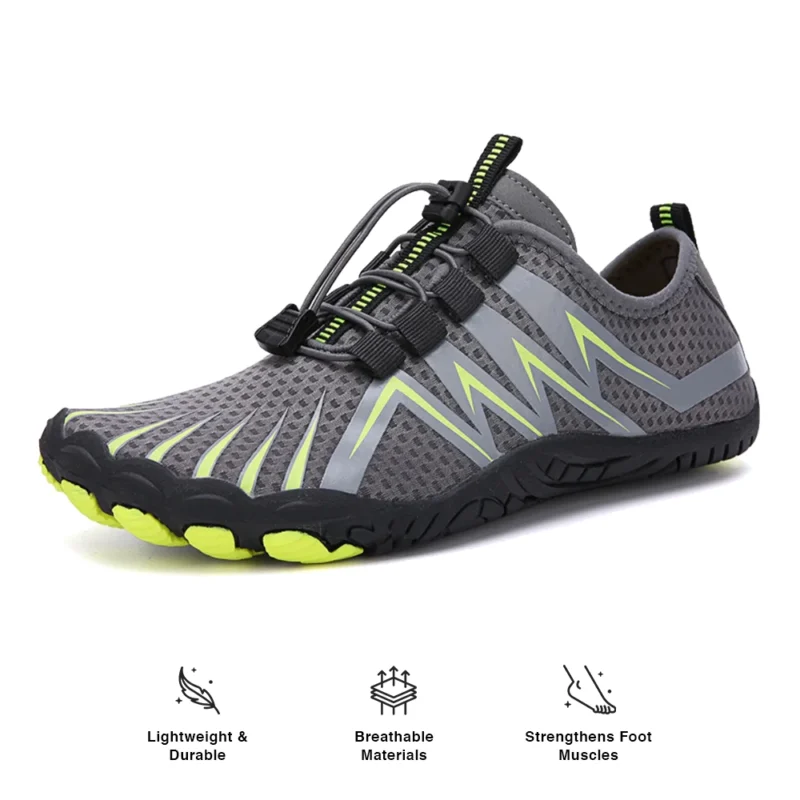
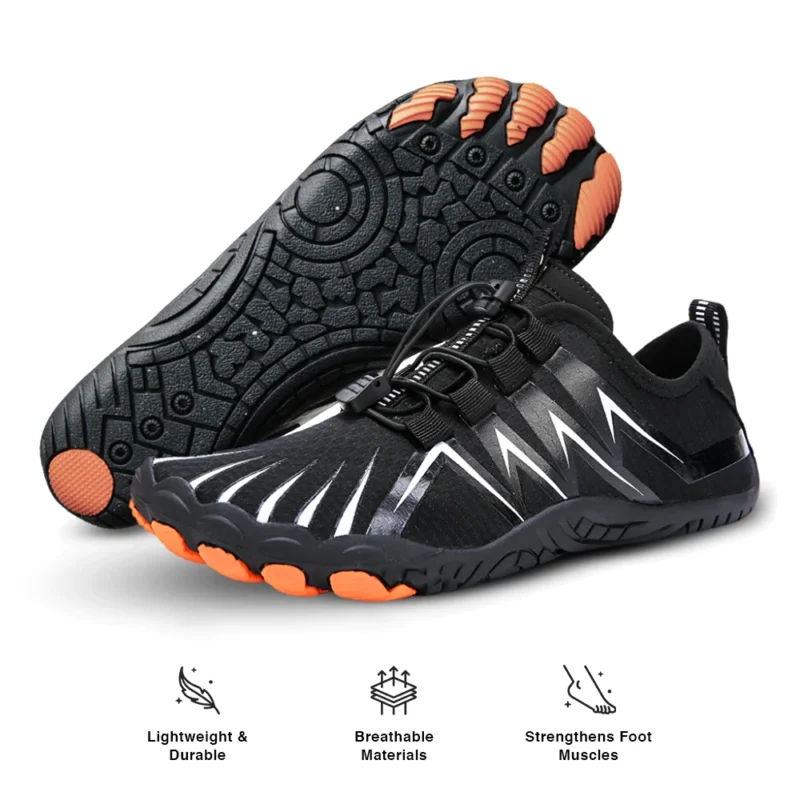
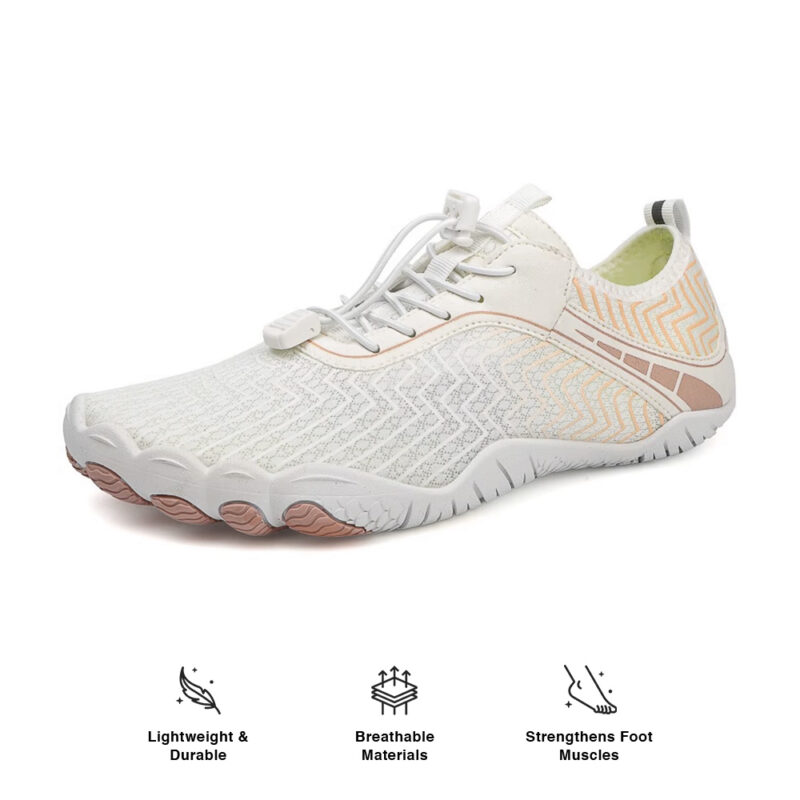
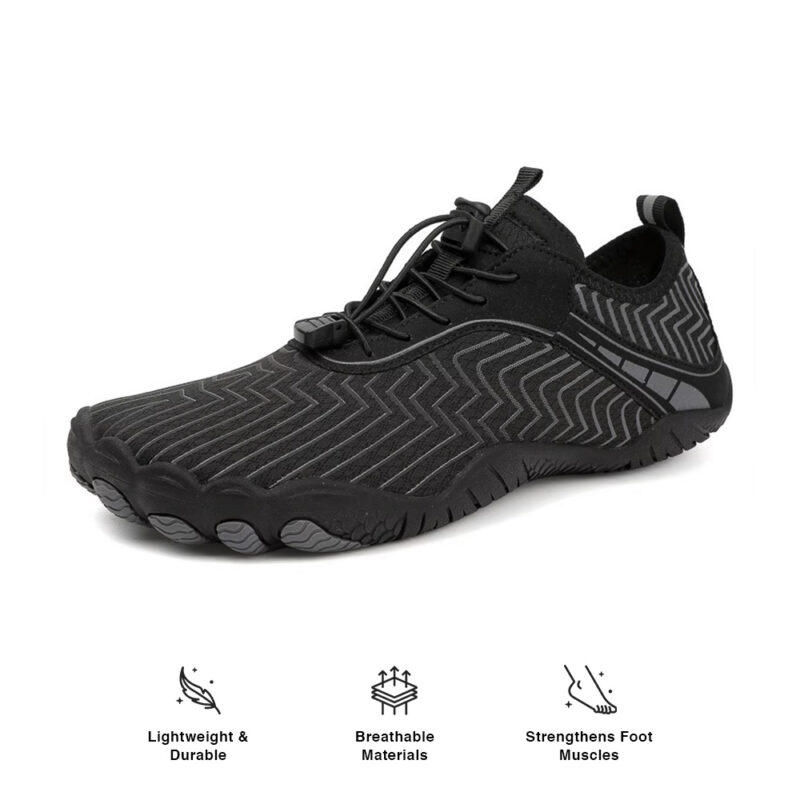
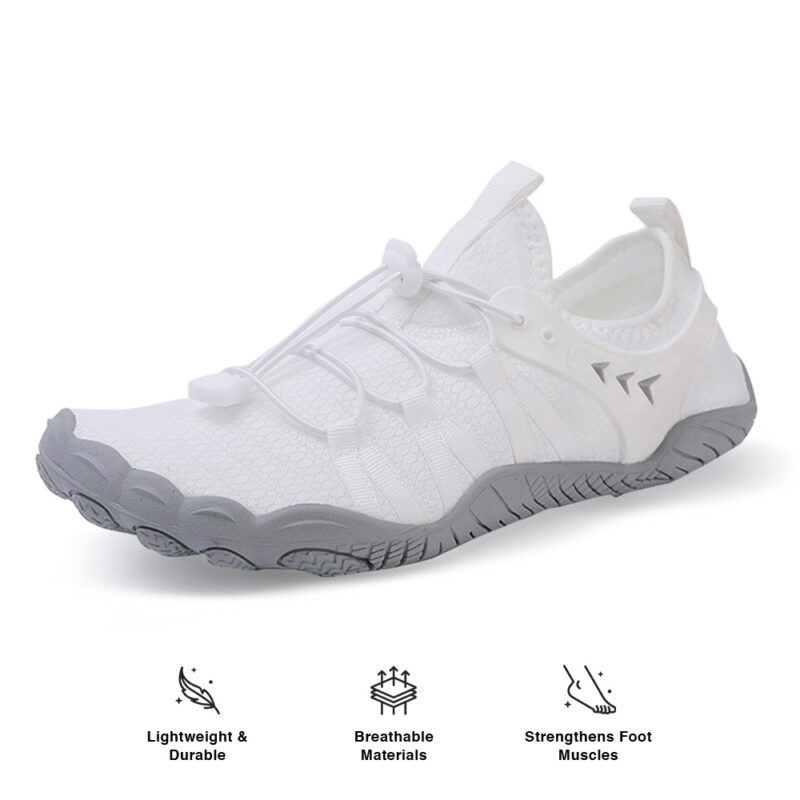
Barefoot and minimalist running shoes unlock this natural potential by allowing your foot to flex, spread, and grip the ground with each stride. This natural movement pattern strengthens your feet from the ground up, improves your balance and posture, and provides lasting comfort through freedom rather than restriction. When your feet can move naturally, your entire kinetic chain – from ankles to hips – aligns properly, reducing the compensatory movements that often lead to injury.

The best jogging shoes work with your body's design, not against it, giving you the confidence to run stronger and longer with every step.

Stay strong and keep running naturally!

Top Picks for Best Jogging Shoes
$79.95
Select options This product has multiple variants. The options may be chosen on the product page
Original price was: $133.50.Current price is: $59.95.
Select options This product has multiple variants. The options may be chosen on the product page
Original price was: $149.99.Current price is: $74.99.
Select options This product has multiple variants. The options may be chosen on the product page
$79.95
Select options This product has multiple variants. The options may be chosen on the product page
$79.95
Select options This product has multiple variants. The options may be chosen on the product page
Original price was: $133.50.Current price is: $58.98.
Select options This product has multiple variants. The options may be chosen on the product page
$79.95
Select options This product has multiple variants. The options may be chosen on the product page
Original price was: $129.95.Current price is: $59.95.
Select options This product has multiple variants. The options may be chosen on the product page
Why Your Current Running Shoes Might Be Holding You Back

You've invested in premium running shoes with maximum cushioning and motion control, yet you still experience fatigue and discomfort during longer runs. Traditional running shoes often weaken your feet by doing the work your muscles should be doing, creating dependency rather than strength. The best jogging shoes allow your feet to engage naturally with the ground, activating the intrinsic muscles that provide stability and power from within. Start your transition gradually by incorporating short barefoot or minimalist runs into your routine, allowing your feet to rediscover their natural strength and resilience.

How Natural Movement Patterns Transform Your Running Form

Every runner battles with heel striking, overstriding, or poor posture that leads to inefficient energy transfer and increased injury risk. Your body naturally wants to land on your forefoot when running barefoot, which promotes better shock absorption and forward momentum. When searching for the best jogging shoes, prioritize designs that encourage this natural landing pattern through zero-drop construction and flexible soles. Practice running drills on grass or soft surfaces without shoes for 5-10 minutes after your regular runs to retrain your natural gait pattern.

Breaking Free from the Cushioning Trap That Weakens Your Feet

You've been told that more cushioning equals better protection, but excessive padding actually reduces your foot's ability to sense and respond to the ground beneath you. This lack of ground feedback leads to harder impacts and less efficient movement patterns. The best jogging shoes provide just enough protection while maintaining ground connection, allowing your feet's natural shock absorption system to function properly. Build foot strength by spending time barefoot at home and gradually reducing the cushioning in your training shoes over several months.

Discovering Your Foot's Natural Shape and Function

Traditional running shoes force your toes into unnatural positions with narrow toe boxes and elevated heels, restricting the natural splay and grip that provides stability and power. Your toes are designed to spread wide and grip the ground for balance and propulsion, not to be compressed together like fingers in a tight glove. The best jogging shoes feature wide toe boxes that allow your feet to function in their natural shape, improving balance and reducing pressure points. Choose shoes that allow you to wiggle your toes freely and ensure there's a thumb's width of space between your longest toe and the shoe's front.

Building Unshakeable Foundation Strength from the Ground Up

Weak feet contribute to poor posture, knee pain, and hip dysfunction that can derail your running goals and daily comfort. Your feet contain more nerve endings per square inch than almost any other body part, making them crucial for balance and proprioception. The best jogging shoes preserve this sensory feedback while protecting your feet from sharp objects and extreme temperatures. Incorporate single-leg balance exercises and calf raises into your daily routine to accelerate the strengthening process and support your transition to more natural footwear.

Why Flexibility Matters More Than Structure in Running Footwear

Rigid shoe construction prevents your foot from adapting to different surfaces and moving through its full range of motion during the running cycle. Your foot needs to flex, twist, and adapt to terrain changes for optimal performance and injury prevention. The best jogging shoes bend and flex with your foot's natural movement, allowing for better ground adaptation and more efficient energy return with each stride. Test shoe flexibility by bending them in half – if they don't fold easily at the ball of the foot, they're likely too rigid for natural movement.

Creating Your Personal Transition Plan for Natural Running

Switching to minimalist footwear too quickly can lead to overuse injuries as your feet and legs adapt to new movement patterns and increased workload. Your body needs time to develop the strength and motor patterns required for natural running, typically taking 6-12 months for a complete transition. The best jogging shoes for your transition should gradually reduce the features you're accustomed to while maintaining enough protection for your current fitness level. Start by replacing 10% of your weekly mileage with minimalist shoes, increasing by 10% each week while monitoring your body's response and adjusting as needed.