Breaking Free from the Cushioning Trap
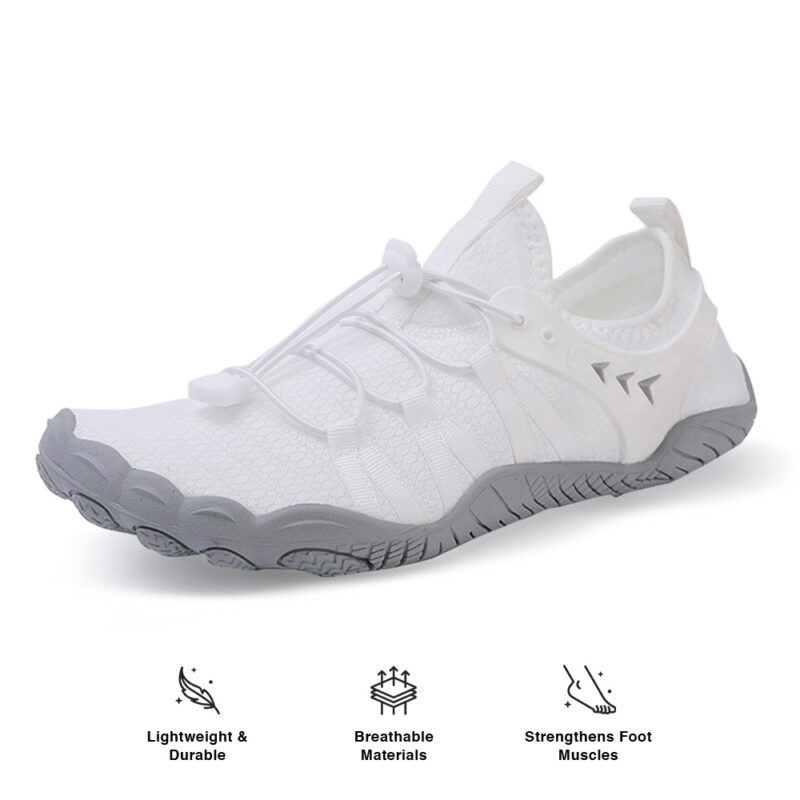
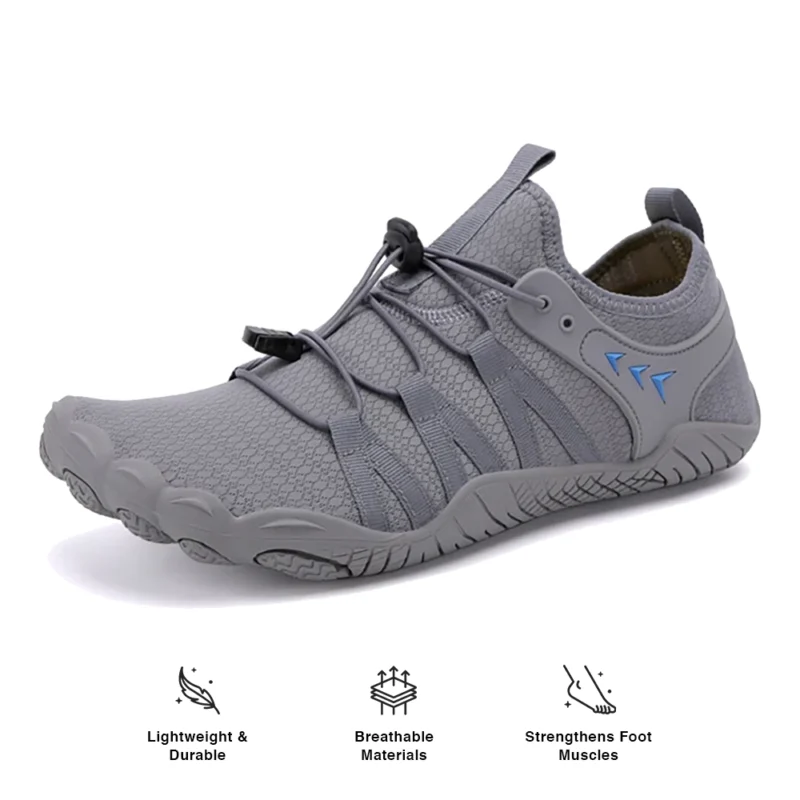
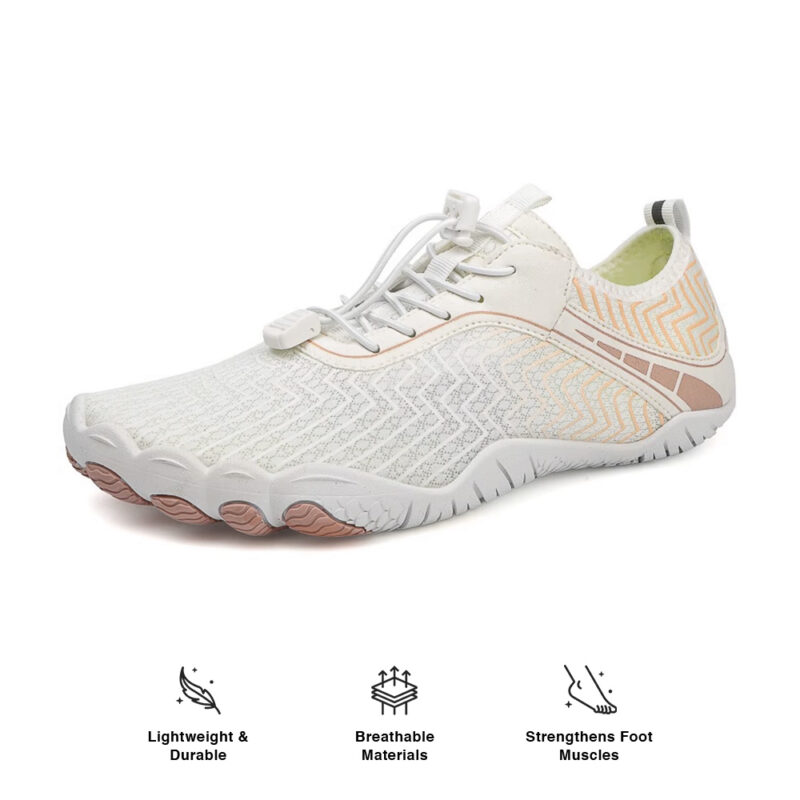
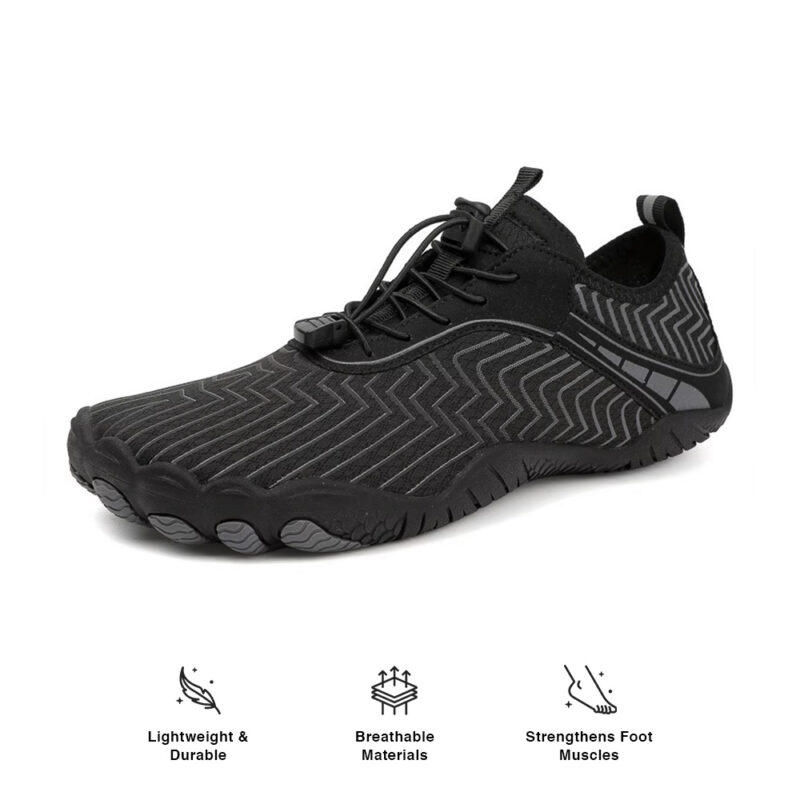
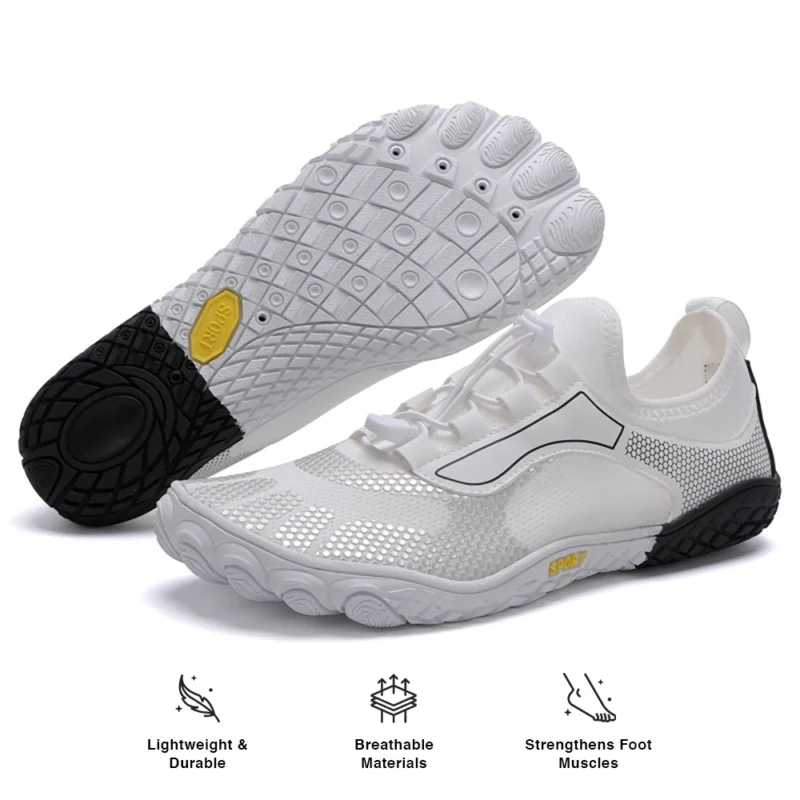
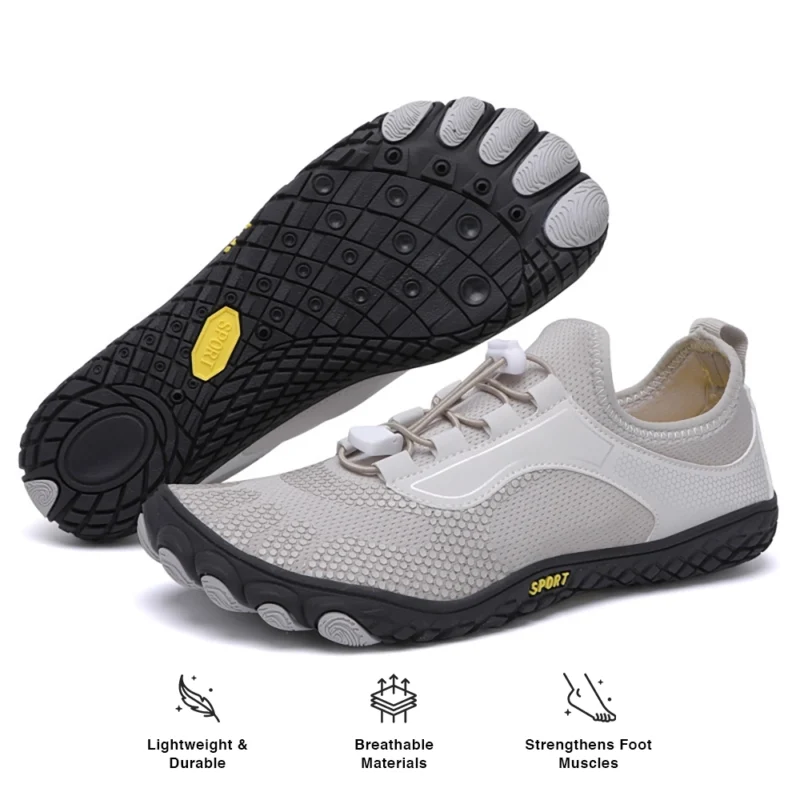
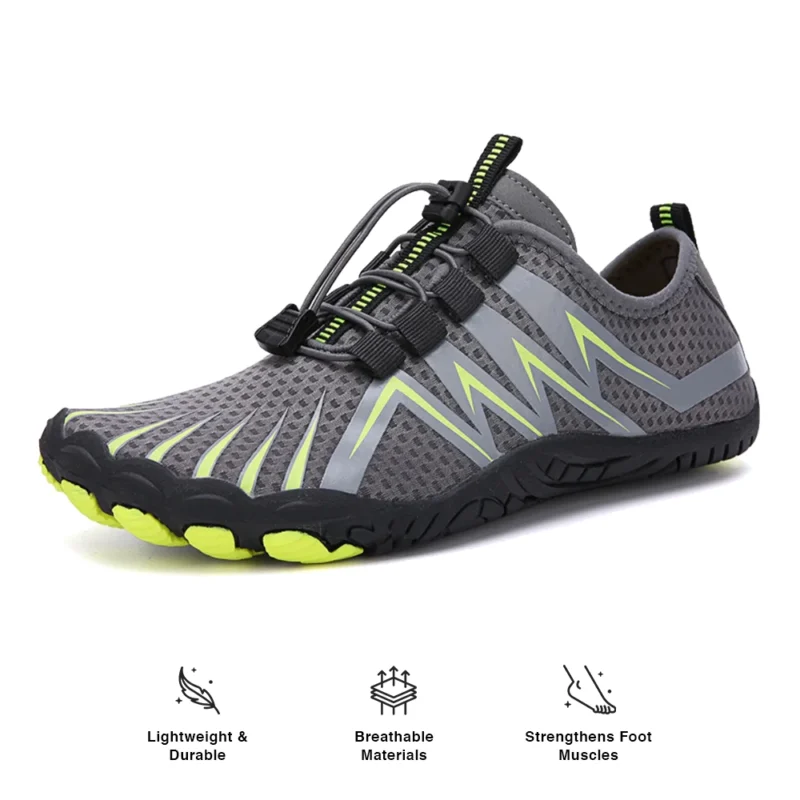
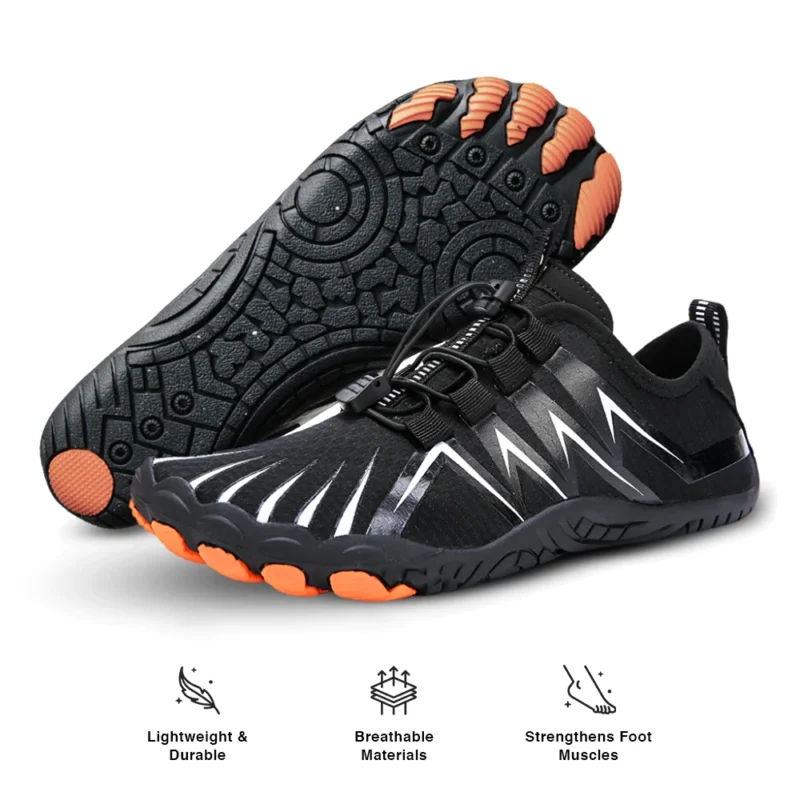
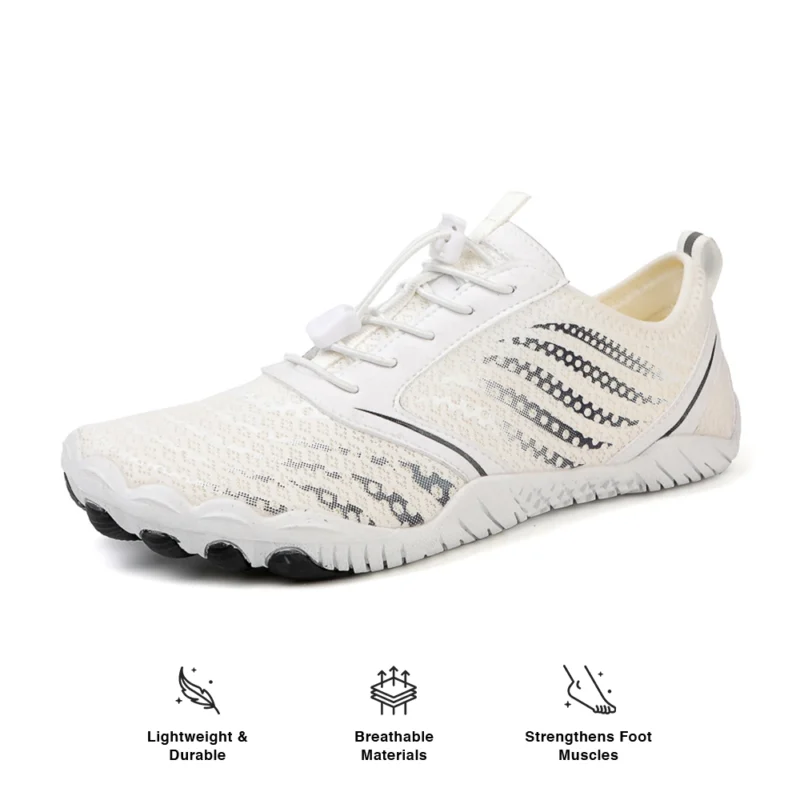
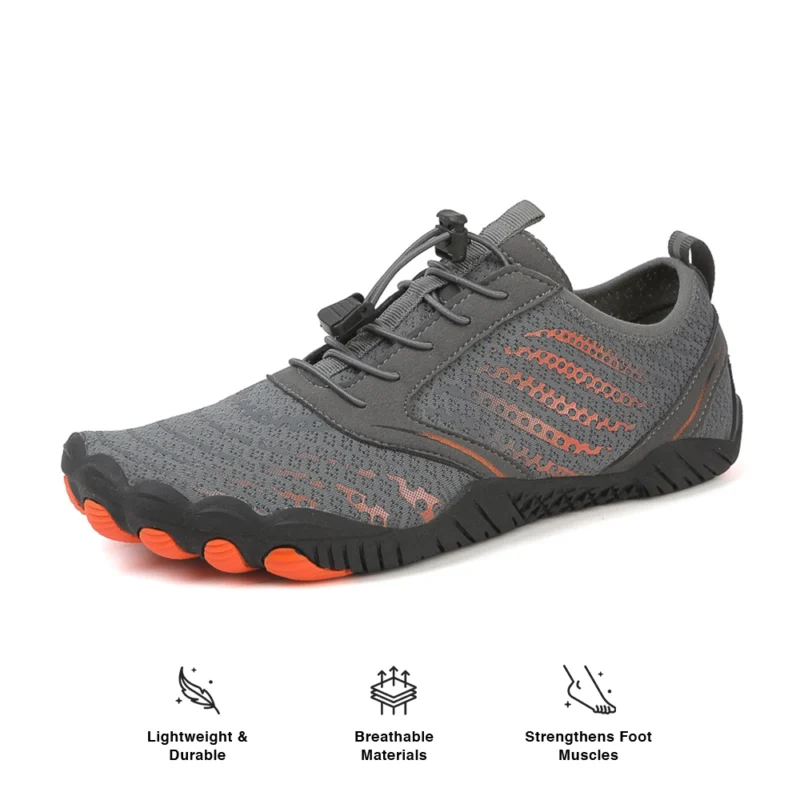
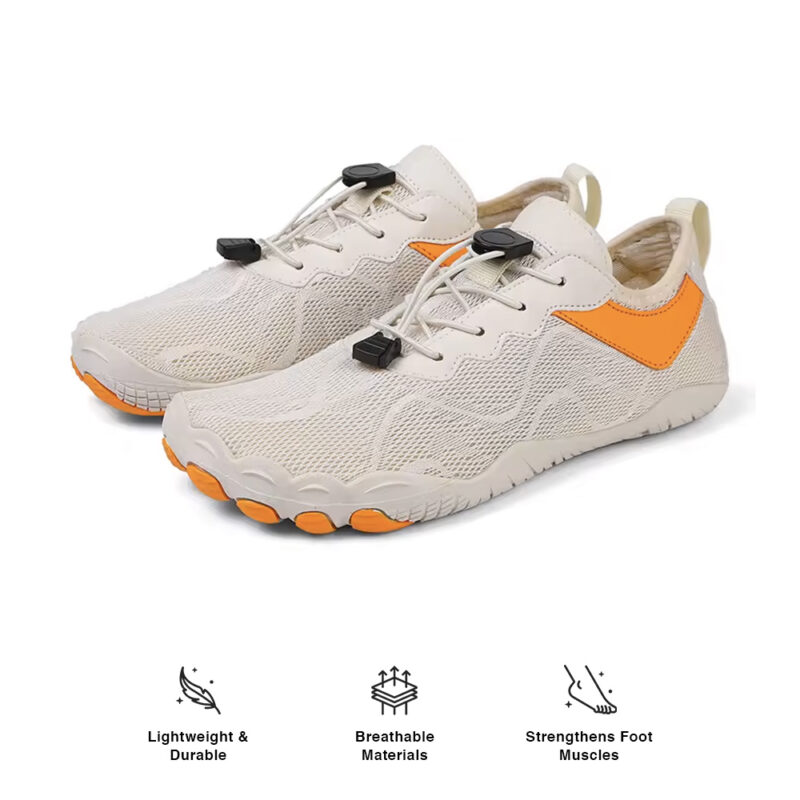
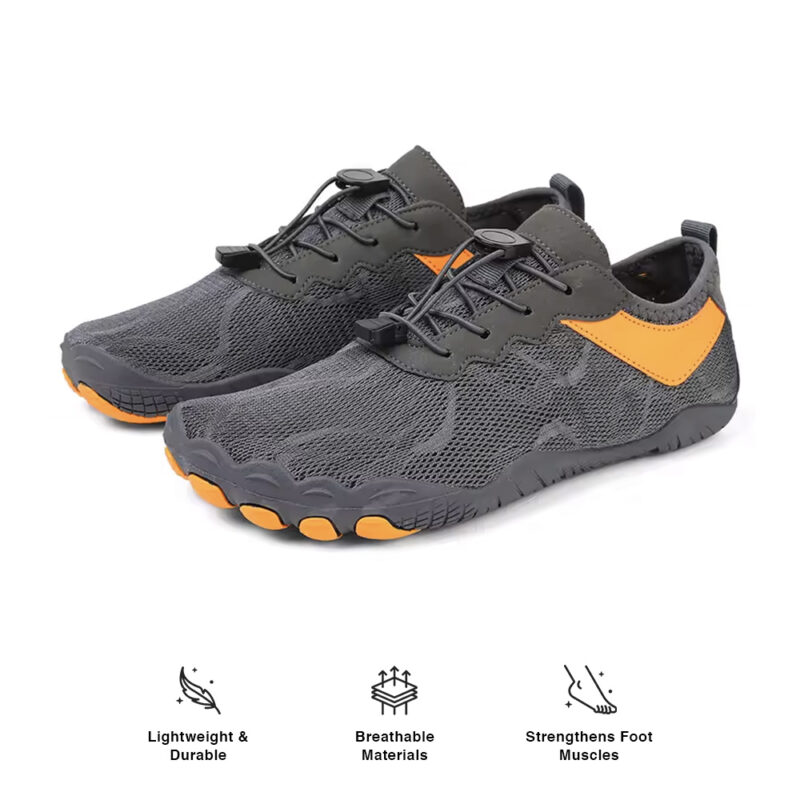
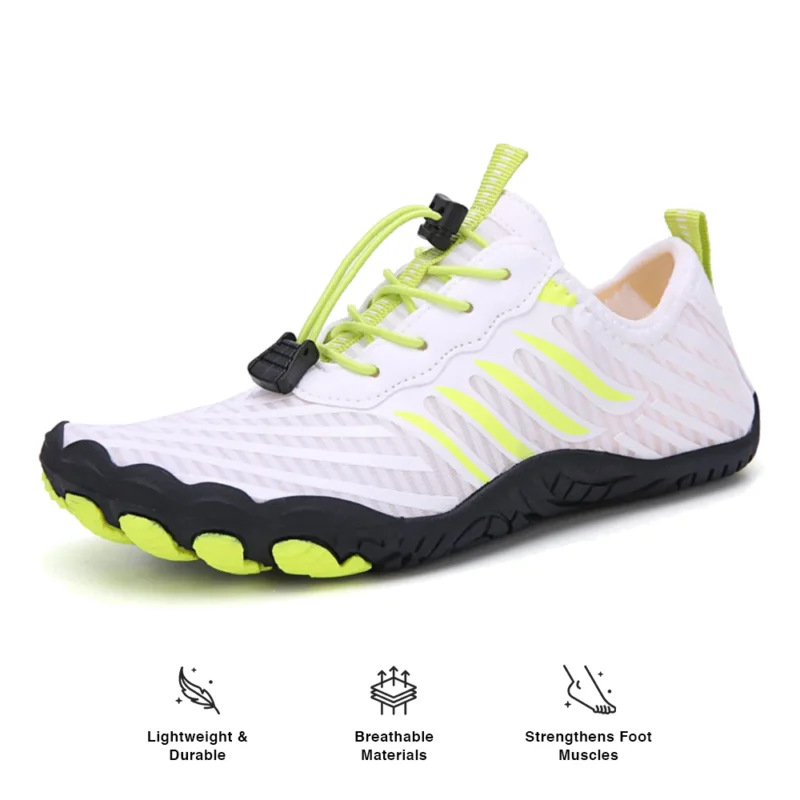
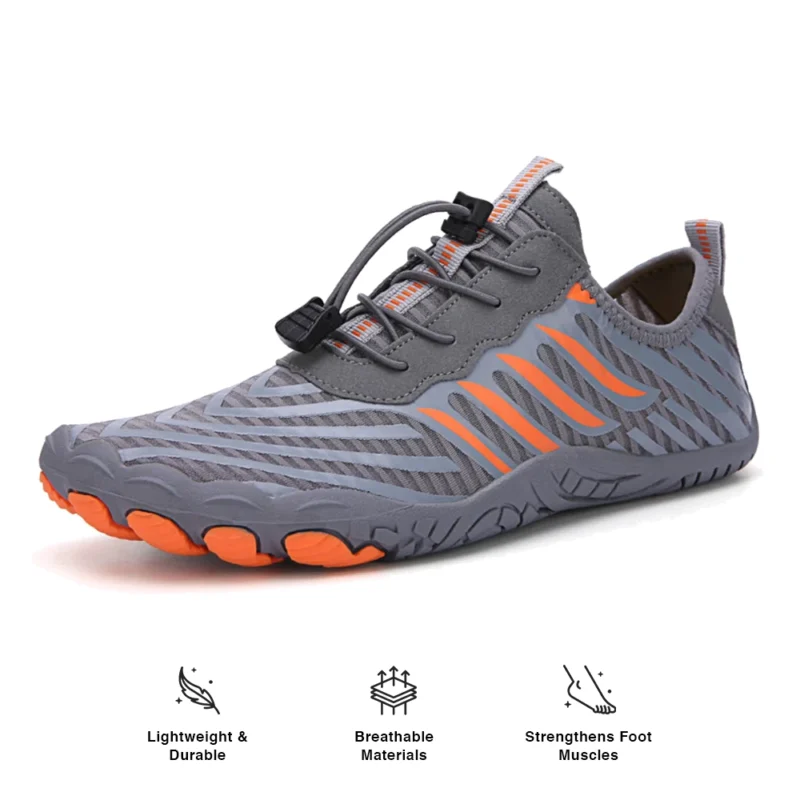
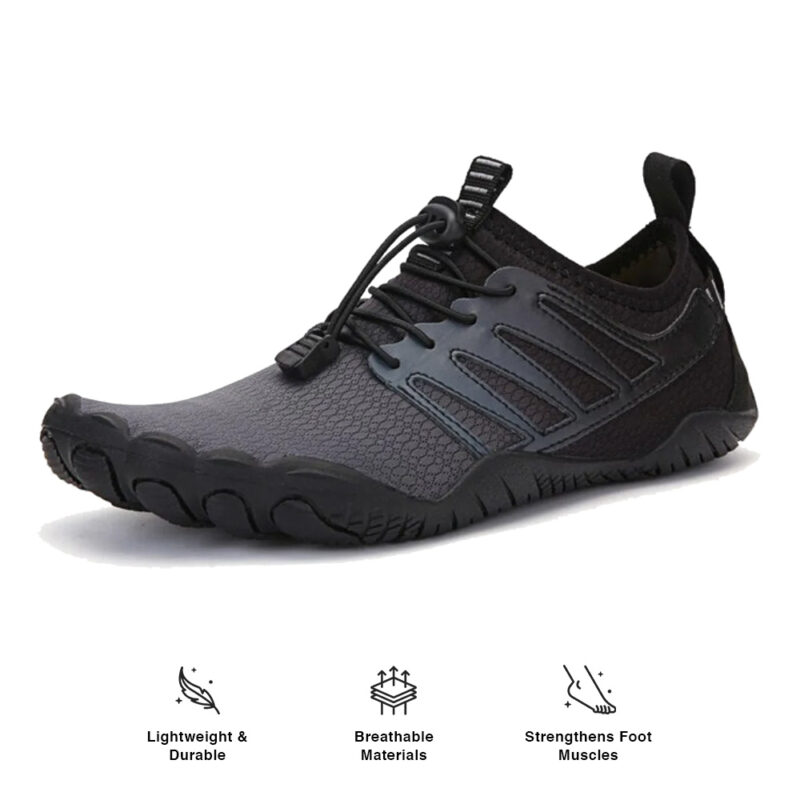
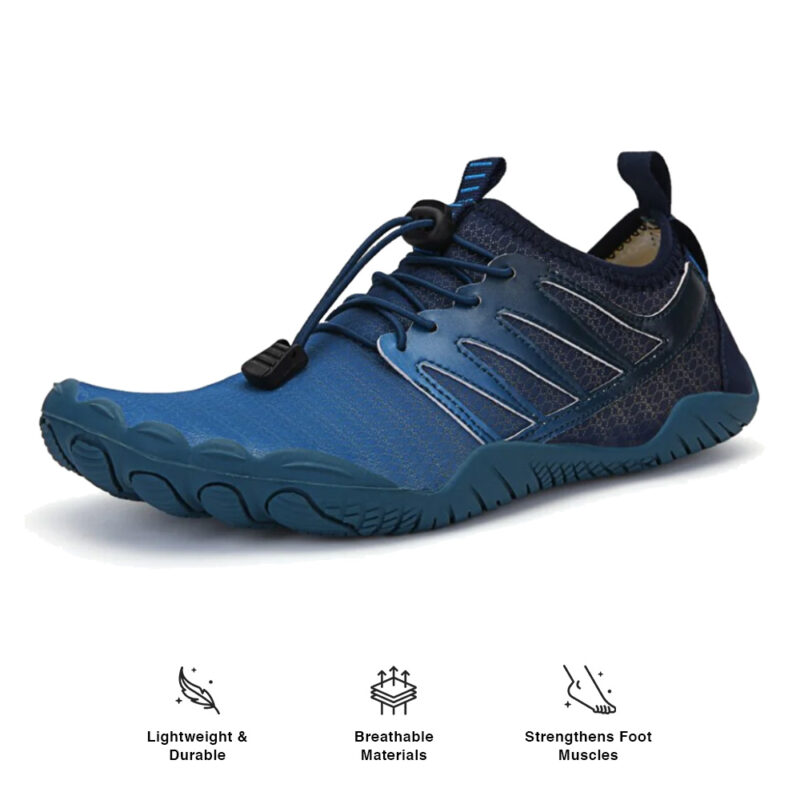
You've been told that more cushioning equals better protection, but this couldn't be further from the truth when searching for the best jogging shoes for men. Excessive padding actually dulls your foot's natural feedback systems and encourages heel striking, which sends shock waves up through your entire kinetic chain. What you need instead is minimal, responsive protection that lets your feet feel the ground while still providing essential coverage. Minimalist running shoes accomplish this through thin, durable soles that protect your feet from debris while maintaining ground connection. Start your transition gradually, beginning with short runs on softer surfaces to allow your feet and calves to adapt to this more natural running style.
Reclaiming Your Natural Foot Shape
Years of wearing narrow, pointed running shoes have likely compressed your toes and altered your foot's natural shape, leading to bunions, hammertoes, and reduced stability during your runs. The best jogging shoes for men should honor your foot's anatomical design with a wide, spacious toe box that allows your toes to spread and function as intended. This toe spreading creates a stable base of support that improves your balance and power transfer with each stride. Look for shoes with toe boxes that match the natural outline of your foot, and consider toe spacers during your daily routine to help restore your toes to their proper alignment.
Building Real Strength from the Ground Up
Traditional running shoes with arch support and motion control features have likely left your feet weak and dependent, unable to handle the natural stresses of running without artificial assistance. True foot strength comes from allowing your intrinsic muscles to work as they were designed, supporting your arches through active muscular engagement rather than passive structural support. The best jogging shoes for men feature flat, zero-drop soles that maintain your natural posture and encourage proper muscle activation throughout your entire kinetic chain. Incorporate barefoot walking and simple foot strengthening exercises into your routine to accelerate your transition to stronger, more capable feet.
Developing Proprioception and Body Awareness
The thick, cushioned soles of conventional running shoes cut off valuable sensory information from your feet, leaving you disconnected from the ground and more prone to missteps and injuries. Your feet contain thousands of nerve endings designed to provide detailed feedback about terrain and your body's position in space. Minimalist jogging shoes restore this crucial connection through thin, flexible soles that allow these sensory systems to function optimally. This enhanced proprioception improves your balance, agility, and natural running efficiency while reducing your risk of ankle sprains and other injuries. Practice running on varied terrain to fully develop these enhanced sensory skills.
Mastering Efficient Running Mechanics
Heavy, restrictive running shoes often promote inefficient heel-striking patterns that waste energy and increase injury risk, but the right minimalist footwear naturally encourages more efficient midfoot or forefoot striking. The best jogging shoes for men are lightweight and flexible, allowing your feet to move through their natural range of motion while promoting a shorter, quicker stride that reduces impact forces. This natural running form engages your body's built-in shock absorption systems – your muscles, tendons, and fascia – rather than relying on artificial cushioning. Focus on maintaining a quick cadence and landing with your feet beneath your center of gravity to maximize these biomechanical advantages.
Choosing Durability That Supports Your Journey
You need running shoes that can withstand regular use while maintaining their minimalist properties over thousands of miles, not footwear that breaks down quickly or loses its supportive structure. The best jogging shoes for men combine high-quality materials with thoughtful construction that prioritizes longevity without sacrificing the natural movement that makes them effective. Look for shoes with reinforced high-wear areas, quality stitching, and sole compounds that provide good grip without excessive thickness. Rotate between multiple pairs to extend their lifespan and give your feet varied stimulus that promotes continued adaptation and strength development.
Transitioning Safely to Natural Movement
Your journey to stronger, healthier feet requires patience and a structured approach that respects your body's need for gradual adaptation to this more natural way of moving. Start with short runs and gradually increase distance and intensity as your feet, calves, and entire kinetic chain adapt to the demands of minimalist running. Listen to your body's feedback and don't rush the process – true foot strength and optimal running form develop over months, not weeks. Consider working with a running coach familiar with natural running techniques to ensure you're developing proper form and avoiding common transition mistakes that can lead to injury.