Your Feet Are Stronger Than You Think
You've been told your pronation is a weakness that needs correction, but what if it's actually a sign that your feet are trying to function naturally in an unnatural environment? When you've worn restrictive shoes for years, the small stabilizing muscles in your feet become dormant, forcing larger muscle groups to compensate in ways that create the rolling motion you're experiencing. The best running shoes for pronation work with your foot's intelligence rather than against it, allowing those dormant muscles to reactivate and provide the stability you're seeking from the ground up. Start your transition gradually, spending just 10-15 minutes daily walking barefoot on varied surfaces to begin awakening these natural stabilizers.
Ground Connection Changes Everything
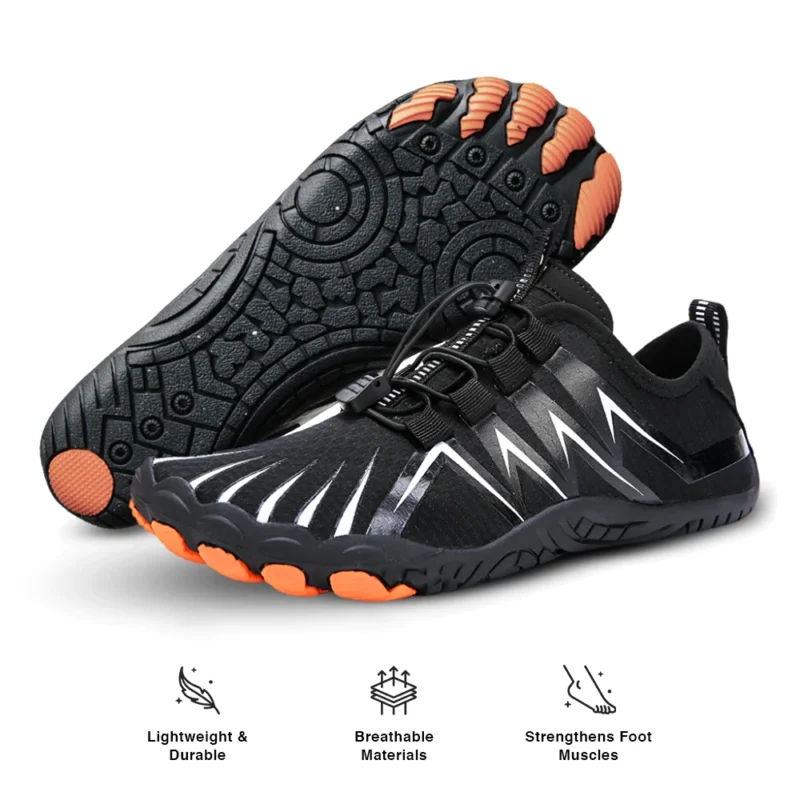
Every step you take sends valuable feedback through your feet to your brain, helping you adjust your balance, stride, and landing instinctively—but thick soles block this crucial communication. Without proper ground feedback, your body makes assumptions about terrain and impact that often result in overcompensation and the pronation patterns that concern you. When you choose the best running shoes for pronation that maintain ground connection through thin, flexible soles, your proprioceptive system can do what it does best: automatically adjust your gait for optimal efficiency and comfort. Practice this connection by incorporating short barefoot walks on grass or sand into your routine, paying attention to how differently your feet respond when they can truly feel the ground.
Natural Toe Spread Transforms Your Foundation
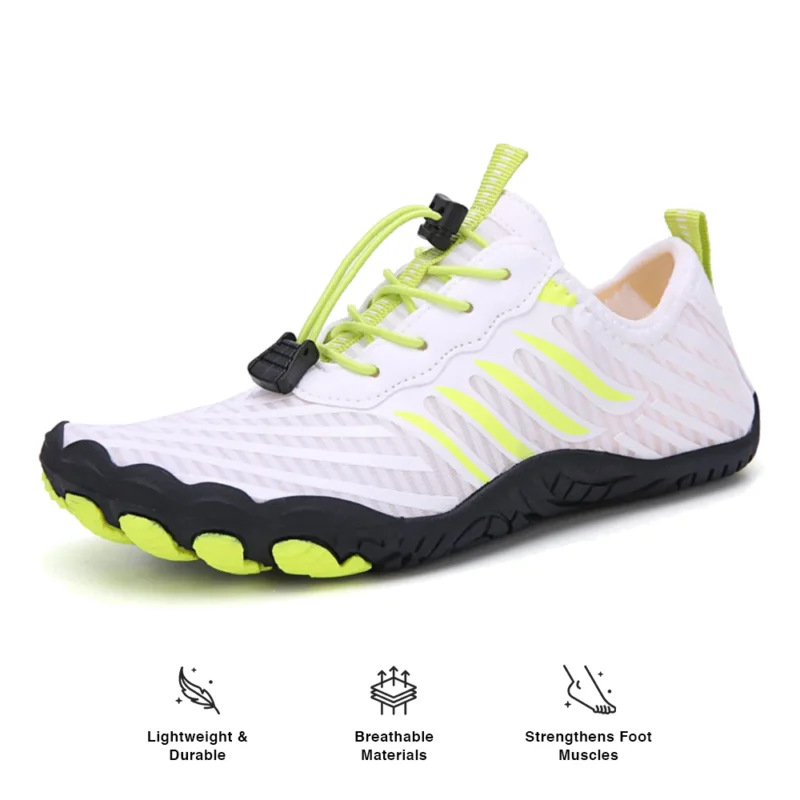
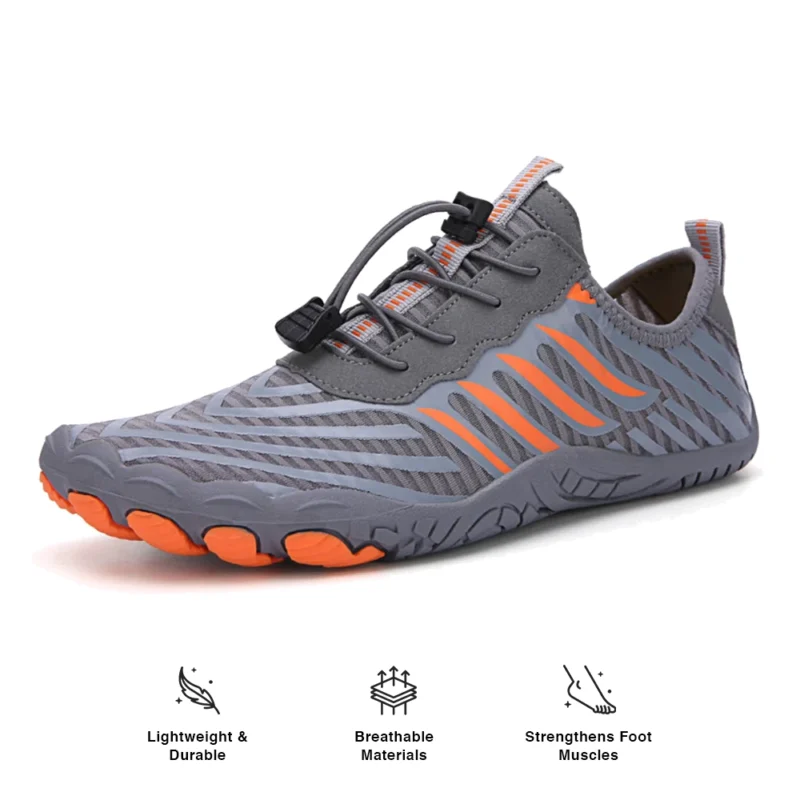
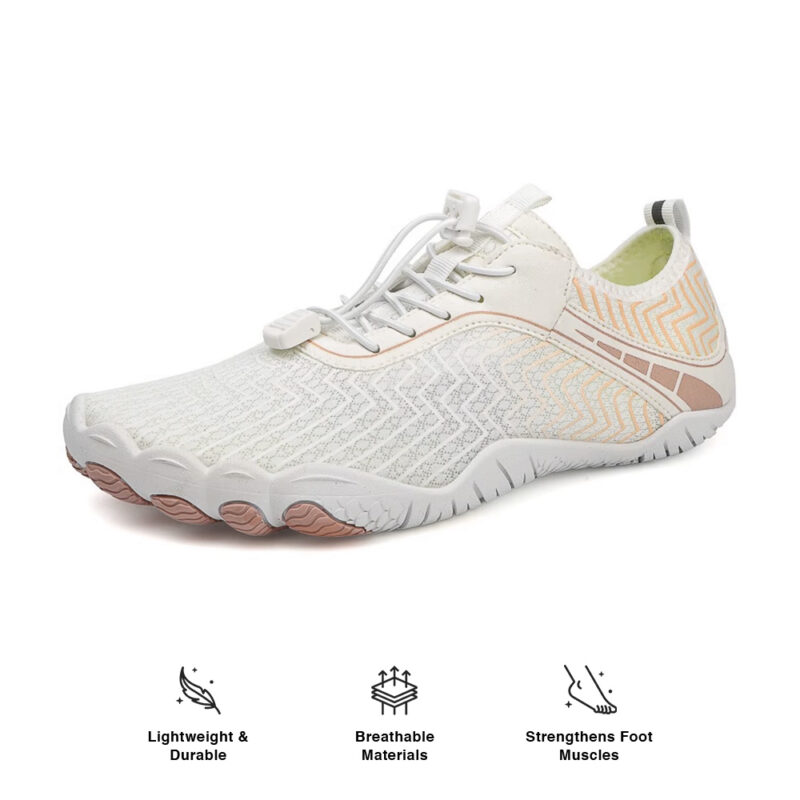
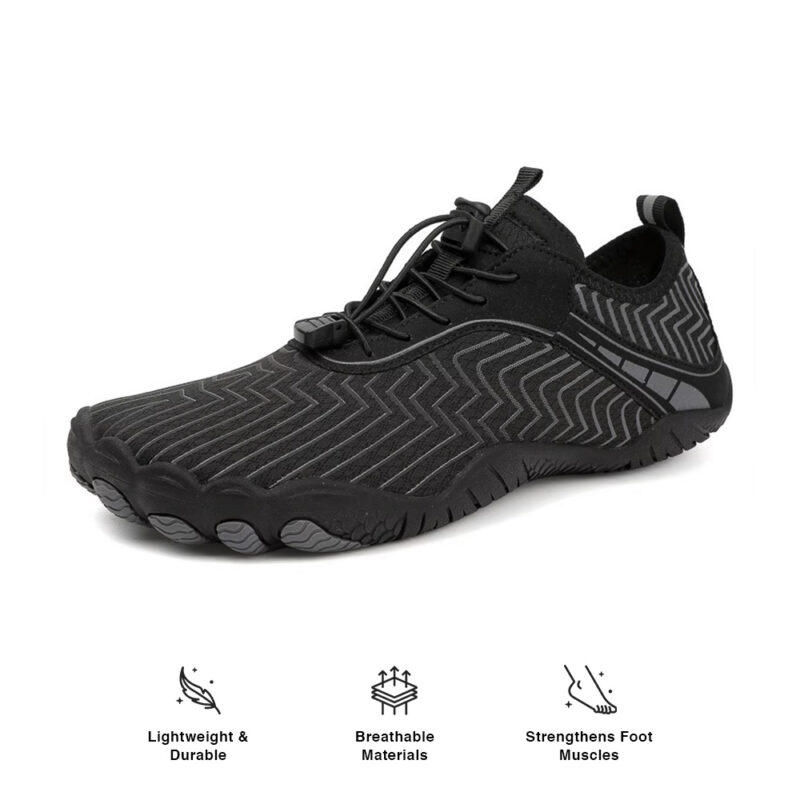
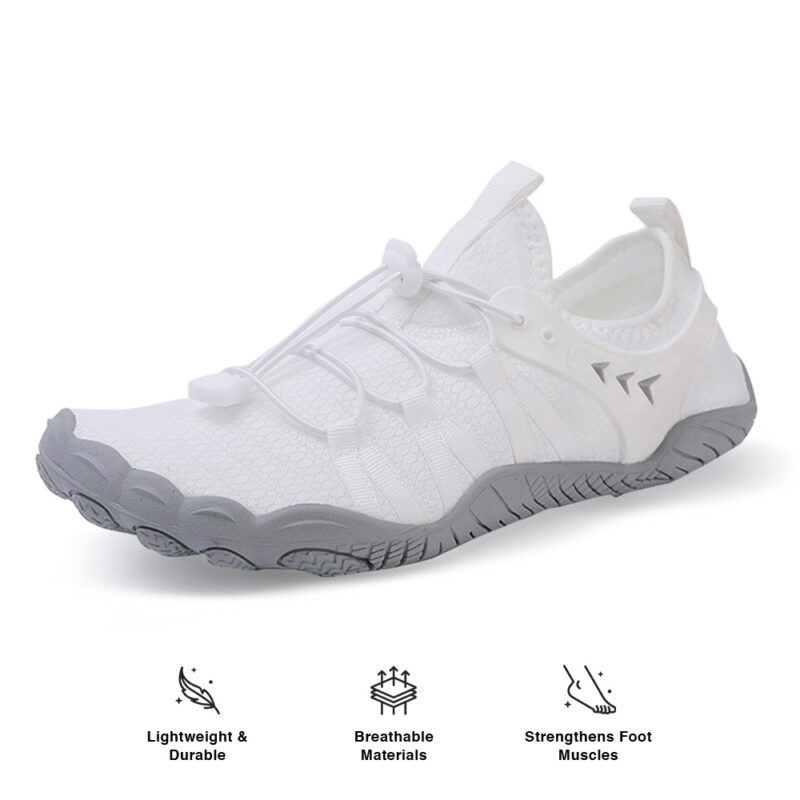
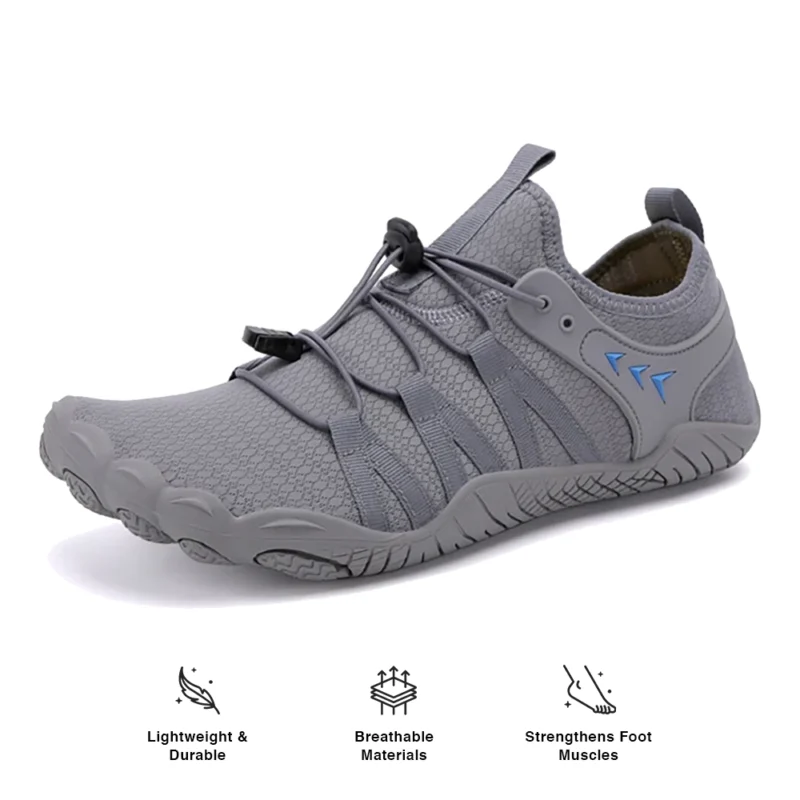
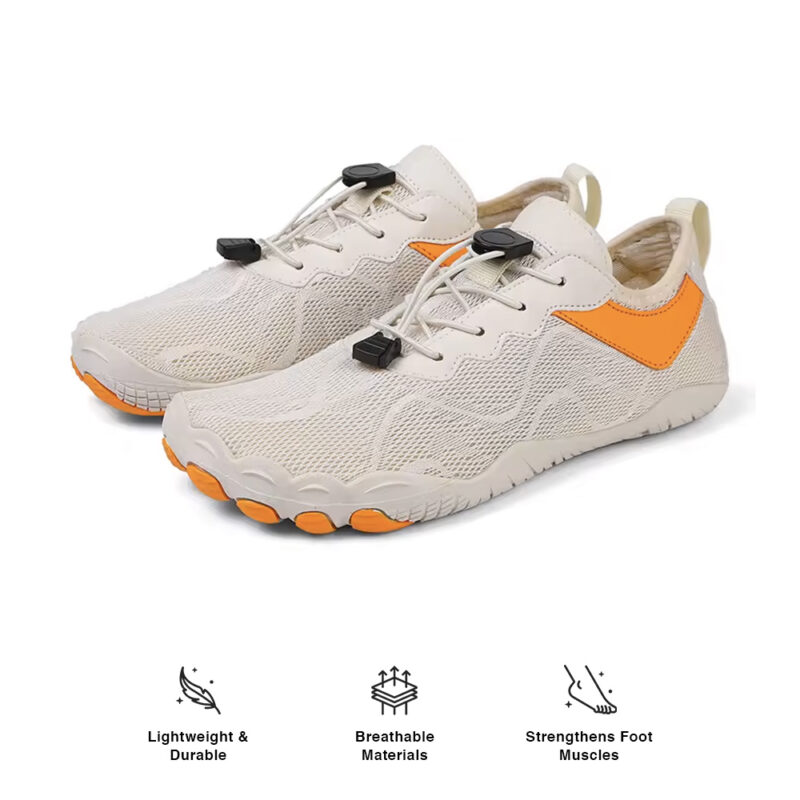
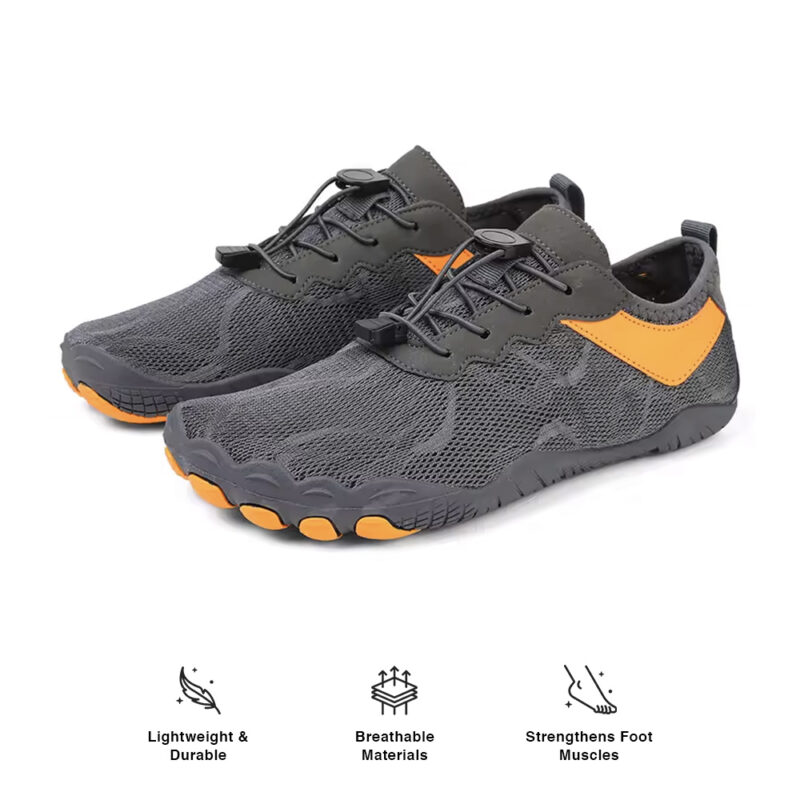
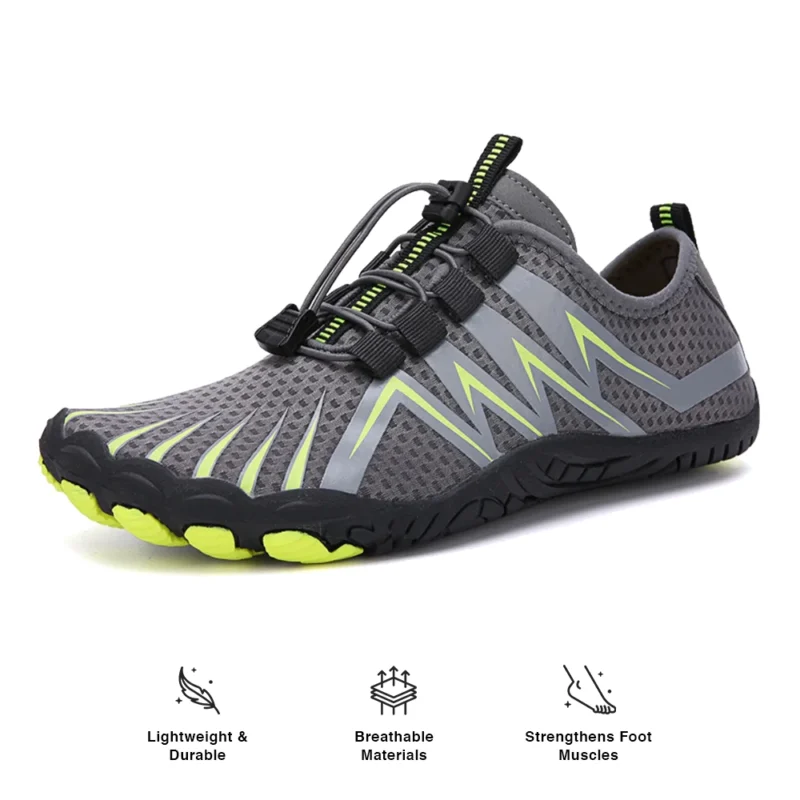
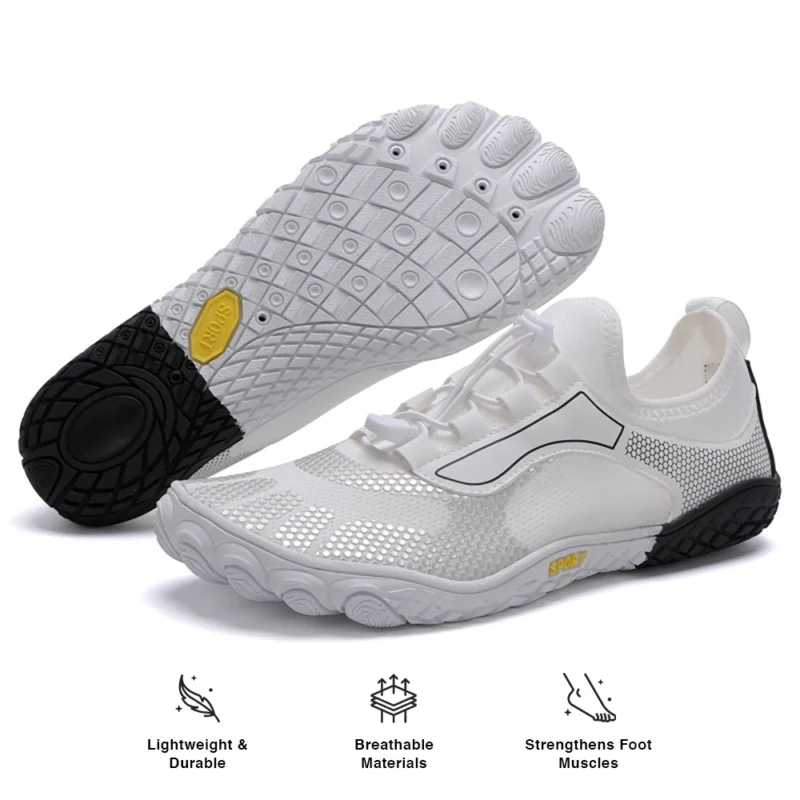
Your toes aren't meant to be squeezed together—they're designed to spread wide and create a stable platform for every step, but narrow toe boxes have trained them into an unnatural position that compromises your entire kinetic chain. When your toes can't spread naturally, your foot loses its ability to create a strong, stable base, forcing your ankle and lower leg to work harder to maintain balance during the rolling motion of each stride. The best running shoes for pronation feature wide toe boxes that allow your feet to function as the broad, stable platforms they were designed to be, immediately improving your balance and reducing the compensation patterns that create discomfort. Spend time each day consciously spreading your toes and strengthening them with simple exercises like toe lifts and marble pickups.
Your Arch Has Its Own Intelligence
You've likely been told you need external arch support, but your foot's arch is a dynamic structure designed to compress and spring back with each step—artificial supports prevent this natural motion and actually weaken the muscles that should be supporting you. When rigid arch supports do the work your muscles should be doing, those muscles atrophy further, creating a dependency that makes you feel like you need more support rather than less. The best running shoes for pronation trust your foot's natural arch mechanism, allowing it to compress efficiently on landing and spring back powerfully for propulsion, building strength with every step rather than creating weakness through disuse. Begin strengthening your arch naturally by practicing calf raises and single-leg balance exercises that challenge your foot's stabilizing system.
Movement Freedom Prevents Overuse
Rigid motion control features force your foot into predetermined movement patterns that may not match your body's unique biomechanics, creating friction and stress in unexpected places throughout your kinetic chain. When shoes restrict natural foot motion, your body finds ways to move that work around these restrictions, often creating the very problems the shoes were designed to prevent. The best running shoes for pronation allow your feet to move through their full range of motion, letting your body find its most efficient movement patterns naturally while building the strength to maintain those patterns consistently. Incorporate dynamic foot mobility exercises like ankle circles and calf stretches into your pre-run routine to prepare your feet for unrestricted movement.
Gradual Transition Builds Lasting Strength
Your journey away from heavily cushioned, motion-controlling footwear requires patience and respect for your body's adaptation process—rushing into minimal footwear can create temporary discomfort as dormant muscles remember how to work. The transition to finding the best running shoes for pronation that support natural movement should happen gradually, allowing your feet and lower legs to build strength progressively while your nervous system adapts to processing more ground feedback. Start with just 10-15 minutes of walking or light jogging in flexible footwear, increasing duration by no more than 10% each week while paying attention to how your body responds and adapts. This methodical approach ensures that your newfound foot strength becomes permanent rather than temporary, giving you the lasting comfort and performance you've been seeking.
Trust Your Body's Wisdom
Years of being told your natural gait is wrong have created doubt about your body's ability to run efficiently, but your pronation pattern may actually be your body's intelligent adaptation to restricted movement rather than a fundamental flaw. When you remove the restrictions and give your feet the freedom to move naturally, you often discover that your body knew what it was doing all along—it just needed the opportunity to demonstrate its wisdom. The best running shoes for pronation get out of your body's way, allowing your natural intelligence to optimize your gait through unrestricted movement and proper ground feedback rather than forcing predetermined patterns that may not serve your unique structure. Build confidence in this process by keeping a simple journal of how your feet and legs feel during your transition, noting improvements in strength, balance, and comfort as your natural movement patterns emerge.