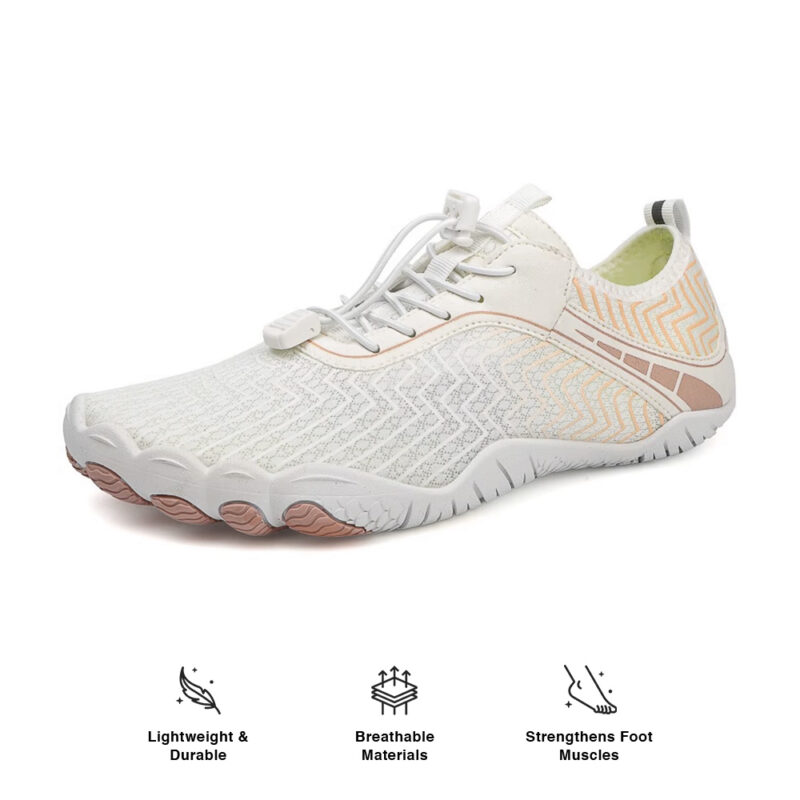
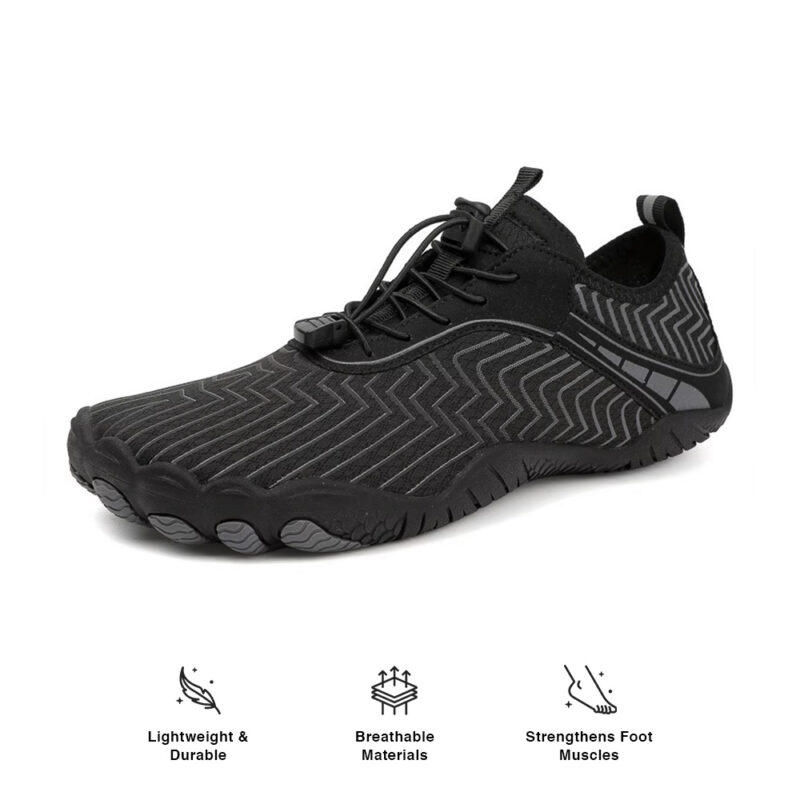
Why Your Feet Hurt After Teaching (And How to Fix It)
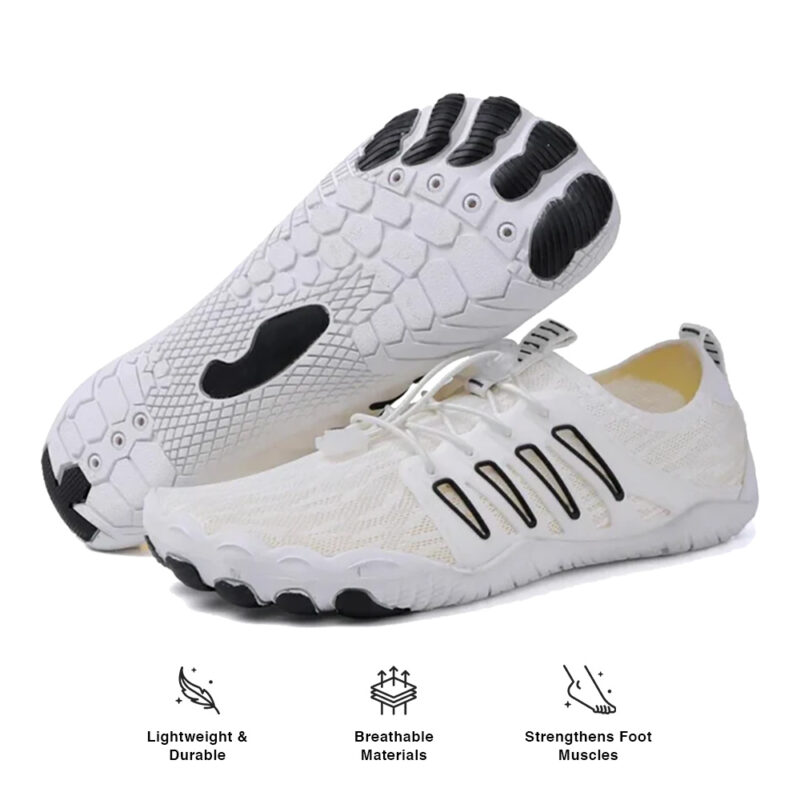
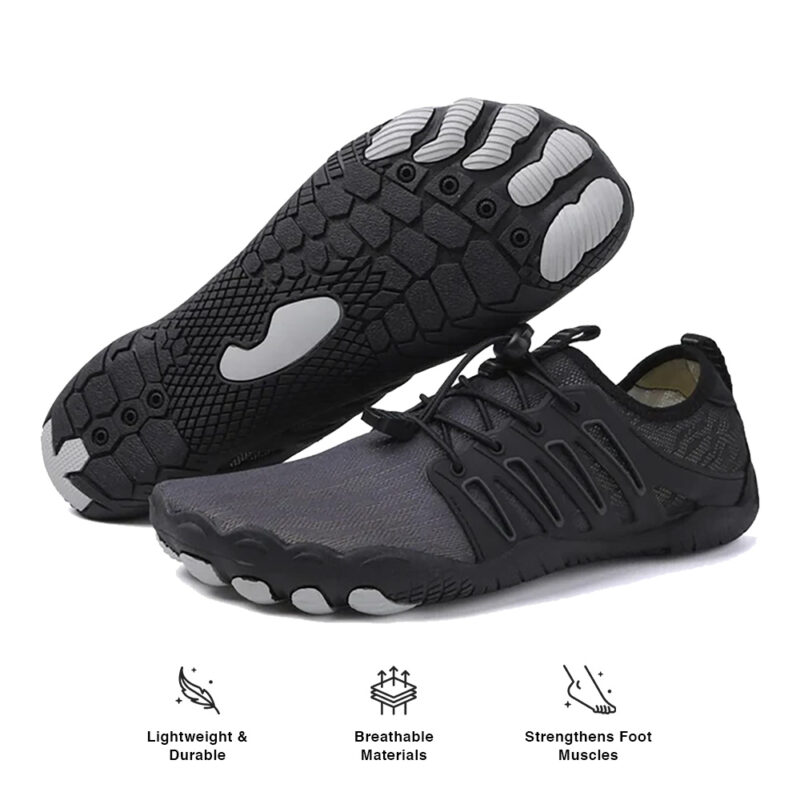
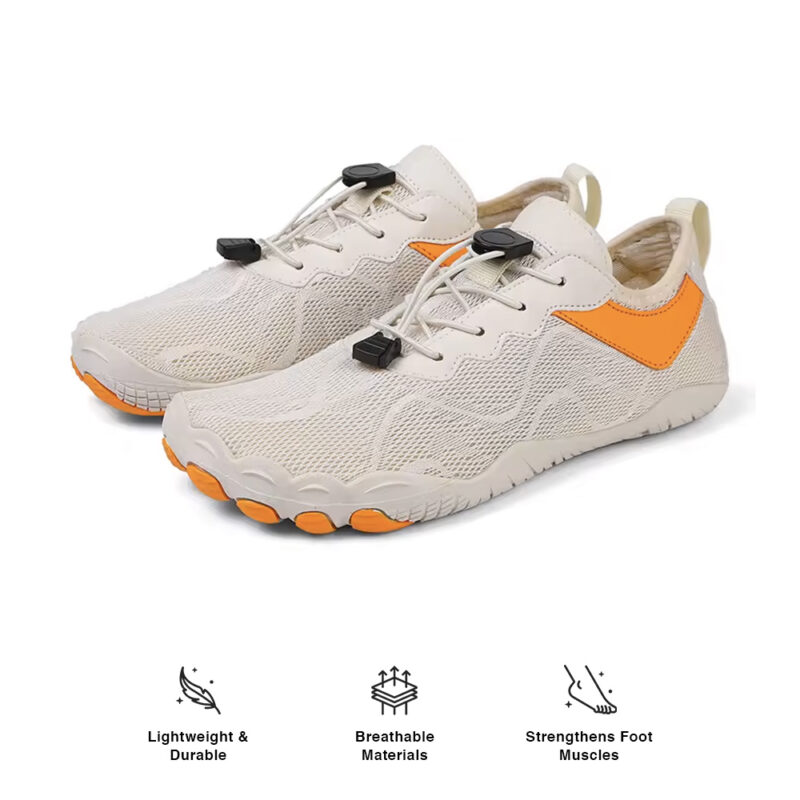
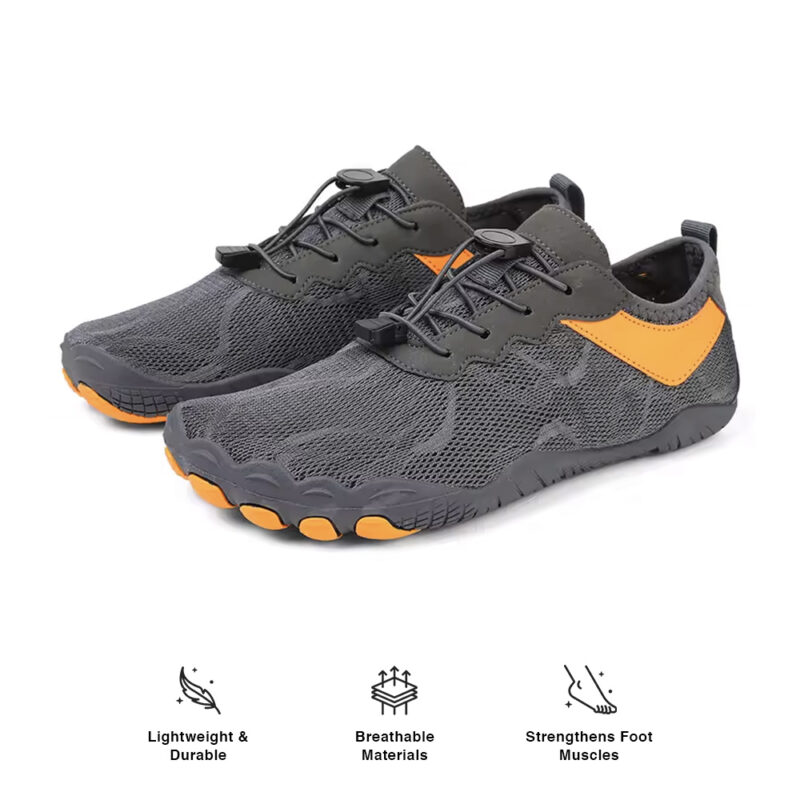
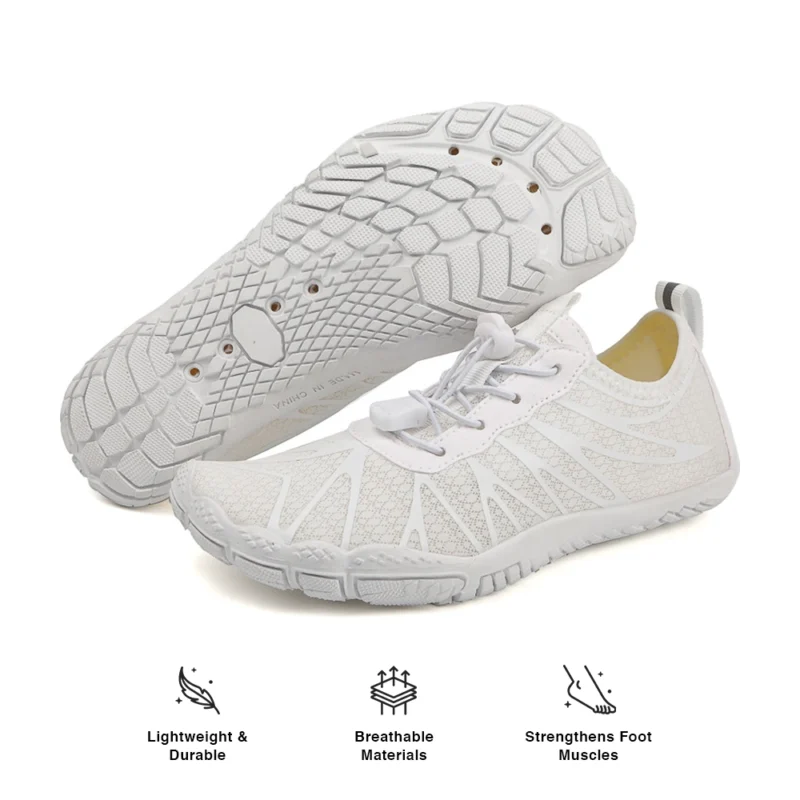
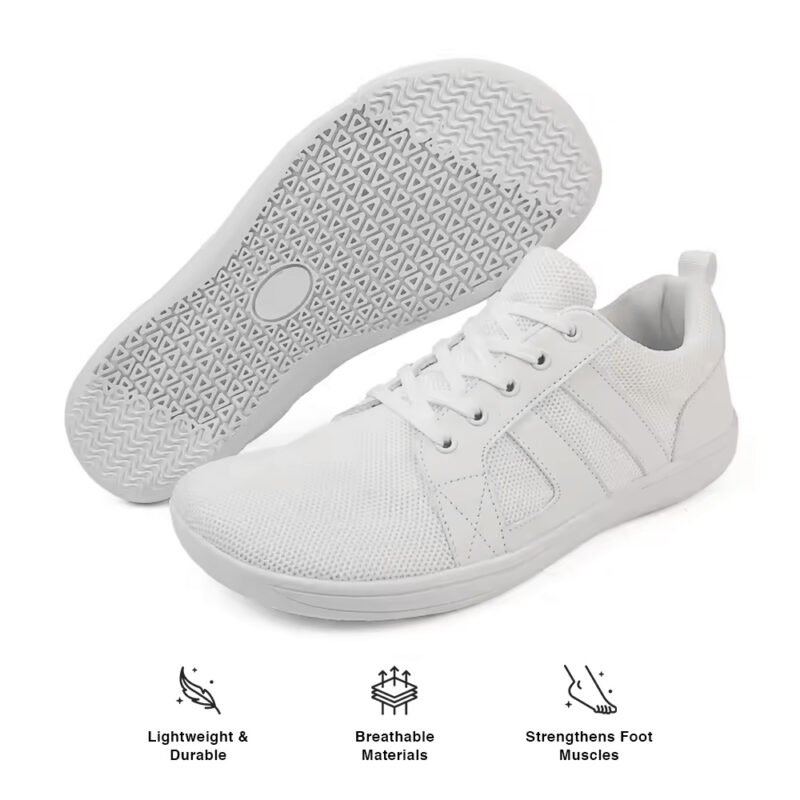
Traditional teaching shoes often create a cycle of dependency where thick soles and rigid structures actually weaken your feet over time. When your feet can't feel the ground or move naturally, the small muscles that should be supporting you throughout the day become dormant and weak. The best shoes for teachers break this cycle by allowing your feet to engage with each step, building strength rather than creating reliance on artificial cushioning. Start transitioning gradually by wearing minimalist shoes for shorter periods, allowing your feet to adapt and strengthen naturally.
Finding Shoes That Move With Your Teaching Style
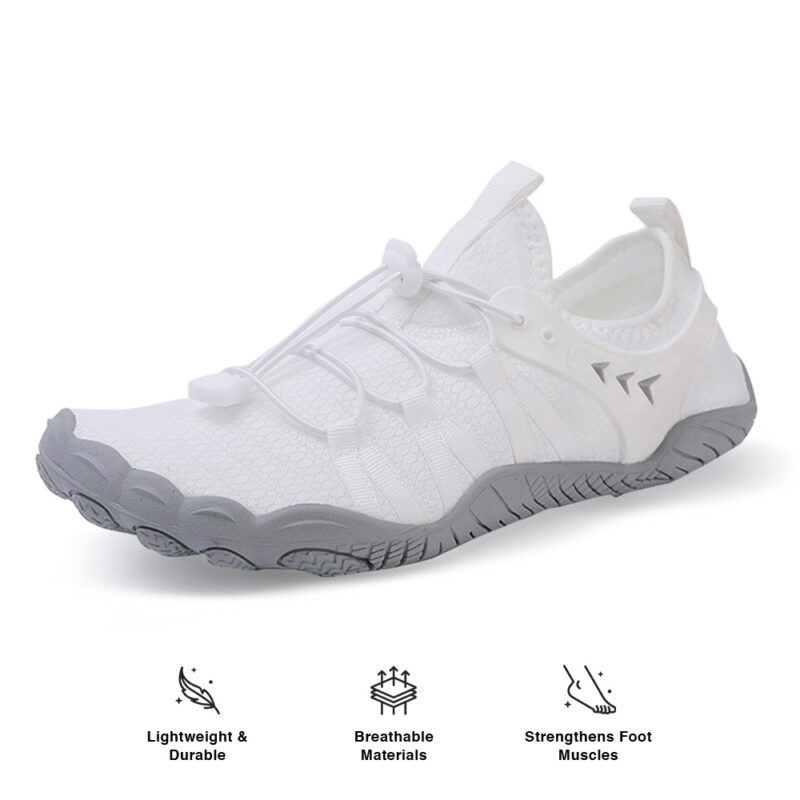
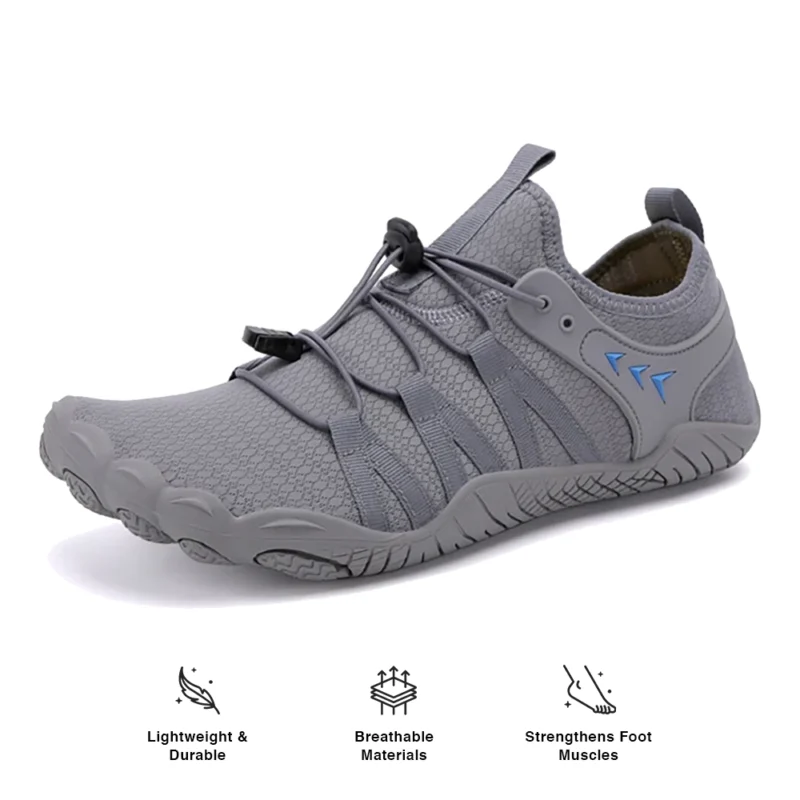
Every teaching day brings unexpected movements—crouching beside student desks, pivoting quickly between activities, or standing for extended periods during presentations. Rigid, heavily structured footwear restricts these natural movements and forces your body into unnatural alignment patterns. The best shoes for teachers feature flexible soles and roomy toe boxes that accommodate your foot's natural shape and movement patterns, allowing you to move confidently through every teaching moment. Look for shoes with zero-drop soles that keep your heel and toe at the same level, promoting better posture and reducing strain on your back and legs.
Lasting Energy Throughout Your Teaching Day
That afternoon energy crash isn't just about mental fatigue—it's often connected to how your feet and legs are working throughout the day. When shoes prevent natural foot movement, your body compensates by using larger muscle groups inefficiently, leading to faster fatigue. Barefoot-inspired designs for teaching allow your feet to work as nature intended, using the complex network of muscles, tendons, and ligaments to support your body efficiently. Choose shoes with thin, flexible soles that let you feel connected to the ground while still providing protection from classroom surfaces.
Building Stronger Feet for Long-Term Teaching Health
Teaching is a career that spans decades, and your feet need to stay strong and healthy for the long haul. Conventional shoes with excessive cushioning and support actually prevent your feet from developing their natural strength and resilience. The best shoes for teachers encourage foot muscle development through natural movement patterns, creating a foundation of strength that serves you year after year. Begin strengthening your feet by going barefoot at home when possible, and gradually incorporating toe exercises and calf stretches into your daily routine.
Professional Appearance Without Compromising Foot Health
School dress codes and professional expectations don't have to mean sacrificing foot health for appearance. Today's minimalist and barefoot-style shoes come in professional designs that meet classroom standards while supporting natural foot function. The best shoes for teachers balance professional aesthetics with functional design, featuring clean lines, appropriate materials, and colors that work with your teaching wardrobe. Focus on finding shoes that look polished and appropriate while maintaining the flexibility and natural shape your feet need to stay healthy.
Adapting to Different Classroom Surfaces and Environments
From carpeted classrooms to gymnasium floors, outdoor supervision to library visits, teaching takes you across various surfaces throughout the day. Shoes that allow natural proprioception—your body's ability to sense position and movement—help you adapt confidently to these changing environments. The best shoes for teachers provide protection while maintaining ground feel, allowing your feet to automatically adjust to different surfaces and maintain better balance and stability. Consider having different minimalist options for various teaching environments, ensuring you always have appropriate footwear that supports natural movement.
Making the Transition to Healthier Teaching Footwear
Switching to more natural footwear requires patience and gradual adaptation, especially when you're on your feet for extended teaching periods. Your feet and legs need time to develop the strength and endurance that comes with natural movement patterns. Start by wearing minimalist shoes for shorter periods or during planning periods, gradually increasing the time as your feet adapt and strengthen. Listen to your body during the transition, and remember that some initial muscle soreness is normal as your feet begin working in new ways.