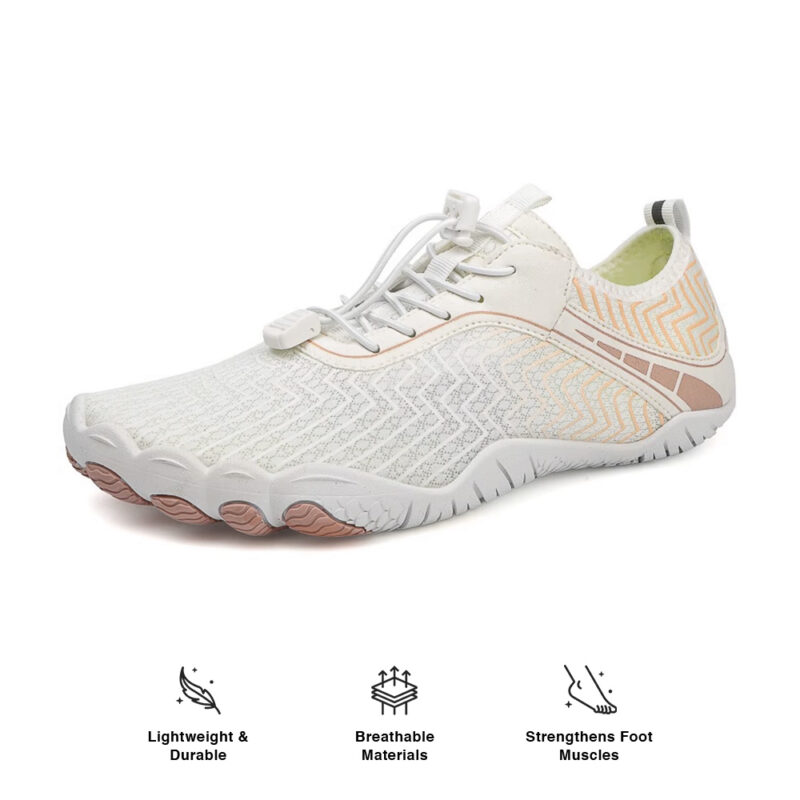
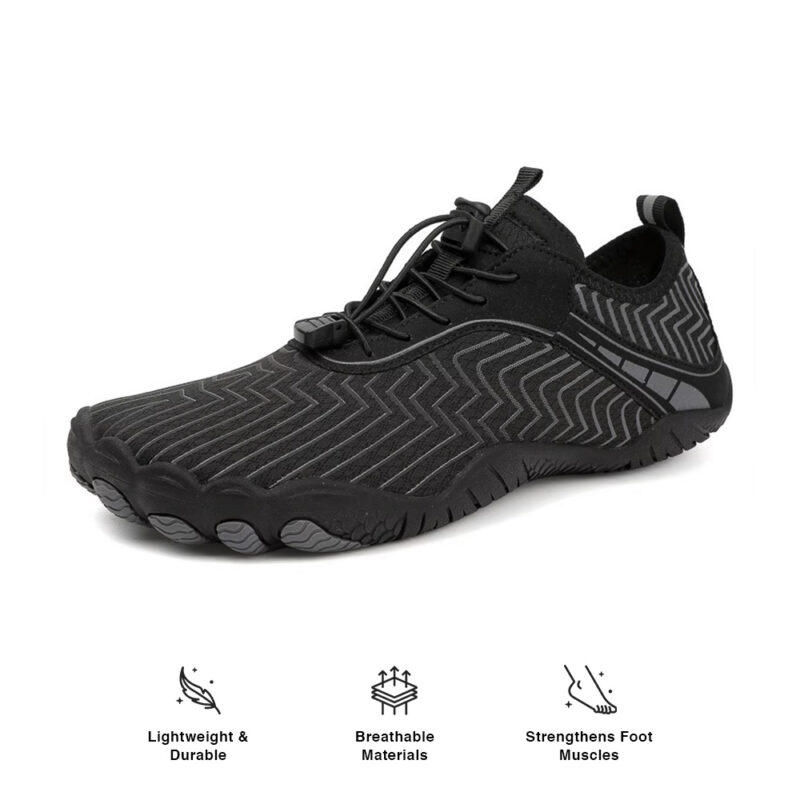
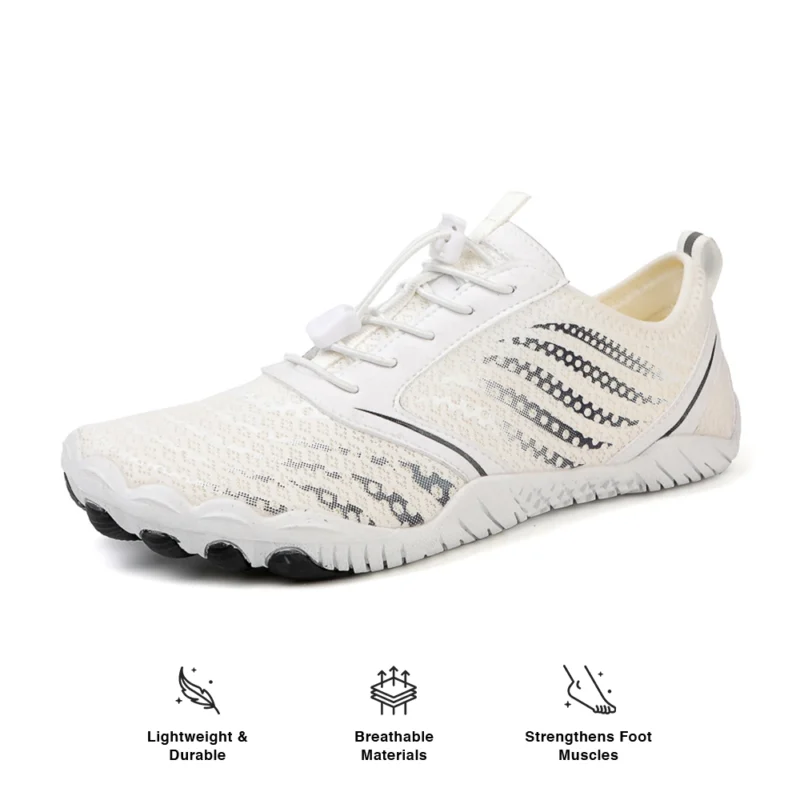
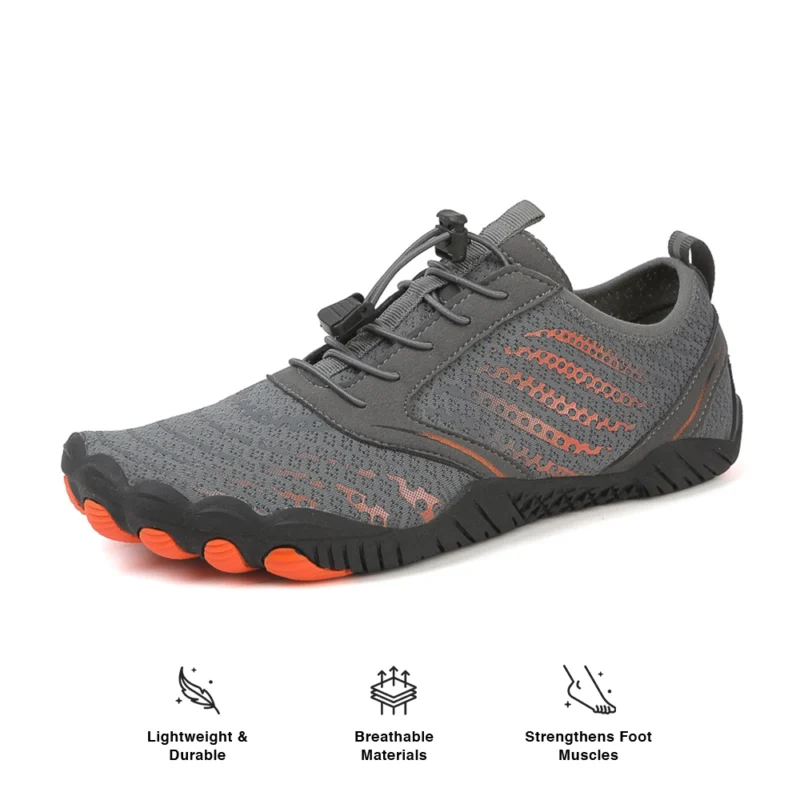
Best Shoes for Walking in Europe
You're a traveler who dreams of wandering through Rome's ancient streets, strolling along Amsterdam's canals, and exploring Barcelona's vibrant neighborhoods—all without wincing with every step. You've probably experienced the frustration of choosing between comfort and style, only to end up with aching feet that cut your adventures short.
The core problem isn't just finding comfortable shoes. It's finding footwear that works with your body's natural design instead of fighting against it. Traditional travel shoes often create dependency through artificial support, leaving your feet weaker over time. Your feet become reliant on cushioning and arch support, making them less capable of handling varied terrain.
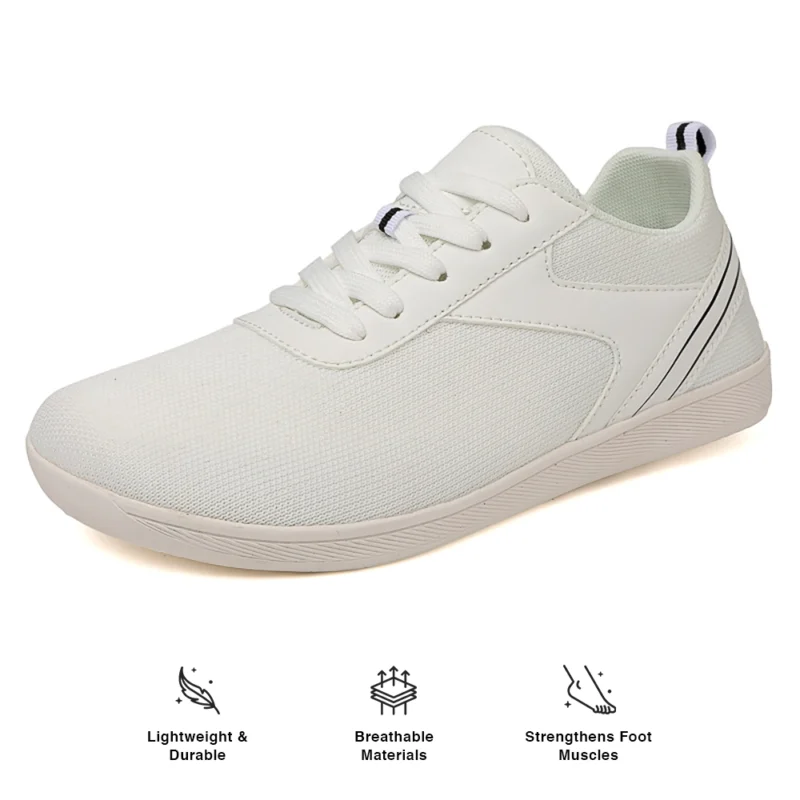
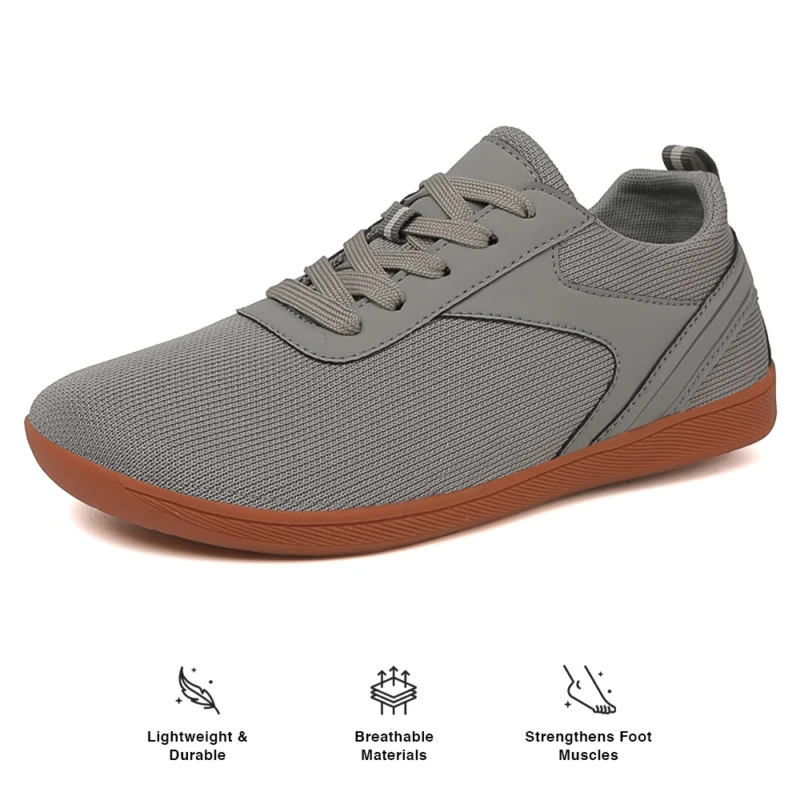
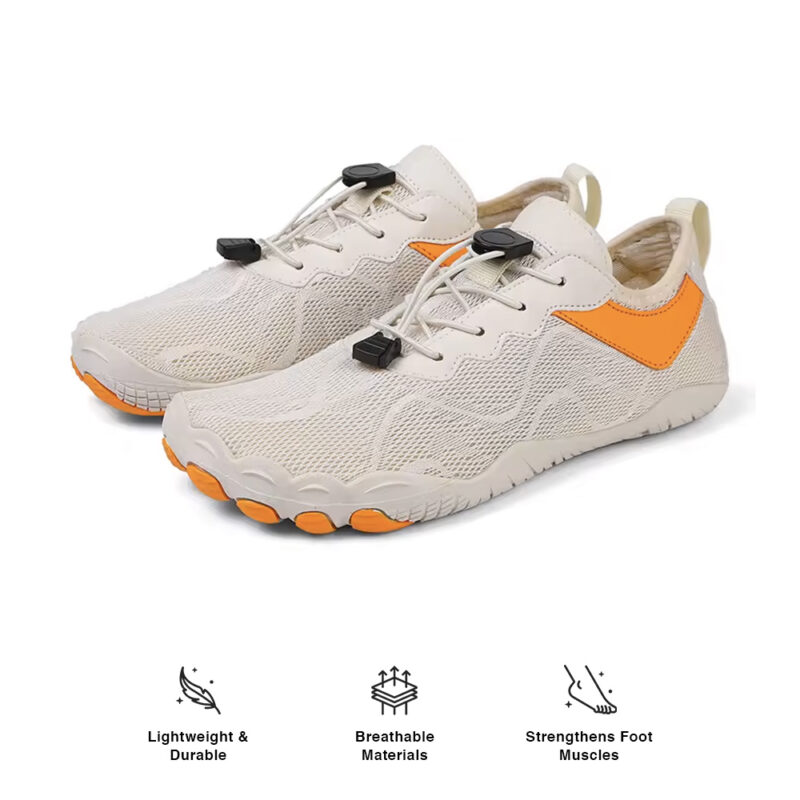
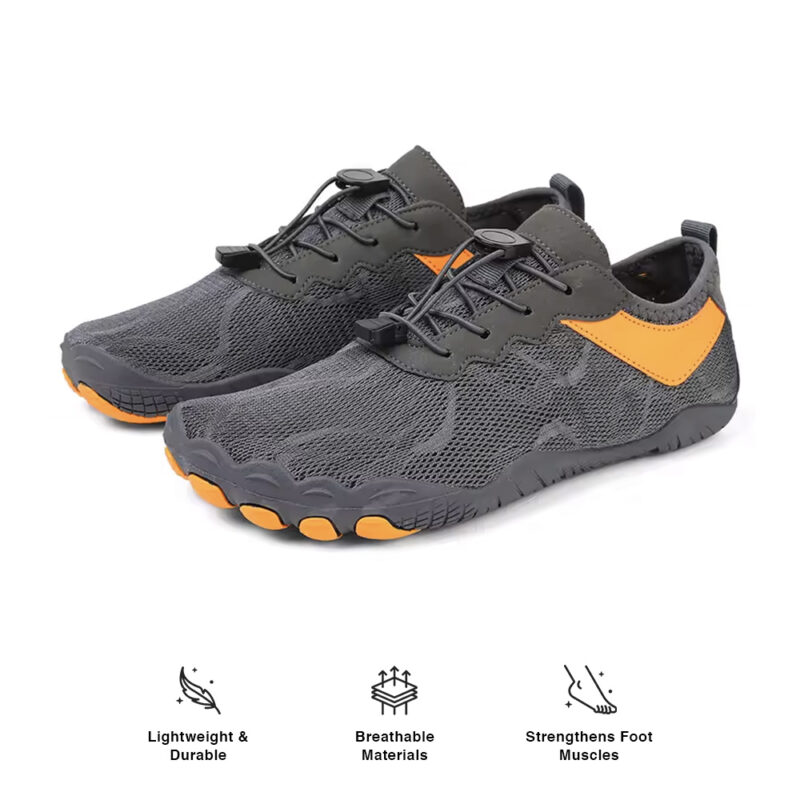
What you truly need are shoes that allow your feet to move naturally while protecting them from rough surfaces. You want lightweight options that pack easily, breathe well during long days, and develop strength in your feet rather than creating weakness.
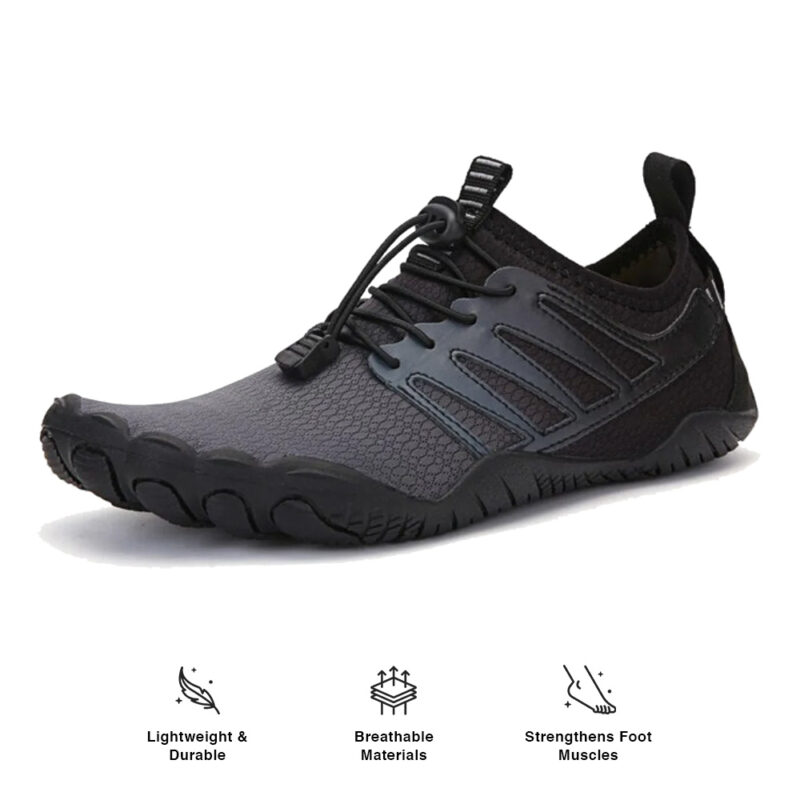
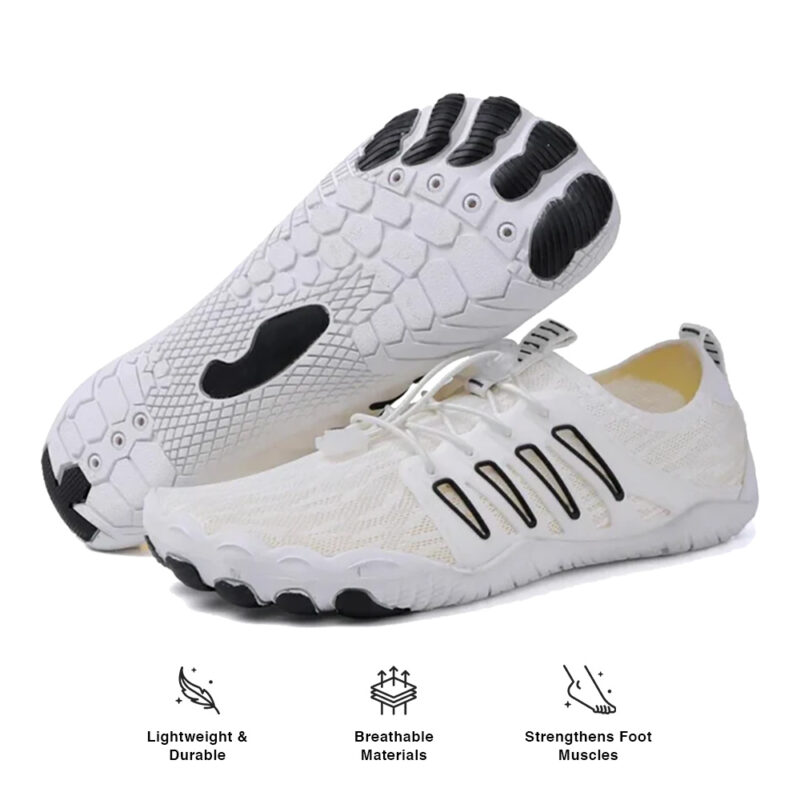
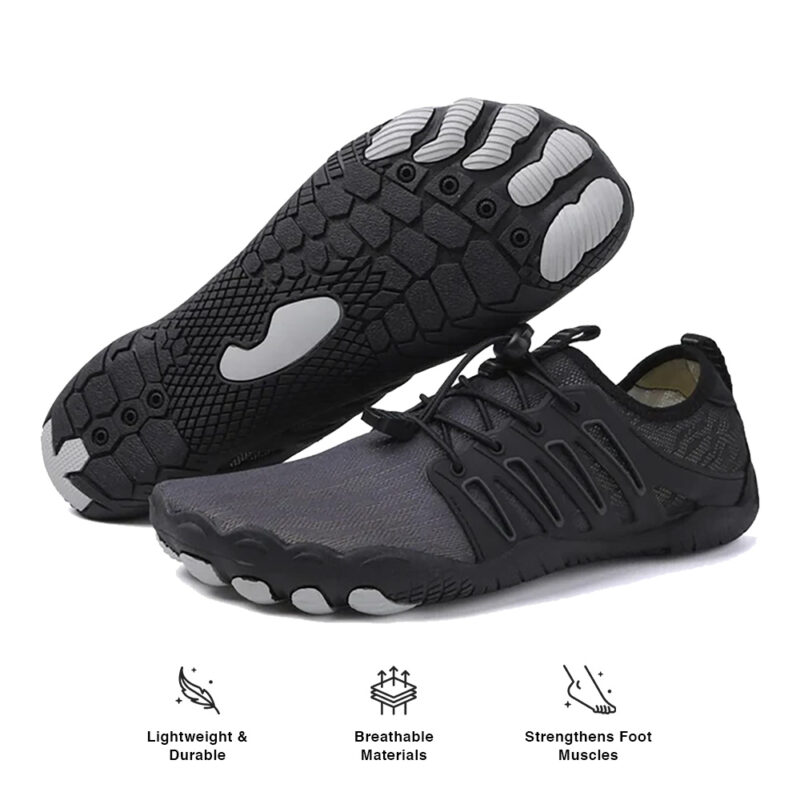
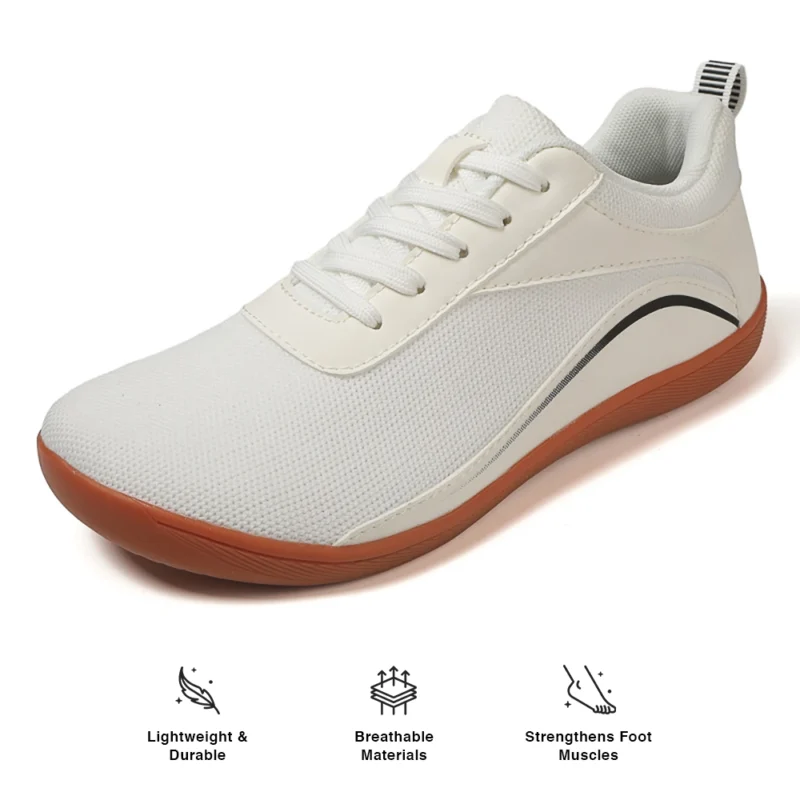
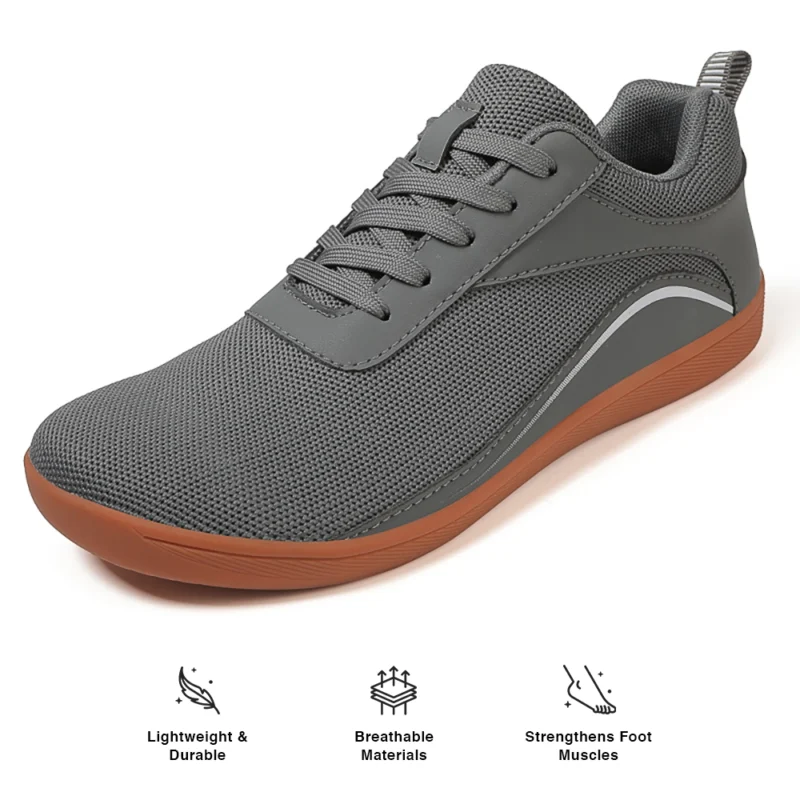
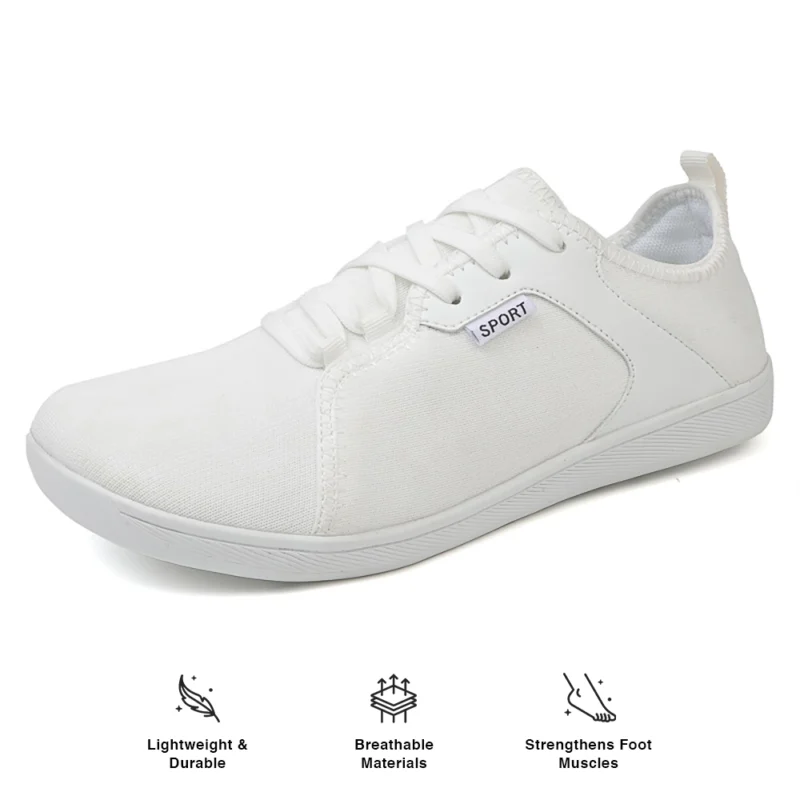
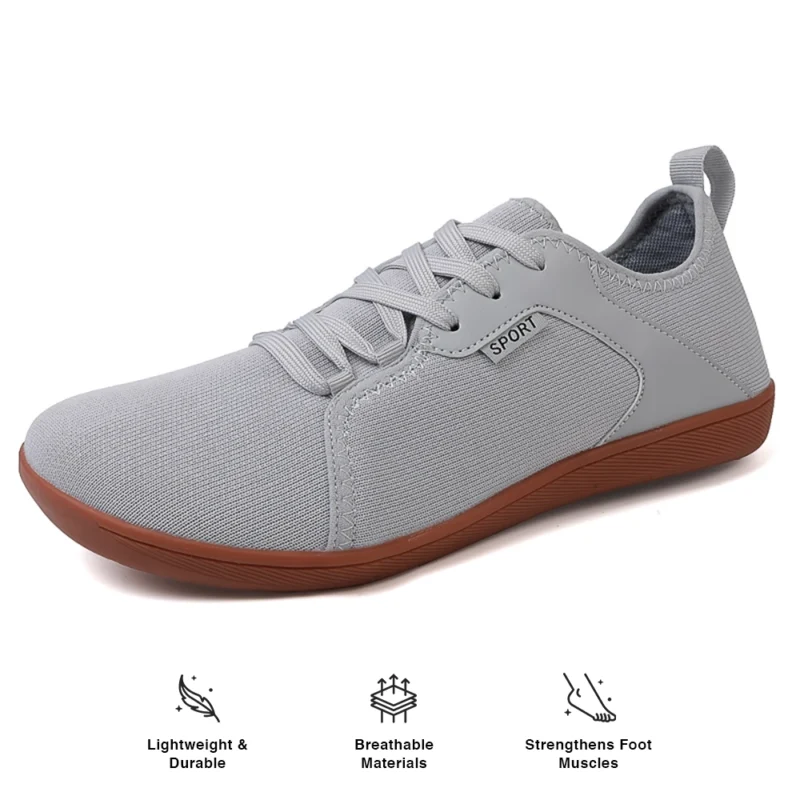
Barefoot and minimalist shoes address these needs by promoting natural foot movement, allowing your intrinsic foot muscles to strengthen with each step. This leads to improved balance and posture as your body learns to move efficiently. The result is lasting comfort through freedom of movement, not artificial cushioning that breaks down over time.
When searching for the best shoes for walking in Europe, prioritize flexibility, ground connection, and natural foot shape accommodation.
Happy travels, and may your feet carry you to incredible discoveries!
Why Your Current Walking Shoes Are Sabotaging Your European Adventure
Walking through Europe's diverse landscapes demands footwear that adapts rather than restricts. Many travelers experience increasing discomfort as their trip progresses because conventional shoes weaken foot muscles through over-support. Your feet contain 26 bones, 33 joints, and over 100 muscles, tendons, and ligaments—all designed to work together as a sophisticated movement system. Minimalist shoes for walking in Europe honor this natural design by providing protection without interference. Look for shoes with thin, flexible soles that let you feel the ground beneath your feet while still protecting against sharp cobblestones.
The Luggage Space Game-Changer Every Smart Traveler Needs
Packing light becomes exponentially easier when your footwear doesn't dominate your suitcase. Traditional walking shoes are often bulky, heavy, and take up valuable luggage real estate that could be used for souvenirs or extra outfits. Minimalist walking shoes typically weigh 60-80% less than conventional alternatives while folding nearly flat for efficient packing. This weight reduction becomes particularly noticeable during long walking days when every ounce on your feet matters. Choose shoes that compress easily and consider bringing just one versatile pair that transitions from morning sightseeing to evening dining.
How to Prevent the Blister Nightmare That Ruins European Vacations
Blisters develop when your foot slides and rubs against shoe surfaces during movement, a problem exacerbated by the swelling that occurs during long walking days. Many travelers make the mistake of buying shoes too small, not accounting for natural foot expansion throughout the day. The best shoes for walking in Europe accommodate this expansion while maintaining a secure fit that prevents sliding. Minimalist designs often feature wider toe boxes that allow your toes to spread naturally, reducing pressure points that lead to hot spots. Always test new shoes with a full day of walking before your trip, and consider how your feet will feel after 20,000 steps, not just the first 2,000.
The Secret to All-Day Energy During European City Exploration
Foot fatigue isn't just about comfort—it's about maintaining the energy to fully experience your destination. When shoes restrict natural foot movement, your body compensates by using larger muscle groups inefficiently, leading to overall exhaustion. Barefoot-style shoes allow your feet to function as natural shock absorbers, distributing impact forces more evenly throughout your body. This efficient movement pattern reduces energy expenditure and keeps you walking longer with less fatigue. The key is choosing shoes that flex with your foot's natural gait cycle rather than forcing your feet to conform to rigid structures.
Temperature Regulation for Comfort in Europe's Varied Climates
European travel often means experiencing different climates within a single day, from cool morning mists to warm afternoon sunshine. Poor ventilation in traditional walking shoes creates moisture buildup that leads to discomfort, odor, and increased blister risk. Minimalist shoes typically feature breathable materials and designs that promote airflow around your feet. Natural materials like leather and canvas regulate temperature better than synthetic alternatives while providing the durability needed for extensive walking. When selecting the best shoes for walking in Europe, prioritize natural breathability over waterproofing unless you're specifically traveling during wet seasons.
Transitioning from Tourist Footwear to Confident Local-Style Walking
The most versatile travel shoes should look appropriate whether you're touring museums or enjoying dinner at a sidewalk café. Many dedicated walking shoes scream "tourist," potentially making you a target and limiting your dining options at upscale restaurants. Minimalist leather shoes or clean, simple designs bridge the gap between comfort and style without compromising foot health. Quality minimalist shoes develop character as they age, often looking better after months of travel than conventional shoes look after weeks. Invest in timeless designs that complement multiple outfits and enhance rather than detract from your overall travel aesthetic.
Building Stronger Feet for Future Adventures Through Smart Shoe Choices
Each step you take in minimalist shoes contributes to stronger, more resilient feet that will serve you better on future travels. This strength development process requires patience, as your feet gradually adapt to working harder while walking. Start transitioning to minimalist walking shoes several months before your European adventure, gradually increasing wear time as your feet strengthen. The best shoes for walking in Europe aren't just about immediate comfort—they're an investment in your long-term foot health and travel capabilities. Strong feet mean fewer limitations and more confidence to explore wherever your wanderlust leads you next.