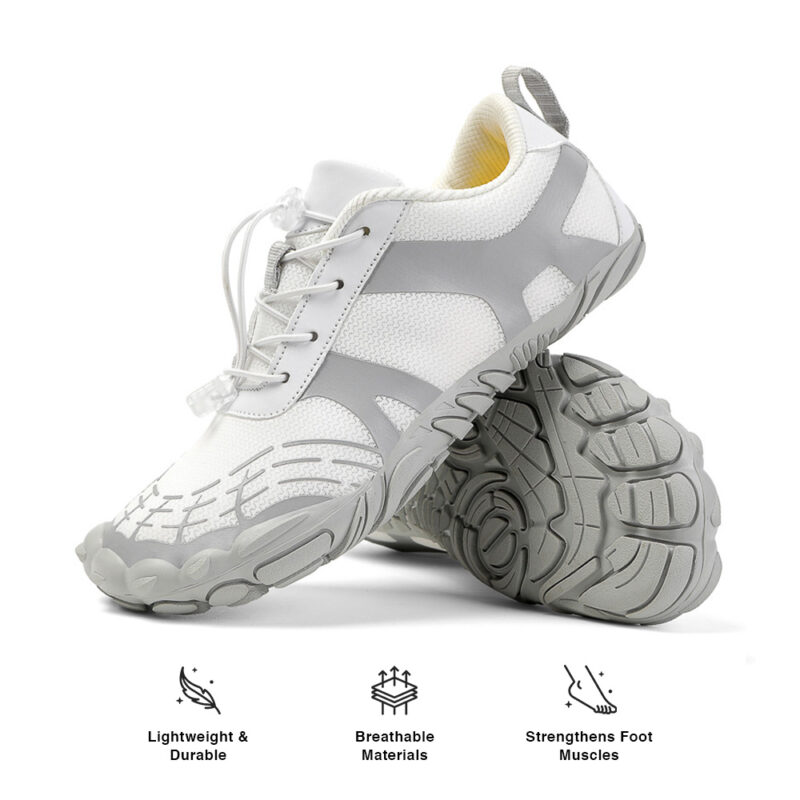
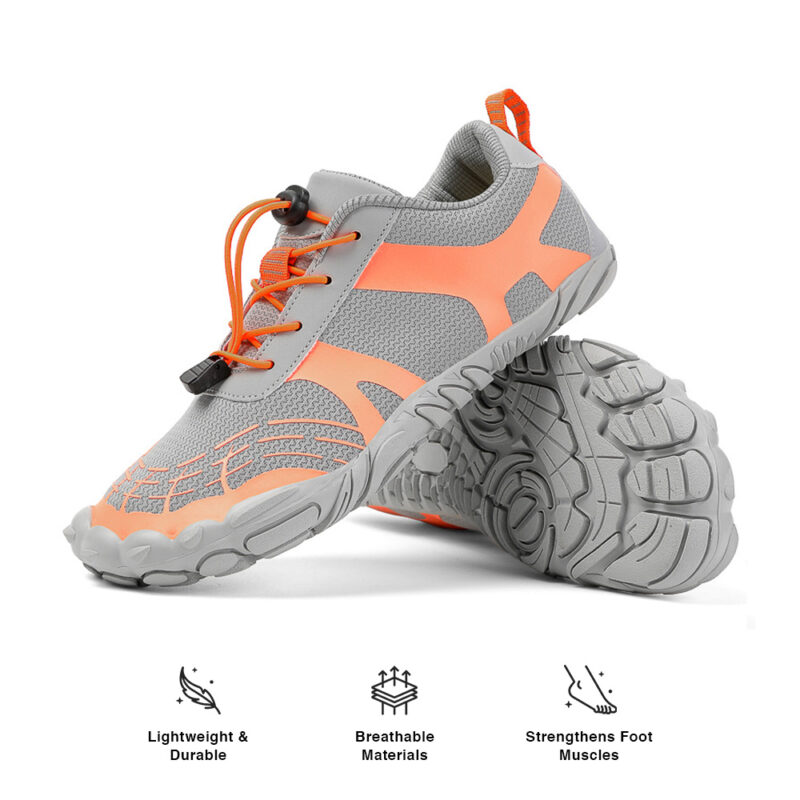
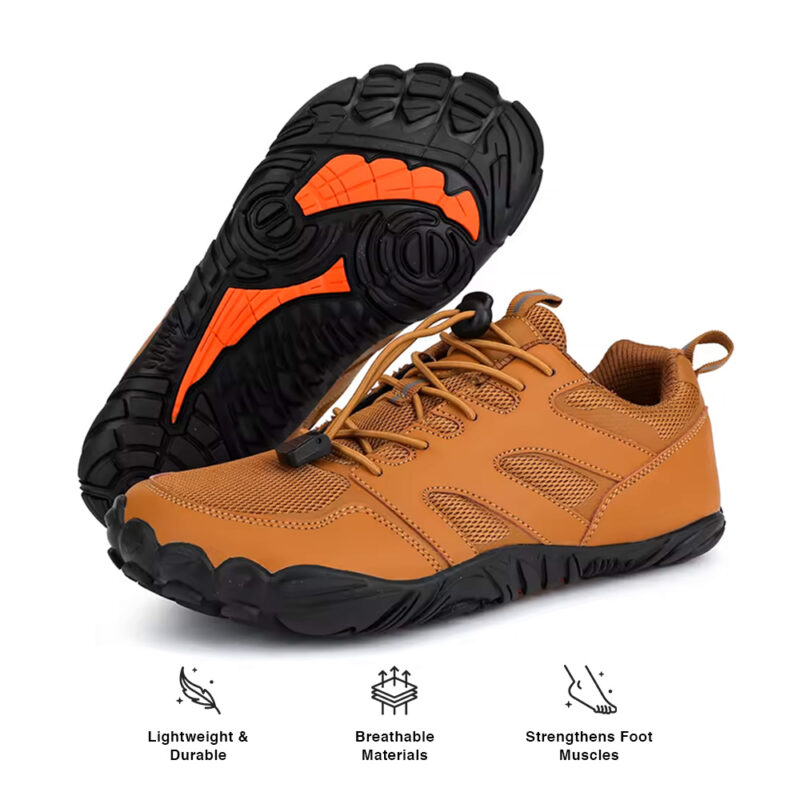
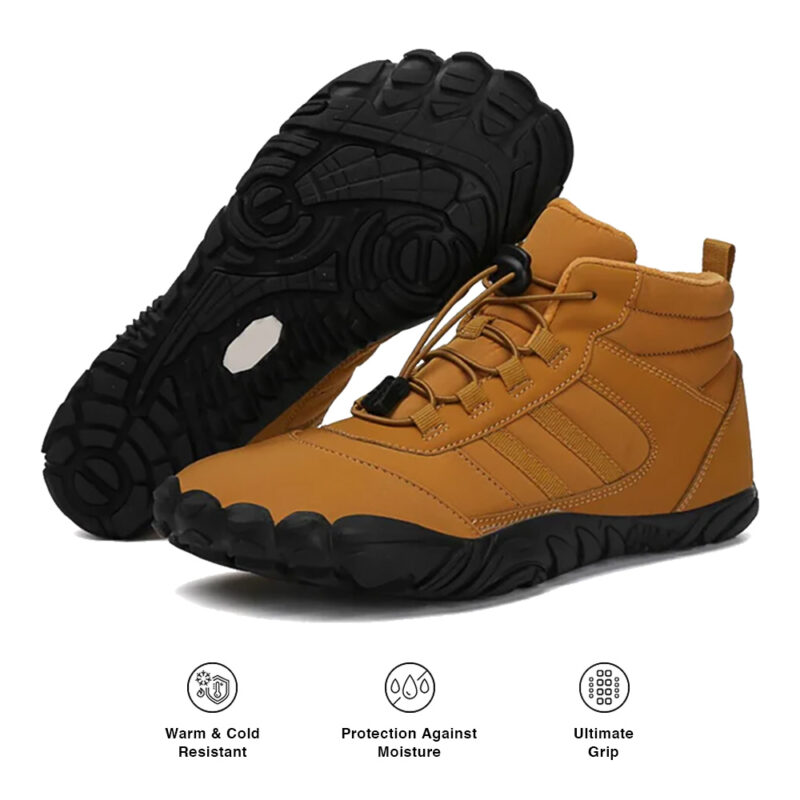
Ground Connection Transforms Your Trail Experience
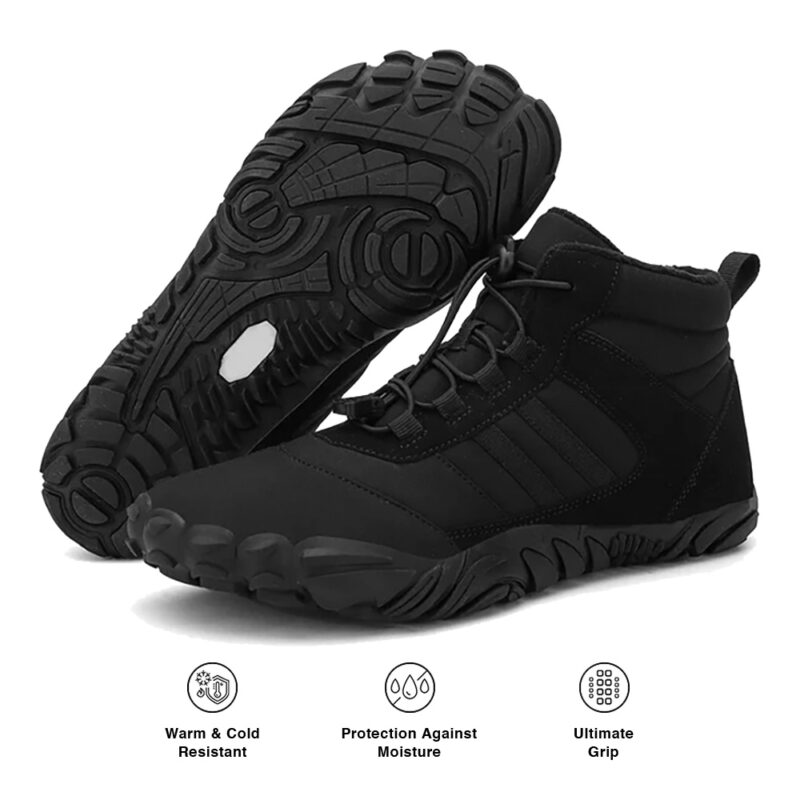
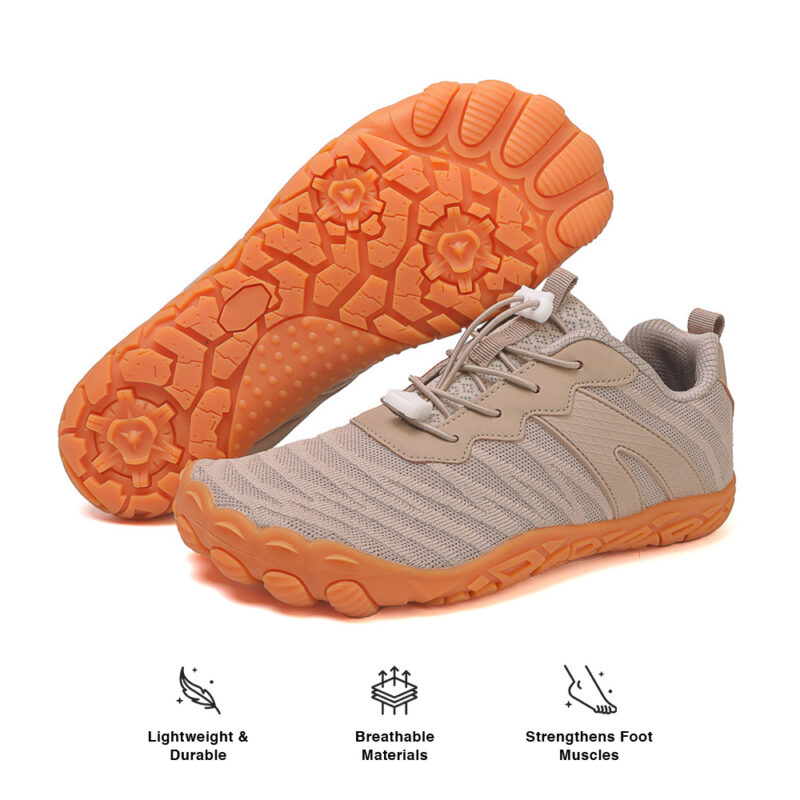
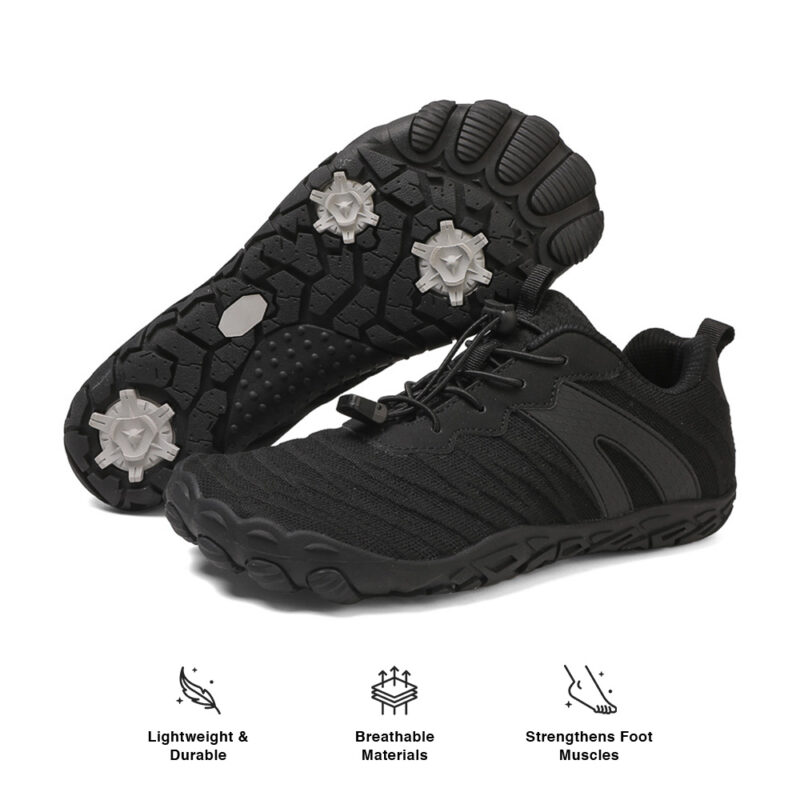
Traditional hiking boots create a barrier between your feet and the terrain, leaving you feeling disconnected and unstable on technical sections. What you need in the best backpacking shoes is a sole thin enough to let you actually feel the ground beneath your feet, giving you the sensory feedback that makes navigation intuitive and confident. Minimalist designs with flexible, low-profile soles allow your feet to adapt naturally to rocks, roots, and varied terrain, dramatically improving your balance and reducing the risk of ankle rolls. When you can feel every surface texture through your shoes, you naturally adjust your gait and foot placement, making you a more skilled and efficient hiker.
Lightweight Design Multiplies Your Endurance
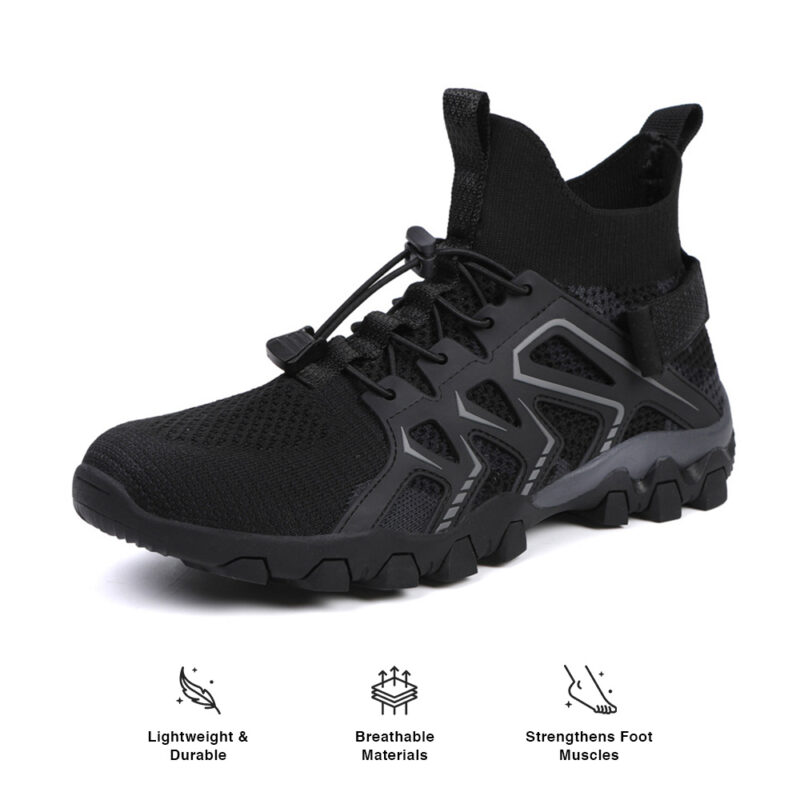
Every ounce on your feet equals five pounds in your pack when it comes to energy expenditure, which explains why heavy boots leave you exhausted on long hiking days. The best backpacking shoes prioritize lightweight construction without sacrificing durability, typically weighing half as much as traditional hiking boots while delivering superior trail performance. Minimalist materials and streamlined designs eliminate unnecessary bulk, allowing you to hike farther with less fatigue and more enjoyment. Start comparing the actual weight of your current hiking footwear to lightweight alternatives and you'll be amazed at how much energy you've been wasting with every step.
Natural Foot Shape Prevents Common Trail Injuries
Narrow toe boxes in conventional hiking boots force your toes into unnatural positions, creating pressure points, blisters, and long-term foot problems that plague many backpackers. What you need in the best backpacking shoes is a wide toe box that allows your toes to spread naturally, improving stability and reducing hot spots that can end your hiking trip early. Foot-shaped designs that mirror your actual foot anatomy distribute weight evenly and allow proper toe splay for better balance on uneven terrain. When shopping for your next pair, ensure you can wiggle all your toes freely and that the widest part of the shoe matches the widest part of your foot.
Zero-Drop Platform Improves Your Hiking Posture
The elevated heel found in most hiking boots tilts your body forward, forcing you to work against gravity and creating unnecessary strain on your calves, knees, and back during long hiking days. The best backpacking shoes feature a zero-drop platform where the heel and toe sit at the same level, allowing your body to maintain its natural alignment and reducing fatigue throughout your entire kinetic chain. This flat sole design helps you develop stronger posterior chain muscles while improving your overall hiking efficiency and reducing the aches and pains that often accompany traditional footwear. Focus on gradually transitioning to zero-drop footwear to allow your body time to adapt to this more natural foot position.
Flexible Construction Builds Stronger Feet
Rigid hiking boots act like casts on your feet, preventing natural movement and gradually weakening the intrinsic muscles that provide stability and shock absorption. What you need in the best backpacking shoes is flexible construction that allows your feet to bend, twist, and adapt naturally to terrain challenges, building strength with every step rather than creating dependence on artificial support. Minimalist shoes with flexible soles encourage proper foot mechanics and develop the natural arch support that comes from strong, active foot muscles. Test the flexibility of potential hiking shoes by bending them in your hands – they should flex easily in multiple directions just like your bare feet do.
Breathable Materials Keep Your Feet Healthy
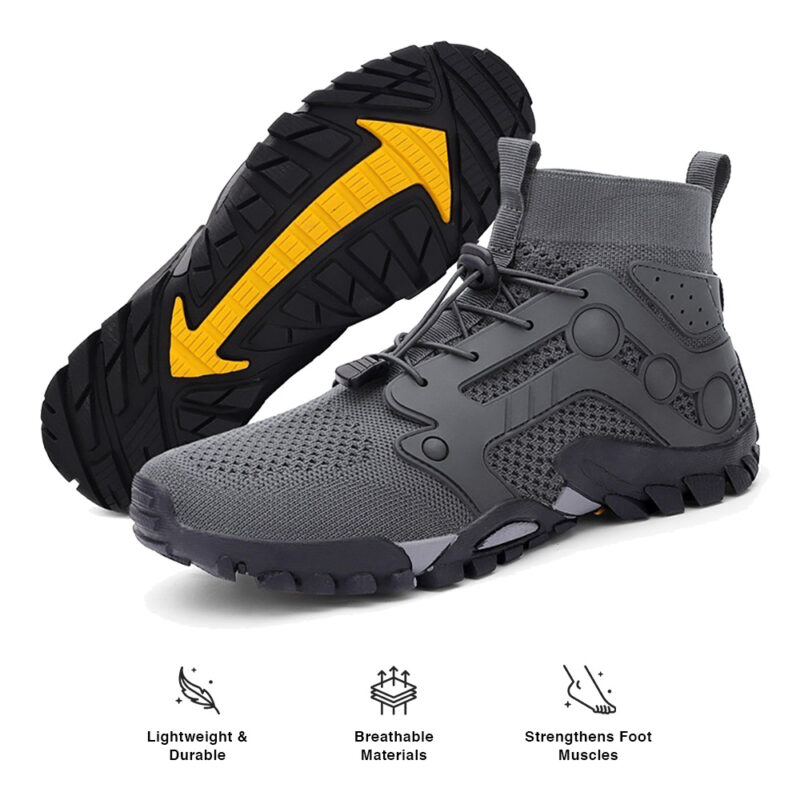
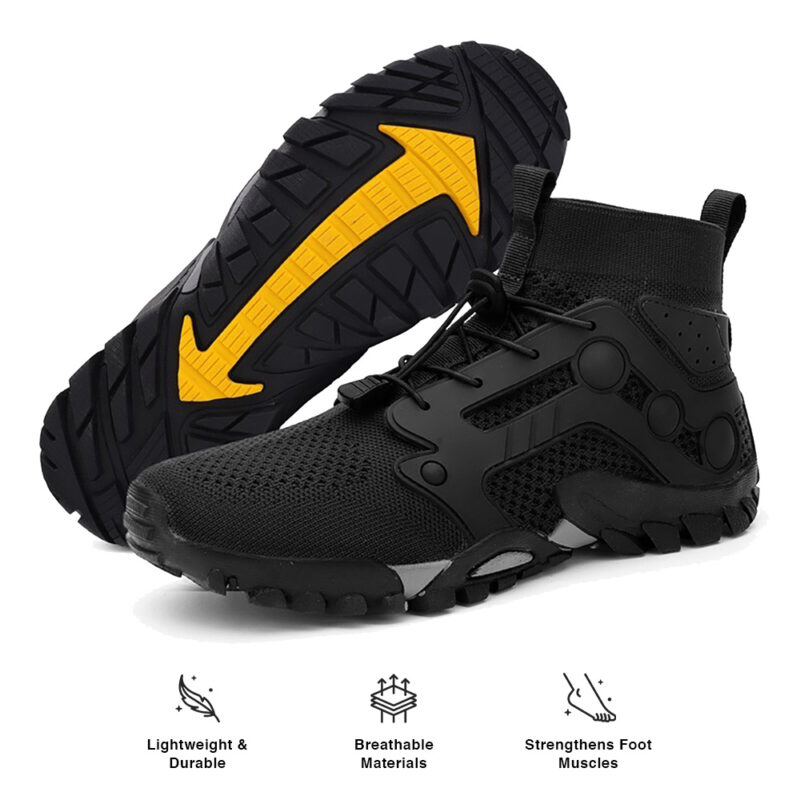
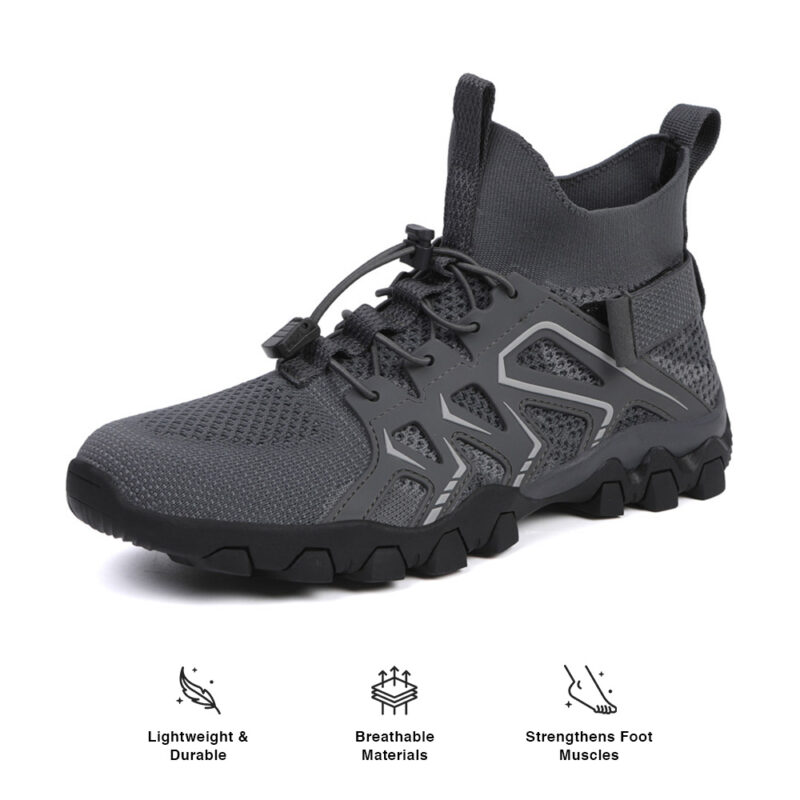
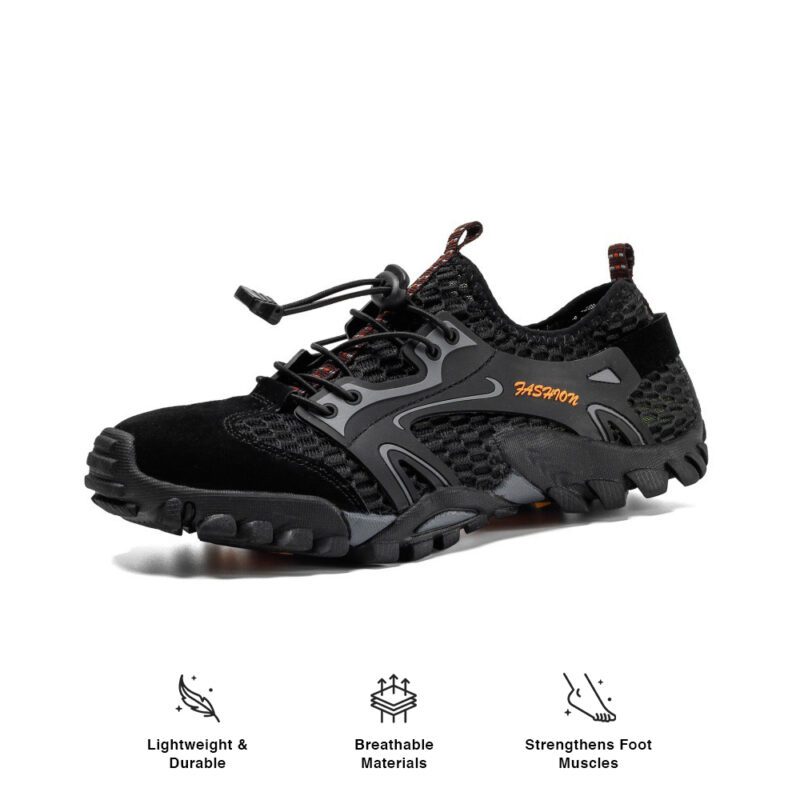
Synthetic materials and waterproof membranes in traditional hiking boots trap moisture and heat, creating the perfect environment for blisters, fungal infections, and general foot discomfort that can plague multi-day backpacking trips. The best backpacking shoes prioritize breathable, natural materials that allow air circulation and moisture management, keeping your feet dry and comfortable even during strenuous hiking conditions. Quick-drying materials and ventilated designs help prevent the hot, sweaty conditions that lead to most common hiking foot problems. Choose footwear made from breathable mesh, natural leather, or other materials that prioritize air flow over waterproofing for healthier, happier feet on the trail.
Durable Minimalism Handles Rugged Terrain
The biggest misconception about minimalist hiking footwear is that lightweight automatically means fragile, but the best backpacking shoes prove that simple, well-designed construction often outlasts overcomplicated traditional boots. Quality minimalist shoes focus on durable materials in high-wear areas while eliminating unnecessary components that add weight without improving performance, resulting in footwear that handles rugged terrain while maintaining the benefits of natural foot movement. Look for reinforced toe caps, quality outsole rubber compounds, and proven construction methods that prioritize longevity without sacrificing the minimalist principles that make these shoes superior for backpacking. Research the specific durability testing and real-world performance reports from other backpackers who've put their minimalist shoes through serious trail miles.