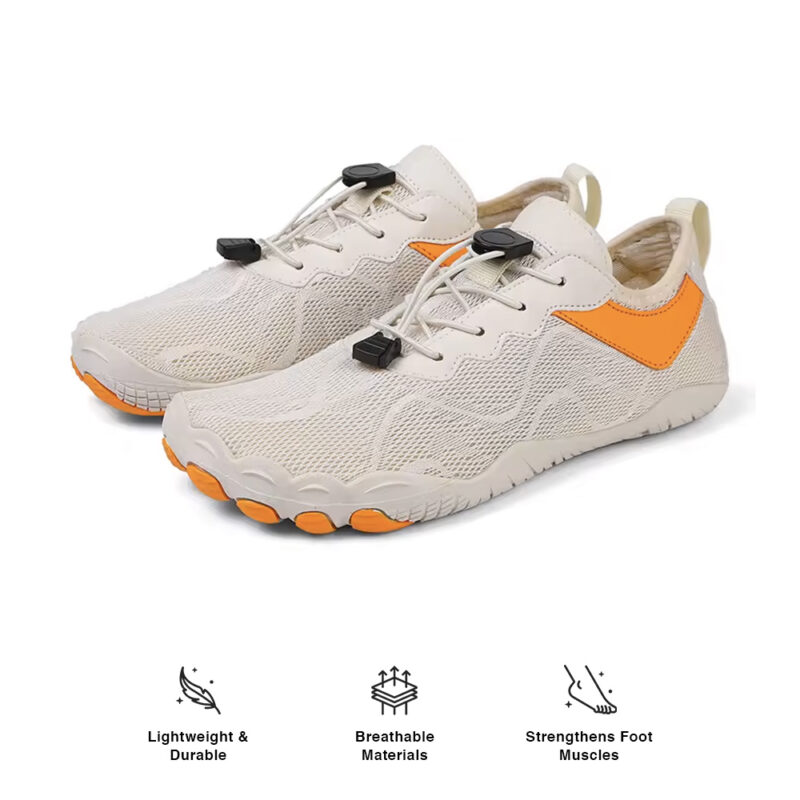
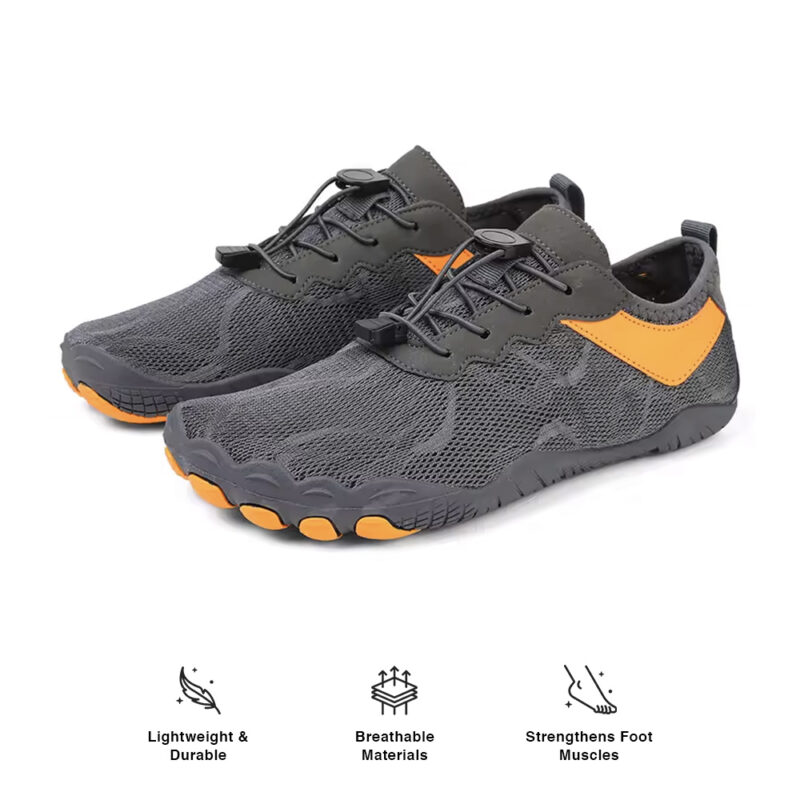
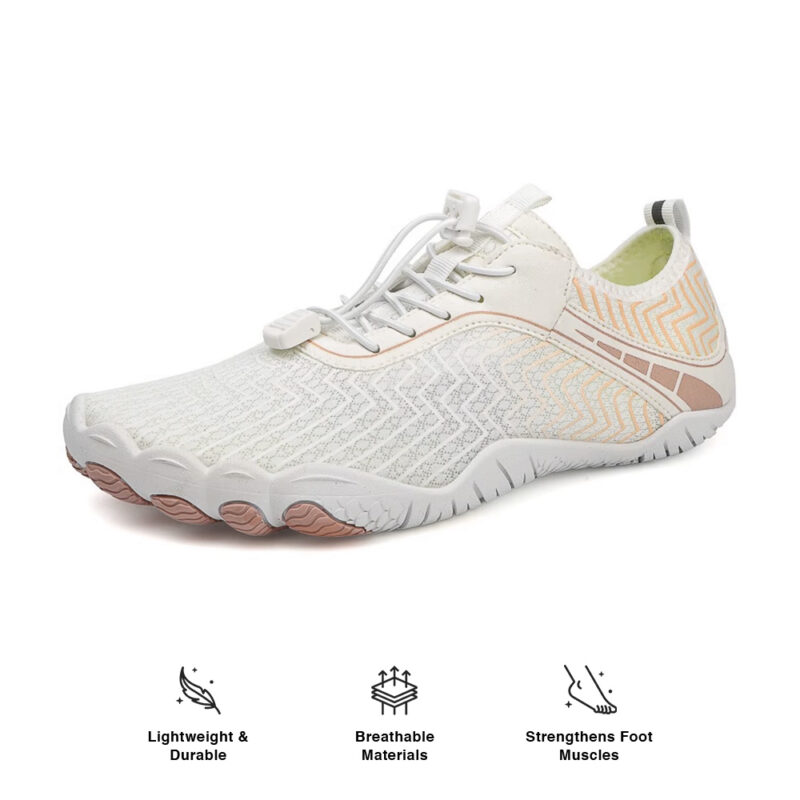
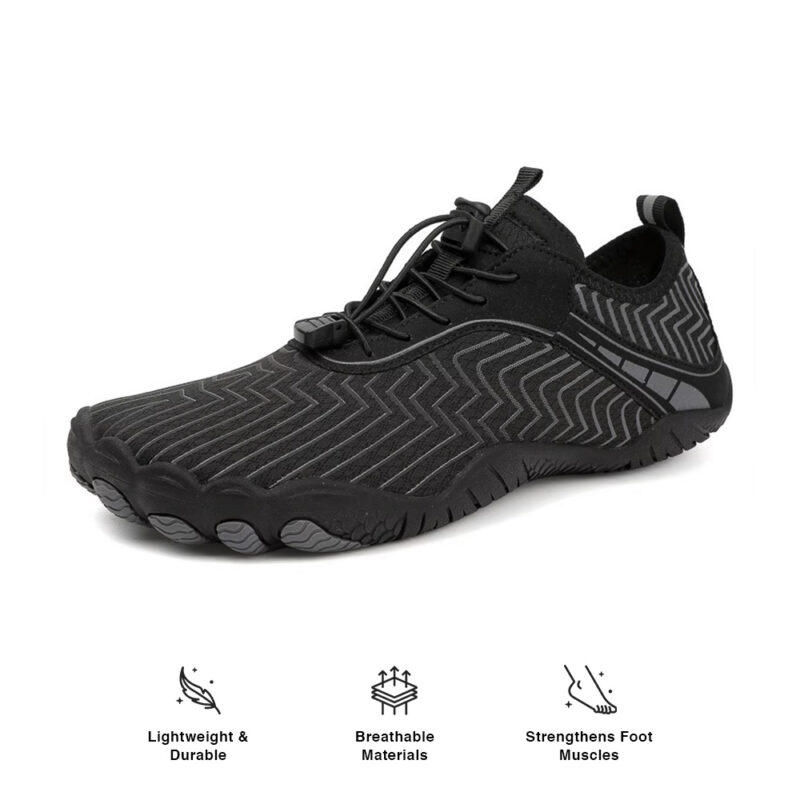
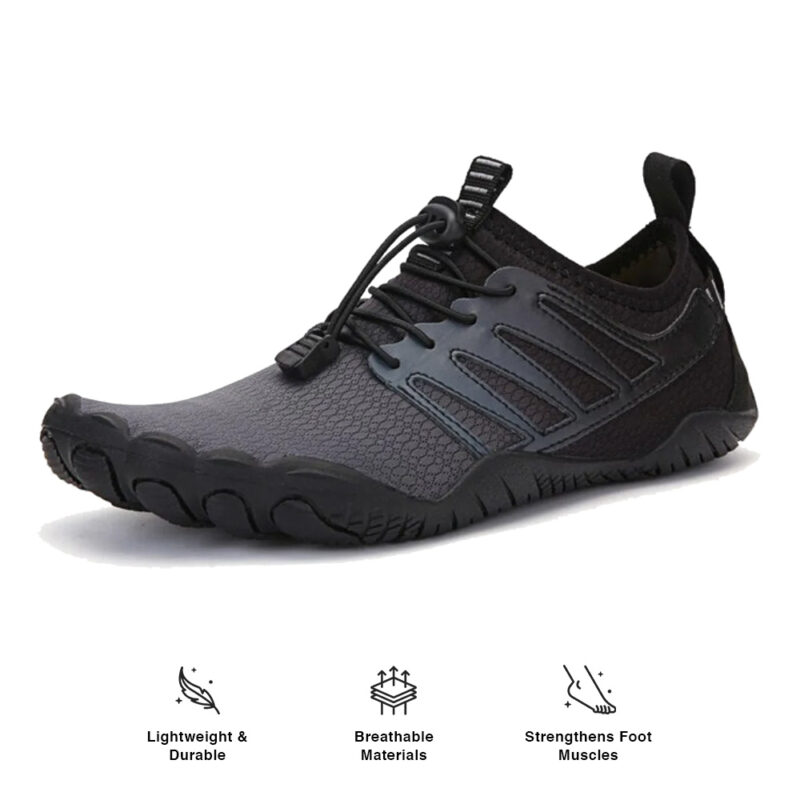
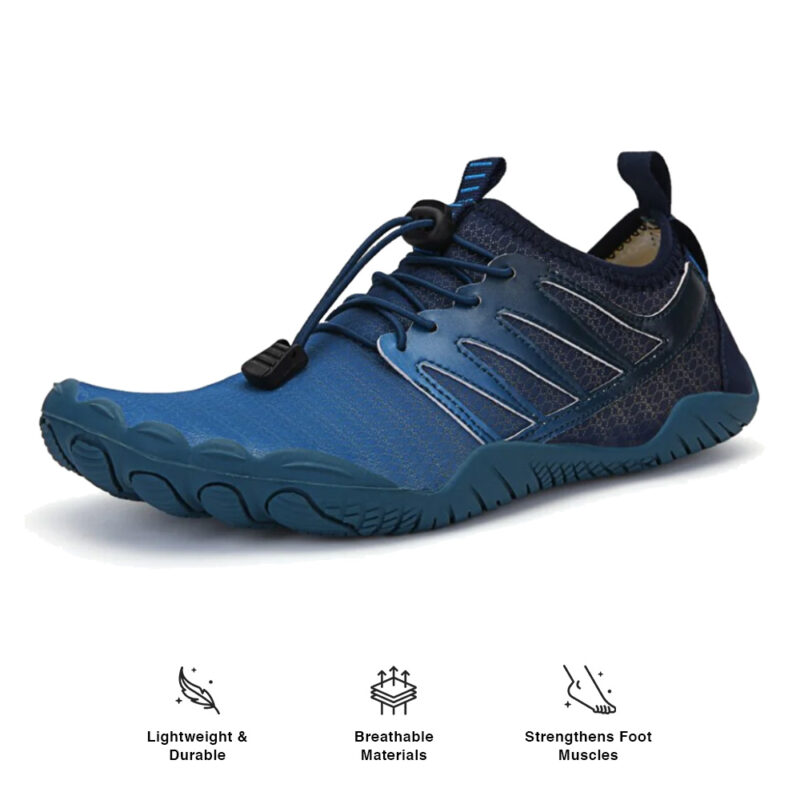
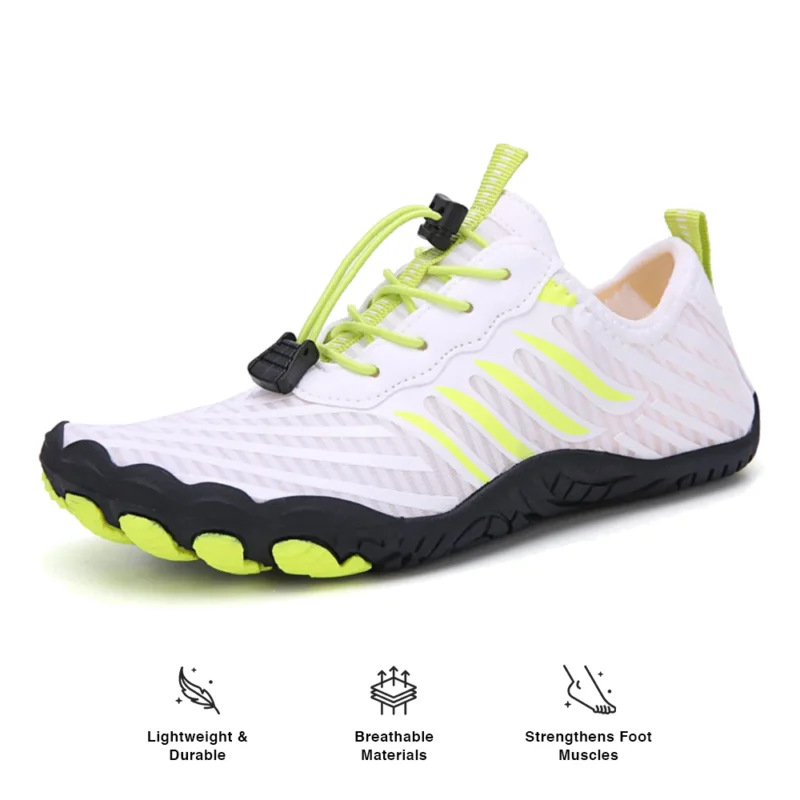
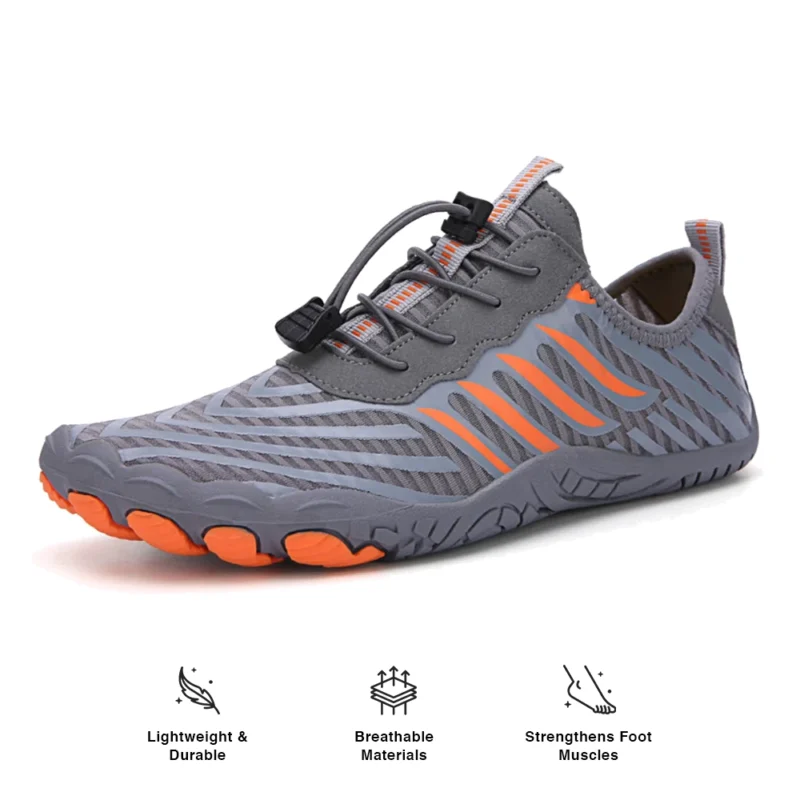
Why Heavy Cushioning Actually Hurts Beginning Runners
Most new joggers assume they need maximum cushioning to protect their feet, but this approach often backfires. Thick, soft soles create an unstable platform that forces your muscles to work harder just to maintain balance. Your feet lose their natural ability to sense the ground, leading to awkward landings and inefficient movement patterns. The best beginner jogging shoes feature thin, flexible soles that let your feet feel the terrain and respond appropriately. Start with short distances on softer surfaces like grass or dirt paths, allowing your feet to gradually adapt to this more natural way of moving.
Breaking Free from the Arch Support Trap
Beginning runners often believe they need built-in arch support, especially if they've been told they have "flat feet" or "high arches." This external support actually prevents your foot's natural arch muscles from doing their job, creating dependency and weakness over time. Your arches are dynamic structures designed to flex, absorb impact, and spring back with each step. Quality minimalist jogging shoes provide a flat, neutral platform that encourages your arches to strengthen naturally. Focus on landing with your feet directly under your body rather than heel-striking out in front, which helps activate your natural arch support system.
The Truth About Pronation and Motion Control
Running stores love to analyze your gait and prescribe motion control features in the best beginner jogging shoes, but this approach misses the bigger picture. Your foot's natural pronation is actually a healthy shock absorption mechanism when it happens in the right amount and timing. Rigid motion control devices in shoes often create compensation patterns elsewhere in your body, potentially leading to knee or hip issues. Simple, flexible shoes allow your feet to move through their natural range of motion while strengthening the muscles that provide genuine stability. Pay attention to cadence instead – aim for about 180 steps per minute to encourage lighter, more efficient foot strikes.
Lightweight Design Transforms Your Running Experience
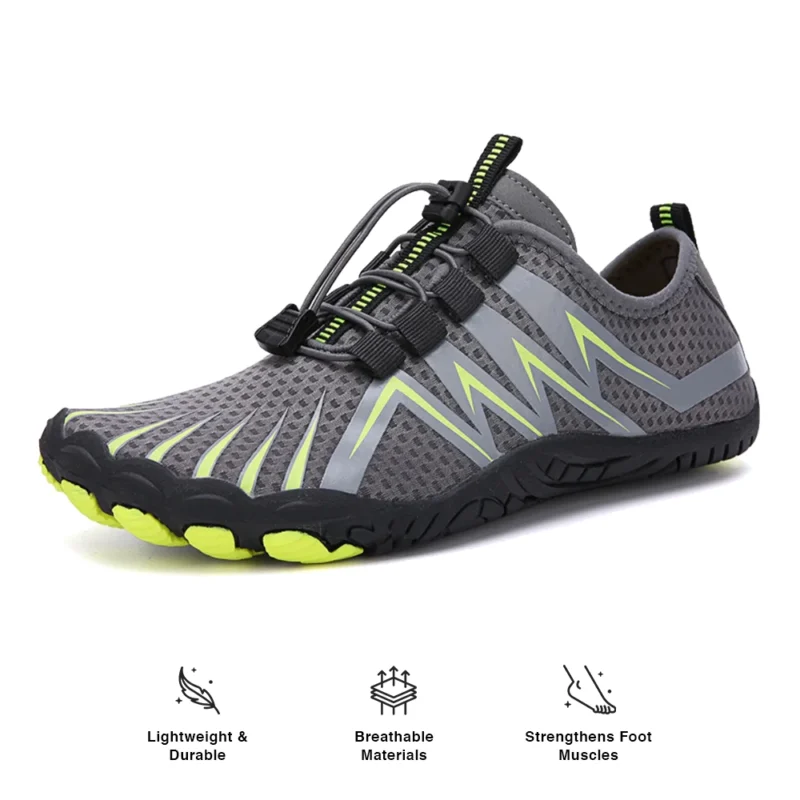
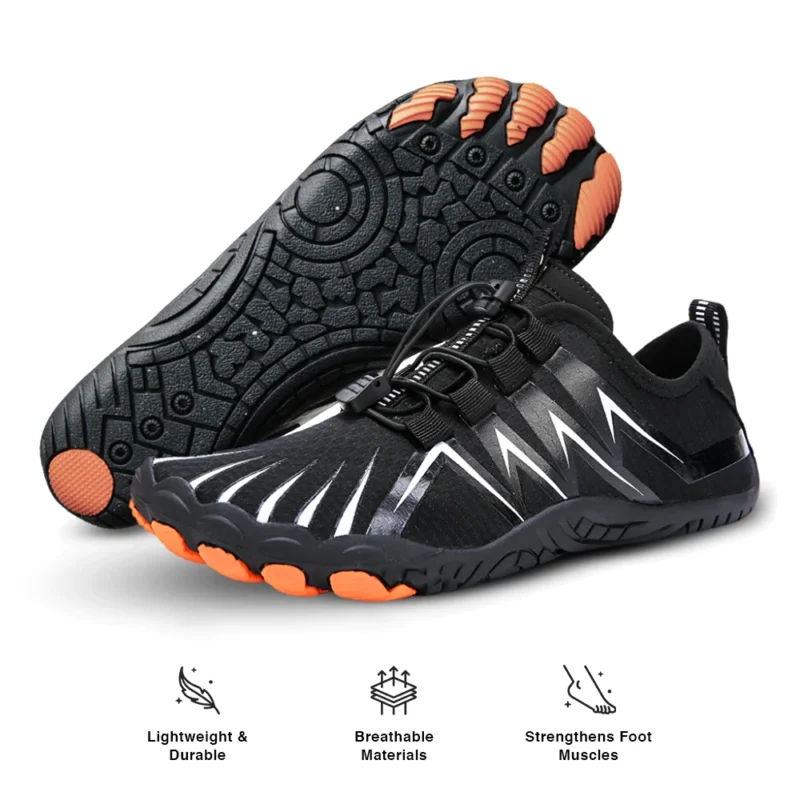
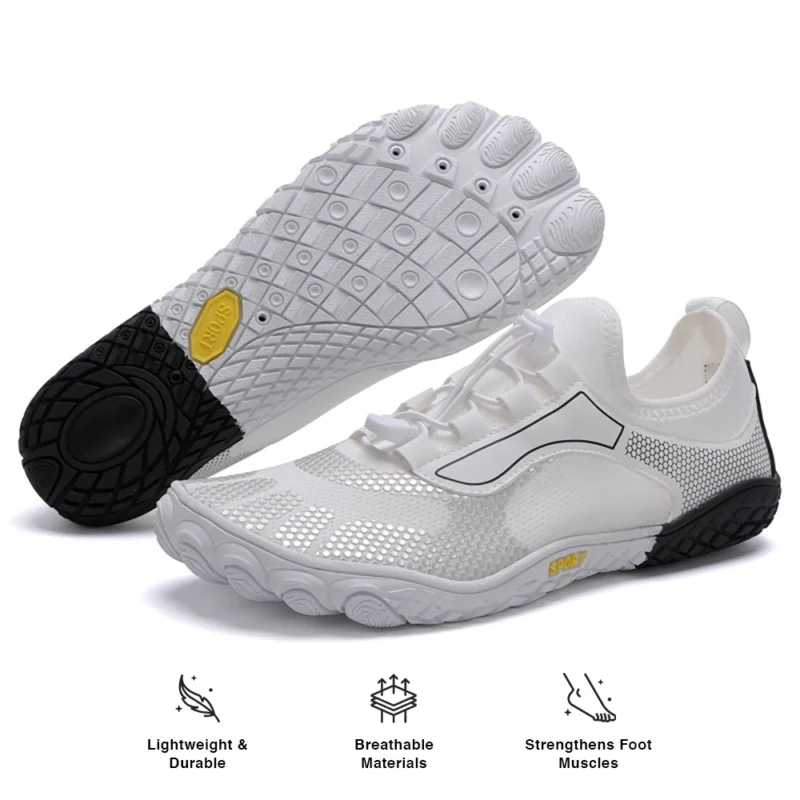
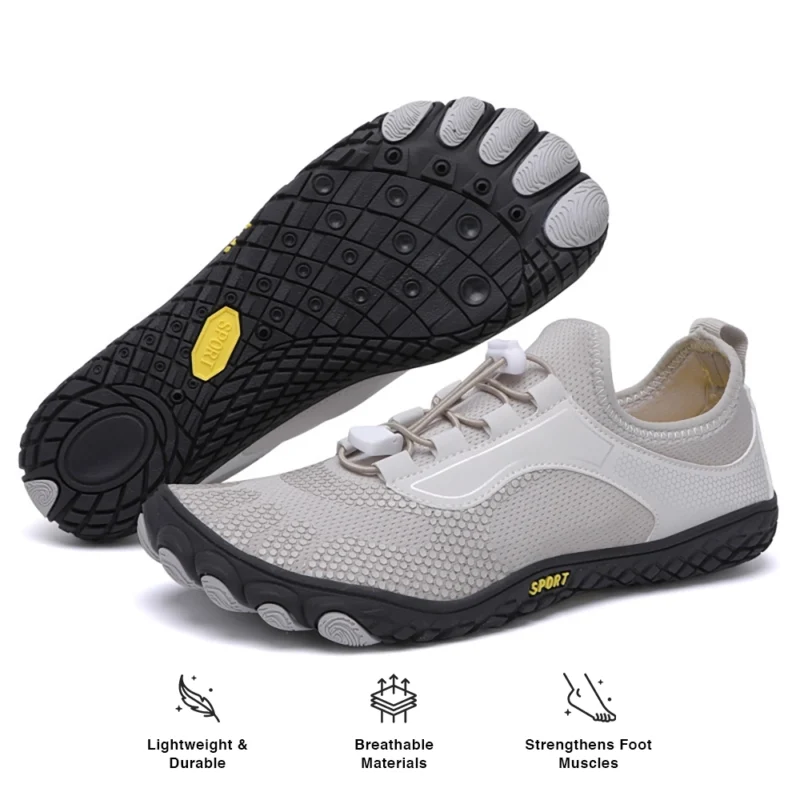
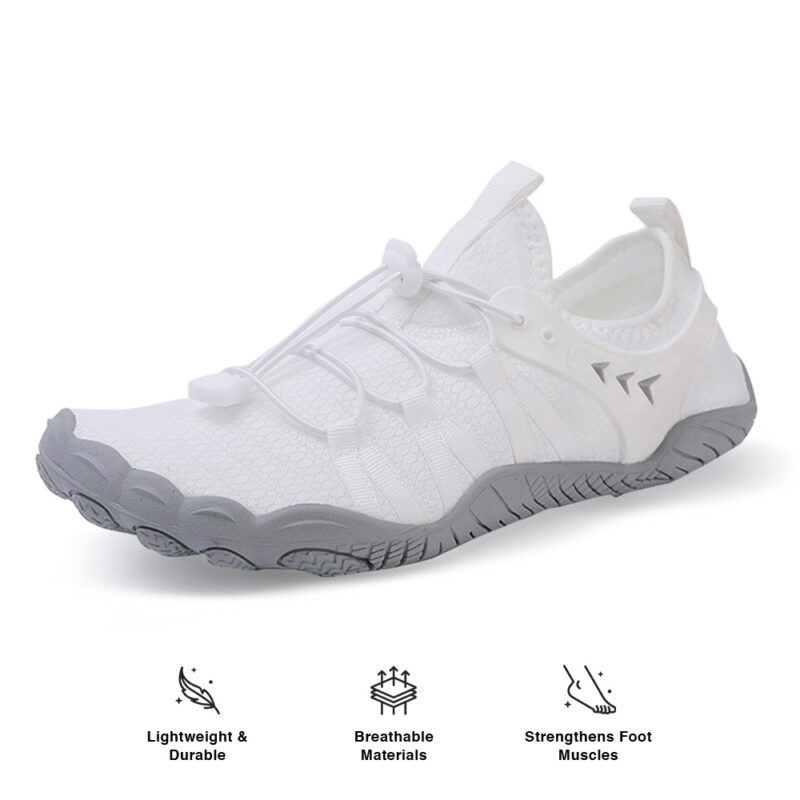
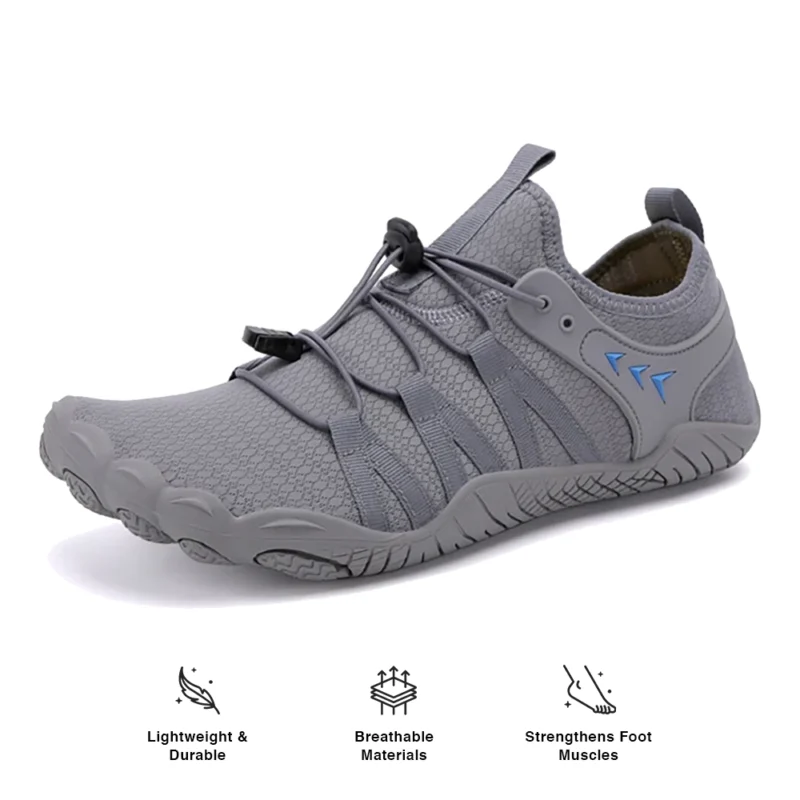
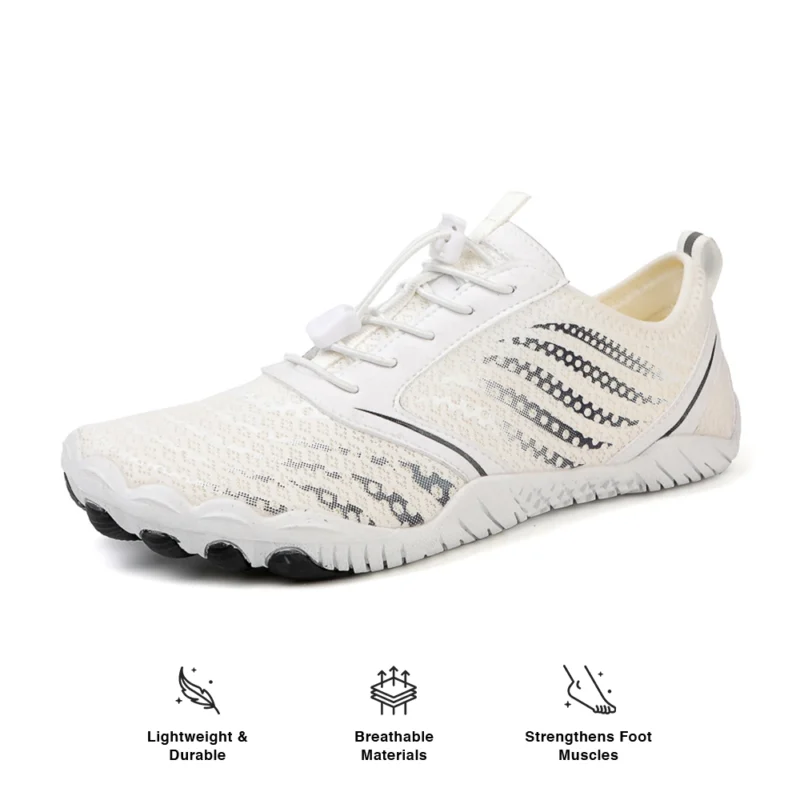
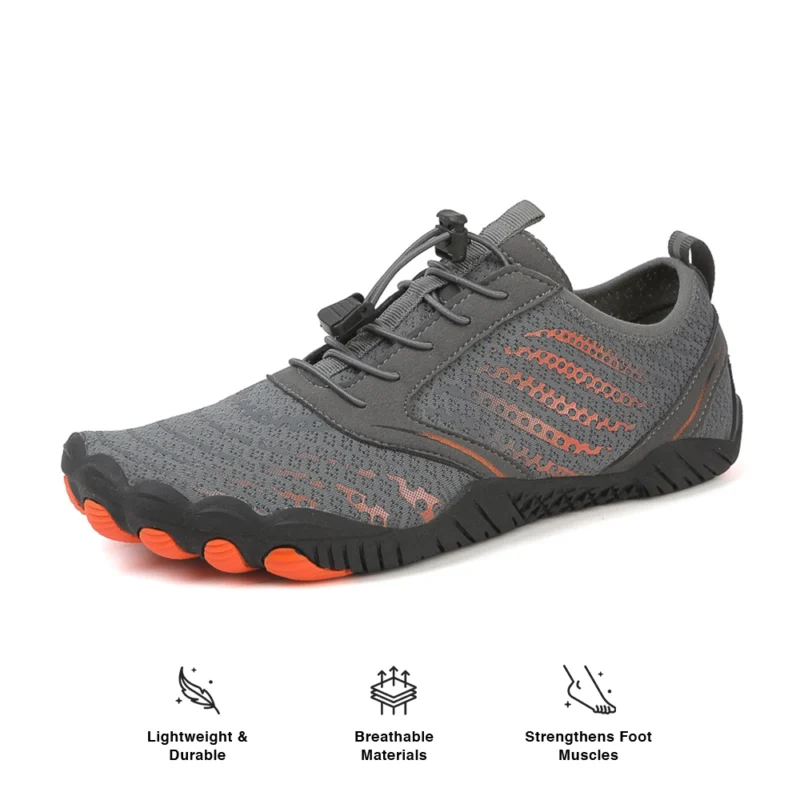
Heavy shoes make every step feel like work, especially for beginners who are already building endurance and fighting fatigue. Traditional running shoes often weigh 10-14 ounces per shoe, adding unnecessary load to every stride. The best beginner jogging shoes should feel almost weightless, typically weighing 6-8 ounces or less. This dramatic weight reduction makes running feel effortless and enjoyable rather than like a slog through thick mud. Choose shoes with minimal materials and construction – simple designs often perform better than complex engineering with multiple foam layers and support systems.
Ground Connection Improves Your Natural Form
Thick soles create a barrier between your feet and the ground, forcing you to rely on visual cues rather than natural proprioception to understand your foot placement. Beginning runners need all the sensory feedback they can get to develop efficient, injury-free running form. The best beginner jogging shoes feature thin soles that allow ground feel while still providing reasonable protection from rocks and debris. This connection helps you land more gently, adjust your stride naturally, and develop the confidence that comes from truly feeling your movement. Practice on smooth surfaces initially, gradually building tolerance for varied terrain as your foot sensitivity improves.
Durability Through Simplicity, Not Complex Engineering
Many beginners worry that minimalist shoes won't last as long as heavily constructed alternatives, but the opposite is often true. Complex running shoes with multiple foam densities, air chambers, and motion control features have many failure points where materials can separate or compress unevenly. The best beginner jogging shoes use simple, high-quality materials that wear predictably and maintain their performance characteristics over time. Look for shoes with reinforced high-wear areas and quality rubber compounds rather than multiple foam layers that can break down at different rates, creating an uneven platform that affects your running form.
Transitioning Smart: Building Strength Without Injury
The biggest mistake new runners make with minimalist footwear is doing too much too soon, leading to sore calves or foot discomfort. Your feet have likely been in supportive shoes for years, so muscles need time to strengthen and adapt. The best beginner jogging shoes should be introduced gradually – start with 10-15 minutes of easy jogging every other day, focusing on landing softly with quick, light steps. Increase your minimalist running time by just 5-10% each week, allowing your body to build the strength and endurance needed for this more natural movement pattern.