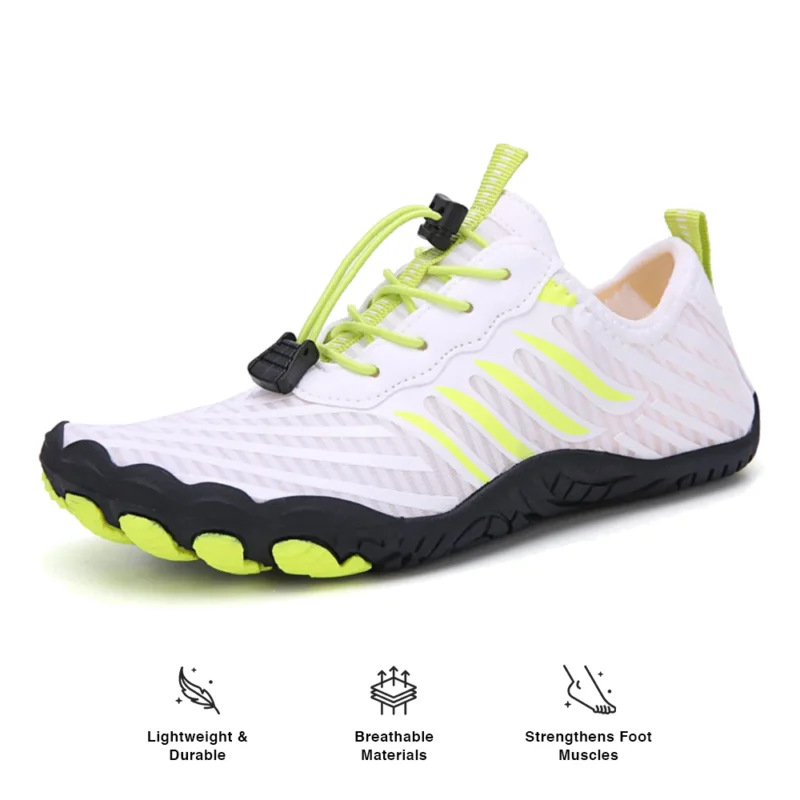
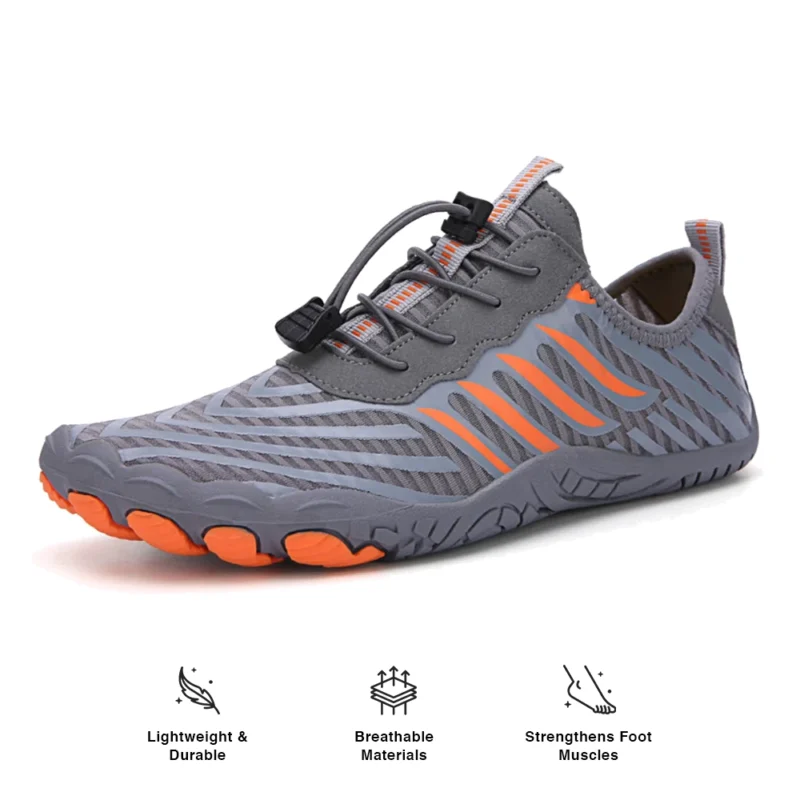
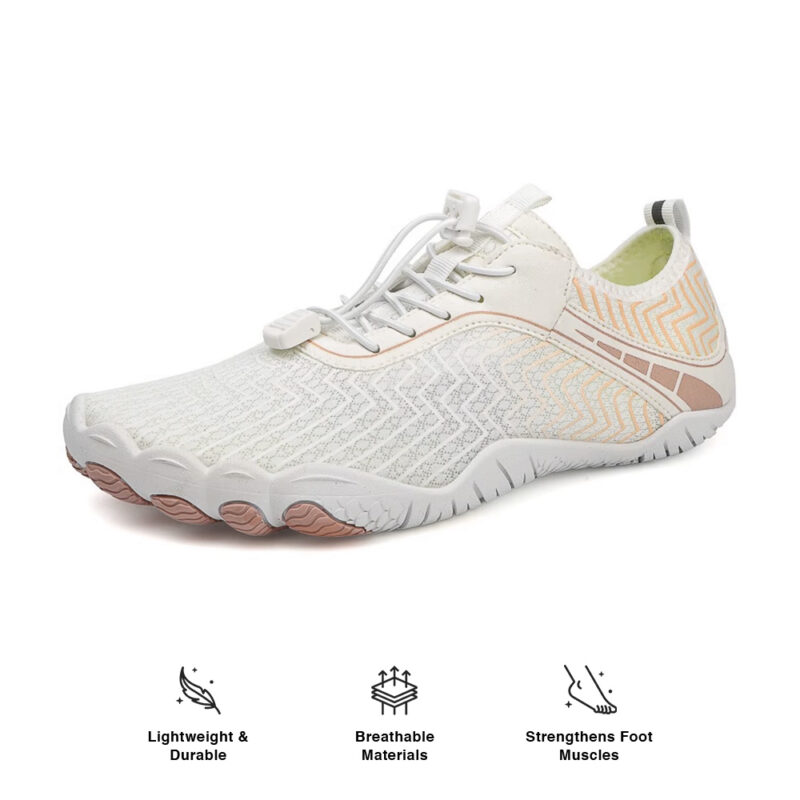
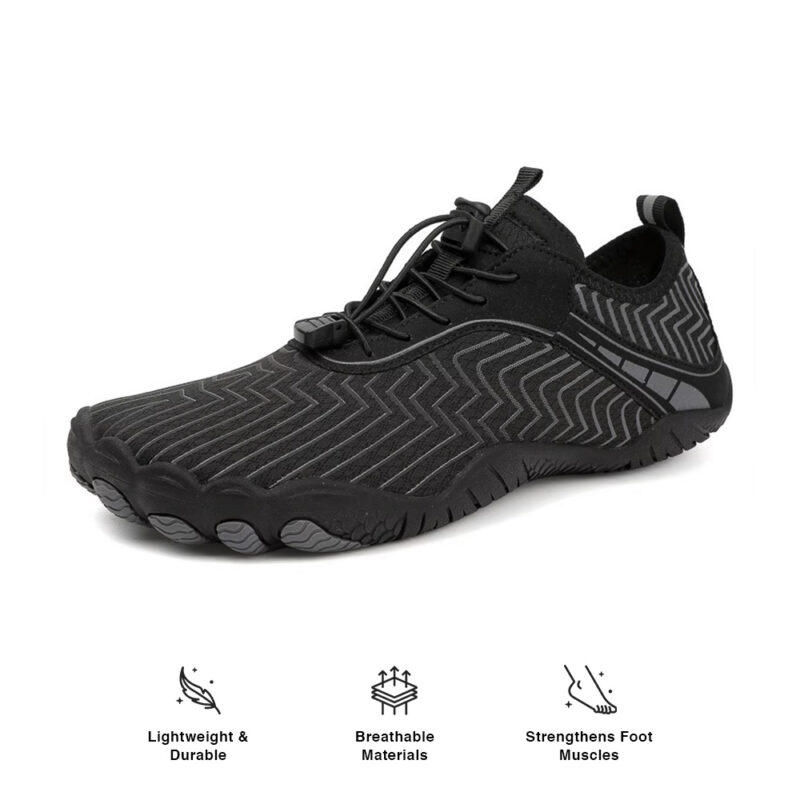
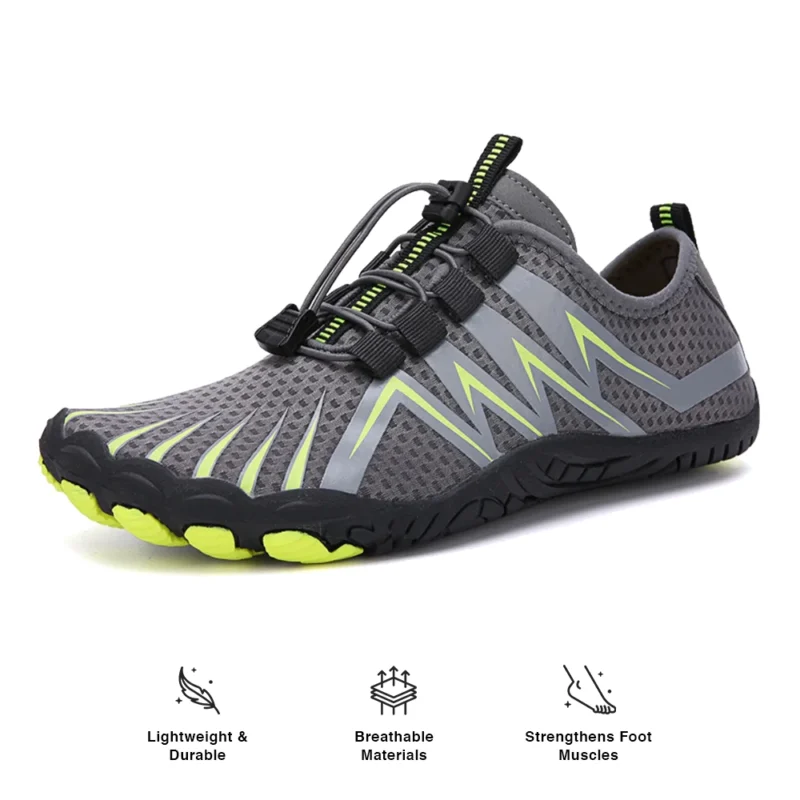
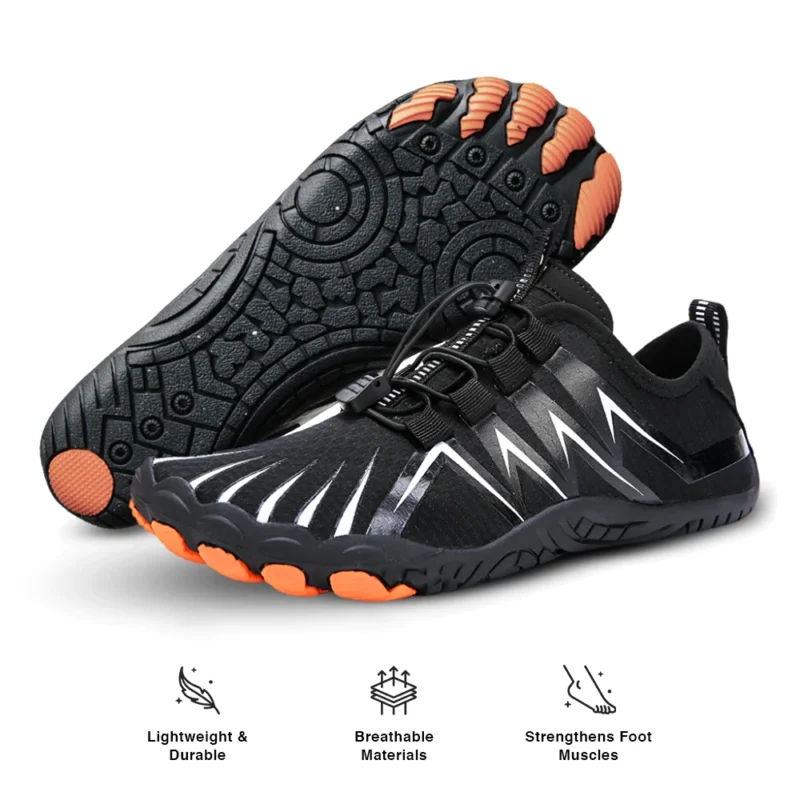
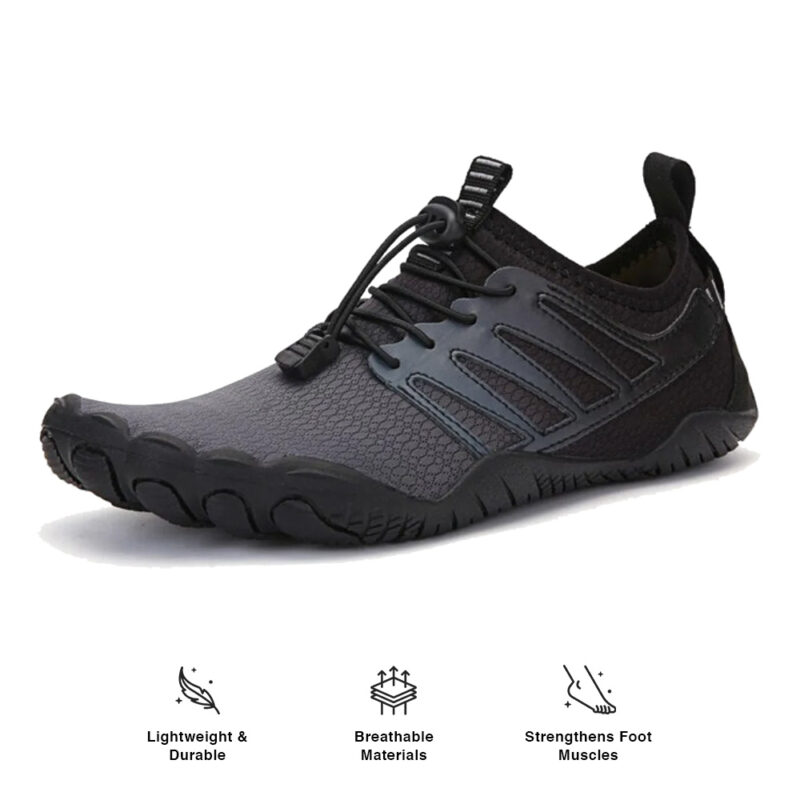
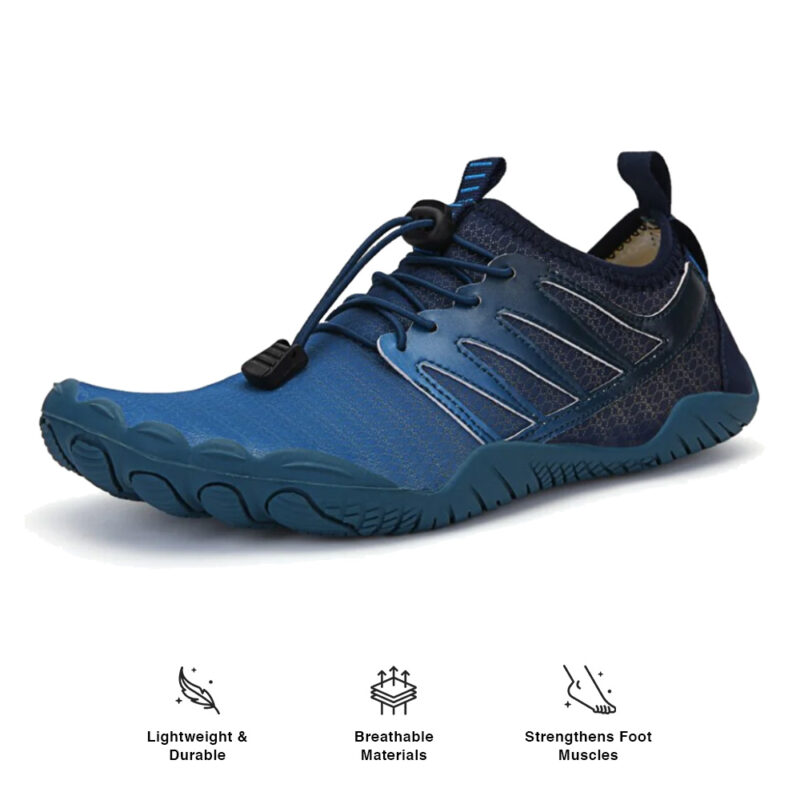
Why Your Feet Crave Freedom From Day One
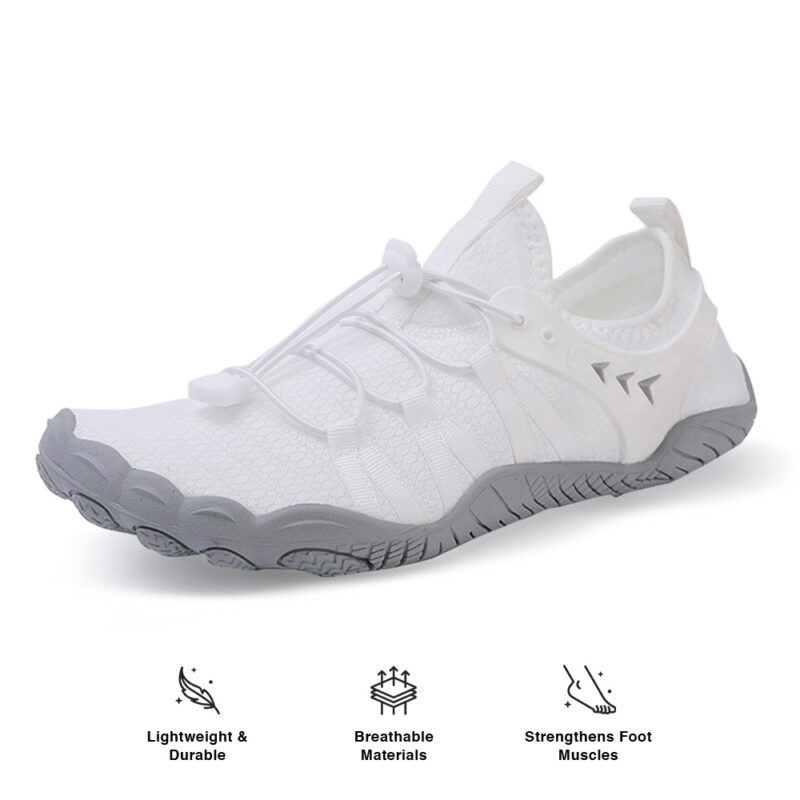
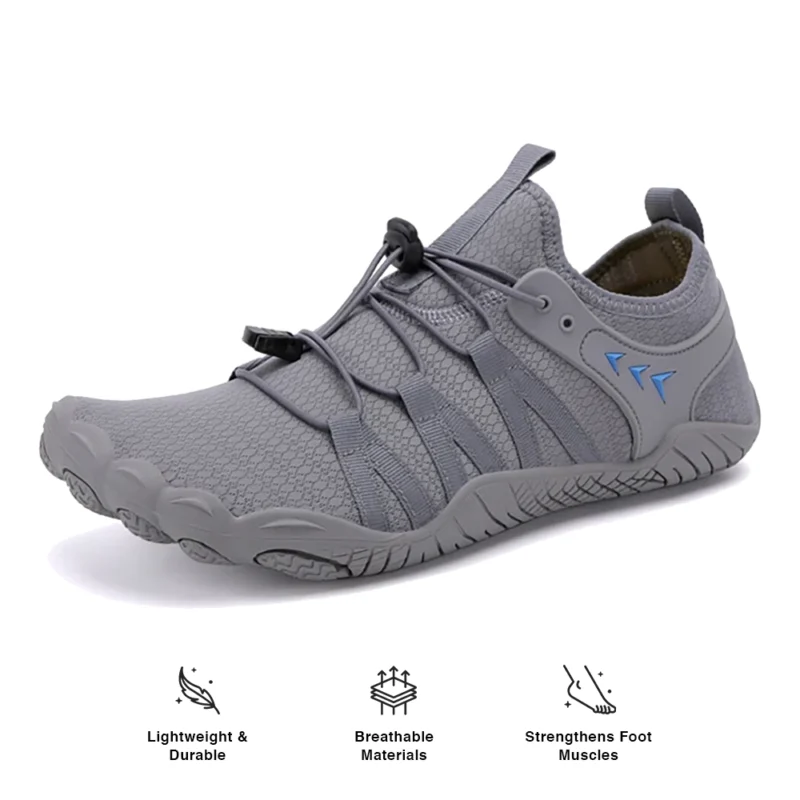
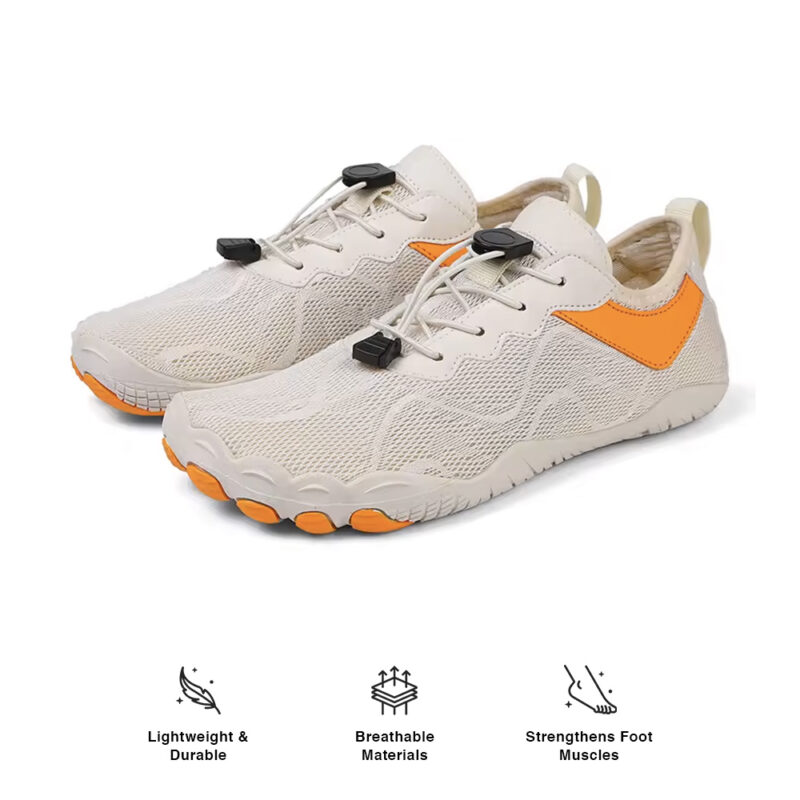
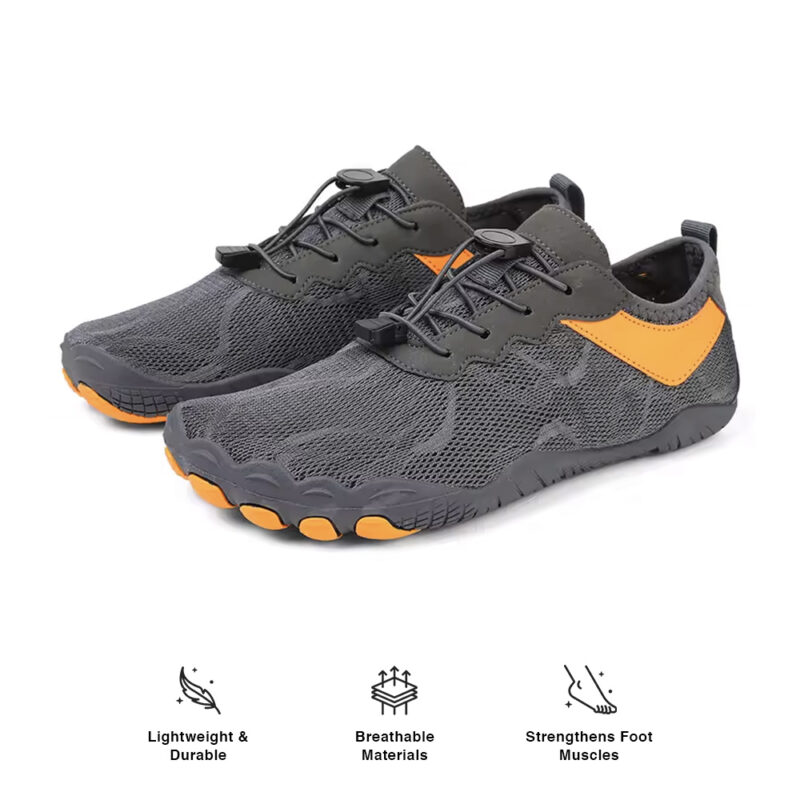
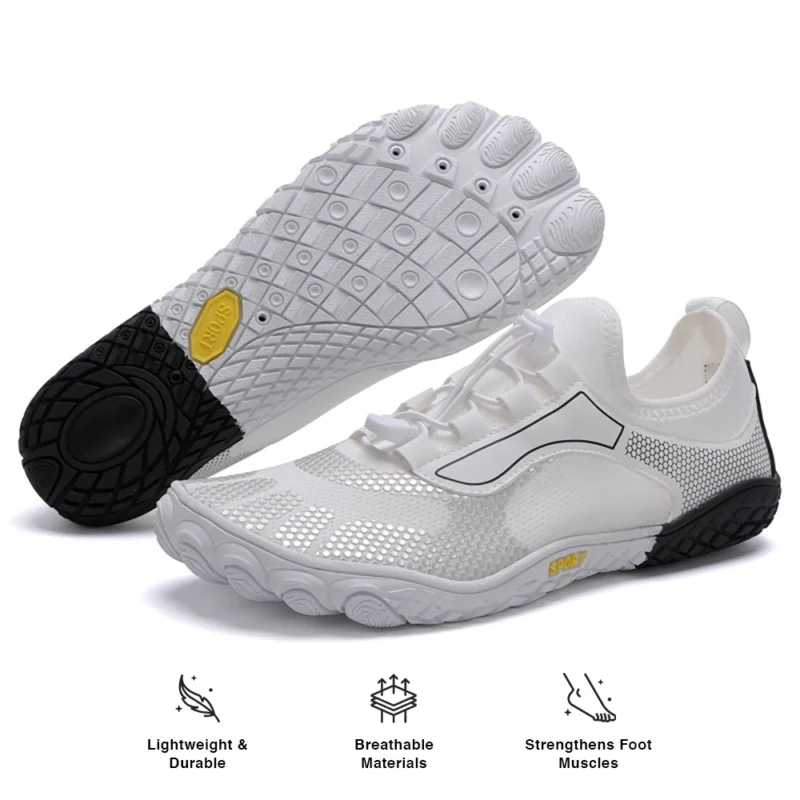
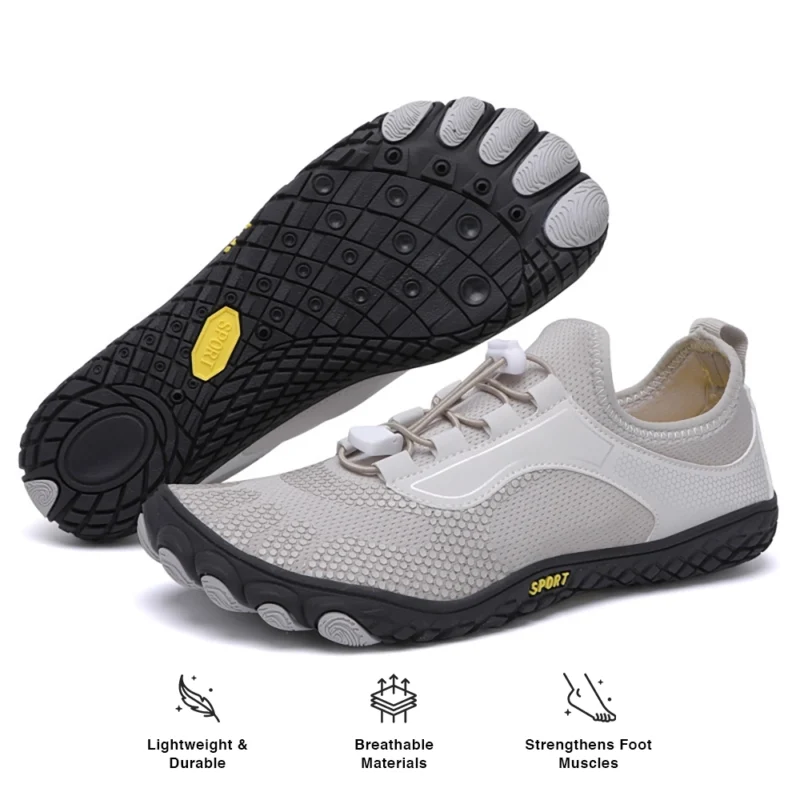
Starting your running journey often means dealing with the frustration of feet that feel trapped and uncomfortable in bulky, restrictive footwear. New runners frequently assume they need maximum protection and intervention, but your feet actually thrive when they can move and flex naturally. The best beginner running shoes recognize that your feet are perfectly designed for the task of running – they just need the freedom to do their job. When you choose minimalist footwear, you're allowing every muscle, tendon, and joint in your foot to engage properly from your very first run, creating a stronger foundation that will serve you for years to come.
How Natural Movement Prevents Common Beginner Injuries
Many new runners experience shin splints, knee pain, or foot soreness because traditional running shoes alter their natural gait and landing patterns. Your body has an innate wisdom about how to move efficiently, but heavy, over-engineered footwear can interfere with these natural mechanics. Barefoot-style running shoes allow you to land more gently and naturally, typically with a midfoot or forefoot strike rather than the jarring heel strike that thick-soled shoes encourage. This natural landing pattern reduces impact forces throughout your entire kinetic chain, from your feet up through your knees, hips, and back. Start with shorter distances in your minimalist shoes and gradually increase as your feet adapt to their newfound freedom.
Building Foot Strength That Lasts a Lifetime
Traditional running shoes often act like a cast for your feet, weakening the very muscles you need for strong, efficient running. As a beginner, you have a unique opportunity to build genuine foot strength from the ground up rather than relying on artificial supports. The best beginner running shoes have thin, flexible soles that allow your feet to feel the ground and respond accordingly, activating the small stabilizing muscles that rarely get to work in conventional footwear. This natural strengthening process happens gradually and safely when you listen to your body and progress slowly. Consider incorporating short barefoot walks on grass or sand to further develop this natural strength alongside your minimalist running routine.
The Connection Between Ground Feel and Better Balance
New runners often struggle with balance and coordination, partly because thick-soled shoes create a disconnect between their feet and the ground. Your feet contain thousands of nerve endings that provide crucial feedback about terrain, balance, and body position – information that's essential for efficient, injury-free running. Minimalist running shoes preserve this vital sensory connection while still providing protection from sharp objects and rough surfaces. This enhanced proprioception helps you develop better balance, more precise foot placement, and greater confidence on varied terrain. Practice running on different surfaces like trails, grass, and pavement to fully develop this natural feedback system.
Why Flexibility Trumps Rigid Structure for New Runners
Many beginners believe they need shoes with rigid structure and motion control features, but this approach often creates more problems than it solves. Your feet are designed to adapt and flex with each step, and rigid shoes prevent this natural adaptation. The best beginner running shoes bend and twist with your foot, allowing natural pronation and supination that helps absorb shock and maintain balance. This flexibility also allows your foot to spread naturally on impact, distributing forces more evenly and reducing pressure points. Choose shoes that you can easily bend with your hands and that feel like a second skin rather than a rigid boot.
Creating Your Gradual Transition Strategy
Switching to minimalist running shoes requires patience and a thoughtful approach, especially for beginners who haven't yet developed the habit patterns of traditional footwear. Your feet and lower legs need time to adapt to the increased workload and different movement patterns that come with natural running. The best beginner running shoes support this transition by offering just enough protection while allowing maximum natural function. Start with just 10-15 minutes of easy running every other day, focusing on short, quick steps and a relaxed, upright posture. Listen to your body carefully during this adaptation period – some muscle soreness in your feet and calves is normal, but sharp pain is a signal to slow down and let your body catch up to your enthusiasm.
Long-Term Benefits That Traditional Shoes Can't Match
Choosing minimalist footwear as a beginner runner sets you up for a lifetime of stronger, more resilient feet and more enjoyable running experiences. Unlike traditional running shoes that need frequent replacement and often lose their supportive properties over time, the benefits of natural running compound and improve with practice. Your feet become your own personal shock absorption system, your balance improves naturally, and you develop an intuitive understanding of efficient running mechanics. These adaptations don't wear out or need upgrading – they become part of who you are as a runner. Track your progress not just in miles or speed, but in how your feet feel at the end of each run and how confident you feel on different types of terrain.