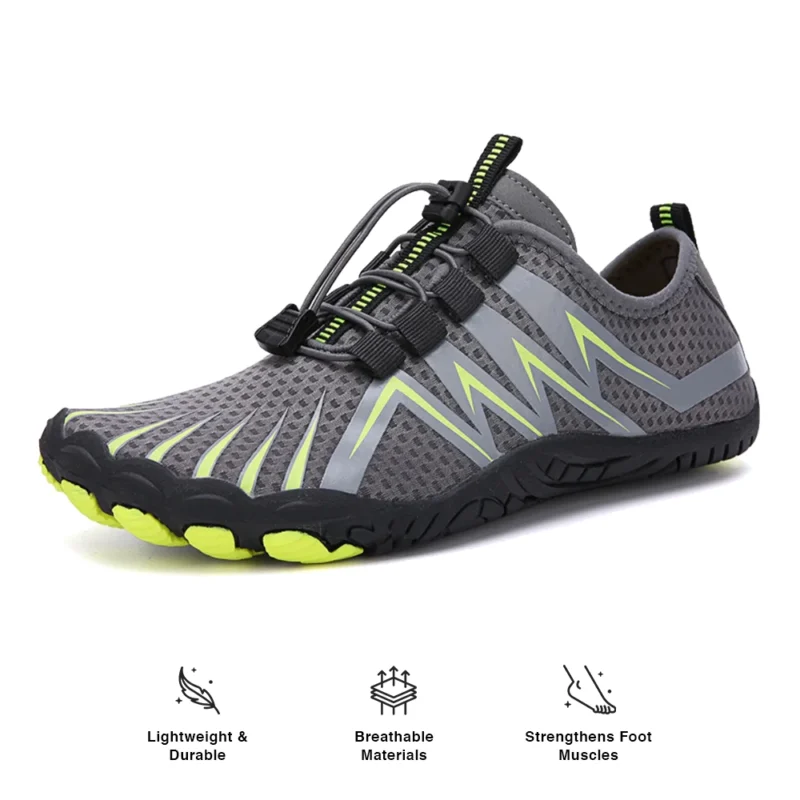
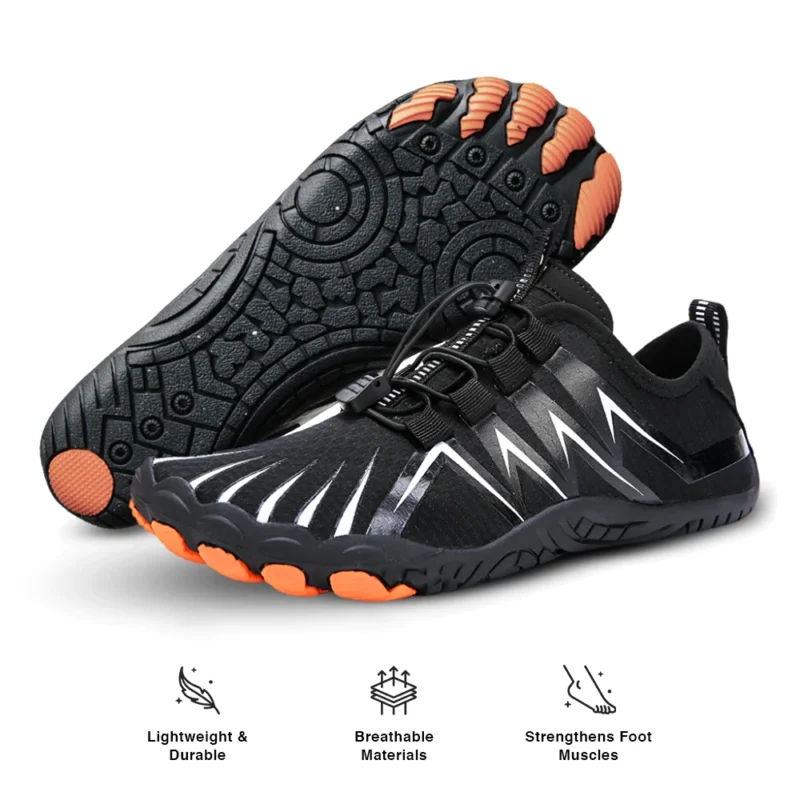
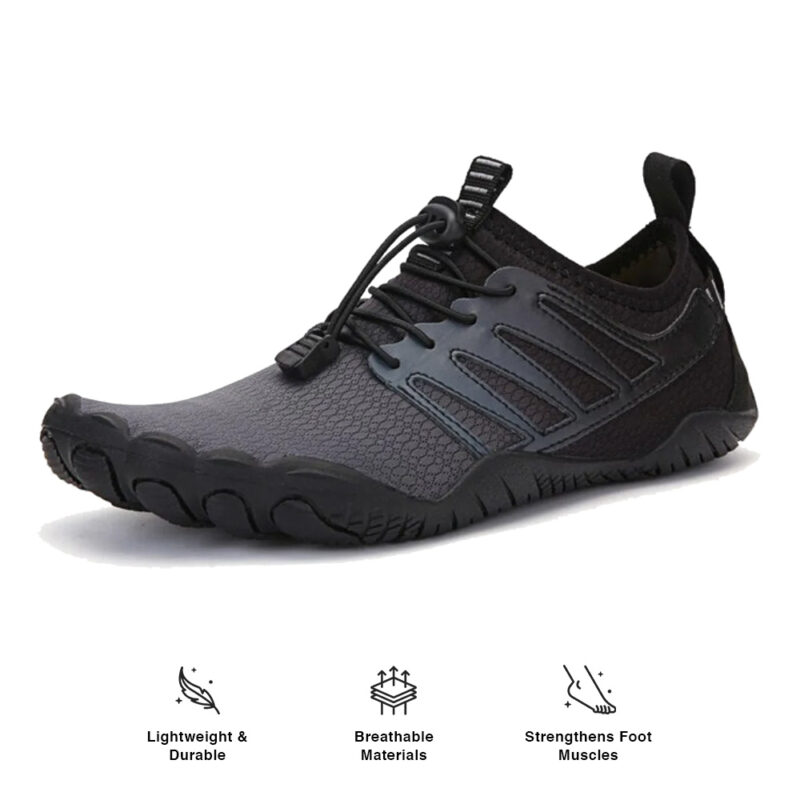
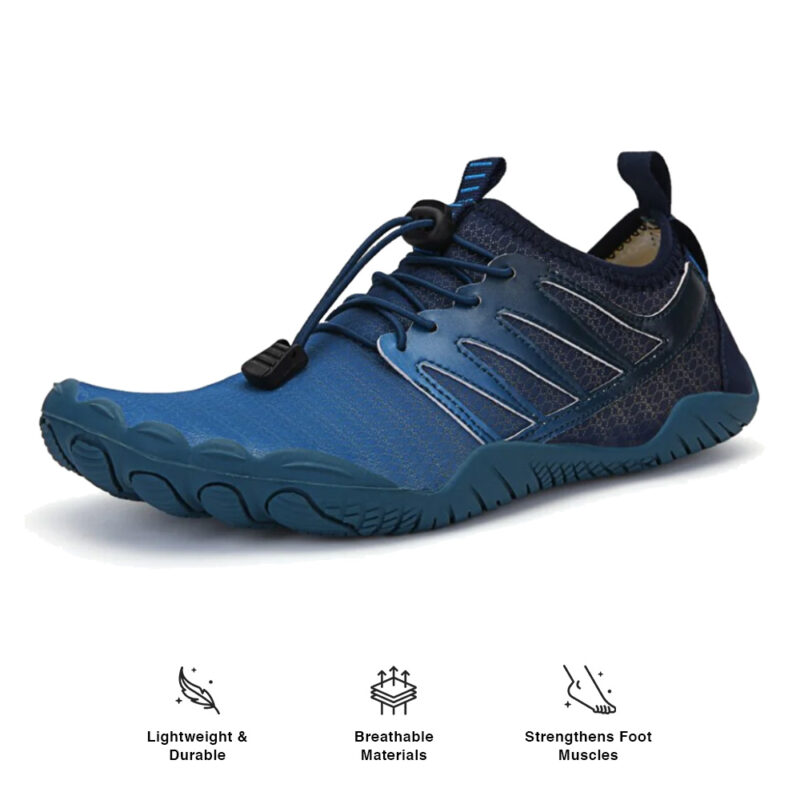
Finding Shoes That Actually Last Beyond the First Month
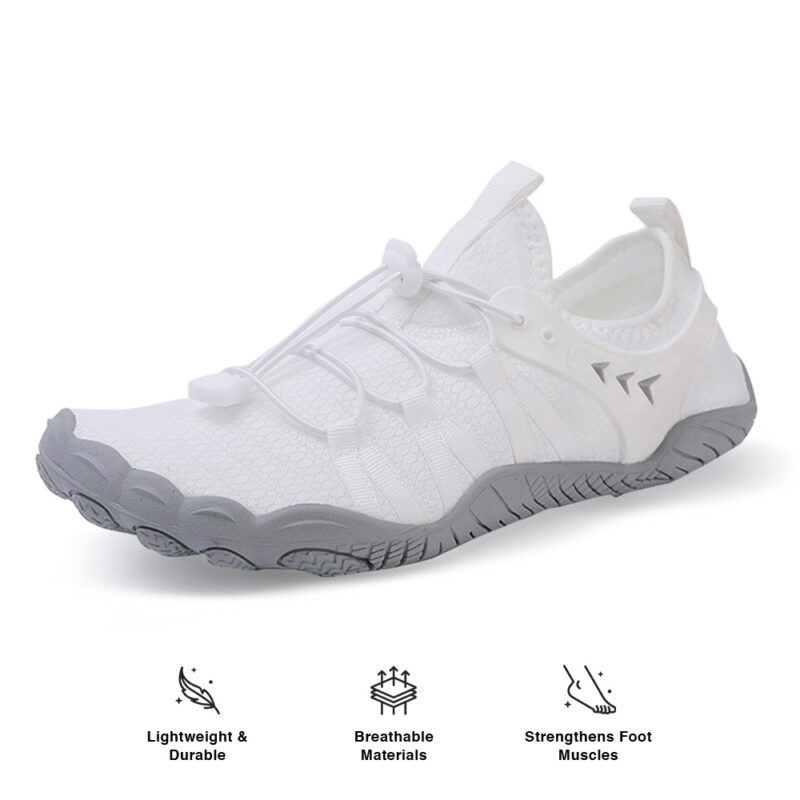
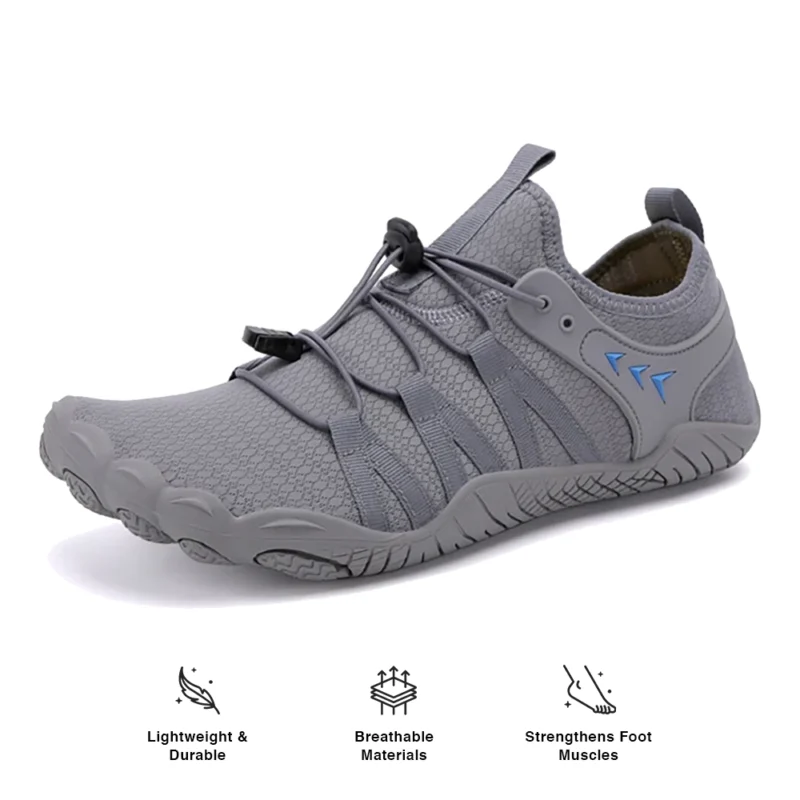
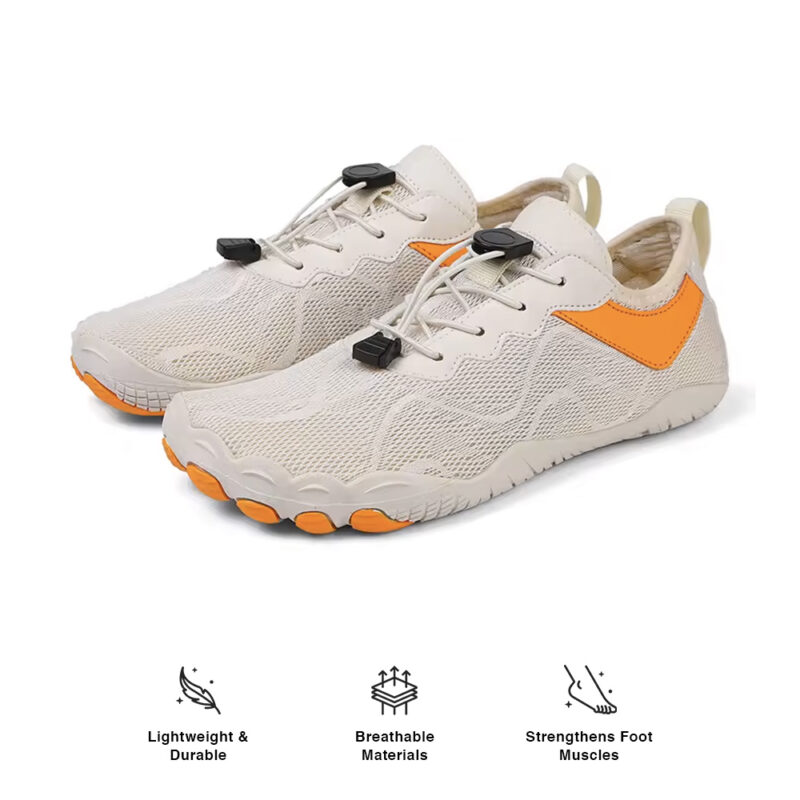
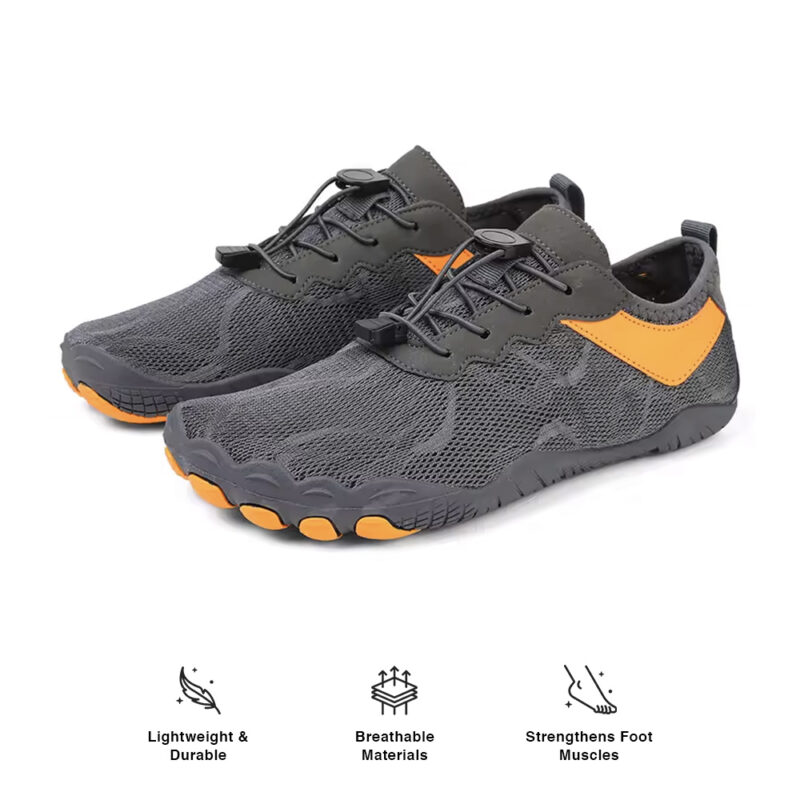
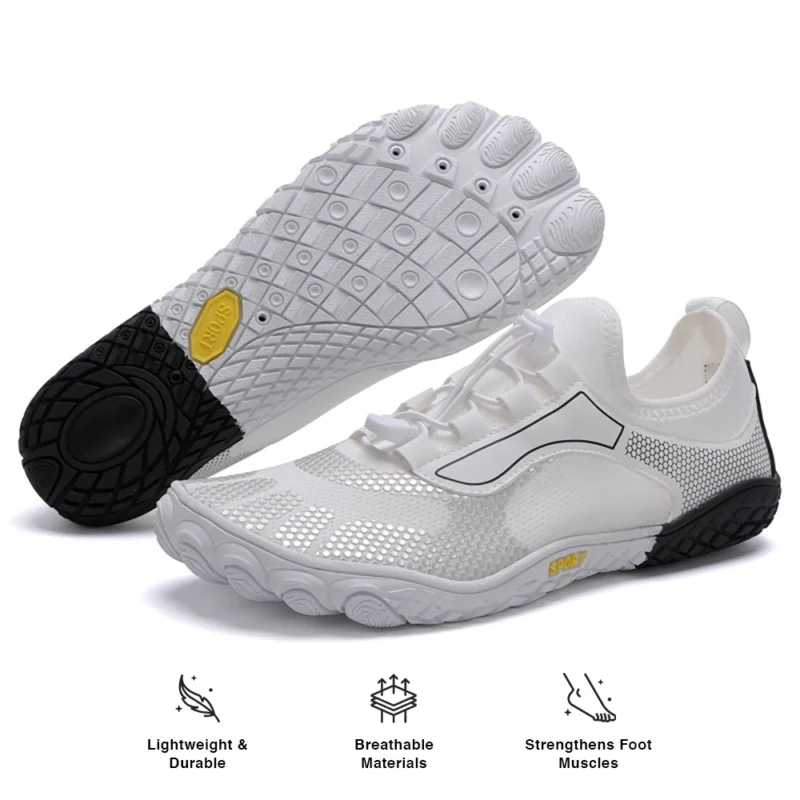
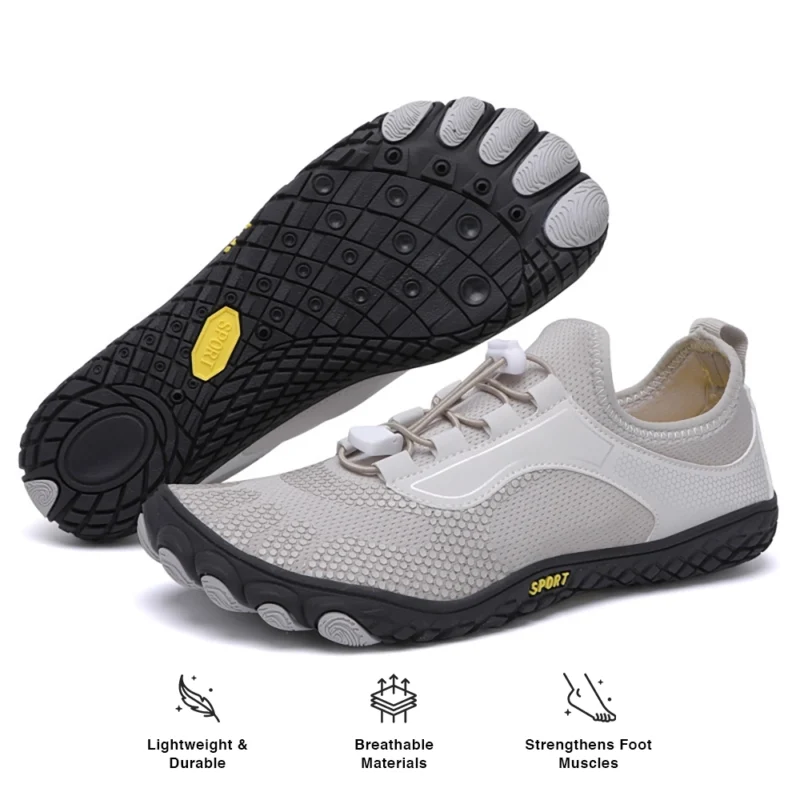
Your biggest frustration with budget footwear is probably buying shoes that seem great initially but fall apart embarrassingly fast. You need the best budget running shoes that can handle regular use without the sole separating or the upper material tearing after just a few weeks. Quality construction doesn't require premium prices when you focus on simple, minimalist designs. Barefoot-style shoes often use fewer materials and simpler construction methods, which means fewer points of failure and better long-term durability. Look for shoes with single-piece uppers and flexible soles that bend with your foot rather than fighting against it – this reduces stress on seams and attachment points that commonly break in traditional running shoes.
Avoiding the Expensive Cushioning Trap That Weakens Your Feet
You've probably been told that more cushioning equals better protection, but this expensive myth actually works against your foot health and your budget. The best budget running shoes let your feet do what they evolved to do – absorb impact naturally through your foot's built-in shock absorption system. When thick foam does all the work, your foot muscles become lazy and weak, leading to more injuries over time. Minimalist shoes with thin, flexible soles cost less to manufacture and allow your feet to develop their natural strength and resilience. Your feet will adapt quickly to ground feedback, becoming stronger and more capable with each run, eliminating the need for expensive cushioning technology.
Getting the Wide Toe Box Your Feet Actually Need
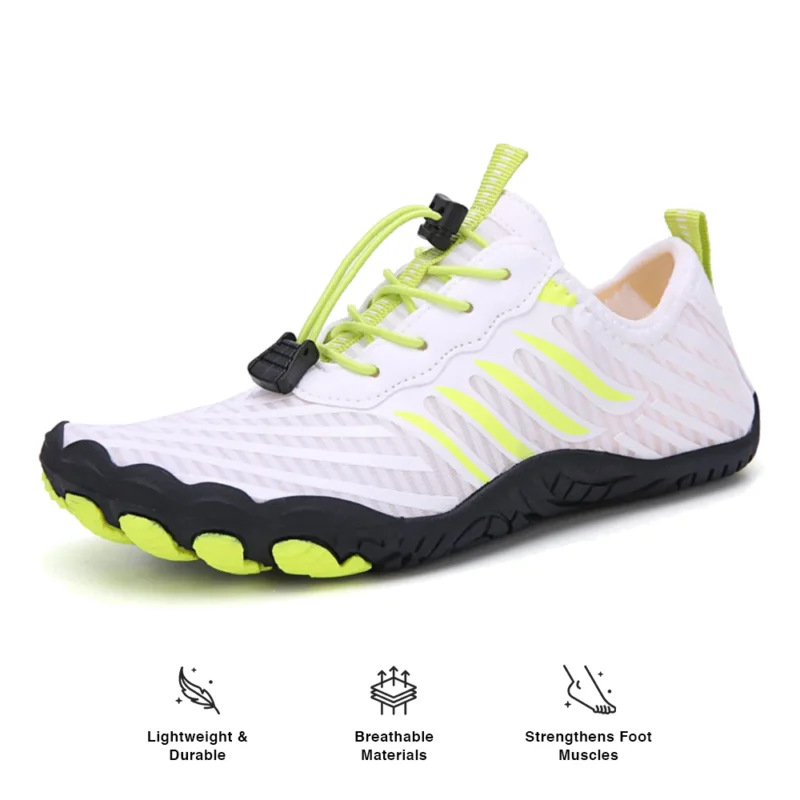
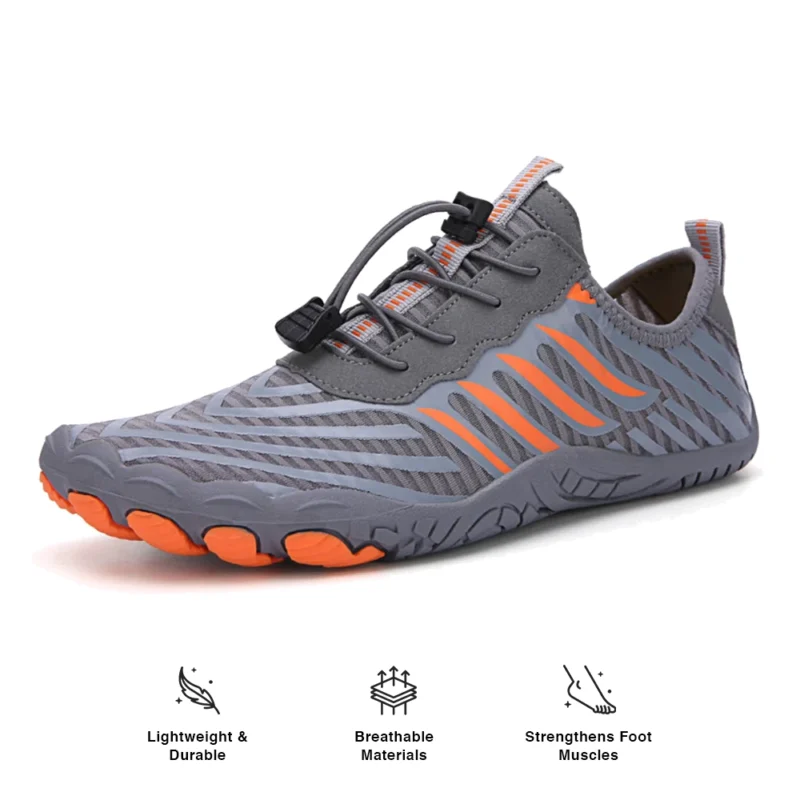
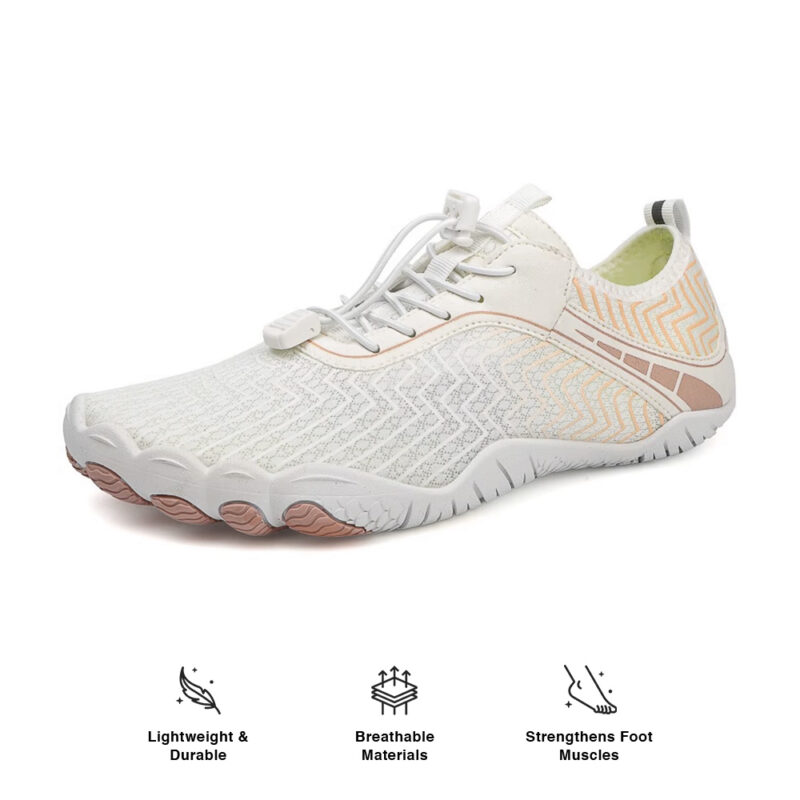
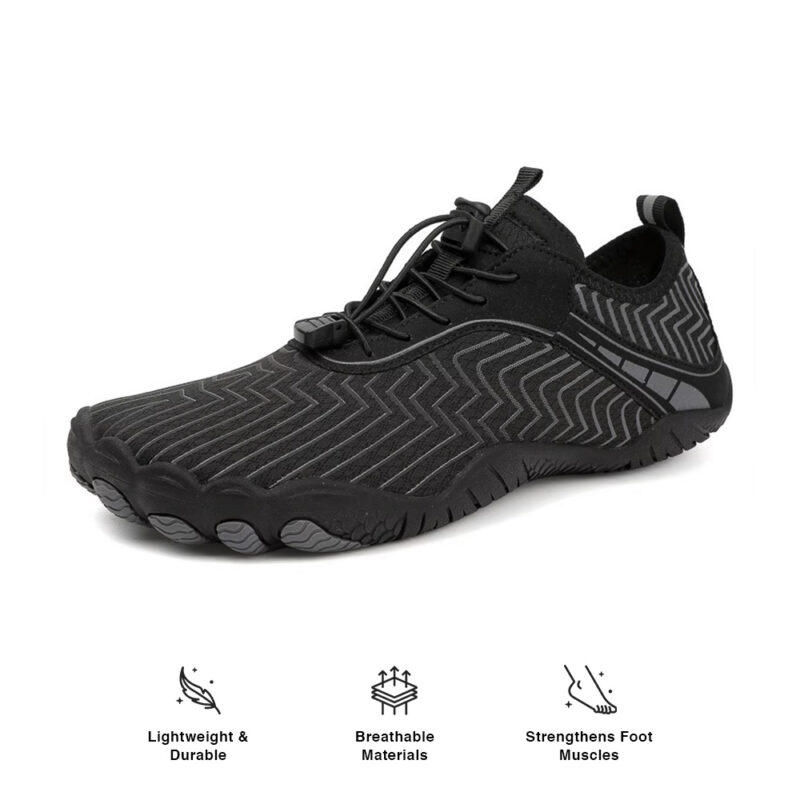
Most budget shoes squeeze your toes into unnatural points, causing pain, blisters, and long-term foot problems that cost more than quality shoes in medical bills. You need footwear that allows your toes to spread naturally, the way they do when you're barefoot. The best budget running shoes feature wide, foot-shaped toe boxes that give your toes room to splay and grip the ground for better stability and power transfer. This natural toe spread improves your balance, reduces pressure points, and eliminates the hot spots that plague runners in narrow shoes. When shopping, make sure you can wiggle all your toes freely and that the shoe follows the natural outline of your foot rather than forcing it into an artificial shape.
Achieving True Ground Connection Without Breaking Your Budget
Expensive running shoes often isolate you from the ground with thick, dead foam that numbs your foot's incredible sensory capabilities. You miss out on the natural feedback that helps you run more efficiently and safely. The best budget running shoes provide just enough protection while maintaining ground feel through thin, flexible soles. This connection allows your nervous system to make micro-adjustments with every step, improving your running form and reducing injury risk. You'll notice improved balance, better proprioception, and more efficient movement patterns when your feet can actually feel what they're running on. Choose shoes with 4-10mm of sole thickness to get protection without losing that crucial ground feedback.
Building Foot Strength That Prevents Expensive Injuries
Traditional shoes with rigid structures and motion control features weaken your feet over time, leading to expensive physical therapy and injury recovery. You need the best budget running shoes that actually strengthen your feet with every step. Minimalist designs allow your foot muscles to work naturally, developing the strength and stability that prevent common running injuries. When your feet are strong and mobile, they can handle the demands of running without relying on expensive orthotics or supportive devices. Start gradually with minimalist shoes, allowing your feet time to adapt and strengthen – this investment in foot health pays dividends in reduced injury costs and improved performance over your entire running career.
Making the Transition to Natural Movement Safely and Affordably
You might worry that switching to minimalist running requires expensive coaching or complicated training programs, but the transition can be simple and budget-friendly. The best budget running shoes for beginners often have slightly more sole thickness to ease the adaptation process while still allowing natural foot movement. Start by wearing your new shoes for short walks and easy runs, gradually increasing distance as your feet adapt. Your body will naturally adjust its running form when it can feel the ground, developing the efficient, low-impact stride that reduces wear on both your body and your shoes. Listen to your feet during this transition – they'll tell you when they're ready for more, and this natural progression costs nothing but patience and attention to your body's signals.