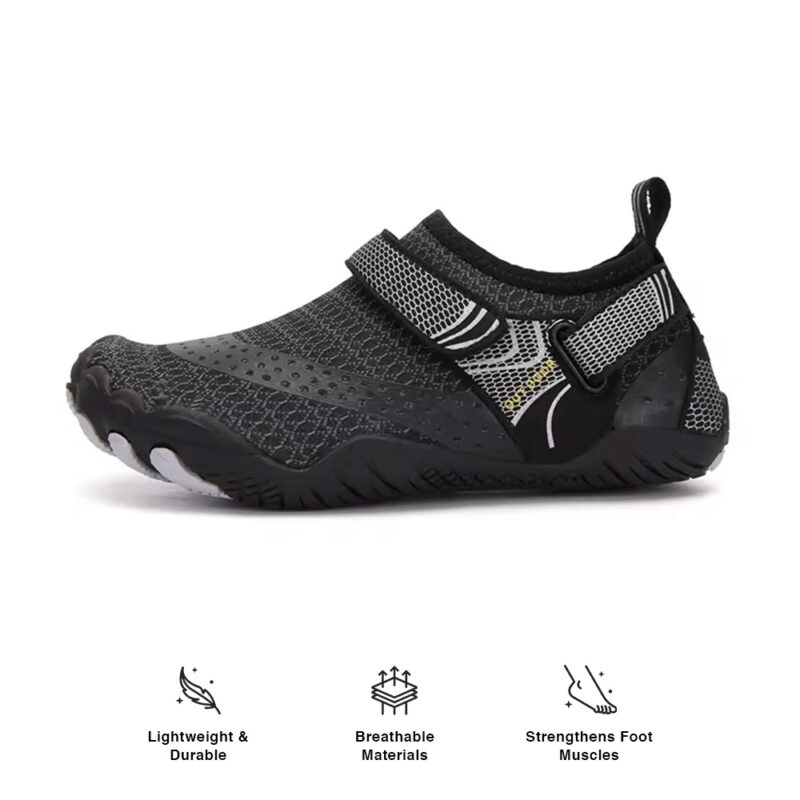
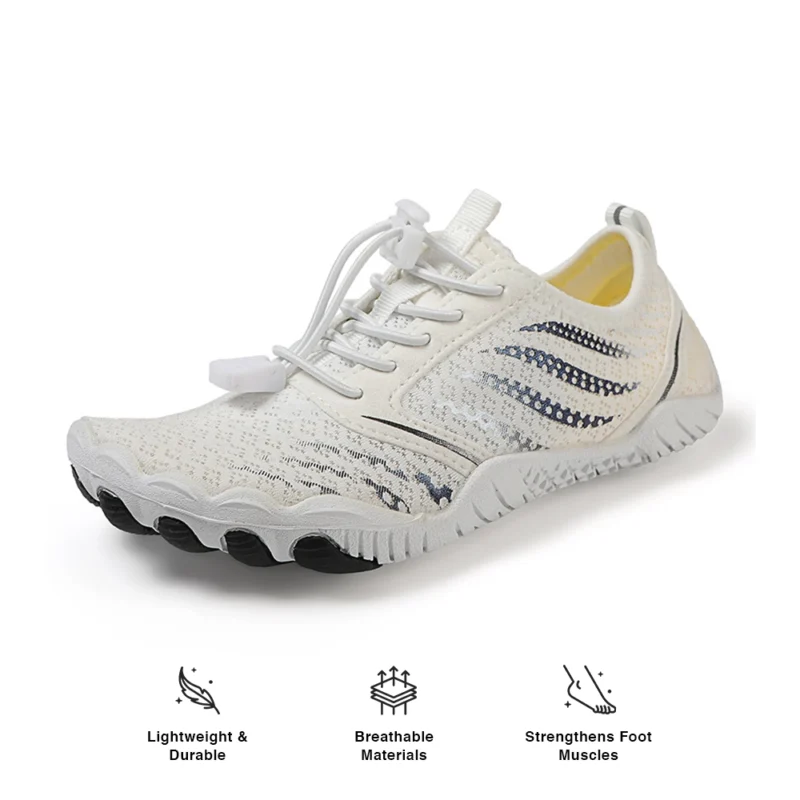
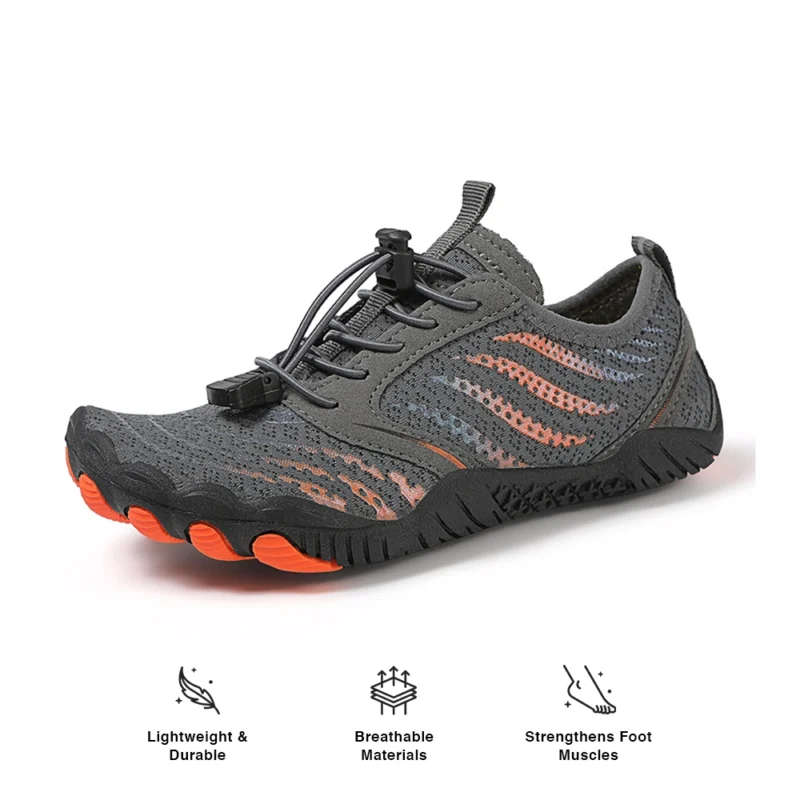
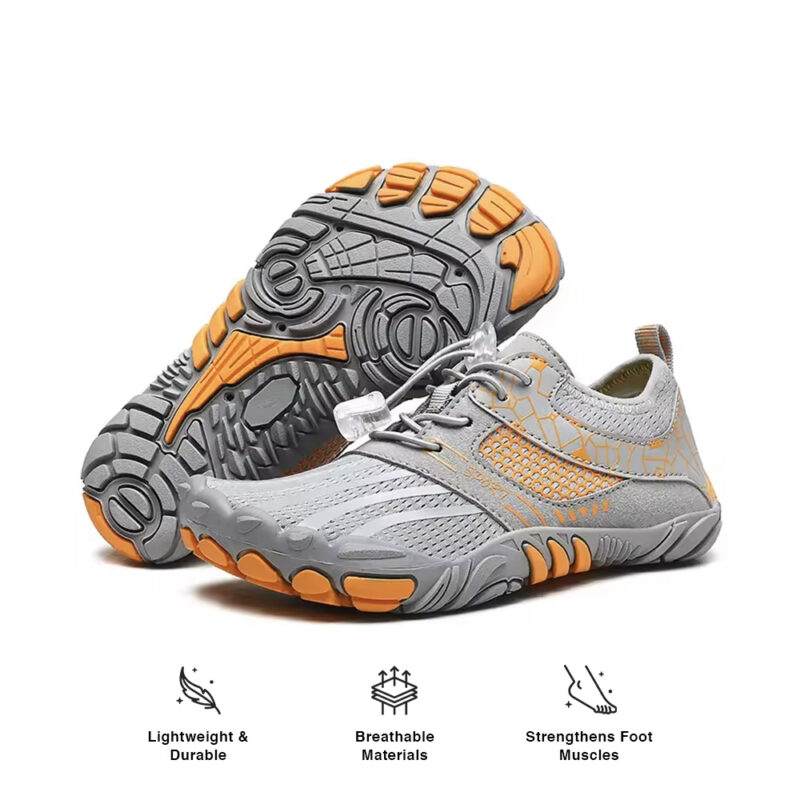
Growing Feet Need Room to Actually Grow
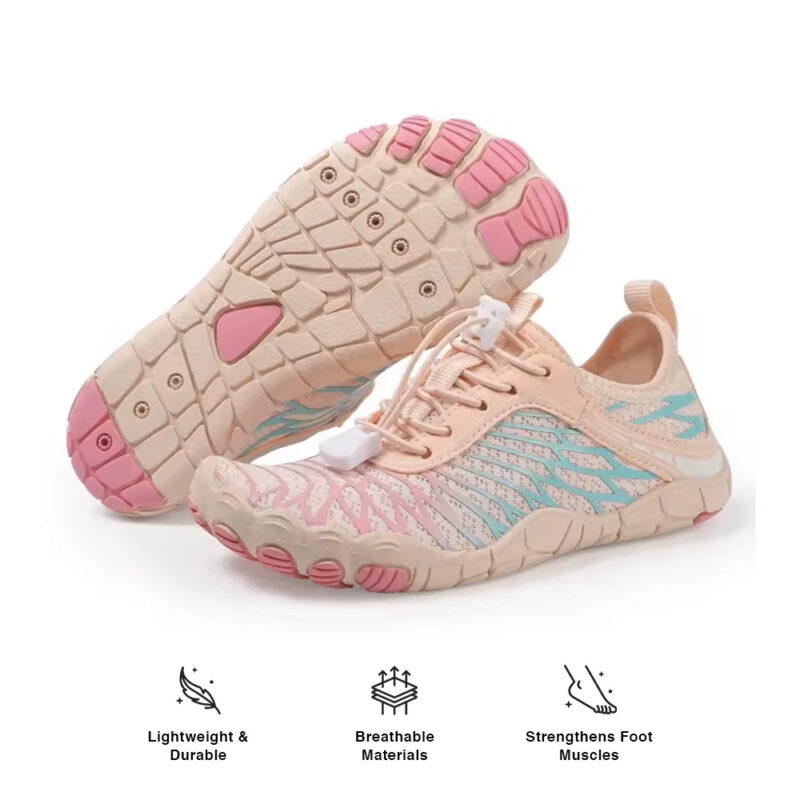
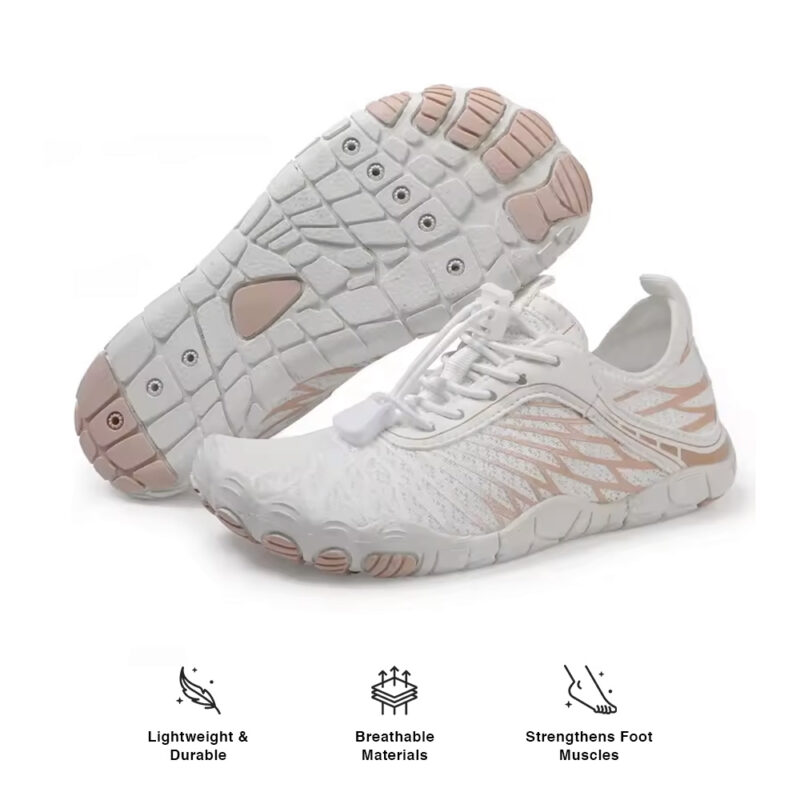
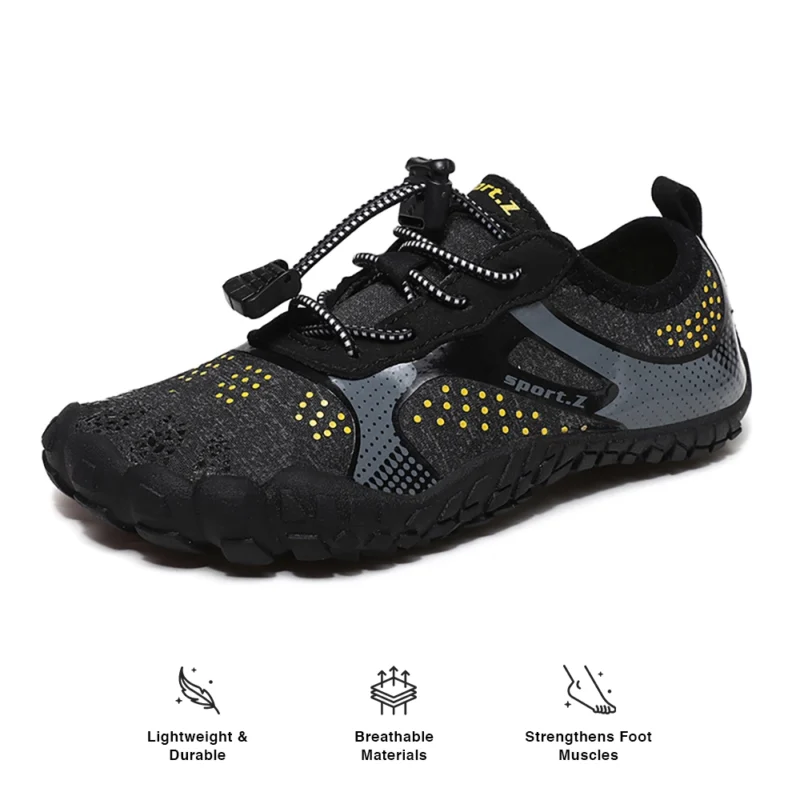
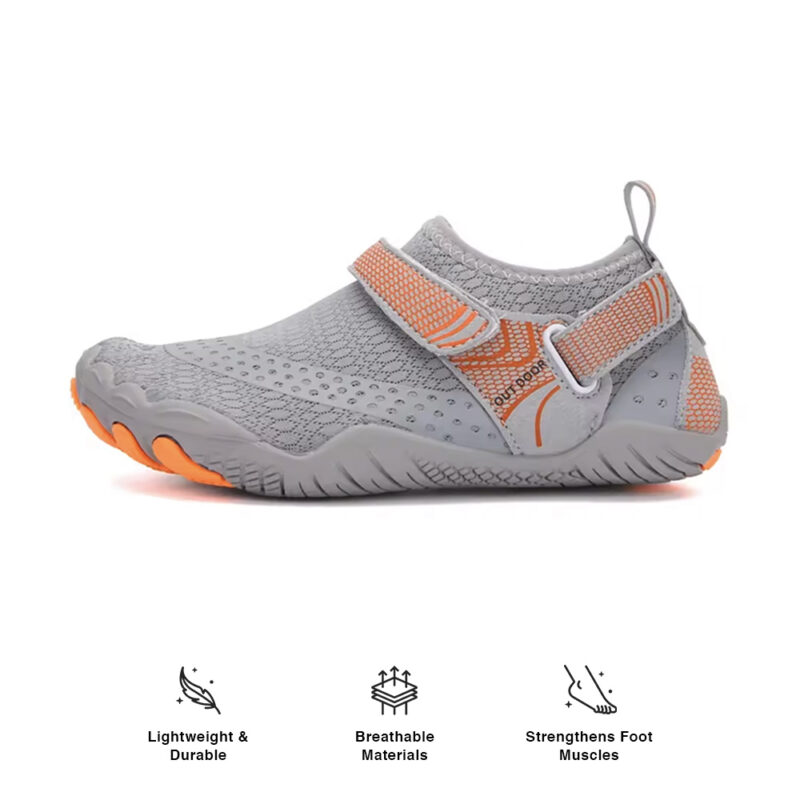
Your child's feet grow incredibly fast – sometimes a full size every few months – and cramped toe boxes in conventional shoes can seriously impact this natural process. What you need in the best children's shoes is generous width and length that accommodates not just current size but natural toe splay and movement. Barefoot-style shoes feature wide toe boxes that mirror the natural foot shape, allowing toes to spread and grip as they would on natural surfaces. When shopping, always check that your child can wiggle all their toes freely inside the shoe, and remember that their feet should never feel squeezed or compressed during this crucial developmental stage.
Balance Development Starts From the Ground Up
You've probably noticed how toddlers naturally walk with arms out for balance, constantly adjusting as they learn to navigate their world, but thick, cushioned soles actually interfere with this important developmental process. Your child needs to feel the ground to develop proper proprioception – that crucial sense of where their body is in space. The best children's shoes feature thin, flexible soles that allow maximum sensory feedback from the ground while still providing protection from sharp objects and rough surfaces. This ground connection helps your child develop better balance, coordination, and confidence in their movement, setting the foundation for a lifetime of healthy, stable walking and running.
Natural Strength Comes from Natural Movement
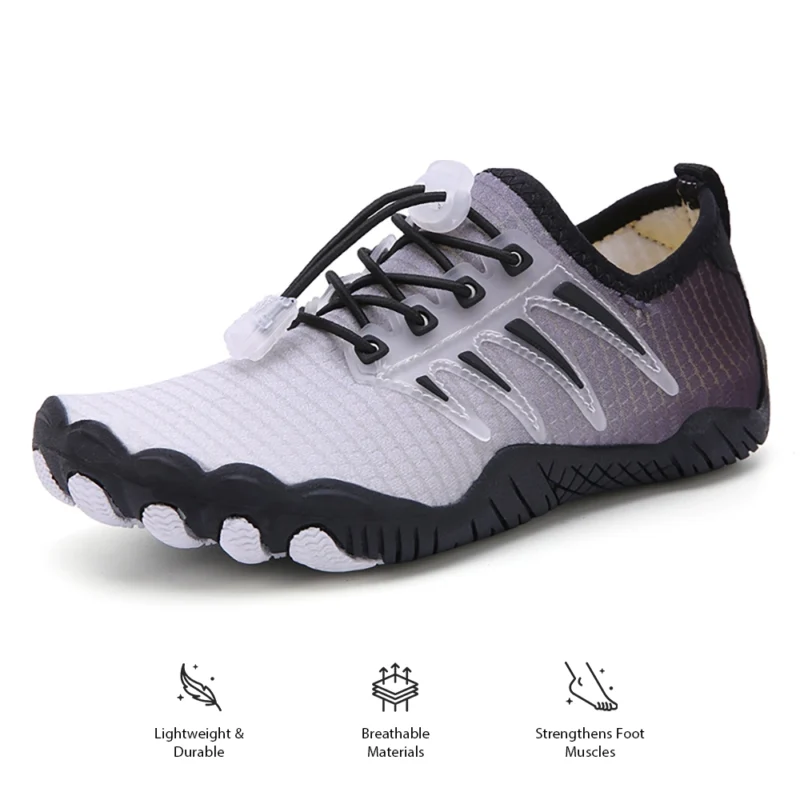
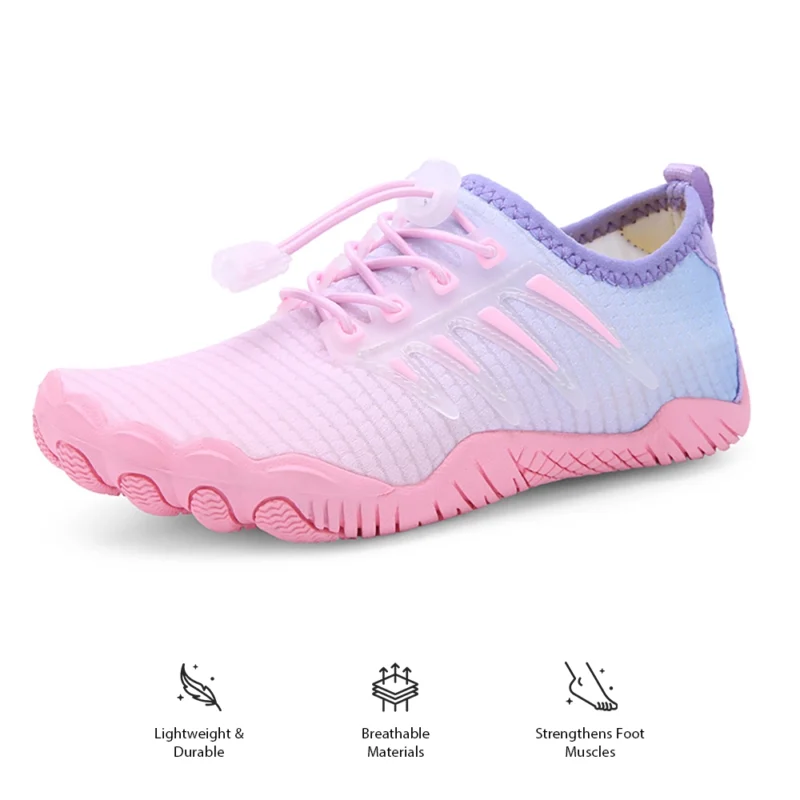
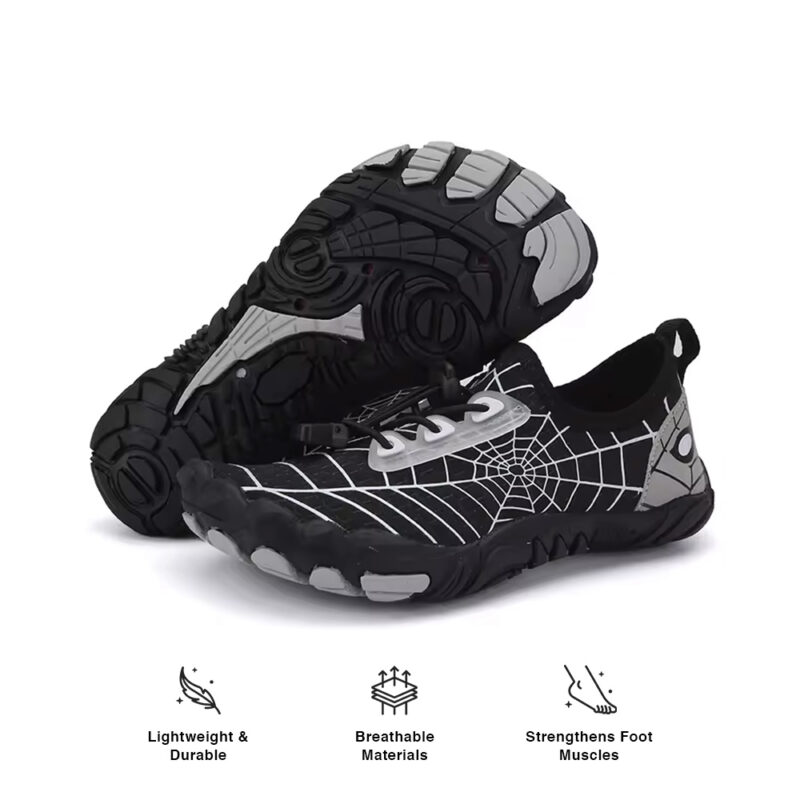
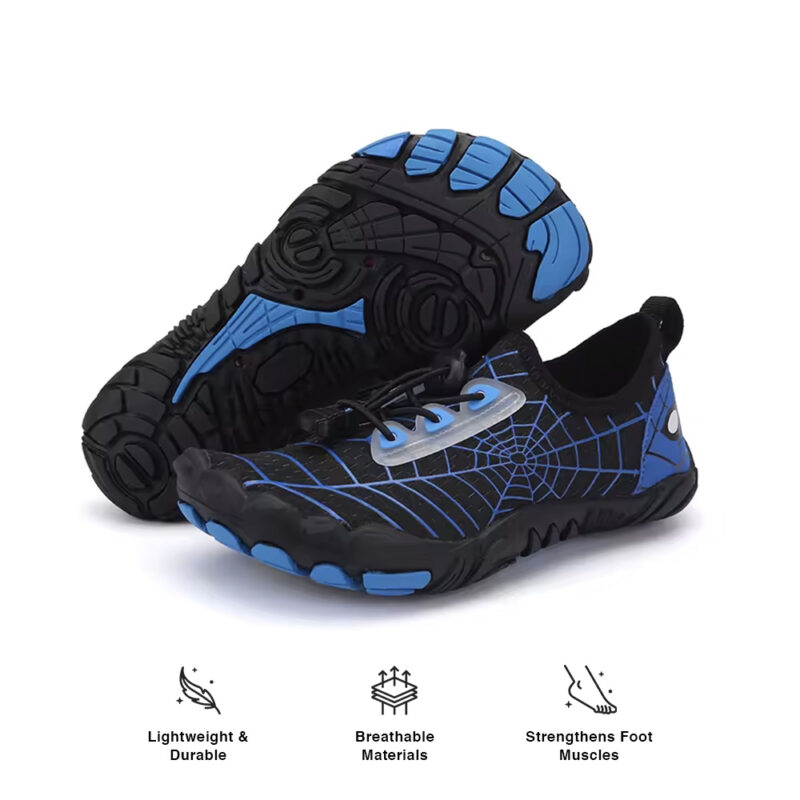
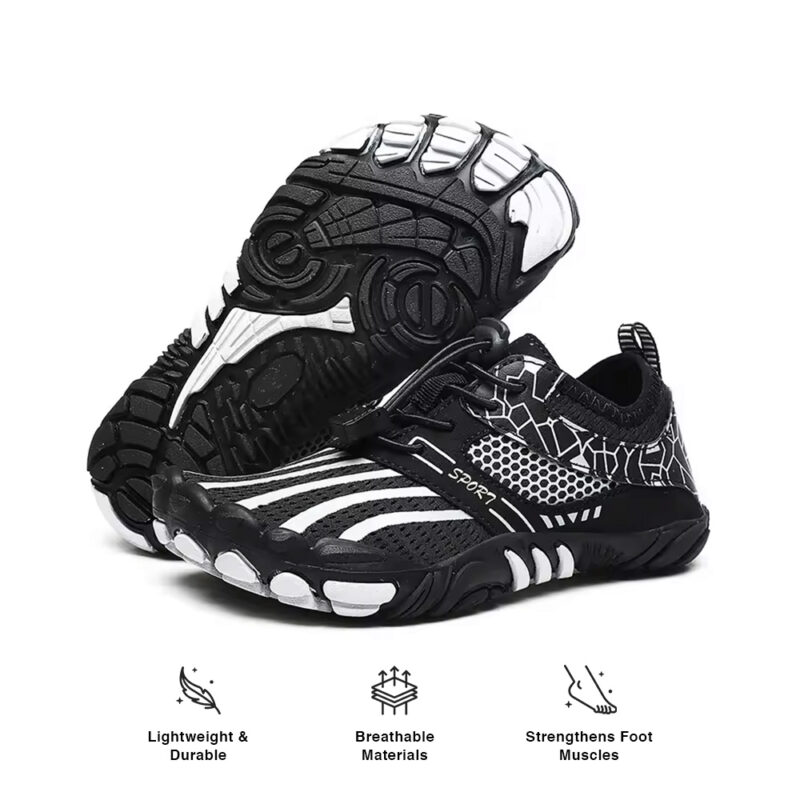
Traditional children's shoes often act like tiny casts, holding the foot rigid and preventing the natural flex and bend that builds strength in small developing muscles. What your child truly needs is footwear that moves with their feet, allowing every step to exercise the intricate network of muscles, tendons, and ligaments that create strong, resilient feet. Minimalist designs for the best children's shoes use flexible materials that bend and twist with natural movement, encouraging the foot to work as it was designed. Look for shoes you can easily twist or fold in your hands – if the shoe is rigid, it's forcing your child's foot to be rigid too, missing countless opportunities for natural strengthening with every step they take.
Active Play Demands Real Durability
Your child's shoes take a beating through playground adventures, creek splashing, and backyard exploration, but durability shouldn't come at the expense of foot health or flexibility. You need the best children's shoes that can withstand active play while maintaining their barefoot benefits throughout their lifespan. High-quality minimalist shoes use tough, flexible materials that resist wear without adding bulk or stiffness to the design. Pay attention to construction details like reinforced high-wear areas and quality stitching, and remember that a shoe that lasts through your child's active lifestyle while supporting healthy foot development is always worth the investment in their long-term foot health.
Proper Fit Changes Everything
Getting the right fit in children's shoes is more complex than simply measuring length, especially when those little feet are growing so rapidly and developing their natural shape. The best children's shoes should fit like a glove – snug around the heel and midfoot for security, but with ample room in the toe area for natural spread and growth. Unlike conventional sizing, minimalist shoes often fit differently, so don't rely solely on the size number your child typically wears. Always measure both feet (they're often different sizes), shop later in the day when feet are naturally slightly larger, and ensure there's about a thumb's width of space beyond the longest toe for healthy development and comfort.
Weather Protection Without Compromise
You want your child's feet protected from rain, snow, and rough terrain, but you shouldn't have to sacrifice healthy foot development for weather resistance. The best children's shoes incorporate weather-appropriate features while maintaining barefoot benefits through thoughtful design choices. Look for models with water-resistant materials that still breathe, or insulated options that add warmth without bulk or rigidity. Many excellent minimalist brands now offer seasonal variations that provide the specific protection your child needs without compromising the flexible, natural movement that supports healthy development. Remember that protecting your child's feet from the elements and protecting their natural development aren't mutually exclusive goals – the right shoes accomplish both beautifully.
Transition Tips for Barefoot-Style Success
Making the switch to minimalist footwear can be an adjustment for children who've been wearing conventional shoes, and rushing the transition can lead to discomfort or resistance. Your child's feet may need time to strengthen and adapt to working naturally again, so introduce the best children's shoes gradually through short wearing periods that slowly increase over time. Start with indoor wear or short outdoor adventures, and pay attention to how your child's feet and legs feel after activity. Some temporary muscle tiredness is normal as their feet wake up and start working properly, but persistent pain isn't – if you notice any concerning symptoms, slow down the transition and consult with a foot-health professional who understands the benefits of natural foot development.