Blog

Best Cross Country Running Shoes

You're a cross country runner who trains hard and races harder. You've probably struggled with that nagging foot pain that just won't go away, or those moments during races when your shoes slip on muddy trails right when you need grip most. You've likely spent hundreds of dollars cycling through heavily cushioned running shoes, only to deal with the same injuries season after season.

What you really need in the best cross country running shoes isn't more foam or complex technology. You need footwear that works with your body's natural design, not against it. Your feet are incredibly sophisticated tools with 26 bones, 33 joints, and over 100 muscles and tendons. When you let them function naturally, they become stronger, more responsive, and better at adapting to any terrain you encounter.

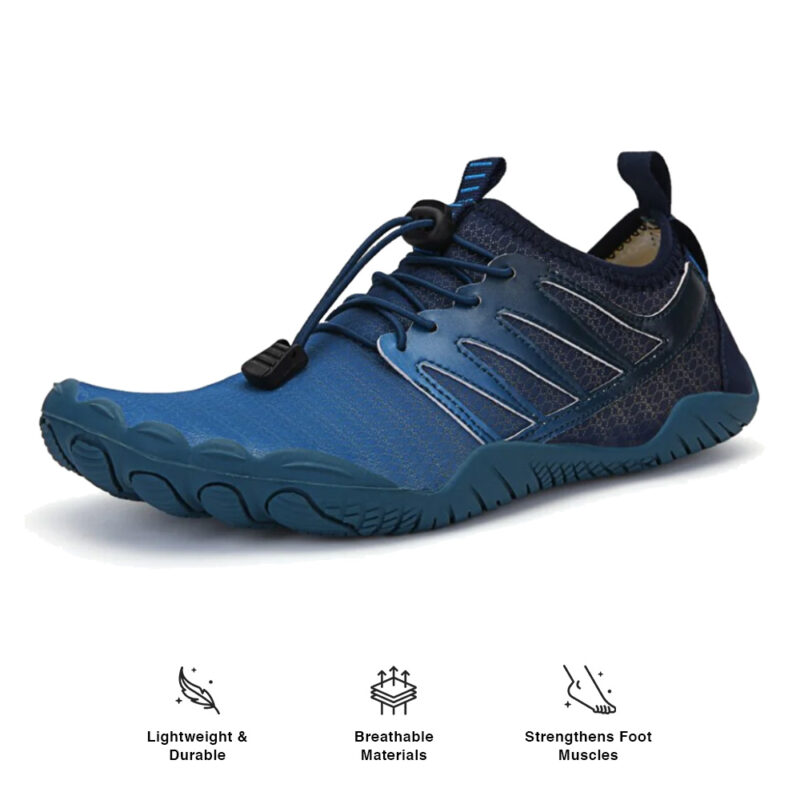
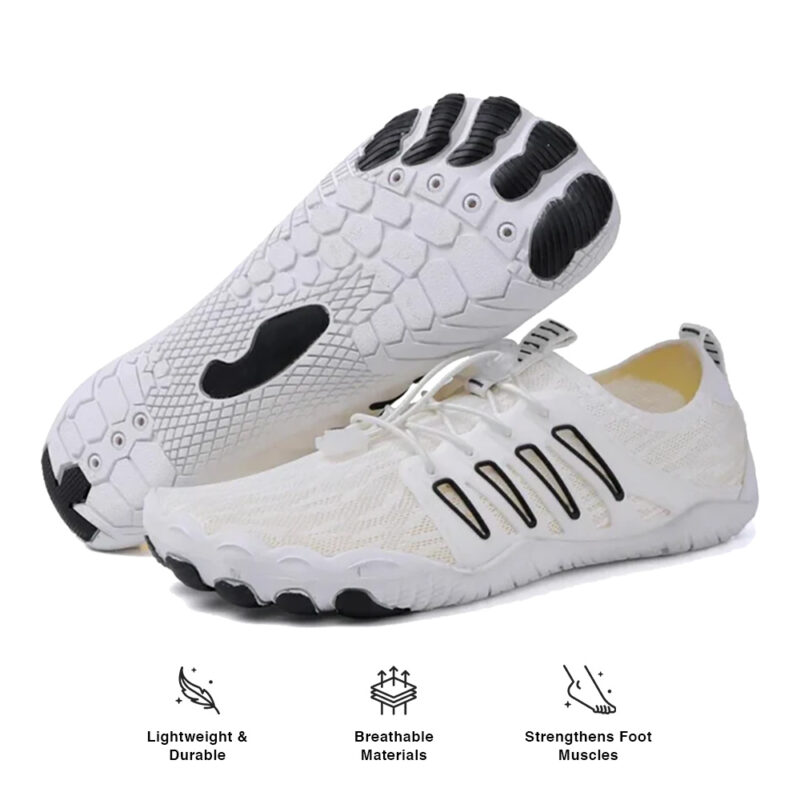
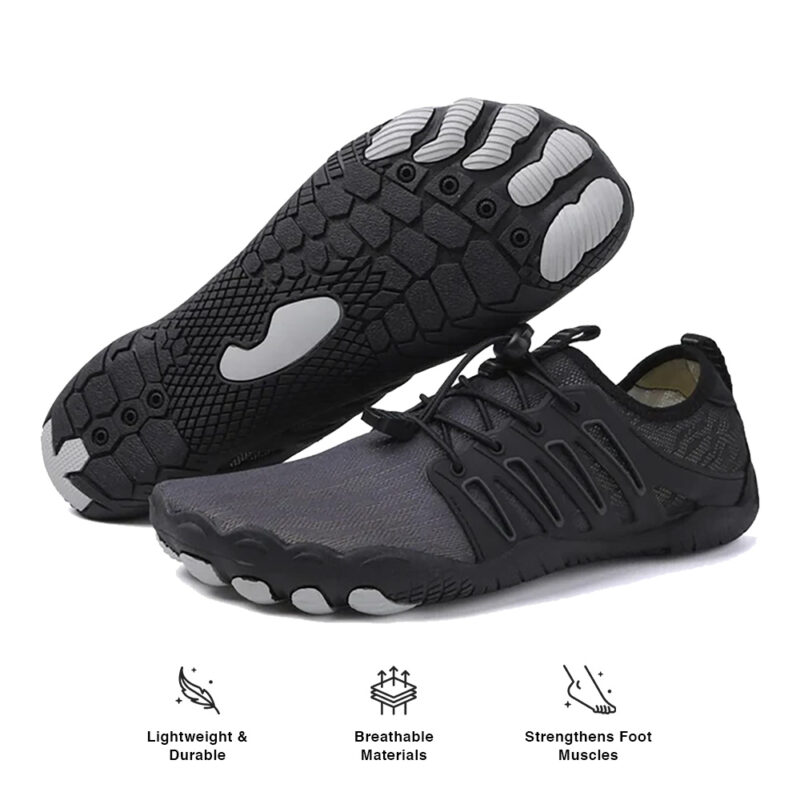
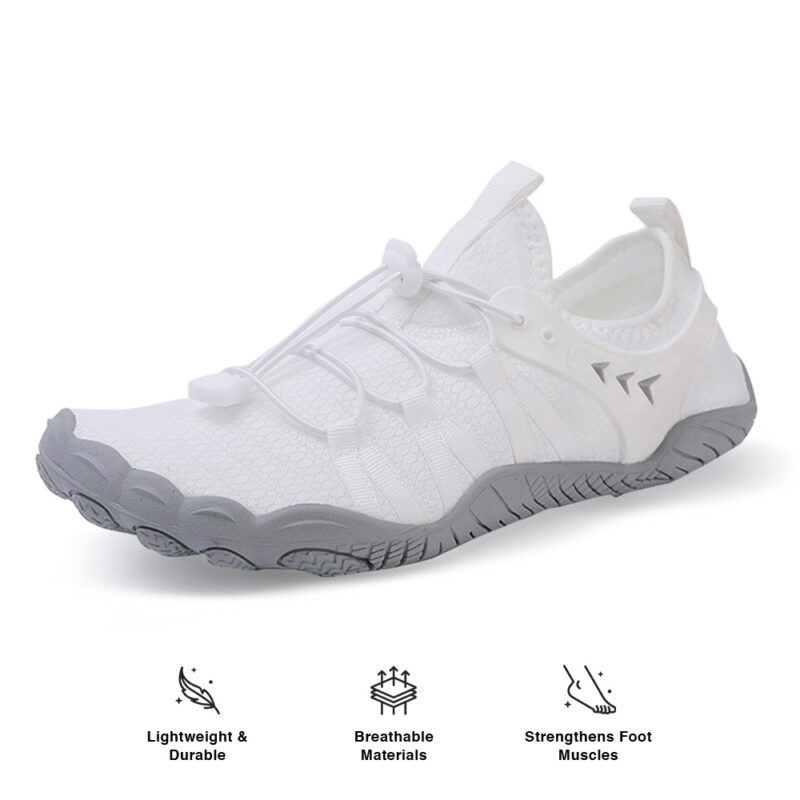
The best cross country running shoes allow natural foot movement, letting your feet spread, flex, and grip the ground as they were designed to do. This builds stronger feet from the ground up, improves your balance and posture, and delivers lasting comfort through freedom rather than artificial support. When your feet can feel the ground beneath them, you'll run with better form, fewer injuries, and more confidence on any surface.

Your body knows how to run. The best cross country running shoes simply get out of the way and let it happen.

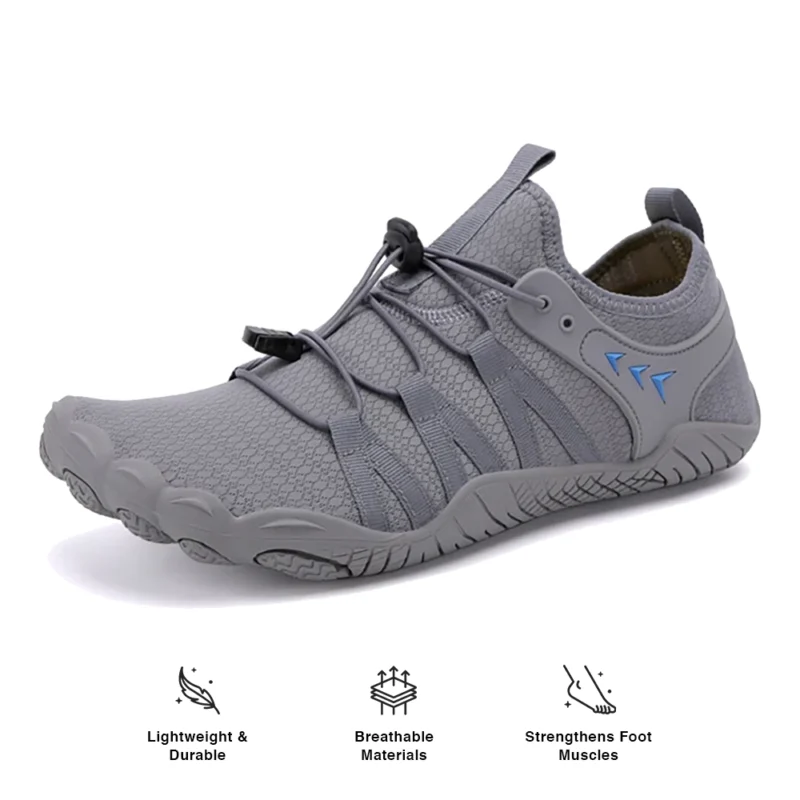
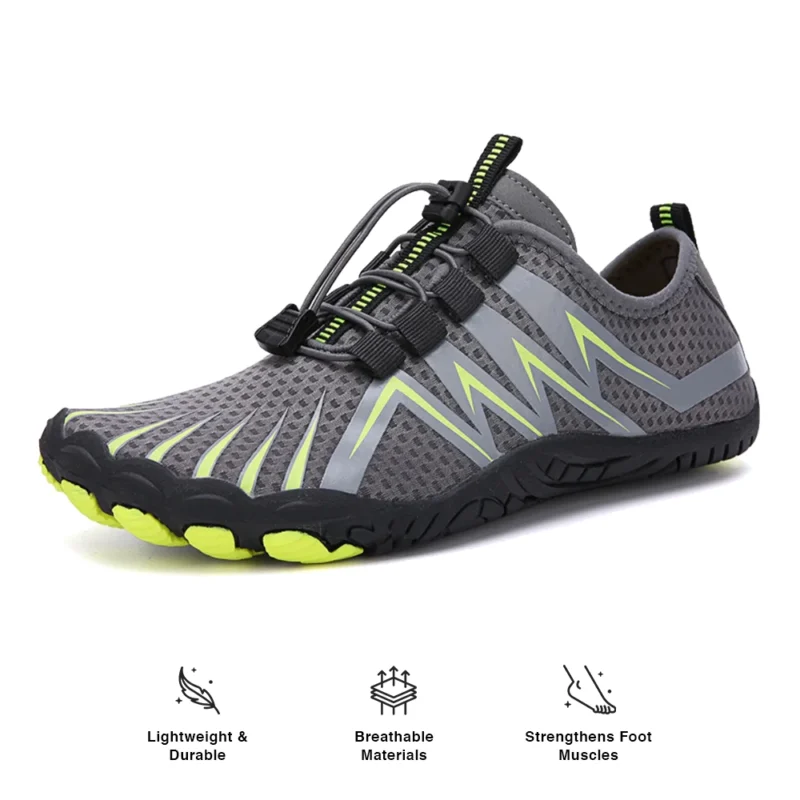
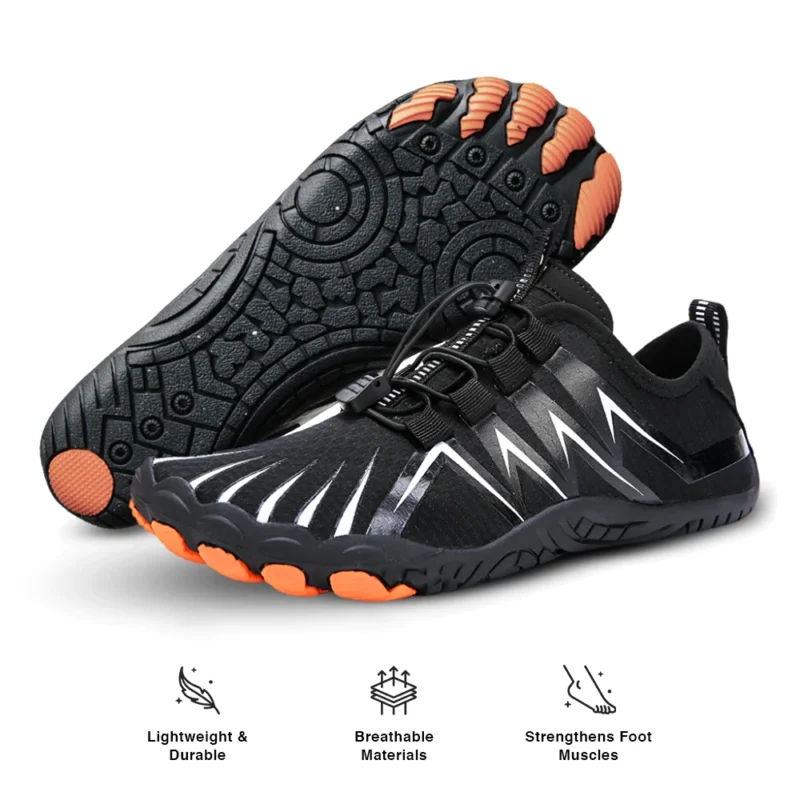
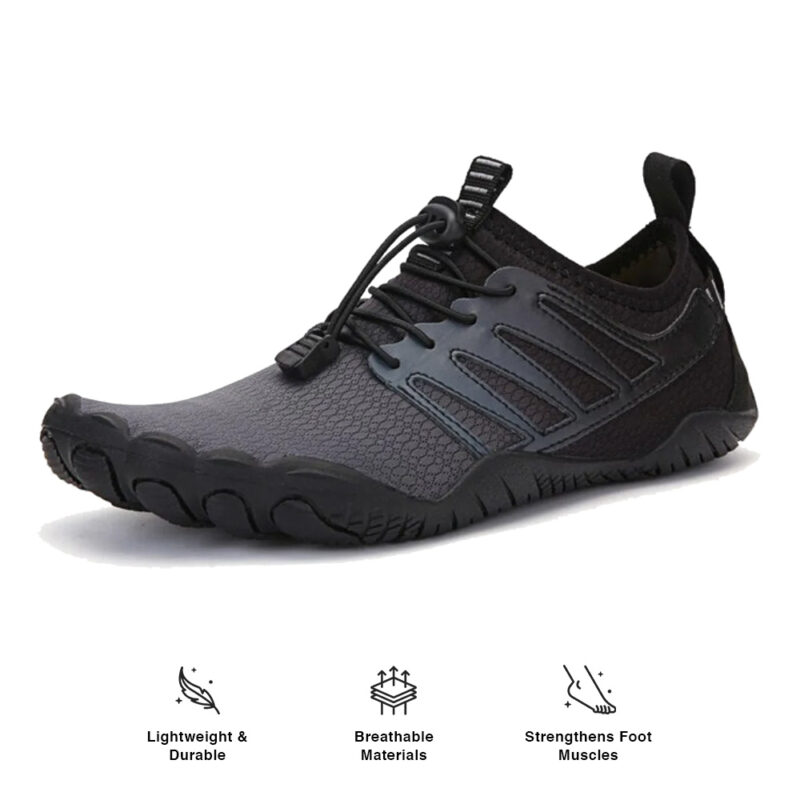
Top Picks for Best Cross Country Running Shoes
Original price was: $133.50.Current price is: $58.98.
Select options This product has multiple variants. The options may be chosen on the product page
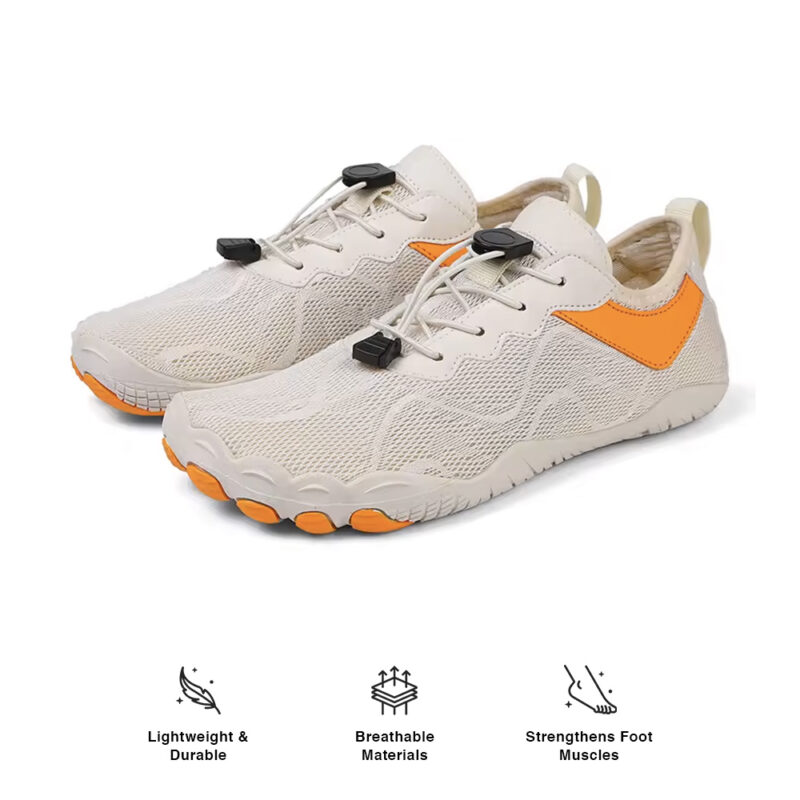
Original price was: $149.99.Current price is: $74.99.
Select options This product has multiple variants. The options may be chosen on the product page
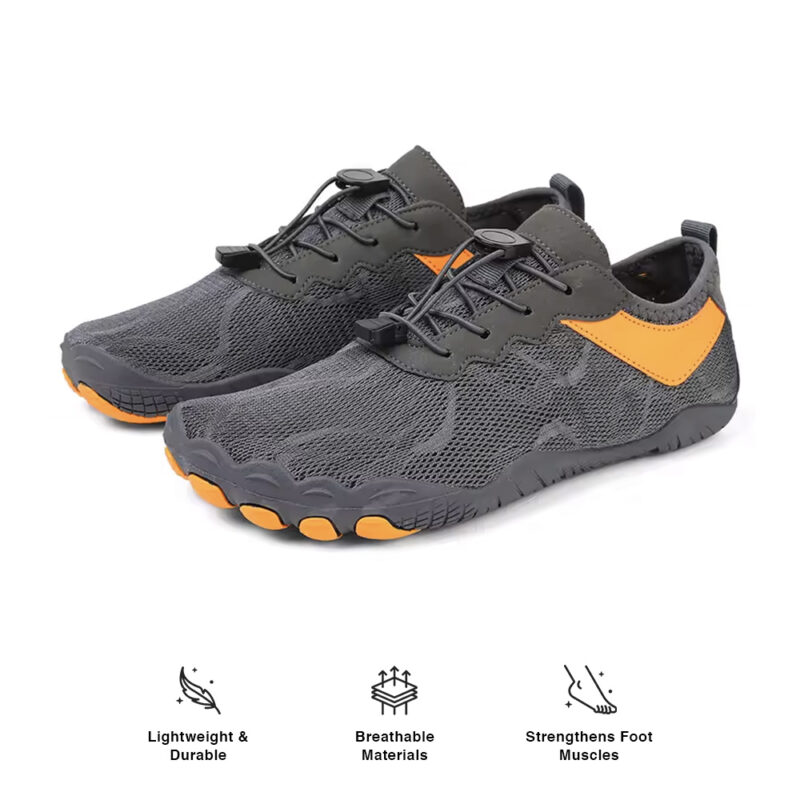
Original price was: $133.50.Current price is: $59.95.
Select options This product has multiple variants. The options may be chosen on the product page
Original price was: $129.98.Current price is: $58.95.
Select options This product has multiple variants. The options may be chosen on the product page
$79.95
Select options This product has multiple variants. The options may be chosen on the product page
Original price was: $149.99.Current price is: $74.99.
Select options This product has multiple variants. The options may be chosen on the product page
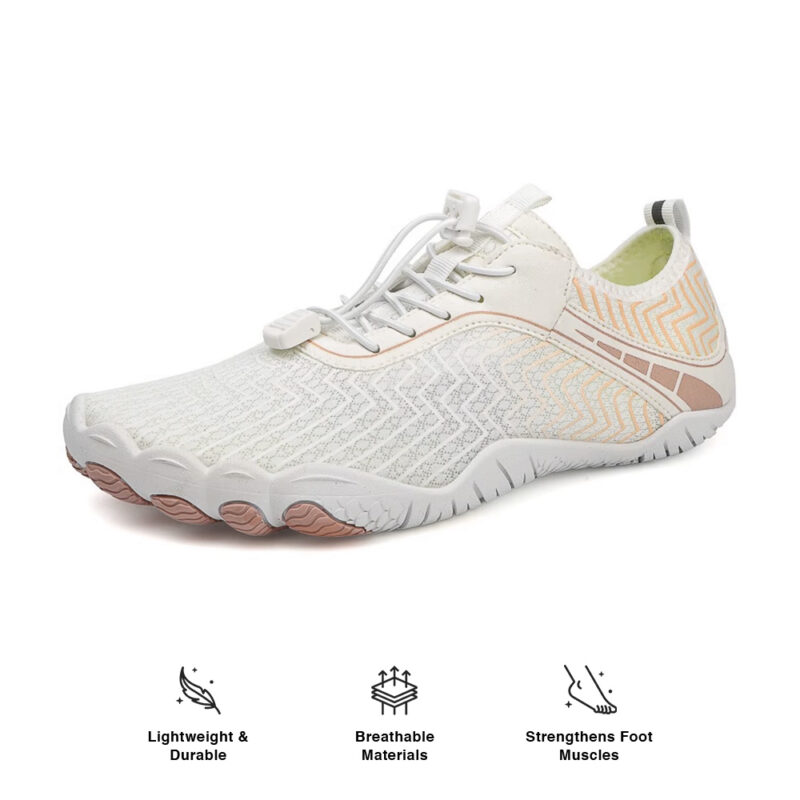
$79.95
Select options This product has multiple variants. The options may be chosen on the product page
Original price was: $133.98.Current price is: $56.98.
Select options This product has multiple variants. The options may be chosen on the product page
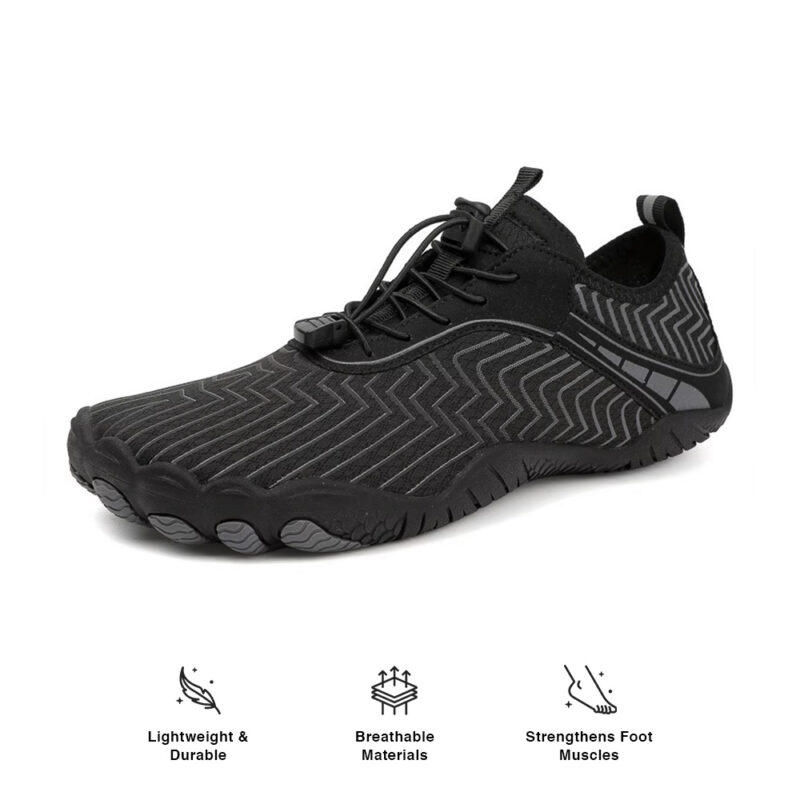
Why Your Feet Keep Getting Weaker Despite All That Training

You train religiously, logging mile after mile, yet your feet feel weak and unstable on race day. Traditional running shoes with thick soles and rigid construction actually prevent your feet from doing their job. When you can't feel the ground or flex your toes naturally, the small stabilizing muscles in your feet never get stronger. The best cross country running shoes have thin, flexible soles that let your feet adapt and strengthen with every step, turning your daily runs into natural foot conditioning sessions.

The Ground Feel Advantage That Wins Races

Cross country courses throw everything at you: roots, rocks, mud, steep hills, and sudden turns. Heavily cushioned shoes create a barrier between you and the terrain, forcing you to guess where to place your feet. When you wear minimalist running shoes with excellent ground feel, you can instantly adjust your stride length, foot placement, and push-off angle based on what you're actually running on. This sensory feedback translates into faster times and fewer stumbles when it matters most.

How Natural Toe Spread Transforms Your Stability

Your toes aren't just along for the ride—they're your natural balance system. Narrow toe boxes in conventional shoes squeeze your toes together, eliminating your base of support and forcing other muscles to compensate. The best cross country running shoes feature wide toe boxes that let your toes spread naturally, creating a stable platform for every foot strike. This improved stability means better balance on technical terrain and more efficient energy transfer with each stride.

Why Flexible Soles Beat Stiff Plates Every Time

Many cross country runners think they need rigid plates or rock protection, but stiff soles actually make your feet work harder. When your shoe can't bend with your foot's natural motion, you waste energy fighting against your footwear with every step. Flexible soles in quality minimalist shoes allow your feet to move through their full range of motion, engaging all the muscles and tendons that evolved to make you an efficient runner. This natural flexibility also helps you adapt to uneven surfaces without losing momentum.

The Zero-Drop Secret to Better Running Form

Traditional running shoes with elevated heels force you to land on your heels, sending shock waves up your legs with every impact. This heel-striking pattern is a major contributor to common running injuries like shin splints and knee pain. The best cross country running shoes have zero heel-to-toe drop, encouraging a more natural midfoot or forefoot landing that distributes impact forces more evenly throughout your body. This improved running form often leads to faster times and fewer injury-related training interruptions.

Building Foot Strength That Actually Transfers to Performance

Strong feet aren't just injury prevention—they're performance enhancement. When your feet are weak from being supported by artificial cushioning and rigid materials, you lose power with every push-off and waste energy compensating for instability. Minimalist cross country shoes gradually strengthen your feet through normal training, developing the intrinsic foot muscles that provide natural shock absorption and propulsion. This strength-building process transforms your feet into more powerful, responsive tools that contribute to your speed rather than limiting it.

Making the Transition Without Derailing Your Training

The biggest mistake runners make is switching to the best cross country running shoes overnight and immediately running their normal mileage. Your feet need time to adapt and strengthen, even though they'll thank you in the long run. Start by wearing your new minimalist shoes for easy runs just 2-3 times per week, gradually increasing the frequency over 4-6 weeks. This patient approach lets your feet adapt while maintaining your training consistency, ensuring you arrive at your next race stronger and more confident than ever.