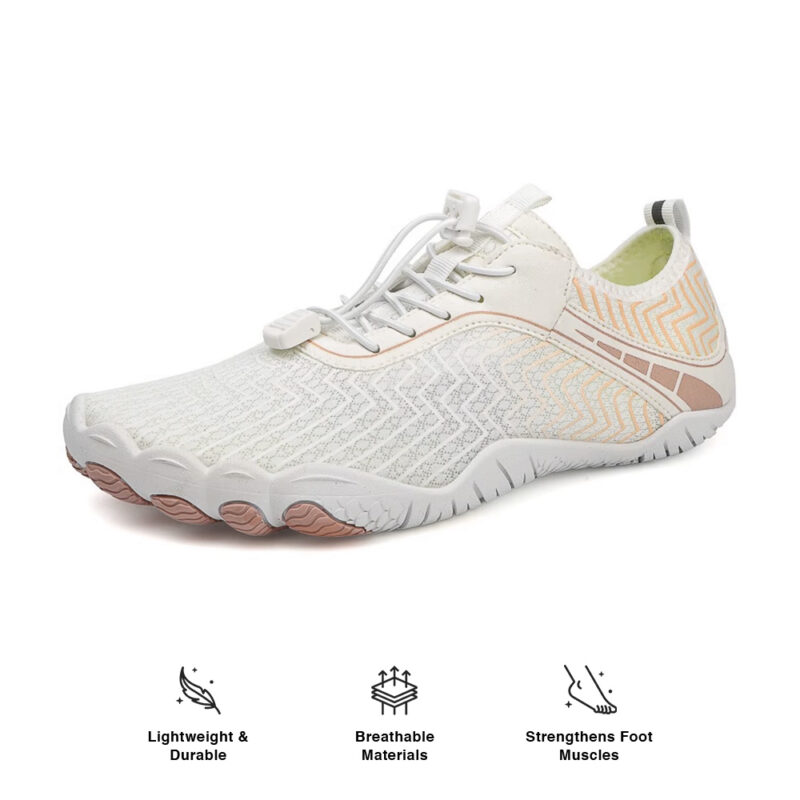
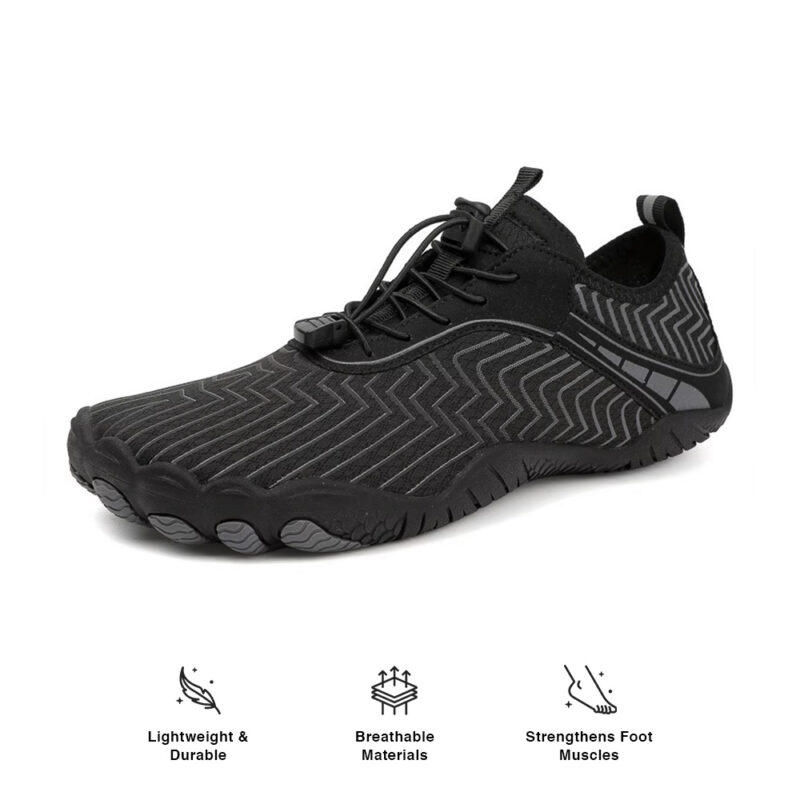
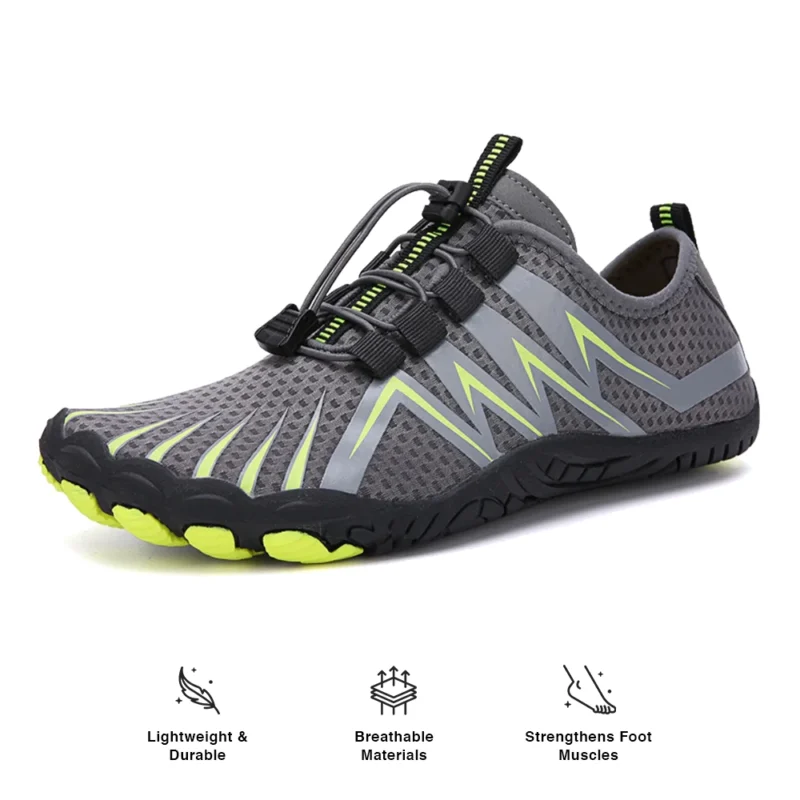
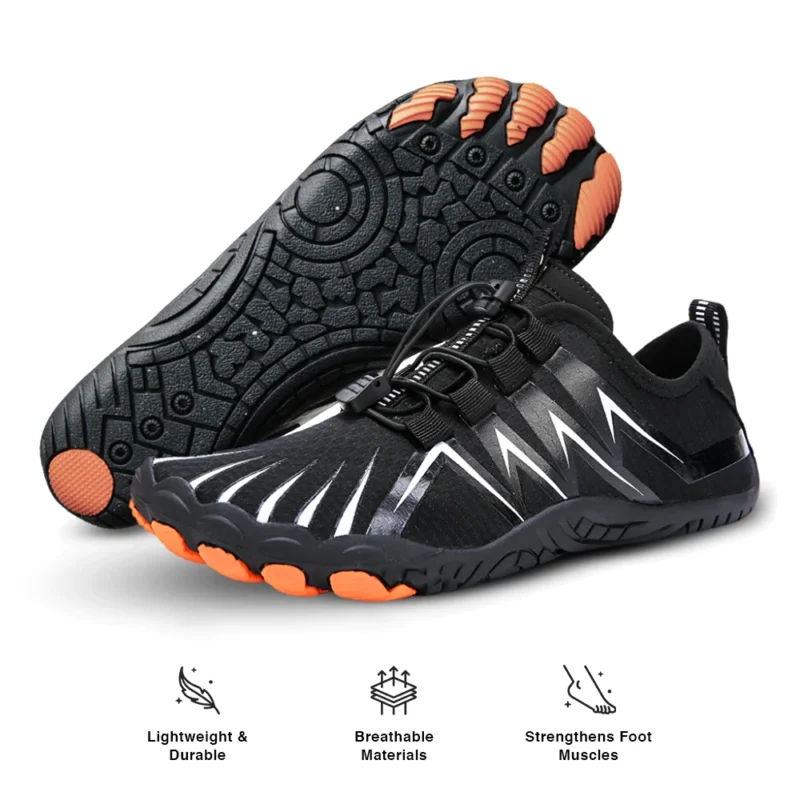
Why Ground Connection Transforms Your Training Performance
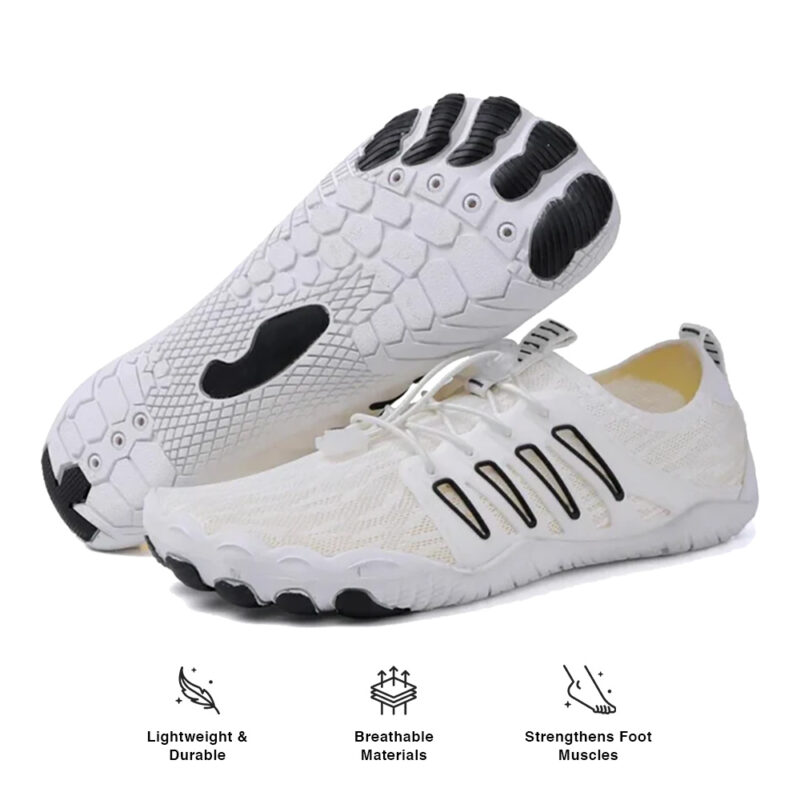
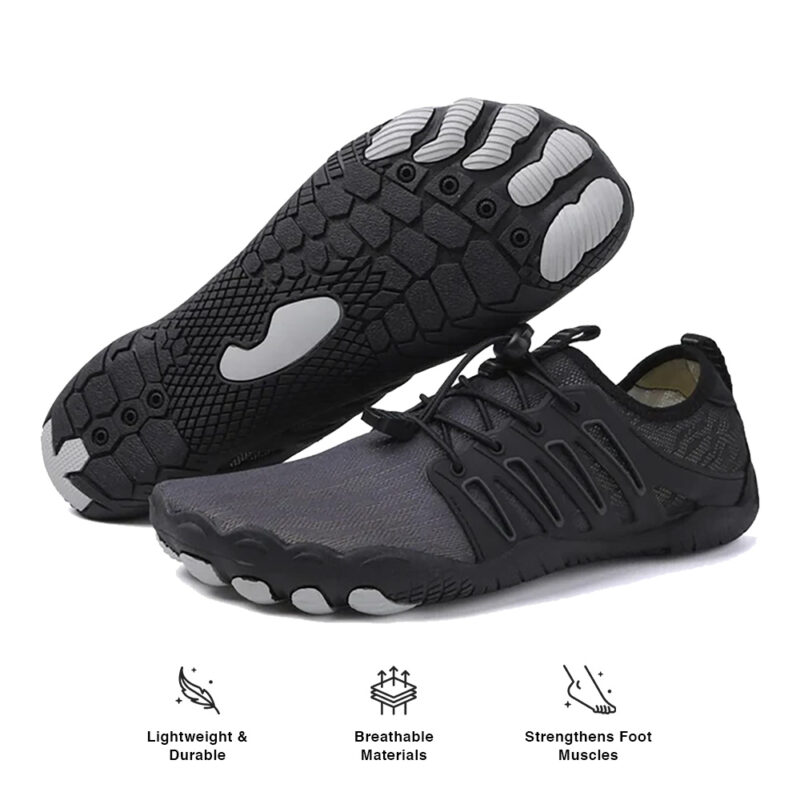
You've probably noticed how unstable you feel during lateral movements or single-leg exercises in traditional athletic shoes. That thick sole creates a barrier between your feet and the ground, forcing your body to work harder to maintain balance and control. The best cross training shoes for women prioritize ground contact through thin, flexible soles that let your feet actually sense the surface beneath them. This direct connection dramatically improves your proprioception—your body's ability to know where it is in space. When shopping for minimalist cross-trainers, look for soles under 10mm thick with minimal heel-to-toe drop, and test them by doing a few balance exercises right in the store.
How Toe Freedom Unlocks Natural Stability
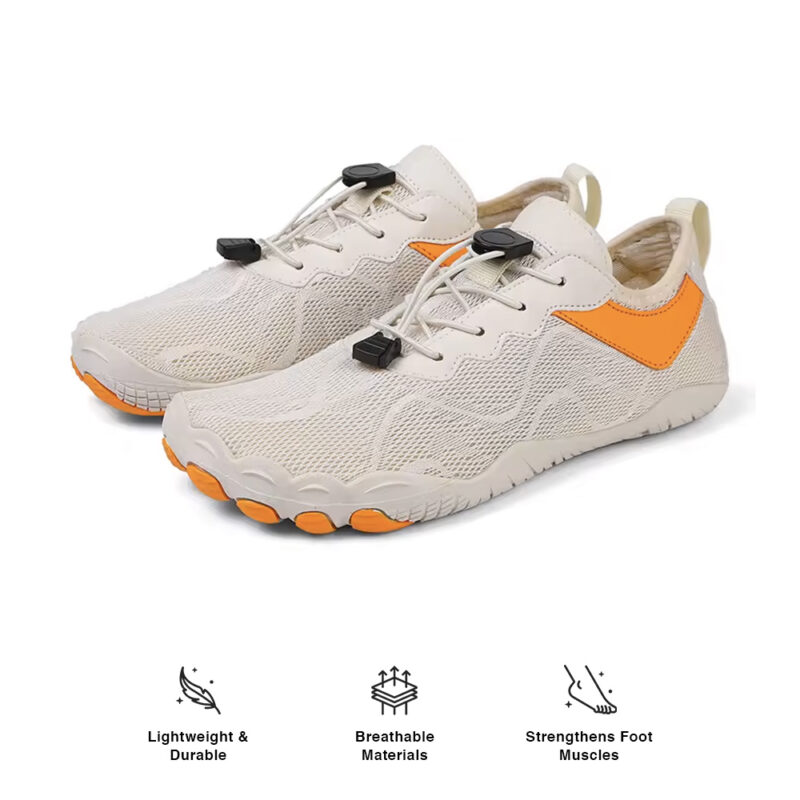
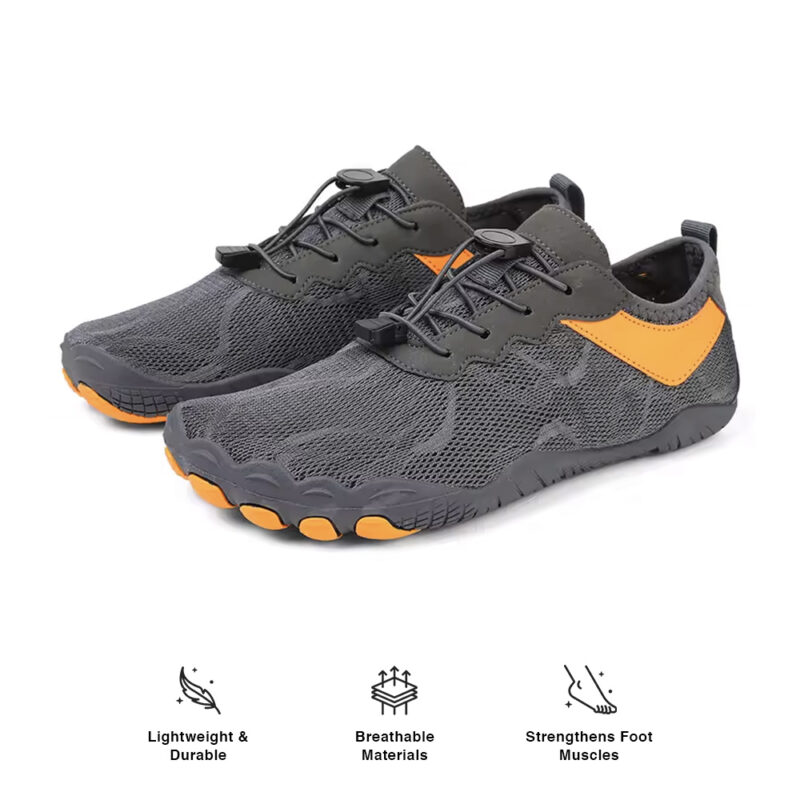
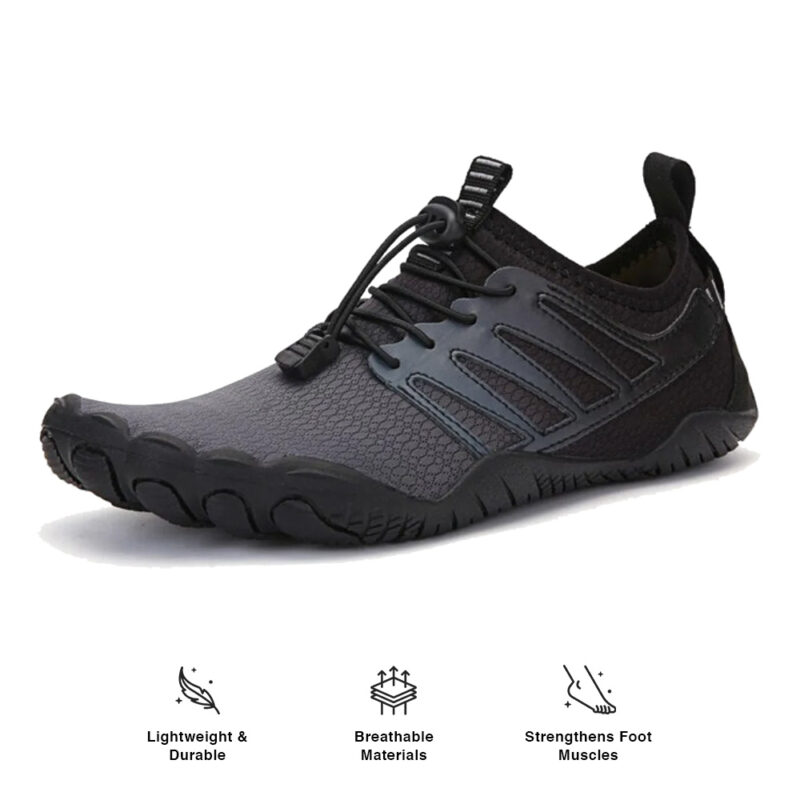
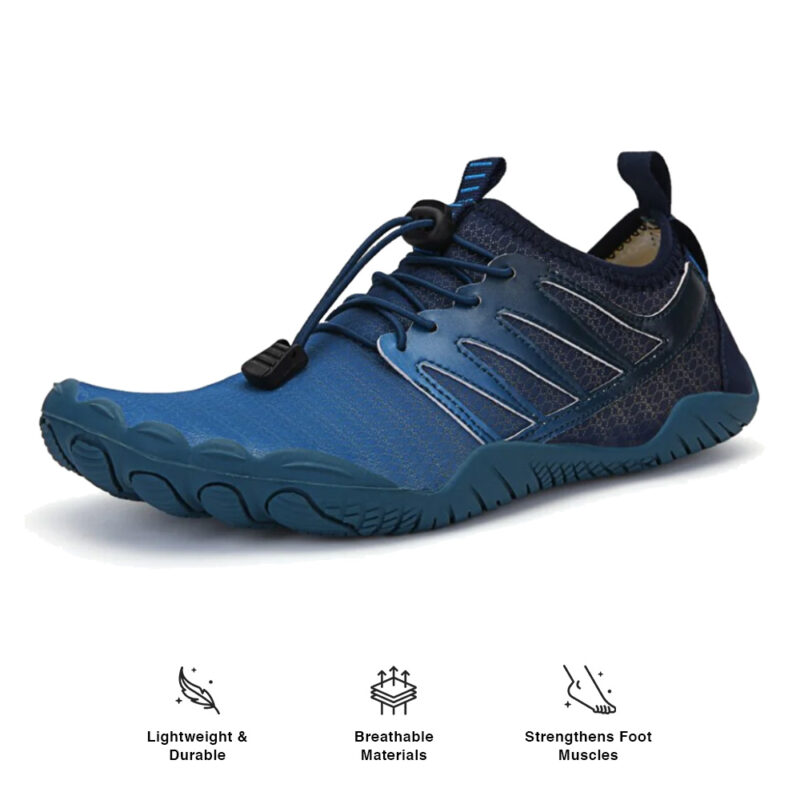
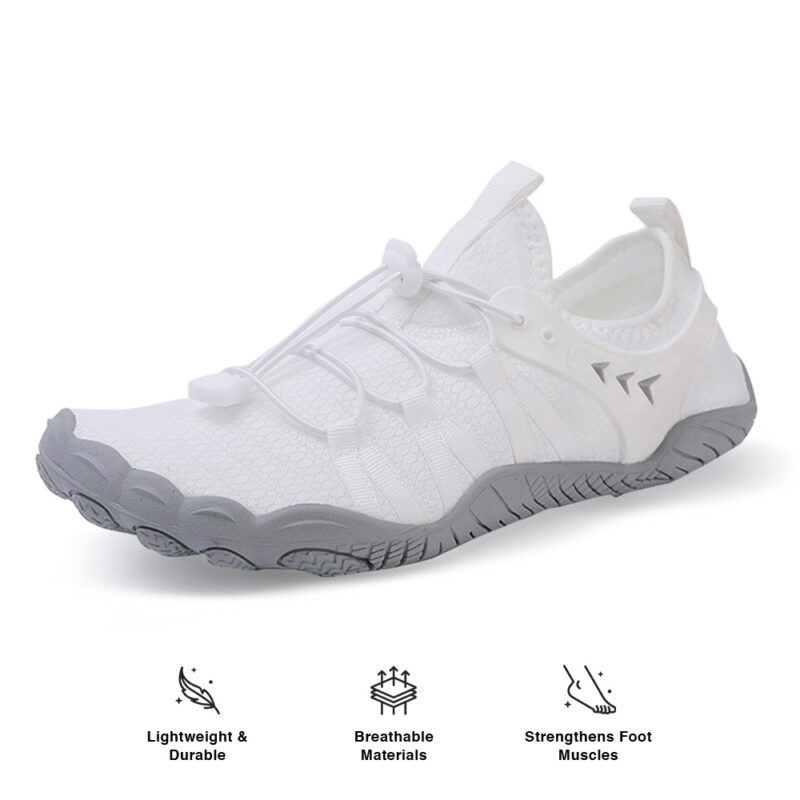
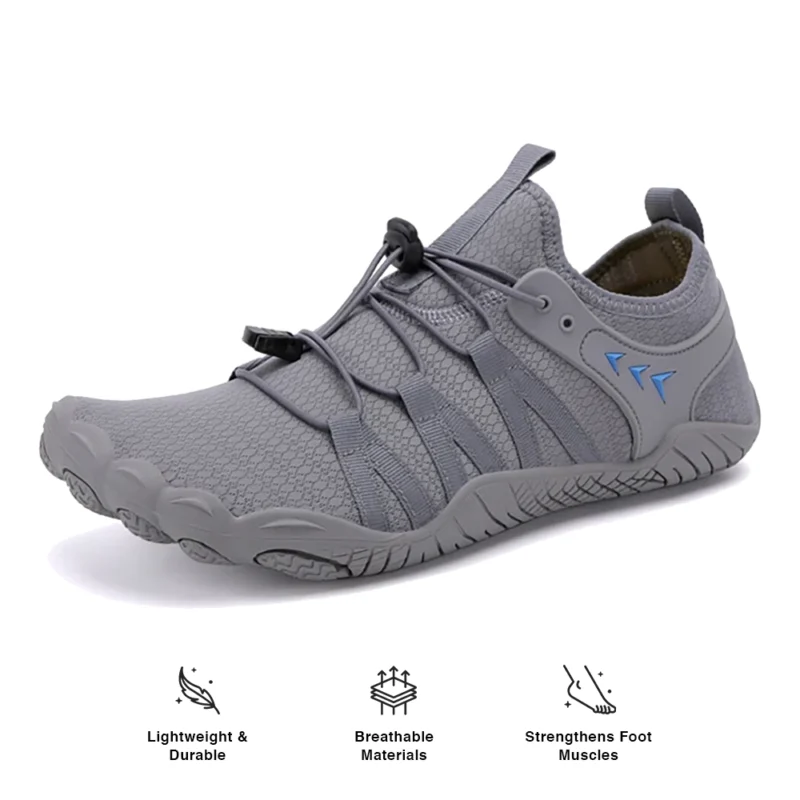
Your toes aren't just along for the ride during workouts—they're your primary stability system during dynamic movements. Traditional cross-training shoes squeeze your toes together, limiting their ability to spread wide and grip the ground when you need it most. The best cross training shoes for women feature anatomically-shaped toe boxes that mirror your foot's natural silhouette, allowing all five toes to engage during lateral cuts, jumps, and rotational movements. This toe freedom creates a wider base of support and stronger push-off power during explosive exercises. When trying on minimalist cross-trainers, wiggle your toes freely and ensure you can spread them naturally—your feet should feel liberated, not constrained.
Flexible Construction That Moves With Your Every Step
Rigid shoe construction fights against your foot's natural bending patterns, creating inefficient movement and potential injury points during complex training movements. Your feet contain 26 bones and 33 joints designed to flex, adapt, and respond to every surface change and directional shift. The best cross training shoes for women embrace this natural flexibility through construction that bends and twists with your foot's movement patterns rather than restricting them. Look for shoes you can easily twist and fold in your hands, with flexible materials that don't create pressure points during multidirectional movements. Test the flexibility by doing a few bodyweight squats—the shoe should feel like an extension of your foot, not a rigid shell around it.
Zero-Drop Design for Optimal Movement Mechanics
The artificial heel elevation in traditional athletic shoes throws your entire body out of natural alignment, forcing your calves, hips, and core to work inefficiently during training. This heel lift becomes particularly problematic during weightlifting, squats, and functional movement patterns that require optimal biomechanics. The best cross training shoes for women maintain a zero-drop profile, keeping your heel and forefoot at the same level to promote natural posture and movement patterns. This alignment allows your glutes to fire properly, your core to engage naturally, and your entire kinetic chain to work as designed. When selecting zero-drop cross-trainers, notice how your posture immediately improves when you put them on—your body should feel more balanced and grounded.
Lightweight Freedom That Won't Slow You Down
Heavy, over-built athletic shoes become ankle weights during high-intensity training, forcing your muscles to work harder just to move your feet through space. This extra weight accumulates over hundreds of reps, leading to earlier fatigue and reduced performance quality. The best cross training shoes for women prioritize lightweight construction that lets you move with speed and agility while still providing necessary protection. Minimalist materials and streamlined design eliminate unnecessary bulk without sacrificing durability. Pick up potential shoes and compare their weight—you'll immediately notice how much lighter minimalist options feel, and that difference translates directly into more energy for your actual workout.
Breathable Materials That Keep You Comfortable
Synthetic materials in traditional athletic shoes trap heat and moisture, creating uncomfortable conditions that can lead to blisters, hot spots, and distraction during intense training sessions. Your feet need to breathe and regulate temperature naturally, especially during high-intensity workouts that generate significant heat. The best cross training shoes for women incorporate natural, breathable materials like leather and mesh that allow airflow and moisture management without relying on artificial ventilation systems. These materials also tend to be more durable and conform to your foot shape over time, creating a custom fit that improves with wear. When evaluating materials, consider how they'll perform during your sweatiest workouts—natural breathability always outperforms synthetic attempts at moisture management.
Durability That Stands Up to Varied Training Demands
Cross-training puts unique demands on footwear, requiring shoes that can handle lateral movements, vertical jumps, rope climbs, and everything in between without breaking down prematurely. The best cross training shoes for women achieve this durability through high-quality materials and construction rather than bulk and over-engineering. Look for reinforced high-wear areas, quality stitching, and materials known for longevity rather than shoes loaded with complex technologies that often fail first. Simple, well-made minimalist designs typically outlast their over-engineered counterparts because there are fewer components to break down, and the materials used tend to be higher quality rather than high-tech.