Why Your Current Shoes Might Be Working Against You
You've probably noticed that despite expensive daily trainers, your feet still hurt after longer runs. Traditional shoes restrict natural foot movement through rigid construction and elevated heels that alter your gait. Your feet contain 26 bones and over 100 muscles that evolved to work together as a sophisticated shock absorption system. The best daily trainer running shoes allow this natural system to function by providing protection without interference. Start by paying attention to how your feet feel during and after runs – stiffness and soreness often indicate your shoes are doing too much work for muscles that need to stay strong.
Finding Ground Connection That Transforms Your Running
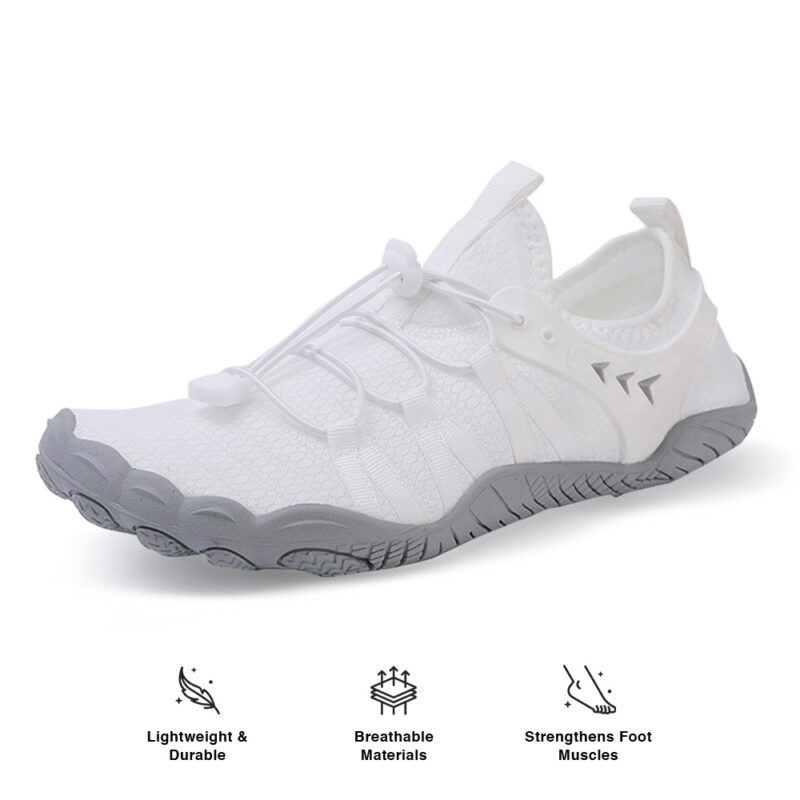
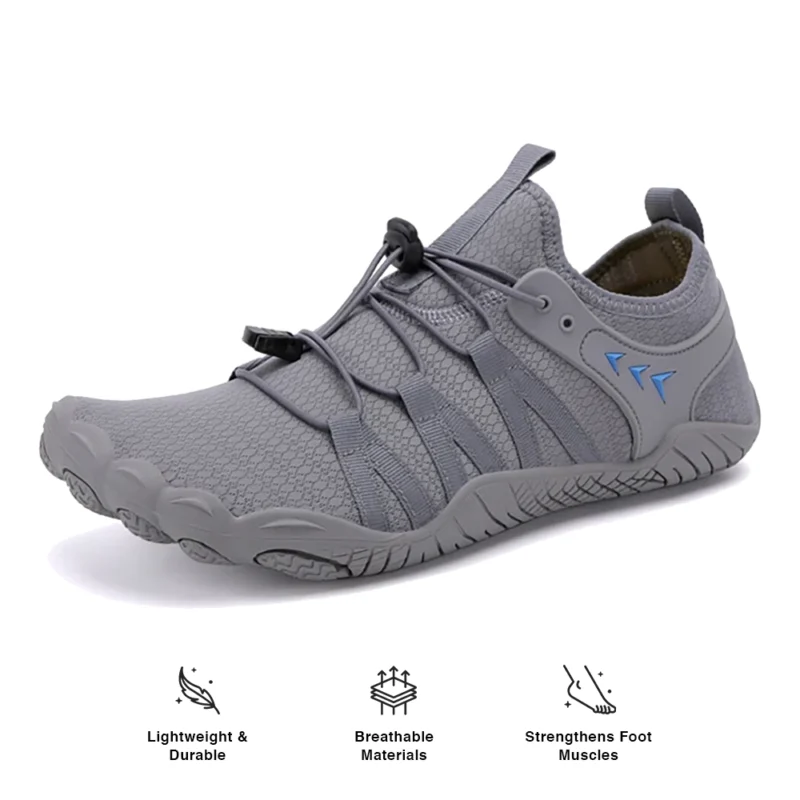
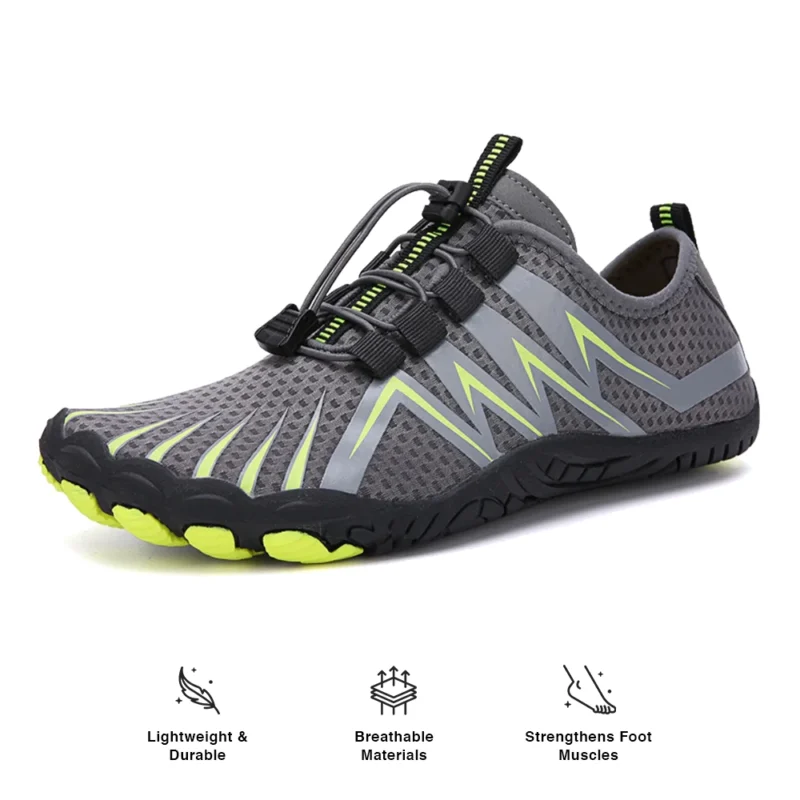
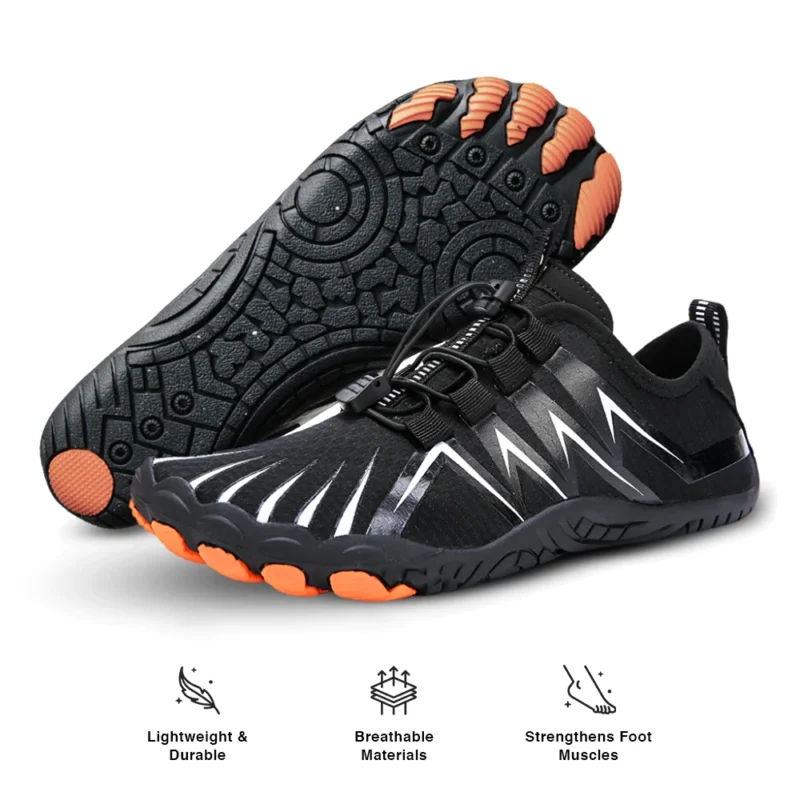
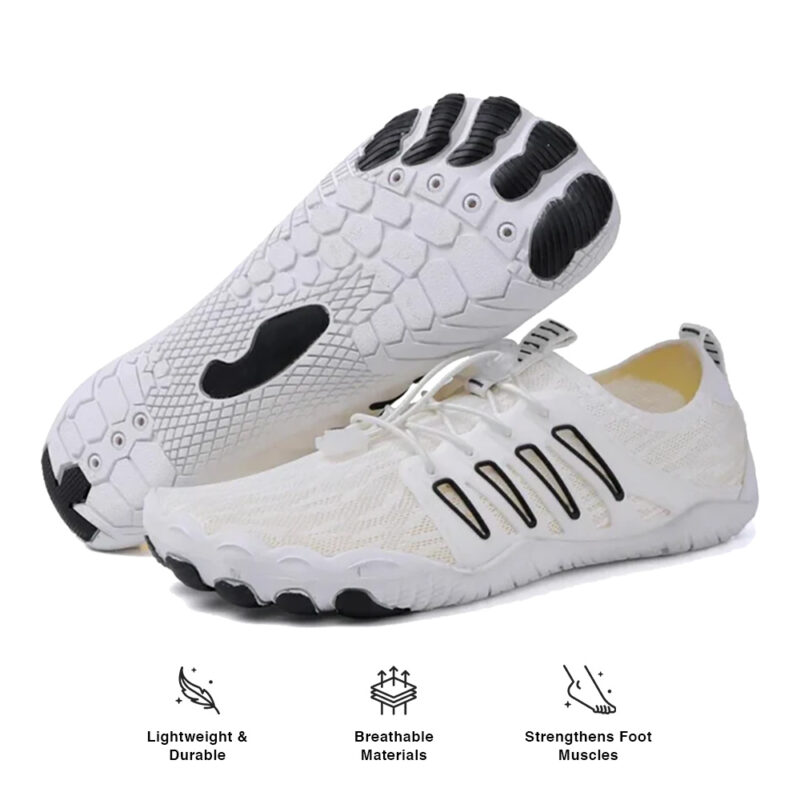
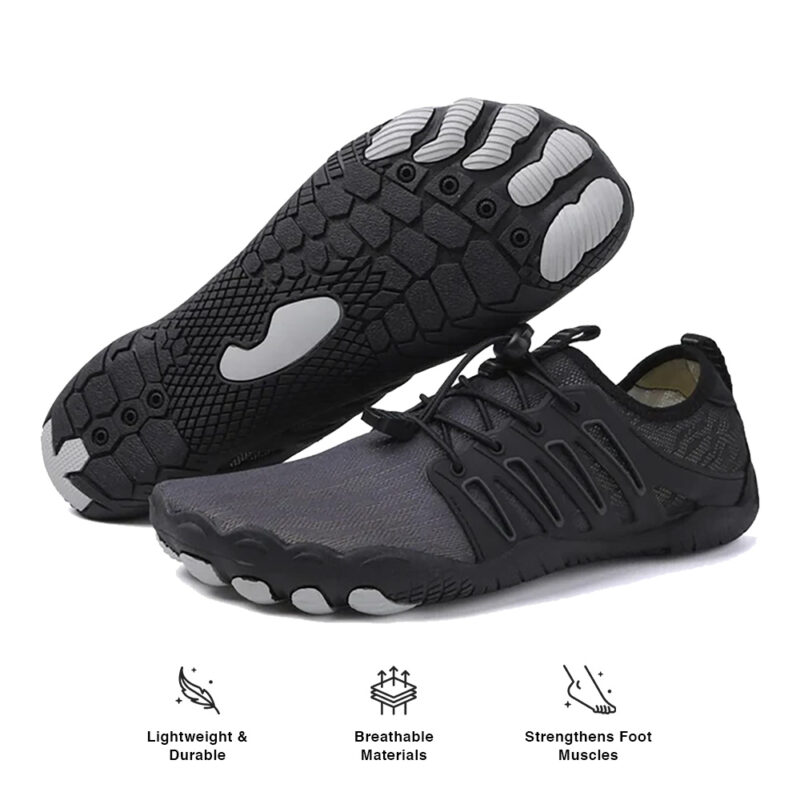
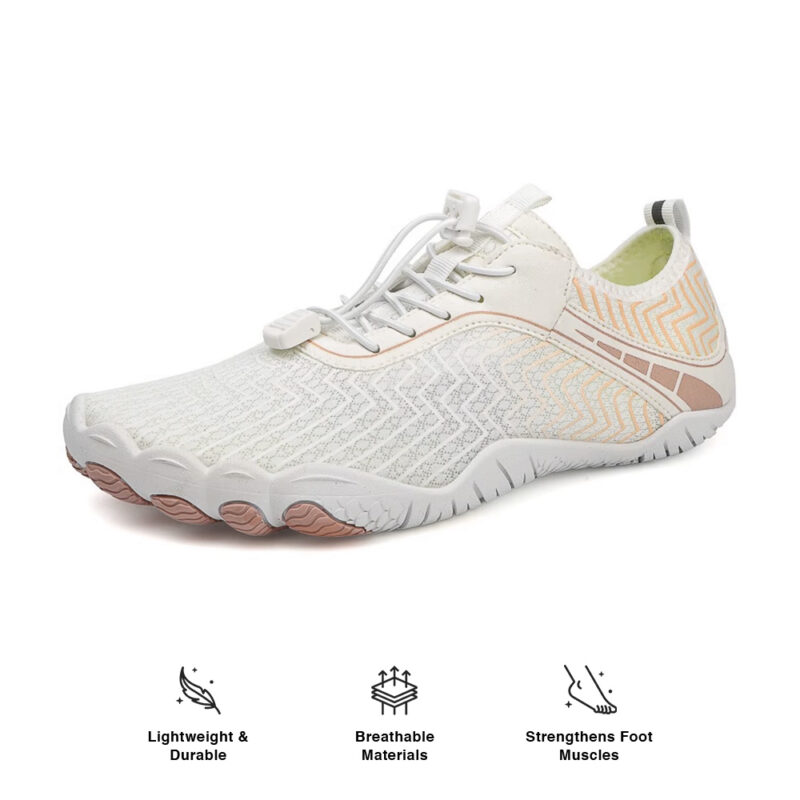
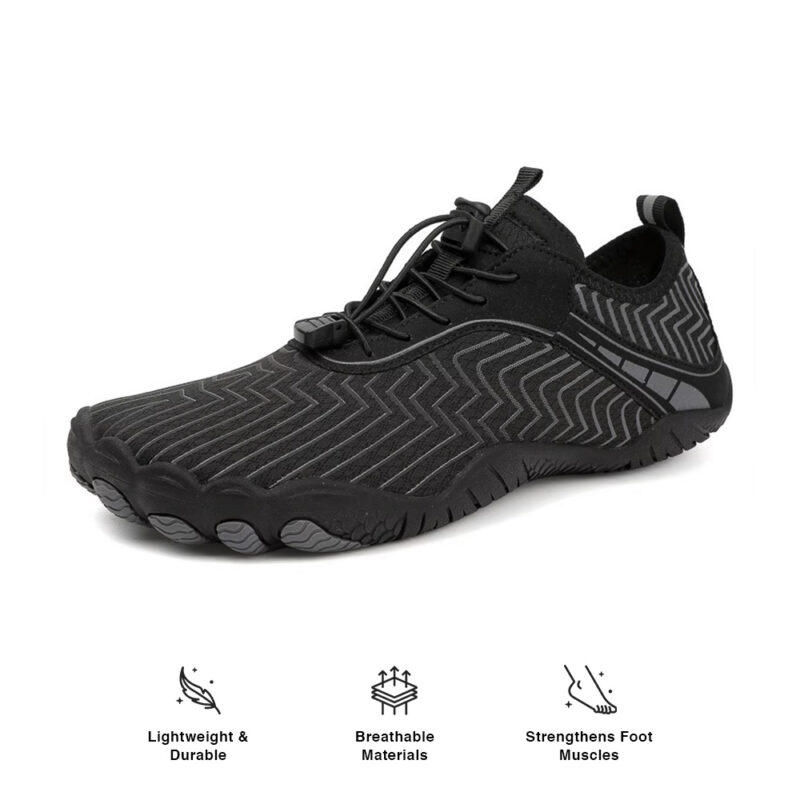
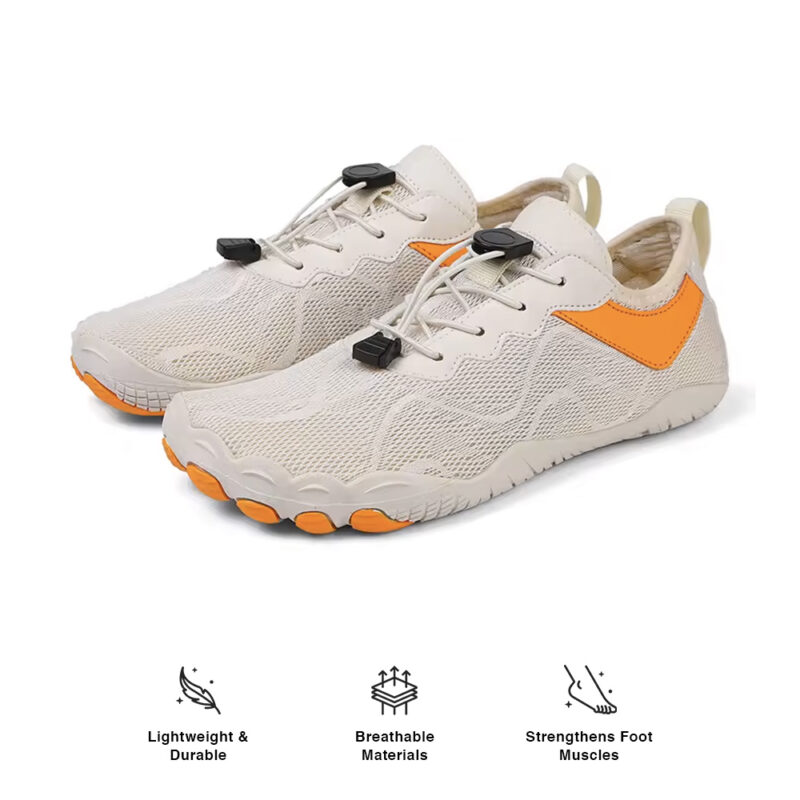
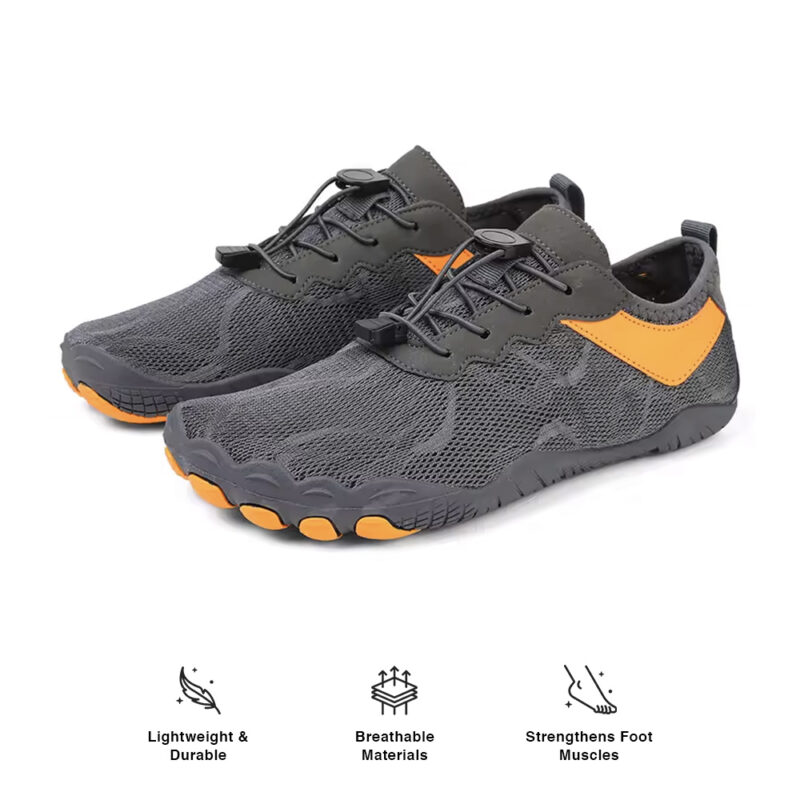
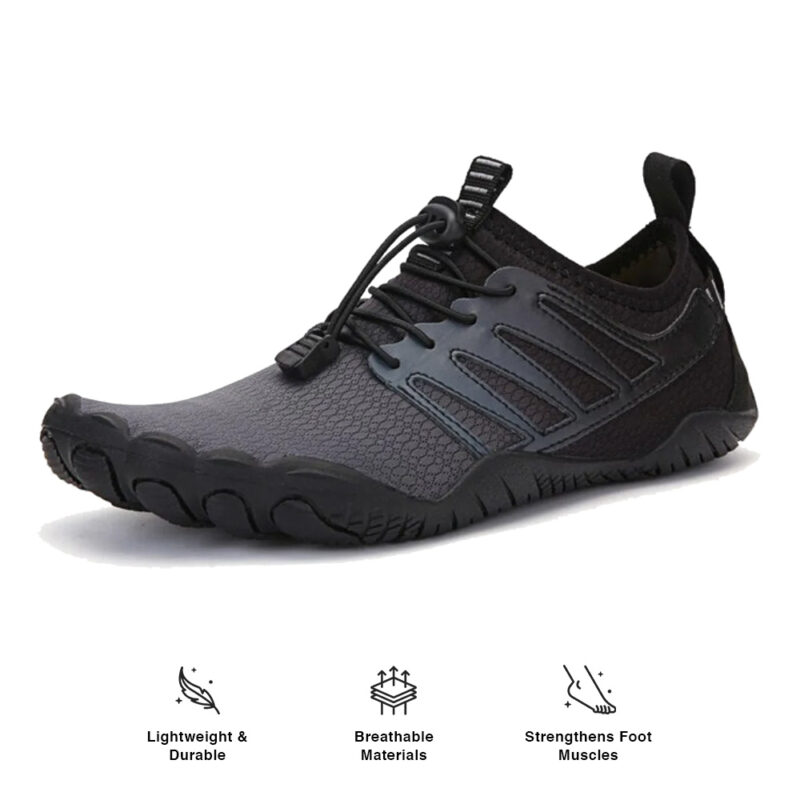
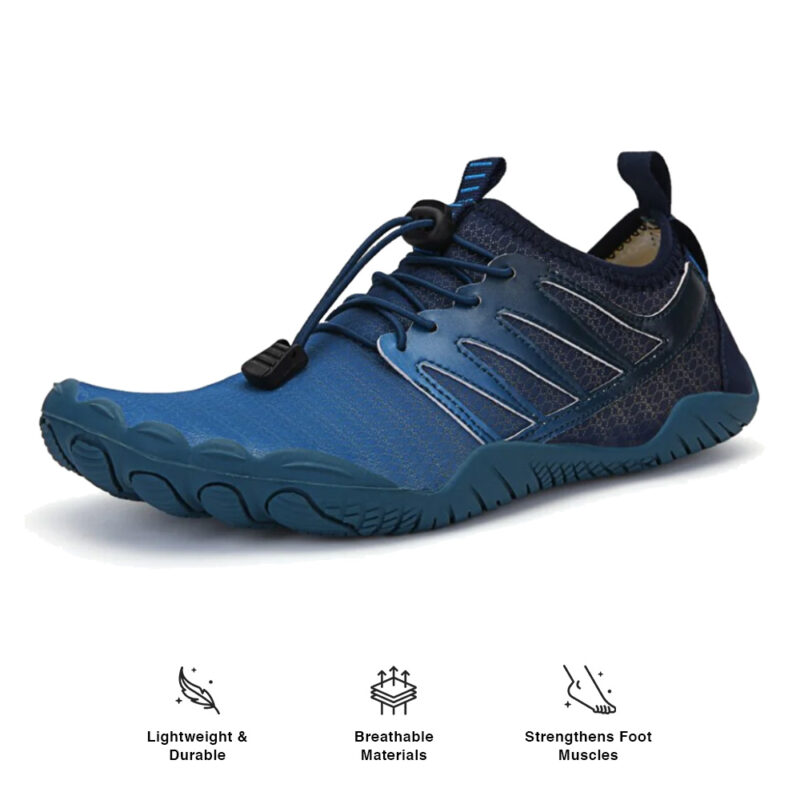
Many runners feel disconnected from their stride, like they're running on stilts rather than with their own feet. This disconnection happens when thick soles create a barrier between you and the ground, reducing proprioception and making it harder to land efficiently. Minimalist daily trainers restore this vital ground connection through thin, flexible soles that let you feel terrain changes and adjust naturally. The best daily trainer running shoes provide just enough protection while maintaining sensory feedback that helps you run lighter and more efficiently. Try focusing on gentle, quiet landings during your next run to reconnect with natural running mechanics.
Building Stronger Feet for Long-Term Running Success
Weak feet plague many dedicated runners because traditional shoes do the stabilizing work that foot muscles should be doing. When your feet are constantly supported and cushioned, the small stabilizing muscles atrophy, leading to plantar fasciitis, stress fractures, and chronic pain. Barefoot-style shoes challenge these muscles progressively, building the kind of foot strength that prevents injury and improves performance over time. The best daily trainer running shoes act as protective gloves for your feet rather than casts. Begin strengthening by walking barefoot at home and gradually increasing time in minimalist shoes to allow proper adaptation.
Achieving Natural Alignment That Reduces Joint Stress
Your knees, hips, and back shouldn't hurt from running, but heel-striking in elevated shoes creates jarring impact that travels up your kinetic chain. Traditional daily trainers with raised heels encourage this harmful pattern by literally putting you off balance with every step. Minimalist shoes with zero drop (equal heel and toe height) promote midfoot and forefoot landing that naturally absorbs impact through your body's spring system. The best daily trainer running shoes support your natural biomechanics rather than forcing artificial movement patterns. Practice short, quick steps with slight forward lean to encourage efficient landing patterns that reduce stress on joints.
Choosing Durability That Matches Your Commitment
Regular runners need shoes that last because replacing footwear every few months gets expensive and wasteful. Many daily trainers use soft foams that compress quickly, losing their intended function within 200-300 miles. Quality minimalist shoes often outlast traditional options because simpler construction means fewer components to break down. The best daily trainer running shoes focus on durable materials in key areas like the sole and upper construction rather than complex foam systems that degrade rapidly. Look for shoes with simple, robust designs and track your mileage to understand how different materials perform over time.
Transitioning Safely to More Natural Running
Switching to minimalist footwear requires patience because your feet need time to adapt after years in traditional shoes. Rushing this transition leads to overuse injuries that give barefoot running a bad reputation. Start with short walks in minimal shoes, gradually adding easy running sessions while maintaining most training in your current shoes. The best daily trainer running shoes for transition feature some ground feel while providing enough protection for longer runs as your feet strengthen. Listen to your body carefully and increase minimalist training time by no more than 10% each week to allow proper adaptation.
Making the Investment That Pays Off
Quality minimalist daily trainers might cost more upfront than department store options, but they often provide better value through durability and injury prevention. When your feet are stronger and your form is more efficient, you'll likely spend less on physical therapy, doctor visits, and replacement shoes over time. The best daily trainer running shoes represent an investment in your long-term running health rather than a quick fix for current problems. Consider the total cost of ownership including injury prevention and improved performance when evaluating options that support natural movement patterns.