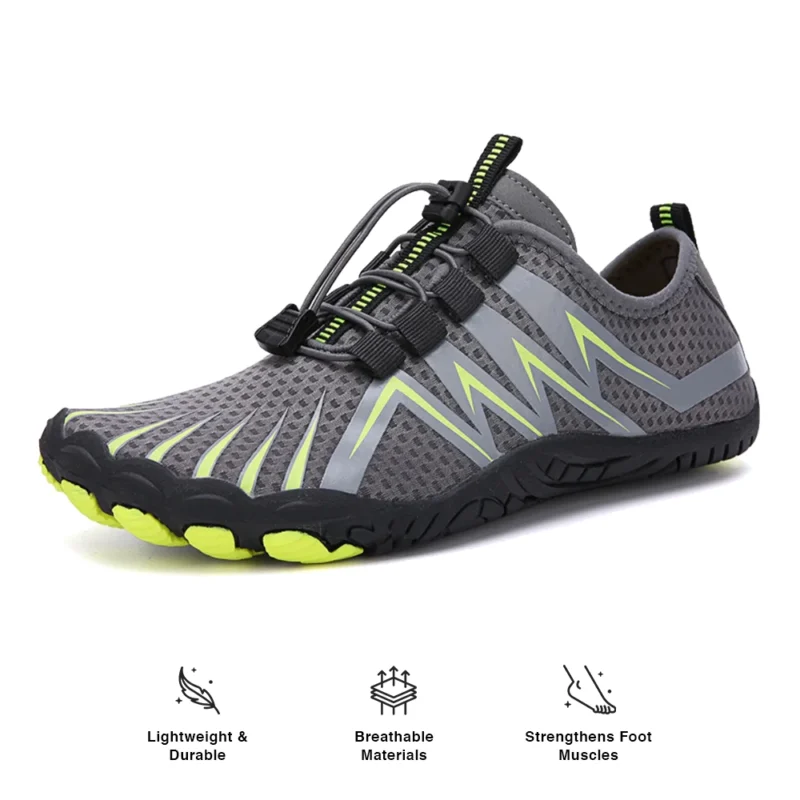
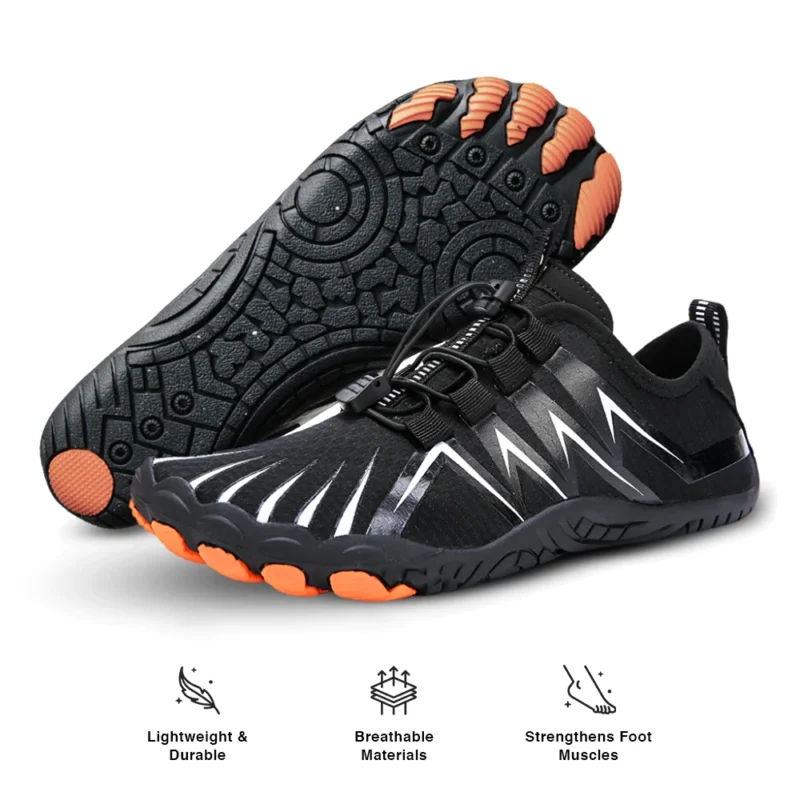
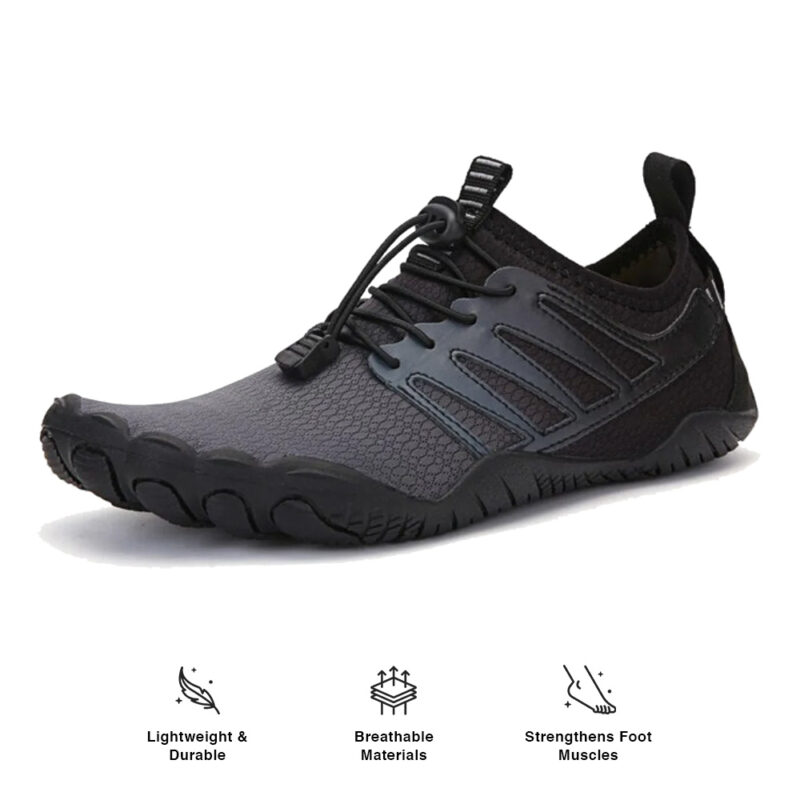
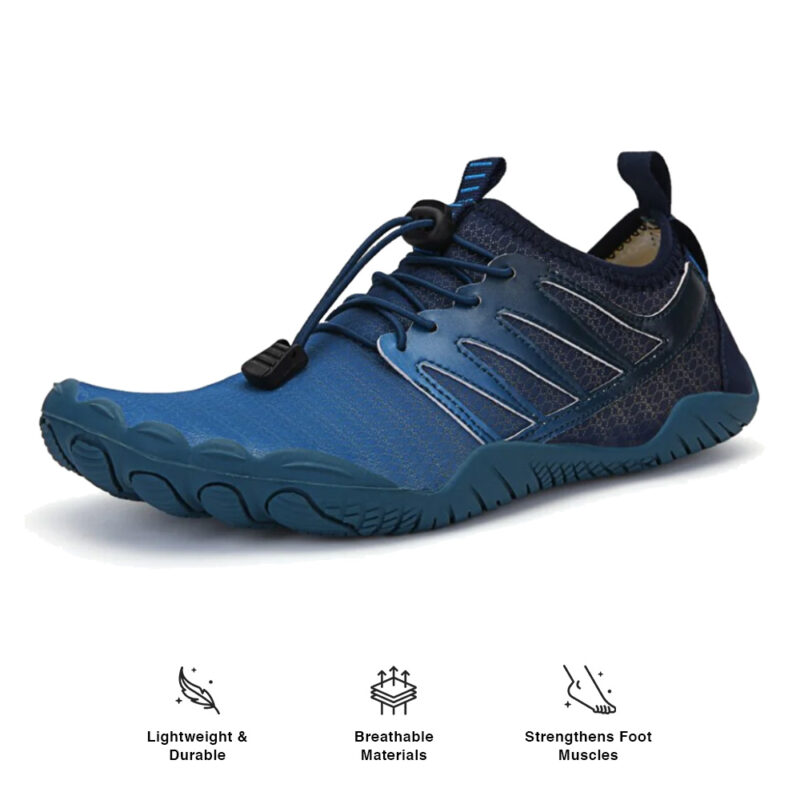
Why Your Current Running Shoes Are Sabotaging Your Distance Goals
Distance runners often struggle with recurring injuries and performance plateaus that seem to come out of nowhere. The culprit usually isn't your training plan or running form – it's the thick-soled, heavily cushioned shoes that disconnect you from essential ground feedback. True best distance running shoes should enhance your natural running mechanics, not mask them with artificial layers. When you can actually feel the ground beneath your feet, your body automatically adjusts your stride length, cadence, and foot strike to optimize efficiency and reduce impact forces. Start transitioning gradually by incorporating short runs in minimal footwear, allowing your feet to rediscover their natural sensitivity and strength.
How Rigid Arch Support Actually Weakens Your Running Foundation
Most runners believe they need arch support to prevent fatigue and injury during long distances, but this conventional wisdom creates a dependency that weakens your foot's natural architecture. Your arch functions like a spring-loaded bridge, designed to compress and recoil with each step to provide natural shock absorption and energy return. The best distance running shoes allow this arch mechanism to function freely, strengthening the intrinsic foot muscles that maintain structural integrity. When your arches work properly, they distribute force evenly across your entire foot, reducing pressure points and hot spots that lead to blisters and discomfort during long runs. Practice strengthening your arches by spending time barefoot daily and performing simple exercises like towel scrunches and calf raises.
The Hidden Cost of Heel-to-Toe Drop in Distance Running Performance
Traditional running shoes feature elevated heels that force you into an unnatural forward-leaning posture, creating a cascade of compensatory movements throughout your body. This heel-to-toe drop encourages heel striking, which sends shock waves up your legs with every step, leading to the joint pain and muscle tension that plague many distance runners. The best distance running shoes feature minimal or zero drop, allowing your body to maintain its natural alignment from head to toe. With a neutral platform, your foot can land closer to your center of gravity, promoting a more efficient midfoot strike that utilizes your body's natural shock absorption systems. Begin reducing heel drop gradually, starting with shorter runs to allow your Achilles tendon and calf muscles to adapt to the new positioning.
Why Toe Box Freedom Transforms Your Distance Running Experience
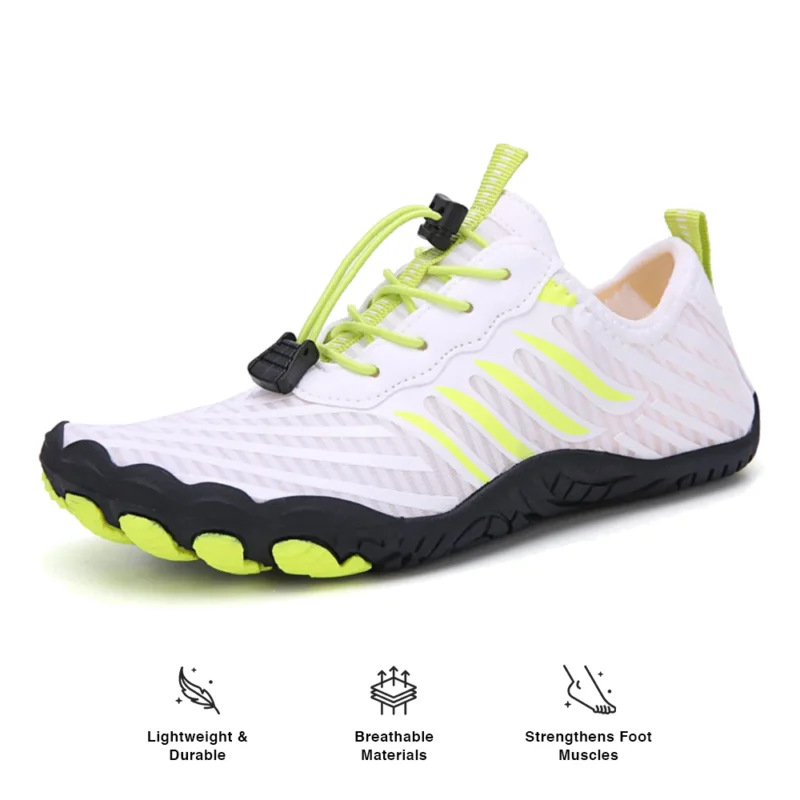
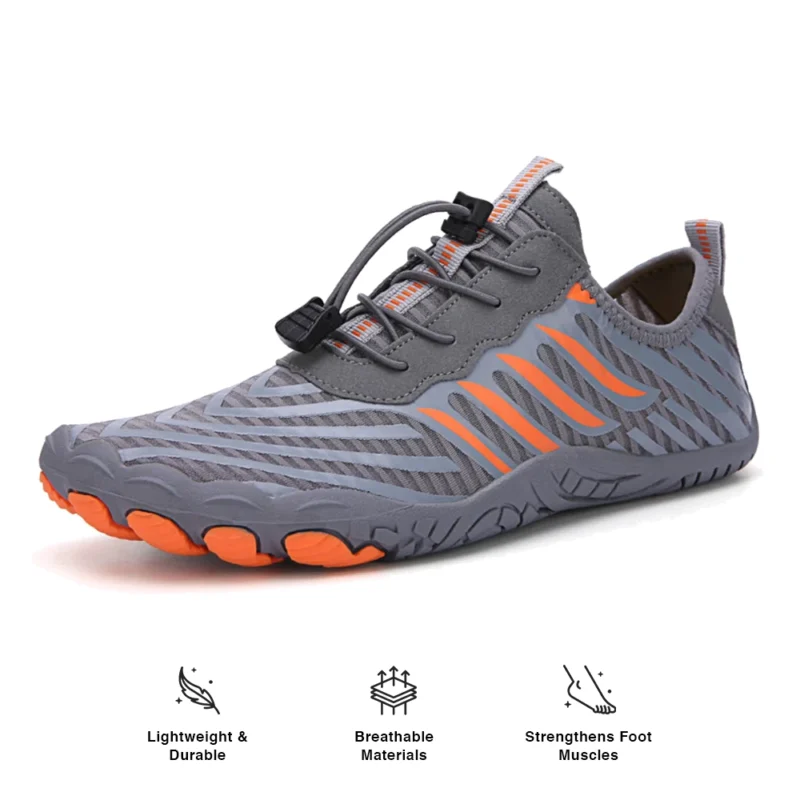
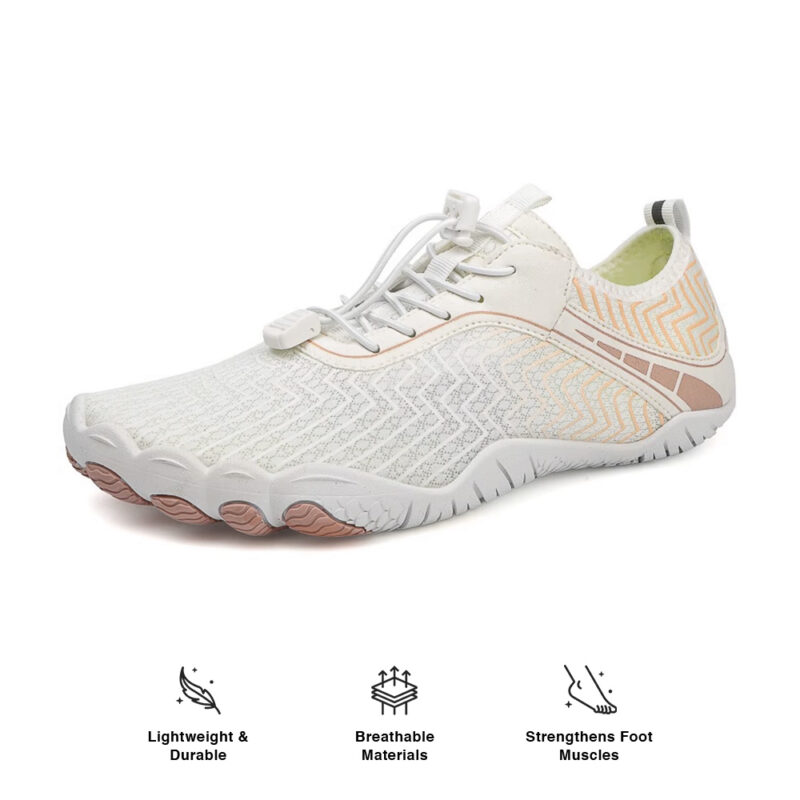
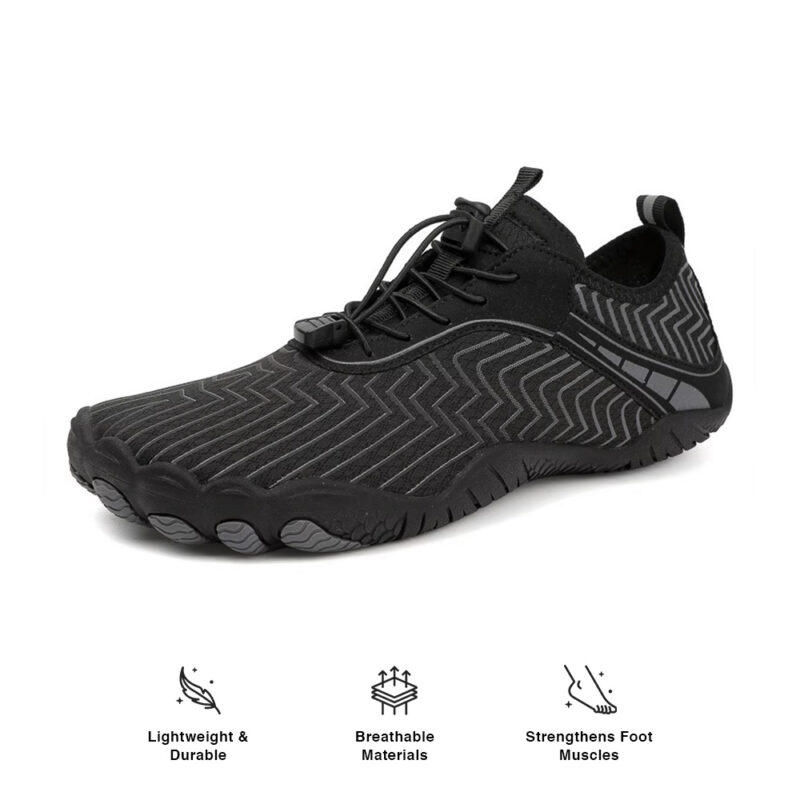
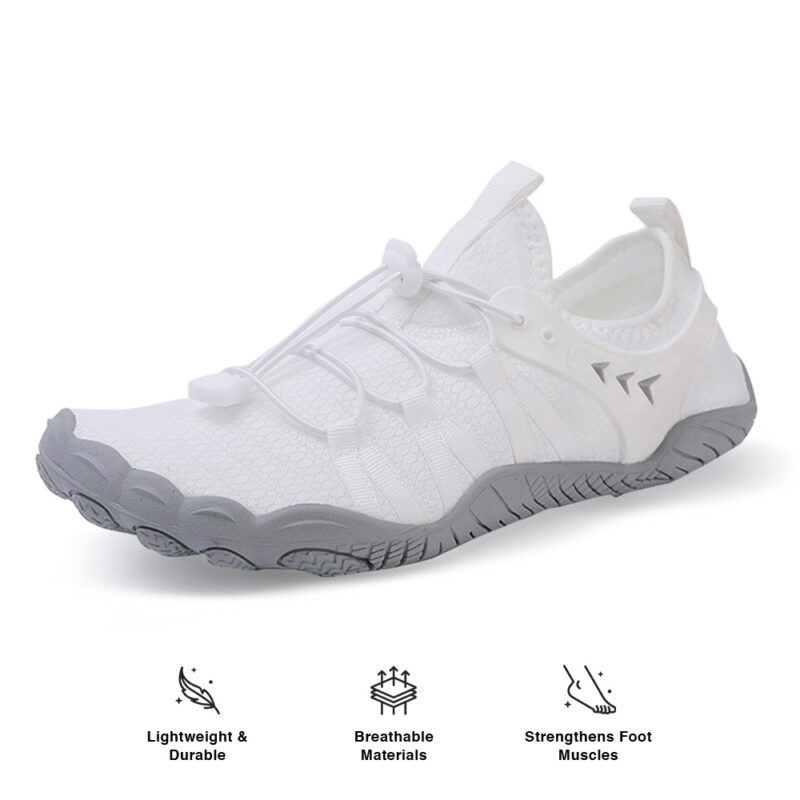
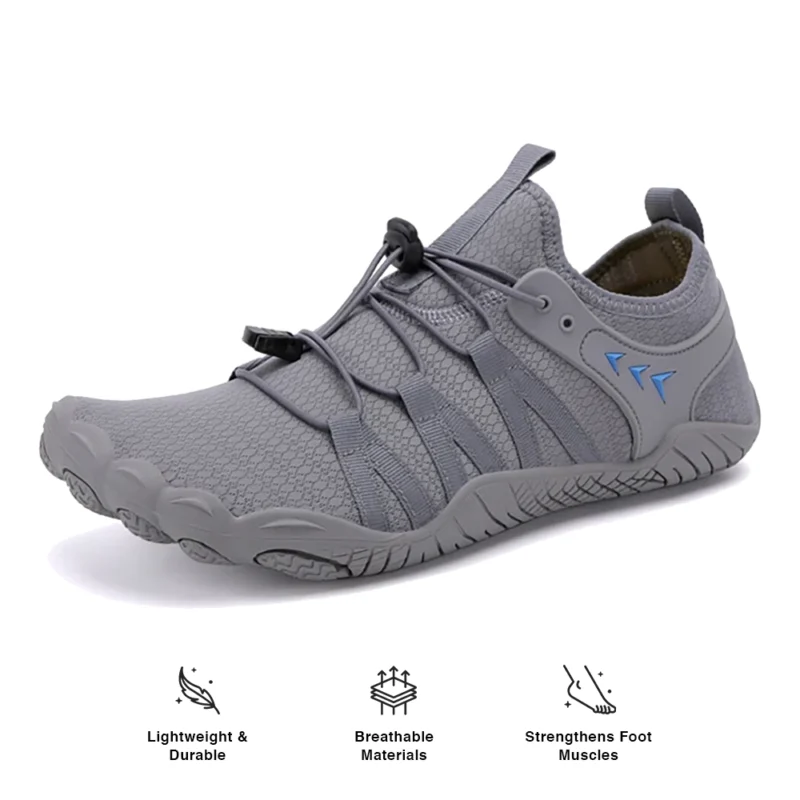
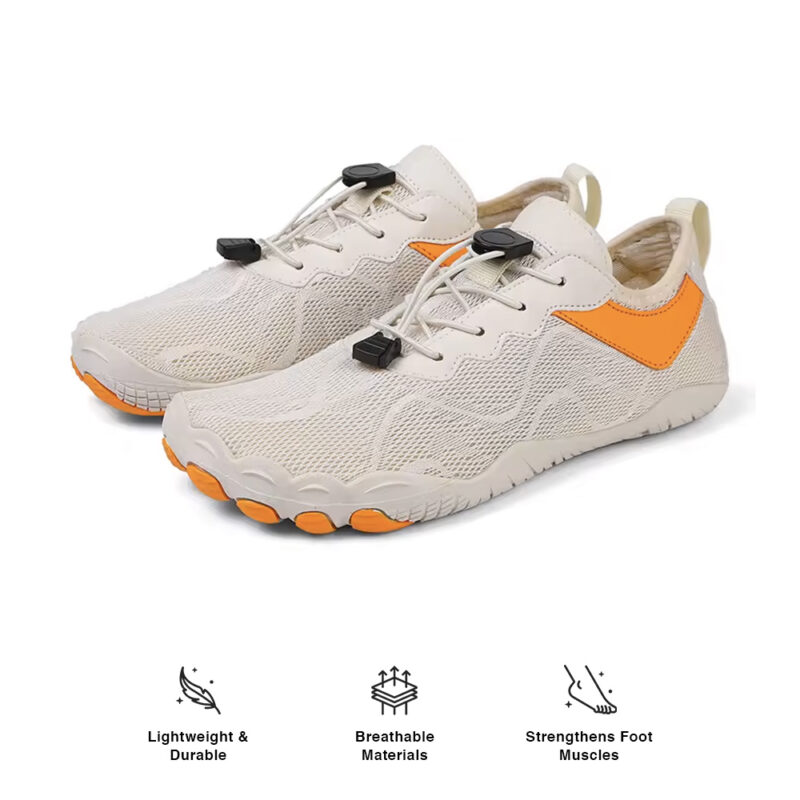
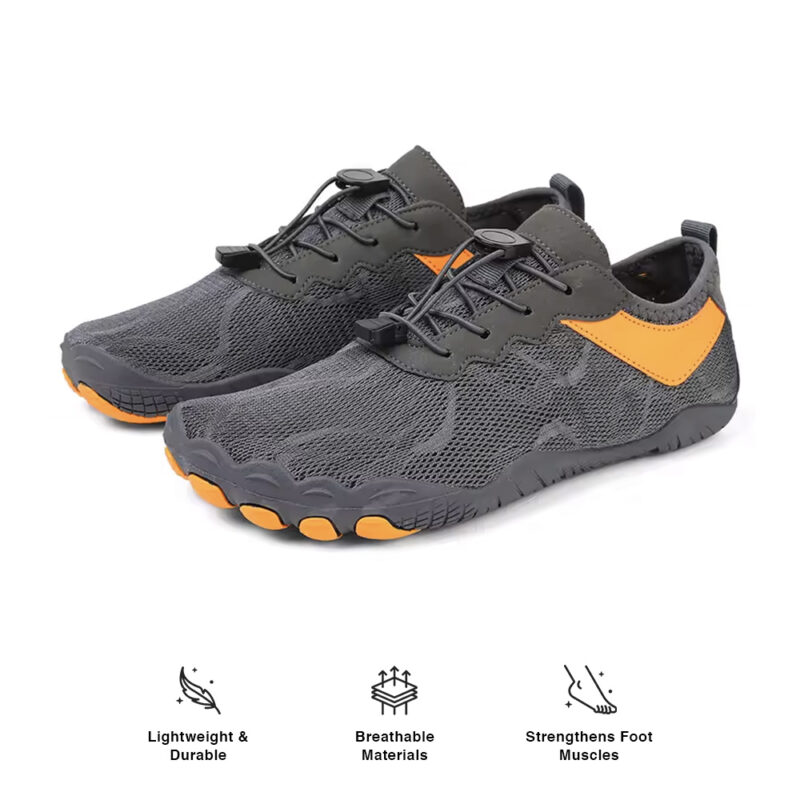
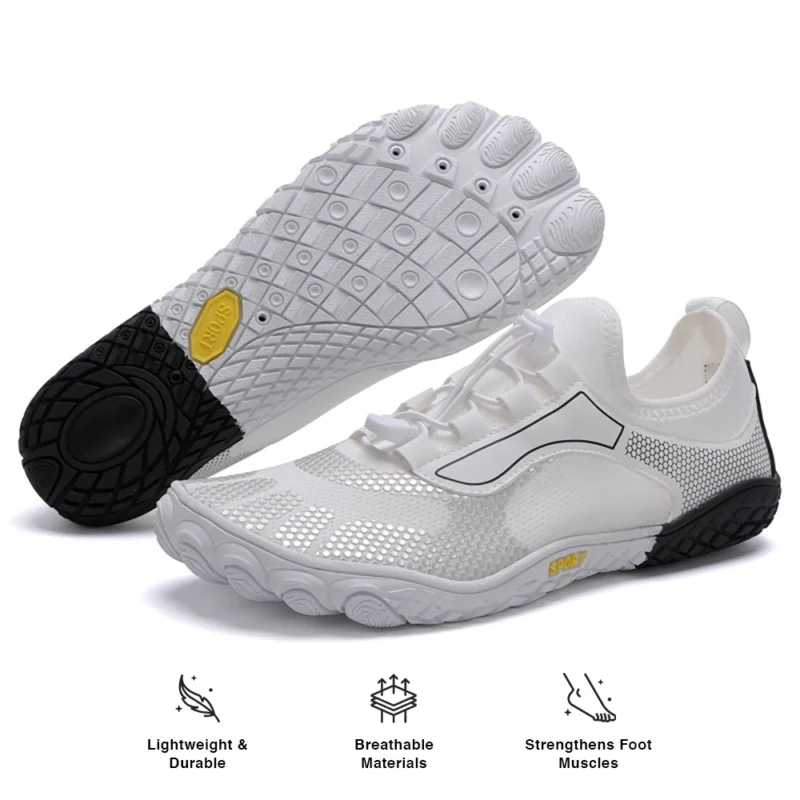
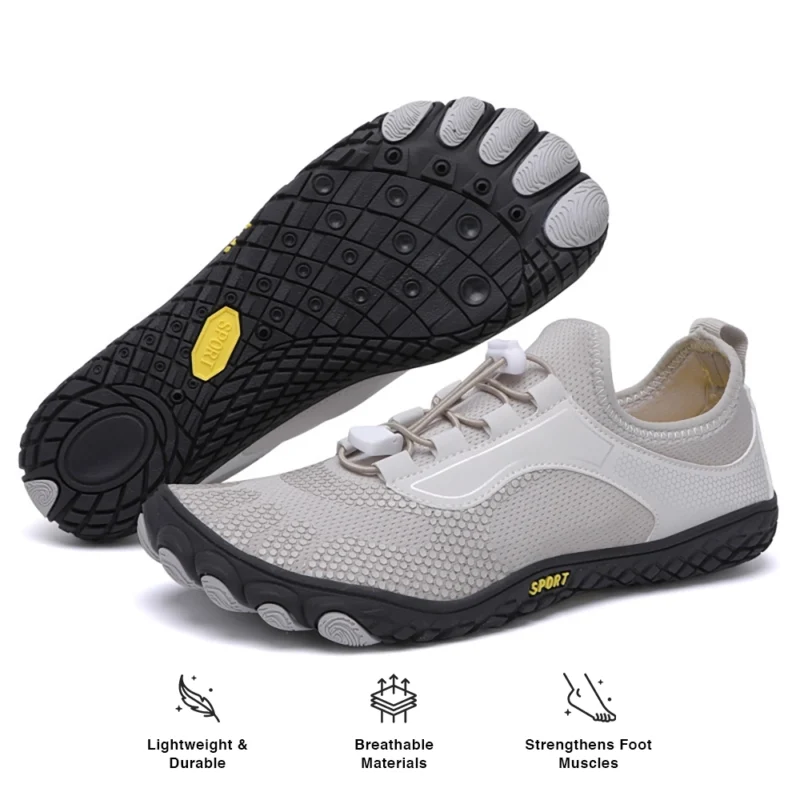
Cramped, narrow toe boxes force your toes into unnatural positions that compromise your balance, reduce push-off power, and create painful pressure points during long runs. Your toes serve as crucial balance sensors and provide the final propulsive force in your running stride, but conventional shoes squeeze them together like a bunch of grapes. The best distance running shoes feature wide, anatomically shaped toe boxes that allow your toes to spread naturally, creating a stable platform for efficient force transfer. This toe freedom improves your proprioception, helping you navigate uneven terrain with confidence and reducing your risk of ankle rolls and falls. Strengthen your toe muscles by practicing picking up small objects with your toes and spending time in wide, flexible footwear throughout your day.
Breaking Free from the Cushioning Addiction That Limits Performance
The running industry has convinced athletes that more cushioning equals better performance and injury prevention, but this approach actually reduces the valuable ground feedback your nervous system needs to optimize movement patterns. Excessive padding creates a disconnect between your feet and the running surface, forcing your body to work harder to maintain balance and coordination. The best distance running shoes provide just enough protection from sharp objects while preserving the sensory input that allows your body to make micro-adjustments in real-time. This enhanced proprioception leads to improved running economy, as your body learns to move more efficiently with each step. Build your foot resilience progressively by incorporating short barefoot sessions on safe surfaces, allowing your feet to gradually adapt to direct ground contact.
The Flexibility Factor That Unlocks Natural Running Mechanics
Rigid shoe construction prevents your foot from flexing and adapting to different surfaces, forcing your leg muscles to work overtime to compensate for the lack of natural foot function. Your foot should bend and twist slightly with each step, allowing it to conform to the terrain and distribute impact forces across multiple joints and muscle groups. The best distance running shoes flex with your foot's natural movement patterns, particularly at the forefoot where your toes need to dorsiflex during push-off. This flexibility reduces the energy cost of running and decreases stress on your knees, hips, and lower back by allowing your body's natural shock absorption systems to function properly. Test shoe flexibility by bending them with your hands – if you can't easily flex the sole, your foot won't be able to either.
Long-Term Foot Health Through Natural Movement Patterns
Many distance runners develop weak, dependent feet that require increasingly supportive footwear just to function normally, creating a cycle of diminishing foot strength and increasing injury risk. Your feet are designed to be strong, adaptable, and resilient, but modern footwear often prevents them from developing these qualities. The best distance running shoes support long-term foot health by allowing natural movement patterns that strengthen intrinsic foot muscles, improve circulation, and maintain joint mobility. Strong, healthy feet become more resistant to common running injuries like plantar fasciitis, stress fractures, and neuromas while providing better performance and endurance during long runs. Invest in your foot health by gradually transitioning to minimal footwear, performing regular foot strengthening exercises, and listening to your body's feedback throughout the process.