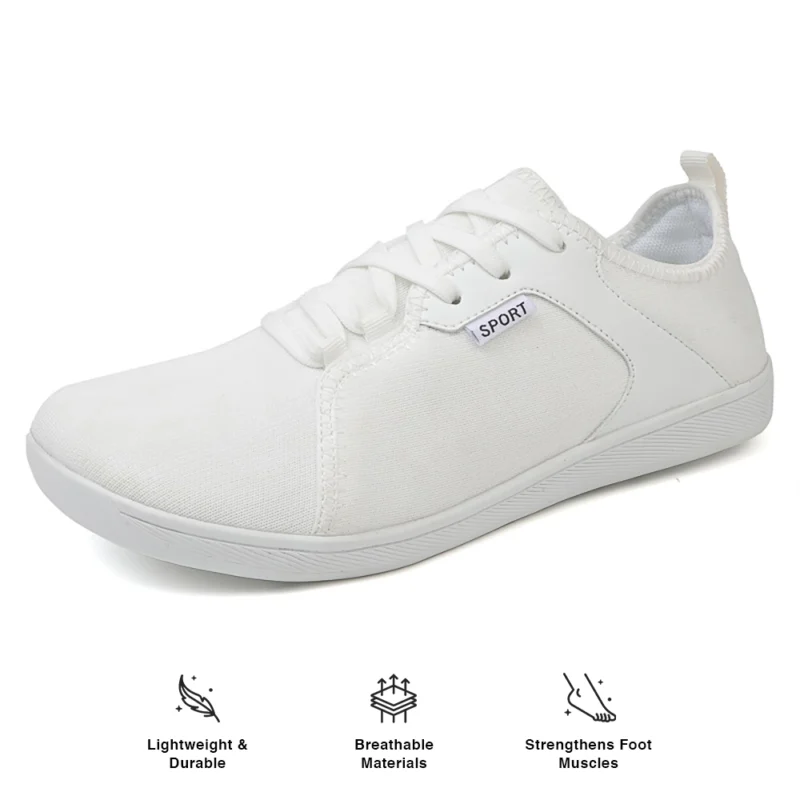
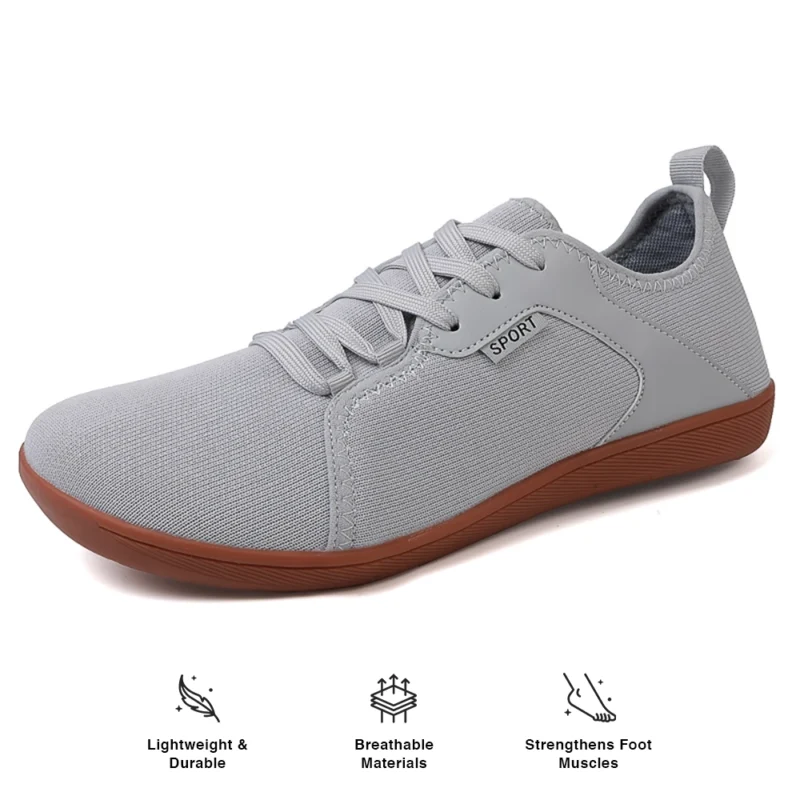
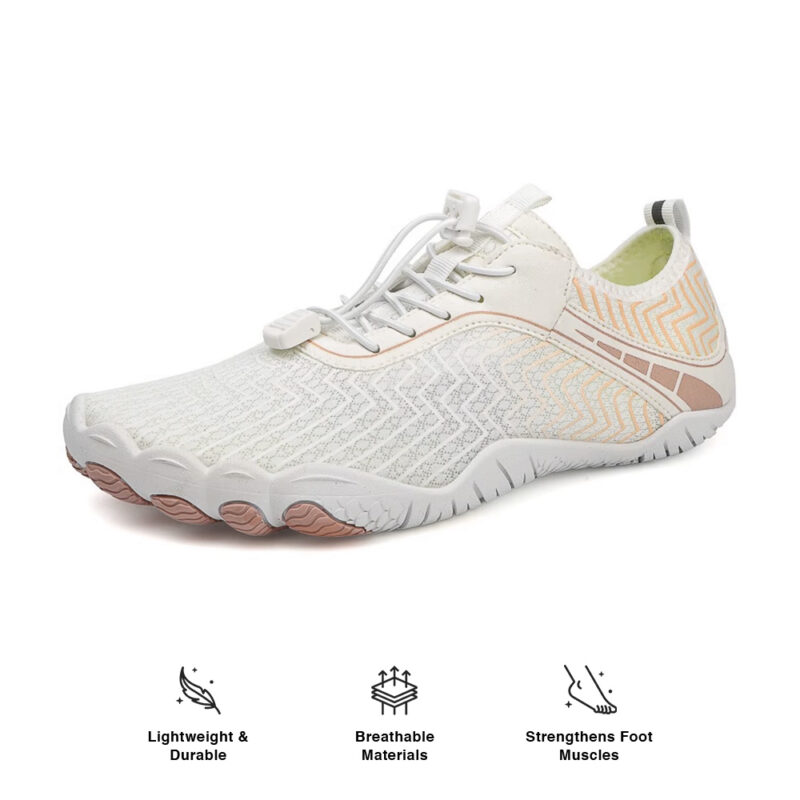
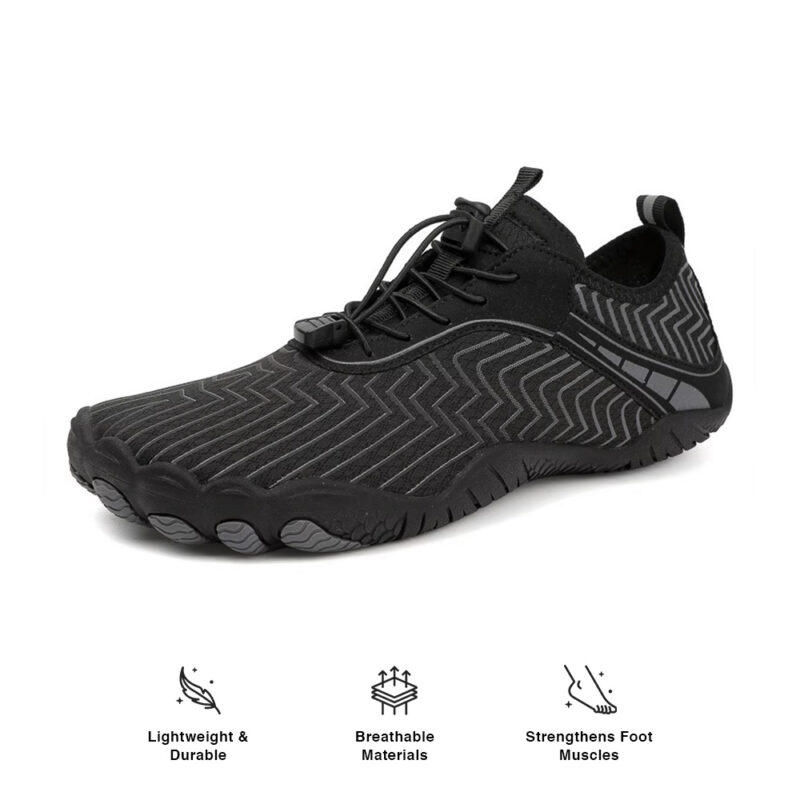
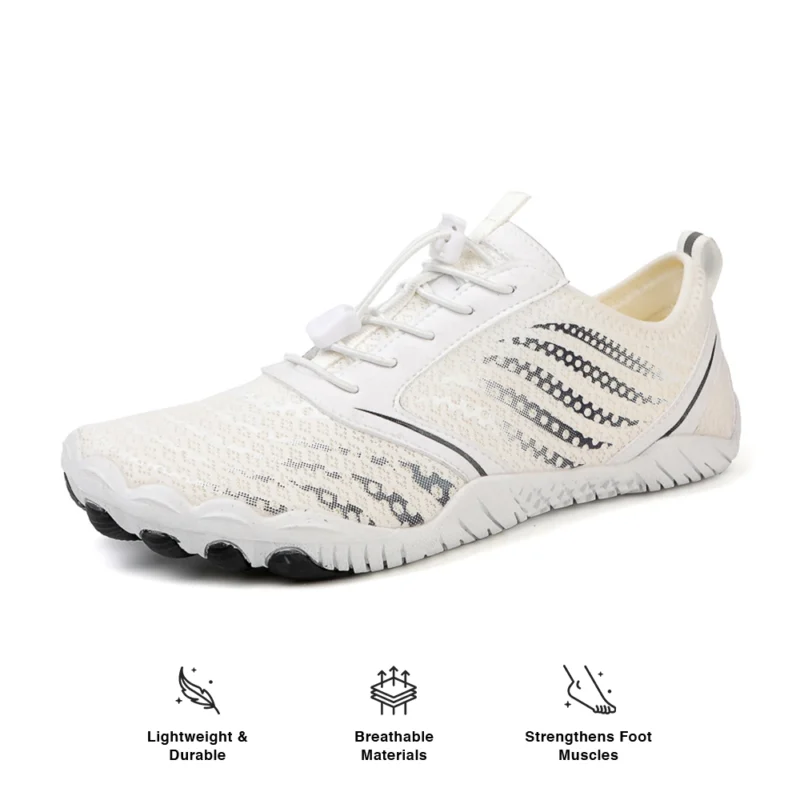
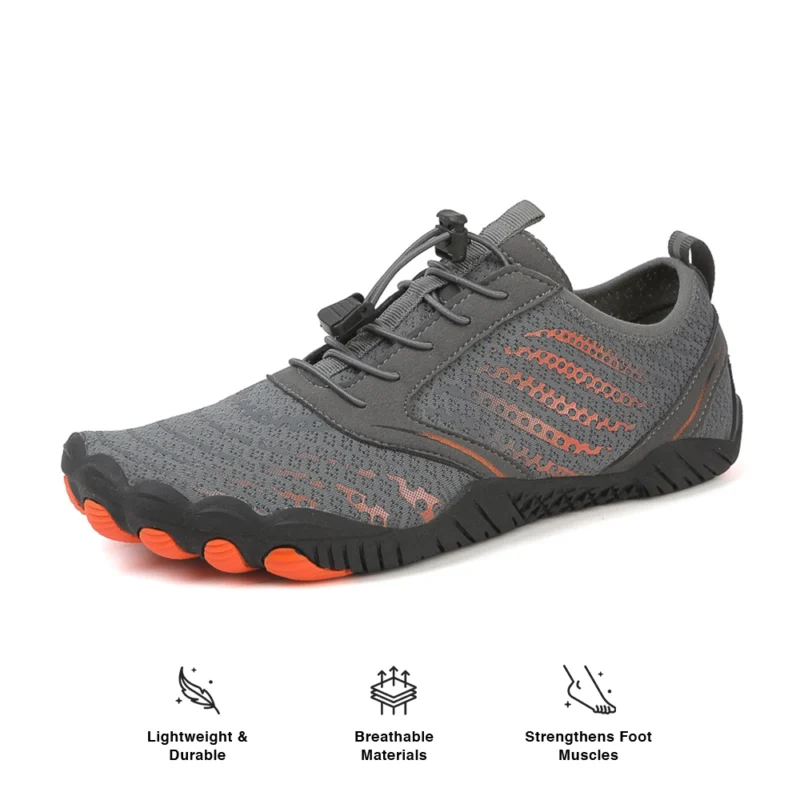
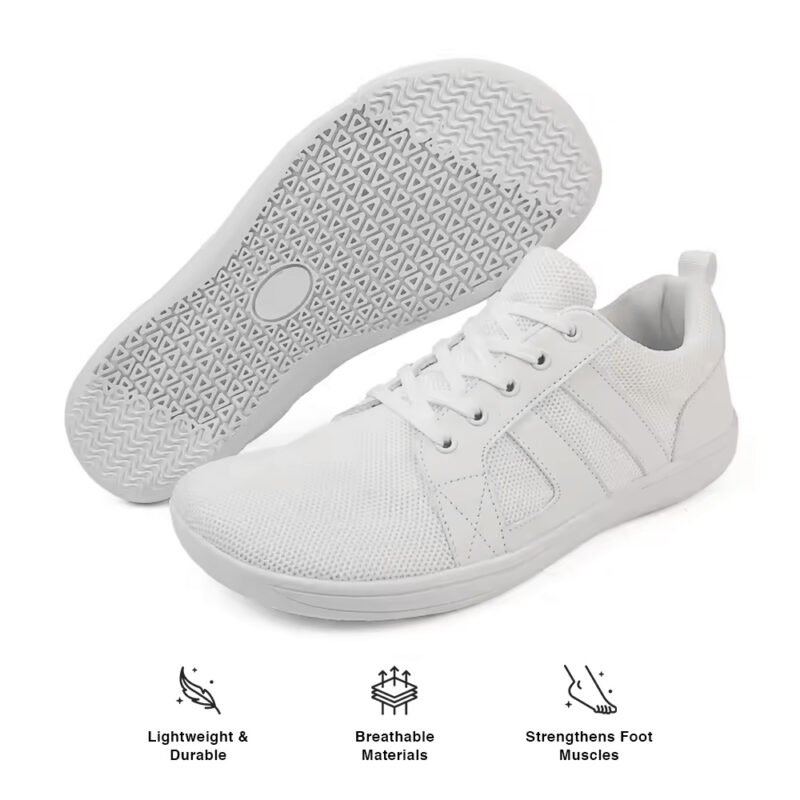
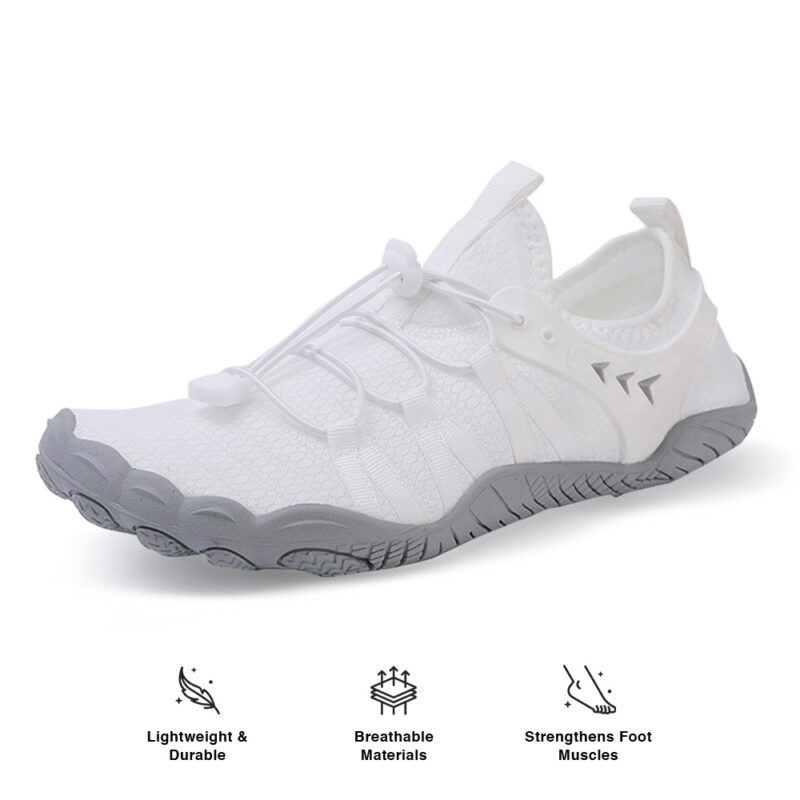
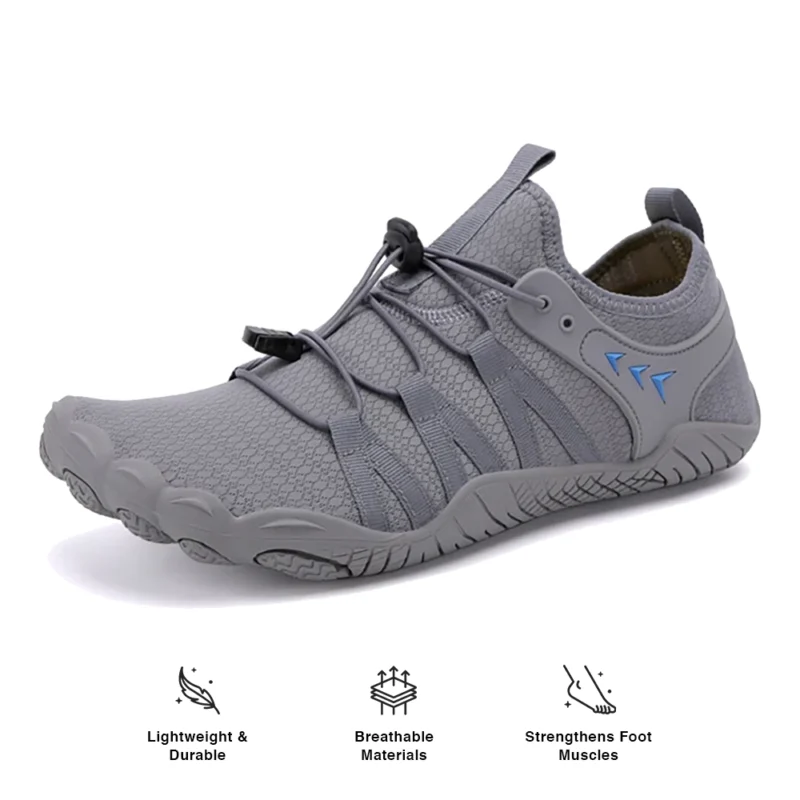
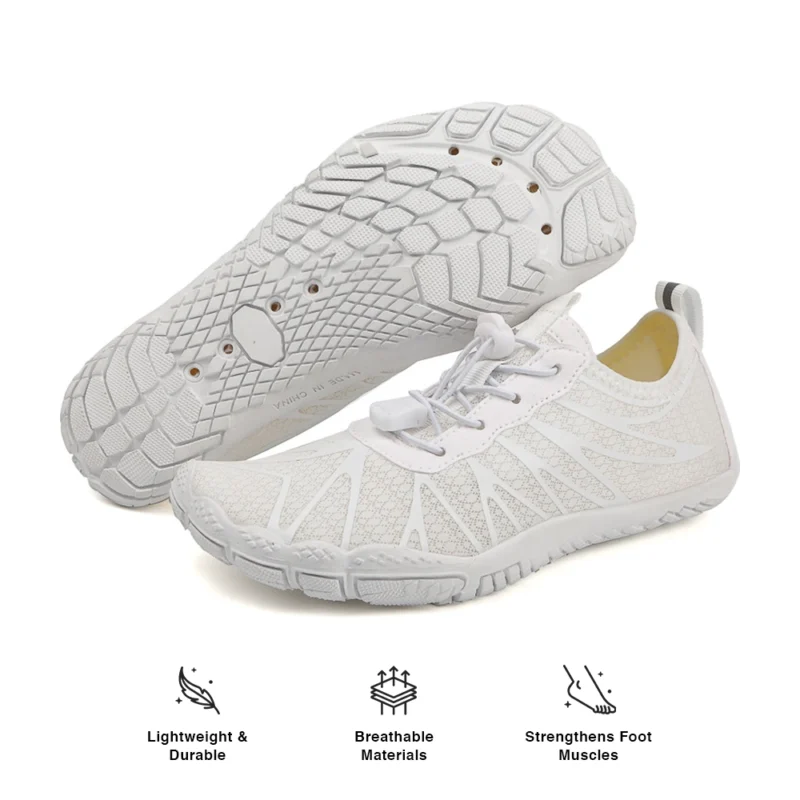
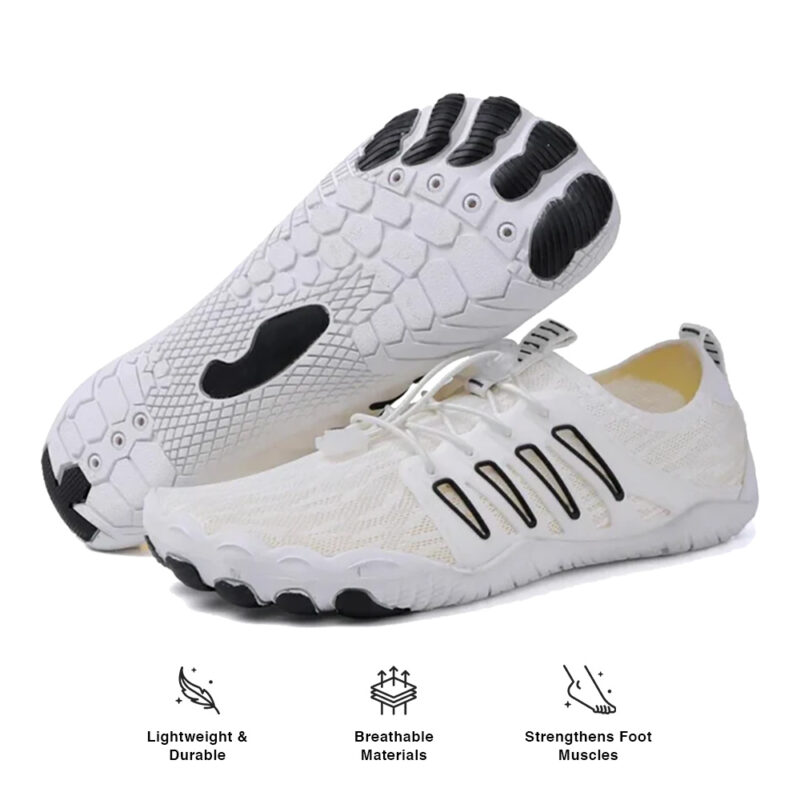
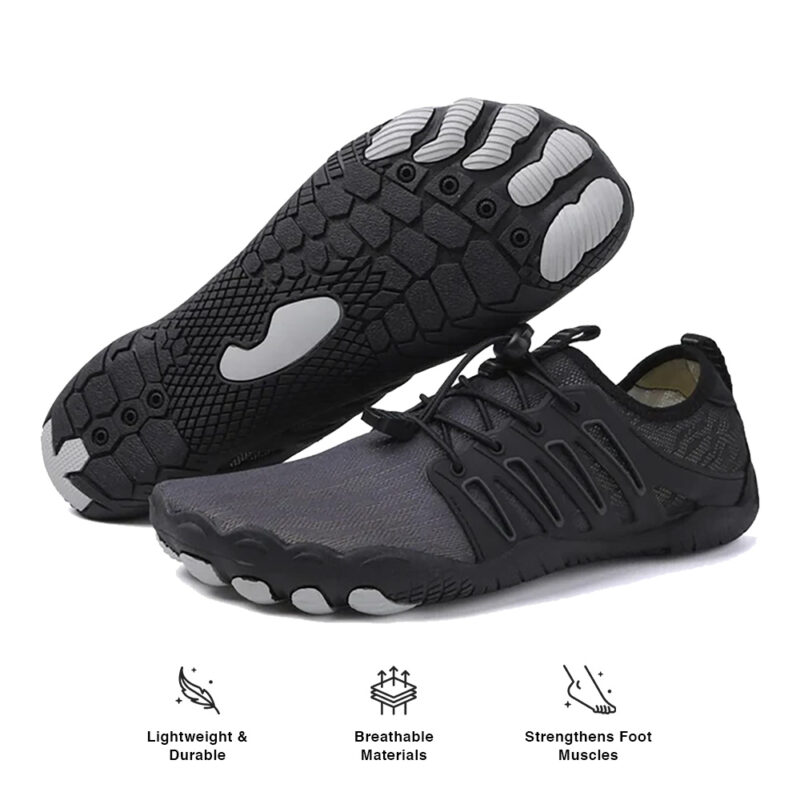
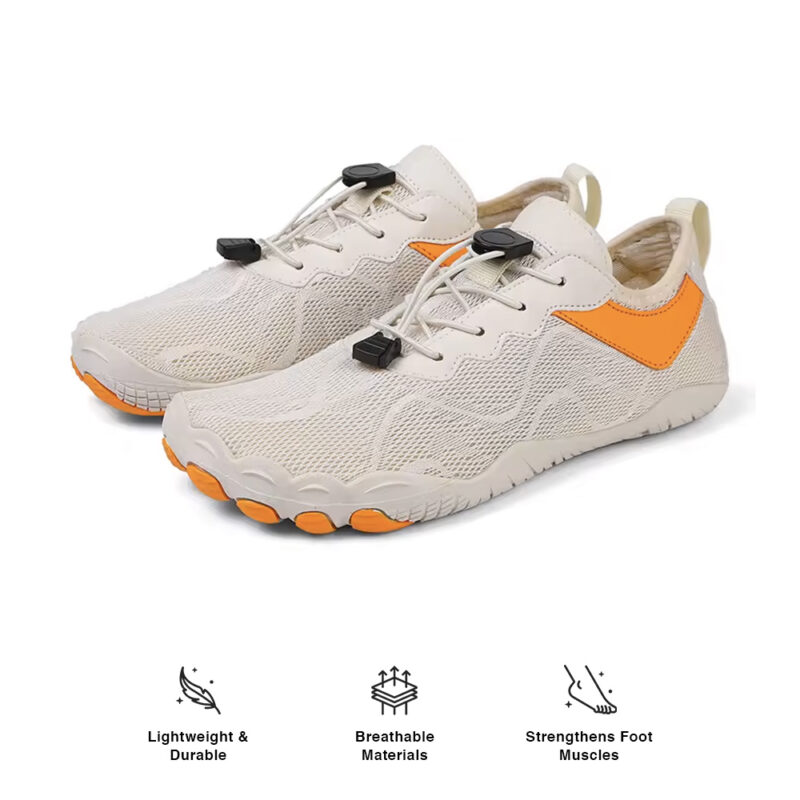
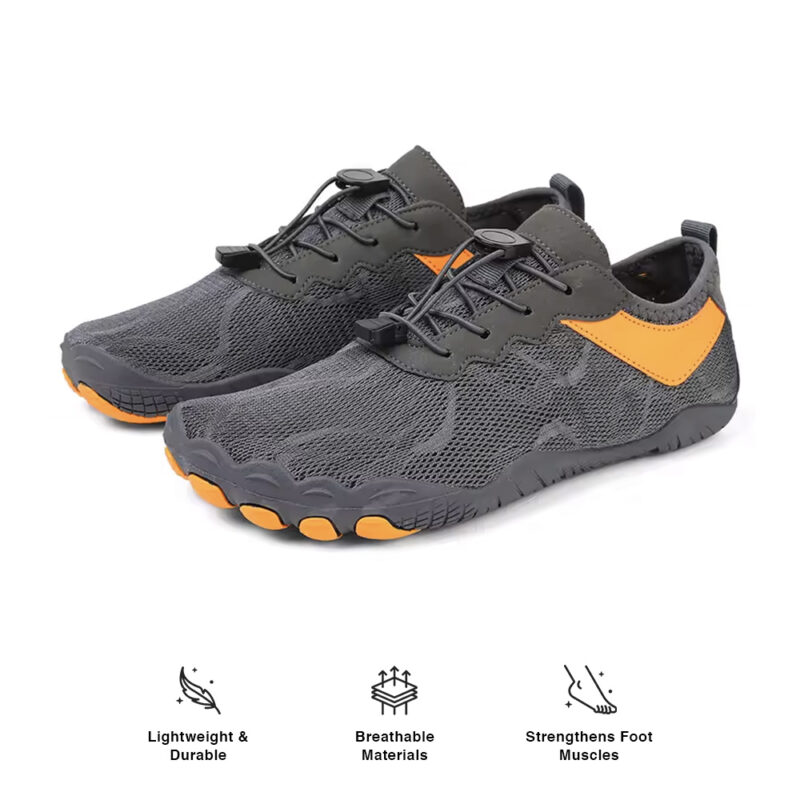
Why Your Current Shoes Are Working Against You
That afternoon foot fatigue you experience isn't just "normal wear and tear" – it's your body telling you something important. Traditional shoes with thick soles and narrow designs force your feet into unnatural positions, weakening the very muscles that should be supporting you throughout the day. When you're searching for the best everyday shoes, you need footwear that allows your 26 bones and 33 joints in each foot to move as nature intended. Minimalist shoes with thin, flexible soles let you feel the ground beneath you, activating the small stabilizing muscles that conventional footwear has been doing the work for. Start paying attention to how your feet feel in different shoes – this awareness will guide you toward better choices.
The Hidden Connection Between Your Shoes and Your Energy
Heavy, cushioned shoes don't just weigh down your feet – they drain your energy with every step. Your body has to work harder to lift and move bulky footwear, and the artificial support actually makes your muscles lazy over time. The best everyday shoes should feel almost weightless, allowing your natural gait to flow efficiently. Barefoot-style footwear with minimal materials lets you move with the spring and bounce that comes from strong, active feet. When your feet can grip, flex, and push off naturally, you'll notice you have more energy at the end of long days. Choose shoes that disappear on your feet rather than announce their presence with every step.
How Toe Box Design Shapes Your Day
Cramped toes aren't just uncomfortable – they affect your entire body's alignment and stability. Most conventional shoes squeeze your toes together, creating imbalances that travel up through your knees, hips, and back. When looking for the best everyday shoes, prioritize a wide toe box that matches your foot's natural shape. Your toes need space to spread and grip for optimal balance and power. Minimalist designs typically feature anatomically shaped toe boxes that allow your foot to function properly. Make sure you can wiggle all your toes freely when trying on new shoes – this simple test can save you from hours of daily discomfort.
The Ground Feedback Your Body Craves
Thick, cushioned soles might seem protective, but they're actually cutting off vital sensory information your body needs for balance and coordination. Your feet contain thousands of nerve endings designed to give you feedback about the surfaces you're walking on. The best everyday shoes maintain this connection through thin, flexible soles that still provide protection. When you can feel the ground beneath you, your body naturally adjusts its posture and gait for optimal efficiency and stability. This proprioceptive feedback helps prevent falls and reduces joint stress throughout your body. Look for soles that bend easily in your hands – if you can't flex the shoe, your foot can't either.
Building Strength Through Natural Movement
Every step in traditional shoes is a missed opportunity for your feet to grow stronger. Conventional footwear does the work your muscles should be doing, leading to weakness and dependency over time. The best everyday shoes challenge your feet gently, allowing the intrinsic muscles to engage and strengthen with daily activities. Minimalist footwear turns routine walking into low-level strength training for your entire lower body. Your arches, calves, and core all work together more effectively when your feet can move naturally. Transition gradually to allow your body time to adapt and build the strength that supportive shoes have been providing artificially.
Why Less Material Means More Comfort
The minimalist approach to footwear isn't about sacrifice – it's about discovering what true comfort feels like. When shoes work with your body's design rather than against it, you experience a different kind of all-day comfort. The best everyday shoes use just enough material to protect without restricting, allowing your feet to breathe, flex, and function optimally. This approach reduces hot spots, blisters, and the general foot fatigue that comes from fighting your footwear all day. Quality minimalist shoes focus on durable, flexible materials that move with you rather than bulky padding that breaks down over time.
Making the Transition to Better Footwear
Changing to minimalist shoes is an investment in your long-term foot health, but it requires patience and gradual adaptation. Your feet have likely been in supportive shoes for years, so they need time to remember how to work independently. The best everyday shoes for your transition period might include slightly more sole thickness while still maintaining flexibility and natural foot shape. Start by wearing your new minimalist shoes for short periods and gradually increase the time as your feet strengthen. Listen to your body during this process – some initial muscle soreness is normal as dormant muscles begin working again, but sharp pain indicates you're moving too quickly in your transition.