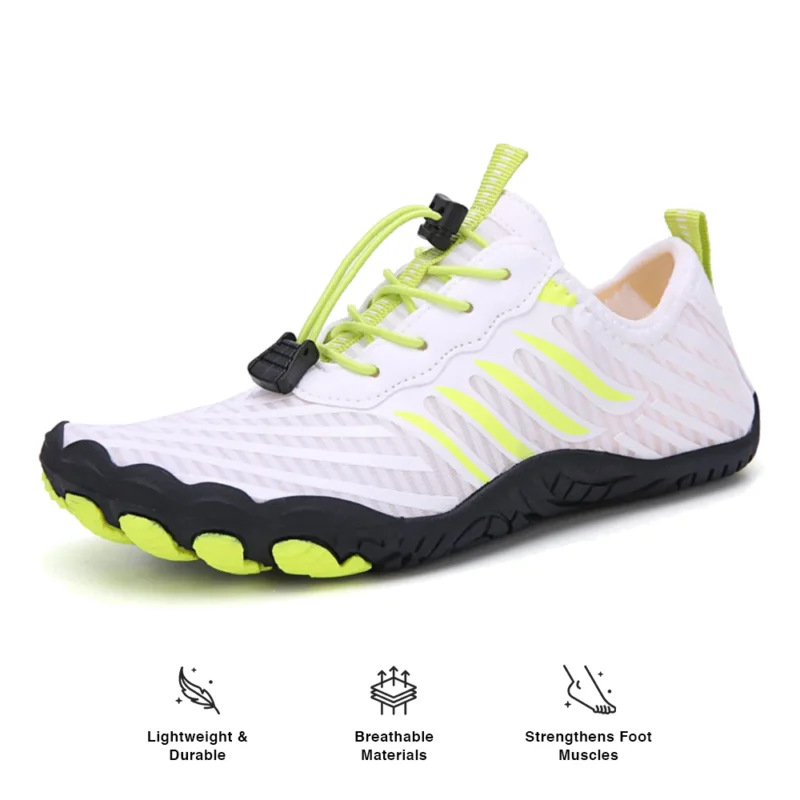
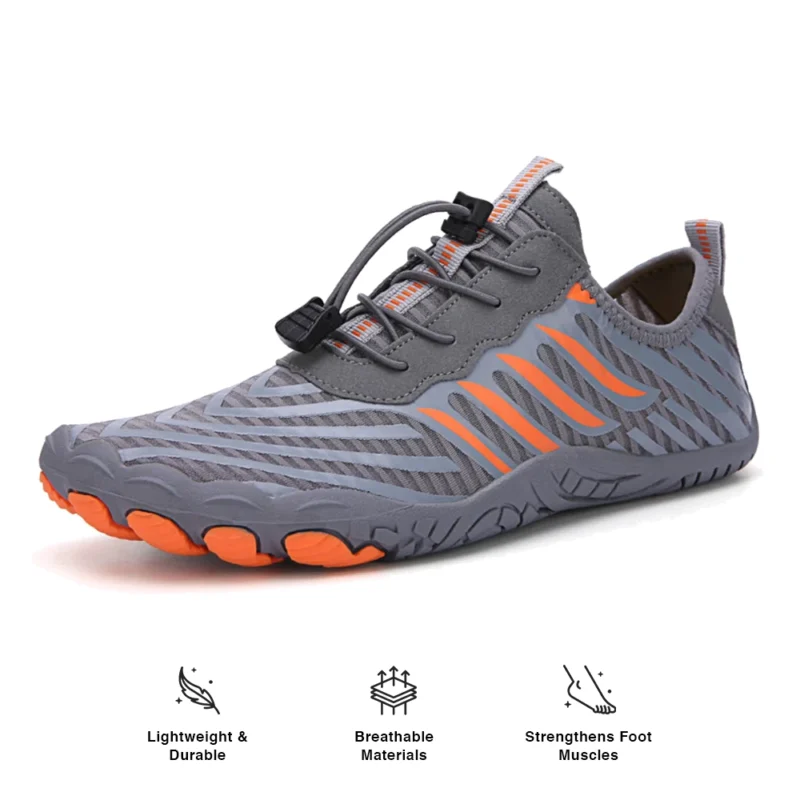
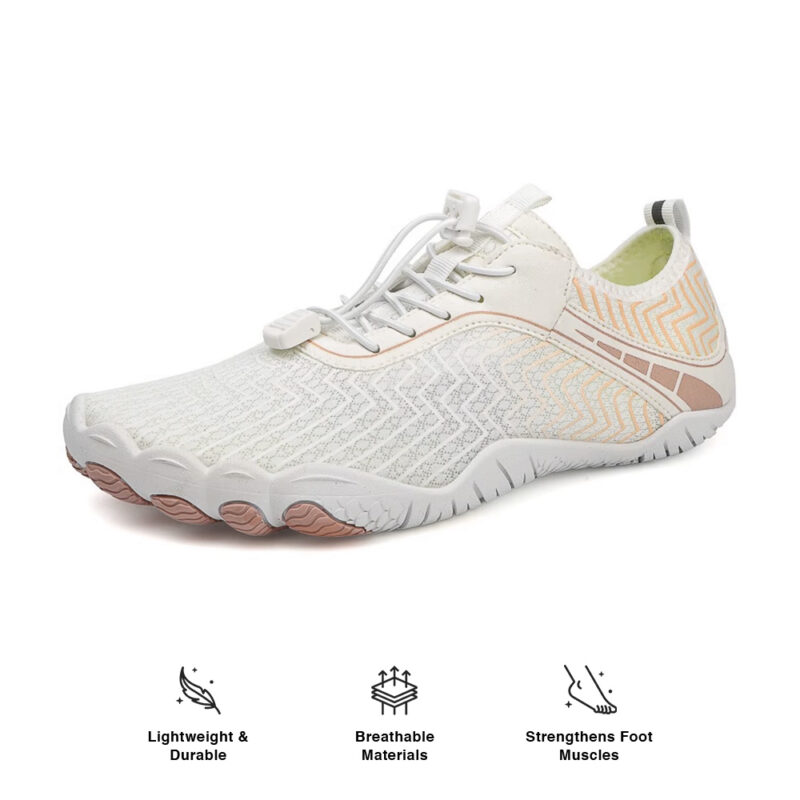
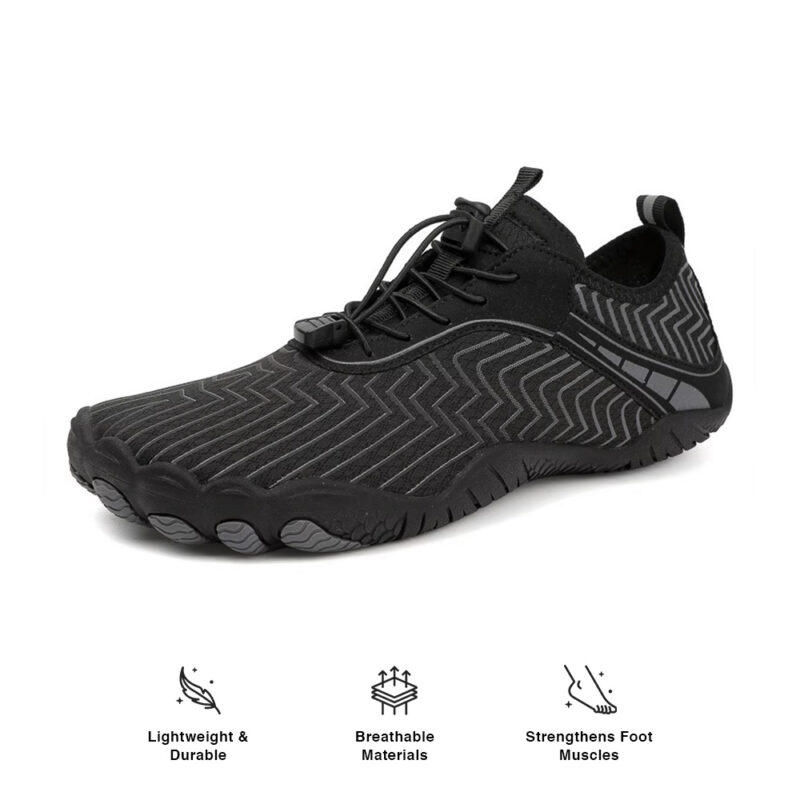
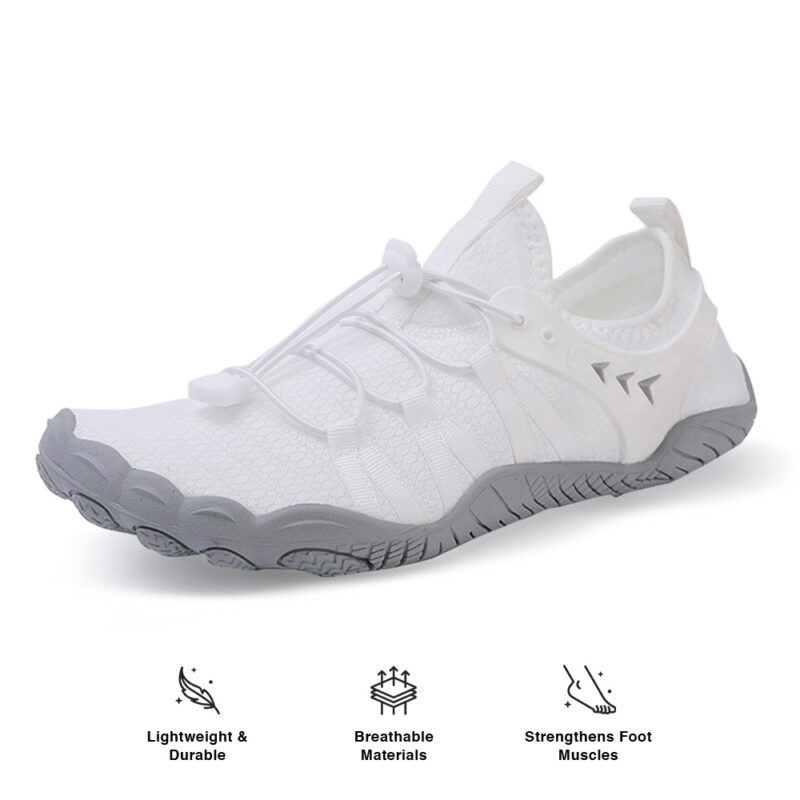
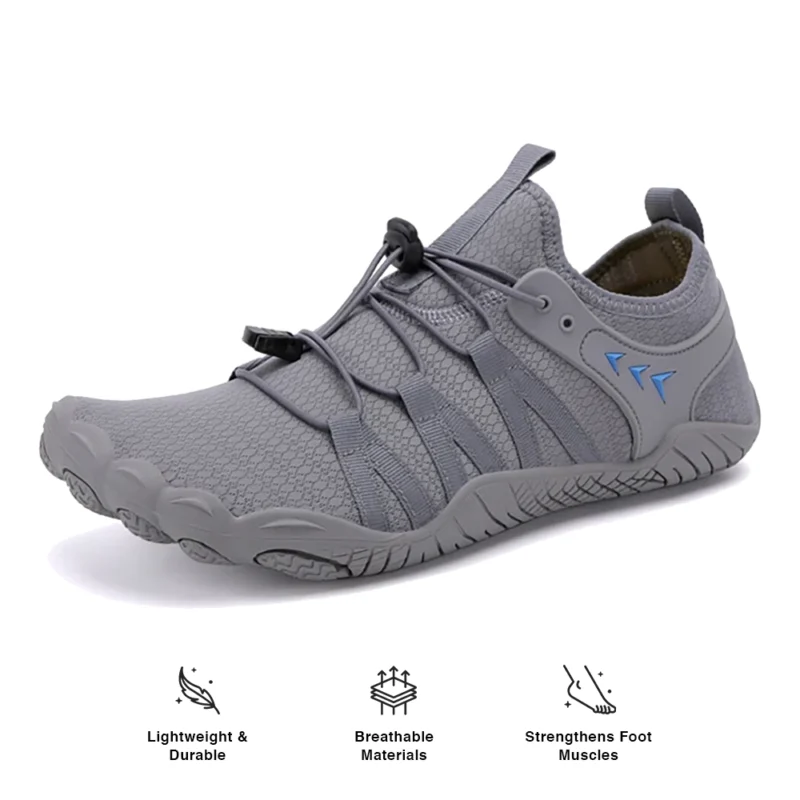
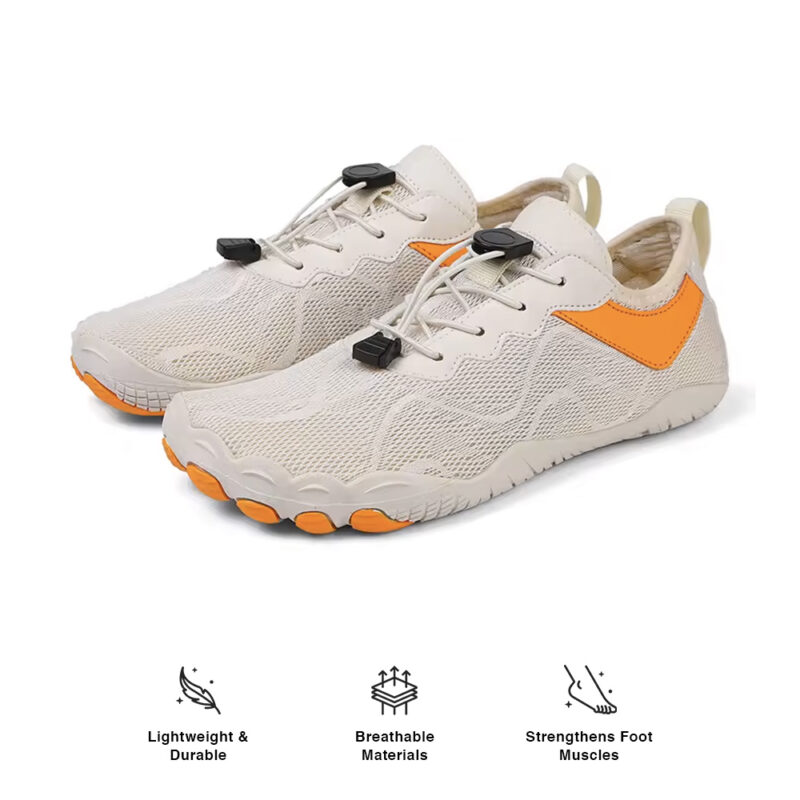
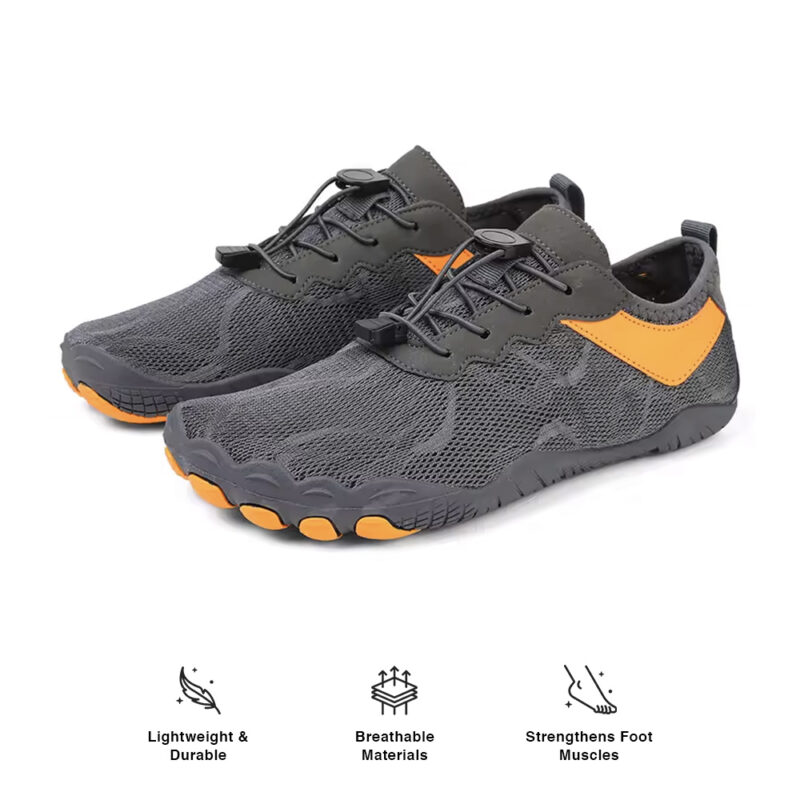
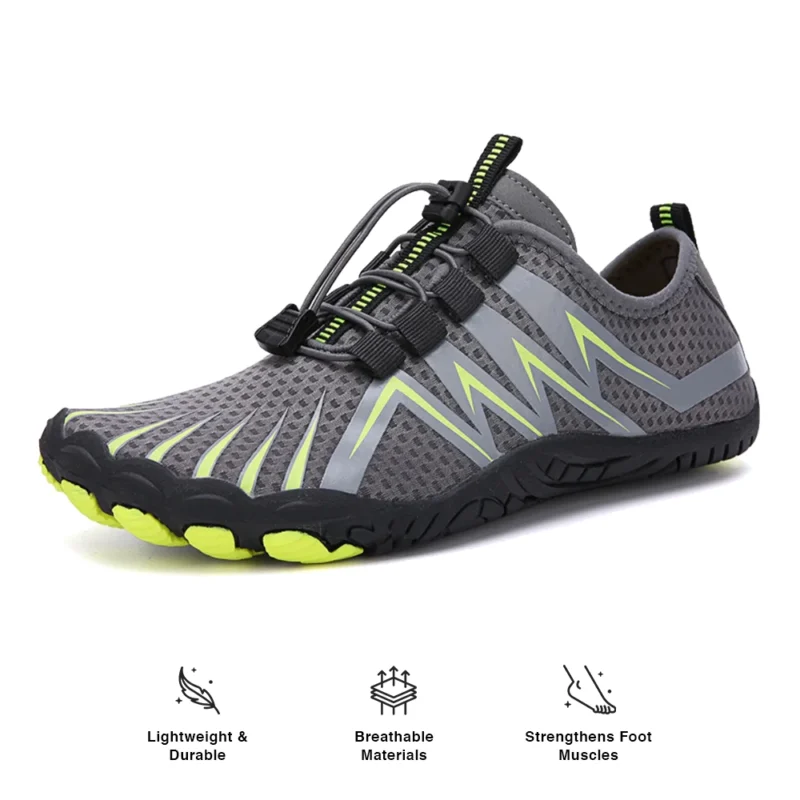
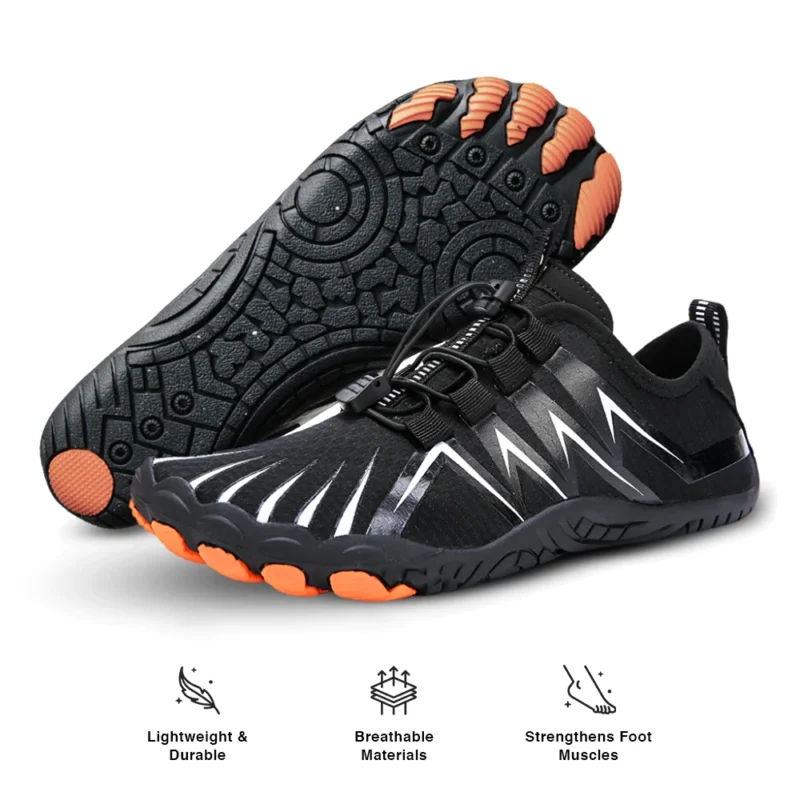
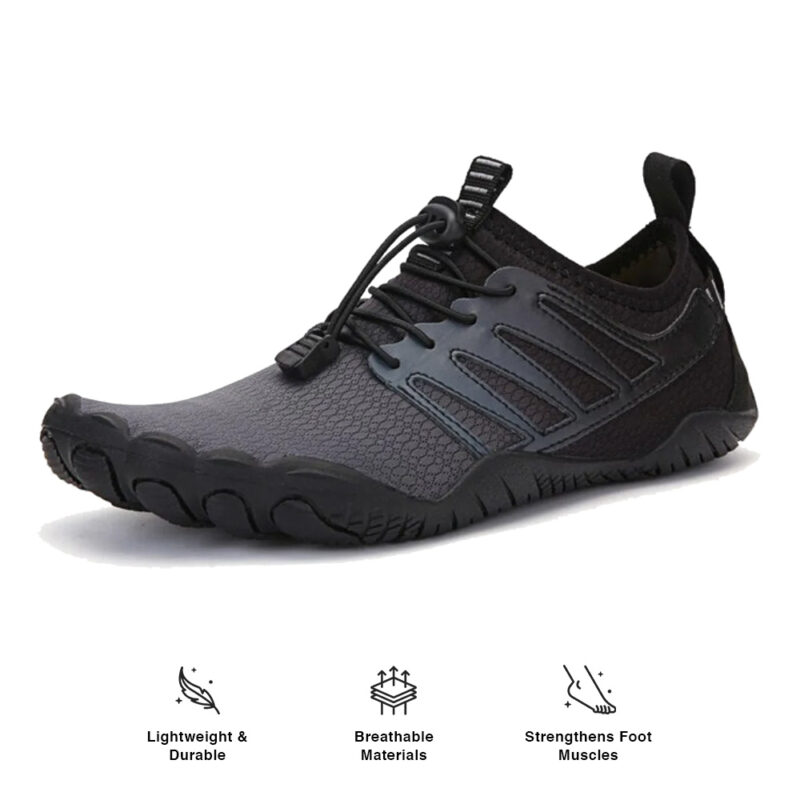
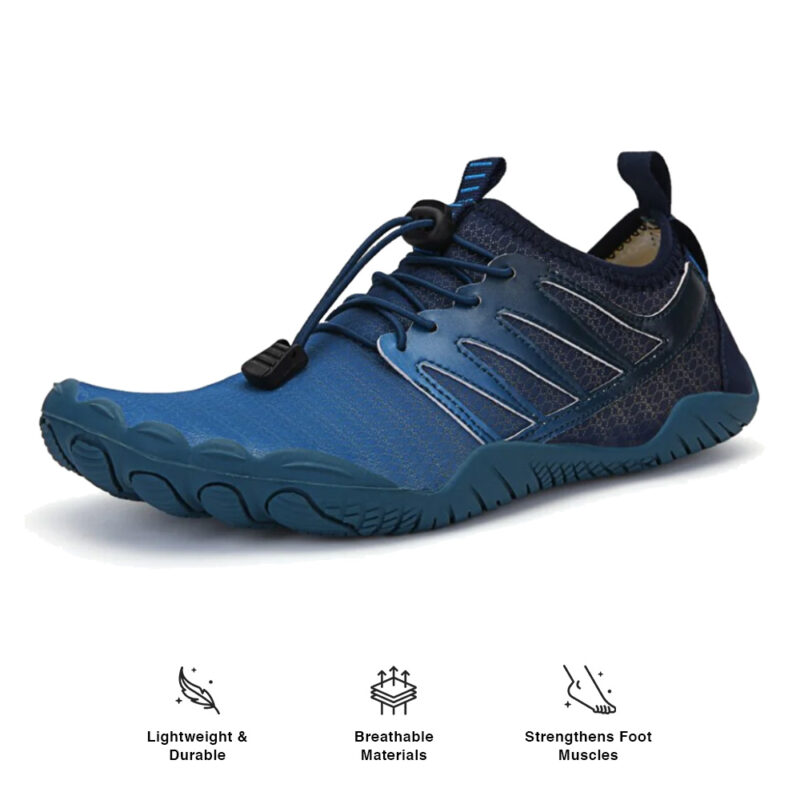
Why Your Current Running Shoes Might Be Holding You Back
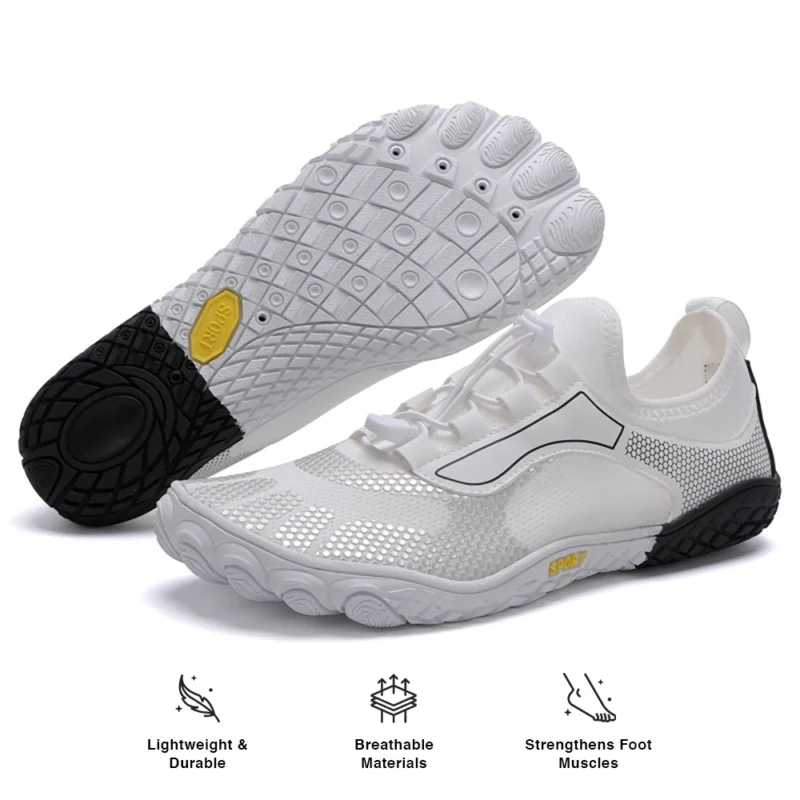
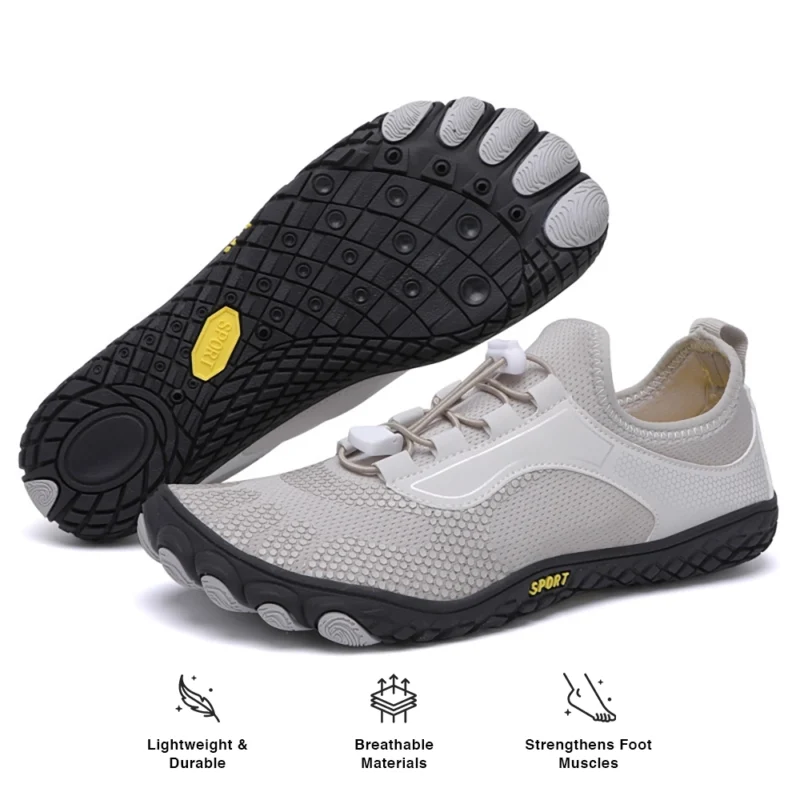
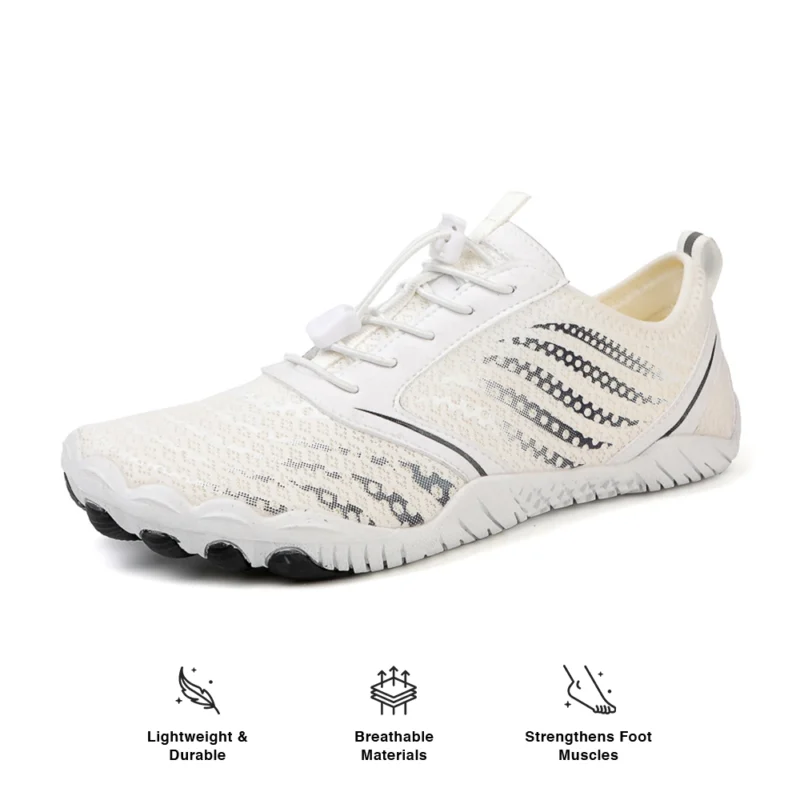
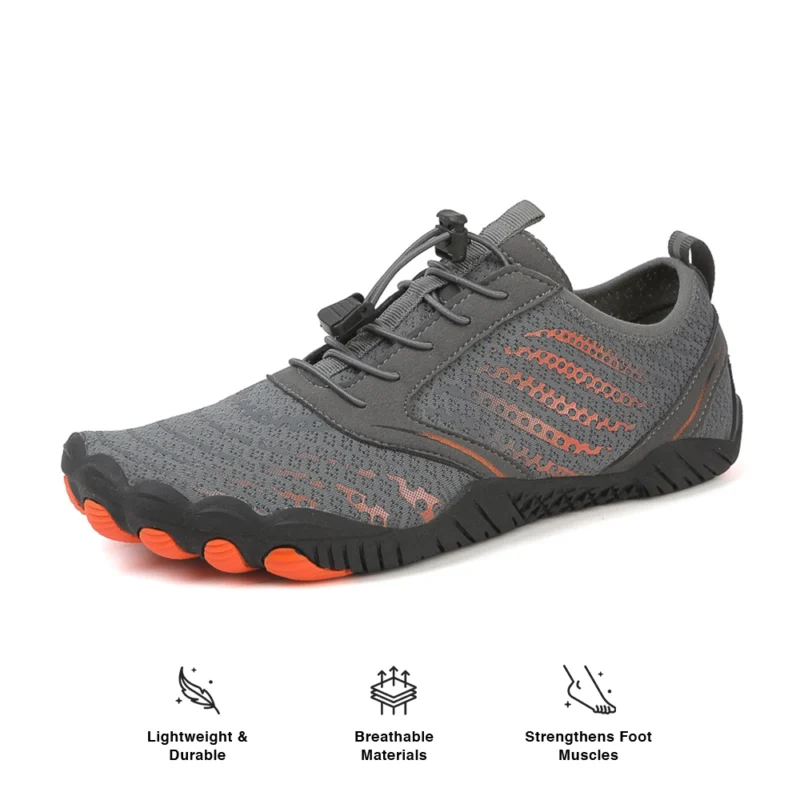
That familiar feeling of dead legs halfway through your long runs often starts with restricted feet. When shoes lock your foot into an artificial position, your entire lower body has to compensate, creating inefficient movement patterns that drain your energy reserves. The best half marathon shoes allow your foot to function as nature intended – as a dynamic, adaptable platform that responds to terrain and adjusts your stride naturally. Look for shoes with wide toe boxes that let your toes spread fully, giving you a stable base for those crucial final miles of your race.
How Natural Movement Patterns Transform Your Training
Many runners struggle with that heavy, plodding feeling during longer distances because their shoes prevent the smooth, rolling motion that makes running feel effortless. Your foot is designed to land, roll, and push off in one fluid sequence, but traditional shoes interfere with this natural biomechanics. When searching for the best half marathon shoes, prioritize flexible soles that bend and twist with your foot's movement. This flexibility allows your natural gait to emerge, creating the efficient, ground-connected running style that carries you through those challenging middle miles with less effort and more grace.
Building the Foot Strength That Powers Distance Running
Weak feet are often the hidden culprit behind late-race fatigue and post-run soreness that many distance runners accept as normal. When your intrinsic foot muscles are weak from years of artificial support, they can't provide the stability and shock absorption your body needs for 13.1 miles. The best half marathon shoes work like strength training equipment for your feet, engaging the small stabilizing muscles with every step. Choose footwear with minimal cushioning underfoot so your feet can feel and respond to the ground, gradually building the natural strength that traditional running shoes have been doing for you – but not nearly as effectively.
Why Ground Connection Improves Your Racing Efficiency
That disconnected, floating sensation in heavily cushioned shoes costs you energy and speed because your brain can't accurately judge your foot placement or adjust your stride in real-time. Ground feedback through thin, flexible soles allows your nervous system to make thousands of micro-adjustments that optimize your gait for efficiency and speed. When evaluating the best half marathon shoes, consider how much you can feel the ground through the sole – this sensory information is crucial for developing the smooth, efficient stride that maintains pace without burning through your glycogen stores. Practice your tempo runs and interval sessions in more minimal footwear to develop this enhanced proprioception before race day.
Creating Lasting Comfort Through Natural Foot Function
The burning, aching sensation in your feet during longer runs often comes from shoes that force your foot into an unnatural shape rather than allowing it to function properly. When your toes can spread wide and your arch can flex and recoil naturally, your foot becomes its own shock absorption and propulsion system. The best half marathon shoes eliminate pressure points by matching the natural shape of your foot, particularly in the toe area where most traditional running shoes create painful compression. Transition gradually to more foot-shaped footwear during your training cycle, allowing your feet time to adapt and strengthen in their natural position.
How Proper Footwear Supports Your Entire Kinetic Chain
Those persistent hip tightness and lower back issues that seem unrelated to your feet often stem from shoes that alter your natural posture and movement patterns. When your feet can't function properly, your knees, hips, and spine have to compensate, creating tension and inefficiency throughout your entire body. The best half marathon shoes maintain your body's natural alignment by keeping your foot in a neutral position – not elevated at the heel or constrained at the toes. This alignment allows your running form to flow from your natural biomechanics rather than being dictated by your footwear, leading to that effortless feeling that makes long distances feel manageable instead of punishing.
Transitioning Smart for Race Day Success
The biggest mistake runners make when switching to more natural footwear is doing too much too soon, leading to overuse injuries that derail their training plans. Your feet and lower legs need time to adapt to increased workload as they take on functions that shoes have been performing. Start incorporating the best half marathon shoes into shorter, easier runs first, gradually increasing distance and intensity as your natural foot strength develops. Plan this transition early in your training cycle, giving yourself at least 8-12 weeks to fully adapt before race day – this patient approach ensures you'll toe the starting line with feet that are strong, efficient, and ready to carry you to a personal best.