Why Thick Padding Actually Makes Your Feet More Tired
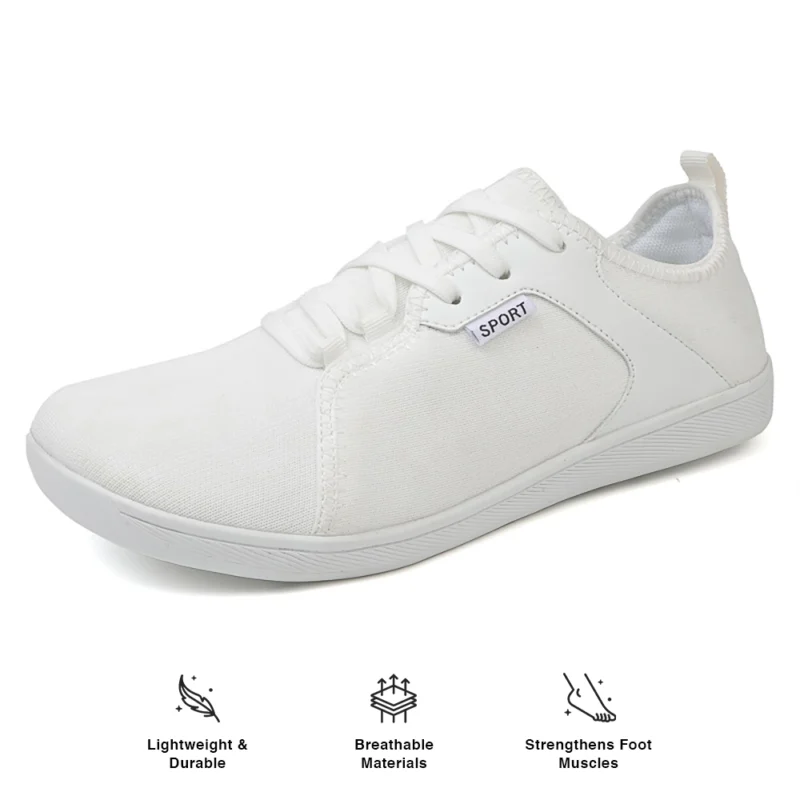
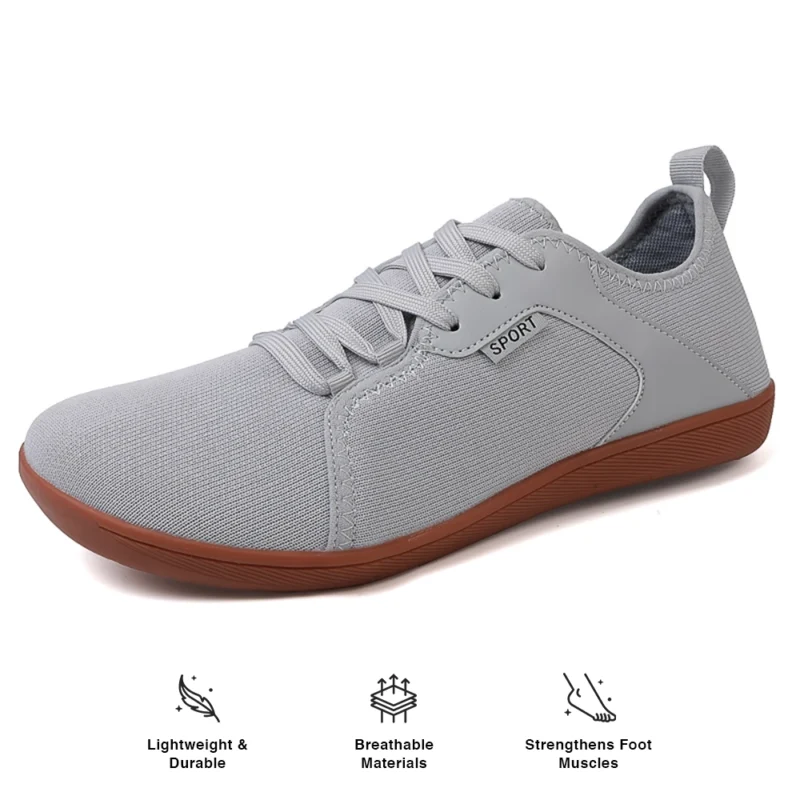
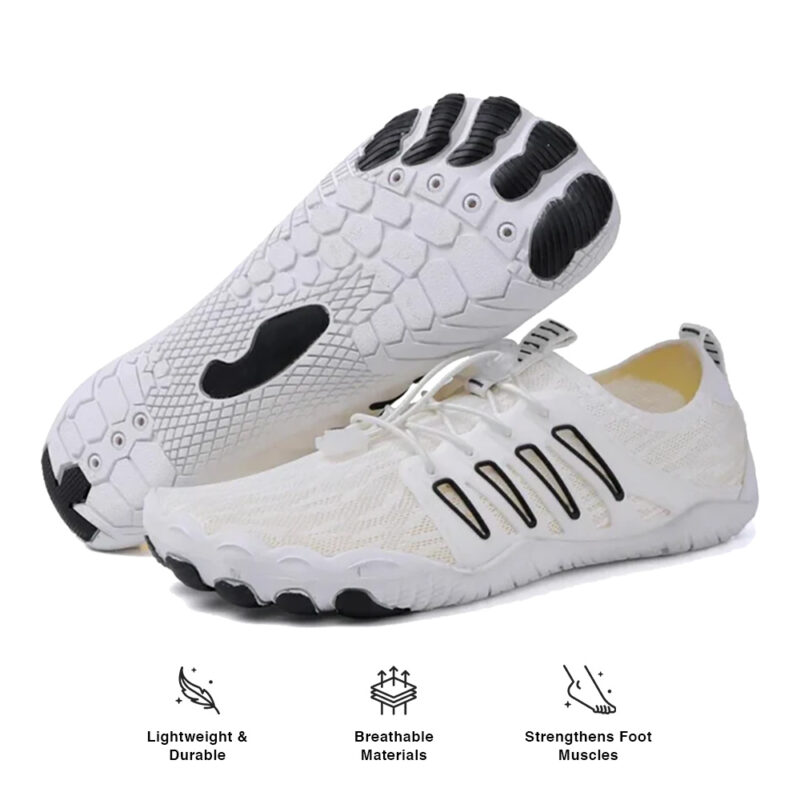
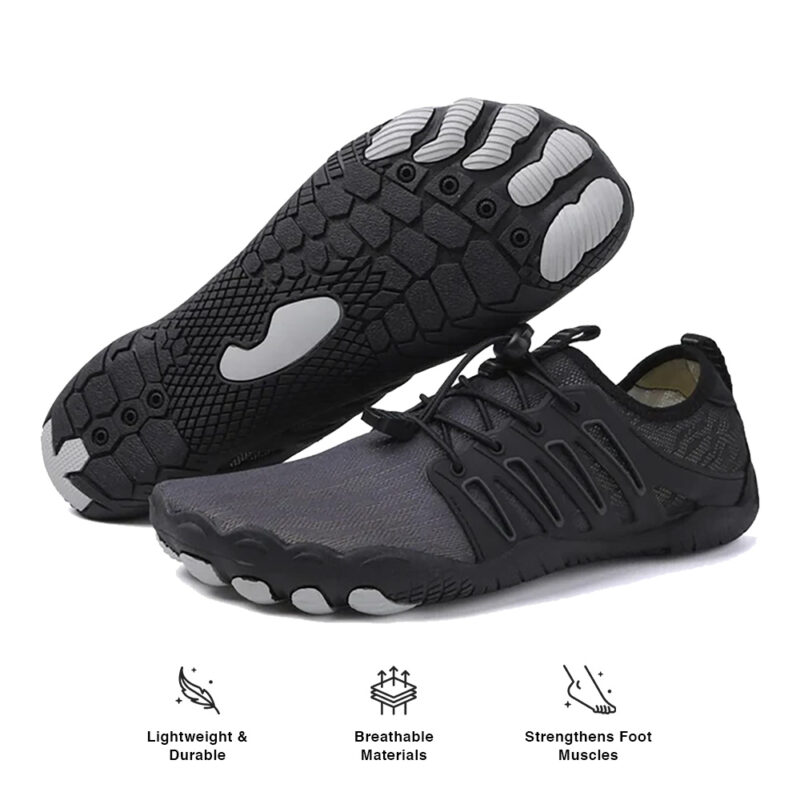
You've probably noticed how cushioned slippers feel great initially but leave your feet feeling oddly fatigued after extended wear. This happens because thick padding forces your foot muscles to work harder to maintain stability on an unstable surface, similar to trying to balance on a soft mattress. The best house shoes for women recognize that your feet have their own natural shock absorption system through your arches, fat pads, and muscle activation patterns. When footwear has a thin, flexible sole that lets you feel the ground, your feet can use their built-in mechanisms efficiently, reducing fatigue and creating genuine comfort that improves throughout the day. Choose house shoes with minimal padding and notice how much more energized your feet feel.
Breaking Free from the Arch Support Trap
Traditional house shoes often promise relief through built-in arch support, but this approach actually weakens the very muscles that should be supporting your arches naturally. Your feet contain intrinsic muscles designed specifically to maintain arch height and foot stability, but artificial arch supports do this work for them, leading to muscle weakness over time. The best house shoes for women feature flat, flexible soles that challenge these muscles gently, encouraging them to engage and strengthen with every step. This natural approach means your arches become more resilient and supportive on their own, providing lasting comfort that doesn't depend on external devices. Look for house shoes with zero-drop soles (no height difference between heel and toe) to give your arch muscles the workout they need.
Temperature Regulation Through Natural Materials and Design
Sweaty, overheated feet are a common complaint with traditional house slippers made from synthetic materials and thick linings. Your feet contain over 250,000 sweat glands—more per square inch than anywhere else on your body—so they need footwear that breathes and allows natural temperature regulation. The best house shoes for women use natural materials like leather, wool, or breathable fabrics that wick moisture away from your skin while allowing air circulation. Minimalist construction with thin soles also prevents heat buildup that occurs in heavily padded options. When your feet can regulate temperature naturally, you'll experience consistent comfort whether you're cooking in a warm kitchen or walking on cool floors.
Flexibility That Moves with Your Natural Gait
Stiff-soled house shoes restrict your foot's natural movement pattern, forcing your gait to adapt in ways that can create tension up through your legs, hips, and back. Your feet are designed to flex, spread, and adapt to surfaces with each step, and this movement actually helps pump blood back up your legs and maintain healthy circulation. The best house shoes for women bend easily in all directions, allowing your feet to move through their full range of motion just as they would barefoot. This flexibility keeps your gait natural and efficient, reducing the compensatory movements that lead to discomfort in other parts of your body. Test this by trying to fold your house shoes in half—they should bend easily without resistance.
Ground Connection for Better Balance and Confidence
Thick-soled house shoes create a disconnect between your feet and the ground, reducing the sensory feedback your brain relies on for balance and spatial awareness. This diminished proprioception can make you feel less stable and confident in your movements, especially on stairs or smooth surfaces. The best house shoes for women maintain ground connection through thin, flexible soles that allow your feet to sense texture, temperature, and subtle surface changes. This enhanced feedback improves your balance naturally and helps prevent slips and falls by allowing quick, instinctive adjustments to your footing. Your nervous system stays more engaged and responsive when your feet can actually feel where you're walking.
Toe Freedom Prevents Common Foot Problems
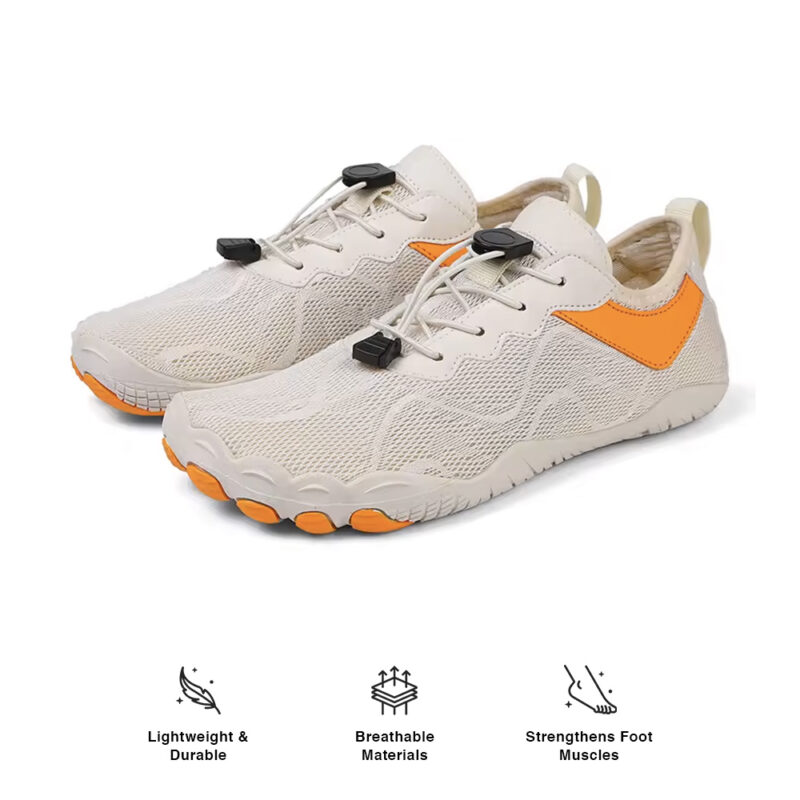
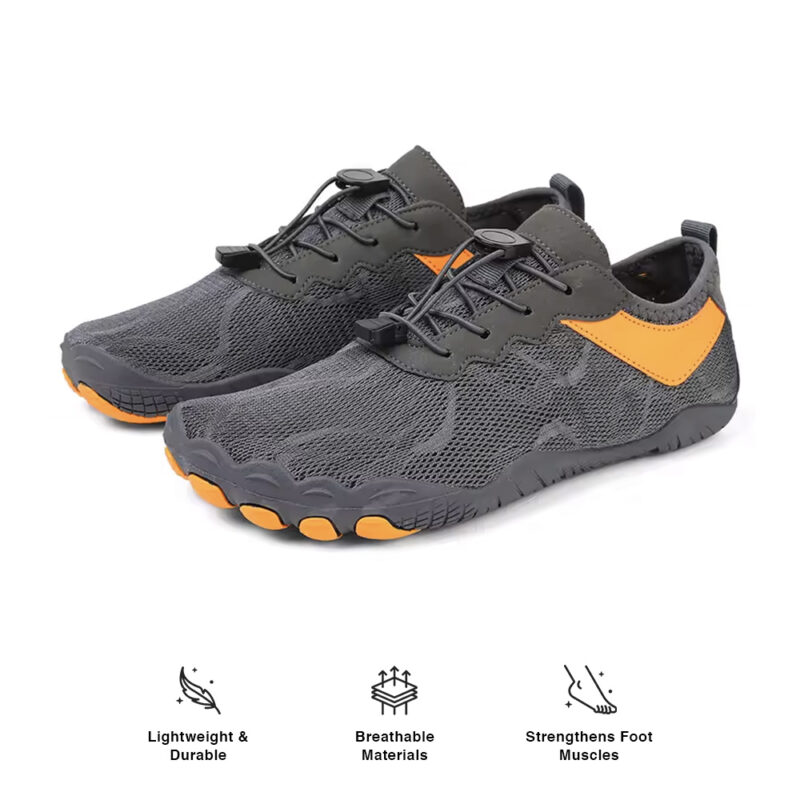
Many house shoes squeeze your toes into narrow toe boxes, restricting natural toe spread and potentially contributing to bunions, hammertoes, and general discomfort. Your toes play a crucial role in balance and push-off during walking—they're designed to spread wide for stability and grip the ground for propulsion. The best house shoes for women feature wide, anatomically shaped toe boxes that allow your toes to lie flat and spread naturally, just as they do when you're barefoot. This freedom prevents deformities from developing and allows your toes to contribute fully to your balance and gait efficiency. When shopping for house shoes, ensure you can wiggle all your toes freely and that none feel cramped or pressed against each other.
Durability Through Simplicity and Quality Construction
Complex house shoes with multiple layers, gels, and cushioning systems often break down quickly because they have more components that can fail. The best house shoes for women embrace simple construction using high-quality materials that improve with age rather than deteriorate. A well-made minimalist house shoe typically consists of a flexible upper attached to a thin, durable sole—fewer parts mean fewer potential failure points. Quality leather uppers develop a custom fit over time, while simple rubber or leather soles can often be resoled when they wear out, making these shoes a long-term investment in your comfort. Focus on craftsmanship and material quality rather than complex features when selecting house shoes that will serve you well for years.