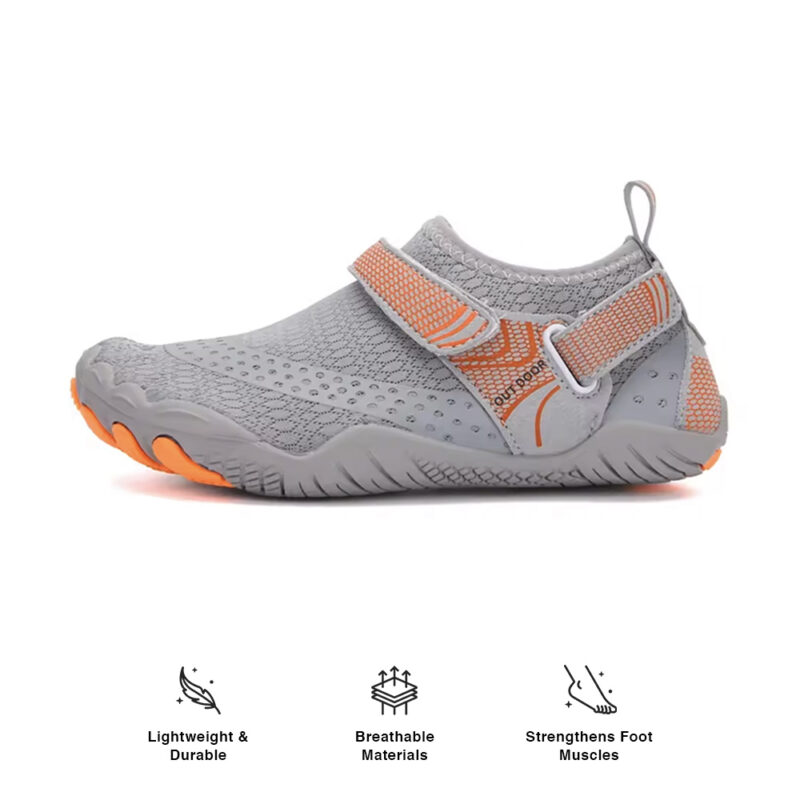
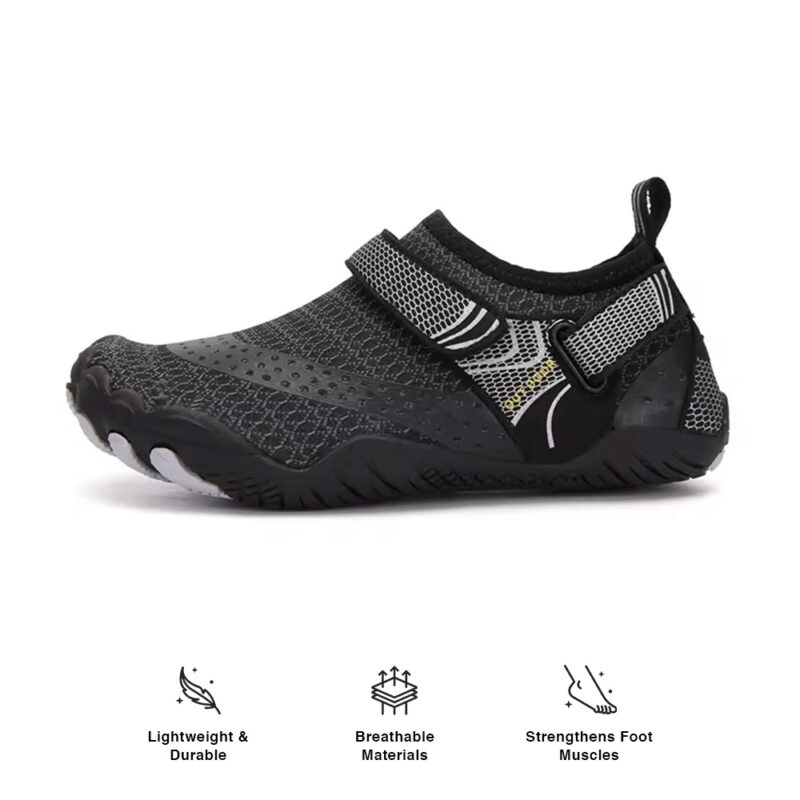
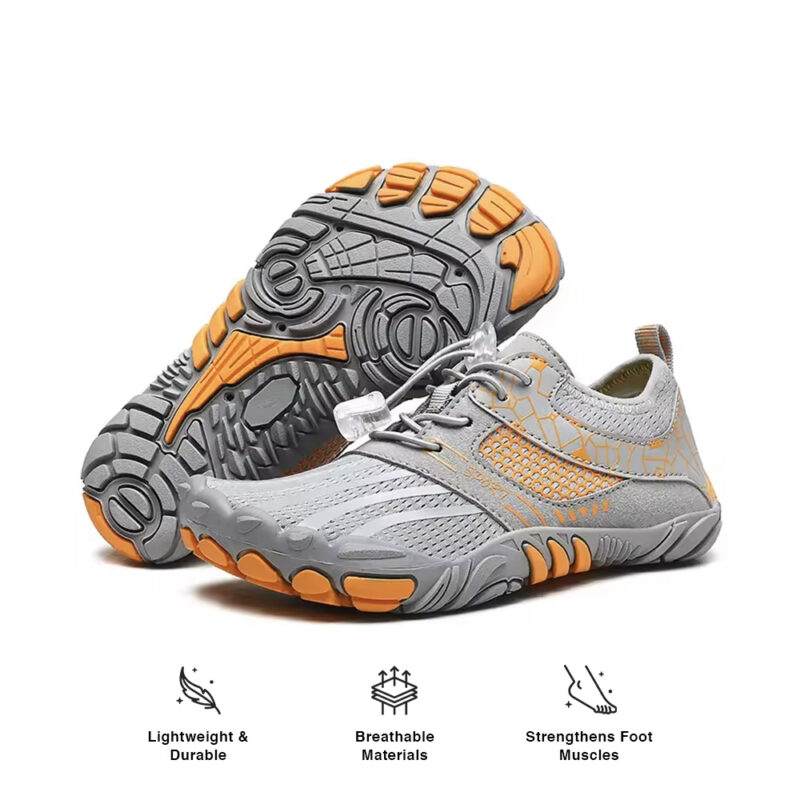
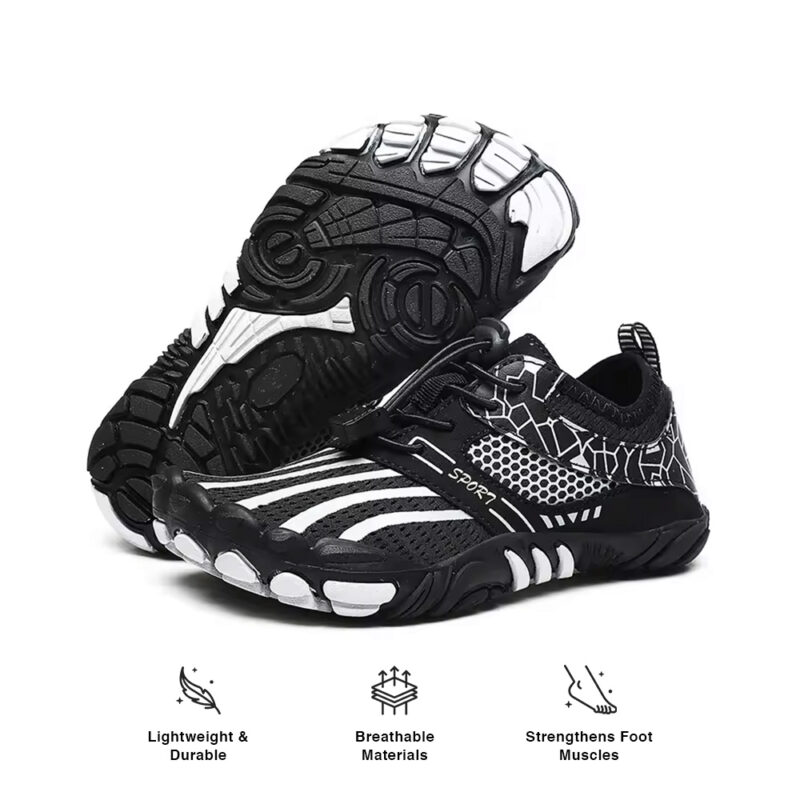
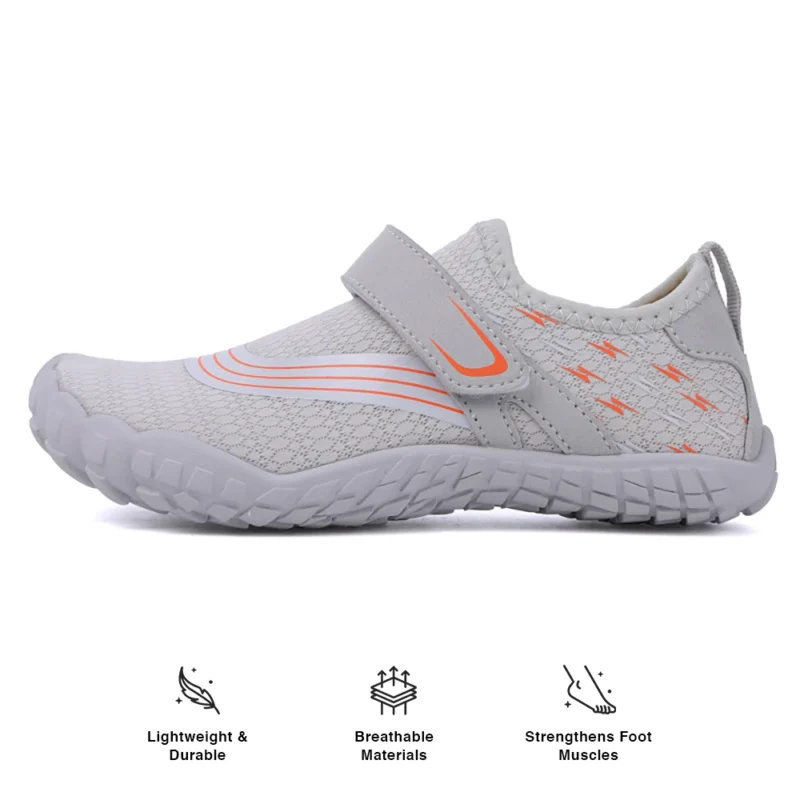
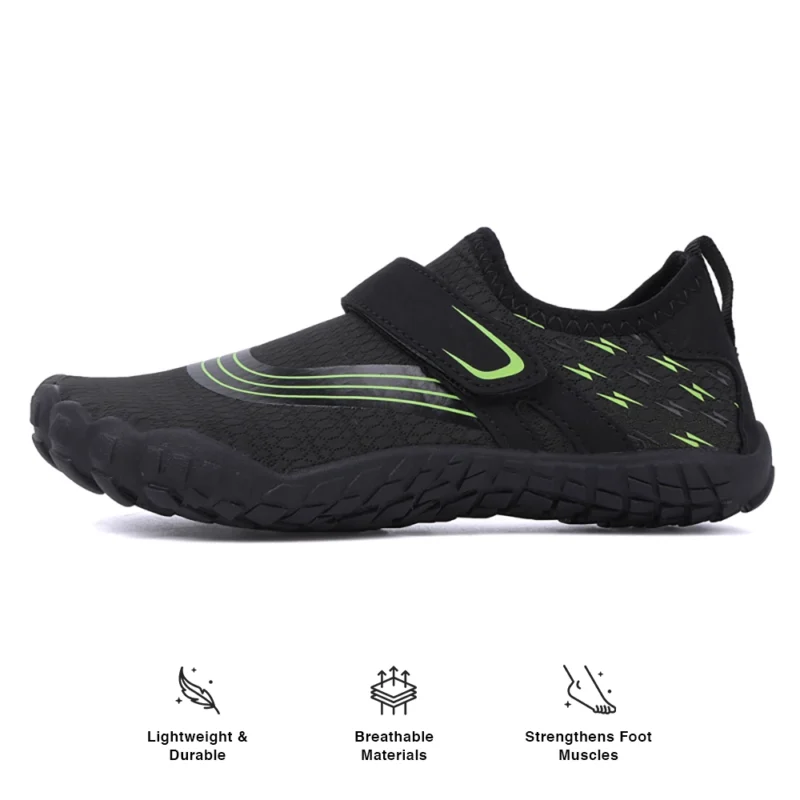
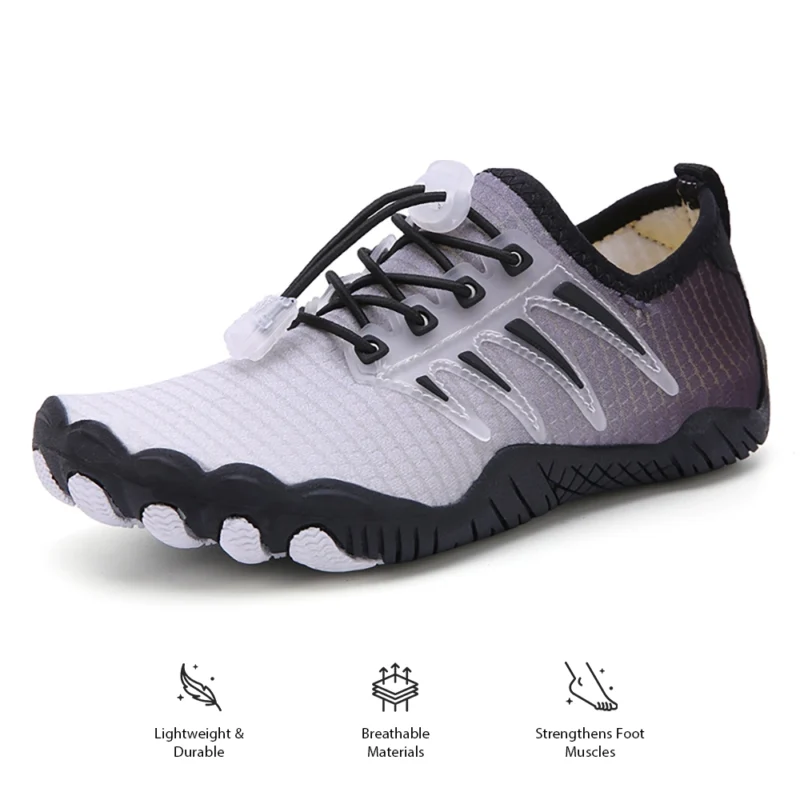
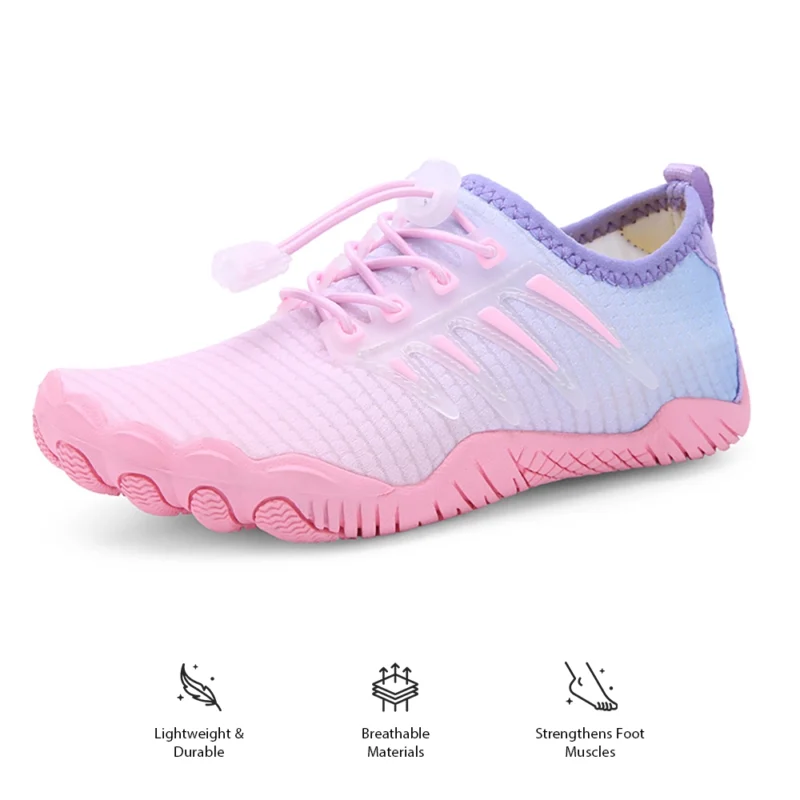
Growing Feet Need Room to Breathe and Develop
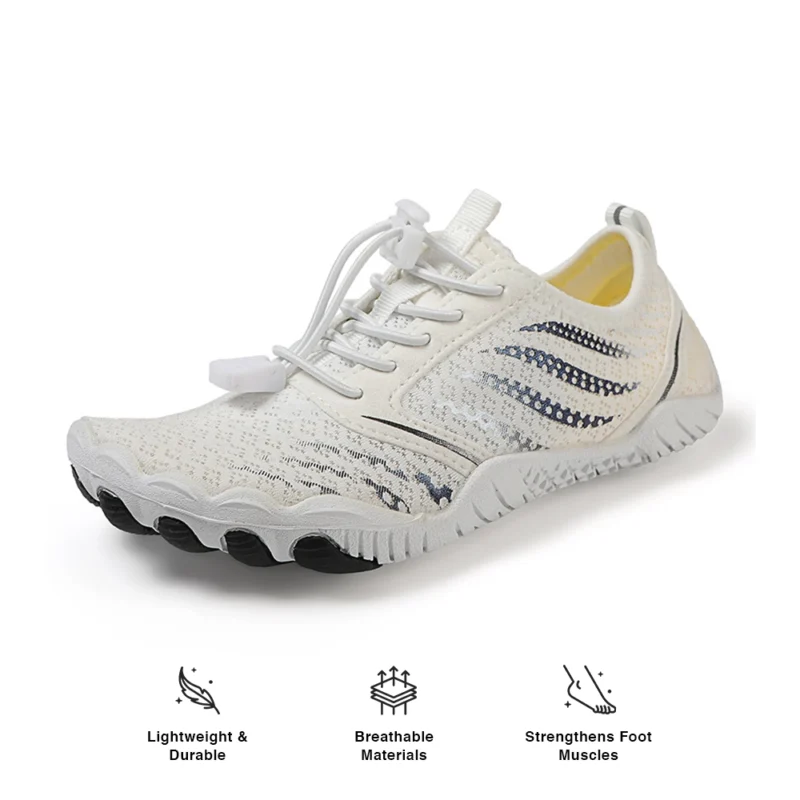
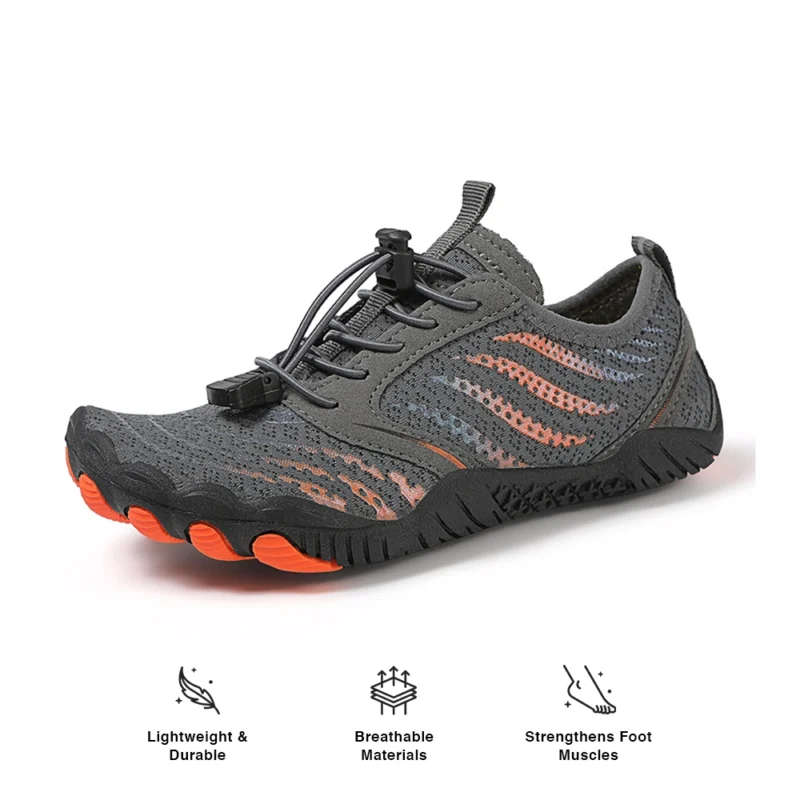
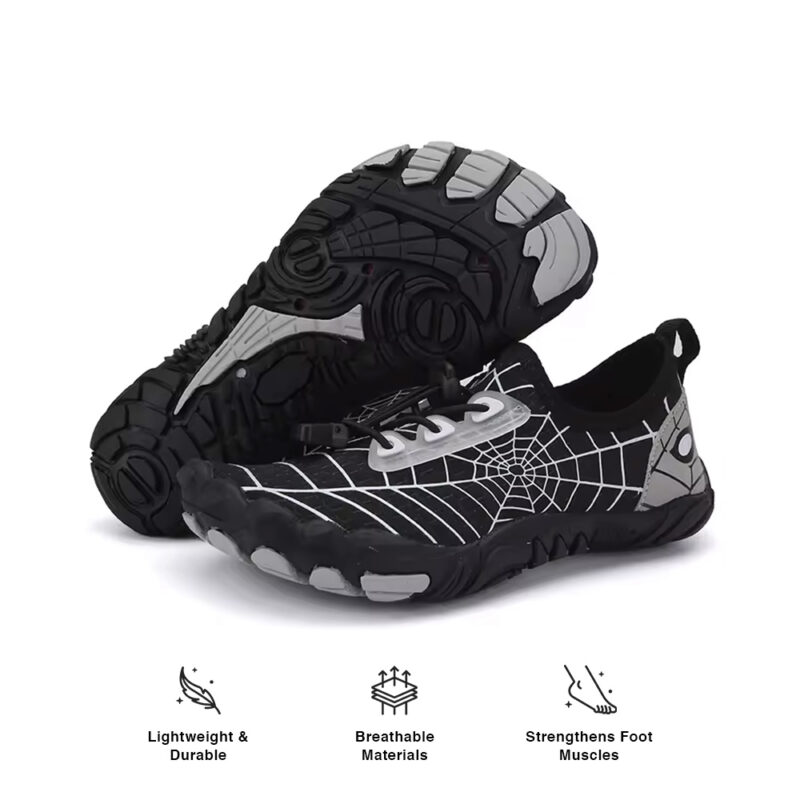
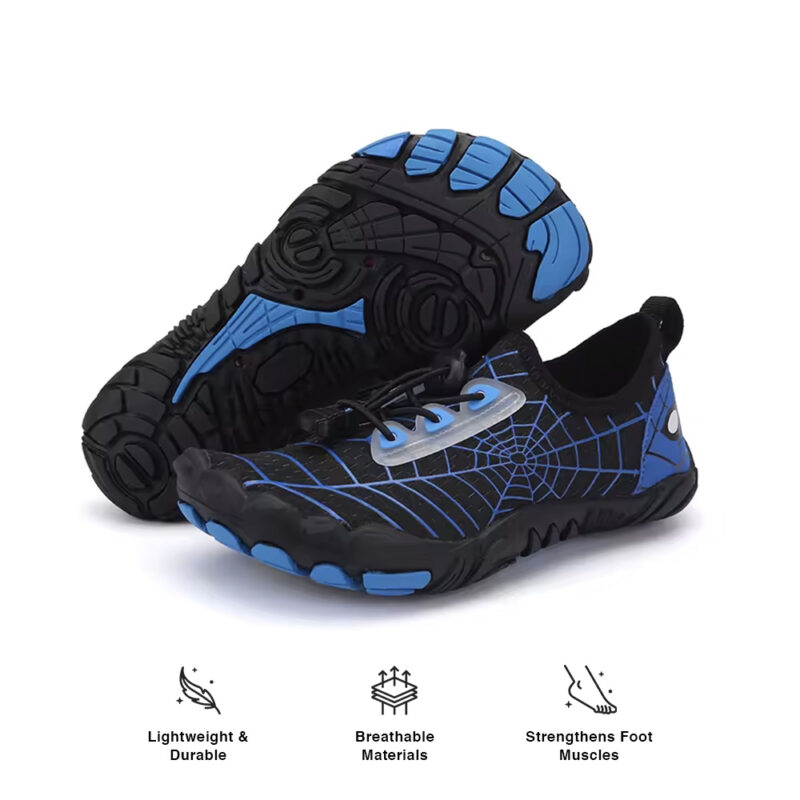
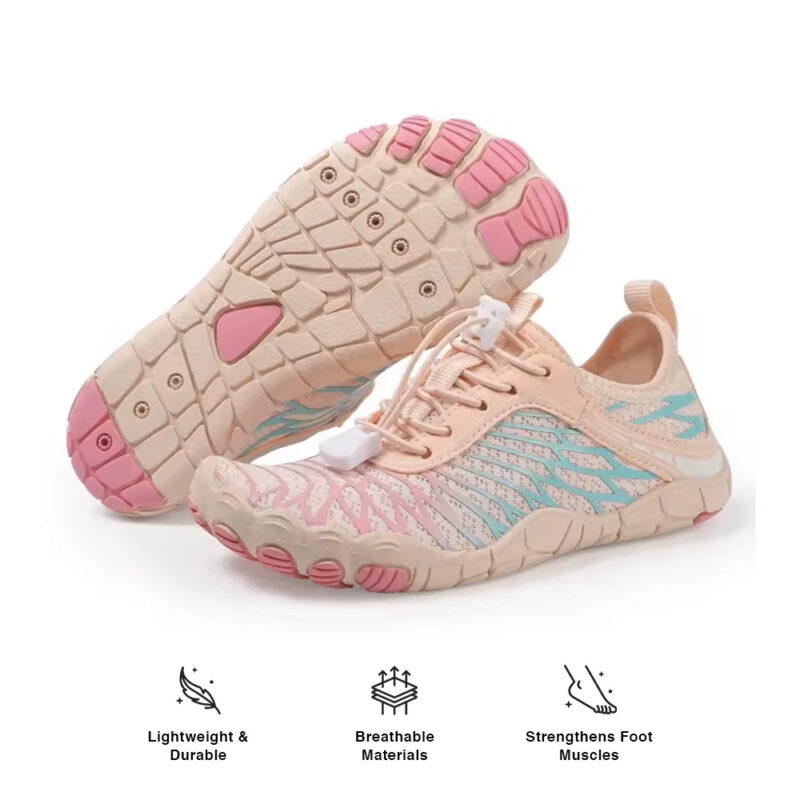
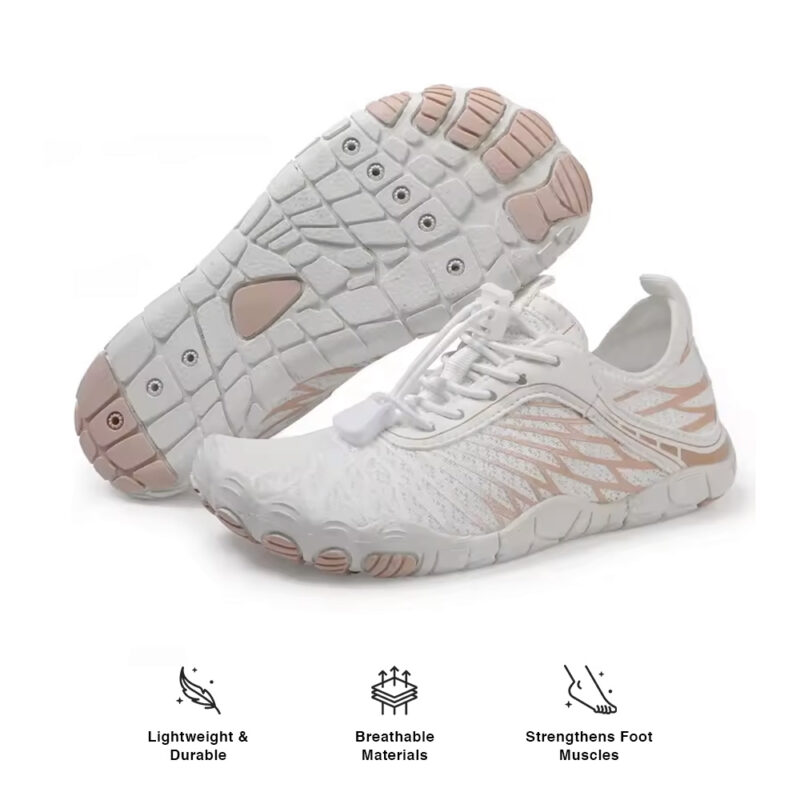
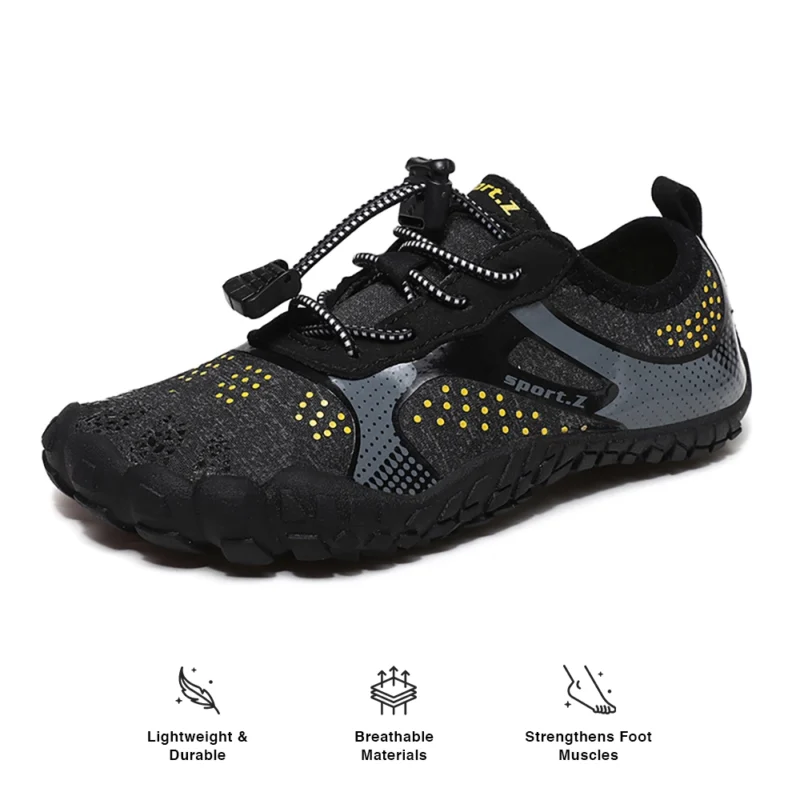
Many parents worry about their child's foot development but don't realize that cramped toe boxes are one of the biggest culprits behind foot problems. Children's feet grow rapidly and change shape constantly, yet conventional shoes often squeeze toes into unnatural positions. What growing feet truly need is space to spread, wiggle, and strengthen naturally. Best kids shoes feature wide toe boxes that allow toes to splay naturally with each step, promoting proper bone development and muscle activation. Look for shoes where you can see your child's toes have plenty of room to move when they're standing – this simple check ensures their feet can develop their natural, healthy shape.
Balance and Coordination Flourish on Thin, Flexible Soles
Watch your child navigate a playground barefoot versus in thick-soled sneakers, and you'll see the difference immediately. Thick, cushioned soles disconnect children from the ground, making it harder for their proprioceptive system to develop properly. This sensory feedback system is crucial for balance, coordination, and confident movement. Children need to feel the ground beneath their feet to develop these essential skills. Minimalist best kids shoes feature thin, flexible soles that let children feel texture, slope, and surface changes while still protecting from sharp objects. When selecting footwear, bend the sole – if it flexes easily in all directions like a bare foot would, you've found a winner that supports natural balance development.
Active Play Demands Lightweight, Unrestricted Movement
Heavy, clunky shoes turn every step into extra work, especially for energetic children who are constantly running, jumping, and climbing. Traditional kids' footwear often weighs down small feet with unnecessary materials and rigid construction that fights against natural movement patterns. Children move most confidently when their shoes feel like an extension of their feet rather than foreign objects strapped on. The best kids shoes are so lightweight that children forget they're wearing them, allowing for natural gait development and unrestricted play. Test this by having your child walk in potential shoes – if their stride looks different from their barefoot walk, the shoes are interfering with their natural movement and should be avoided.
Foot Strength Develops Through Natural Challenge, Not Artificial Support
The common belief that children need arch support is actually counterproductive to healthy foot development. Arches are meant to be dynamic structures that strengthen through use, not passive elements propped up by external devices. When shoes provide artificial support, the muscles that should be working to maintain arch structure become weak and dependent. Children's feet are incredibly adaptable and will develop the strength they need when given the opportunity. Minimalist best kids shoes have completely flat insoles that allow the foot's natural arch to engage and strengthen with every step. This approach builds lasting foot strength that supports your child throughout their entire life, creating resilient feet that can handle any terrain or activity.
Seasonal Comfort Without Compromise
Parents often worry that minimal footwear won't provide adequate protection or warmth, but breathable, natural materials actually regulate temperature better than synthetic alternatives. Children's feet naturally run warm due to their high activity levels, and synthetic materials trap moisture and heat, creating uncomfortable conditions that can lead to blisters and fungal issues. Natural materials like leather and canvas allow air circulation while still providing weather protection. The best kids shoes for any season prioritize breathable construction over heavy insulation, keeping feet comfortable in various weather conditions. Layer with appropriate socks for colder weather rather than relying on shoes to provide warmth – this approach maintains foot flexibility while ensuring comfort.
Durability That Matches Childhood Adventures
Children are notoriously hard on their footwear, which makes parents hesitant to invest in quality minimal shoes. However, well-constructed minimalist footwear often outlasts conventional alternatives because simple designs have fewer parts to break down. The key is looking for quality materials and reinforcement in high-wear areas like the toe and heel. Best kids shoes combine minimal design with robust construction, using techniques like double-stitching and quality leather that actually improve with use. When shoes are built to flex and move naturally, they experience less structural stress than rigid alternatives, often lasting through multiple children while maintaining their supportive properties throughout their lifespan.
Transitioning Successfully to Natural Footwear
Making the switch to minimal footwear requires a gradual approach, especially for children who have been wearing conventional shoes for years. Feet that have been supported artificially need time to redevelop their natural strength and flexibility. Start by increasing barefoot time at home and gradually introducing minimal shoes for short periods during outdoor activities. The best kids shoes for transition are those that feel most similar to being barefoot while providing essential protection. Watch for any discomfort and allow rest days as feet adapt to their new freedom – this patient approach ensures a successful transition that builds confidence along with foot strength.