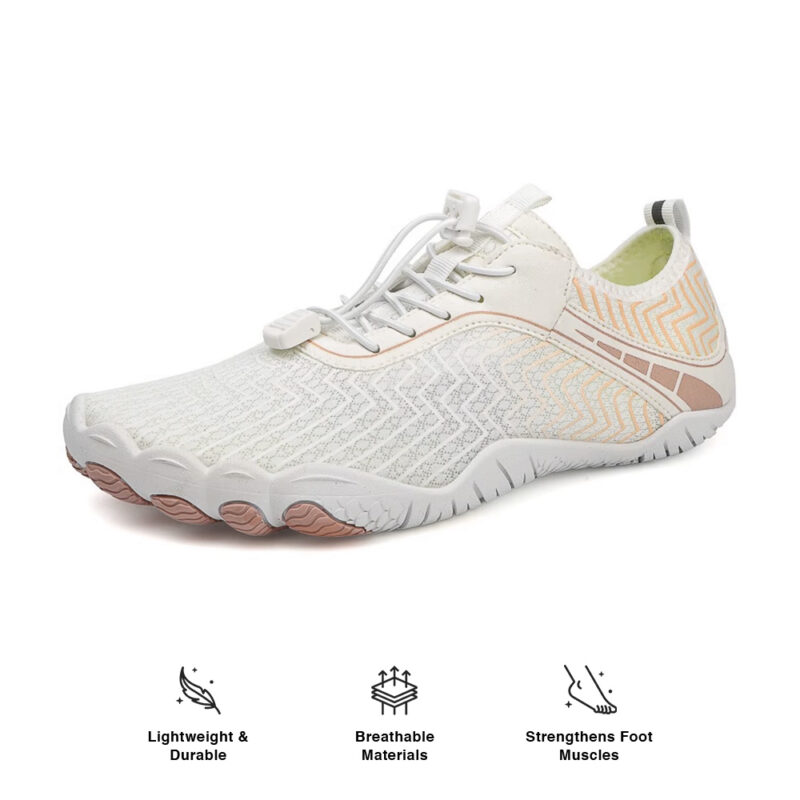
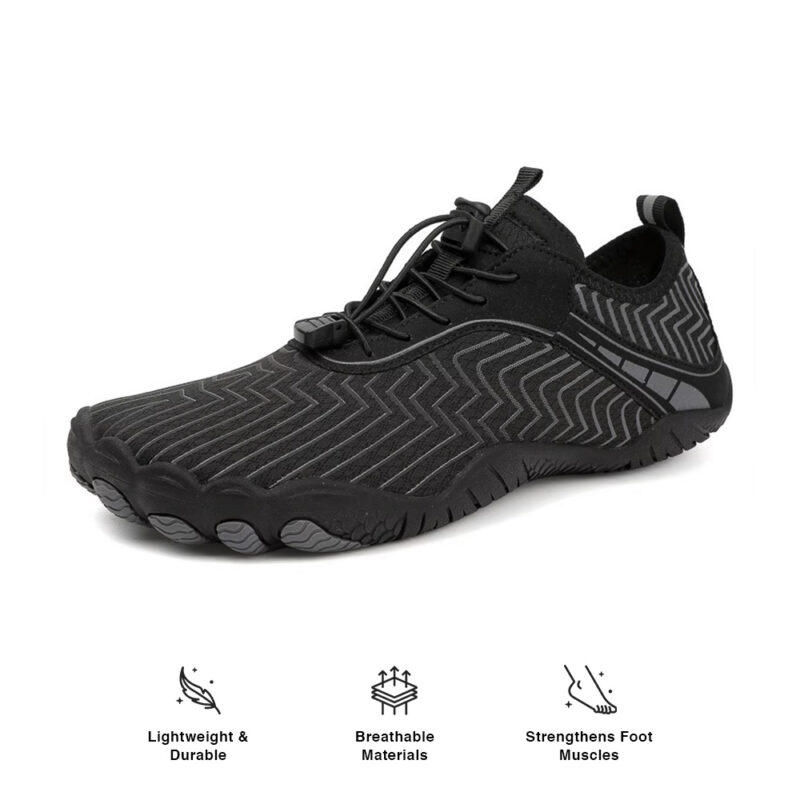
Why Your Current Kitchen Shoes Are Failing Your Feet
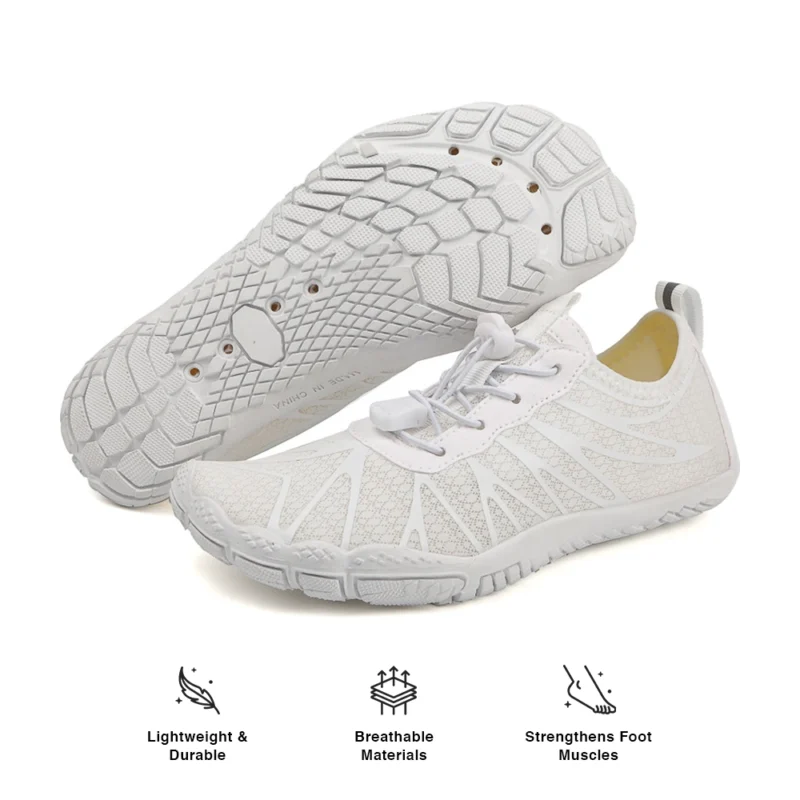
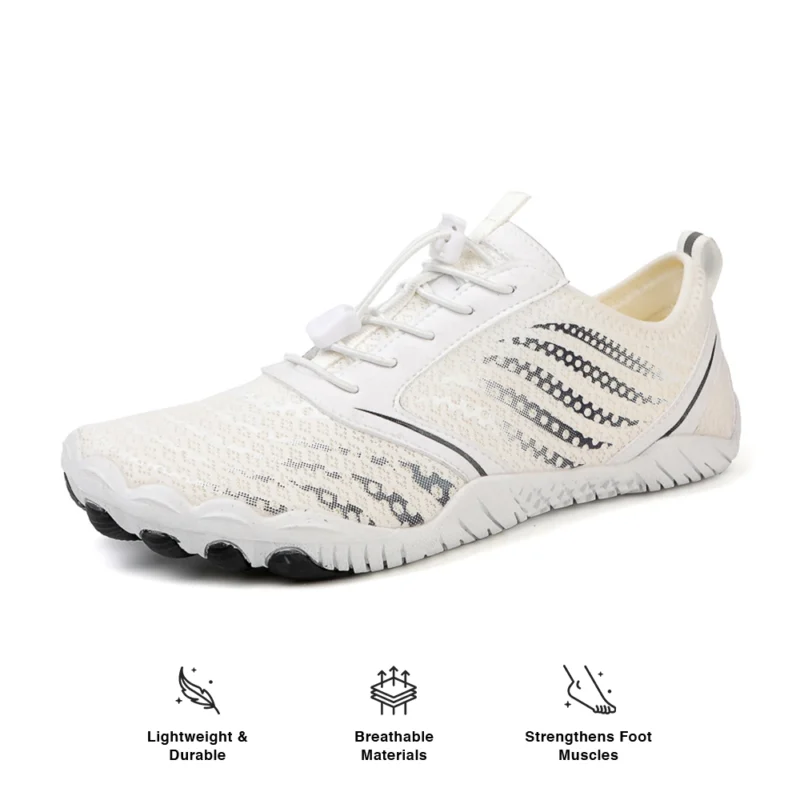
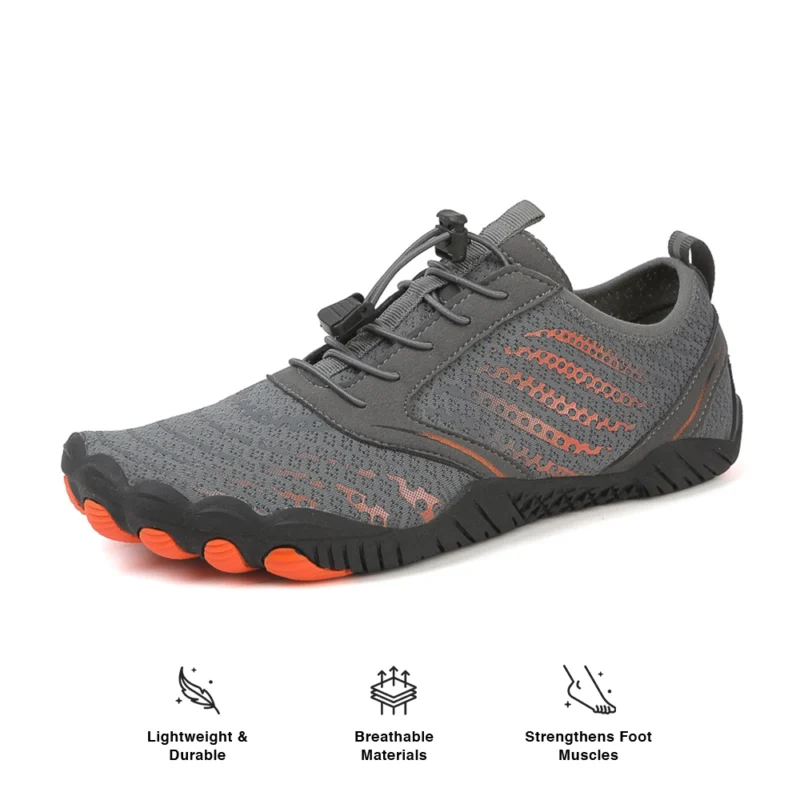
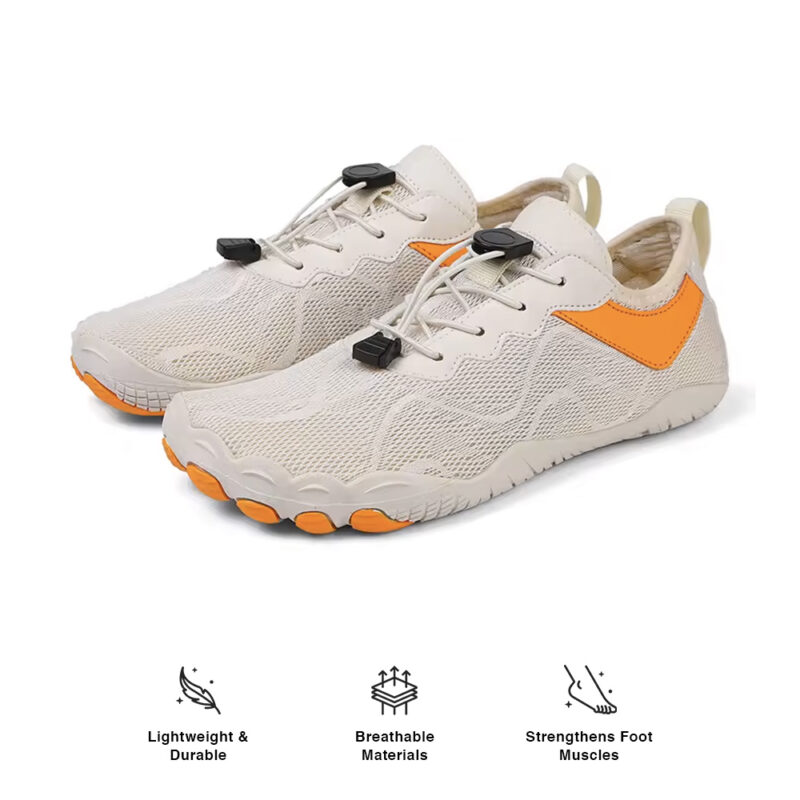
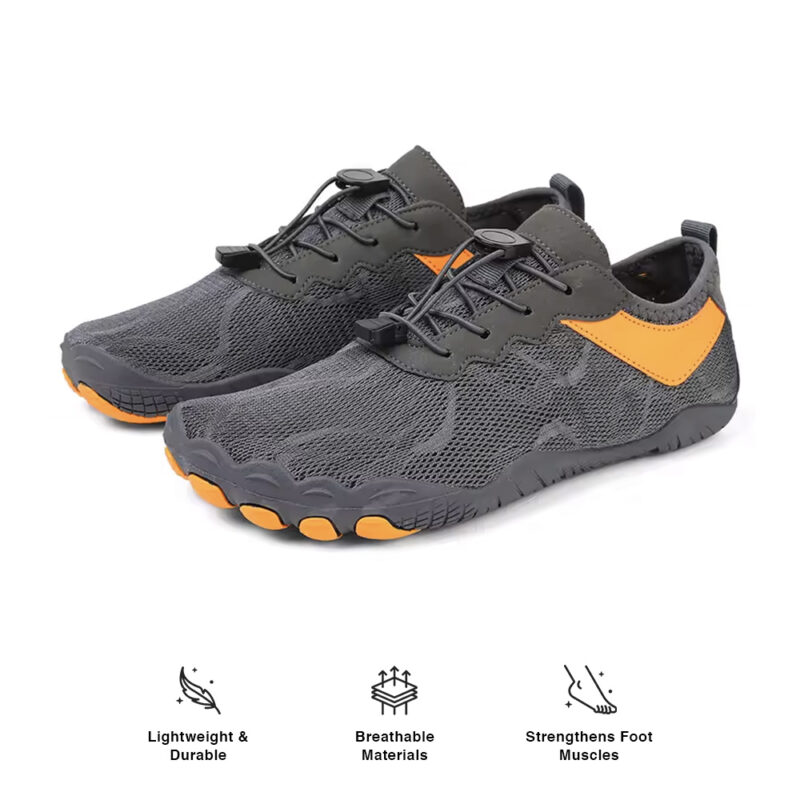
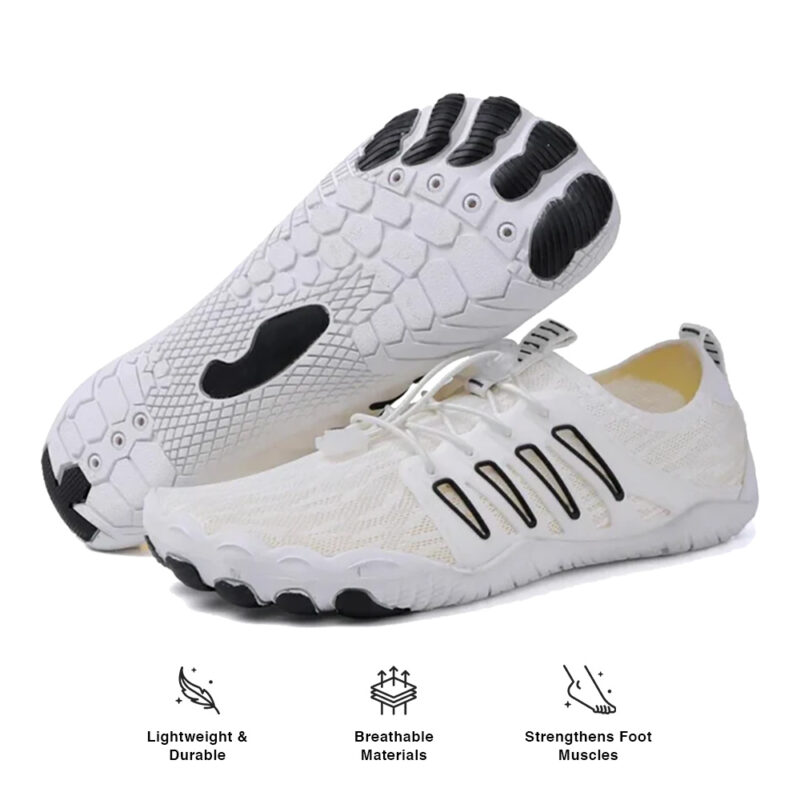
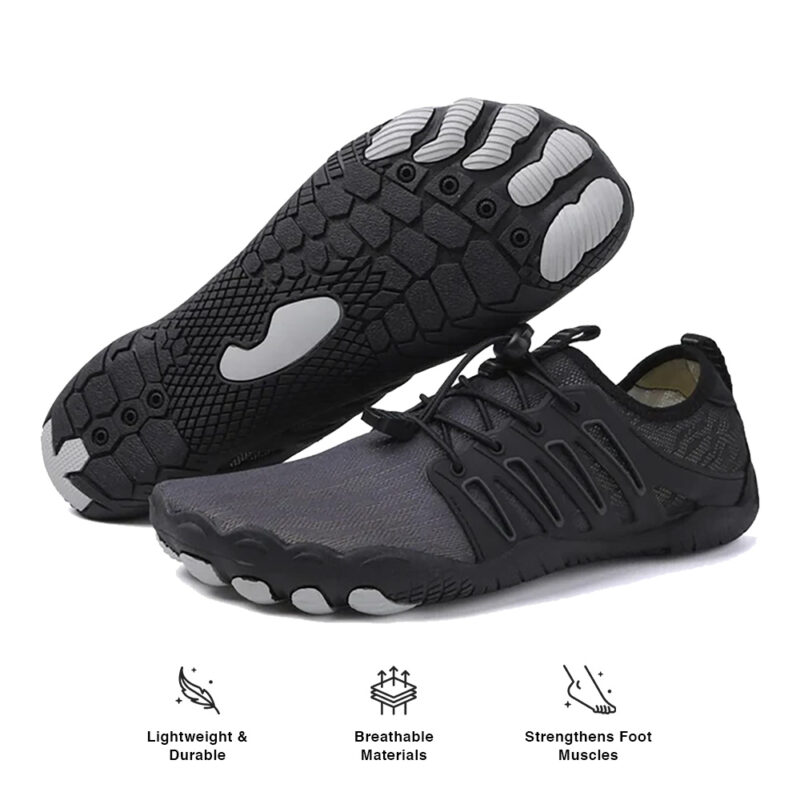
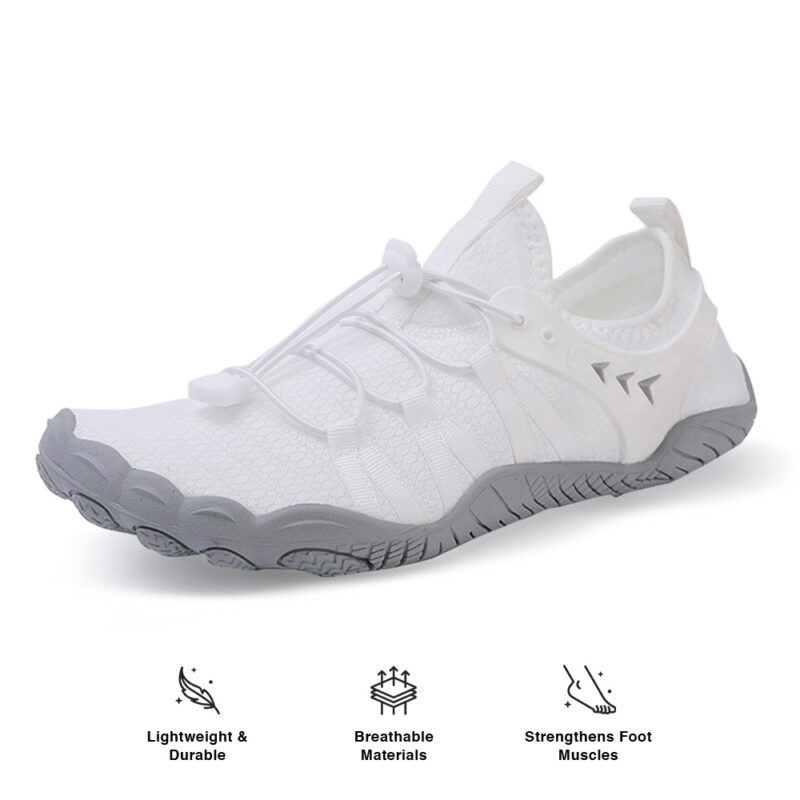
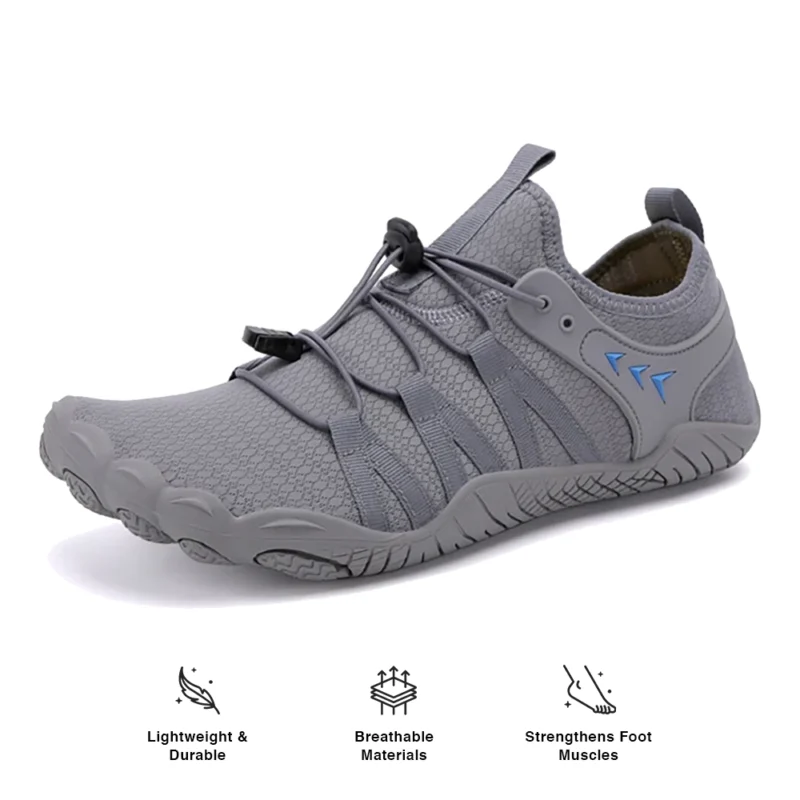
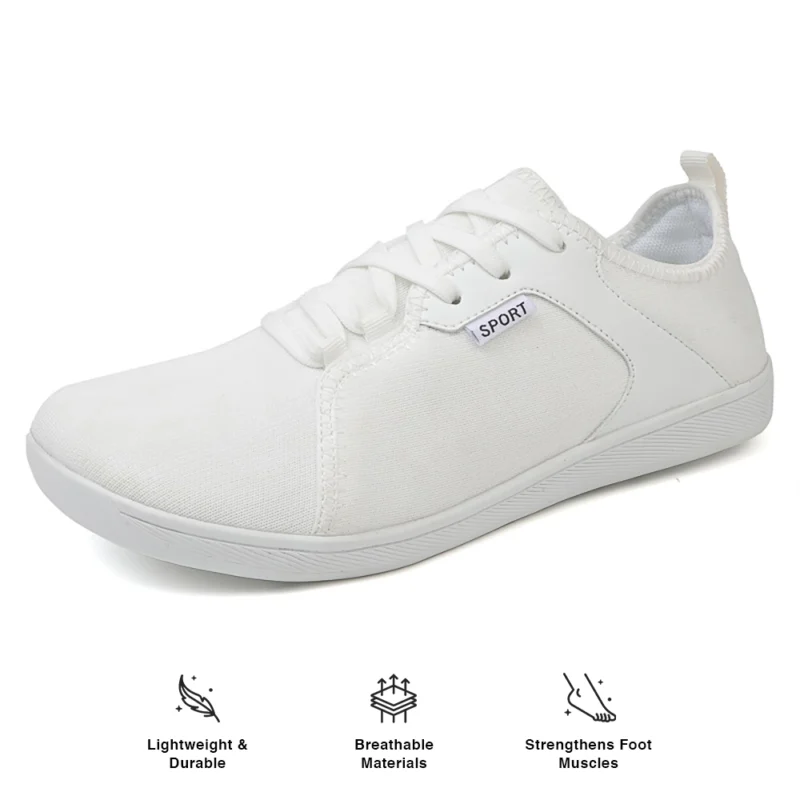
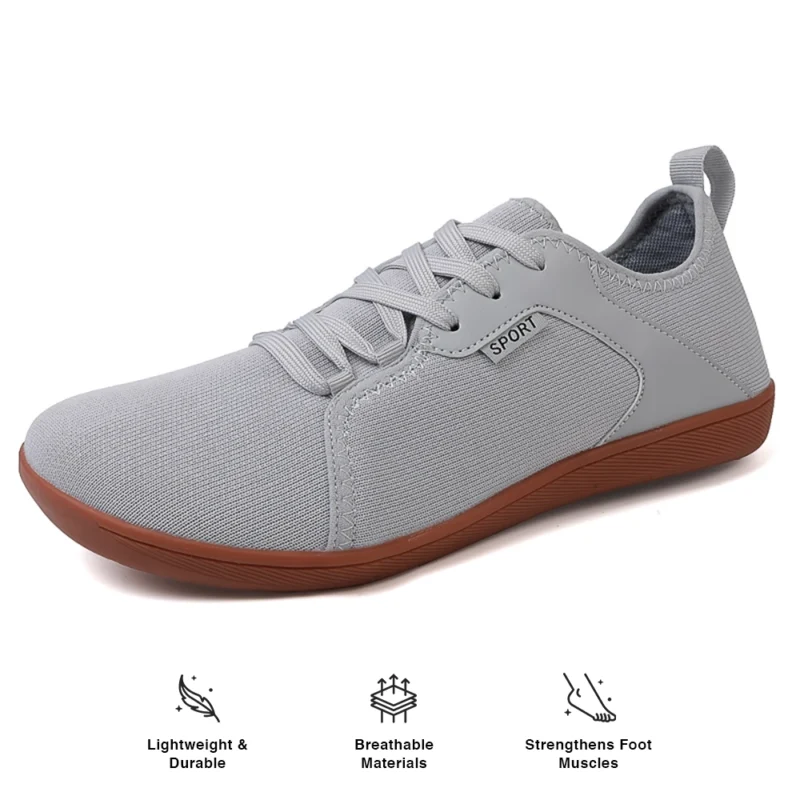
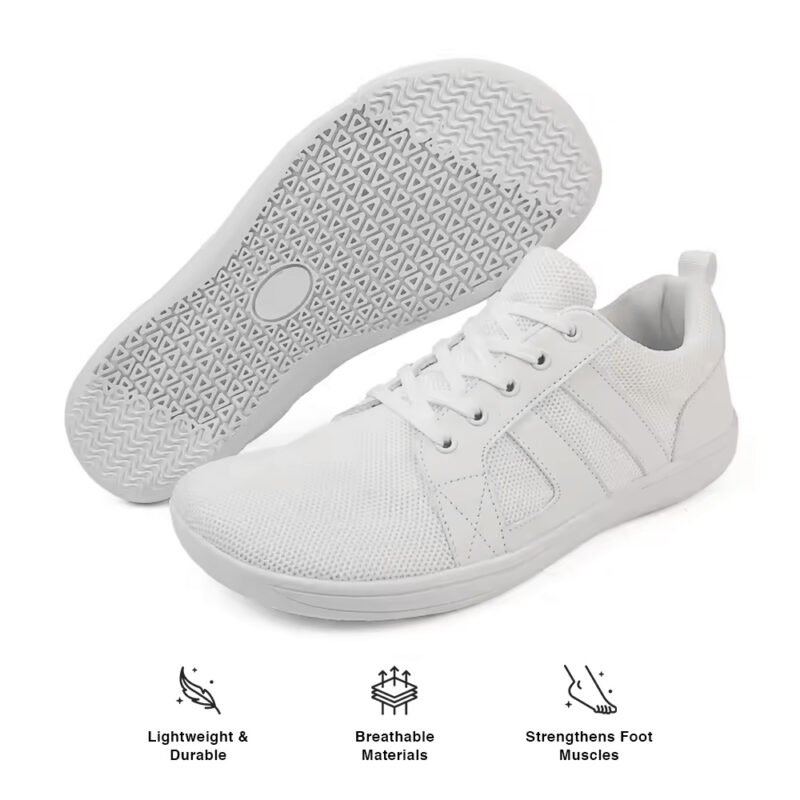
Standing for ten-hour shifts shouldn't leave you hobbling to your car, but traditional kitchen footwear traps your feet in unnatural positions that create more problems than they solve. Your feet contain 26 bones and 33 joints that need to move freely to function properly, yet most kitchen shoes squeeze them into rigid, narrow spaces. The best kitchen shoes respect your foot's natural architecture by providing a wide toe box that lets your toes spread naturally, giving you better balance and reducing pressure points that lead to bunions and hammertoes. Start paying attention to how your toes feel in your current shoes – if they're cramped or numb, it's time for a change.
The Hidden Danger of Thick Soles in Professional Kitchens
You might think thick, cushioned soles protect you from hard floors, but they're actually making you less stable and more prone to accidents in busy kitchen environments. When you can't feel the ground beneath your feet, your proprioception – your body's ability to sense its position in space – becomes compromised, making you more likely to slip on wet surfaces or misjudge your footing around equipment. The best kitchen shoes feature thin, flexible soles that maintain ground connection while still providing protection from spills and debris. This enhanced sensory feedback keeps you more aware and stable as you navigate your workspace. Try standing on one foot with thick-soled shoes versus barefoot to feel the dramatic difference in your balance and stability.
Breaking Free from the Artificial Support Trap
Those gel inserts and arch supports in your current kitchen shoes might feel good initially, but they're actually weakening the very muscles that should be supporting your feet naturally. Your feet have intrinsic muscles designed to provide arch support, but when external supports do the work for them, these muscles become lazy and weak over time. The best kitchen shoes allow your feet to strengthen themselves by providing a flat, neutral platform that encourages proper muscle engagement throughout your shift. As your foot muscles become stronger, you'll notice less fatigue and better endurance during those marathon cooking sessions. Begin by gradually reducing your dependence on supportive insoles and let your feet rediscover their natural strength.
Temperature Control That Actually Works
Kitchen environments are notoriously hot and humid, and synthetic materials in traditional work shoes turn your feet into sweat-soaked furnaces that breed bacteria and cause discomfort throughout your shift. Your feet have thousands of sweat glands that need proper ventilation to regulate temperature and maintain hygiene in demanding work conditions. The best kitchen shoes use natural, breathable materials like leather or canvas that allow air circulation while still meeting safety requirements for professional kitchens. These materials also conform to your foot shape over time, creating a custom fit that synthetic shoes never achieve. Look for shoes made from materials that feel comfortable against your skin and allow your feet to breathe naturally.
Flexibility That Moves With Your Kitchen Choreography
Kitchen work requires constant movement – pivoting between prep stations, reaching for ingredients, and quick directional changes that demand footwear flexibility most work shoes simply can't provide. Rigid soles force your feet to work against their natural movement patterns, creating tension that travels up through your calves, knees, and lower back. The best kitchen shoes bend and flex with every step, allowing your feet to move through their full range of motion and keeping your entire kinetic chain aligned and comfortable. This flexibility also improves your agility and reaction time, making you more efficient and safer in fast-paced kitchen environments. Test any potential kitchen shoes by bending them in your hands – if they don't flex easily, they'll restrict your natural movement patterns.
Ground Connection for Superior Kitchen Safety
The disconnect between your feet and the floor created by thick, cushioned soles isn't just uncomfortable – it's dangerous in environments where split-second reactions can prevent accidents and injuries. When you can feel surface textures and changes in elevation through thin soles, your body automatically adjusts your posture and gait to maintain stability and prevent slips. The best kitchen shoes maintain this crucial sensory connection while providing adequate protection from kitchen hazards like hot liquids and sharp objects. This enhanced awareness makes you more confident and sure-footed as you work, reducing the mental energy you spend worrying about your footing and allowing you to focus entirely on your culinary craft. Practice walking on different surfaces with minimal footwear to rediscover how much information your feet can provide about your environment.
Long-Term Foot Health in High-Demand Careers
Your kitchen career can span decades, and the footwear choices you make today directly impact your foot health and overall mobility for years to come. Traditional kitchen shoes with narrow toe boxes and artificial support systems contribute to common foot problems like bunions, plantar fasciitis, and weakened arches that can derail your career and affect your quality of life. The best kitchen shoes invest in your long-term health by allowing your feet to maintain their natural strength, flexibility, and shape throughout your working years. When your feet can move naturally, they stay healthy naturally, giving you the foundation you need for a long, successful career in the culinary arts. Consider your footwear as an investment in your professional longevity, not just a short-term comfort solution.