Why Traditional Distance Shoes Fail Your Natural Running Form
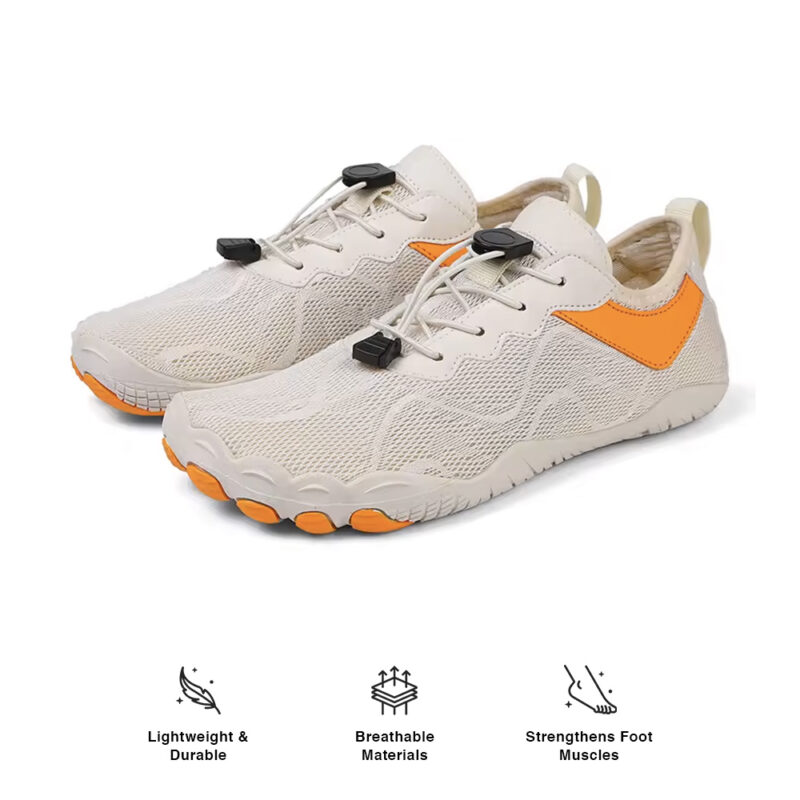
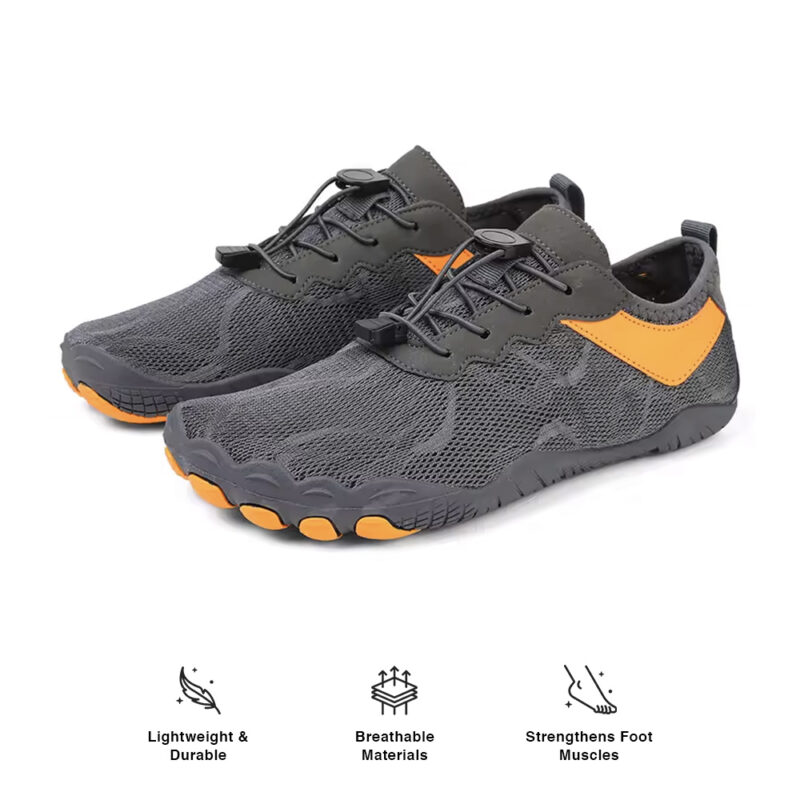
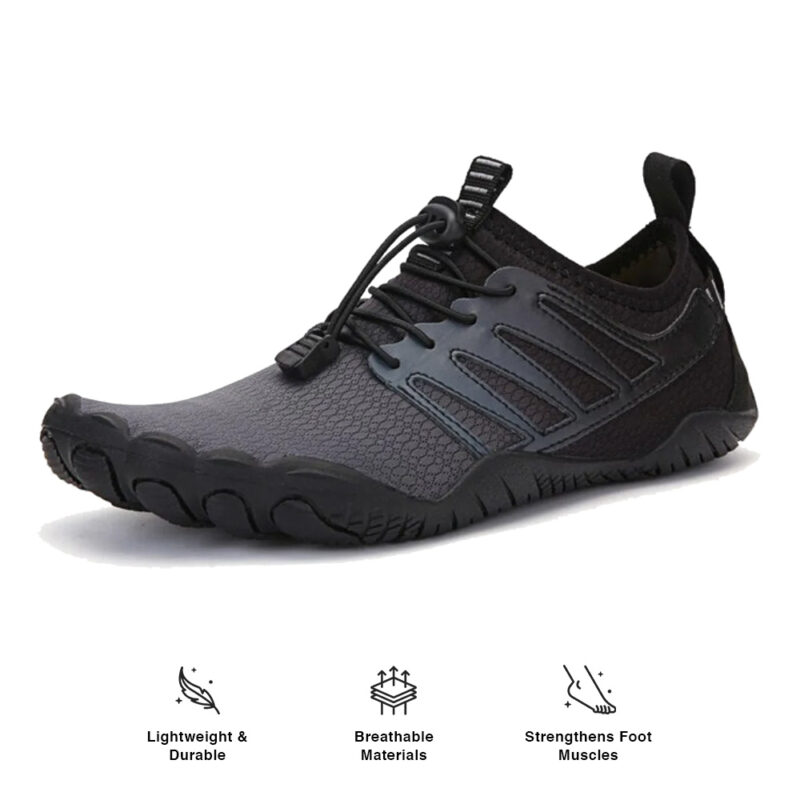
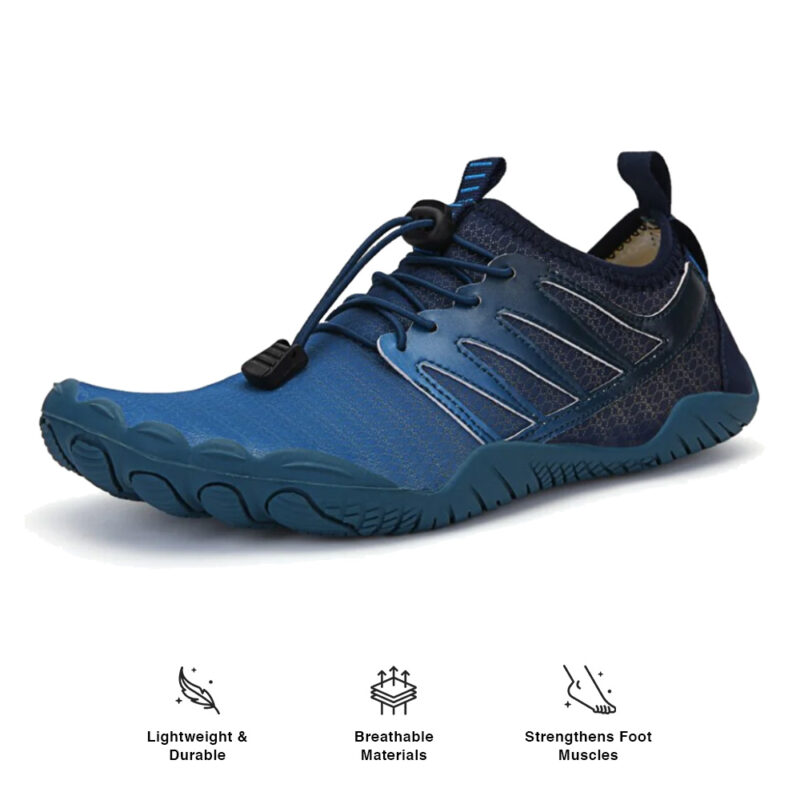
Long-distance runners often struggle with form breakdown as fatigue sets in during extended efforts. Your natural gait becomes compromised when thick, heavily cushioned shoes interfere with ground feedback. You lose the ability to feel how your foot lands, which throws off your entire kinetic chain. The best long distance running shoes preserve this crucial connection between your feet and the ground, allowing you to maintain efficient form even when you're tired. Start paying attention to how your feet feel during the final miles of your long runs—this awareness will guide you toward more natural footwear choices.
Building Foot Strength for Ultra-Endurance Performance
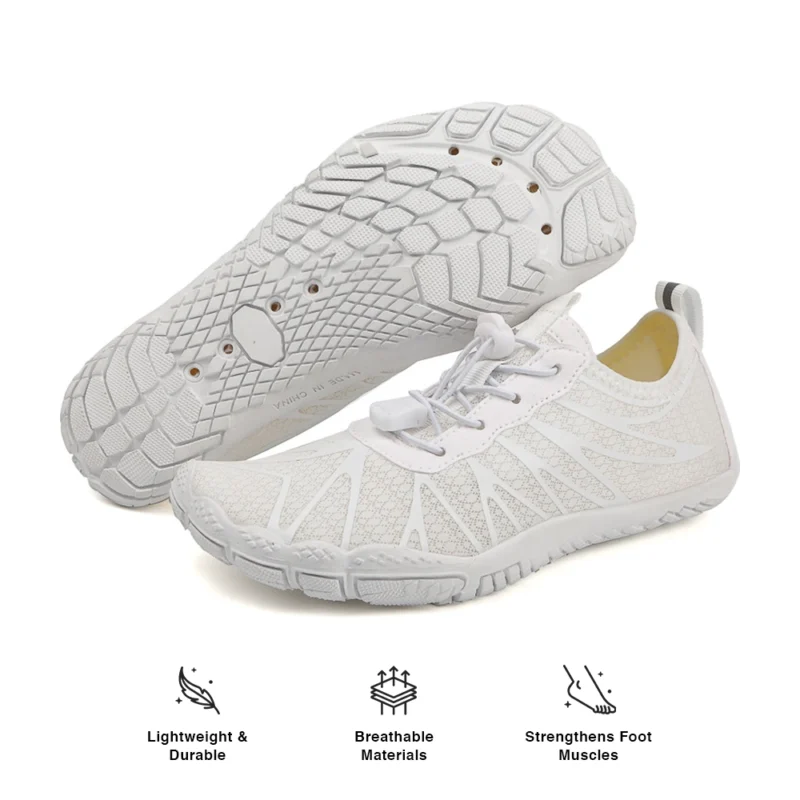
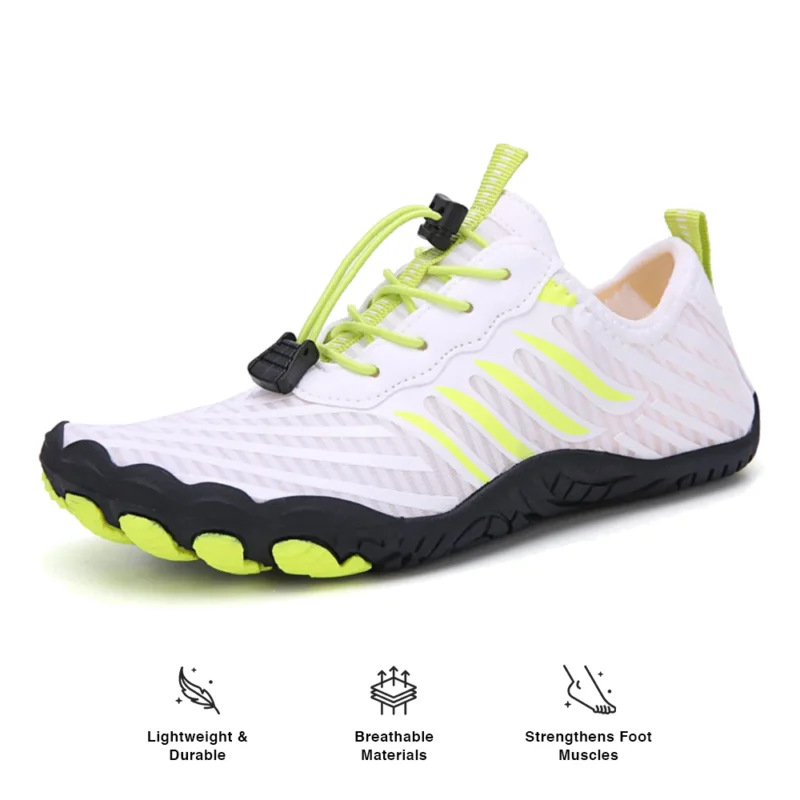
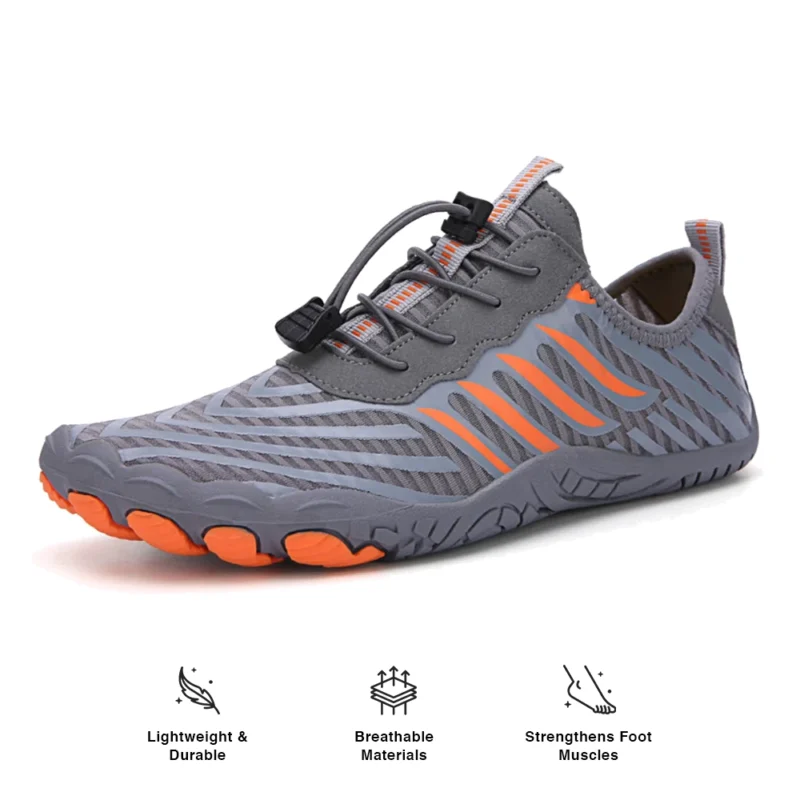
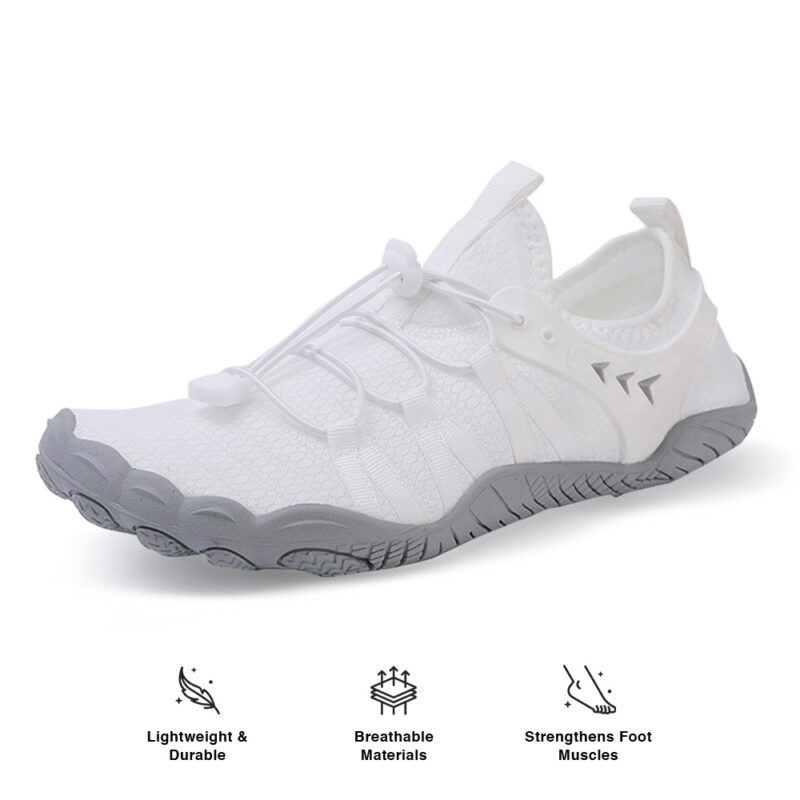
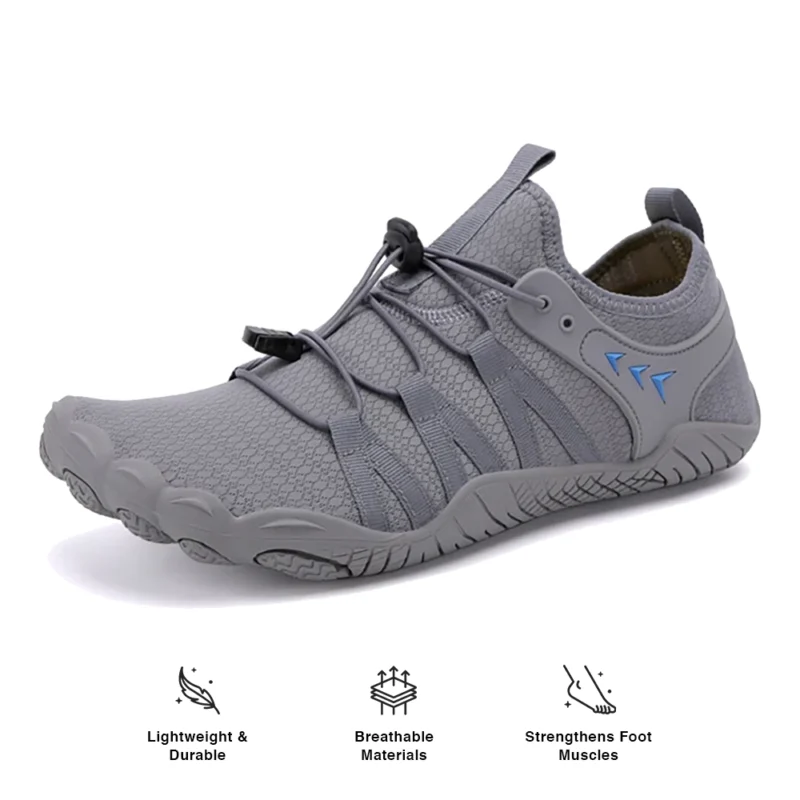
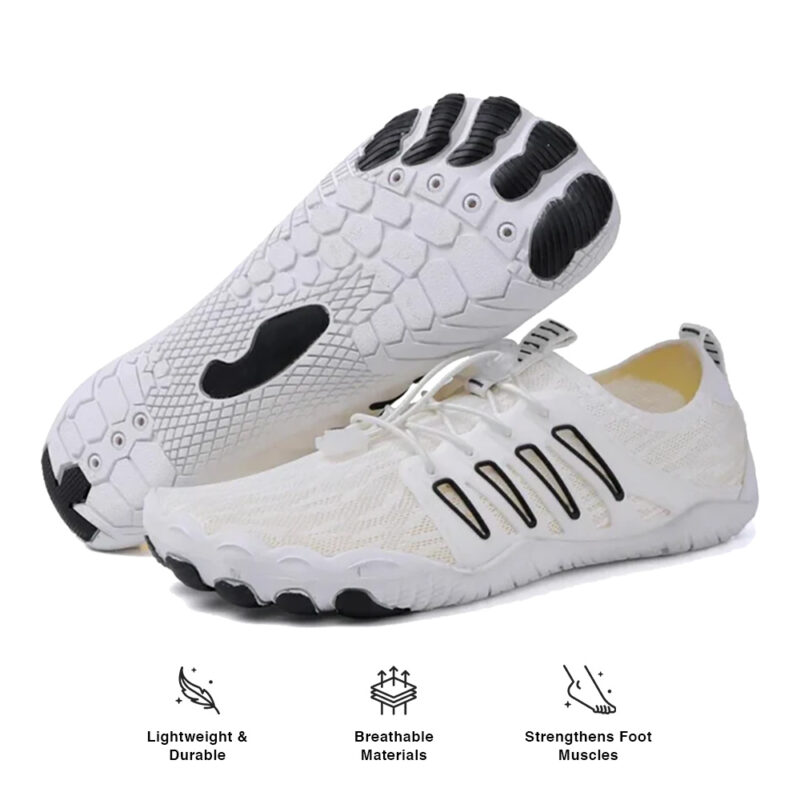
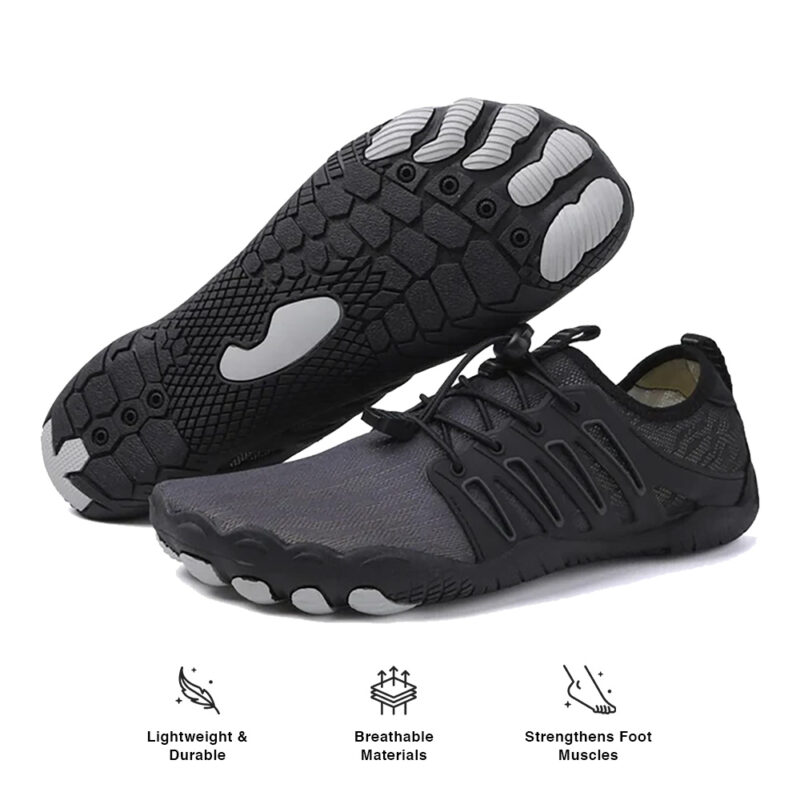
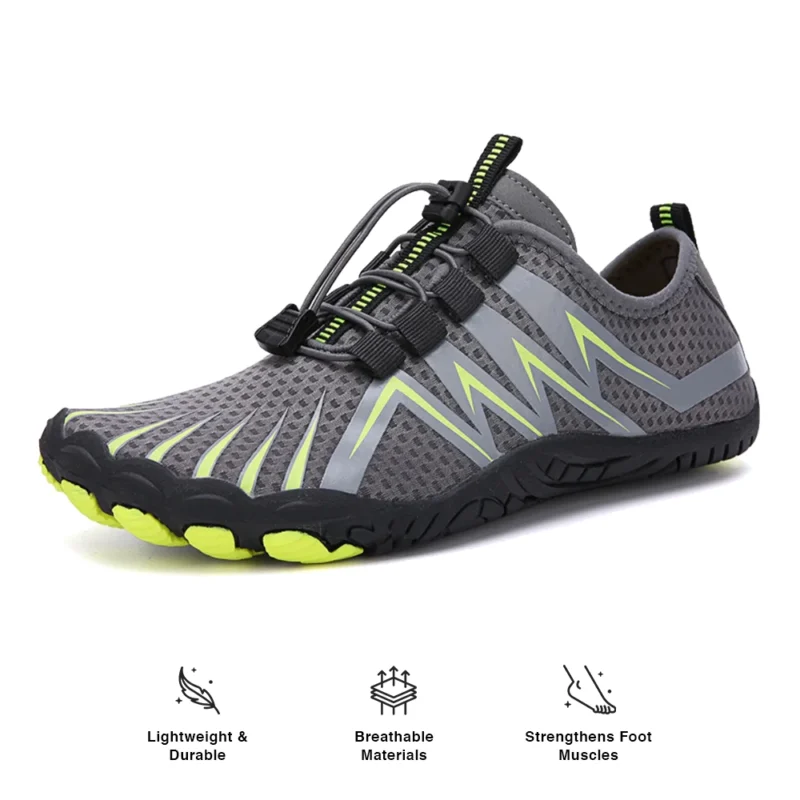
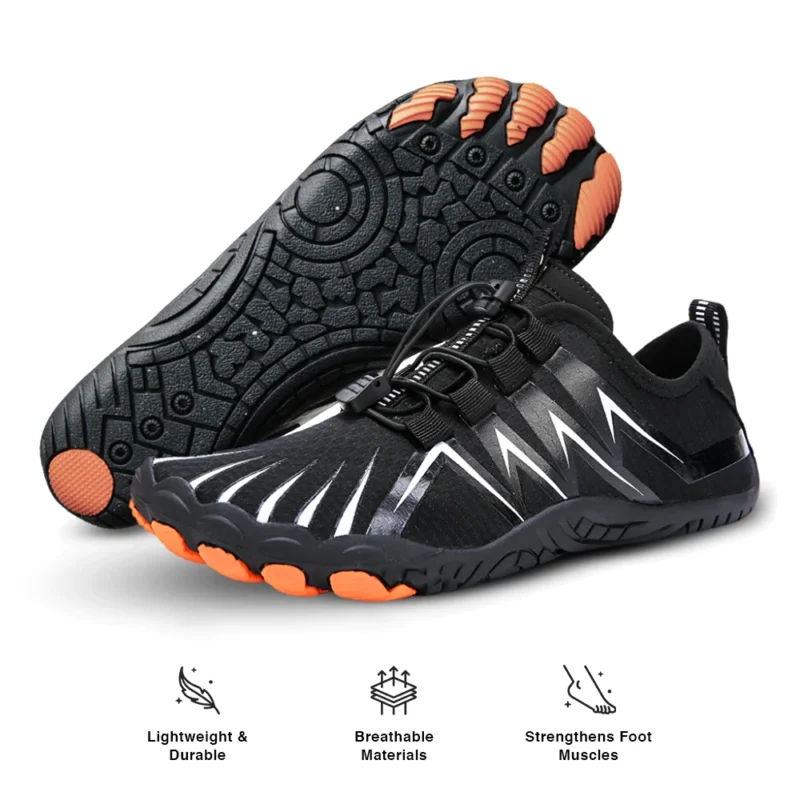
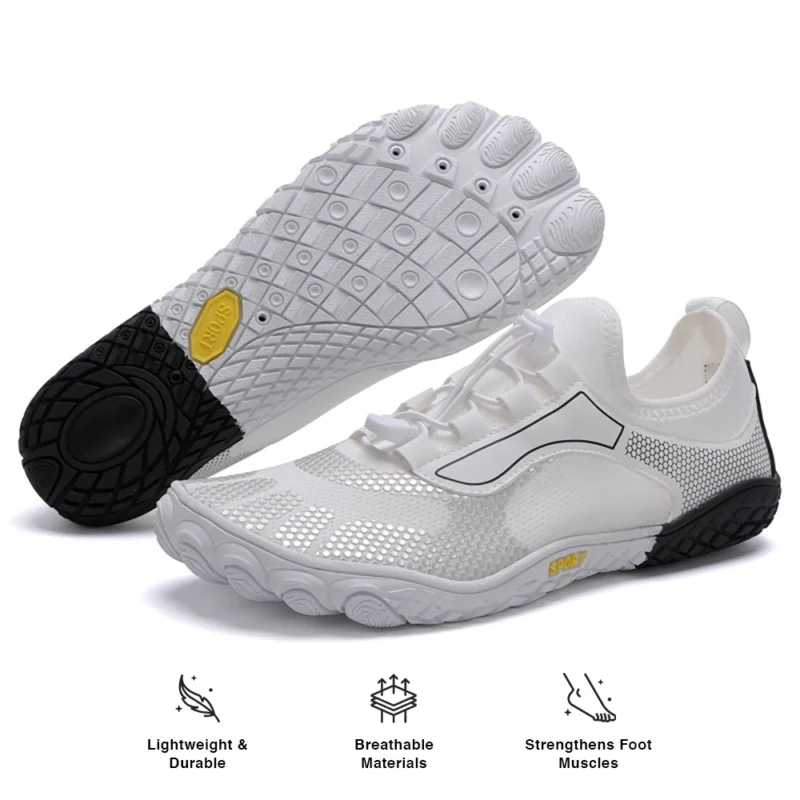
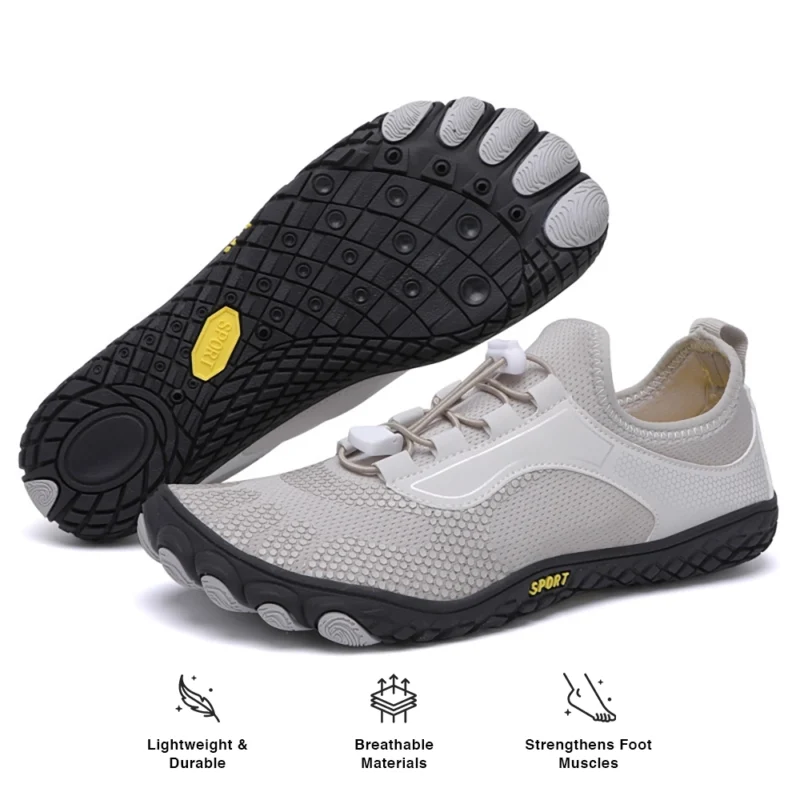
Weak feet are a distance runner's enemy, leading to compensation patterns that cause injuries up the chain. Traditional shoes with rigid construction and excessive support actually weaken the intrinsic muscles of your feet over time. Your feet need to work and adapt to become stronger, just like any other part of your body. Minimalist design in the best long distance running shoes engages these dormant muscles, building a foundation of strength that supports you through marathon training and beyond. Begin strengthening your feet gradually by incorporating short barefoot walks on various surfaces into your daily routine.
Eliminating Hot Spots and Blisters Through Natural Movement
Nothing derails a long run faster than painful hot spots developing on your feet. These issues often arise when your foot slides around inside a shoe or when artificial materials create friction against your skin. Your feet naturally expand and contract during long efforts, and restrictive footwear fights against this normal process. Quality minimalist running shoes accommodate these natural movements while maintaining a secure fit that prevents sliding. The key is finding shoes that move with your feet rather than restricting them, combined with proper sock selection and gradual adaptation to new footwear.
Recovering Faster Between High-Mileage Training Sessions
Recovery between long runs becomes increasingly important as your weekly mileage climbs higher. Poor circulation in compressed feet slows the recovery process and leaves you feeling sluggish for subsequent training sessions. Your feet need space to breathe and blood to flow freely, especially after demanding workouts. The best long distance running shoes promote healthy circulation by avoiding compression and constriction, helping you bounce back faster between sessions. Elevate your feet and wiggle your toes frequently throughout the day to maintain good circulation and support your recovery process.
Preventing Overuse Injuries Common in High-Mileage Training
Repetitive stress injuries plague many distance runners, often stemming from altered biomechanics caused by inappropriate footwear. Your body develops compensation patterns when shoes prevent natural movement, creating stress points that eventually break down into injury. These issues compound over high mileage, turning minor imbalances into major problems. Natural running shoes allow your body to move as it was designed, distributing forces more evenly and reducing injury risk. Listen to your body's signals and address any discomfort early, before it develops into a training-stopping injury.
Adapting to Weather and Terrain Variations in Long Runs
Long-distance training takes you through varied conditions, from wet morning runs to hot afternoon sessions on different surfaces. Your feet need to adapt and respond to these changing demands rather than being isolated from them. Traditional shoes with excessive cushioning dull your proprioceptive feedback, making it harder to adjust your stride for different terrains. The best long distance running shoes maintain enough ground feel to help you navigate varied surfaces safely while still protecting your feet from sharp objects. Practice running mindfully on different surfaces to develop better proprioceptive awareness and adaptive responses.
Choosing Durability That Matches Your Training Volume
High-mileage runners need shoes that can handle serious wear without breaking down prematurely. You're investing significant time and energy into your training, and your footwear should support that commitment. Many minimalist running shoes are actually more durable than heavily cushioned alternatives because they use simpler, more robust construction methods. The best long distance running shoes focus on durable materials and solid construction rather than complex cushioning systems that compress and lose effectiveness over time. Track your shoe mileage and rotate between multiple pairs to extend the life of each pair and maintain consistent performance throughout your training cycle.