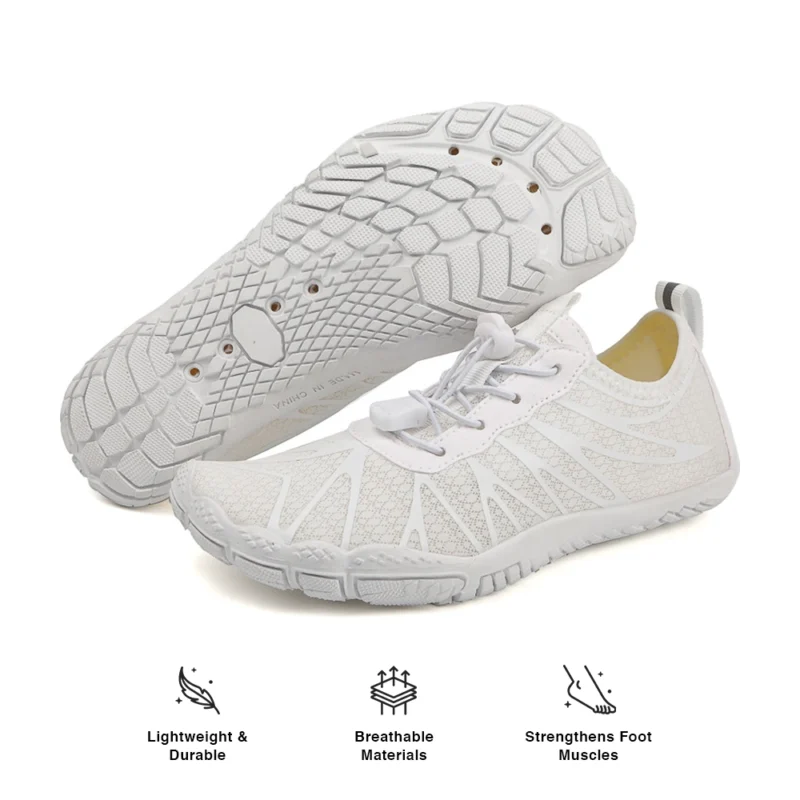
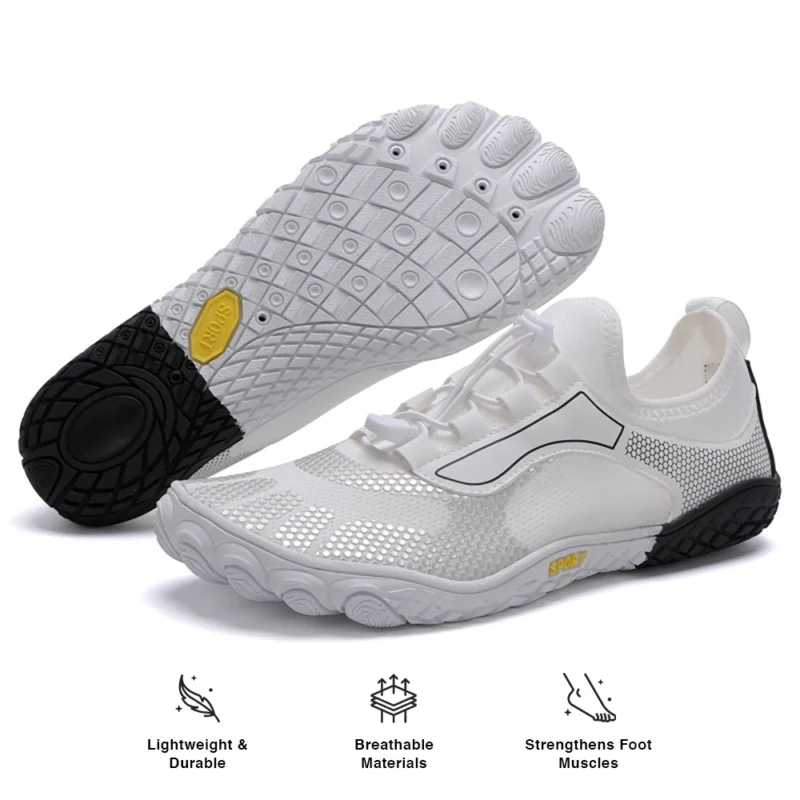
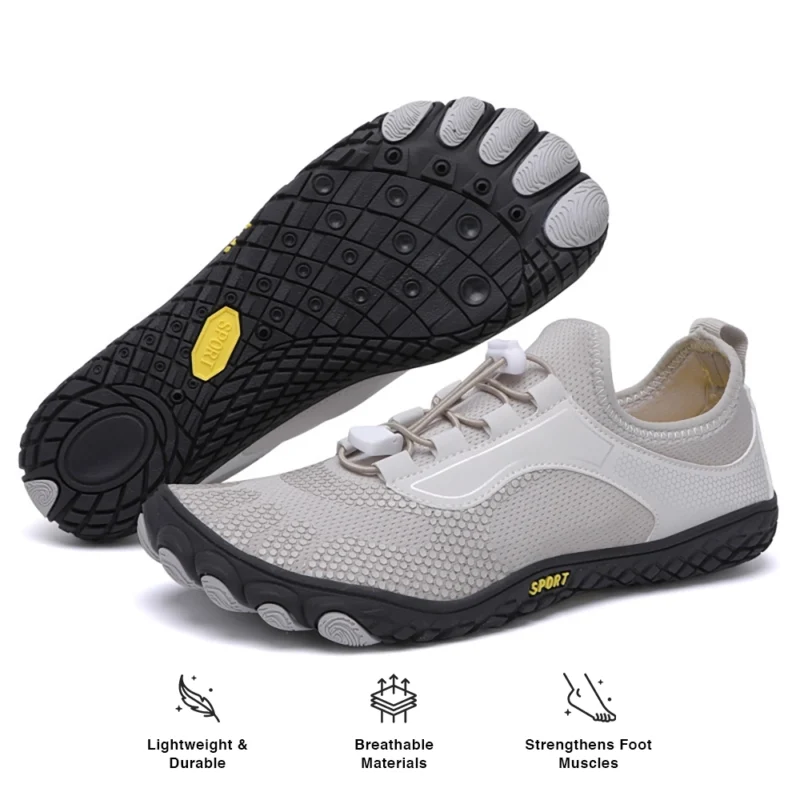
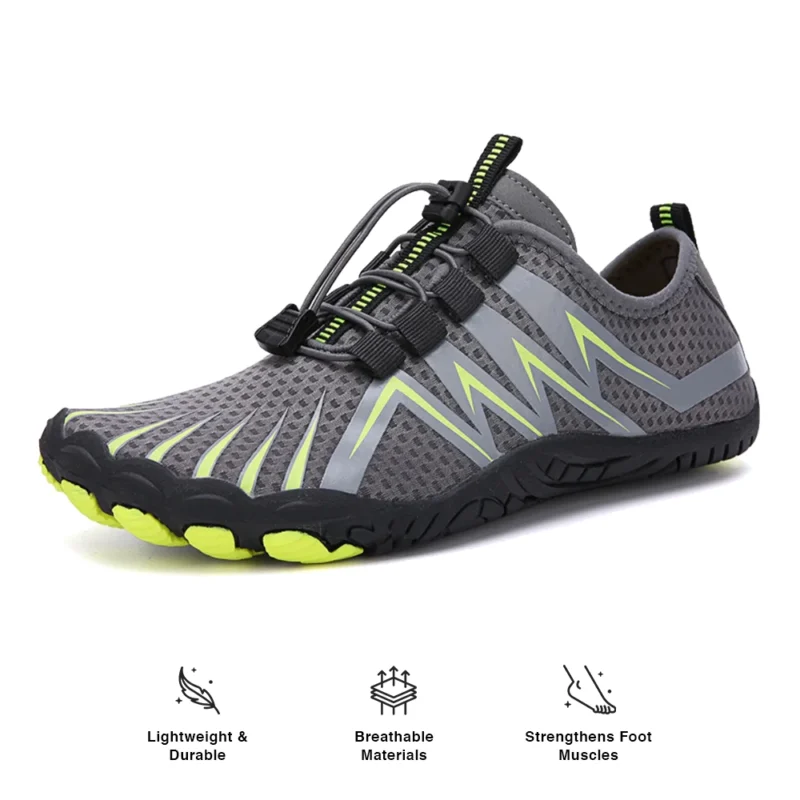
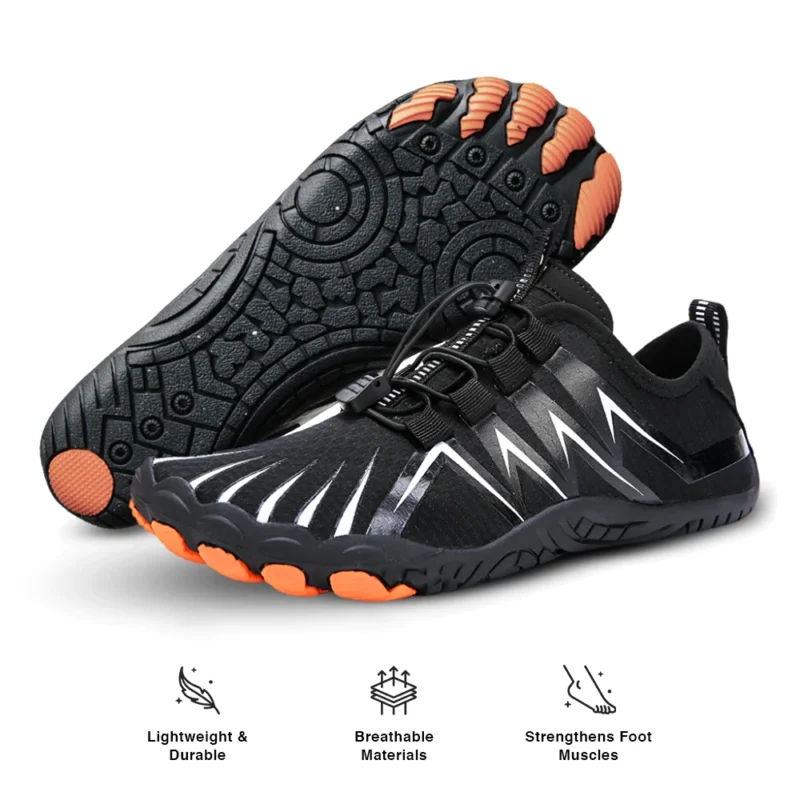
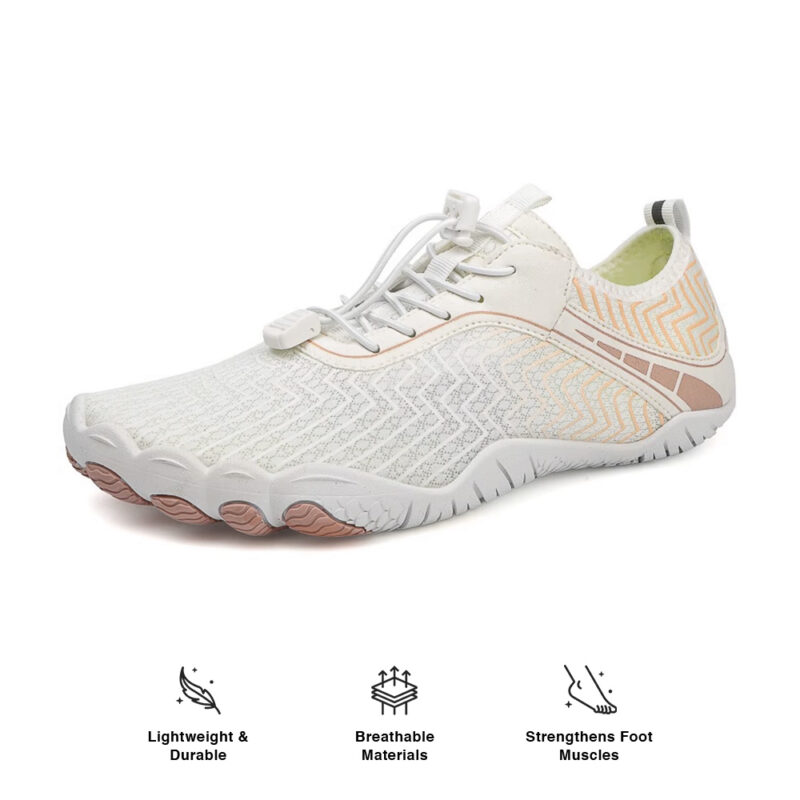
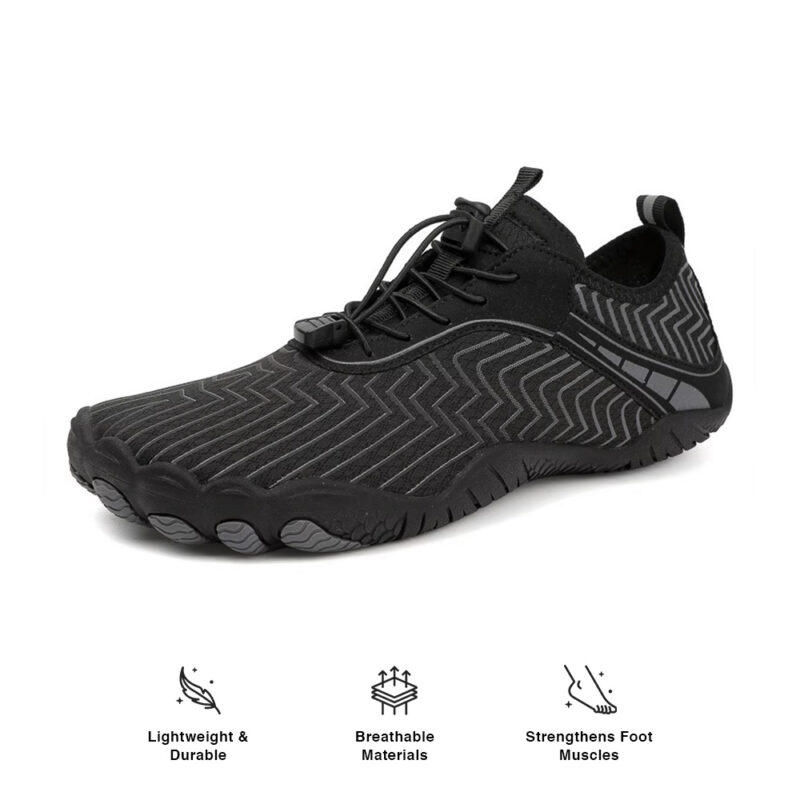
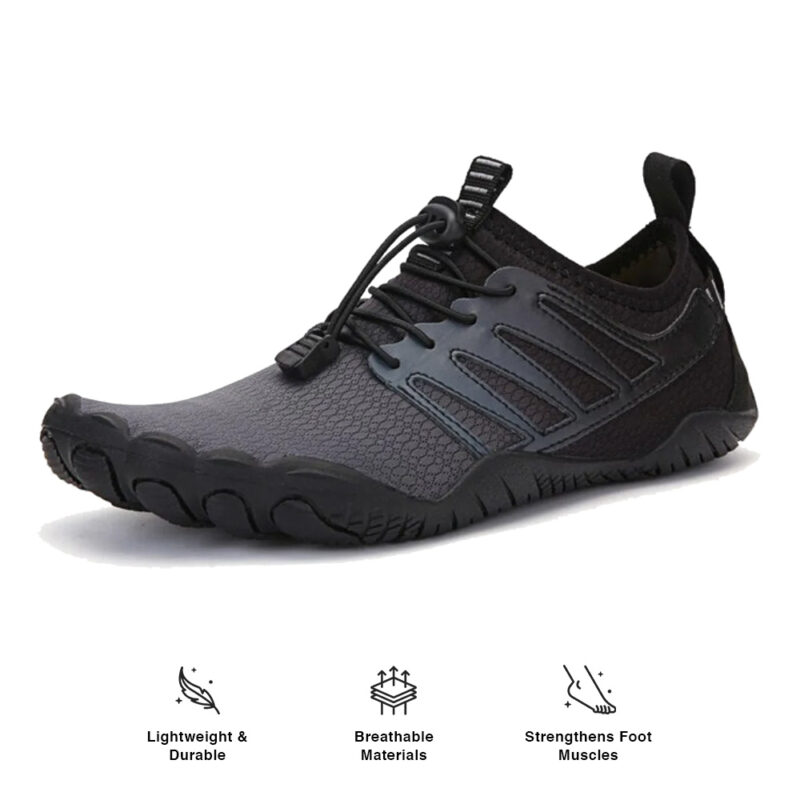
Why Your Current Marathon Shoes Might Be Holding You Back
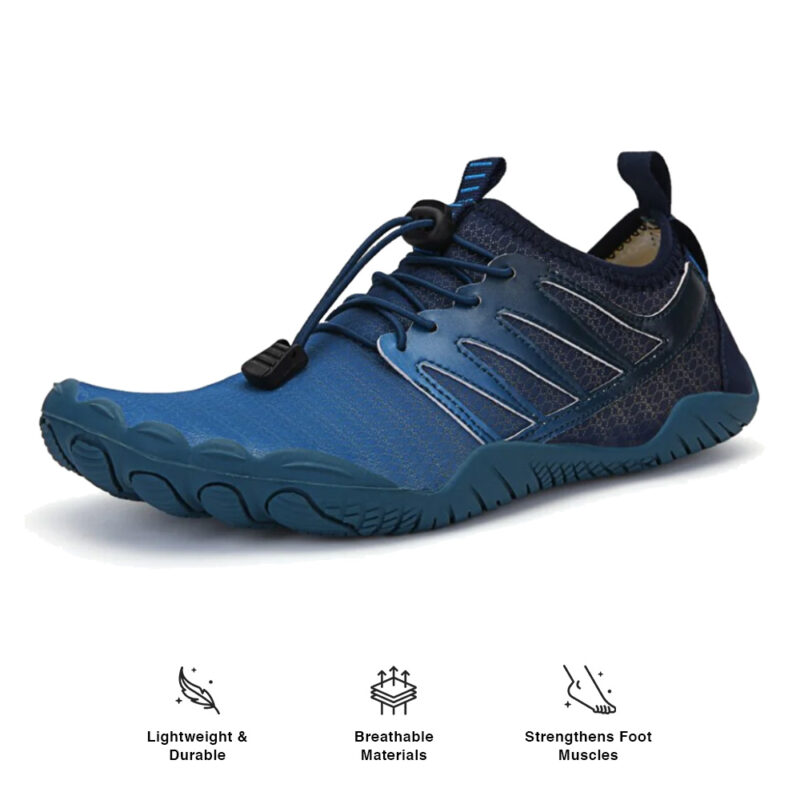
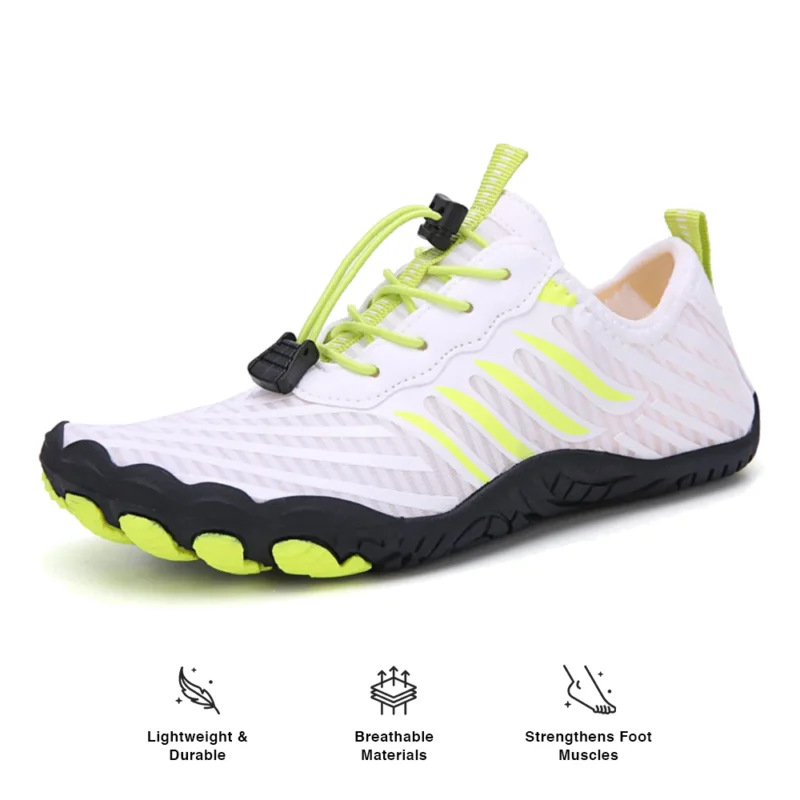
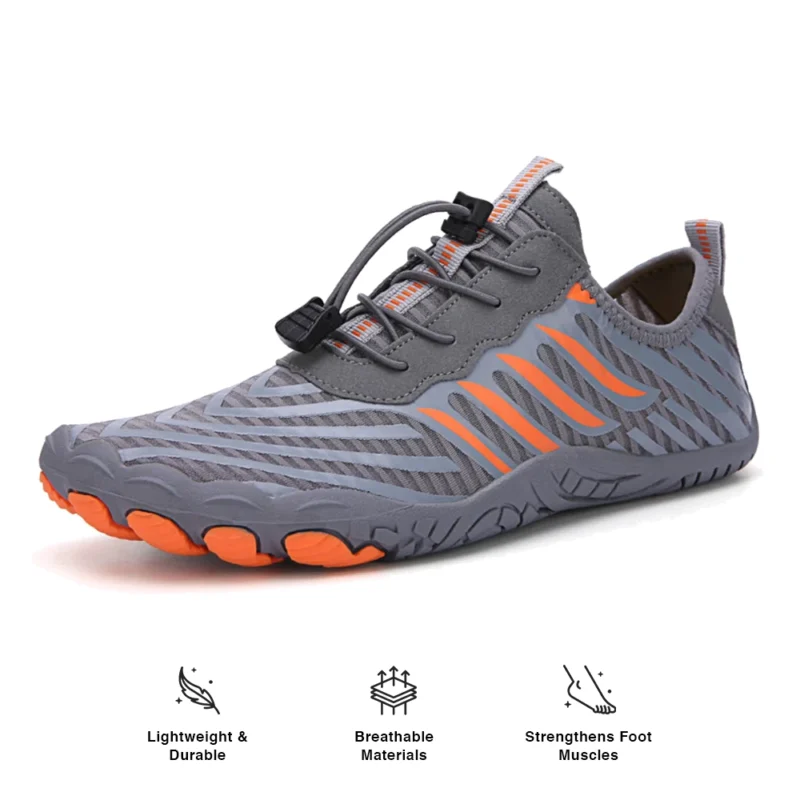
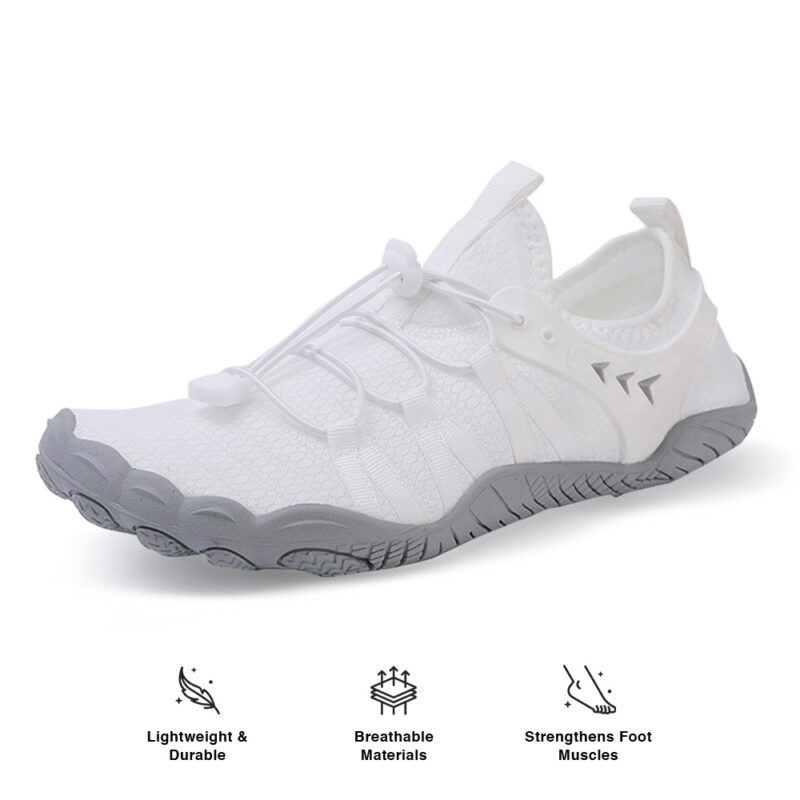
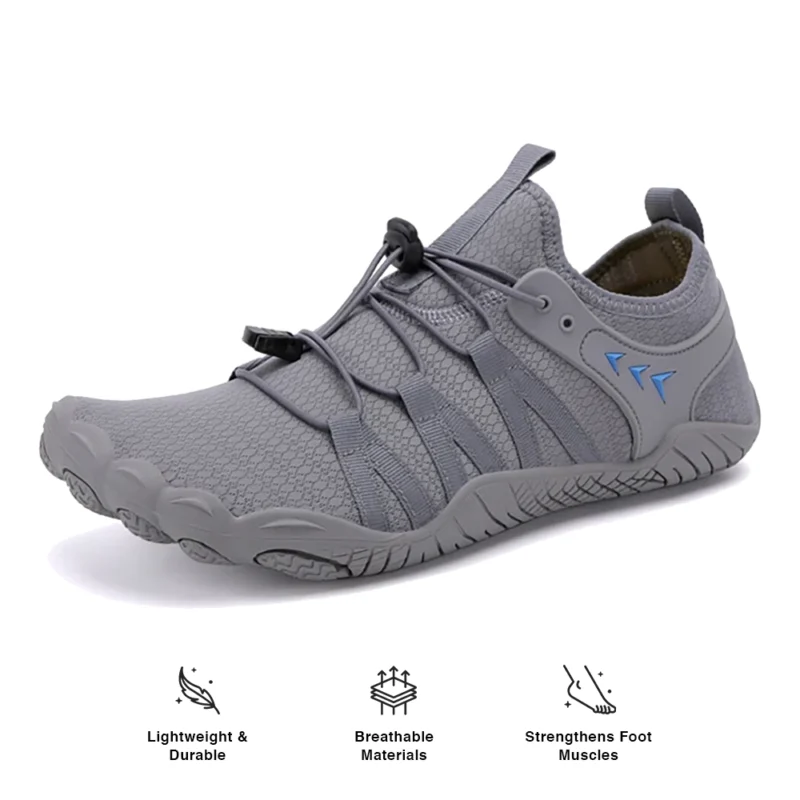
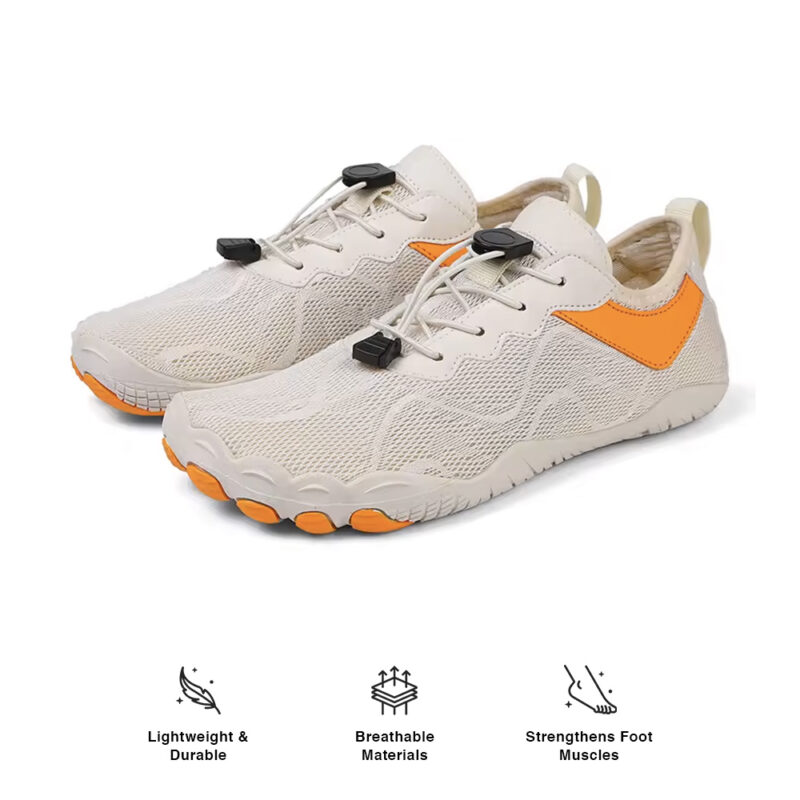
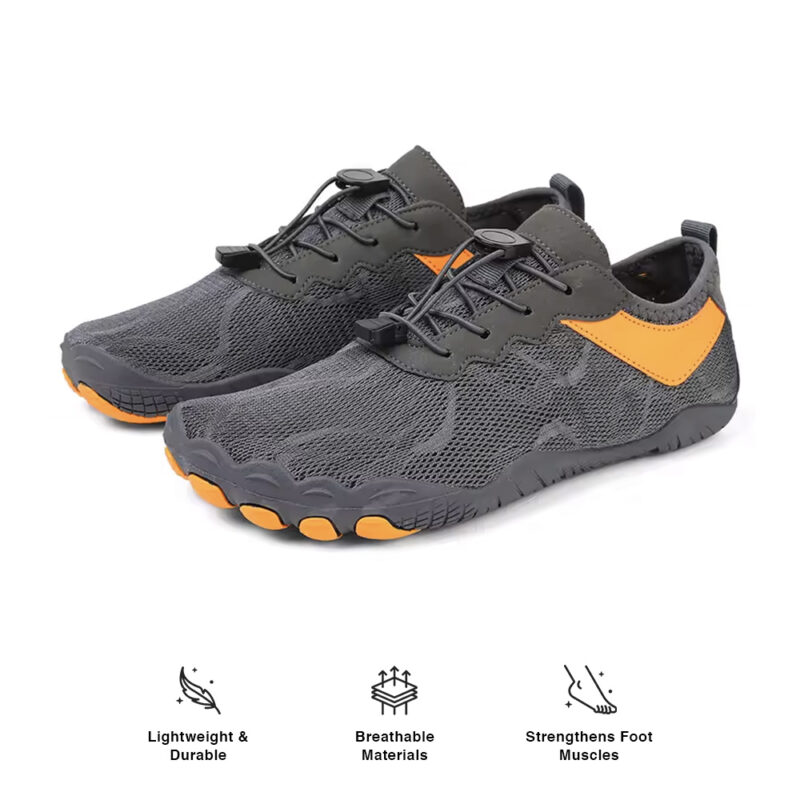
Traditional marathon training often leaves runners battling the very shoes meant to help them. You invest in expensive, heavily engineered footwear, yet still experience hot spots, blisters, and that dead-leg feeling that creeps in during longer runs. The issue lies in shoes that restrict natural foot function rather than supporting it. When searching for the best marathon shoes, consider options that allow your foot's 26 bones and 33 joints to move as nature intended. Look for wide toe boxes that let your toes splay naturally with each footstrike, giving you better stability and power transfer throughout your stride.
Finding Shoes That Actually Fit Your Foot Shape
Most runners squeeze their feet into shoes designed for a generic foot shape that doesn't exist in nature. You've probably experienced the frustration of trying on multiple sizes, only to find that length fits but width doesn't, or vice versa. Your feet are unique, and they deserve shoes that accommodate their natural shape rather than forcing them into an artificial mold. The best marathon shoes feature anatomical designs that follow the natural contours of human feet. Start by tracing your feet on paper and comparing that outline to your current shoes – you'll likely be surprised by how much your toes are being compressed.
Building the Foot Strength You Didn't Know You Were Missing
Years of wearing traditional running shoes may have left the muscles in your feet weaker than they should be for marathon distances. You might notice this weakness as arch fatigue, toe cramping, or that feeling that your feet just can't "grip" the ground effectively during push-off. Minimalist design in the best marathon shoes allows these dormant muscles to reactivate and strengthen progressively. Choose shoes with minimal heel-to-toe drop and flexible soles that let your feet work through their full range of motion during each step of your training.
Developing Ground Connection for Better Running Economy
Elite marathon runners often speak about "feeling the road" beneath their feet, but heavily cushioned shoes can disconnect you from this vital sensory feedback. Without proper ground connection, you lose the subtle adjustments your nervous system makes to optimize your gait efficiency. The best marathon shoes provide just enough protection while maintaining the ground feel that improves your proprioception and running economy. Practice short runs in minimal footwear to develop this connection, gradually building up your tolerance as your feet adapt to processing more sensory information.
Temperature Regulation That Keeps Your Feet Happy
Marathon running generates significant heat, and trapped moisture inside your shoes can lead to blisters, hot spots, and general discomfort that derails your race day performance. You need shoes that breathe naturally and don't create the swamp-like conditions that traditional, heavily padded shoes often produce. The best marathon shoes feature breathable materials and designs that promote natural airflow around your feet. Look for shoes made from natural materials or highly breathable synthetic fabrics that wick moisture away from your skin rather than trapping it against your feet.
Transitioning Safely to Your Ideal Marathon Footwear
Moving to more natural footwear requires patience and progressive adaptation, especially if you've been running in traditional shoes for years. Your feet, calves, and Achilles tendons need time to adapt to the different demands of minimalist running. Start by incorporating short runs in your new shoes, gradually increasing distance as your body adapts to the new movement patterns. Listen to your body during this transition period – some initial soreness in your feet and lower legs is normal as previously dormant muscles begin to strengthen and take on their natural roles in your running stride.
Making the Mental Shift from More to Better
The hardest part of finding the best marathon shoes often isn't physical – it's mental. You've been conditioned to believe that more cushioning, more support, and more technology equals better performance. Breaking free from this mindset opens up possibilities for footwear that truly serves your running rather than marketing claims. Focus on how your feet feel during and after runs rather than what the shoe promises to do for you. The best marathon shoes are the ones that disappear on your feet, letting you focus on your pace, your breathing, and the pure joy of running rather than managing discomfort caused by your footwear.