The Ground Connection Dilemma
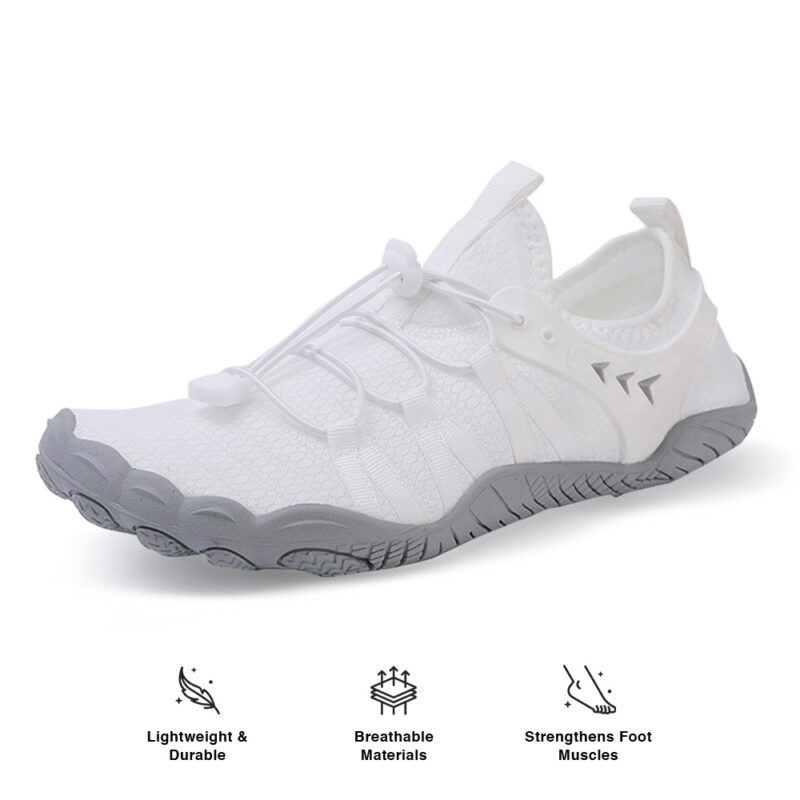
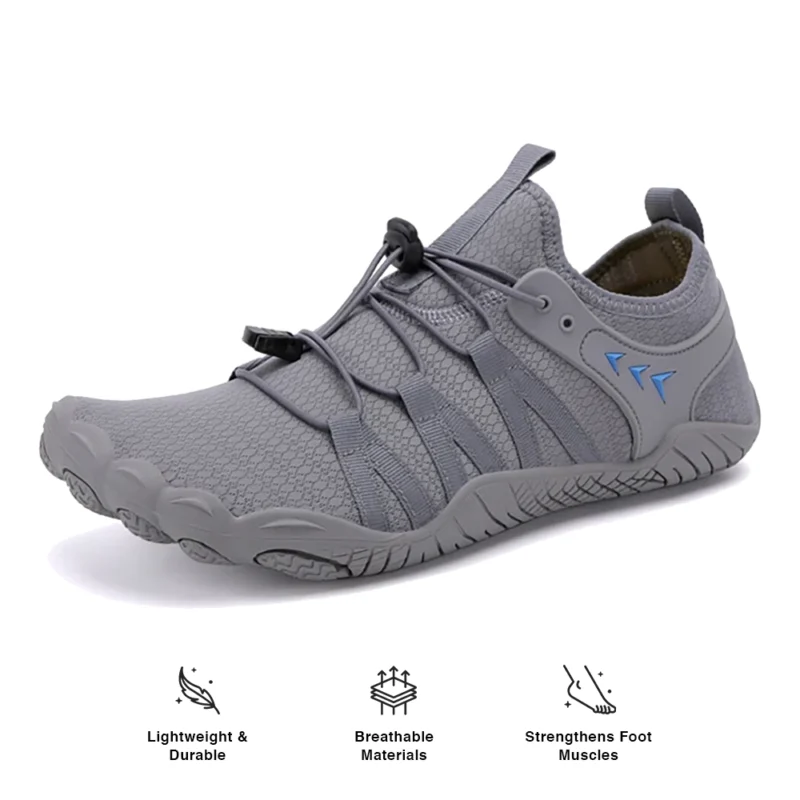
You've felt it during those long runs – that disconnect between your feet and the trail. Traditional running shoes create a barrier that dulls your proprioception, making you work harder to maintain balance and efficiency. The best men running shoes should enhance your connection to the ground, not diminish it. Minimalist designs with thin, flexible soles allow you to feel terrain changes and adjust your stride naturally. This ground feedback helps prevent injury by giving you real-time information about your foot strike and surface conditions. Start incorporating short barefoot walks on grass to redevelop this natural sensitivity before transitioning to minimalist running shoes.
The Toe Box Torture Chamber
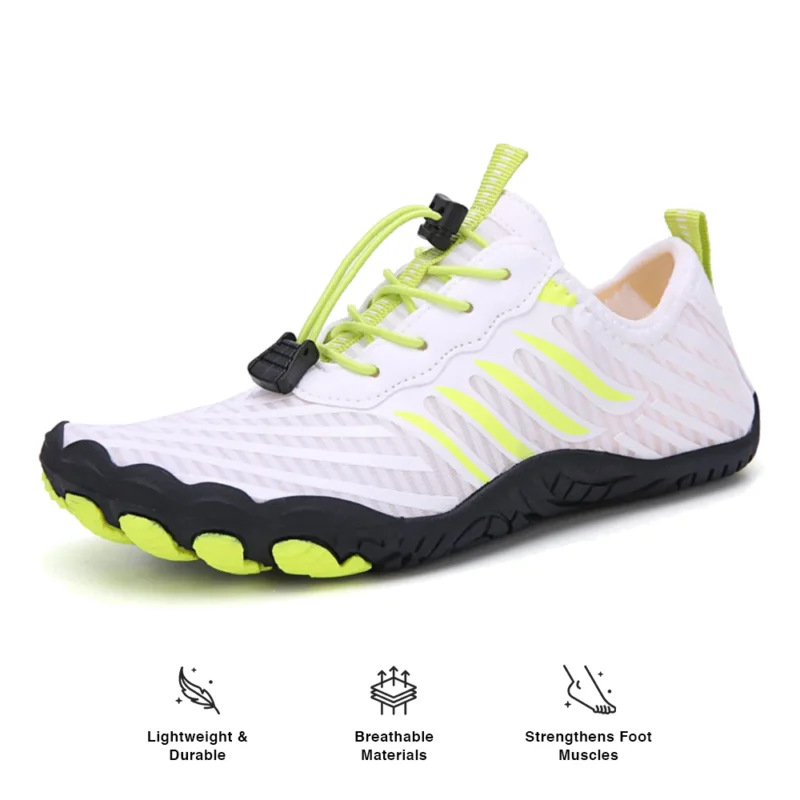
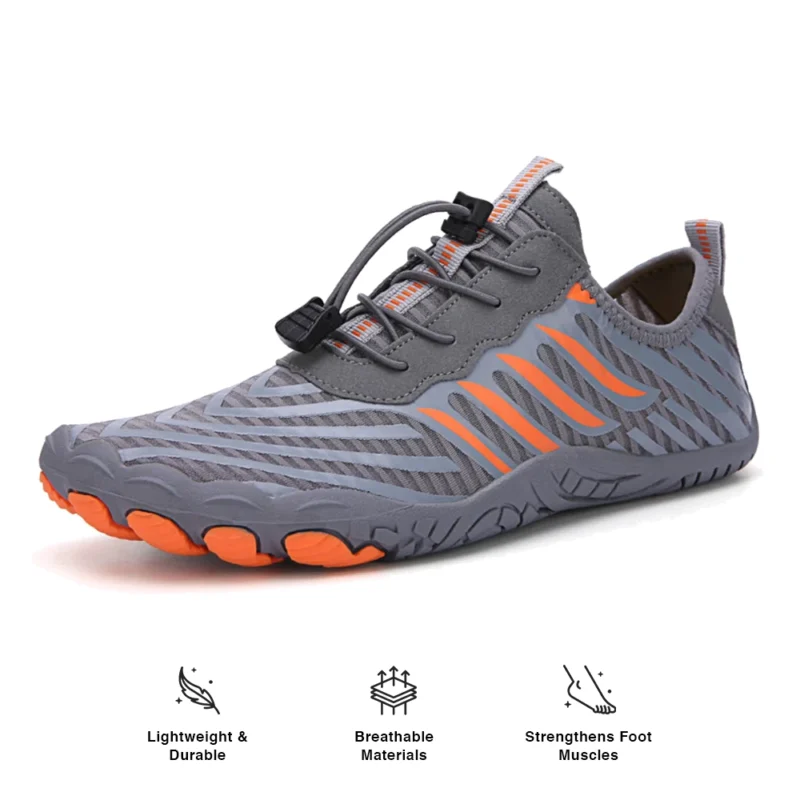
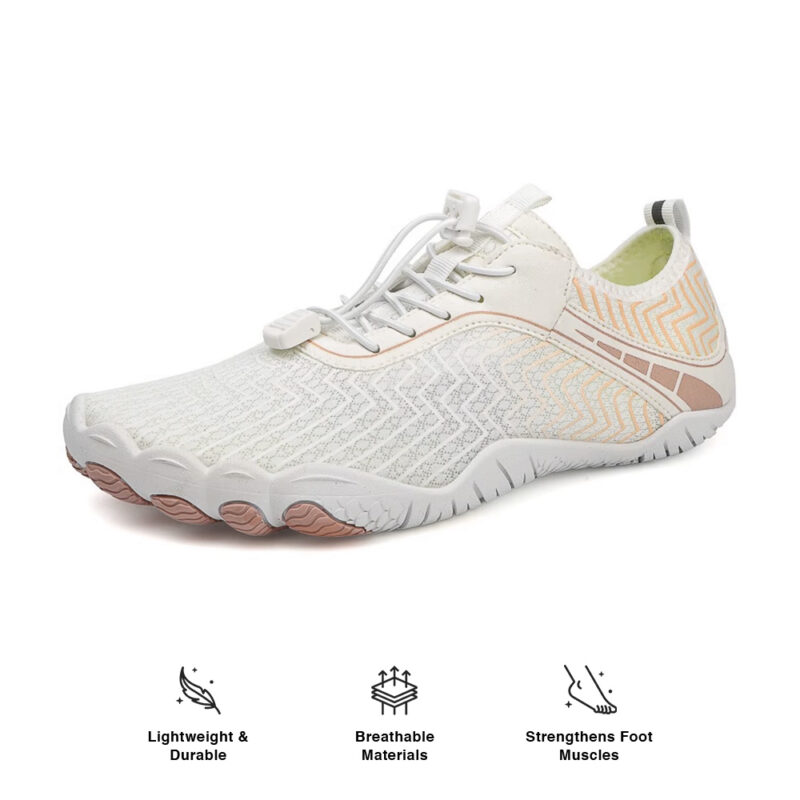
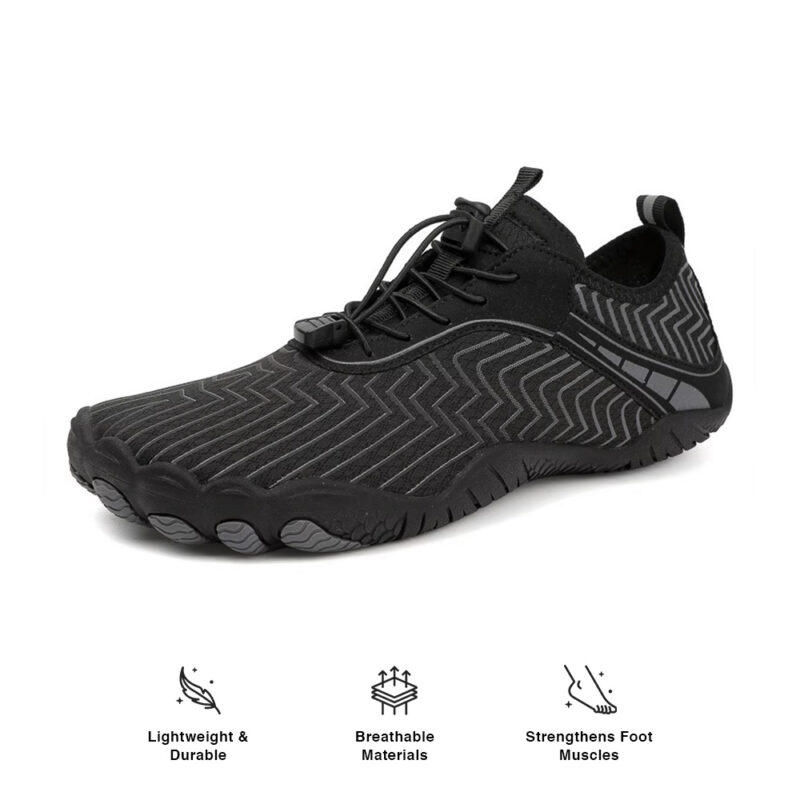
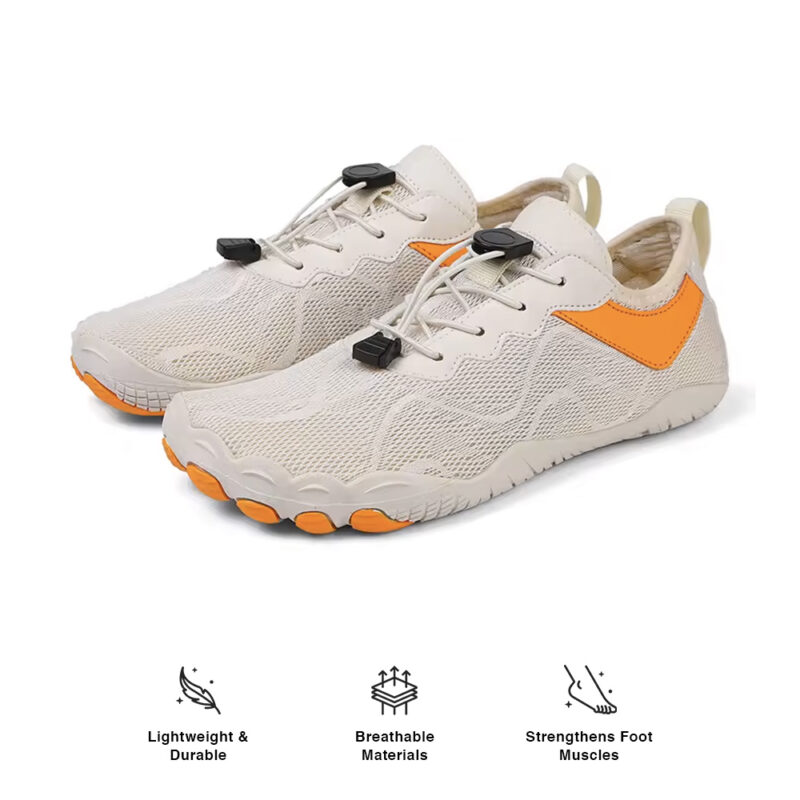
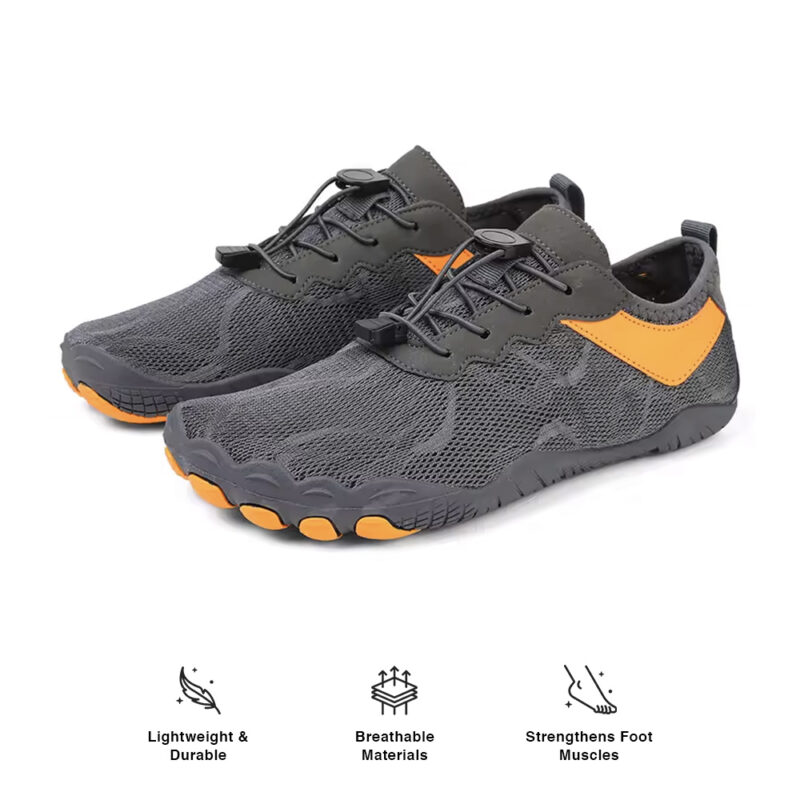
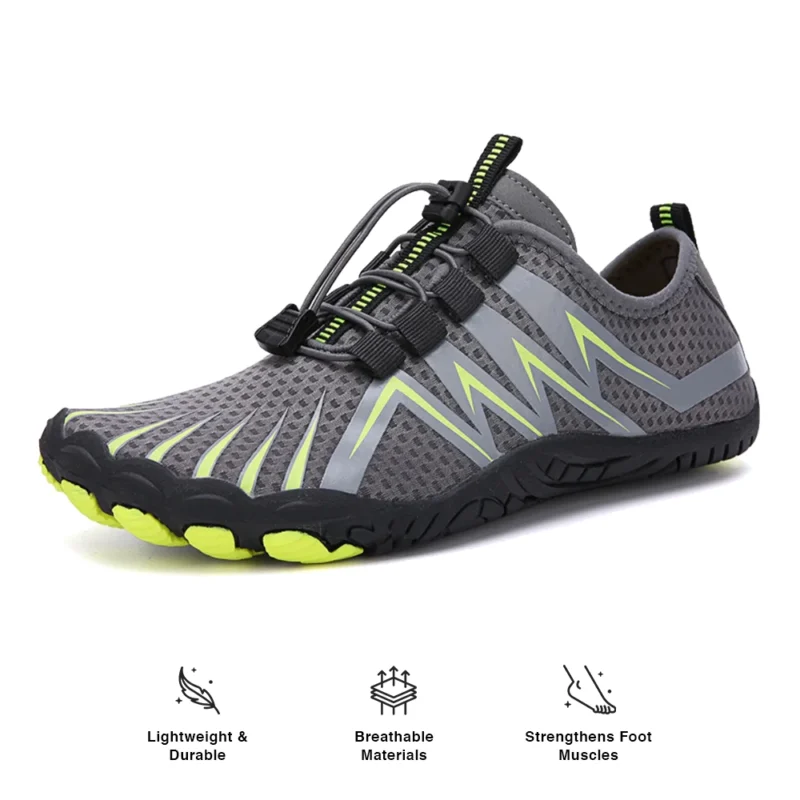
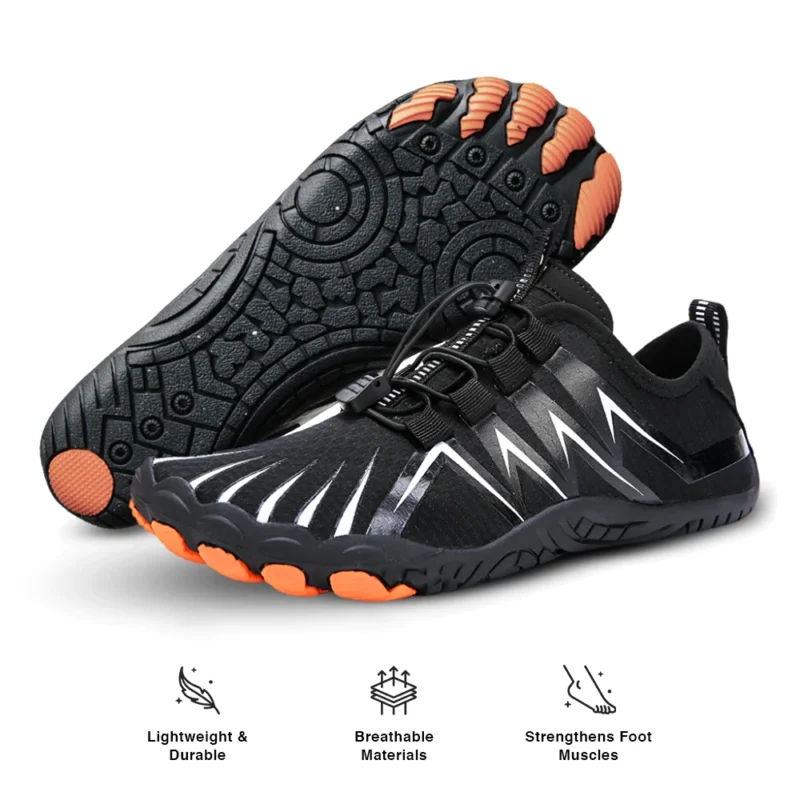
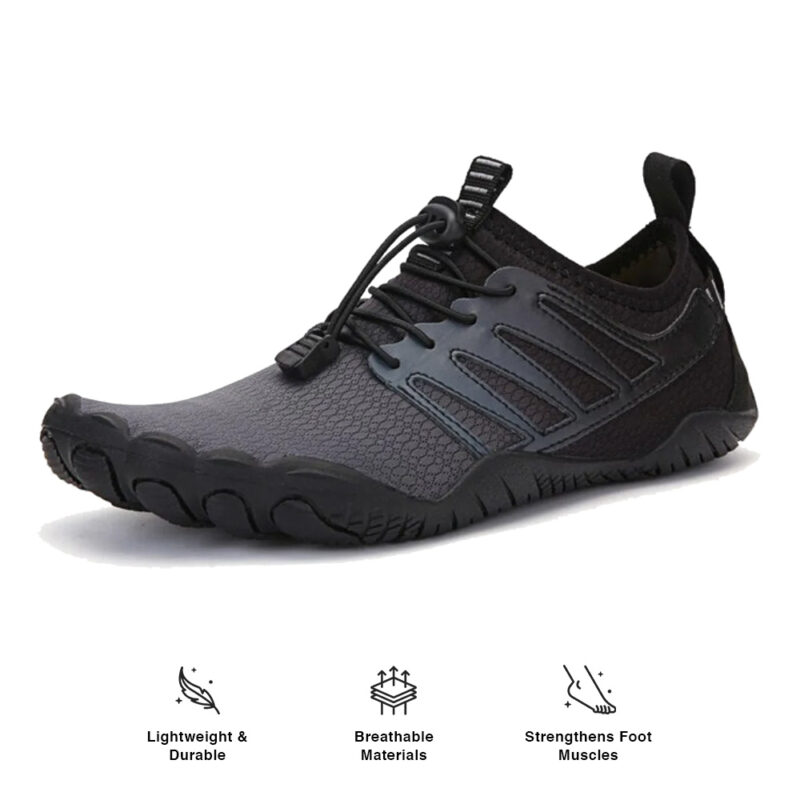
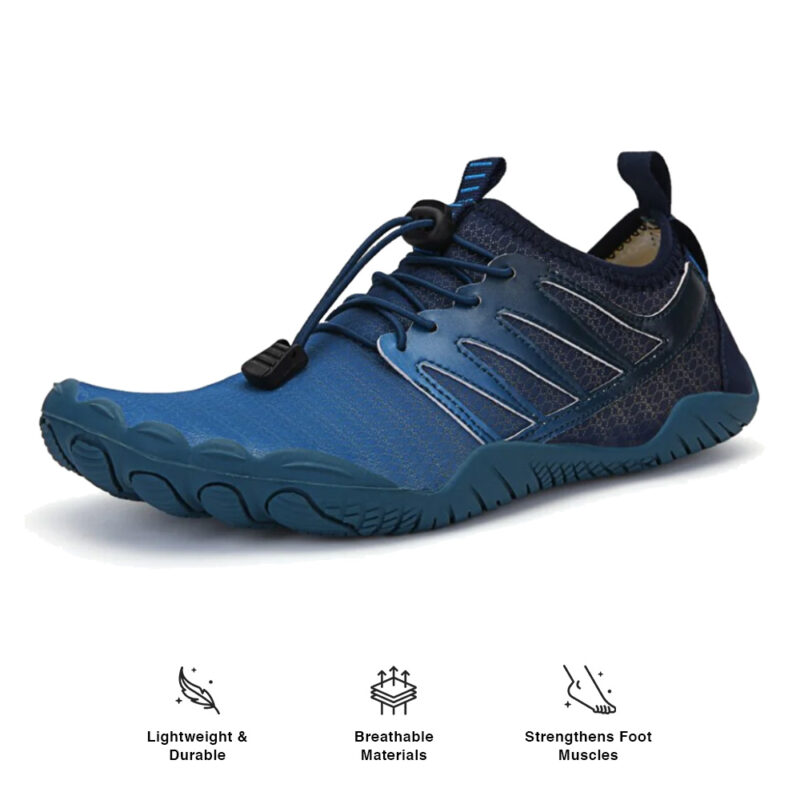
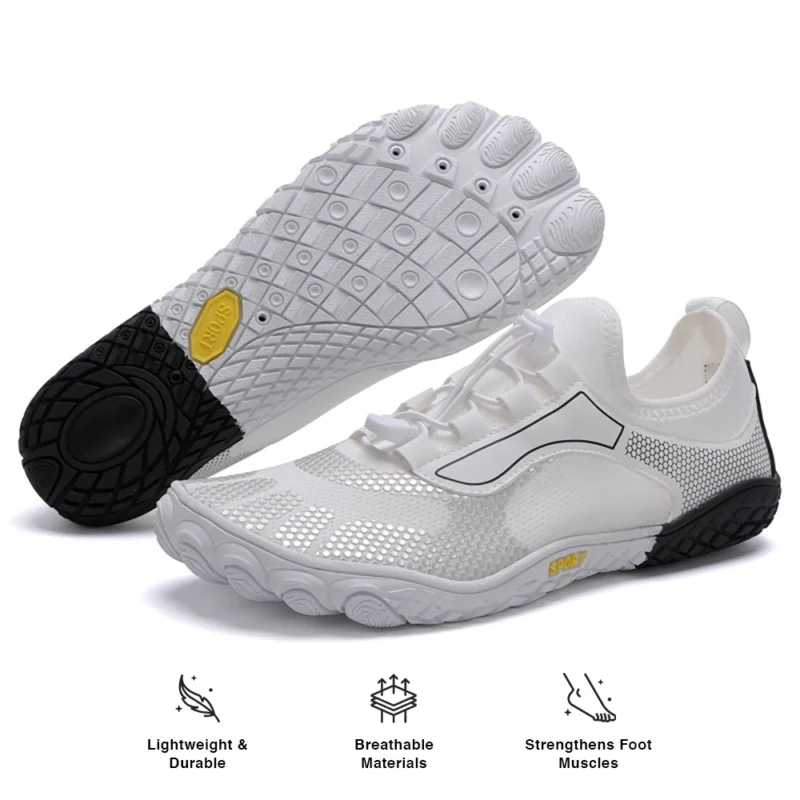
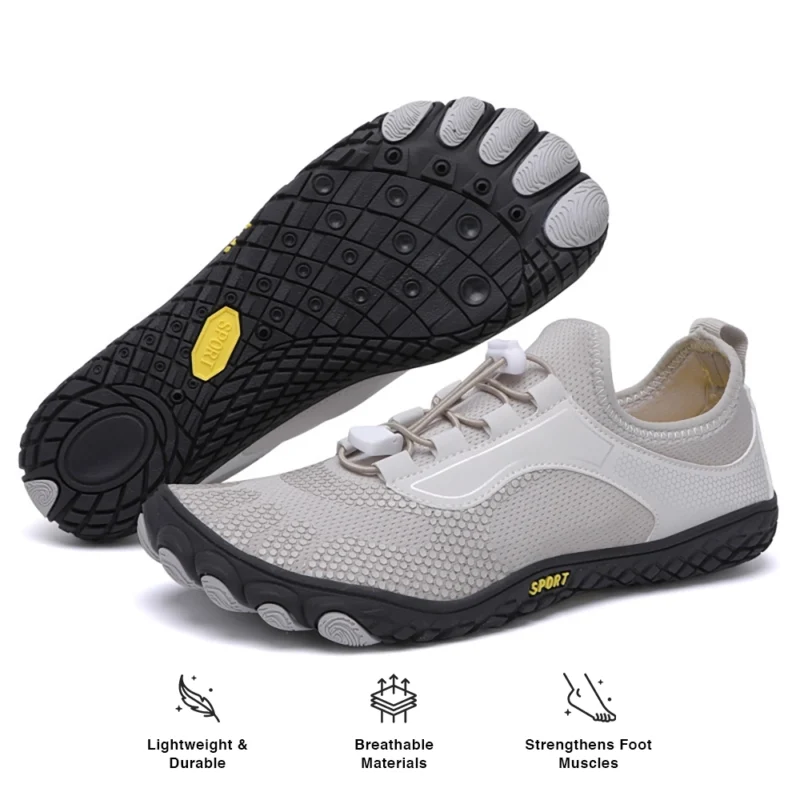
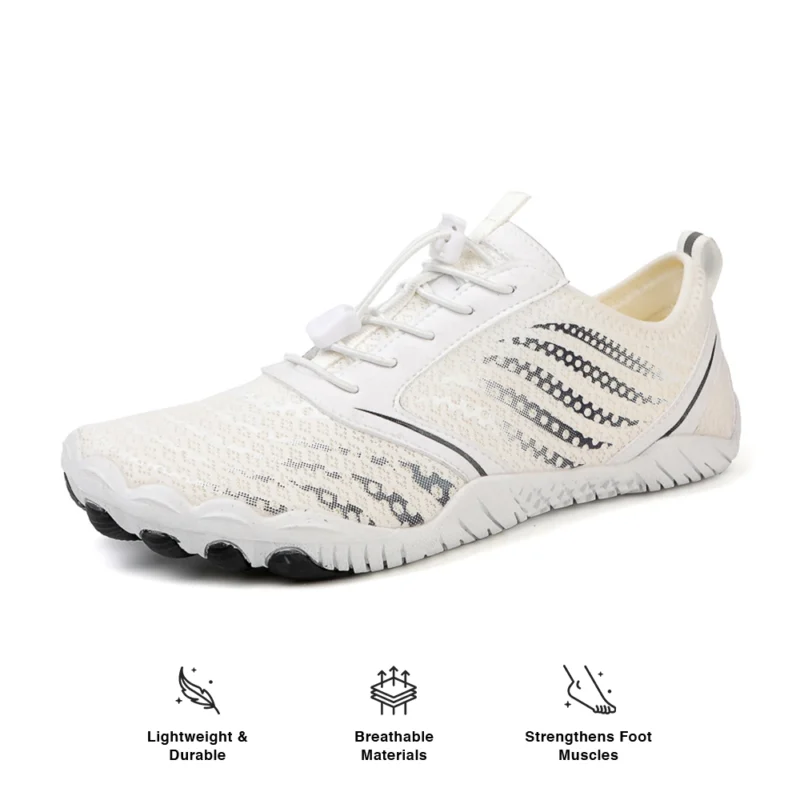
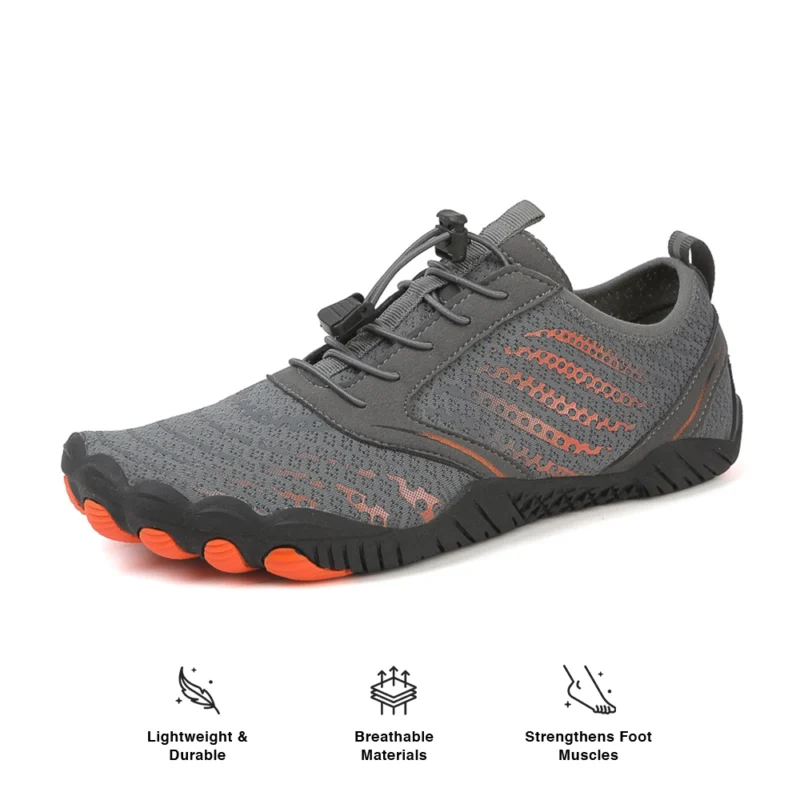
Your toes were meant to spread and grip, not be squeezed into narrow, pointed shoe shapes that mirror fashion more than function. Many men suffer from cramped, painful runs because their shoes don't accommodate natural toe splay. The best men running shoes feature wide, anatomically-shaped toe boxes that let your toes spread for better balance and power transfer. This natural toe position strengthens the small muscles in your feet and improves your overall running efficiency. When trying on new shoes, make sure you can wiggle all your toes freely and that there's thumb-width space between your longest toe and the shoe's end.
The Heel-to-Toe Drop Deception
Most traditional running shoes force you into an unnatural forward-leaning posture with their elevated heels, creating a domino effect of compensation throughout your body. This artificial heel lift shortens your Achilles tendon and changes your natural gait pattern. Quality minimalist options among the best men running shoes feature zero or minimal heel-to-toe drop, encouraging a midfoot or forefoot strike pattern. This natural landing reduces impact forces and helps your body's shock absorption system work as designed. Transition gradually by alternating between your current shoes and lower-drop options, allowing your calves and Achilles to adapt slowly.
The Arch Support Dependency Trap
Years of wearing shoes with built-in arch support have likely weakened your foot's natural arch muscles, creating a dependency that actually makes your feet weaker over time. Your arches are dynamic structures designed to flex and spring with each step, not rigid platforms that need external support. The best men running shoes allow your arch muscles to work and strengthen naturally through their movement. Flat, flexible soles encourage proper muscle engagement and help restore your foot's natural spring mechanism. Practice picking up small objects with your toes and doing calf raises to strengthen these often-neglected muscles.
The Weight and Flexibility Factor
Every ounce on your feet requires additional energy to lift with each stride – multiply that by thousands of steps per run, and heavy shoes become a significant burden. Bulky, rigid shoes also restrict the natural rolling motion your feet need for efficient propulsion. The best men running shoes are lightweight and highly flexible, allowing your feet to bend, twist, and flex through their full range of motion. This flexibility helps prevent stiffness and maintains the natural shock-absorbing properties of your foot structure. Test shoe flexibility by trying to fold it in half – if it doesn't bend easily, it's too rigid for natural movement.
The Durability Without Bulk Challenge
You need shoes that can handle serious mileage without adding unnecessary weight or stiffness to your feet. The misconception is that more material equals better protection and longer wear. Smart minimalist construction among the best men running shoes uses high-quality materials strategically placed only where needed. Thin but durable soles protect from sharp objects while maintaining ground feel. Breathable upper materials reduce weight while providing adequate protection from elements. Focus on construction quality rather than material quantity when evaluating durability – well-made minimalist shoes often outlast their heavily cushioned counterparts.
The Transition Timeline Reality
Moving to minimalist footwear isn't an overnight switch – your feet need time to adapt and strengthen after potentially years in supportive shoes. Many runners make the mistake of switching too quickly and experience discomfort or injury. The best men running shoes support a gradual transition process that rebuilds your foot strength progressively. Start with short runs or walks in minimalist shoes, increasing distance by no more than 10% each week. Listen to your feet and lower legs – some muscle fatigue is normal as dormant muscles wake up, but sharp pain means you're progressing too quickly. Keep a running log to track your transition and celebrate the small victories as your feet grow stronger.