Blog

Best Mens Walking Shoes

You're a man who values an active lifestyle, whether that's daily walks around the neighborhood, weekend hiking adventures, or simply staying on your feet throughout long workdays. The problem is, traditional walking shoes often leave you feeling disconnected from the ground beneath you, with feet that feel weak, achy, or unstable after extended wear.

Most men struggle with finding walking shoes that truly support their natural movement patterns. Conventional footwear restricts your feet with rigid soles, artificial arch support, and elevated heels that throw off your body's alignment. This leads to fatigue, discomfort, and a gradual weakening of the muscles that should be keeping you strong and balanced.

What you truly need are the best mens walking shoes that work with your body's natural design, not against it. Your feet contain 26 bones, 33 joints, and over 100 muscles, tendons, and ligaments – they're engineered to move, flex, and adapt to terrain. When footwear allows this natural function, remarkable things happen.

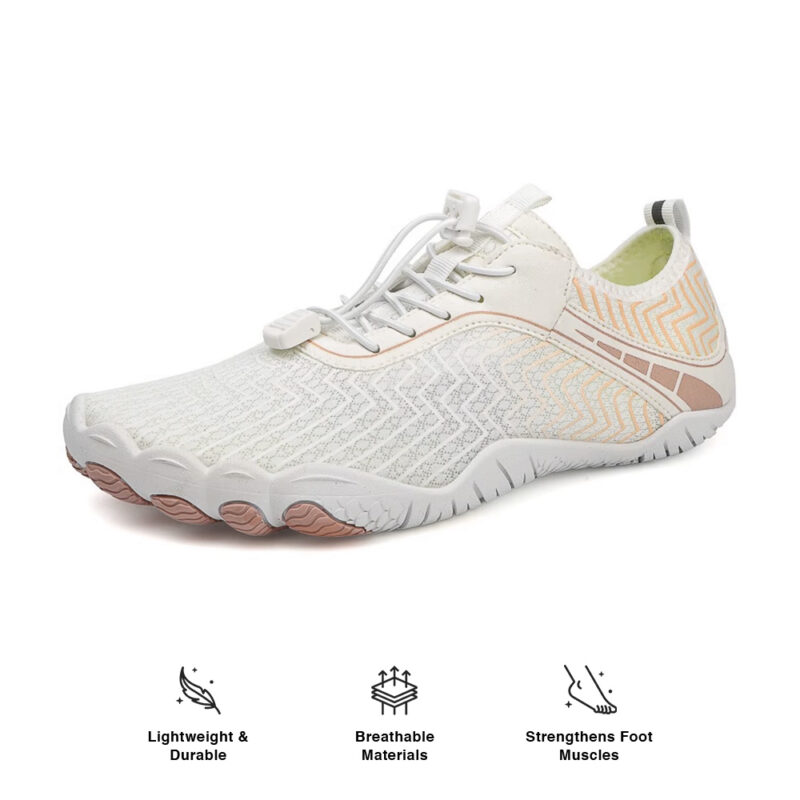
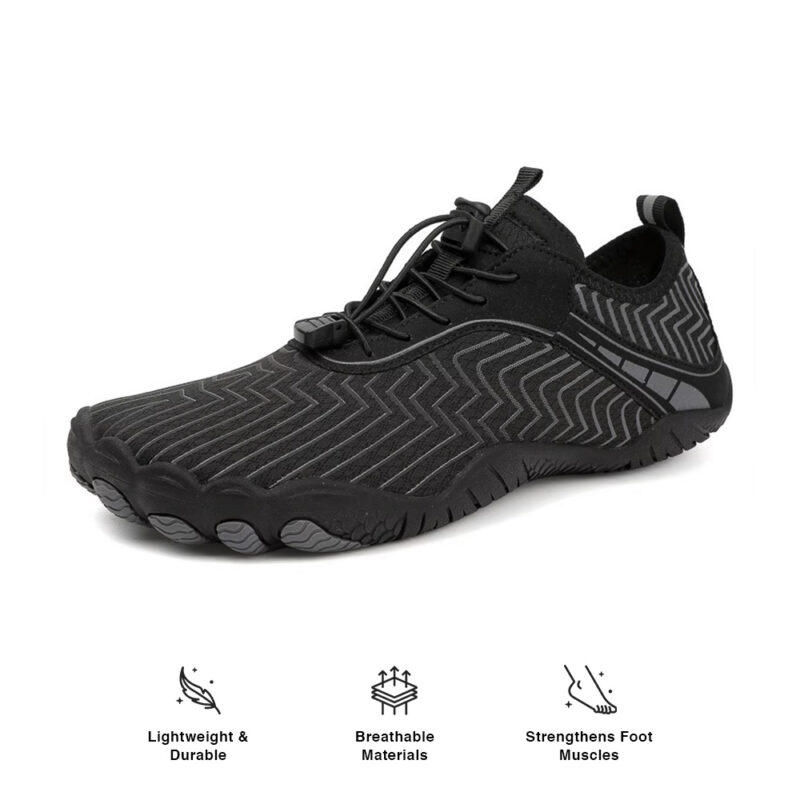
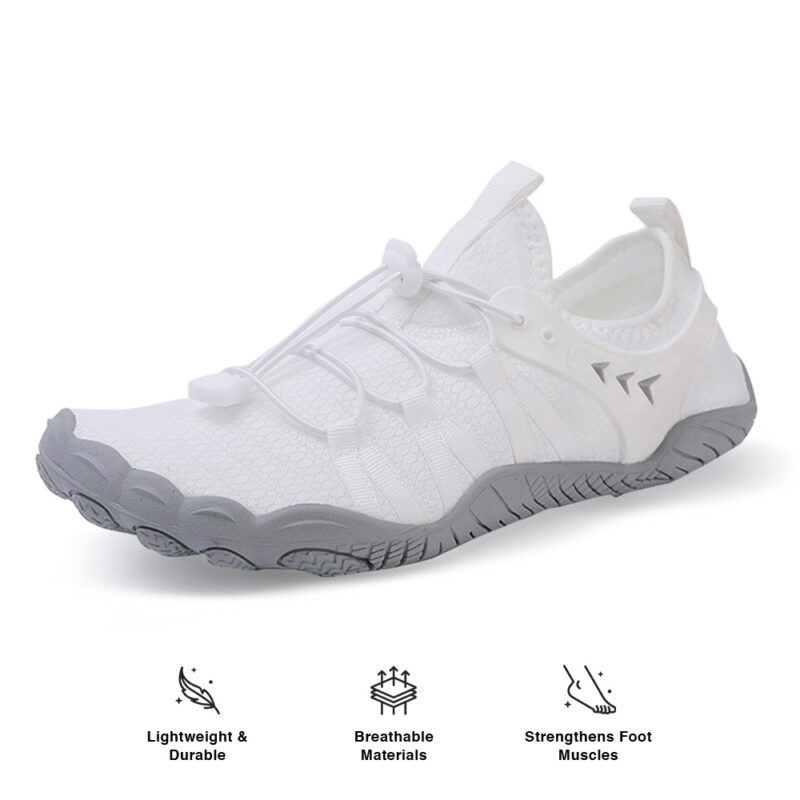
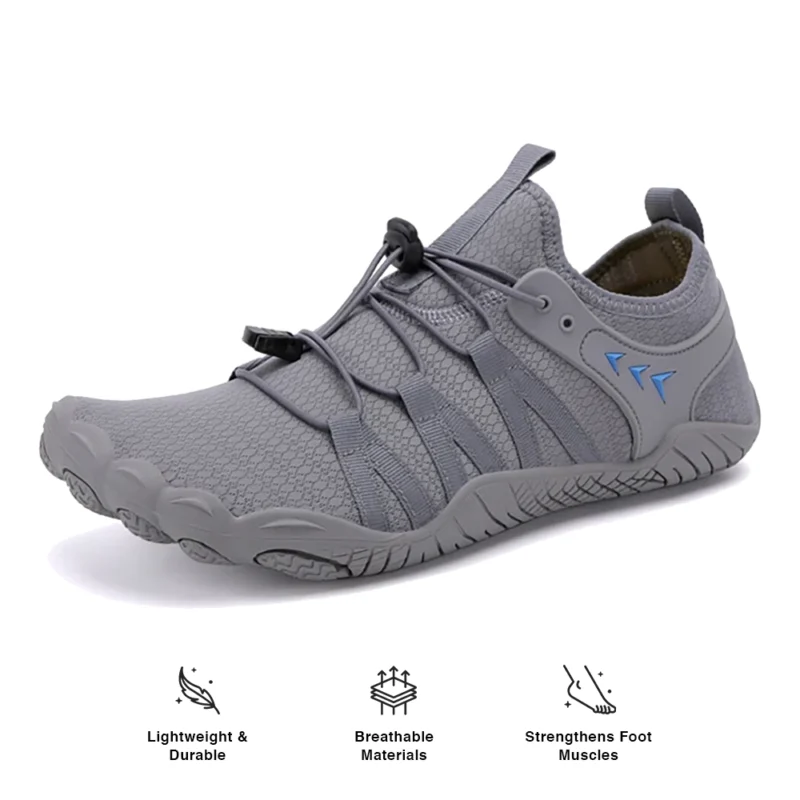
Barefoot and minimalist walking shoes deliver exactly what active men need: natural foot movement that strengthens your foundation from the ground up. These designs promote stronger feet through unrestricted toe splay and flexible soles that let you feel the ground. They improve your balance and posture by maintaining your body's natural alignment, eliminating the artificial heel elevation found in traditional shoes. Most importantly, they provide lasting comfort through freedom – the comfort that comes from allowing your feet to function as nature intended.

When you choose footwear that honors your body's design, walking becomes effortless and energizing rather than a source of fatigue and discomfort.

Top Picks for Best Mens Walking Shoes
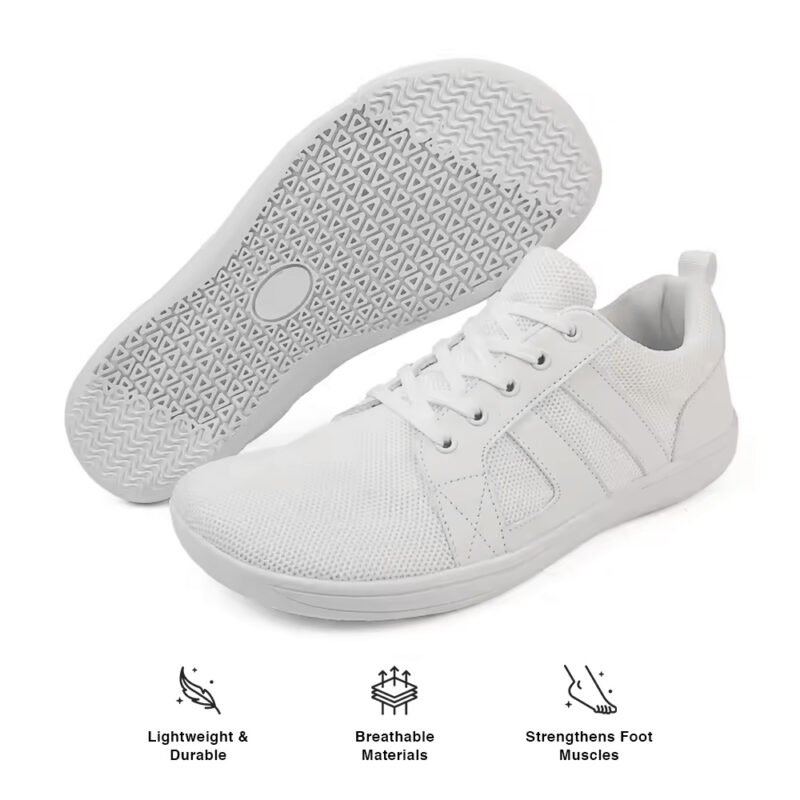
Original price was: $133.98.Current price is: $56.98.
Select options This product has multiple variants. The options may be chosen on the product page
Original price was: $129.98.Current price is: $58.95.
Select options This product has multiple variants. The options may be chosen on the product page
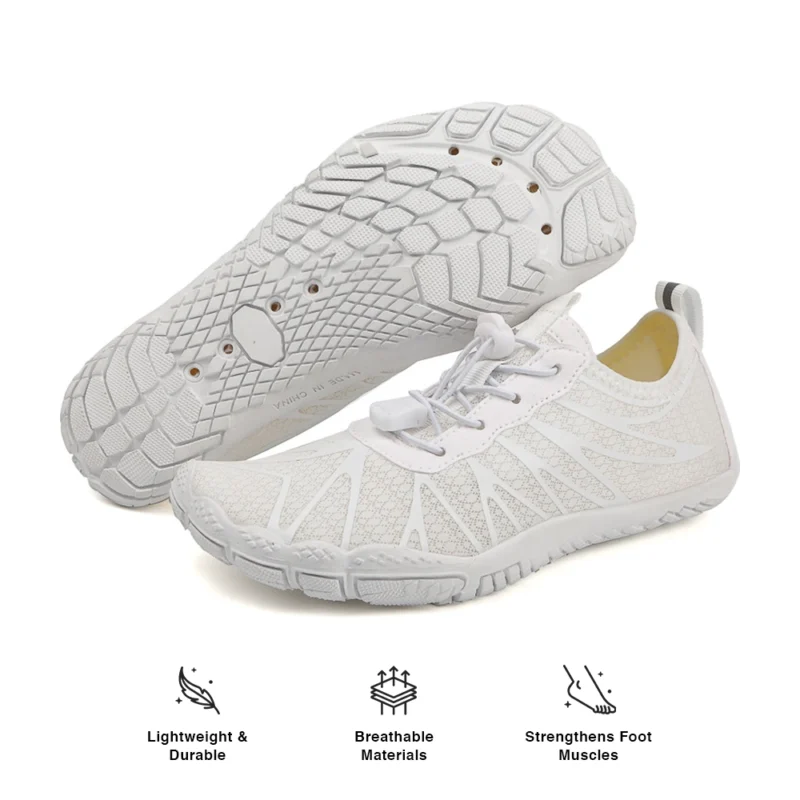
Original price was: $129.95.Current price is: $59.95.
Select options This product has multiple variants. The options may be chosen on the product page
Original price was: $133.50.Current price is: $59.95.
Select options This product has multiple variants. The options may be chosen on the product page
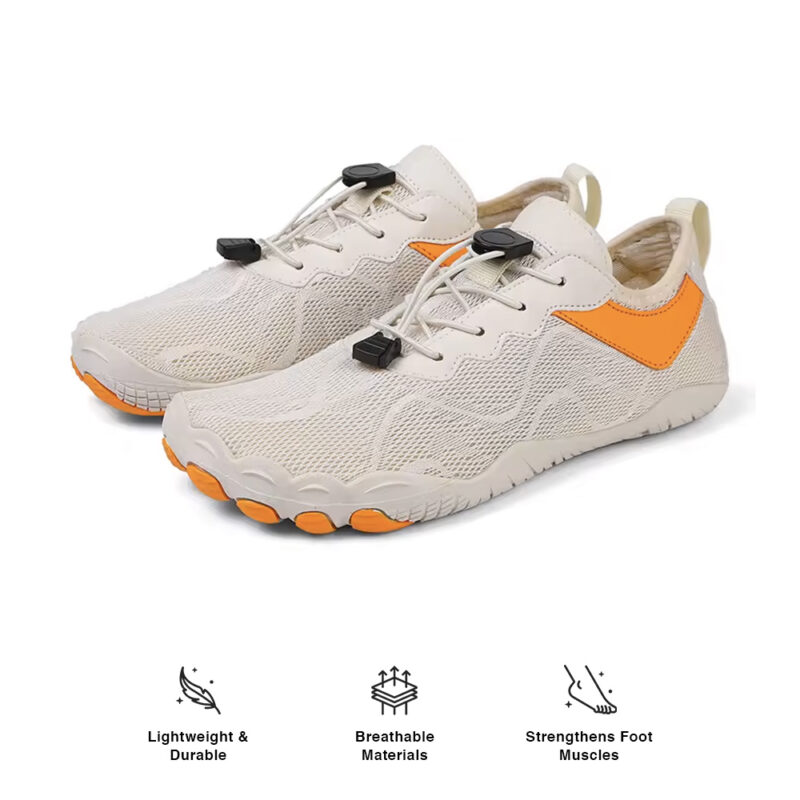
Original price was: $133.50.Current price is: $58.98.
Select options This product has multiple variants. The options may be chosen on the product page
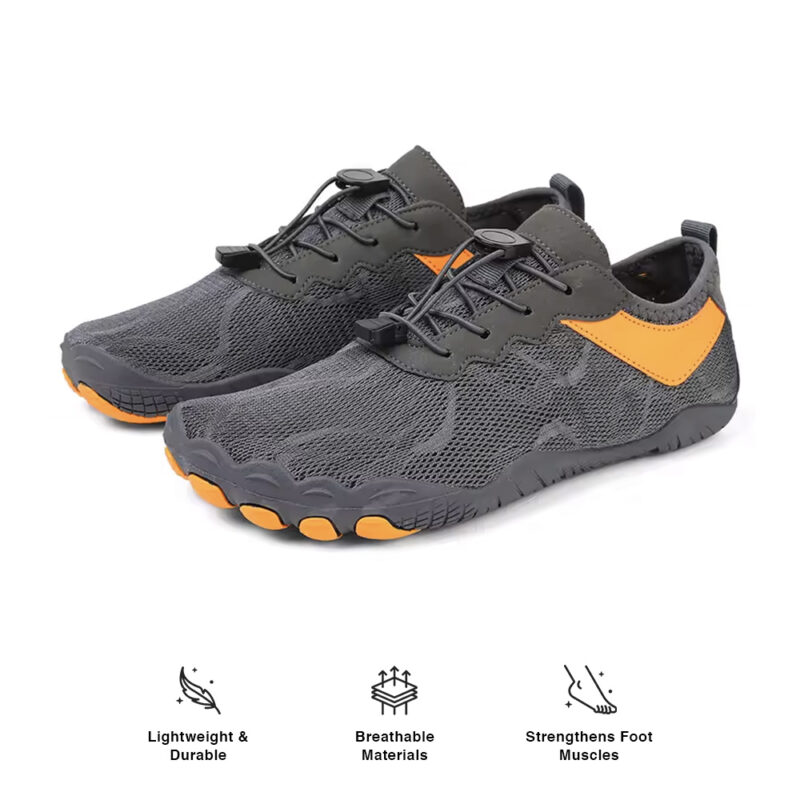
Original price was: $129.95.Current price is: $68.95.
Select options This product has multiple variants. The options may be chosen on the product page
Original price was: $149.99.Current price is: $74.99.
Select options This product has multiple variants. The options may be chosen on the product page
Original price was: $129.95.Current price is: $64.95.
Select options This product has multiple variants. The options may be chosen on the product page

Why Most Walking Shoes Leave Men Feeling Disconnected and Unstable

Many men find themselves feeling unsteady or fatigued during walks, even in supposedly supportive footwear. Traditional walking shoes create a barrier between you and the ground with thick, cushioned soles that reduce your proprioceptive feedback – your body's ability to sense where you are in space. This disconnect forces your brain to work harder to maintain balance and coordination. The best mens walking shoes prioritize ground connection through thin, flexible soles that enhance your natural stability sensors. Start paying attention to how your feet feel when they can actually sense the terrain beneath them during your next walk.

Breaking Free from the Heel-to-Toe Drop That Sabotages Your Stride

Conventional walking shoes typically feature a heel that sits 8-12mm higher than the forefoot, creating an unnatural forward lean that disrupts your body's alignment from ankle to spine. This artificial angle forces your muscles to work overtime to maintain proper posture, leading to tension in your calves, lower back, and even your neck. Men seeking the best mens walking shoes should look for zero-drop designs that keep your heel and forefoot at the same level, maintaining your spine's natural S-curve. Try standing barefoot and notice how your body naturally aligns – this is the position your walking shoes should preserve.

Escaping the Toe Box Prison That Weakens Your Foundation

Most men's walking shoes feature narrow, tapered toe boxes that squeeze your toes together, preventing the natural toe splay that provides stability and power during each step. When your toes can't spread naturally, the small muscles in your feet atrophy, leaving you dependent on artificial support rather than developing your own strength. Quality minimalist walking shoes offer spacious toe boxes that allow your toes to function as nature's stabilizers. During your next shoe shopping trip, trace your foot on paper and compare it to the outline of potential shoes – your toes should have room to spread naturally.

Moving Beyond Artificial Support That Creates Dependency

Traditional walking shoes often include built-in arch support, motion control features, and rigid structures designed to "correct" your foot's natural movement. However, these features create dependency by doing the work your muscles should be performing, gradually weakening your foot's intrinsic strength over time. The best mens walking shoes for long-term foot health provide a stable platform while allowing your muscles to engage and strengthen naturally. When transitioning to minimalist footwear, start with shorter walks and gradually increase duration as your feet adapt and strengthen.

Choosing Flexibility Over Rigidity for Natural Movement

Stiff-soled walking shoes restrict your foot's natural rolling motion during each step, forcing your legs and hips to compensate with altered movement patterns that can lead to overuse injuries. Your foot is designed to flex, bend, and adapt to uneven surfaces – capabilities that rigid soles completely eliminate. Men looking for the best mens walking shoes should prioritize flexible soles that bend easily in all directions, allowing your foot to move through its full range of motion. Test shoe flexibility by trying to fold it in half or twist it gently – if it resists, it will resist your foot's natural movement too.

Rediscovering Lightweight Freedom for Effortless Movement

Heavy walking shoes turn every step into extra work, contributing to leg fatigue and reducing the joy of movement. Traditional shoes often weigh 12-16 ounces per shoe due to excessive cushioning, support structures, and thick soles. Lightweight minimalist designs typically weigh 6-8 ounces per shoe, reducing the energy required for each step and allowing for more natural, efficient movement patterns. When evaluating potential walking shoes, pick them up and notice the weight difference – your legs will thank you for choosing lighter options during long walks.

Building Foot Strength Through Progressive Adaptation

The transition to minimalist walking shoes requires patience and gradual adaptation, but the long-term benefits include stronger feet, improved balance, and reduced injury risk. Your feet have likely been dependent on artificial support for years, so sudden changes can cause temporary discomfort as muscles reactivate and strengthen. The best mens walking shoes support this transition through moderate minimalism – less extreme than barefoot but more natural than traditional shoes. Begin by wearing your new shoes for short periods, gradually increasing duration as your feet adapt to their newfound freedom and strength.