Your Feet Weren't Designed to Fight Your Shoes
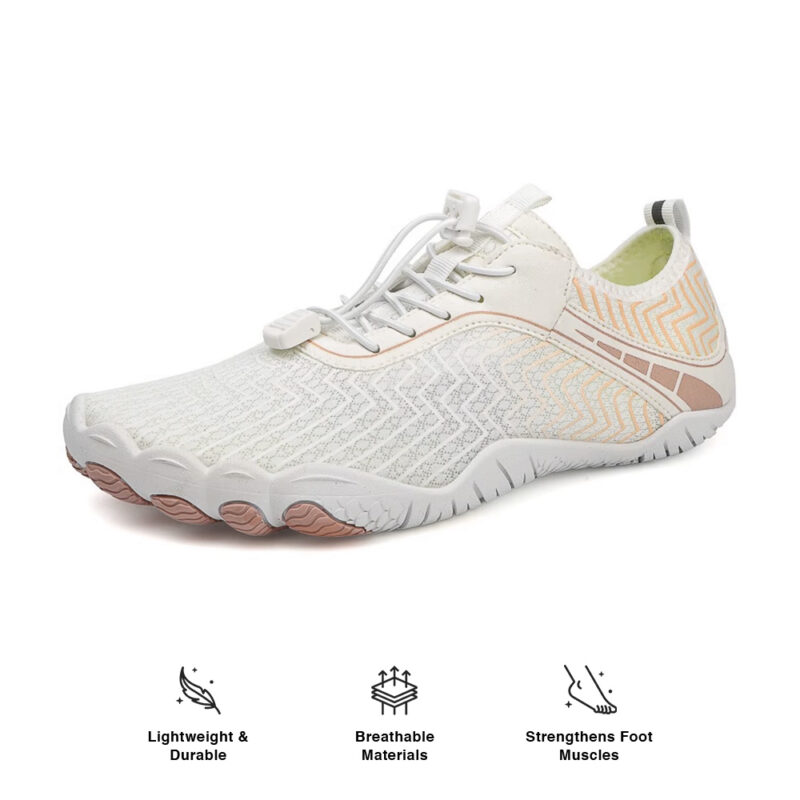
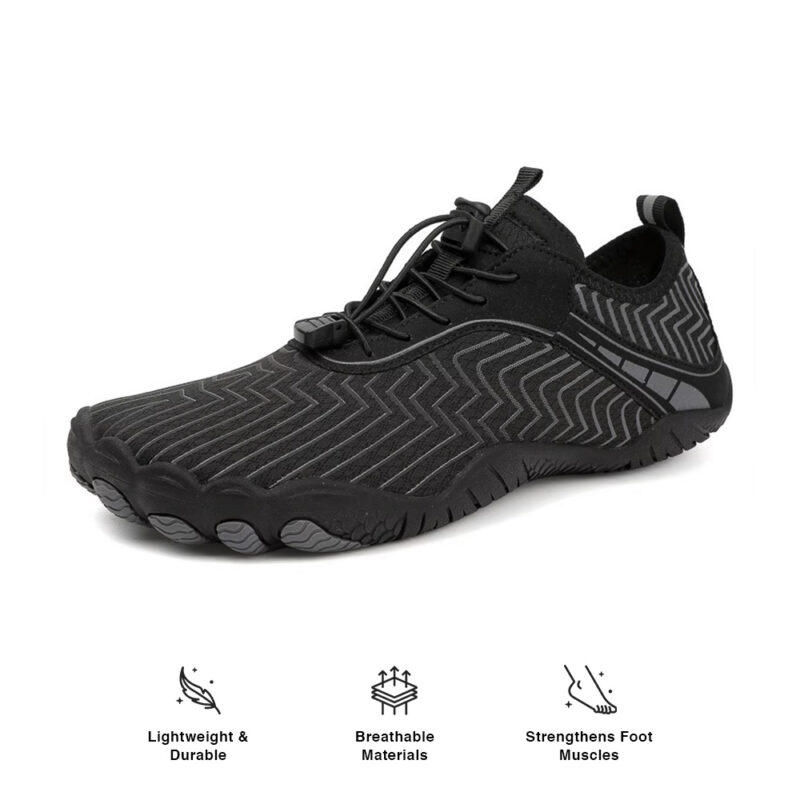
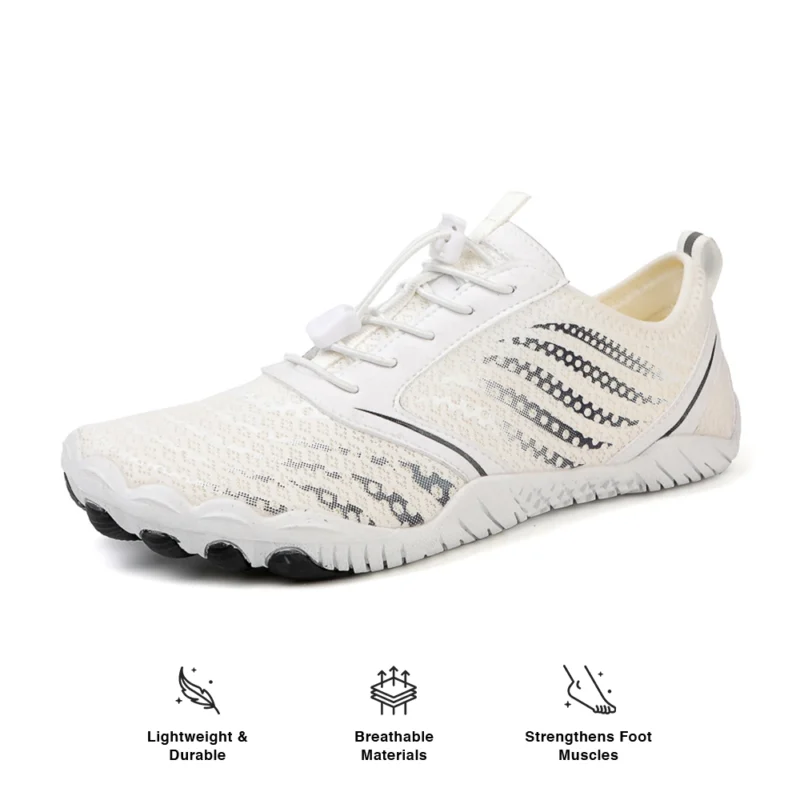
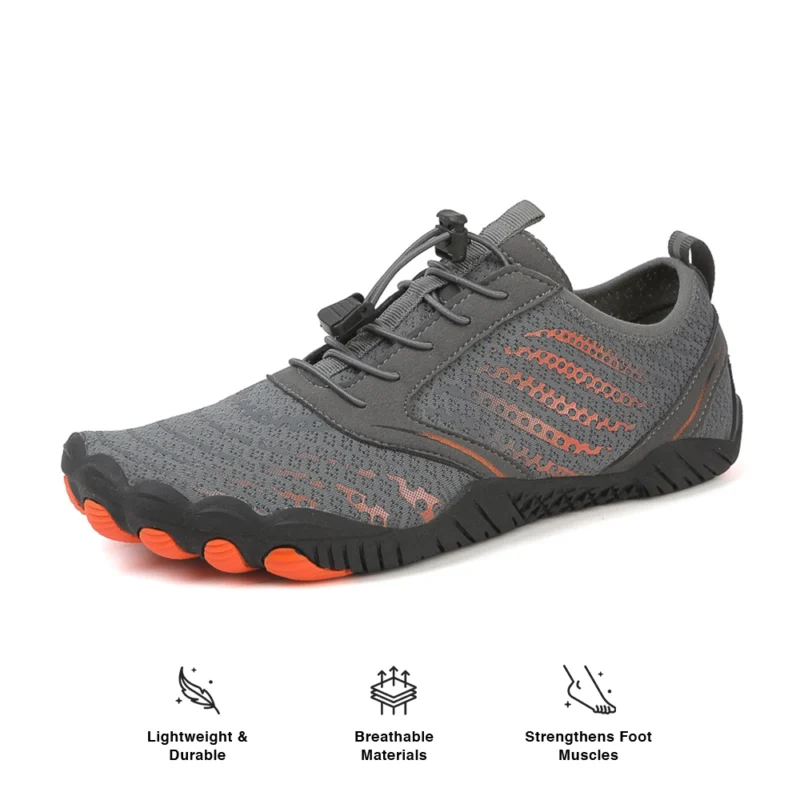
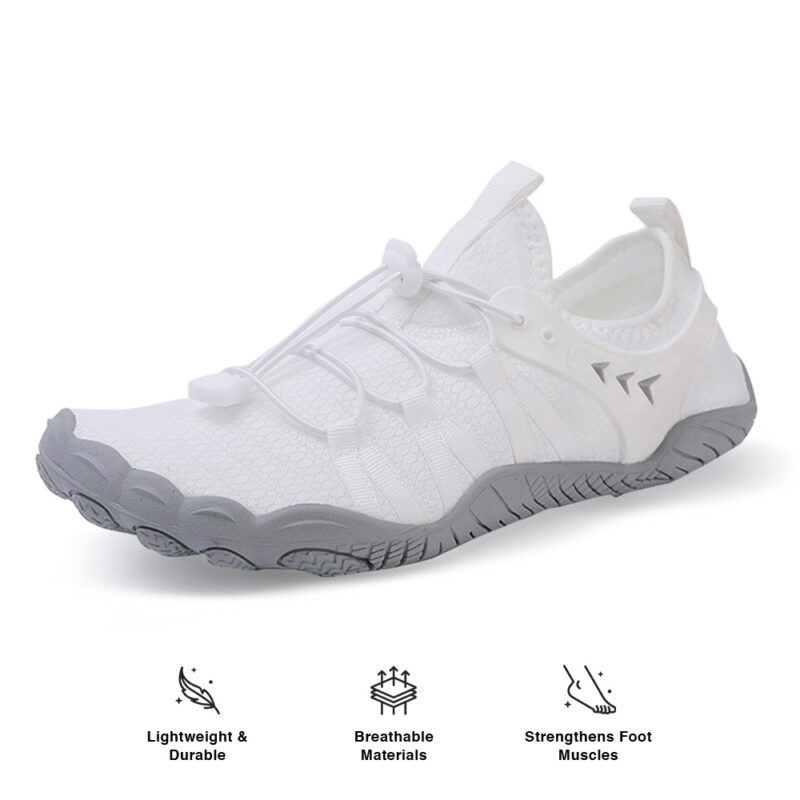
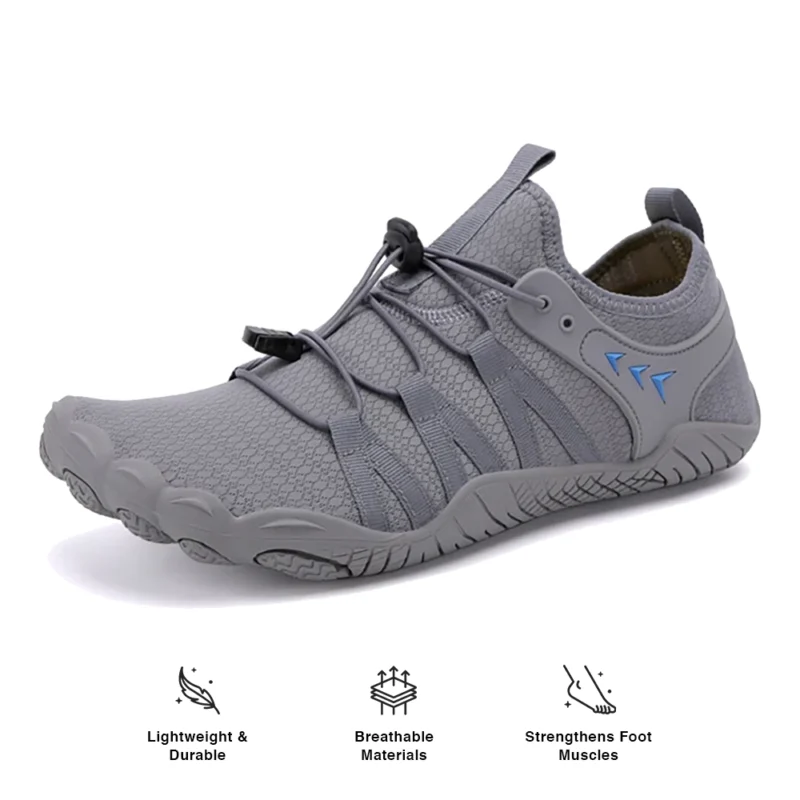
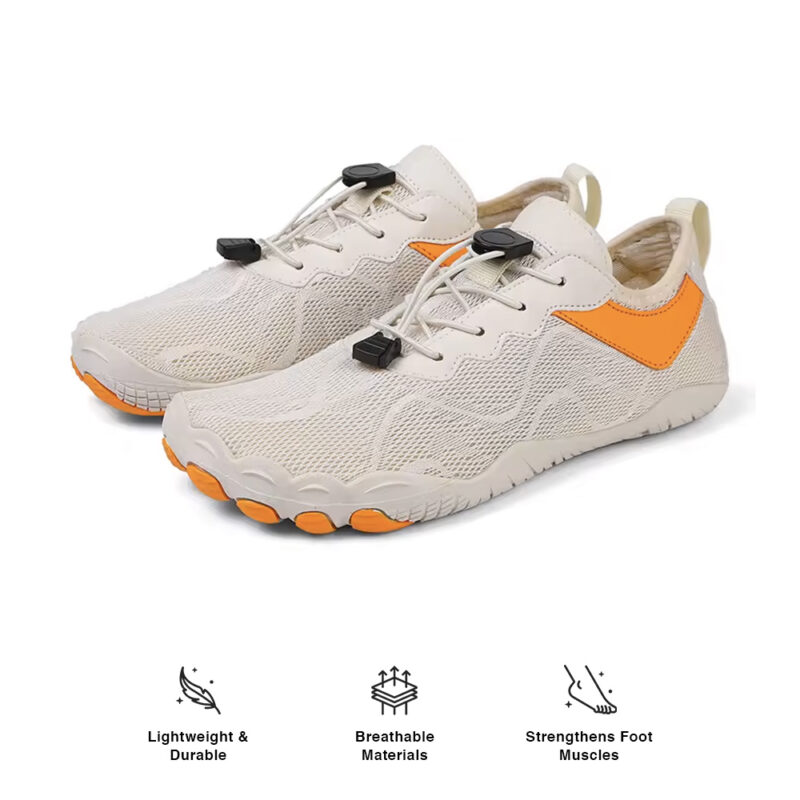
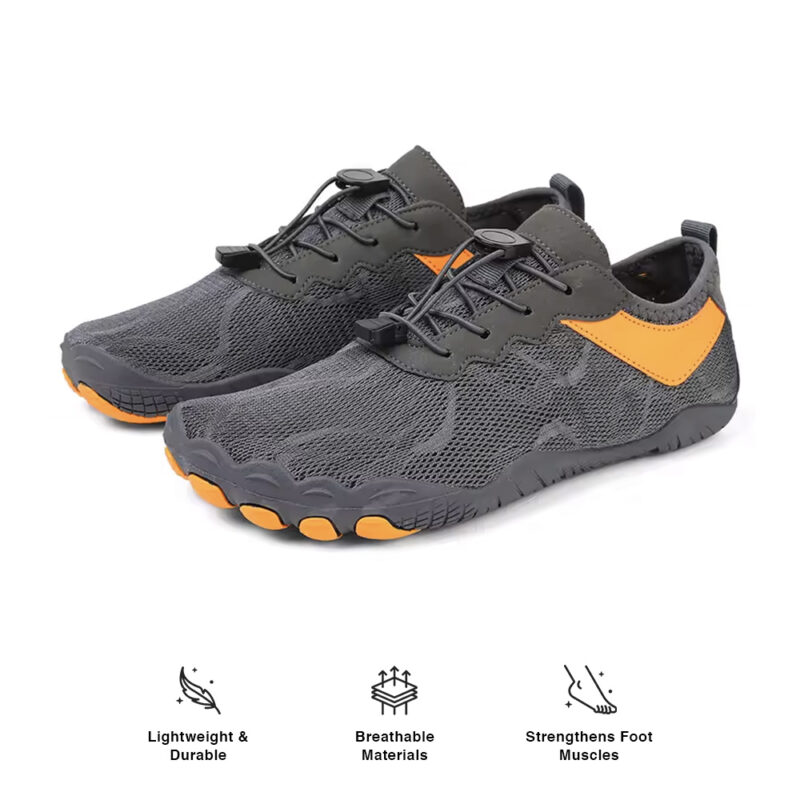
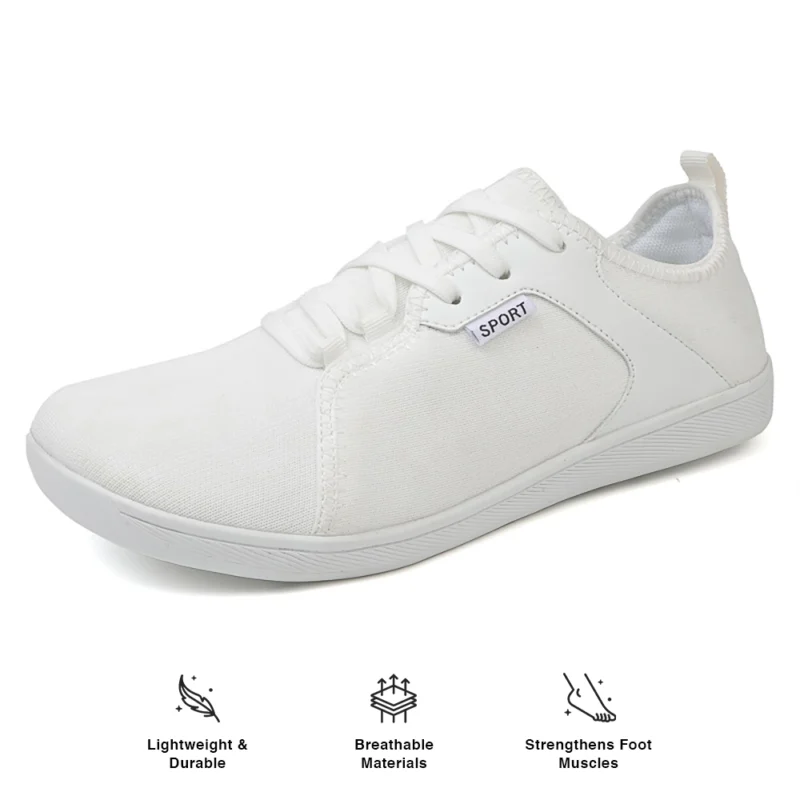
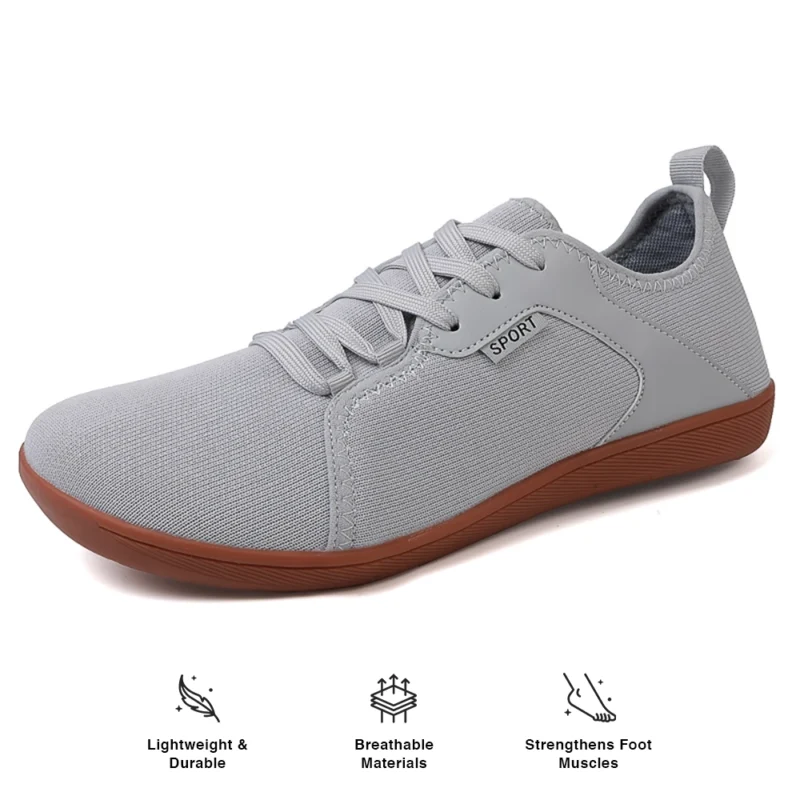
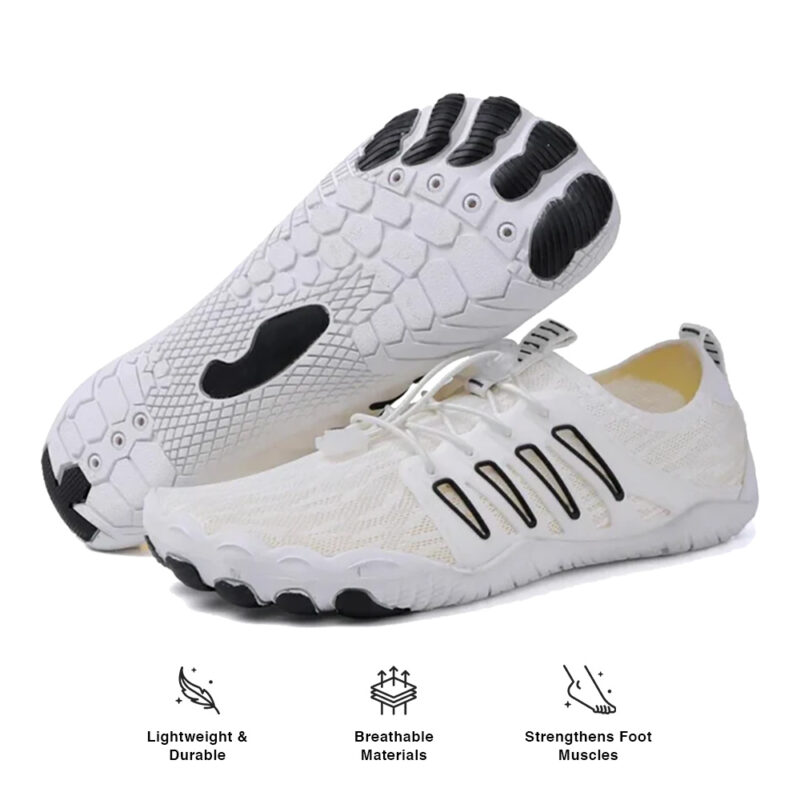
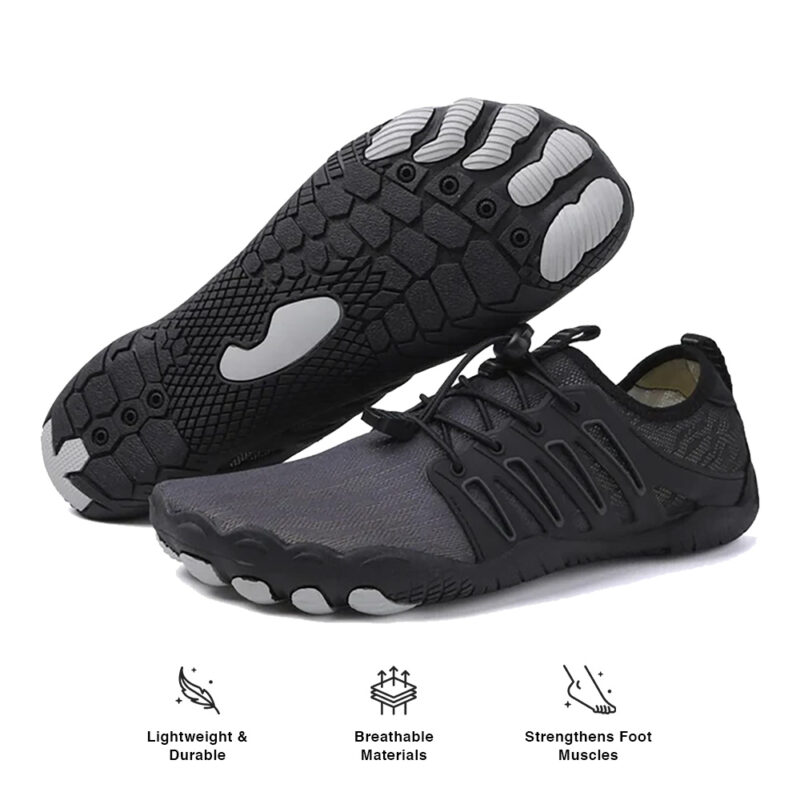
Standing for hours in rigid, restrictive footwear creates a constant battle between your natural foot mechanics and artificial support systems. Your feet contain 26 bones, 33 joints, and over 100 muscles and tendons that work together to provide stability and balance. When you wear the best non slip shoes that allow natural foot movement, these intricate systems can function properly. The thin, flexible soles of minimalist designs let your feet feel surface textures and respond instinctively to changes in terrain. This enhanced ground connection improves your reaction time when you encounter slippery surfaces. Start transitioning gradually to more minimal footwear, beginning with just a few hours at a time to allow your foot muscles to adapt and strengthen.
Surface Grip That Works With Your Natural Balance
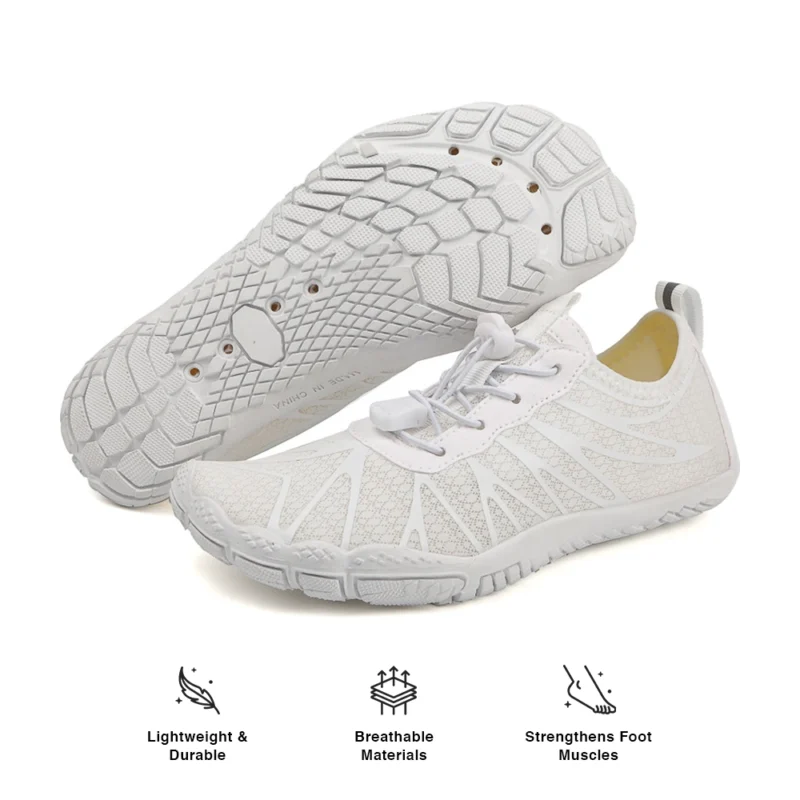
Traditional thick-soled shoes create a disconnect between your feet and the ground, making it harder to detect subtle changes in surface conditions until it's too late. The best non slip shoes combine strategic tread patterns with thin soles that maintain ground feel and natural proprioception. This combination allows you to sense wet spots, uneven surfaces, or debris before your full weight commits to each step. Minimalist designs with effective grip patterns give you the dual advantage of traction technology and enhanced sensory feedback. When shopping for new work shoes, test them on different surfaces in the store and pay attention to how much ground feedback you can feel through the sole.
Breaking Free From the Cushioning Trap
Over-cushioned shoes might feel comfortable initially, but they actually create instability by raising your center of gravity and reducing your foot's ability to make micro-adjustments for balance. Your feet are equipped with thousands of nerve endings that provide crucial stability information to your brain. The best non slip shoes preserve this natural communication system while still providing adequate protection for workplace hazards. Minimalist footwear with firm, responsive soles allows these sensory systems to function optimally, resulting in better balance and reduced slip risk. Look for shoes with just enough sole thickness to protect from sharp objects while maintaining maximum ground connection.
Why Your Lower Back Thanks You for Better Shoes
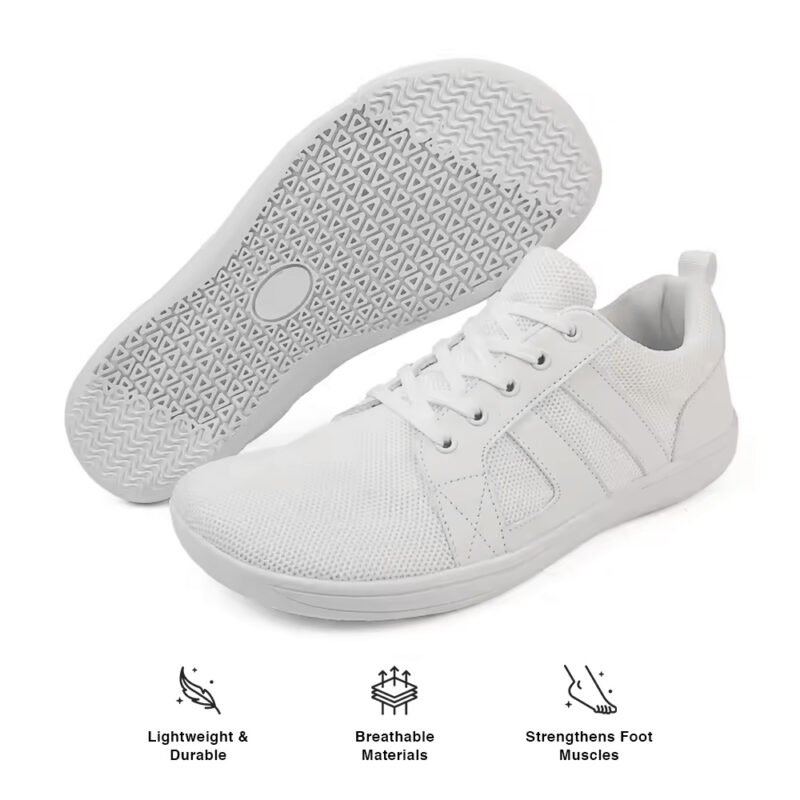
Foot pain and back pain are intimately connected through the kinetic chain that runs from your feet through your entire body. Shoes that force your feet into unnatural positions create compensatory movements that travel up through your ankles, knees, hips, and spine. The best non slip shoes should have wide toe boxes that allow your toes to spread naturally, zero drop from heel to toe, and flexible construction that moves with your foot. These design elements align your body's natural posture and reduce the strain that accumulates over long work shifts. Measure your feet at the end of a work day when they're at their largest, and ensure any new shoes accommodate your foot's natural width and toe splay.
Building Stronger Feet for Long-Term Stability
Weak foot muscles contribute significantly to slip and fall incidents because they can't respond quickly enough to unexpected surface changes. Most traditional shoes actually weaken your feet over time by doing the work your muscles should be doing. The best non slip shoes challenge your foot muscles appropriately, gradually building the strength and responsiveness that creates true stability. Minimalist designs with flexible soles require your feet to engage actively with each step, developing the muscular control that serves as your first line of defense against slips. Incorporate simple foot strengthening exercises into your daily routine, such as toe raises and single-leg balance holds, to accelerate the strengthening process.
The Real Cost of Workplace Foot Injuries
Slip and fall incidents cost employers billions annually, but the personal cost to workers extends far beyond immediate injuries. Chronic foot problems, lower back issues, and reduced mobility can affect your quality of life for years. Investing in the best non slip shoes that support your foot's natural function pays dividends in long-term health and career longevity. Quality minimalist work shoes might cost more upfront, but they often last longer due to their simple, durable construction and can prevent the much higher costs associated with workplace injuries and chronic pain. Calculate the true cost of your footwear by considering replacement frequency, potential medical expenses, and lost work time due to foot-related issues.
Making the Transition to Natural Movement
Switching to minimalist non-slip shoes requires patience and gradual adaptation, especially if you've worn traditional shoes for years. Your feet need time to redevelop strength and proprioception that may have diminished over time. The best non slip shoes for transitioning typically have slightly more protection than pure minimalist designs while still allowing natural foot function. Start by wearing your new shoes for short periods and gradually increasing the duration as your feet adapt. Listen to your body during this process – some muscle fatigue is normal as your feet strengthen, but sharp pain indicates you're progressing too quickly and should slow down the transition.