Why Your Feet Hurt After Long Shifts (And It's Not What You Think)
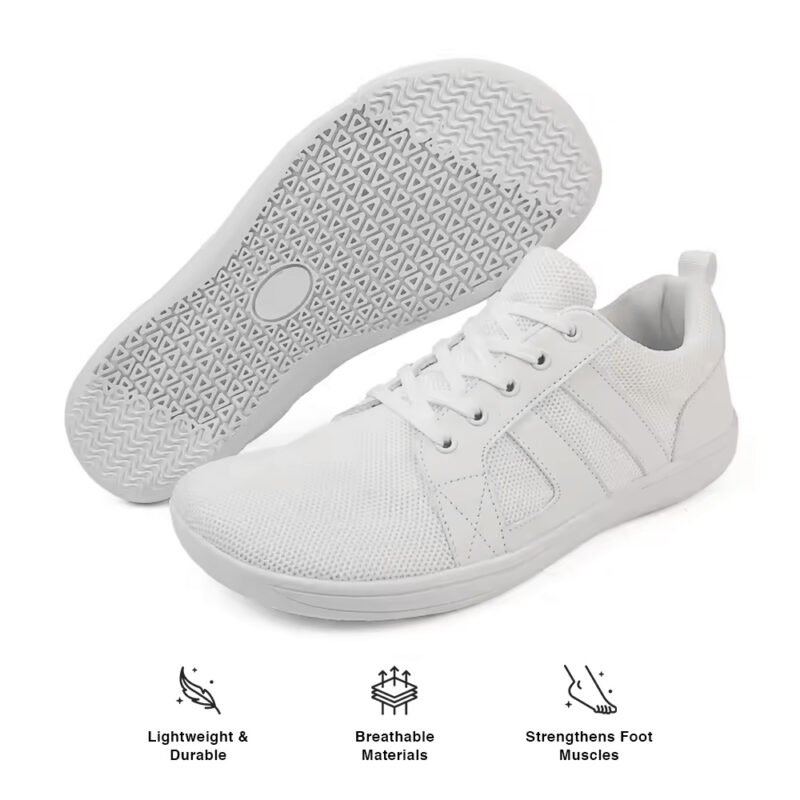
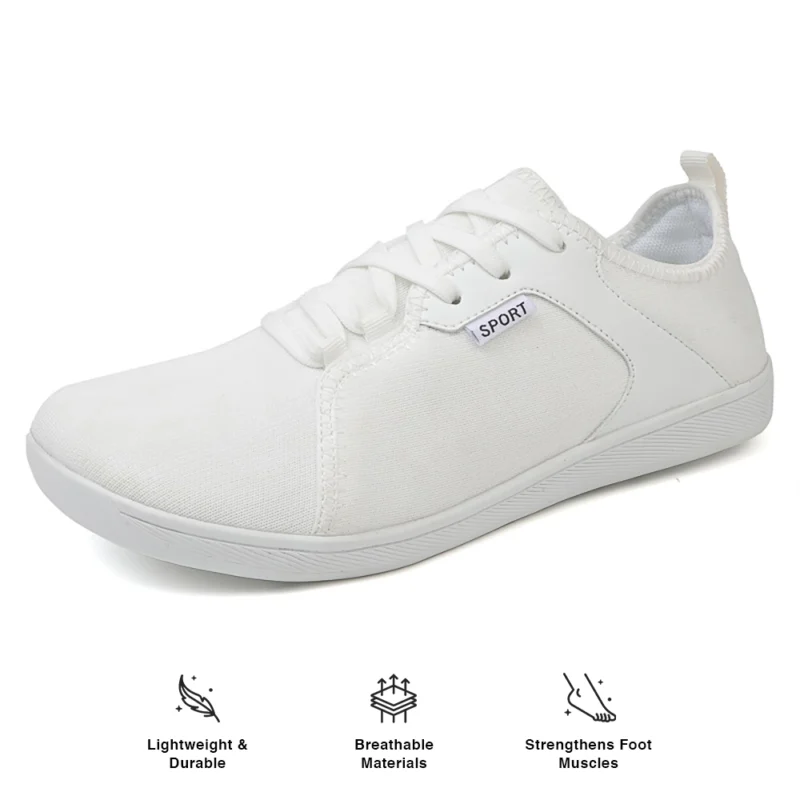
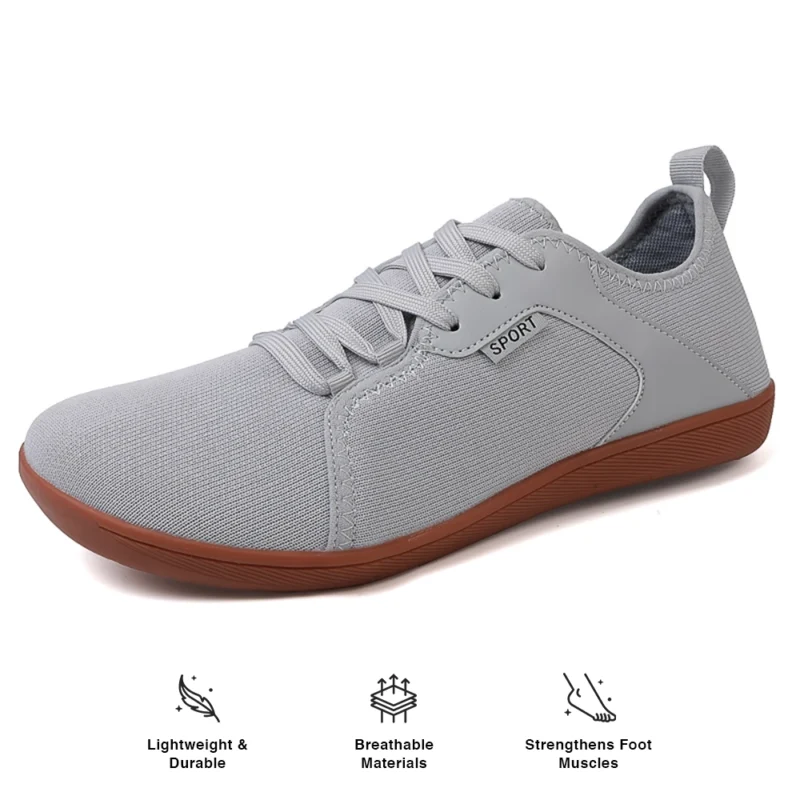
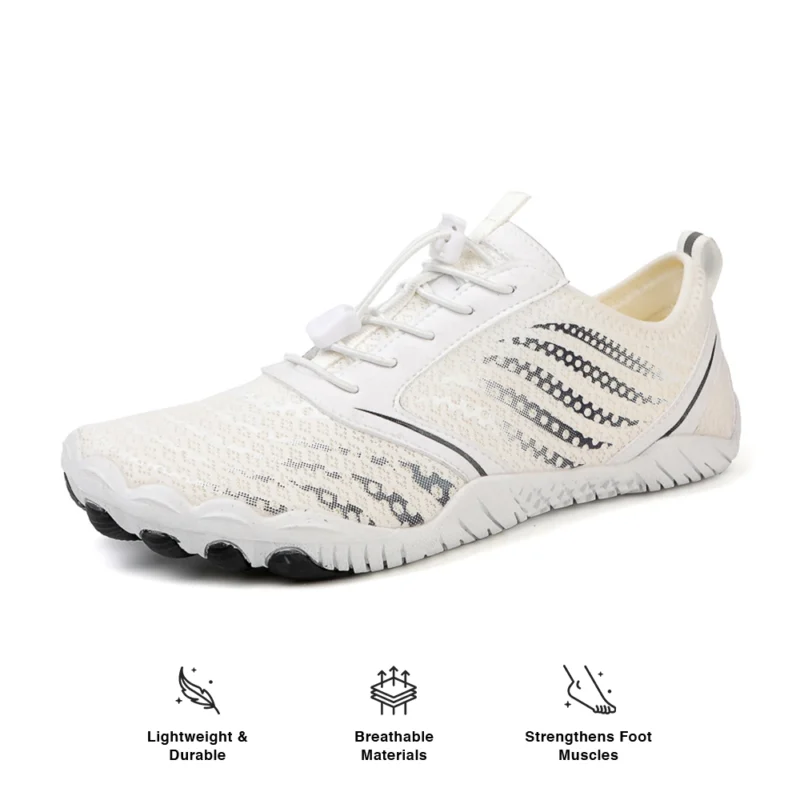
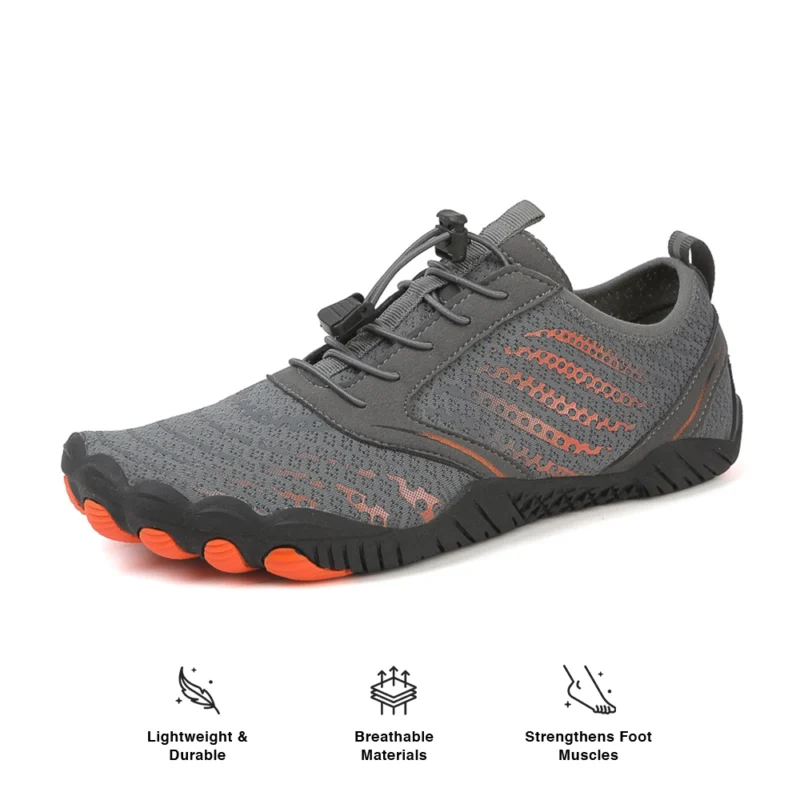
After spending years in conventional nursing shoes, your feet have likely become dependent on artificial support structures that actually weaken your natural architecture. When shoes do all the work for your feet, the intricate network of muscles, tendons, and ligaments begins to atrophy from disuse. The best nurse shoes reverse this process by allowing your feet to engage naturally with each step, gradually rebuilding strength and resilience that translates into all-day comfort. Start your transition slowly, wearing minimalist shoes for shorter periods and gradually increasing duration as your feet adapt and strengthen.
How Ground Connection Transforms Your Energy Levels
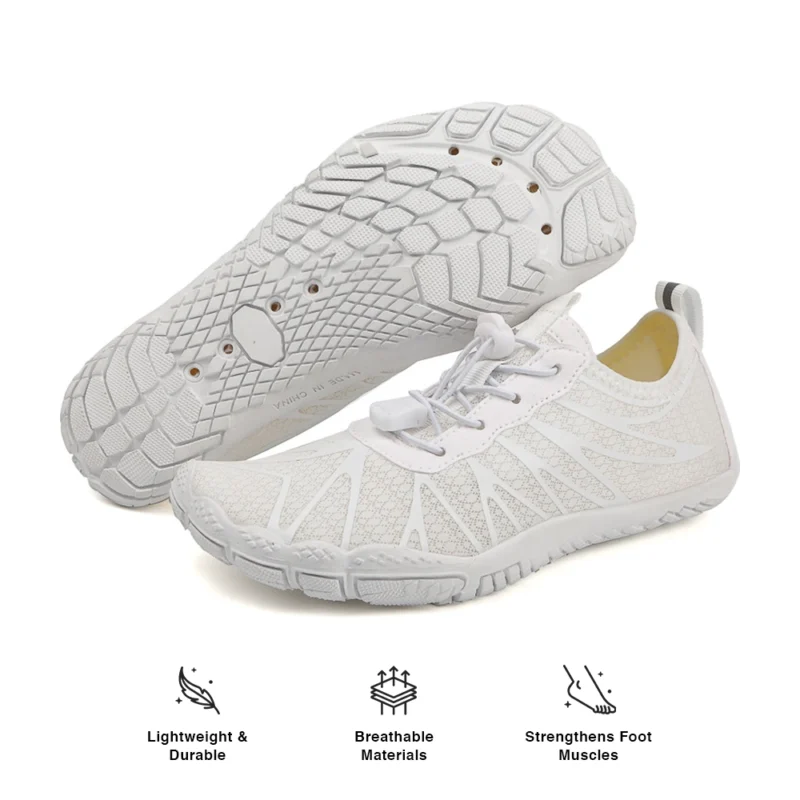
Many nurses report feeling drained and disconnected during long shifts, not realizing their footwear creates a barrier between them and the ground beneath. When you wear the best nurse shoes with thin, flexible soles, you maintain proprioceptive feedback that keeps your nervous system engaged and alert naturally. This ground connection activates subtle stabilizing muscles throughout your legs and core, improving circulation and reducing the fatigue that comes from muscular compensation patterns. Choose nursing shoes with soles thin enough to feel texture differences on various floor surfaces while still providing adequate protection.
The Real Reason Your Back and Knees Ache
Traditional nursing shoes with elevated heels and rigid construction force your body into unnatural alignment, creating a cascade of compensation patterns that travel up your kinetic chain. Your pelvis tilts forward, your spine curves excessively, and your knees bear unnatural stress with every step. The best nurse shoes maintain zero-drop geometry, keeping your heel and forefoot at the same level to preserve your spine's natural curves and distribute weight evenly across your entire foot. Look for shoes with completely flat profiles from heel to toe, allowing your body to maintain its most efficient and pain-free posture throughout your shift.
Why Wide Toe Boxes Matter More Than Comfort Features
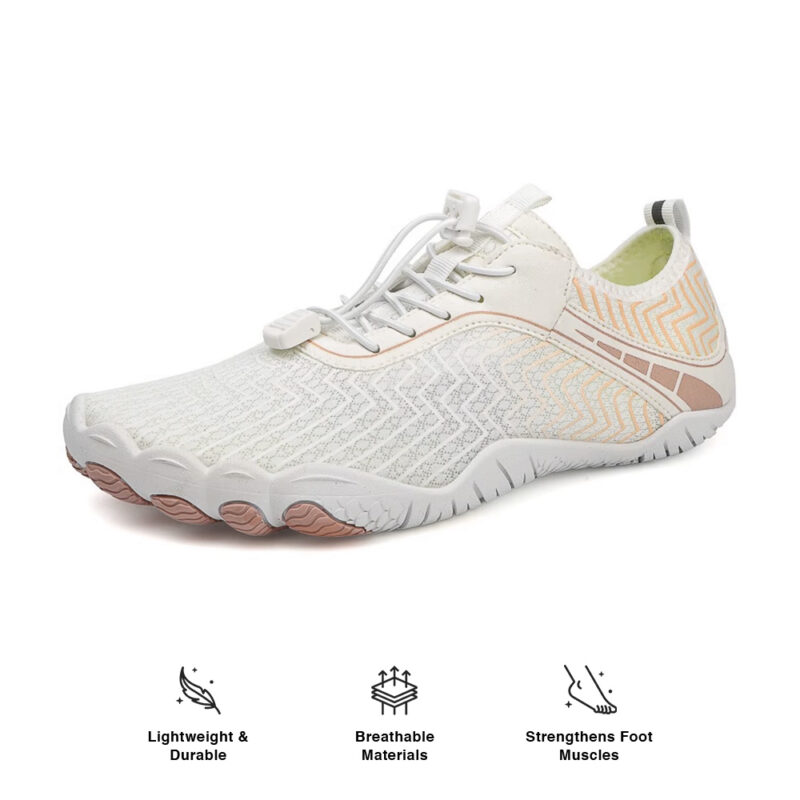
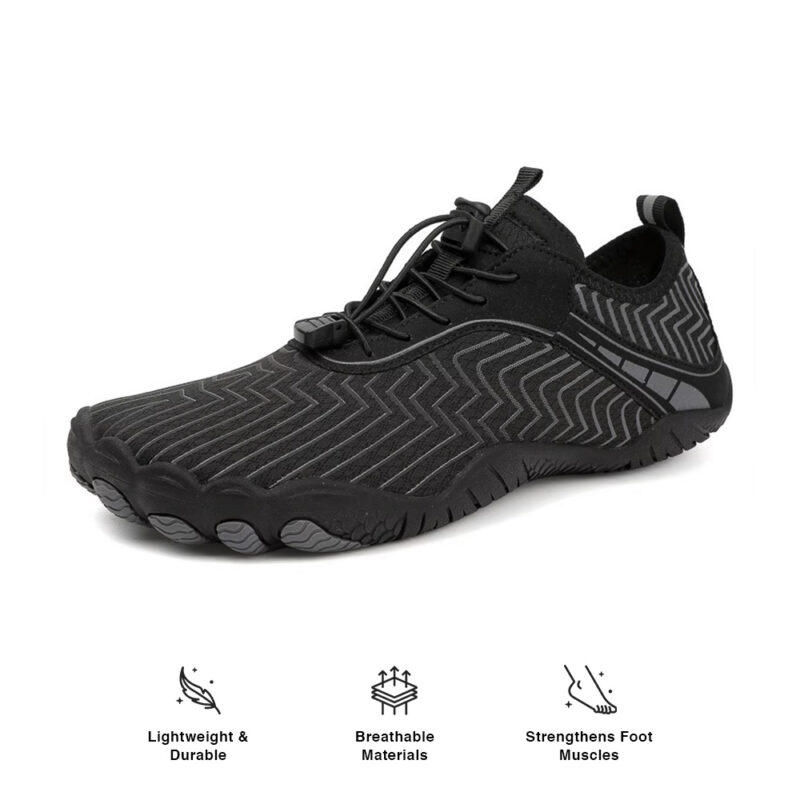
Your toes aren't just passengers along for the ride – they're crucial for balance, stability, and efficient movement patterns that prevent falls and injuries in fast-paced hospital environments. Conventional nursing shoes squeeze your toes into unnatural positions, compromising your ability to respond quickly and maintain stability during emergencies. The best nurse shoes feature toe boxes wide enough for your toes to spread naturally, creating a stable platform that enhances your agility and reaction time. Ensure your nursing shoes allow you to wiggle all five toes freely and maintain natural toe splay even when laced snugly.
Building Foot Strength That Lasts Your Entire Career
Every step in minimalist nursing shoes becomes a mini-workout for the 20+ muscles in each foot, gradually building the strength and endurance needed for long healthcare careers. Unlike traditional shoes that create dependency, the best nurse shoes challenge your feet appropriately, developing resilience that only improves with time and use. Your feet become more capable of handling various surfaces, sudden direction changes, and the unpredictable demands of hospital environments without pain or fatigue. Begin strengthening exercises like toe raises and calf stretches alongside your transition to minimalist footwear to accelerate your progress and prevent injury.
Creating Lasting Comfort Through Movement Freedom
True comfort doesn't come from padding and cushioning that compress and lose effectiveness throughout your shift, but from allowing your feet to move, flex, and function as they were designed. The best nurse shoes provide this comfort through flexible materials that bend with your foot's natural movement patterns, thin soles that maintain ground feedback, and unrestricted space for natural foot expansion that occurs during long periods of standing and walking. Your feet will thank you with sustained energy and comfort that actually improves rather than deteriorates as your shift progresses.
Making the Transition Without Compromising Patient Care
Switching to minimalist nursing shoes requires patience and gradual adaptation, but the process doesn't have to interfere with your ability to provide excellent patient care. Start by wearing the best nurse shoes for shorter shifts or during less demanding days, gradually increasing duration as your feet adapt and strengthen. Pay attention to your body's signals, and don't hesitate to alternate between old and new shoes during the transition period if needed. Most healthcare professionals find that within 2-4 weeks of consistent wear, their minimalist nursing shoes become significantly more comfortable than their previous footwear, with benefits that continue improving over time.