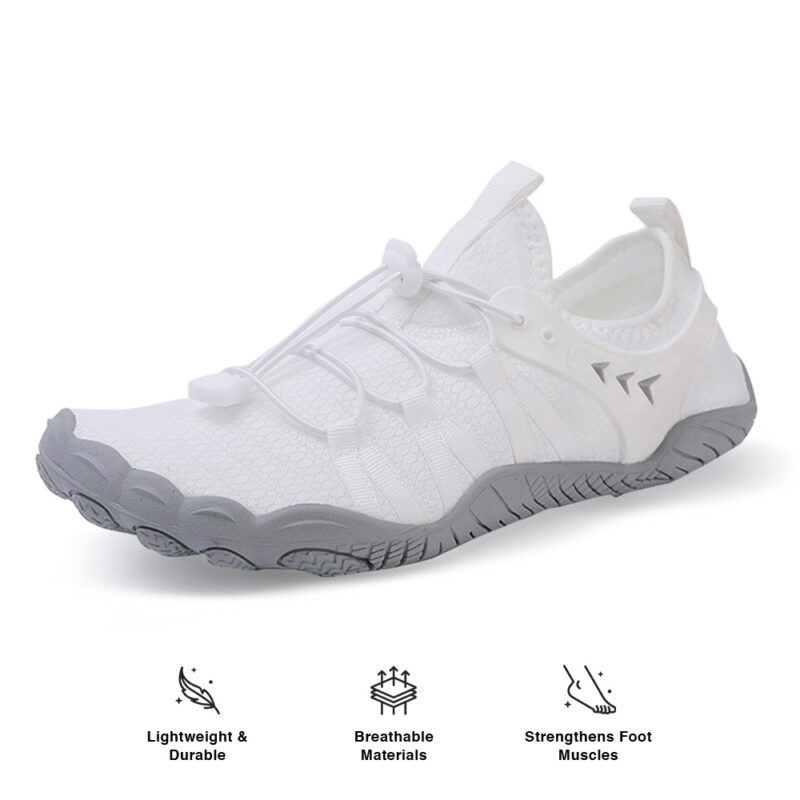
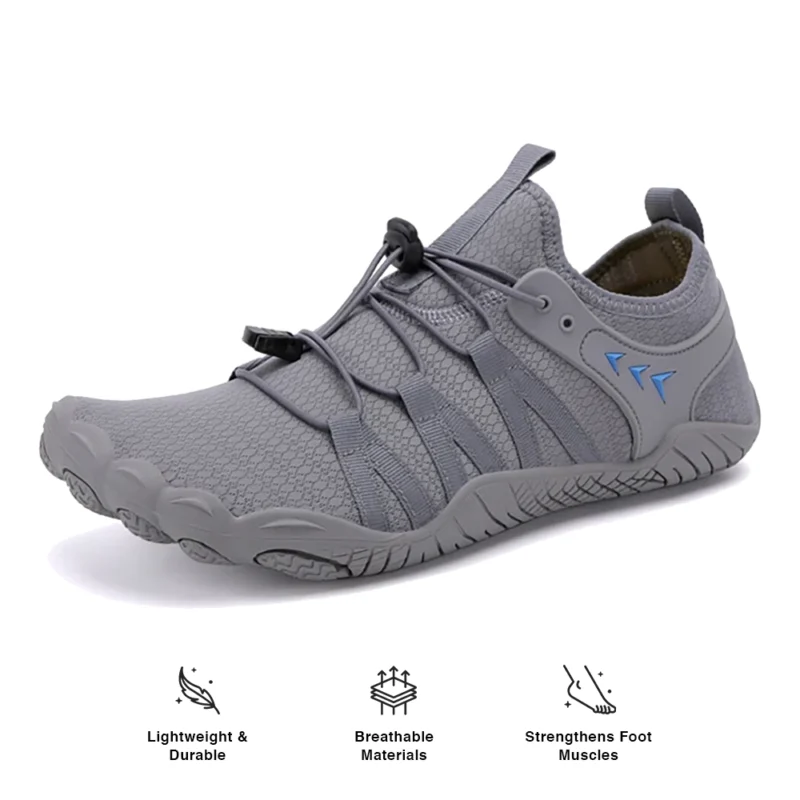
Why Your Feet Go Numb During Long Shifts
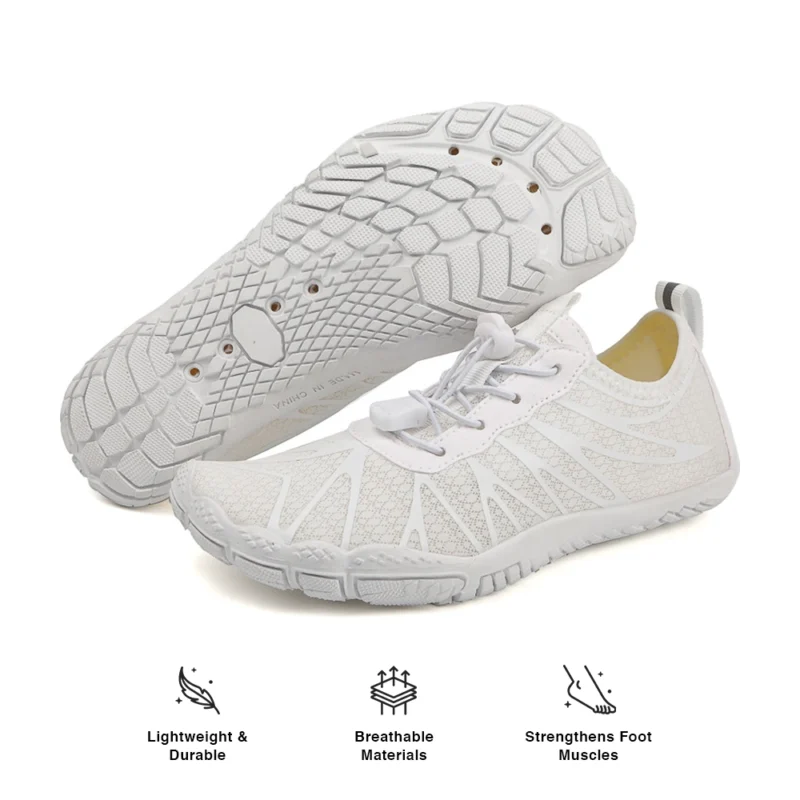
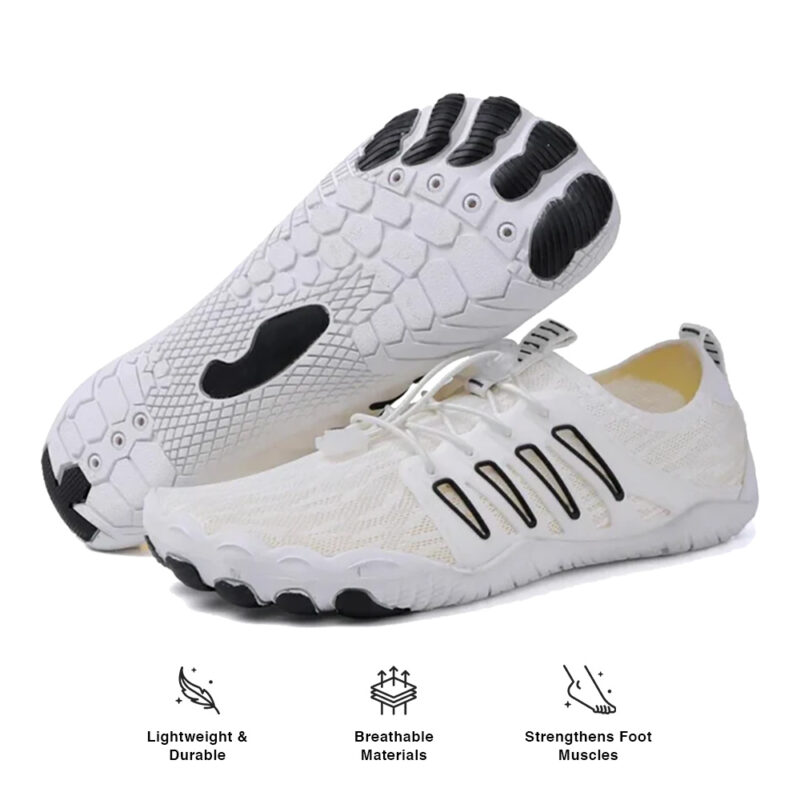
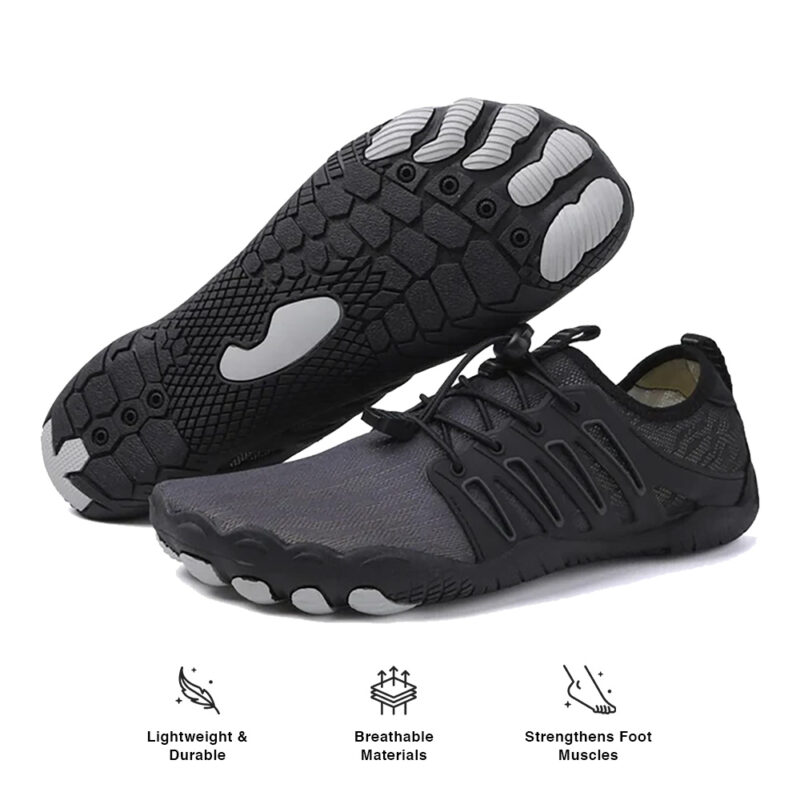
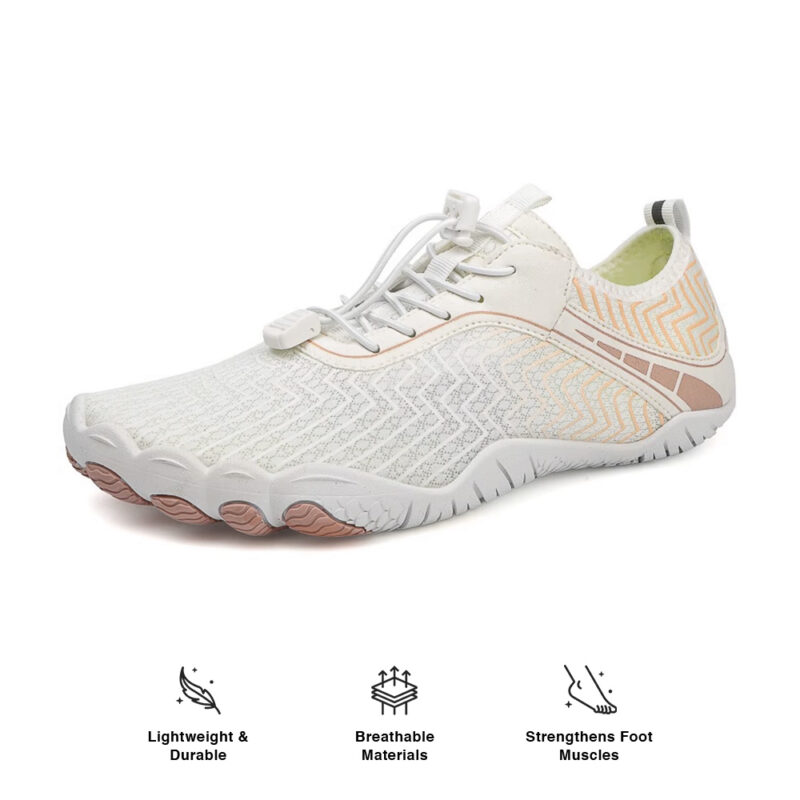
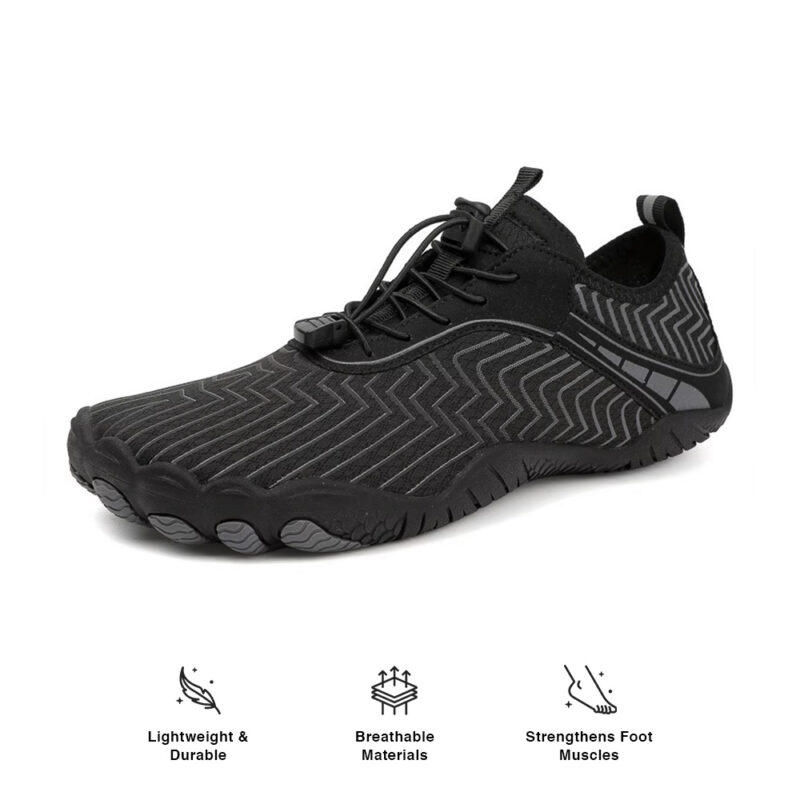
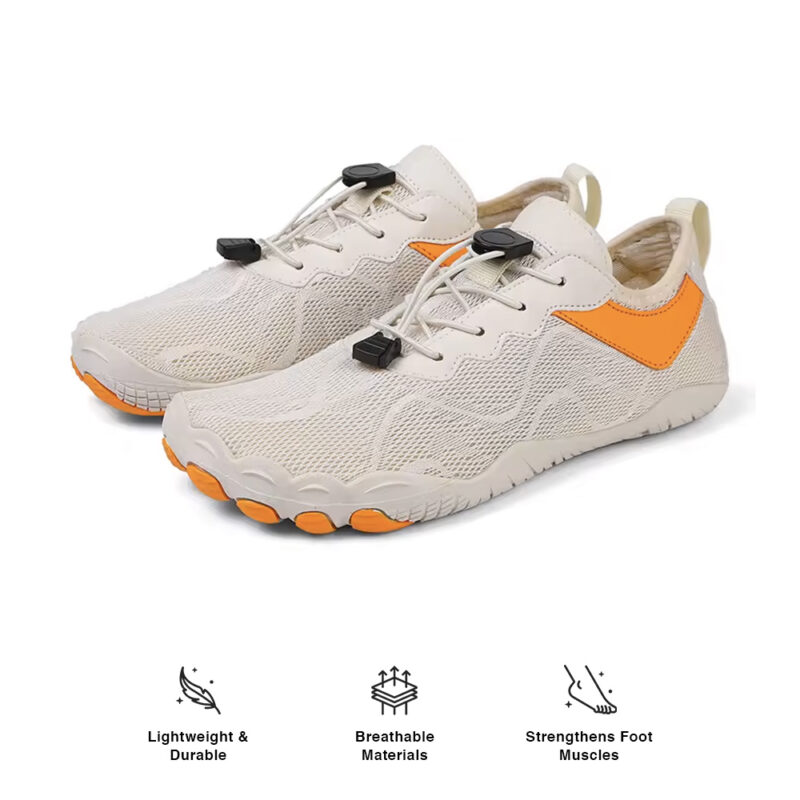
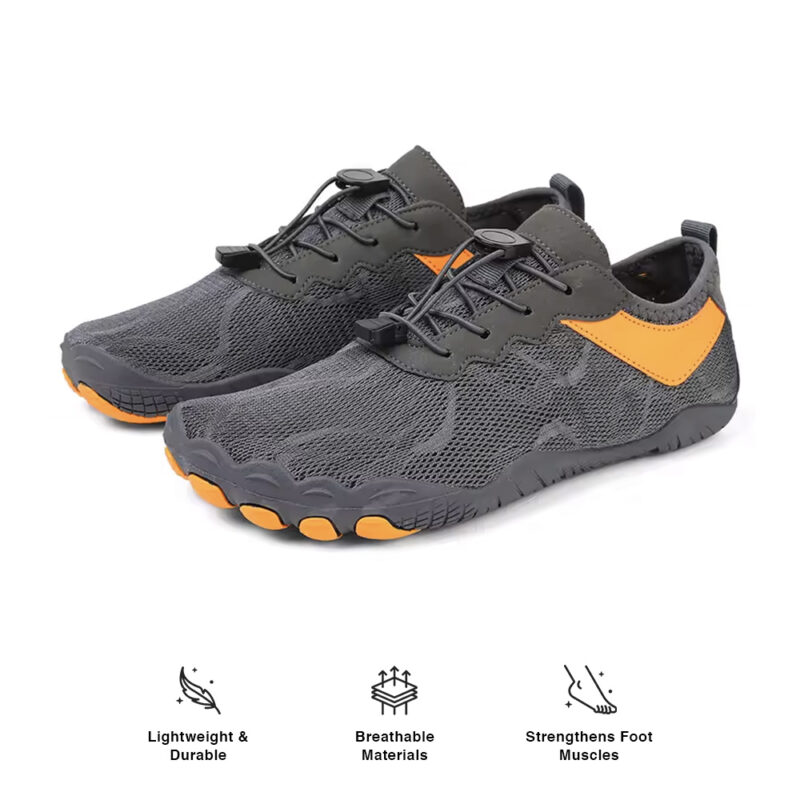
That tingling, burning sensation that creeps up during hour seven of your shift isn't just fatigue – it's your feet crying out for space and circulation. Traditional nursing shoes squeeze your toes together and restrict natural blood flow, creating pressure points that cut off sensation over time. The best nurses shoes feature wide toe boxes that allow your toes to spread naturally, just like they would if you were barefoot on the beach. When your toes have room to move and flex, blood circulation improves dramatically, and that numbness becomes a thing of the past. Make the switch gradually by wearing your new shoes for shorter shifts first, allowing your feet to adapt to their newfound freedom.
Breaking Free from the Arch Support Trap
You've been told that good nursing shoes need strong arch support, but this advice actually weakens your feet over time by doing the work your foot muscles should be doing naturally. When external supports hold up your arches, those muscles become lazy and dependent, creating a cycle where you need more and more support to feel comfortable. The best nurses shoes allow your foot's natural arch to engage and strengthen with every step, building the muscular endurance you need for those marathon shifts. Your arches were designed to be dynamic springs that absorb impact and propel you forward – let them do their job by choosing shoes with flexible, minimal soles that don't interfere with this natural process.
Eliminating Back Pain Through Better Foot Function
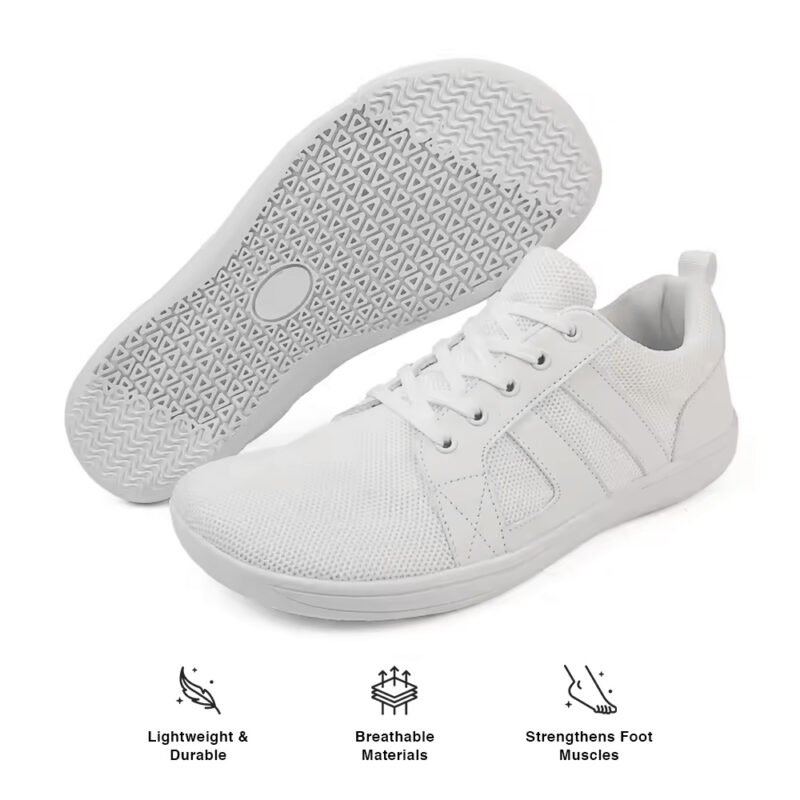
That persistent lower back ache that follows you home after every shift often starts with your feet, not your spine. Thick, cushioned soles create an unstable platform that forces your entire body to work harder to maintain balance, putting extra strain on your back muscles throughout your shift. The best nurses shoes provide ground connection through thin, flexible soles that let your feet feel the surface beneath them and make micro-adjustments for optimal posture. When your feet can properly sense the ground and respond naturally, your body maintains better alignment from the ground up, reducing the compensatory tension that builds up in your lower back. Practice standing on one foot for 30 seconds several times throughout your day to strengthen the stabilizing muscles that thin-soled shoes will help activate.
Temperature Control That Actually Works
Sweaty, overheated feet in plastic-wrapped shoes make long shifts miserable and create the perfect environment for fungal infections and odor. Synthetic materials trap moisture and heat, while thick padding acts like insulation around your feet. The best nurses shoes prioritize breathability through natural materials like leather or canvas, combined with minimal padding that doesn't trap heat against your skin. When your feet can breathe naturally and aren't surrounded by thick foam, they stay cooler and drier throughout even the longest shifts. Choose shoes made from breathable materials and give your feet fresh air breaks whenever possible, even if it's just slipping them off during your lunch break.
Stability Without Stiffness for Unpredictable Surfaces
Hospital floors throw everything at you – wet spots from spilled fluids, transitions between different flooring materials, and the need to move quickly in any direction without warning. Heavy, rigid shoes with thick treads actually make you less stable by creating distance between your feet and the ground, reducing your ability to feel and react to surface changes. The best nurses shoes offer flexibility and ground feel that allow your feet to adapt instantly to whatever surface you encounter, while still providing the grip you need for quick movements. Flexible soles bend with your foot's natural movement, giving you better control and confidence with every step. Strengthen your feet's natural stability by spending a few minutes each day walking barefoot on different textures, even if it's just around your home.
Durability That Matches Your Demanding Schedule
Nursing shoes take a beating – constant walking, exposure to various fluids, and the need to be cleaned regularly – yet most shoes fall apart within months of heavy use. The problem isn't just poor construction; it's that over-engineered shoes with multiple materials and complex cushioning systems have more components that can fail. The best nurses shoes embrace simplicity with high-quality materials, minimal seams, and straightforward construction that stands up to daily abuse. When shoes are designed with fewer complex parts, they're naturally more durable and easier to clean. Look for shoes with seamless or minimal-seam construction and materials that can handle frequent washing without breaking down.
Making the Transition to Foot Freedom
Switching to minimalist nursing shoes after years in heavily cushioned footwear requires patience and a gradual approach, but the long-term benefits make the transition worthwhile. Start by wearing your new shoes for just a few hours during lighter shifts, gradually increasing the time as your feet adapt and strengthen. The best nurses shoes will feel different at first – your feet might feel more aware of the ground, and muscles you haven't used in years will start to wake up. This increased foot activity is exactly what you want; it's your feet remembering how to be feet again. Listen to your body during the transition, take rest breaks when needed, and remember that building natural foot strength is a marathon, not a sprint.