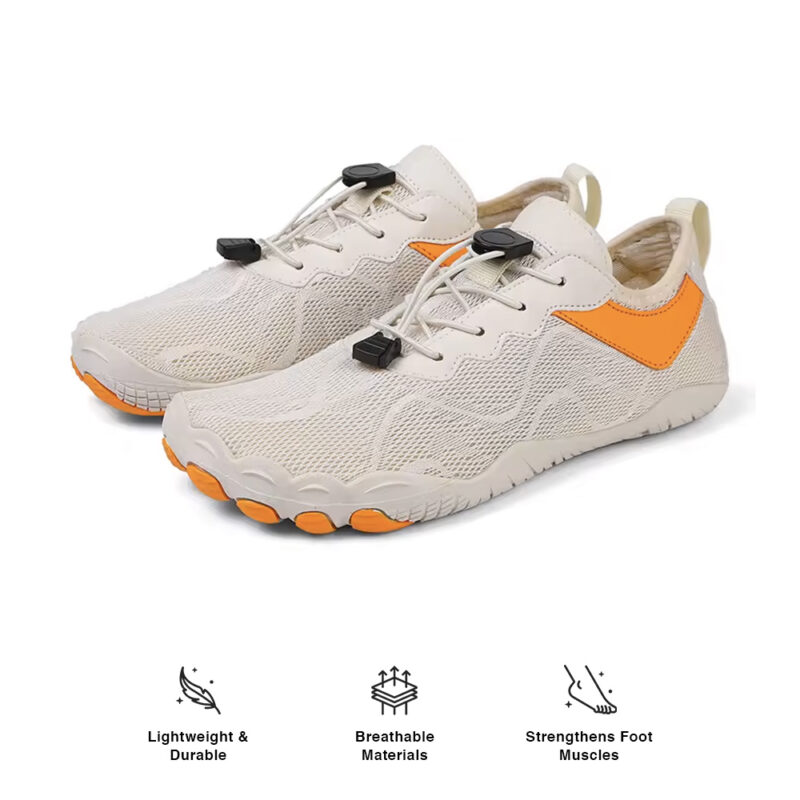
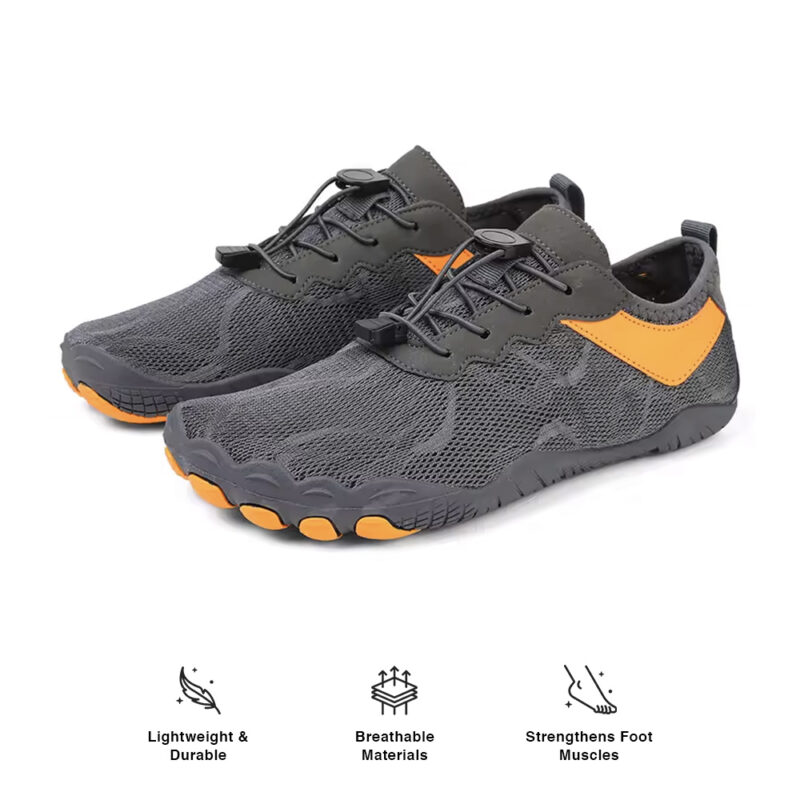
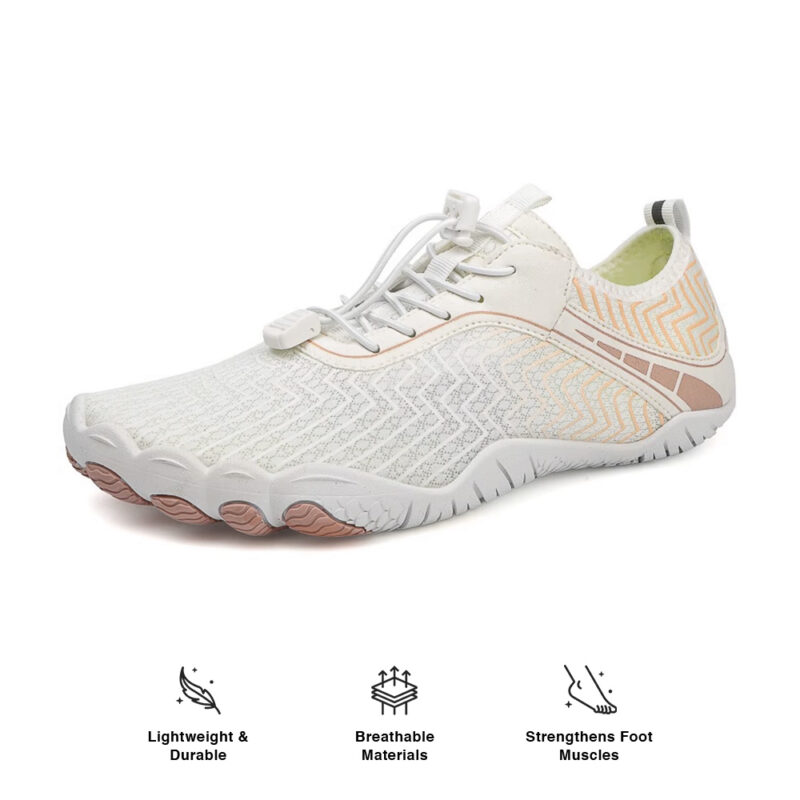
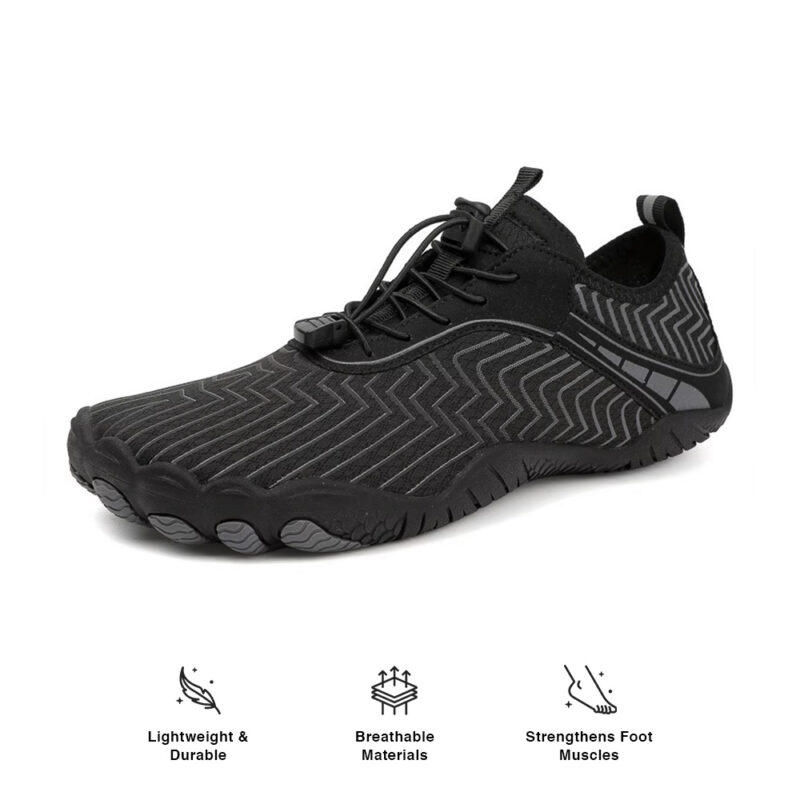
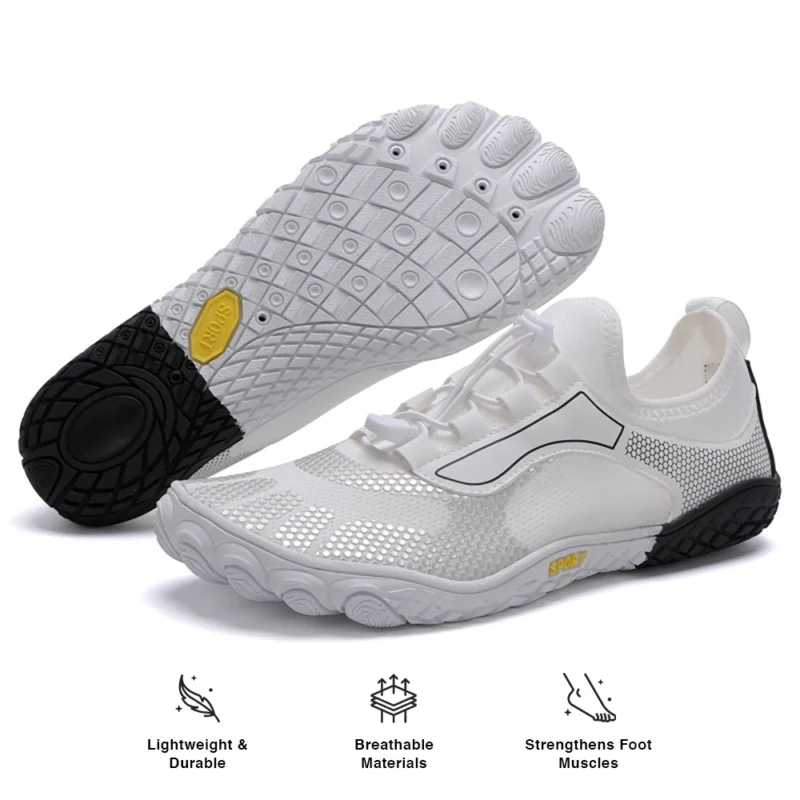
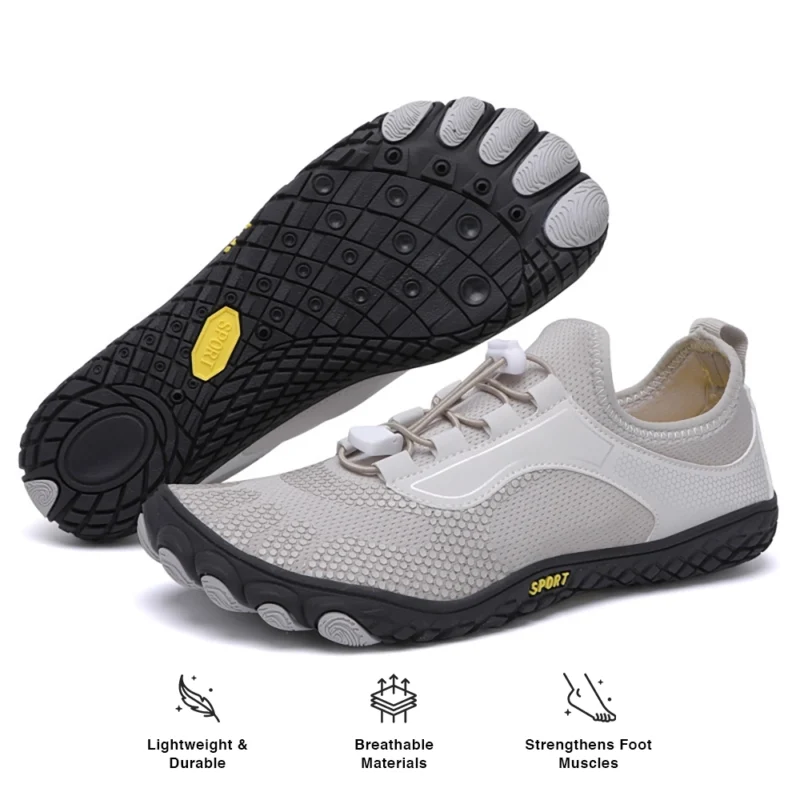
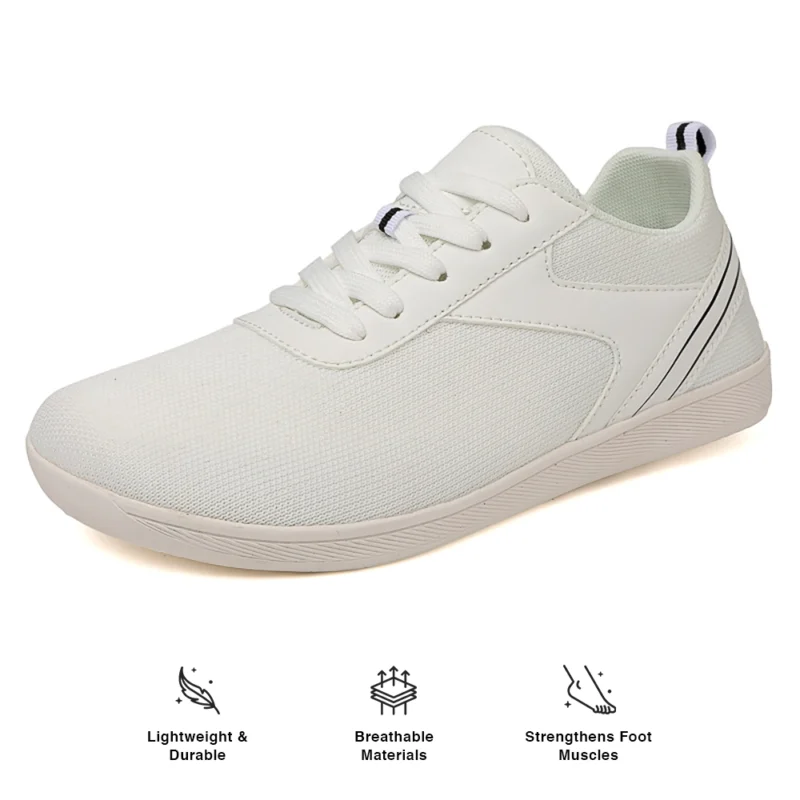
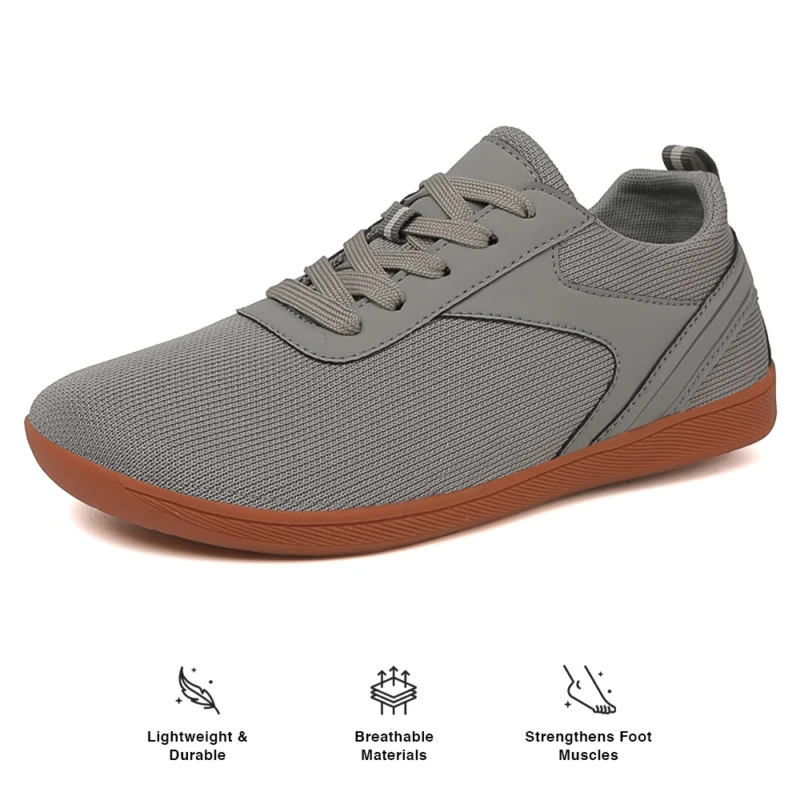
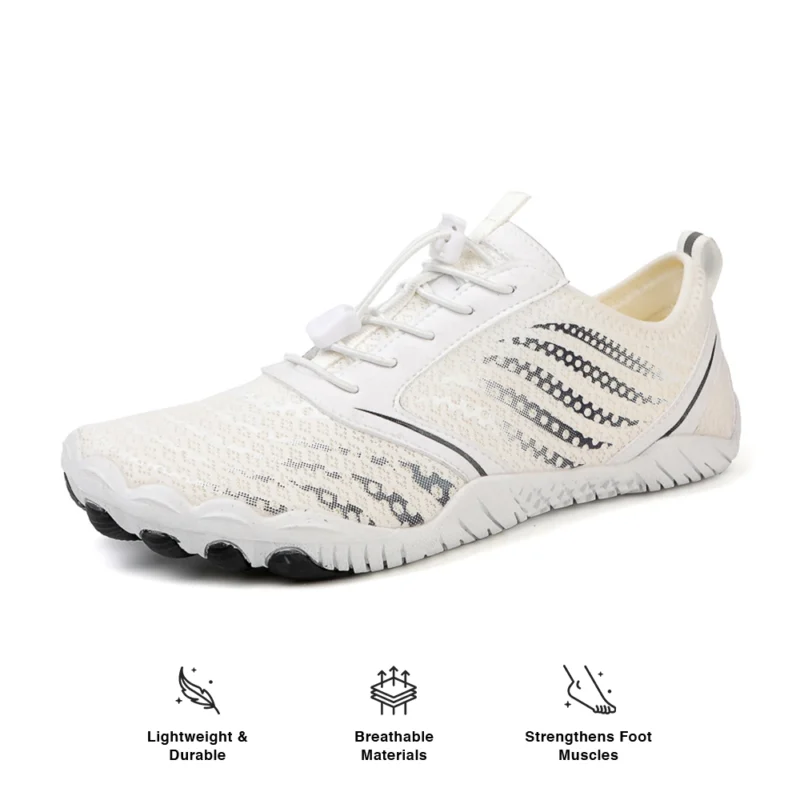
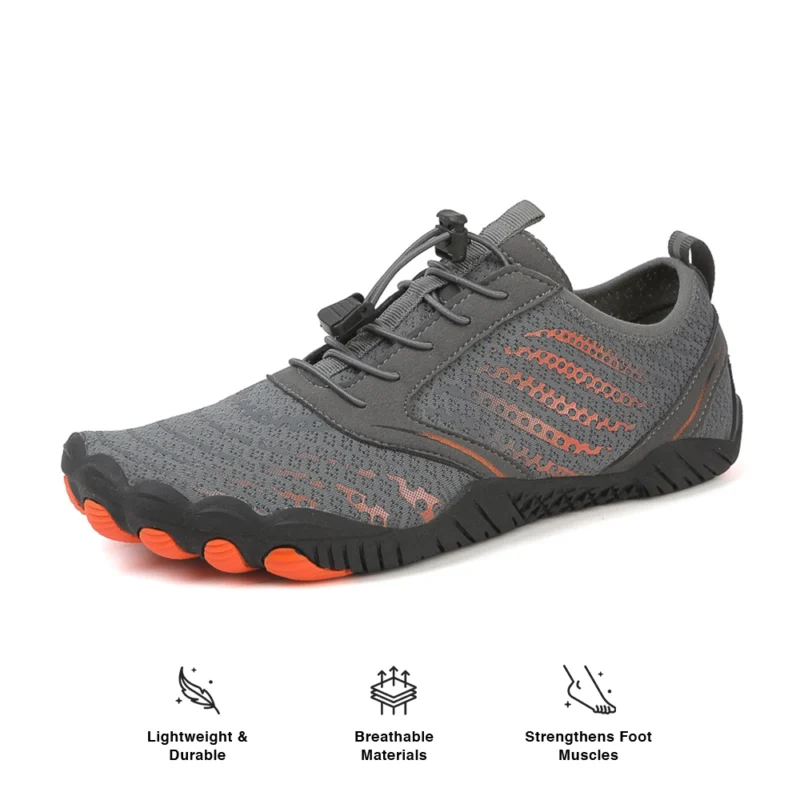
Why Natural Foot Function Matters in Pickleball
The best pickleball shoes support your feet's natural biomechanics rather than replacing them with artificial systems. Your feet contain 26 bones, 33 joints, and over 100 muscles, tendons, and ligaments working together to provide stability and movement. Traditional shoes with excessive support can cause these structures to weaken from disuse, like a muscle that atrophies when immobilized.
Minimalist pickleball shoes allow your feet to engage with the court surface naturally. This enhanced ground connection improves your proprioception – your body's awareness of position and movement in space. Better proprioception means faster reactions to your opponent's shots and more confident movement around the court.
Building Court Strength from the Ground Up
Strong feet create a stable foundation for your entire body during pickleball play. When searching for the best pickleball shoes, consider how the footwear will impact your foot strength development over time. Minimalist designs encourage the small intrinsic muscles of your feet to activate with each step, gradually building strength and endurance.
This strength development has practical benefits on the court. Stronger feet mean better push-off power for quick starts and stops. Enhanced foot flexibility allows for smoother weight transfers during shots. The cumulative effect is improved agility and reduced fatigue during extended play sessions.
Selecting Features That Enhance Natural Movement
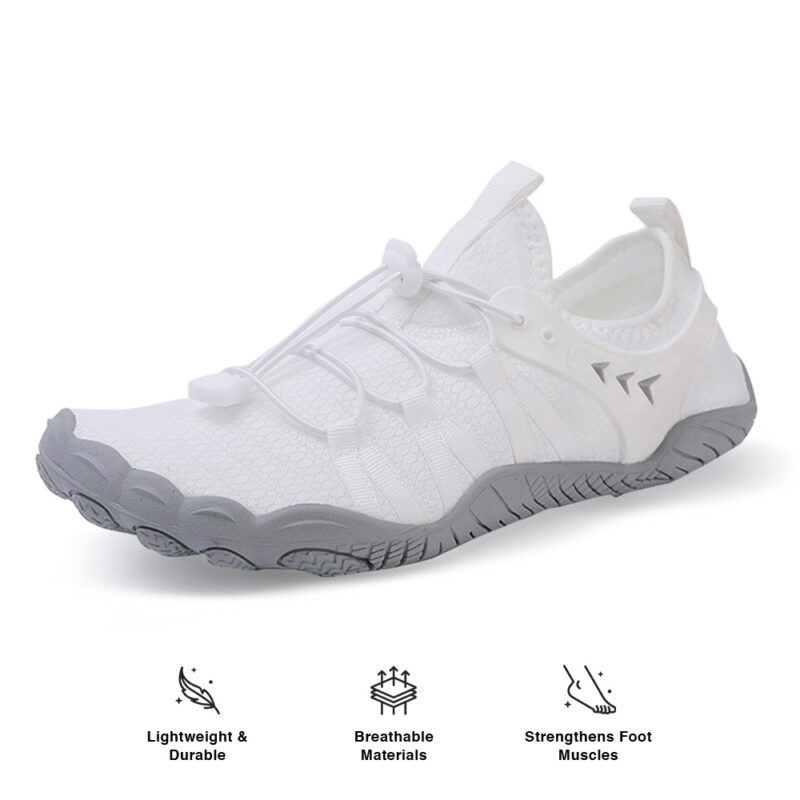
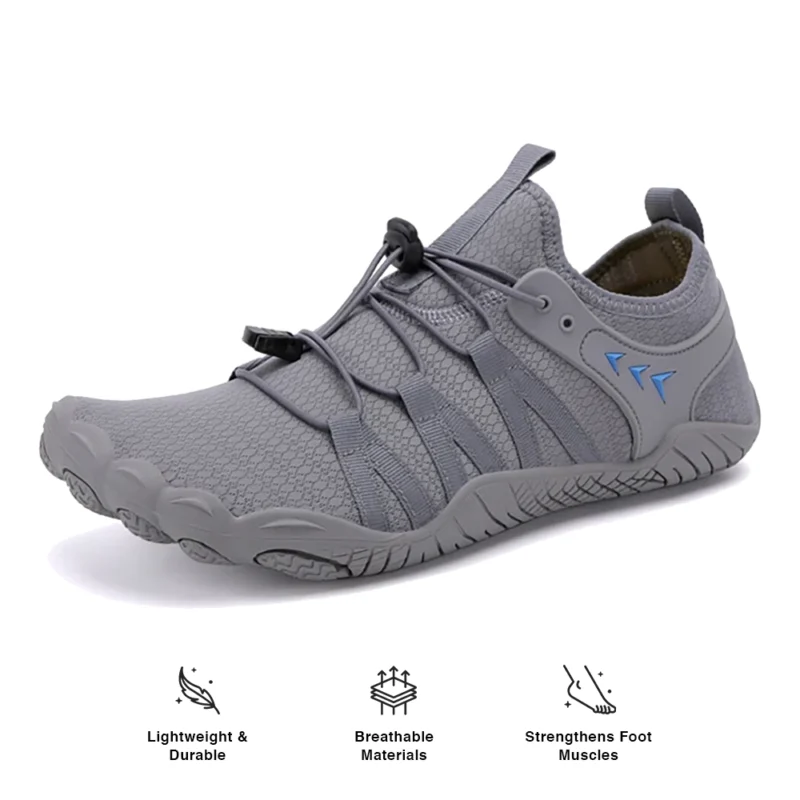
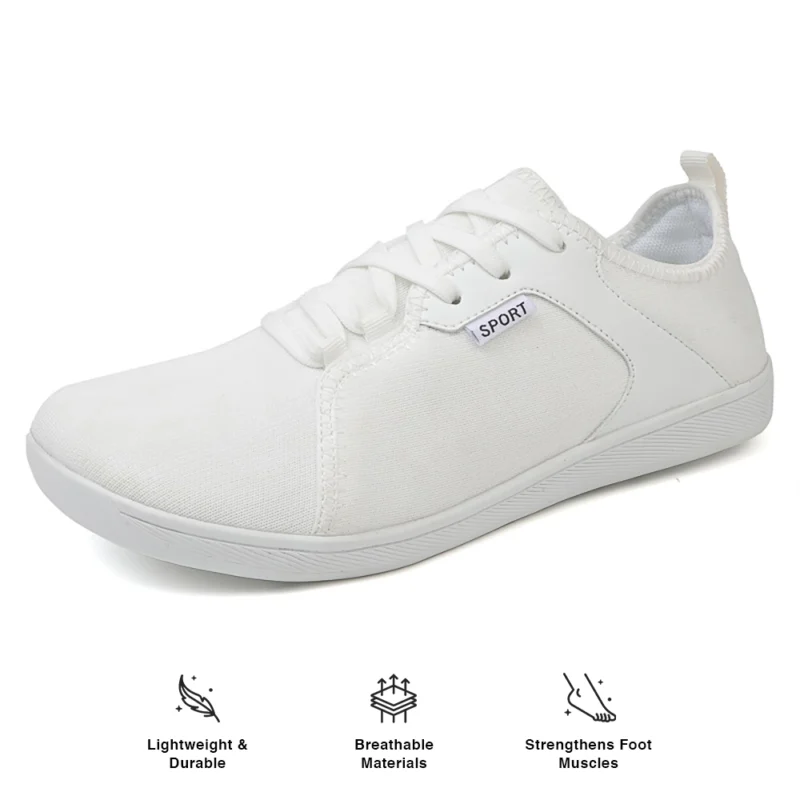
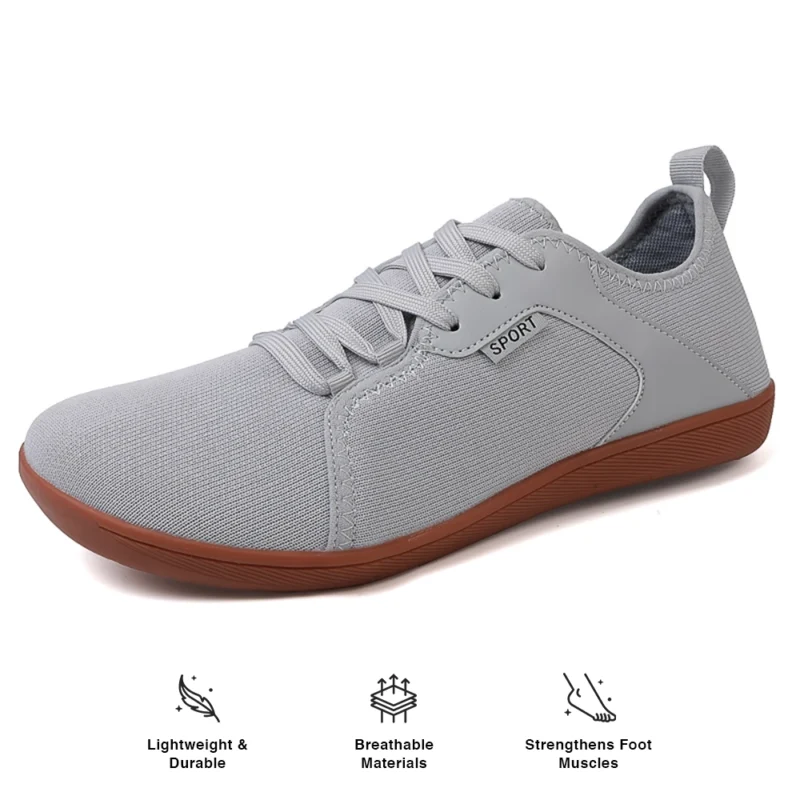
The best pickleball shoes prioritize flexibility and ground feel over rigid structure. Look for shoes with thin, flexible soles that allow your feet to bend naturally. A wide toe box gives your toes room to spread for better balance and stability during lateral movements common in pickleball.
Zero-drop construction – where the heel and toe are at the same height – promotes better posture and more efficient movement patterns. This design encourages midfoot and forefoot landing, which naturally engages your body's shock-absorption systems more effectively than heel-first impacts.
Transitioning Smart: Your Path to Minimalist Court Play
Moving to minimalist pickleball shoes requires a thoughtful transition approach. Your feet may have adapted to traditional footwear over many years, so sudden changes can cause discomfort or injury. Start by wearing your new shoes for short practice sessions, gradually increasing duration as your feet adapt.
Listen to your body during this transition period. Some initial muscle soreness in your feet and calves is normal as previously underused muscles begin working again. However, sharp pain or persistent discomfort indicates you may be progressing too quickly.
Performance Benefits You'll Actually Feel
Players who make the switch to the best pickleball shoes – those prioritizing natural foot function – often report improved court awareness and quicker reactions. This isn't surprising when you consider how much sensory information your feet provide when they're not isolated by thick cushioning.
Enhanced proprioception leads to better anticipation of ball placement and more confident movement during fast exchanges at the net. The improved ground connection also helps with power generation, as you can more effectively transfer energy from the ground up through your kinetic chain.
Long-Term Foot Health Considerations
Investing in the best pickleball shoes means thinking beyond immediate comfort to long-term foot health. Minimalist footwear supports your feet's natural arch structure through muscle engagement rather than artificial props. This active support system grows stronger with use, unlike passive arch supports that can lead to dependency.
Better foot health translates to fewer common issues like plantar fasciitis, bunions, and toe deformities. When your feet can function naturally, they're better equipped to handle the demands of an active lifestyle both on and off the pickleball court.