Why Your Feet Hurt More After Each Run
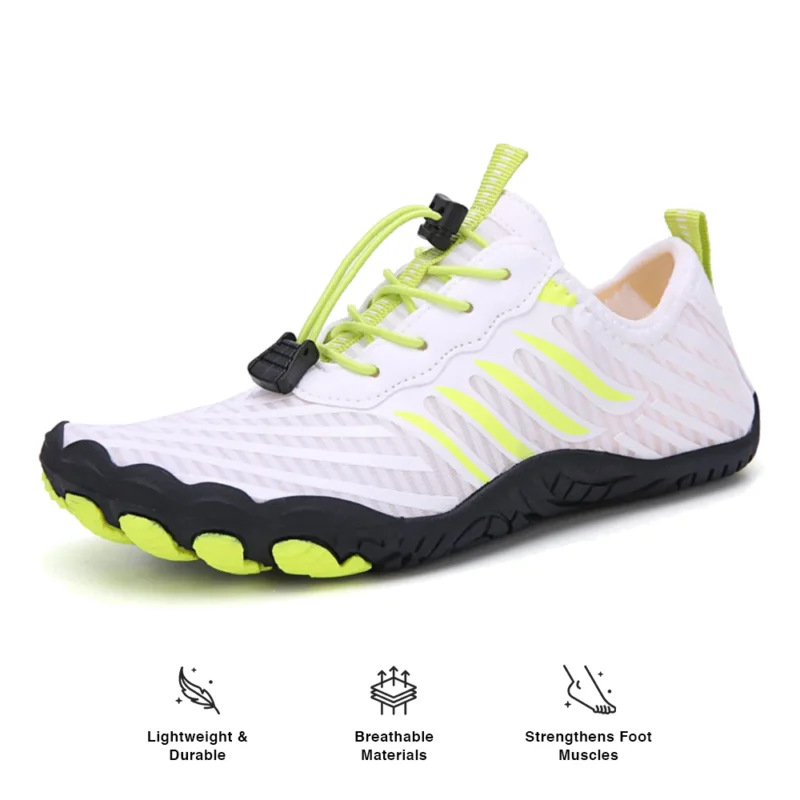
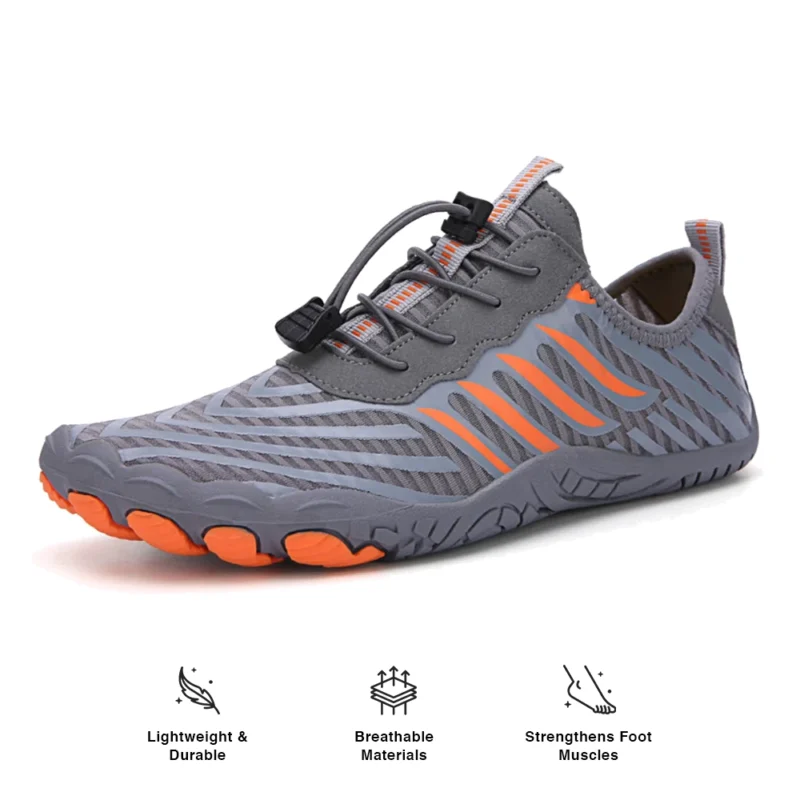
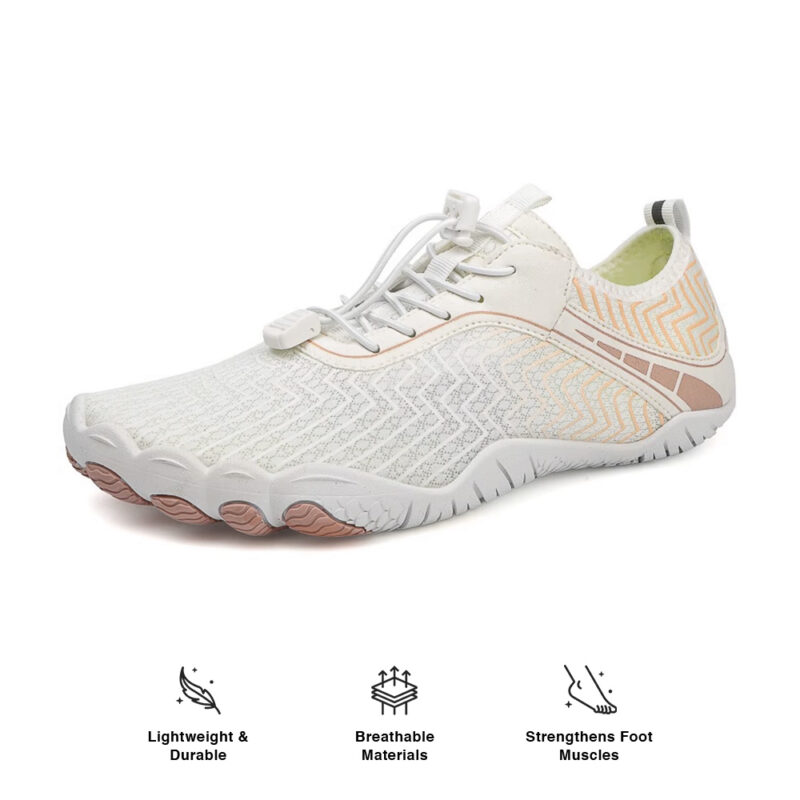
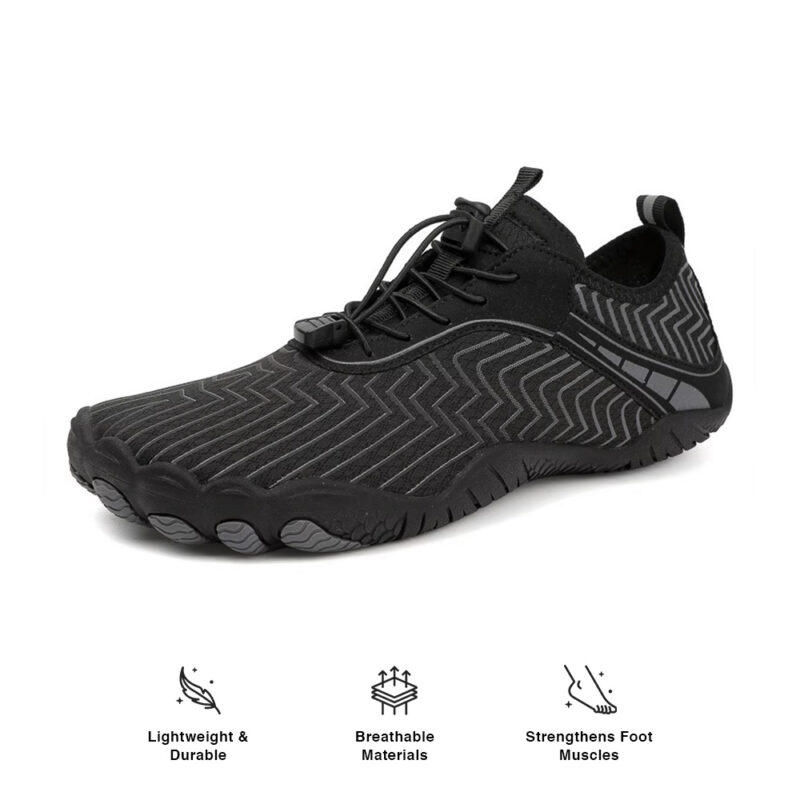
That familiar ache in your arches and the stiffness in your calves after a run isn't just "normal wear and tear"—it's your body telling you that something fundamental is wrong with your footwear approach. Traditional running shoes create a dependency cycle where thick cushioning actually weakens your natural shock absorption system, forcing your feet to work harder with each step while providing less stability. The best rated shoes for running prioritize natural foot function over artificial cushioning, allowing your feet's natural spring mechanism to absorb impact efficiently. Start your transition gradually by walking in minimalist shoes for short periods before incorporating them into your running routine.
Breaking Free from the Expensive Shoe Replacement Cycle
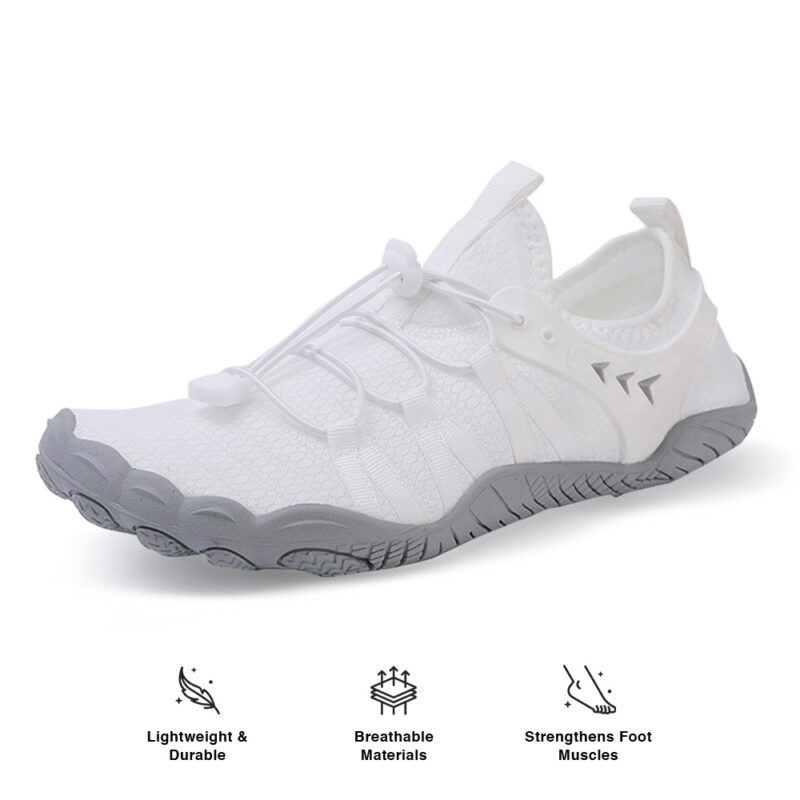
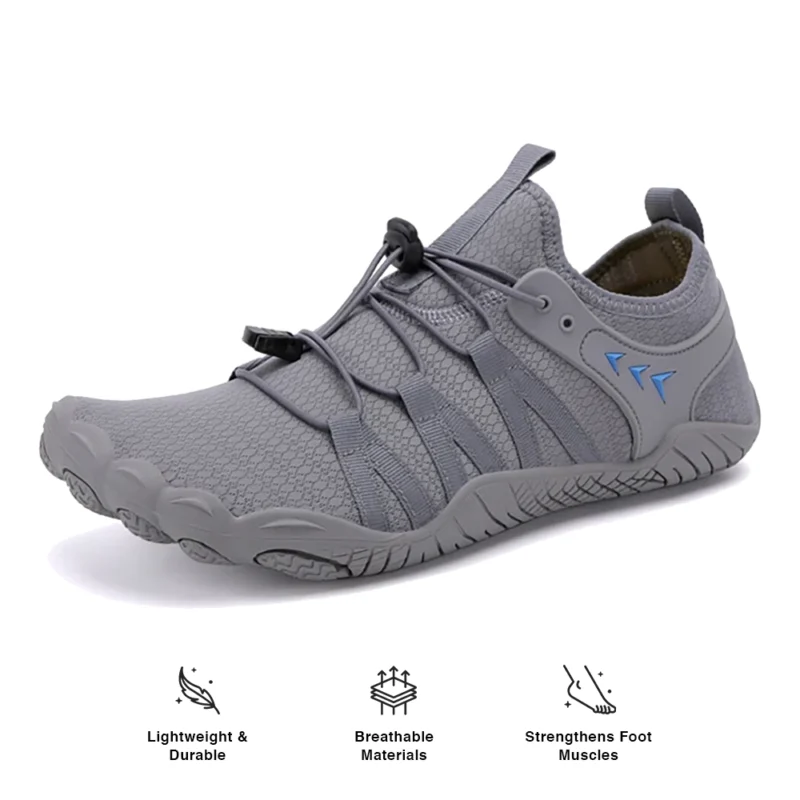
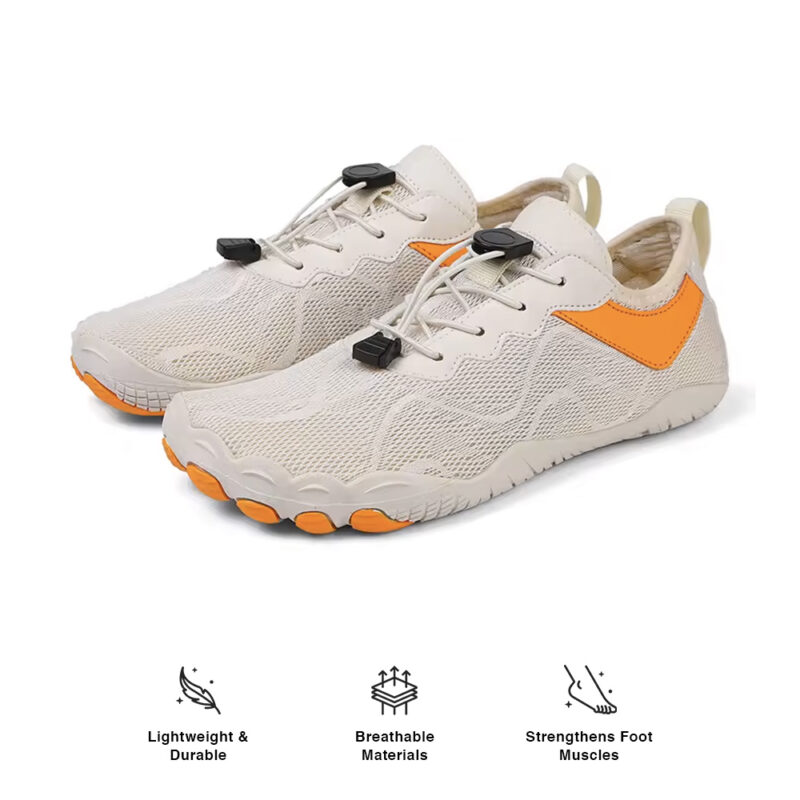
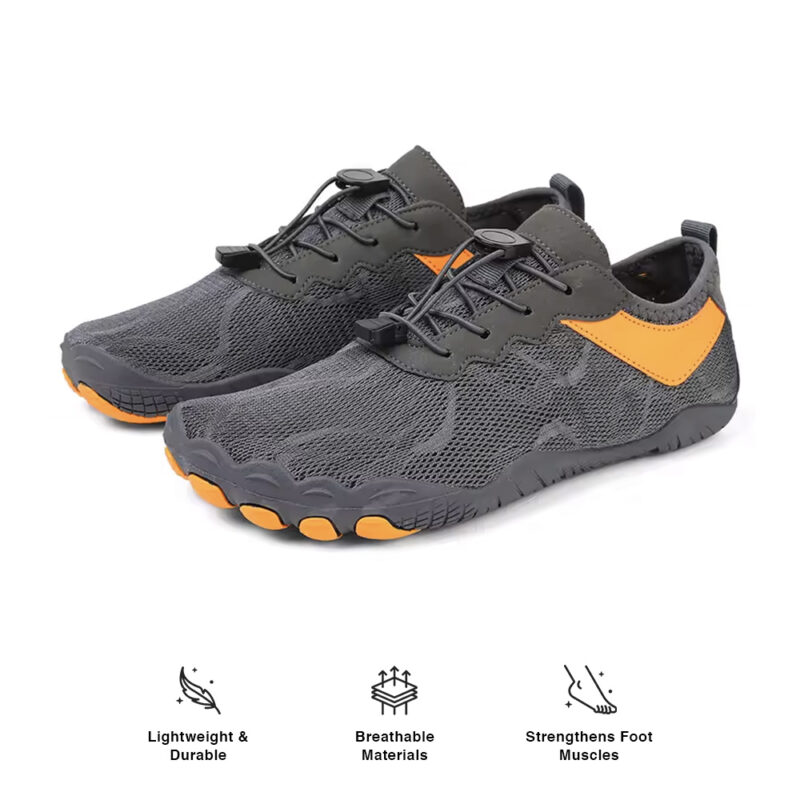
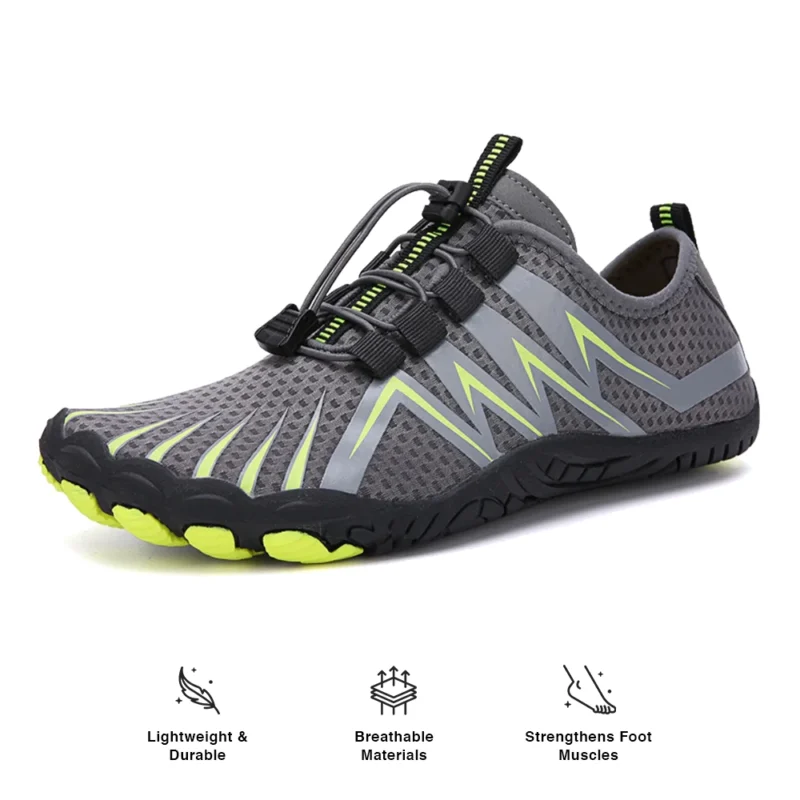
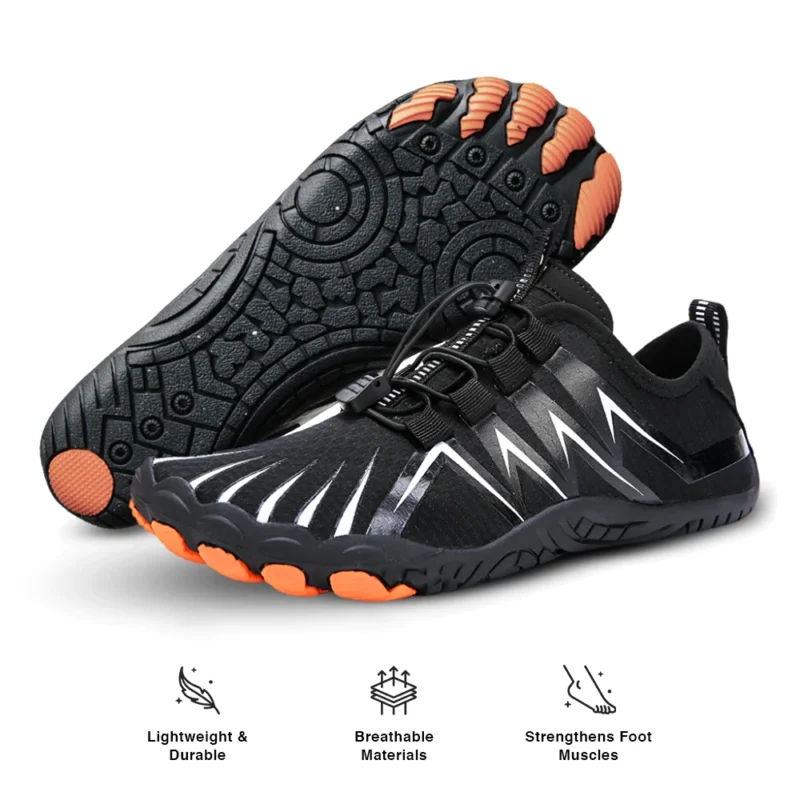
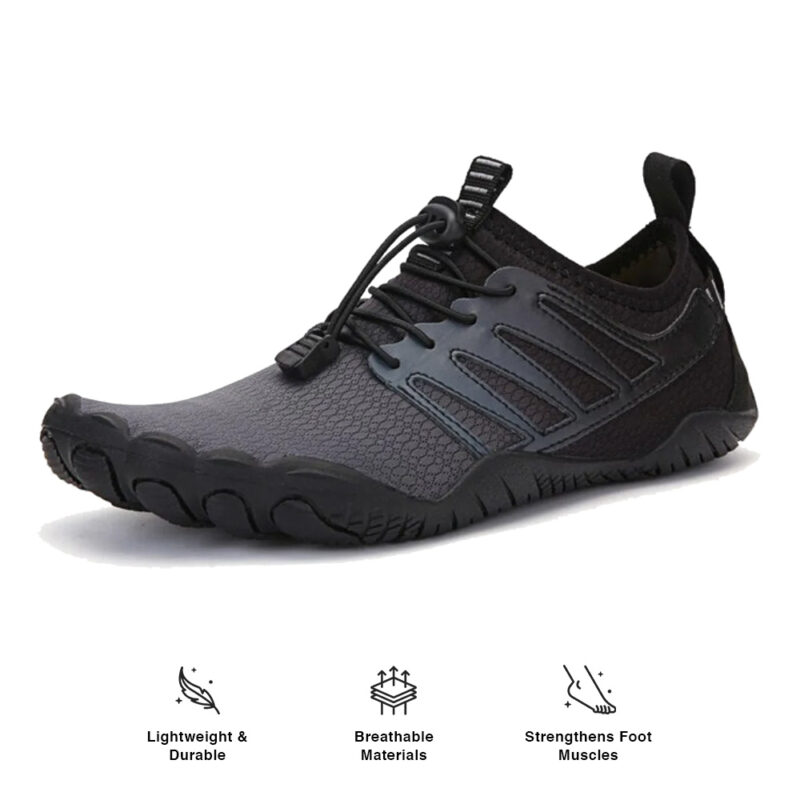
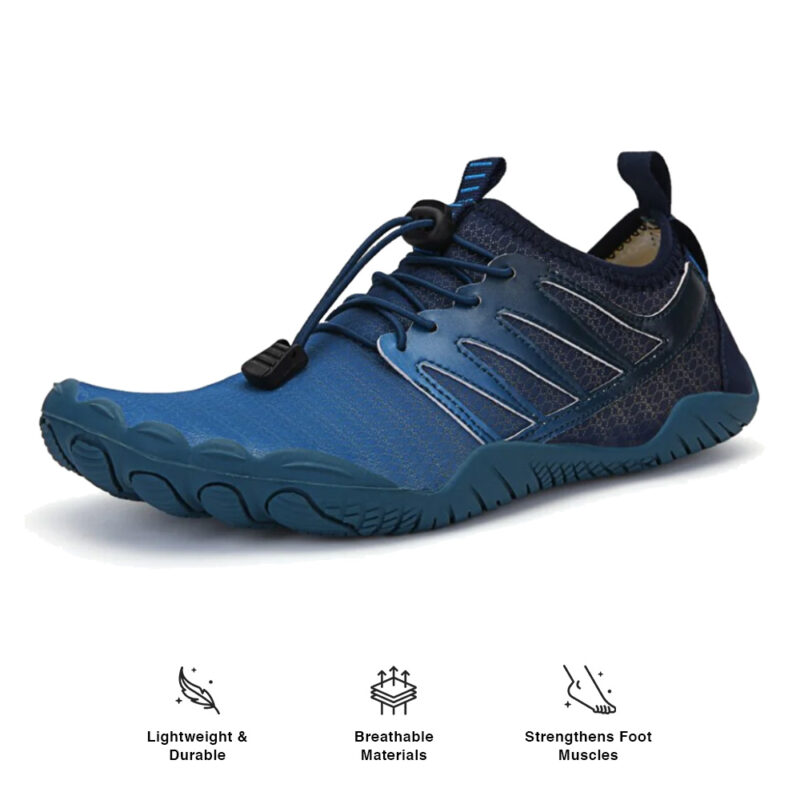
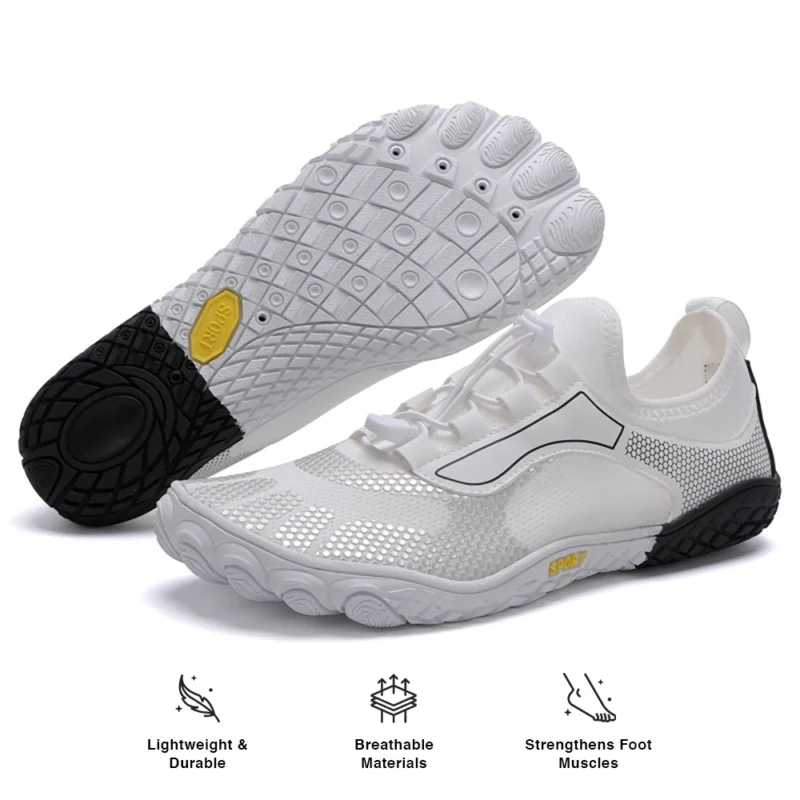
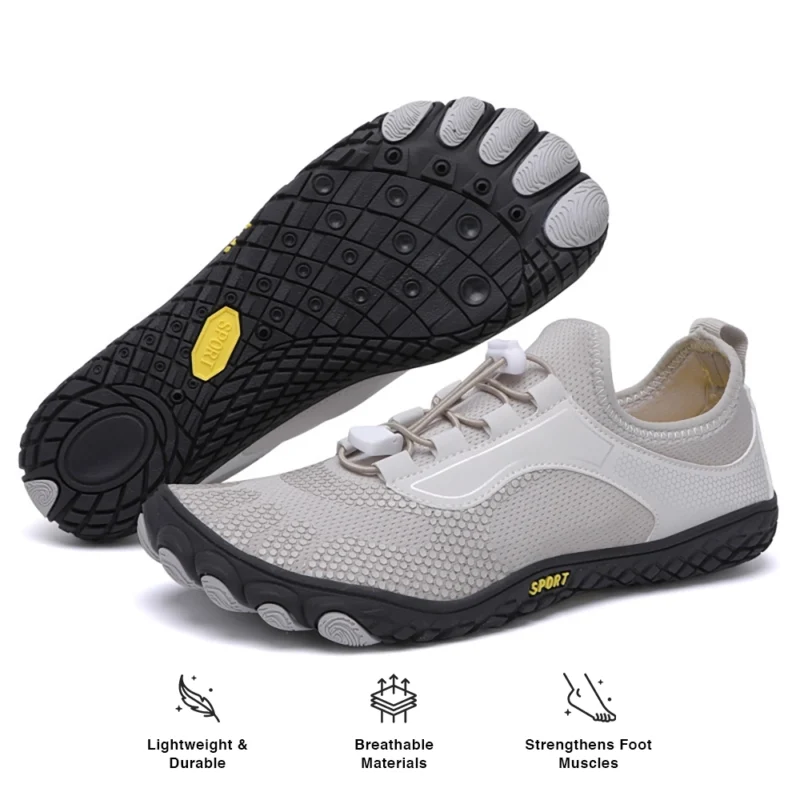
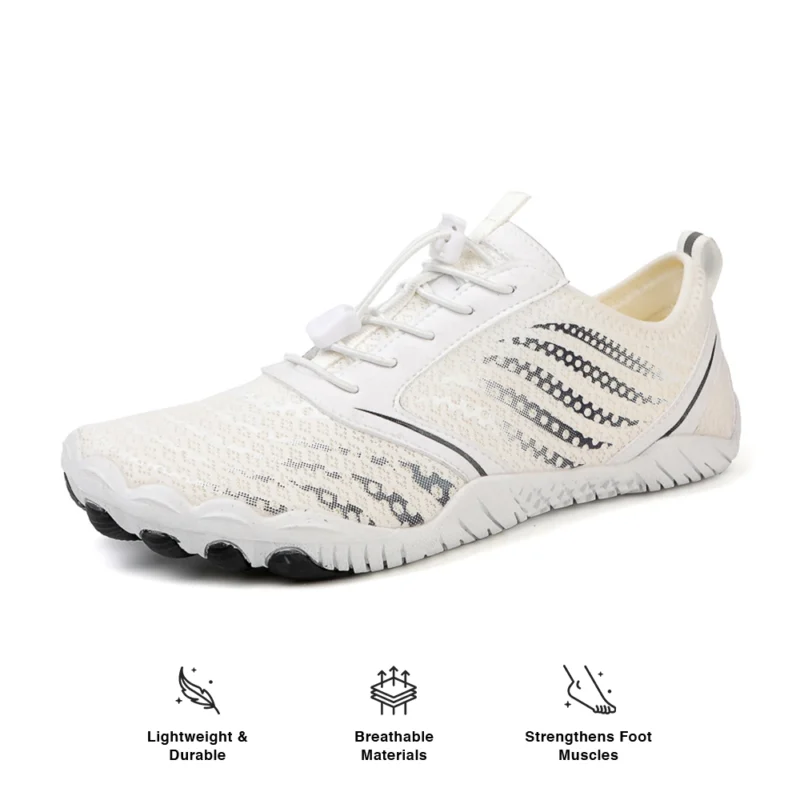
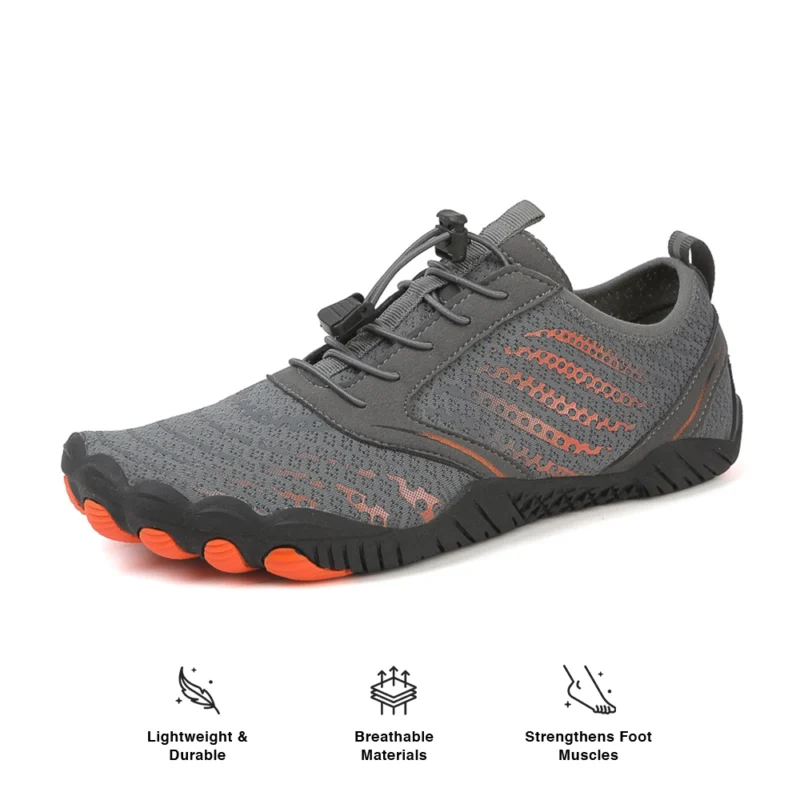
You've probably spent hundreds or even thousands of dollars on running shoes over the years, replacing them every few months as the cushioning breaks down and support systems fail. This constant replacement cycle exists because traditional shoes rely on materials that compress and lose effectiveness over time, requiring frequent updates to maintain their artificial support systems. Quality minimalist running shoes last significantly longer because they don't depend on foam cushioning or complex support structures that deteriorate—instead, they're built with durable, flexible materials that move with your feet. When searching for the best rated shoes for running, look for simple construction with minimal components that won't break down under regular use.
How Weak Feet Sabotage Your Running Performance
Years of wearing restrictive footwear have likely left your feet weak and unable to provide the stable platform your body needs for efficient running. When your feet can't spread properly or grip the ground effectively, your entire kinetic chain compensates, leading to inefficient movement patterns and wasted energy with every stride. The best rated shoes for running feature wide toe boxes and flexible soles that allow your feet to strengthen naturally, engaging the small stabilizing muscles that conventional shoes have rendered dormant. Practice barefoot balance exercises on different surfaces to accelerate the strengthening process and improve your proprioception.
Solving Balance and Stability Issues That Affect Your Form
Poor balance isn't just about coordination—it's often the result of shoes that elevate your feet too far from the ground and numb your natural feedback systems. When you can't feel the ground properly, your body struggles to make the micro-adjustments necessary for smooth, efficient running form, leading to overcompensation and energy waste. Minimalist designs in the best rated shoes for running maintain ground connection through thin, flexible soles that allow your feet to sense terrain changes and respond naturally. Incorporate single-leg standing exercises into your daily routine to rebuild the proprioceptive awareness that thick-soled shoes have diminished.
Why Natural Foot Shape Matters for Long-Distance Comfort
The cramped, narrow shape of most running shoes forces your toes into an unnatural position that creates pressure points, reduces stability, and limits your foot's natural shock absorption capabilities. Over time, this compression can lead to issues like bunions, hammertoes, and chronic pain that makes running feel more like punishment than pleasure. When evaluating the best rated shoes for running, prioritize models with anatomically shaped toe boxes that allow your feet to spread naturally and maintain their intended arch structure. Spend time each day allowing your feet to spread and flex without shoes to help them regain their natural shape and function.
Rediscovering the Joy of Pain-Free Running
Running should energize you, not leave you dreading the next workout because of anticipated pain and discomfort. The constant battle with foot pain, joint issues, and recurring injuries often stems from fighting against your body's natural movement patterns rather than supporting them. The best rated shoes for running work as partners with your biomechanics, allowing your feet to move freely while providing just enough protection from sharp objects and rough surfaces. Begin each run with a few minutes of barefoot walking on grass or sand to remind your feet of their natural movement patterns before transitioning to your minimalist running shoes.
Building Stronger Feet for Lifelong Running Health
Strong, healthy feet are the foundation of sustainable running, yet most runners have never experienced what truly strong feet feel like because conventional shoes do all the work for them. When you allow your feet to function naturally, the intrinsic muscles strengthen, your arches become more resilient, and your entire lower body begins to work more efficiently as a integrated system. The best rated shoes for running support this natural strengthening process by providing protection without interference, allowing your feet to develop the strength and resilience they were designed to have. Incorporate toe spreading exercises and calf raises into your daily routine to accelerate the strengthening process and support your transition to more natural running.