Blog

Best Rated Walking Shoes

You're someone who walks regularly and wants footwear that actually works with your body, not against it. You've probably experienced the frustration of buying highly-rated shoes only to find them uncomfortable after a few miles. Maybe you've dealt with plantar fasciitis, knee pain, or that tired feeling in your feet after what should be an energizing walk.

The problem isn't with your feet – it's with conventional shoe design. Most popular walking shoes focus on artificial support systems that weaken your natural biomechanics over time. When you're searching for the best rated walking shoes, you need footwear that strengthens rather than coddles your feet.

Your feet are incredibly sophisticated structures with 26 bones, 33 joints, and over 100 muscles and ligaments designed for natural movement. The best rated walking shoes should honor this engineering marvel by allowing natural foot movement, encouraging stronger feet through gradual conditioning, improving your balance and posture through ground connection, and providing lasting comfort through freedom rather than restriction.

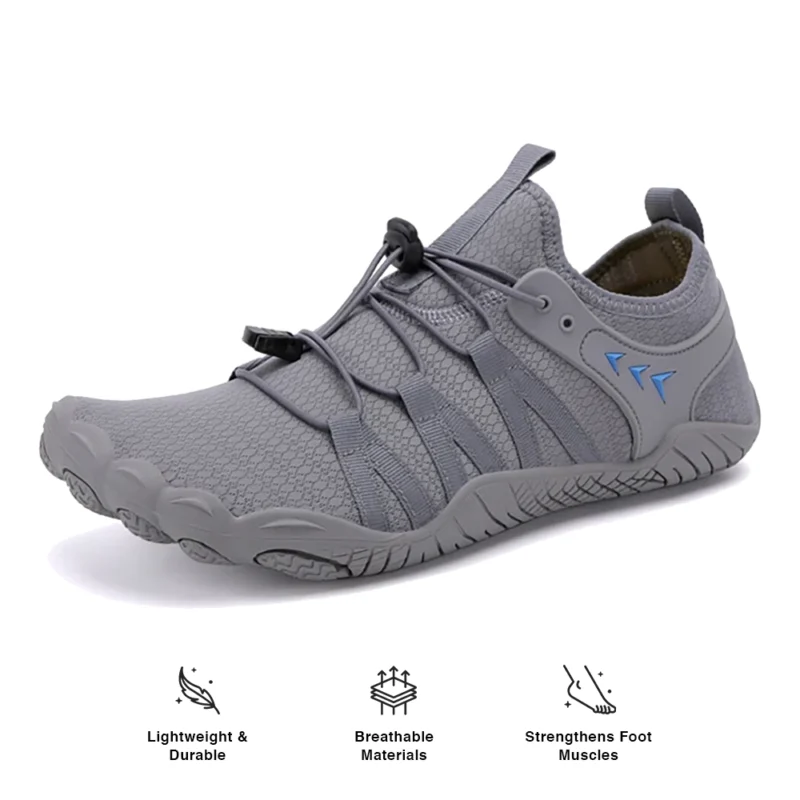
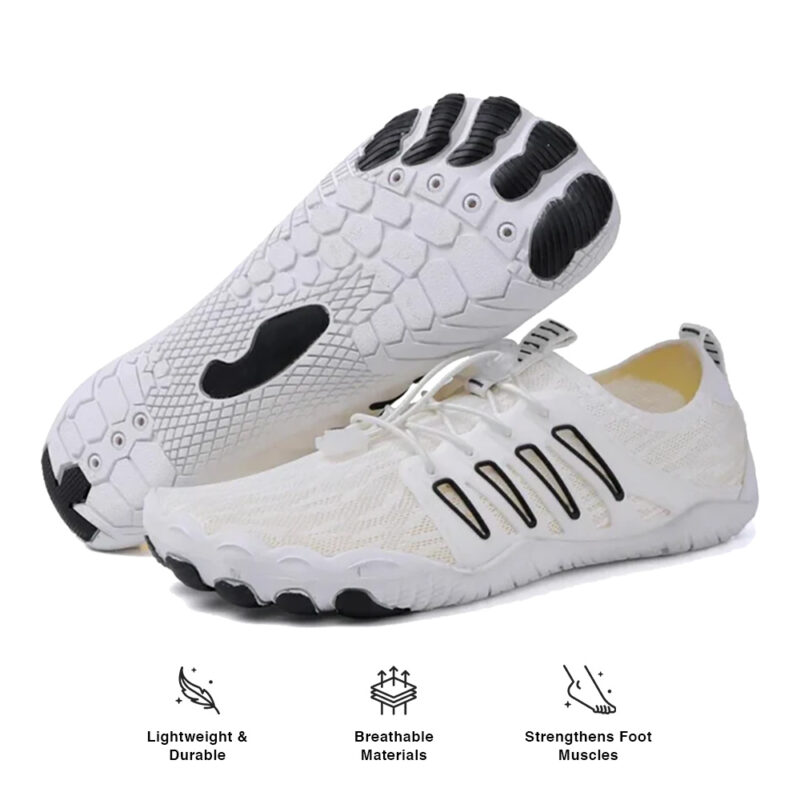
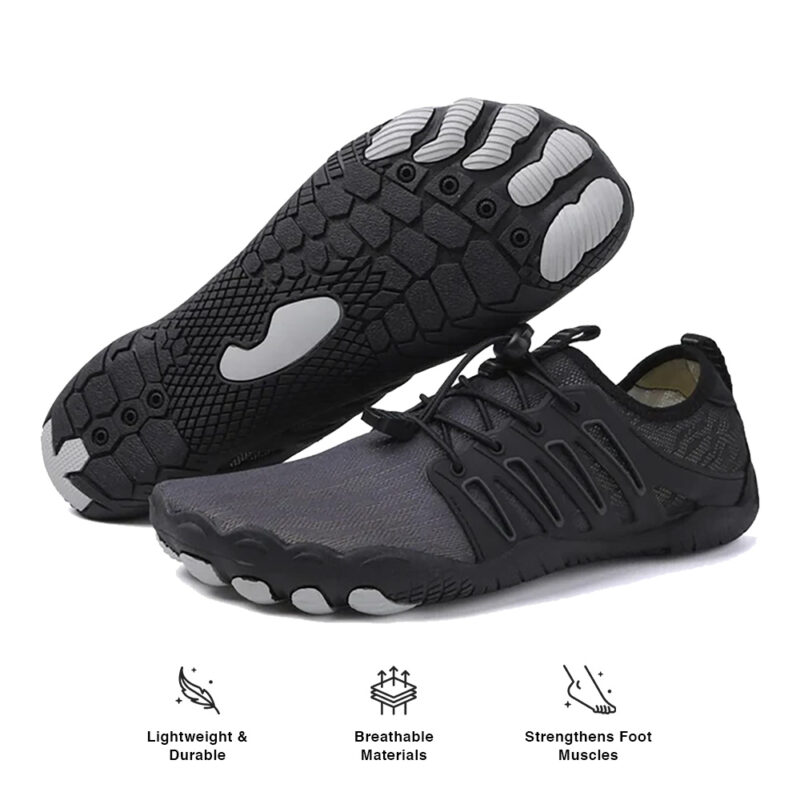
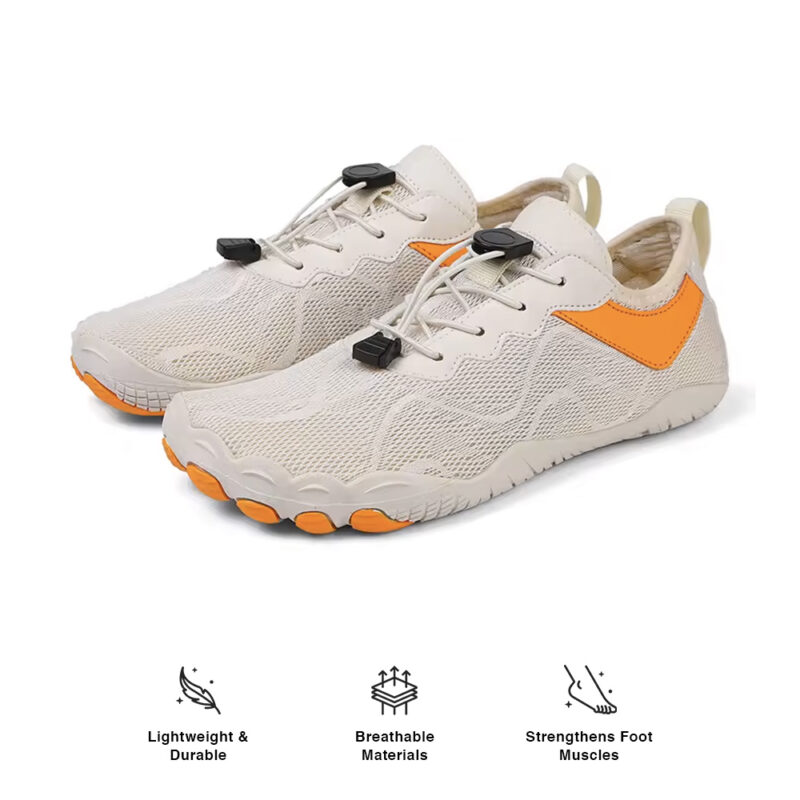
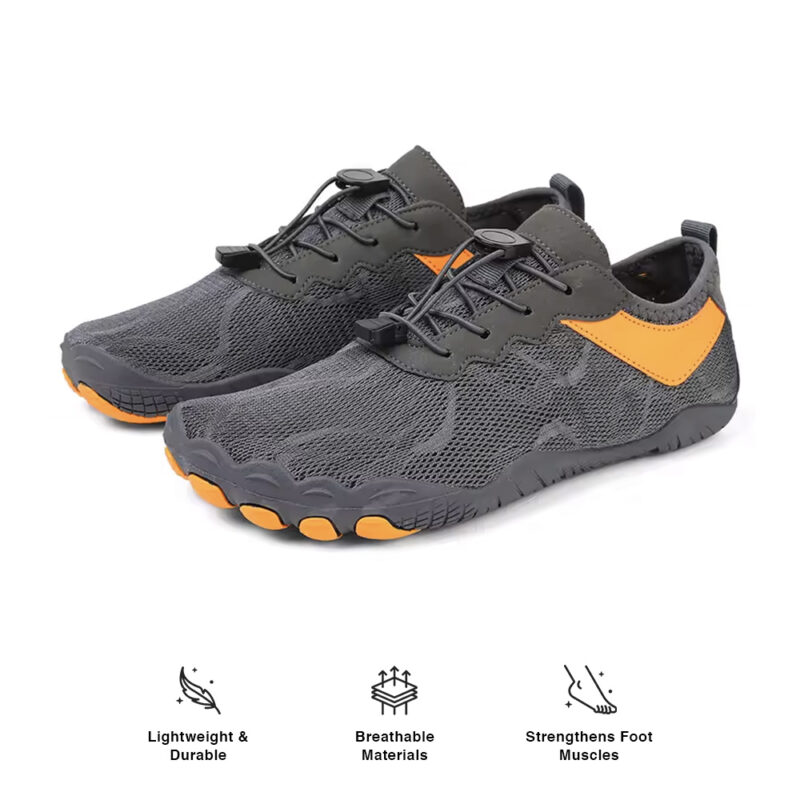
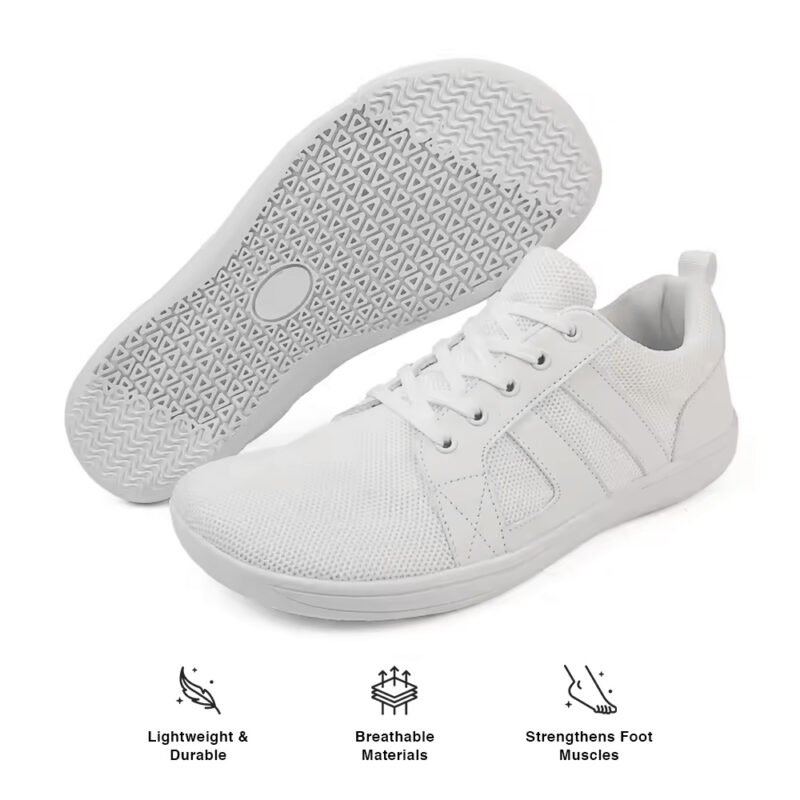
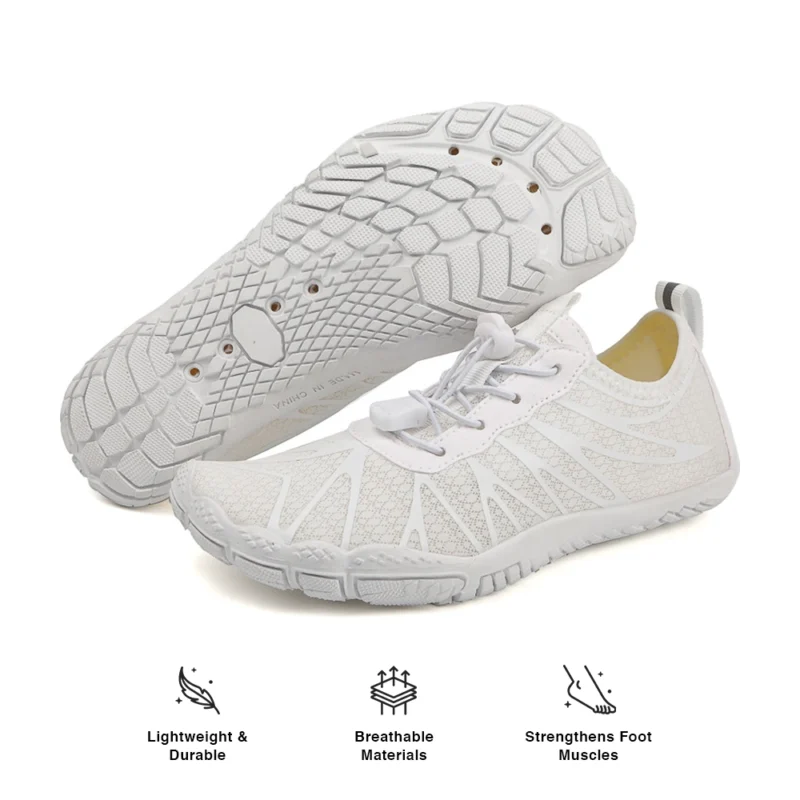
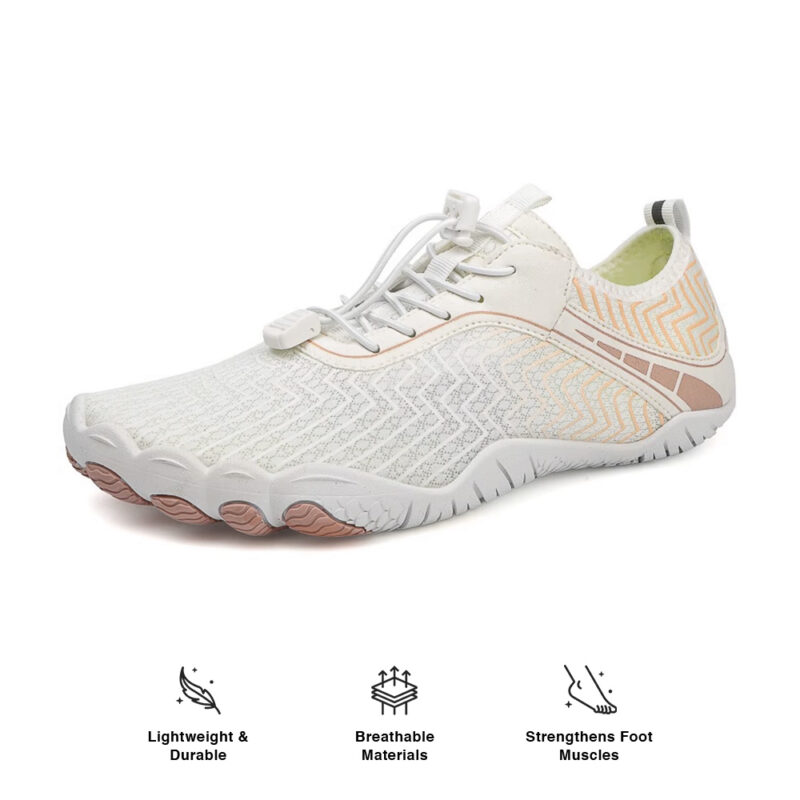
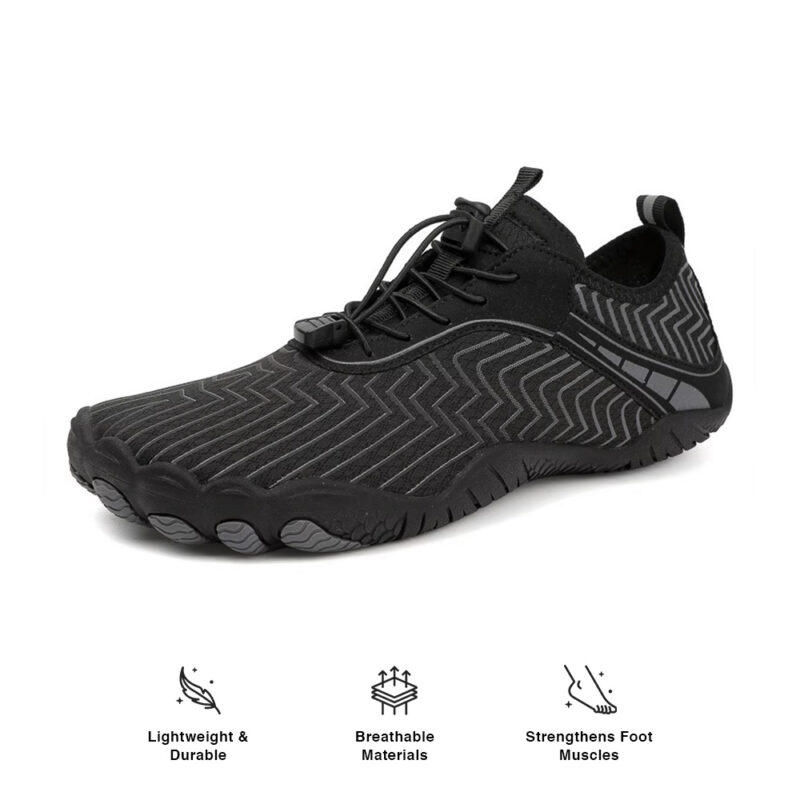
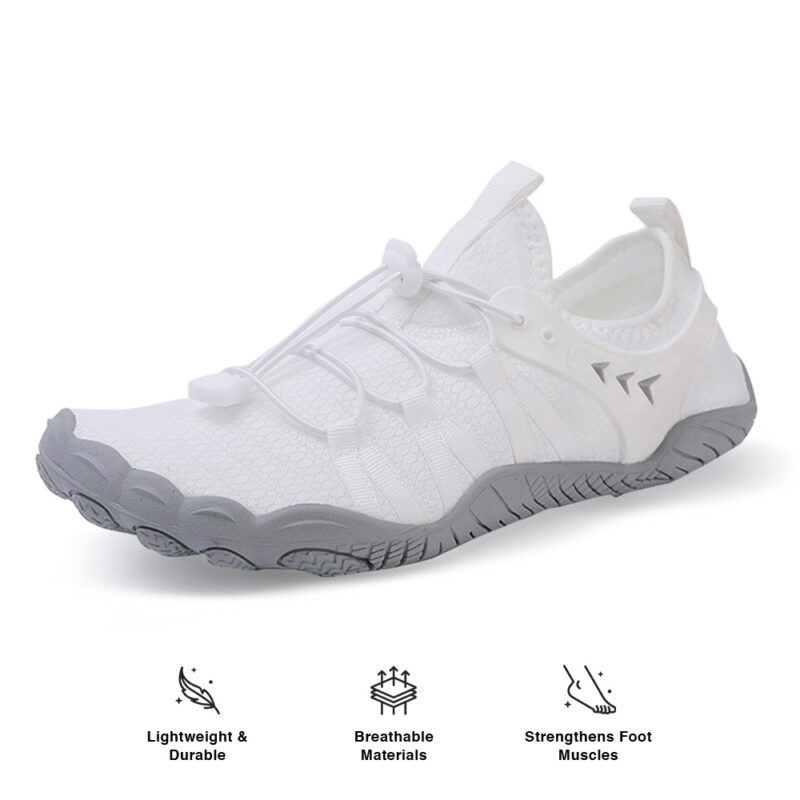
Barefoot and minimalist walking shoes work with your body's natural design. They feature thin, flexible soles that let you feel the ground beneath you, wide toe boxes that allow your toes to spread naturally, and zero-drop construction that maintains proper posture alignment. This approach transforms your walking experience from something that drains your energy to something that actually strengthens your entire kinetic chain.

The journey to healthier feet starts with choosing footwear that respects your body's incredible design.

Top Picks for Best Rated Walking Shoes
Original price was: $133.50.Current price is: $59.95.
Select options This product has multiple variants. The options may be chosen on the product page
Original price was: $129.95.Current price is: $64.95.
Select options This product has multiple variants. The options may be chosen on the product page
Original price was: $133.50.Current price is: $58.98.
Select options This product has multiple variants. The options may be chosen on the product page
Original price was: $129.95.Current price is: $68.95.
Select options This product has multiple variants. The options may be chosen on the product page
Original price was: $129.95.Current price is: $59.95.
Select options This product has multiple variants. The options may be chosen on the product page
Original price was: $129.98.Current price is: $58.95.
Select options This product has multiple variants. The options may be chosen on the product page
Original price was: $149.99.Current price is: $74.99.
Select options This product has multiple variants. The options may be chosen on the product page
Original price was: $133.98.Current price is: $56.98.
Select options This product has multiple variants. The options may be chosen on the product page
Why Your Current Walking Shoes Might Be Working Against You

Your feet hurt during or after walks because conventional shoes create an unnatural environment that weakens your foot muscles over time. When you're looking for the best rated walking shoes, you want footwear that actually builds foot strength rather than creating dependency on artificial support. Minimalist walking shoes allow your foot muscles to engage naturally with every step, creating a stronger foundation for your entire body. Start by gradually reducing the amount of artificial support in your current rotation to begin strengthening your feet naturally.

The Ground Connection That Changes Everything

You feel unstable or disconnected during walks because thick, cushioned soles prevent your feet from sensing the ground properly. The best rated walking shoes should enhance your proprioception – your body's ability to sense position and movement. Barefoot-style shoes with thin, flexible soles restore this crucial sensory feedback, dramatically improving your balance and coordination. Practice walking barefoot at home for 10-15 minutes daily to redevelop this natural ground connection.

How Toe Freedom Transforms Your Walking Experience

Cramped toes in narrow shoes create a cascade of problems throughout your kinetic chain, from bunions to knee pain. When researching the best rated walking shoes, prioritize models with wide, anatomical toe boxes that allow your toes to spread naturally. This toe splay creates a stable base for each step while allowing your foot's natural shock absorption system to function properly. Measure your feet while standing to ensure you're selecting shoes with adequate width for natural toe movement.

Zero-Drop Design for Proper Posture Alignment

Traditional elevated heels in walking shoes force your body into an unnatural forward-leaning position that stresses your lower back and changes your gait pattern. The best rated walking shoes maintain a zero-drop profile where your heel sits at the same level as your toes, promoting natural posture alignment from the ground up. This design encourages proper hip positioning and reduces strain on your entire posterior chain. Transition gradually to zero-drop shoes by reducing heel height incrementally over several months.

Flexibility That Moves With Your Natural Gait

Stiff, rigid soles in conventional walking shoes prevent your feet from moving through their natural range of motion, leading to compensation patterns that cause pain elsewhere. Quality minimalist walking shoes bend and flex with your foot's natural movement, allowing for efficient energy transfer and reduced fatigue. This flexibility also helps develop the small stabilizing muscles in your feet that conventional shoes often neglect. Test shoe flexibility by bending them easily in half before purchasing.

Building Foot Strength Through Mindful Movement

Weak feet from years of artificial support need gradual reconditioning to handle the demands of natural movement safely. The best rated walking shoes should be part of a broader approach to foot health that includes strengthening exercises and mindful movement practices. Start with short walks in minimalist shoes and gradually increase duration as your feet adapt. Incorporate simple exercises like toe spreading, calf raises, and balance challenges to accelerate the strengthening process.

Making the Transition to Natural Walking

The shift from conventional to minimalist walking shoes requires patience and a systematic approach to avoid injury during the adaptation period. Your feet, ankles, and calves need time to develop the strength that artificial support has been providing. Begin with alternating between your old and new shoes, slowly increasing time in minimalist footwear over 6-8 weeks. Listen to your body and adjust the transition pace based on how your feet respond to increased natural movement demands.