Why Traditional Running Shoes Keep You Injured
Many runners experience recurring injuries because conventional footwear fundamentally alters how your feet interact with the ground. When you're shopping among the best running shoe brands, you'll notice most prioritize thick soles and rigid structures that actually prevent your feet from adapting to terrain naturally. Your foot contains proprioceptors – sensory receptors that provide crucial feedback about ground conditions and your body's position in space. Minimalist designs from forward-thinking best running shoe brands preserve this sensory connection, allowing your nervous system to make real-time adjustments that prevent injury. Start paying attention to how your feet feel during and after runs, noting whether your current shoes allow you to sense the ground beneath you or create a barrier between you and natural movement.
The Hidden Cost of Overbuilt Footwear
Heel striking has become the default running gait for most people, largely because heavily cushioned shoes encourage landing on your heel rather than your forefoot. This unnatural pattern sends shock waves up through your joints with every step, contributing to common running injuries like shin splints and knee pain. The most innovative best running shoe brands are moving toward zero-drop designs that keep your heel and forefoot at the same level, encouraging a more natural midfoot or forefoot strike. This alignment allows your calf muscles and Achilles tendon to act as natural shock absorbers, distributing impact forces more efficiently throughout your lower leg. Gradually transition to lower-drop shoes by reducing your weekly mileage initially and focusing on shorter, easier runs while your body adapts to this more natural movement pattern.
Building Foot Strength That Lasts a Lifetime
Weak feet are epidemic among runners who rely on motion control and stability features that do the work your muscles should be doing. When external support handles stability and arch support, the small intrinsic muscles in your feet essentially go to sleep, creating a cycle of dependency that weakens your foundation over time. The best running shoe brands embracing minimalist principles understand that your feet need to work to stay strong. Flexible soles and wide toe boxes allow your toes to spread naturally and your arches to engage with each step, building the kind of functional strength that prevents injuries and improves performance. Incorporate barefoot walking on safe surfaces like grass or sand into your routine, even if just for 10-15 minutes daily, to wake up dormant foot muscles and prepare them for more natural footwear.
Why Toe Box Design Matters More Than You Think
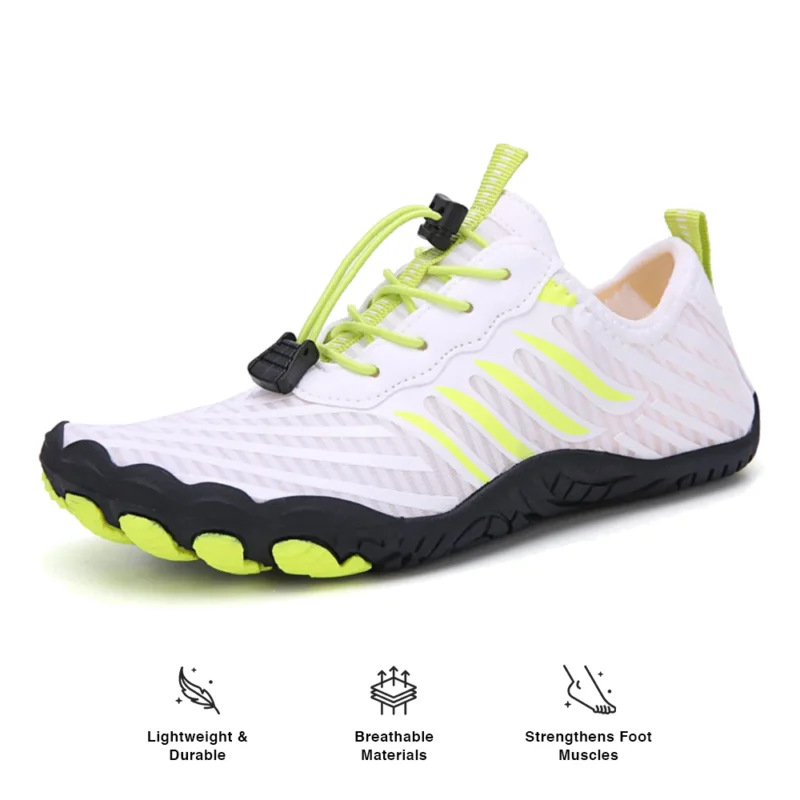
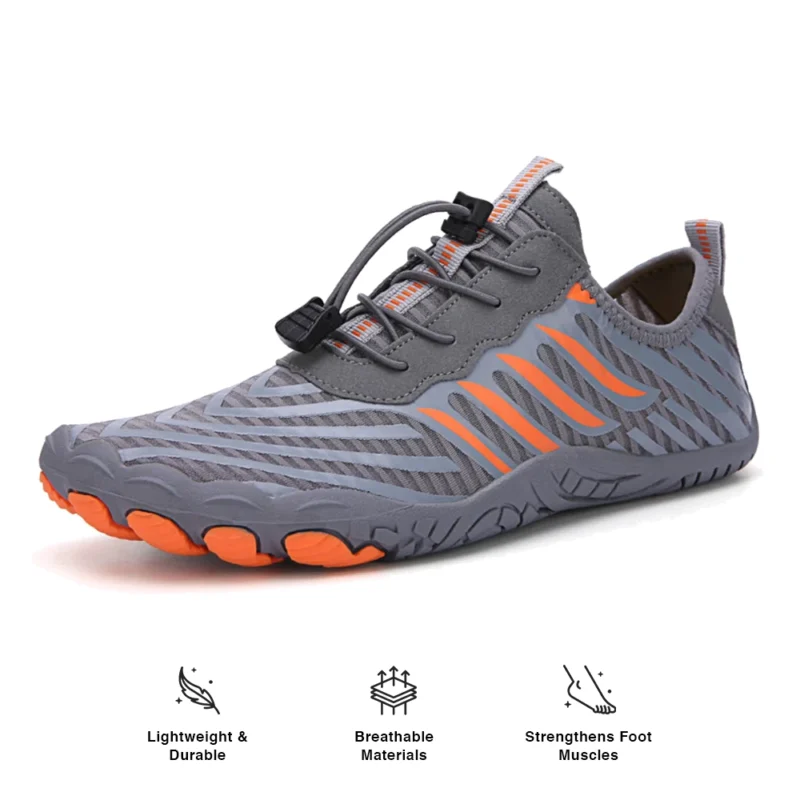
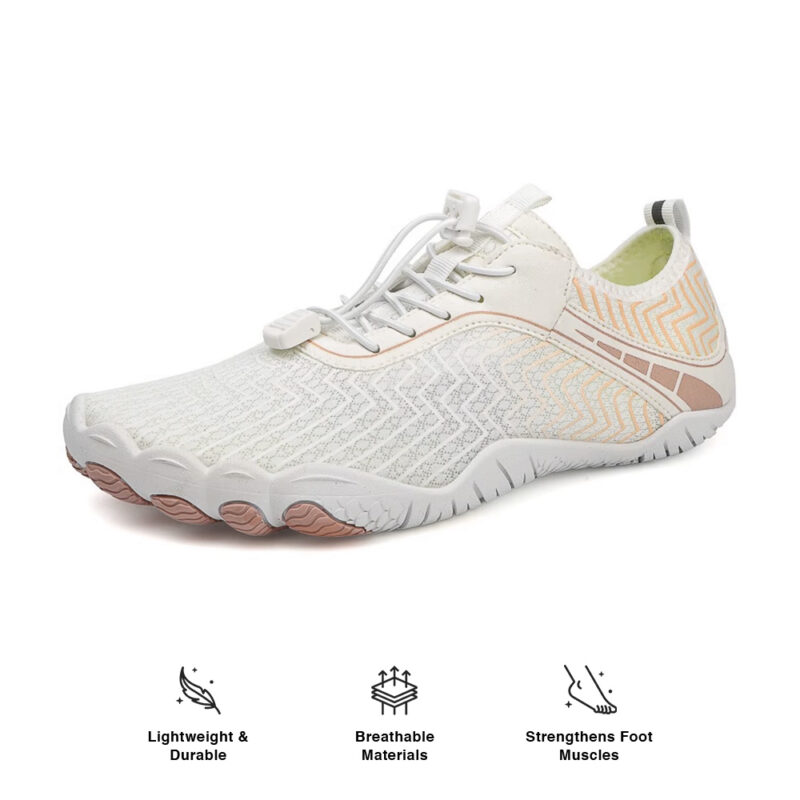
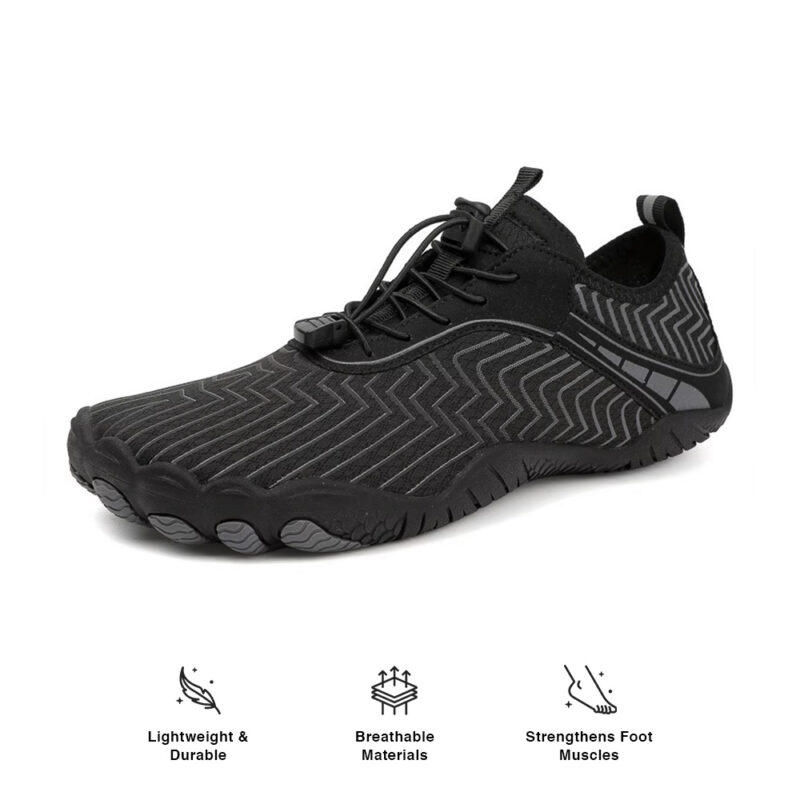
Most runners have no idea their toes are being squeezed into an unnatural position with every step. Traditional shoe shapes taper dramatically toward the front, forcing your toes together and preventing the natural spreading that provides stability and power during push-off. Progressive best running shoe brands are designing shoes with anatomically shaped toe boxes that mirror the natural outline of human feet. This seemingly simple change allows your toes to function as intended – spreading wide for balance during landing and gripping the ground during toe-off for more efficient propulsion. When trying on new shoes, make sure you can wiggle all your toes freely and that the widest part of the shoe aligns with the widest part of your foot, which is typically across the ball of your foot rather than at the toes.
The Balance Revolution in Running Footwear
Poor balance and proprioception contribute to many running injuries because your body can't respond quickly enough to changes in terrain or shifts in your center of gravity. Thick, soft midsoles found in most conventional running shoes create an unstable platform that requires your body to work harder to maintain equilibrium. Smart best running shoe brands are reducing stack height and using firmer, more responsive materials that provide a stable platform while still protecting your feet from sharp objects. This connection to the ground improves your balance not just while running, but in all your daily activities. Practice single-leg standing exercises while barefoot to develop the ankle stability and proprioceptive awareness that will transfer directly to better balance and injury prevention during your runs.
Making the Transition Without Setbacks
The biggest mistake runners make when switching to more minimal footwear is doing too much too soon, leading to overuse injuries in muscles and tendons that haven't been working properly for years. Even among the best running shoe brands offering minimalist options, the transition requires patience and progressive adaptation. Your calves, Achilles tendons, and small foot muscles need time to strengthen and adapt to their new workload. Start by wearing minimal shoes for walking and short, easy runs on softer surfaces, gradually increasing distance and intensity over several months. Listen to your body and back off if you experience unusual soreness, especially in your calves or the top of your feet, as these are signs you're progressing too quickly for your current adaptation level.
Finding Your Perfect Minimalist Running Match
Not all minimal shoes are created equal, and finding the right pair requires understanding your individual foot shape, running style, and experience level. The best running shoe brands in the minimalist space offer varying degrees of ground feel, protection, and flexibility to match different needs and preferences. Consider factors like the terrain you run on most often, your weekly mileage, and any previous injury history when making your selection. Try on shoes later in the day when your feet are naturally more swollen, mimicking how they'll feel during longer runs, and walk or jog around the store to get a sense of how the shoe flexes and feels during actual movement rather than just standing.