Why Your Current Running Shoes Might Be Making Things Worse
You've probably noticed that despite buying the "best running shoe for heavy person" recommendations, your feet still hurt and your runs feel harder than they should. The thick, cushioned soles that promise comfort actually prevent your feet from developing their natural shock-absorbing abilities, creating a cycle of dependence on external support. When your feet can't feel the ground properly, your body compensates with poor form that travels up through your knees, hips, and back. Minimalist shoes break this cycle by allowing your feet to develop strength and proprioception – start by walking in them for short periods before transitioning to running, giving your feet time to rediscover their natural function.
Ground Feel Creates Better Form, Not Harder Impact
Heavy runners often worry that less cushioning means more impact, but the opposite is actually true when you understand proper biomechanics. When you can feel the ground through a thin, flexible sole, your body naturally adjusts to land more gently and efficiently, typically shifting from heel striking to midfoot or forefoot striking. This natural adjustment distributes impact forces more effectively than any amount of foam cushioning ever could. Your feet become active participants in shock absorption rather than passive recipients of artificial support. Practice this transition by running on softer surfaces like grass or dirt trails initially, allowing your feet to adapt to their new sensory input and movement patterns.
Foot Strength Develops When Feet Can Actually Move
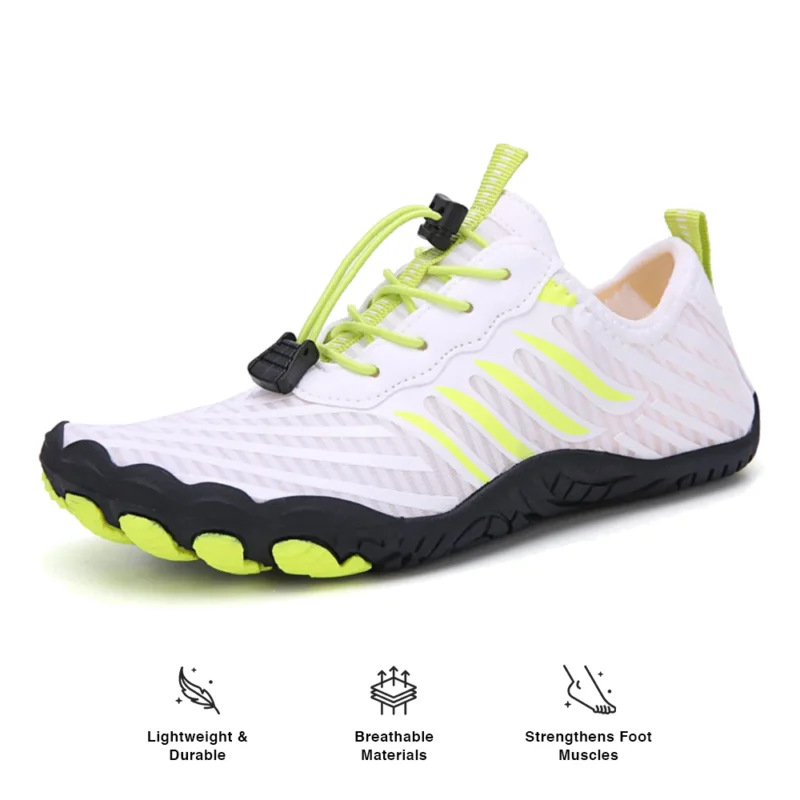
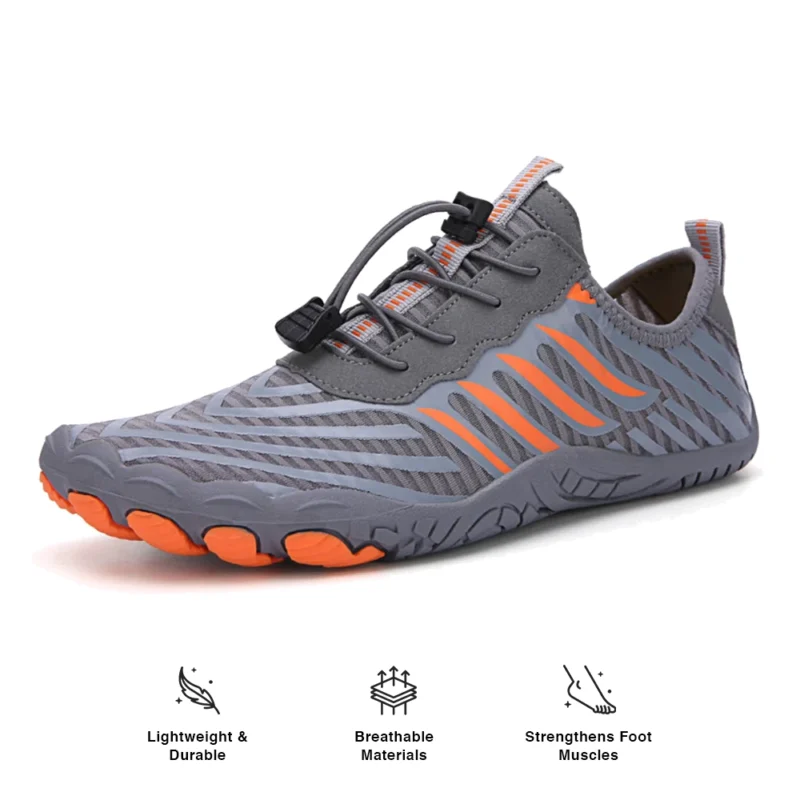
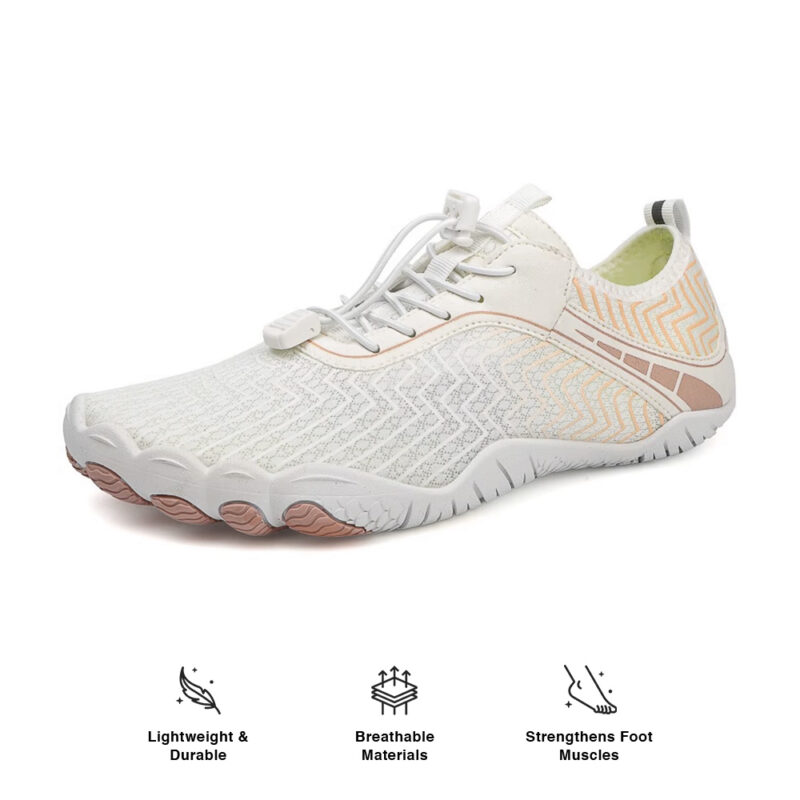
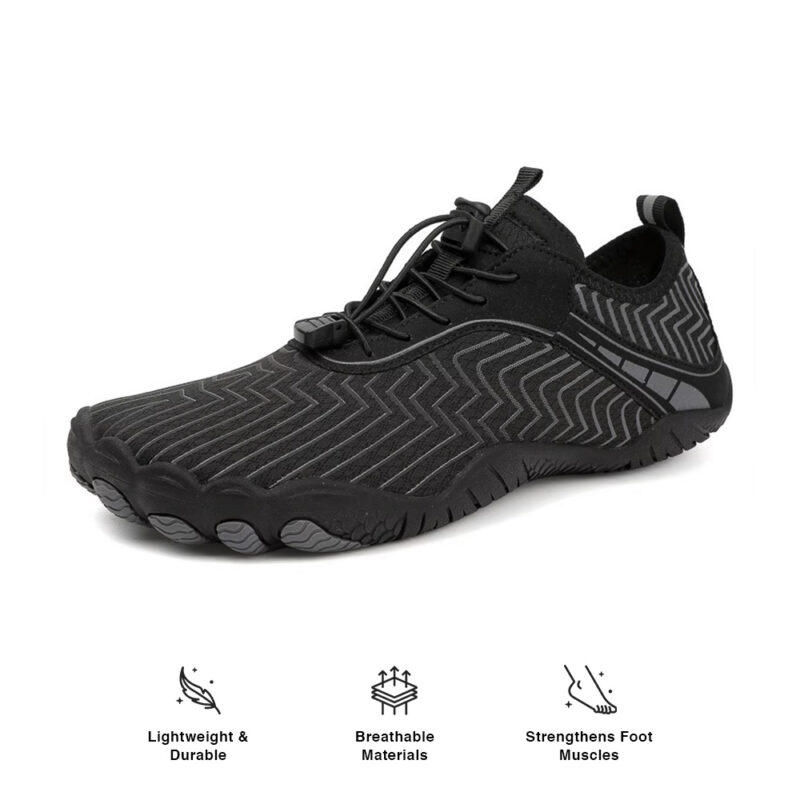
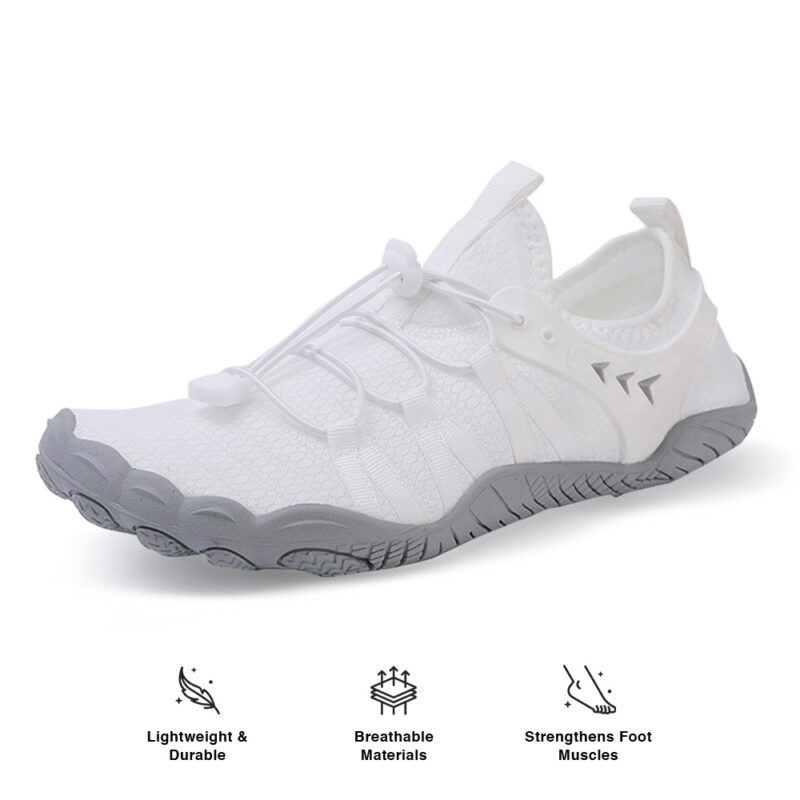
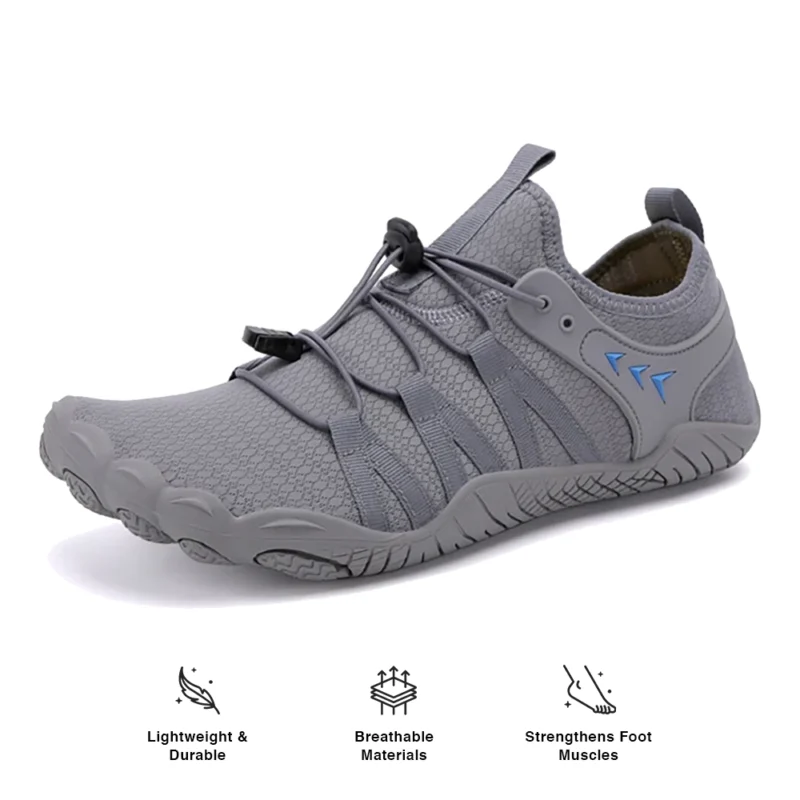
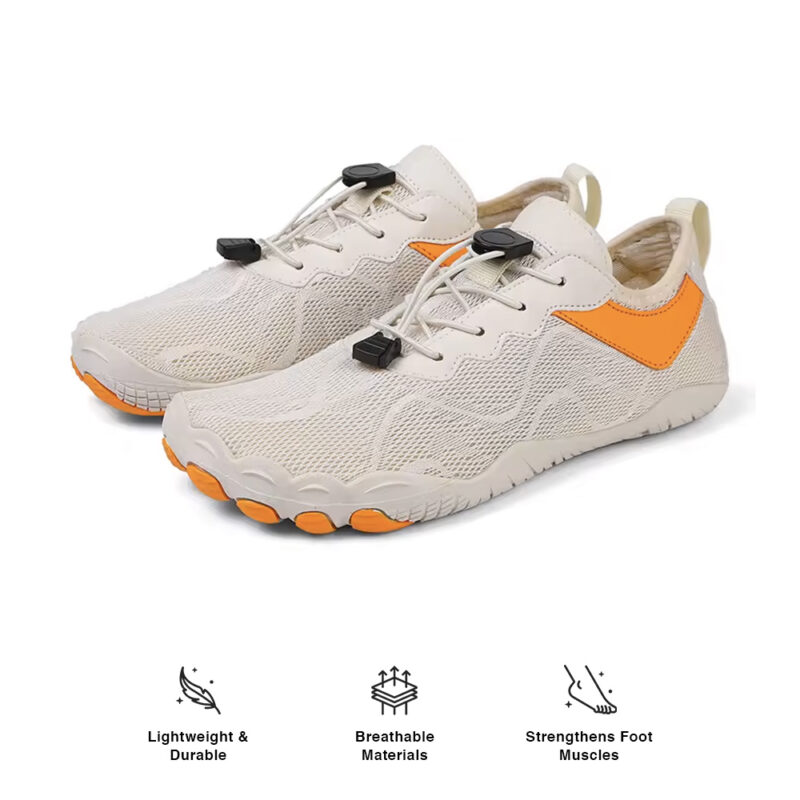
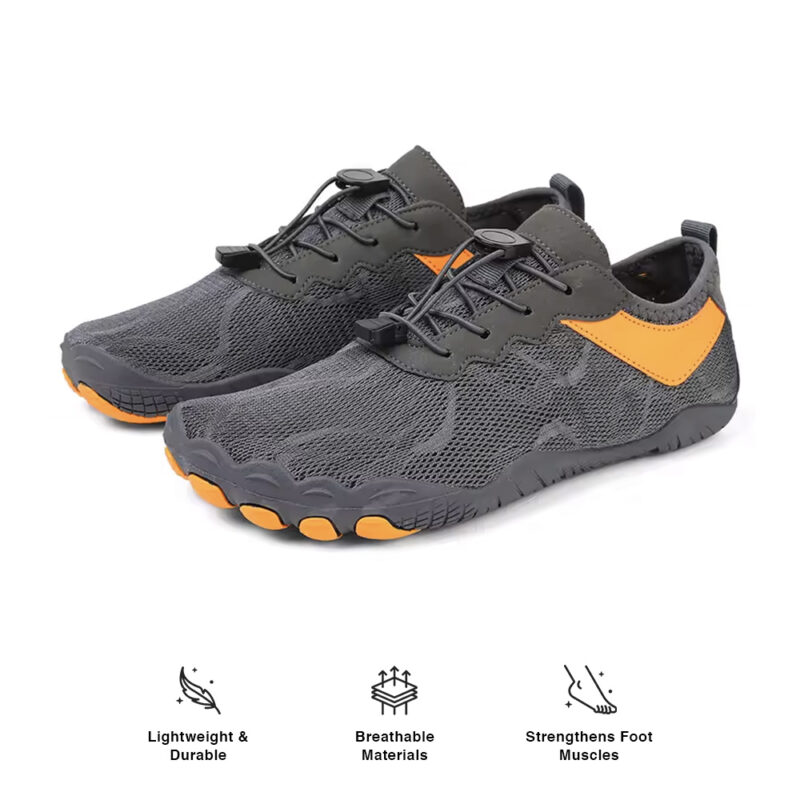
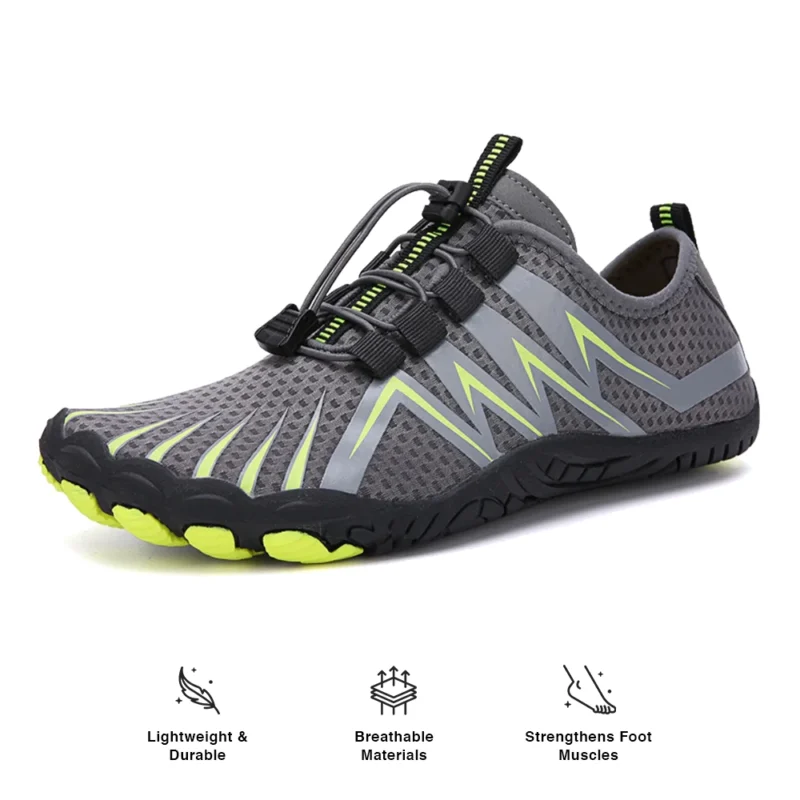
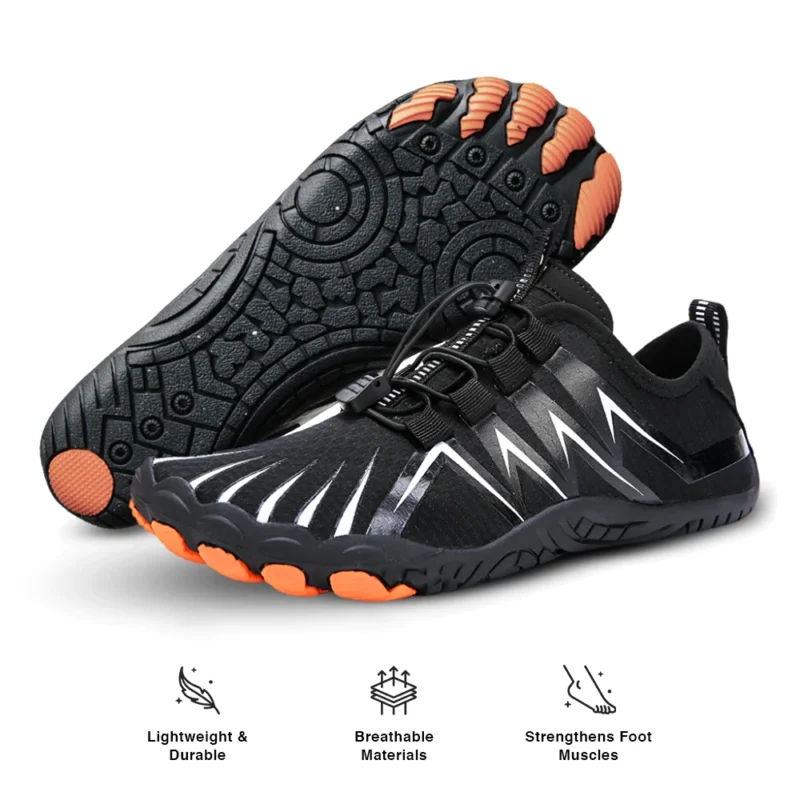
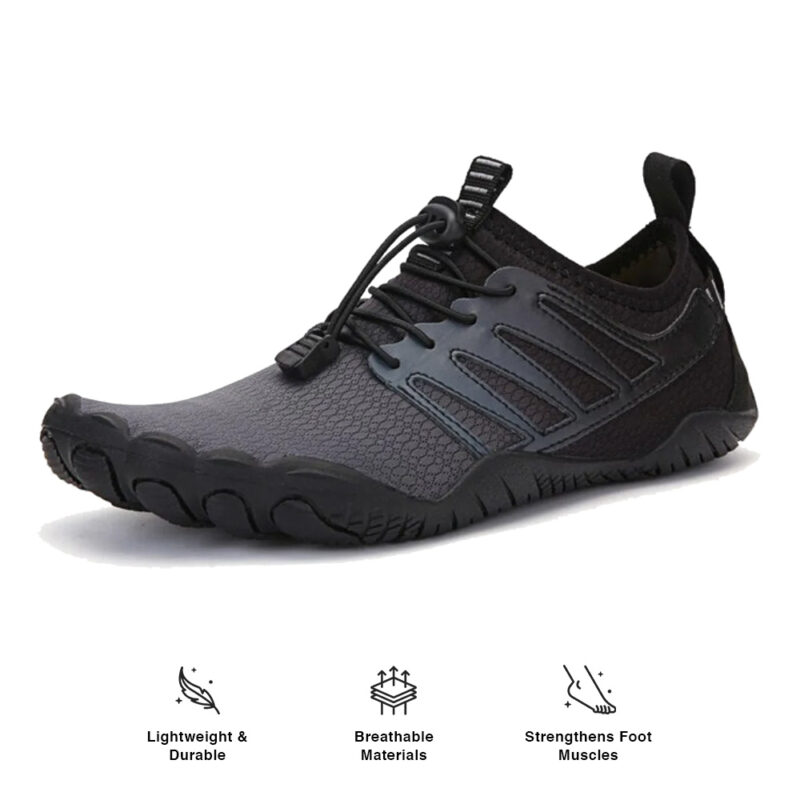
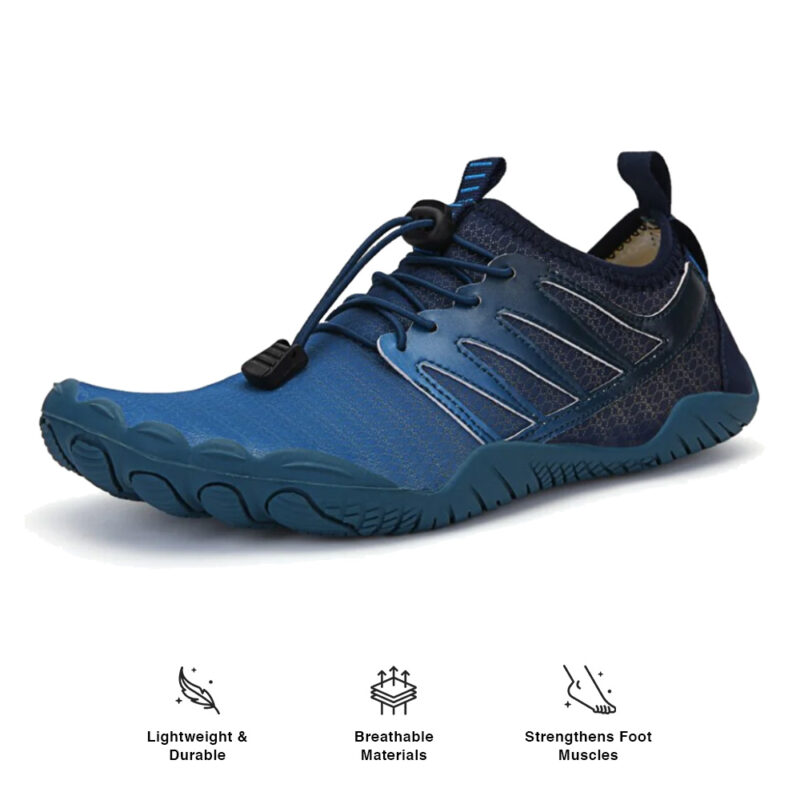
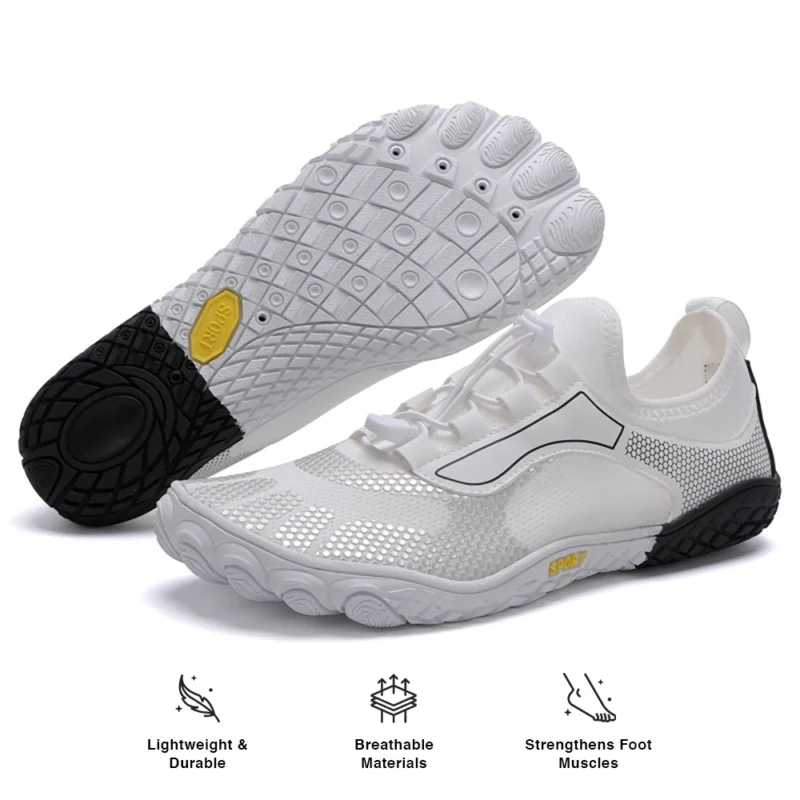
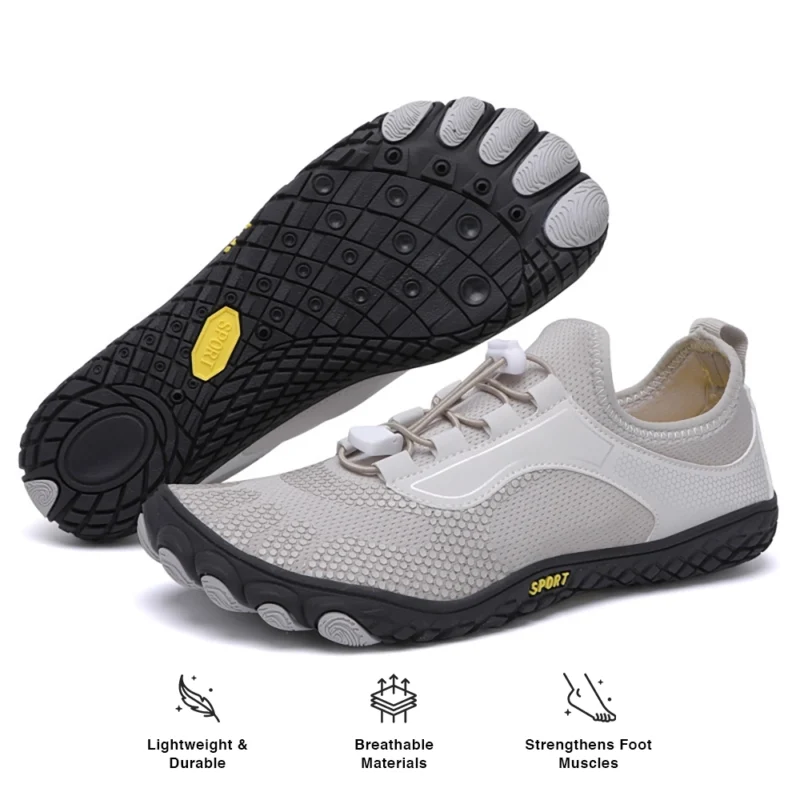
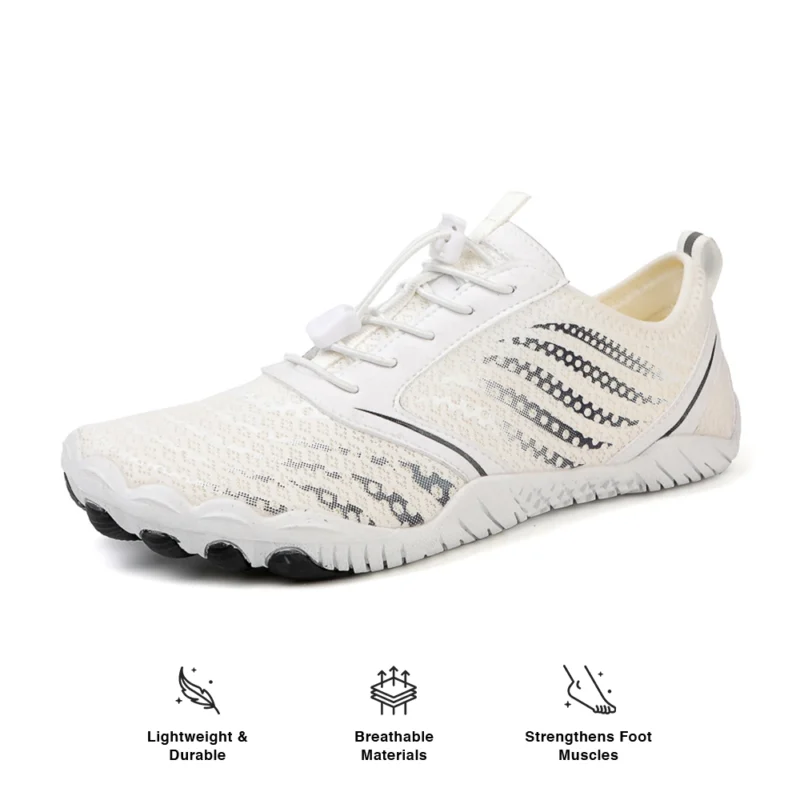
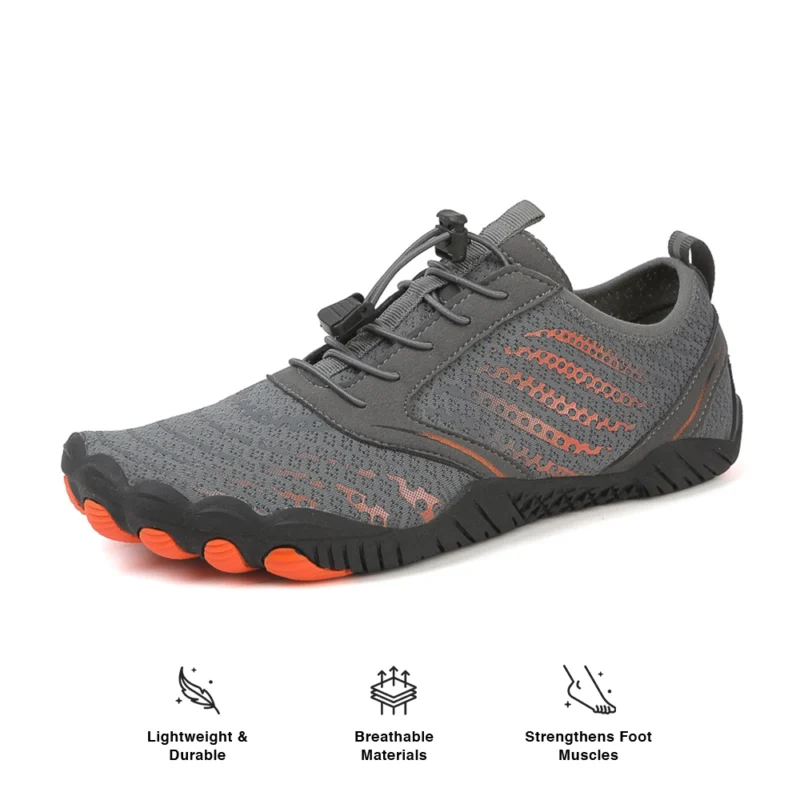
Traditional running shoes immobilize your feet in rigid structures, preventing the intrinsic muscles from engaging and strengthening over time. The best running shoe for heavy person should allow your toes to splay naturally, your arch to flex and rebound with each step, and your ankle to move through its full range of motion. Minimalist designs with wide toe boxes and flexible soles enable this natural movement, gradually building the foot strength that becomes your body's own built-in support system. Incorporate toe exercises and calf raises into your daily routine to accelerate this strengthening process while your feet adapt to their newfound freedom.
Natural Gait Emerges When Artificial Constraints Are Removed
Heel elevation and motion control features in traditional running shoes force your body into unnatural movement patterns that can actually increase stress on your joints. When you wear shoes with minimal heel-to-toe drop and no motion control devices, your body rediscovers its natural gait pattern – the one that's been refined through millions of years of human evolution. Your stride naturally shortens, your cadence increases, and your foot strike becomes more efficient, all without conscious effort or coaching. Document your progress by paying attention to how your runs feel rather than focusing solely on pace or distance, especially during the transition period.
Lighter Shoes Mean Less Energy Waste
Every ounce on your feet requires additional energy to lift with each step, and over thousands of steps per run, this adds up significantly for heavier runners. The best running shoe for heavy person often turns out to be the lightest one that still provides adequate protection for your running surfaces. Minimalist shoes typically weigh a fraction of traditional running shoes, reducing the energy cost of each stride and allowing you to run longer and more efficiently. Choose shoes based on the terrain you'll encounter most often – you need only enough sole thickness to protect against sharp objects while maintaining ground feel.
Recovery Happens Faster When Your Body Works Naturally
Proper biomechanics facilitated by minimalist footwear often leads to reduced recovery times and fewer overuse injuries. When your feet can move naturally and your gait becomes more efficient, the repetitive stress patterns that cause many running injuries simply don't develop in the same way. Your body's natural shock absorption systems engage properly, distributing forces more evenly throughout your musculoskeletal system. The best running shoe for heavy person supports this natural recovery process rather than masking problems with artificial interventions. Listen to your body during the transition period and allow extra rest days as needed while your movement patterns adapt.
Building Confidence Through Natural Movement
Perhaps most importantly, running in minimalist shoes that allow natural movement builds genuine confidence in your body's abilities rather than dependence on external gear. As your feet grow stronger and your form improves, you'll likely find that running becomes more enjoyable and sustainable long-term. The mental shift from fighting your body to working with it can transform your entire relationship with running and physical activity. Start each run with a brief mindfulness check-in, noticing how your feet feel and how your body is moving, celebrating the gradual improvements in strength and efficiency that come with honoring your natural biomechanics.