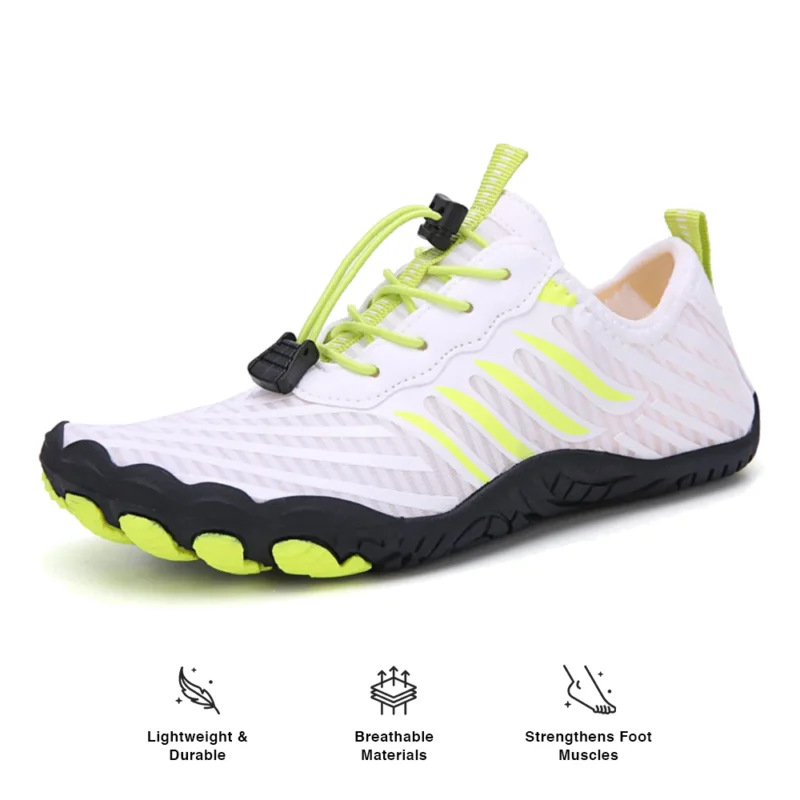
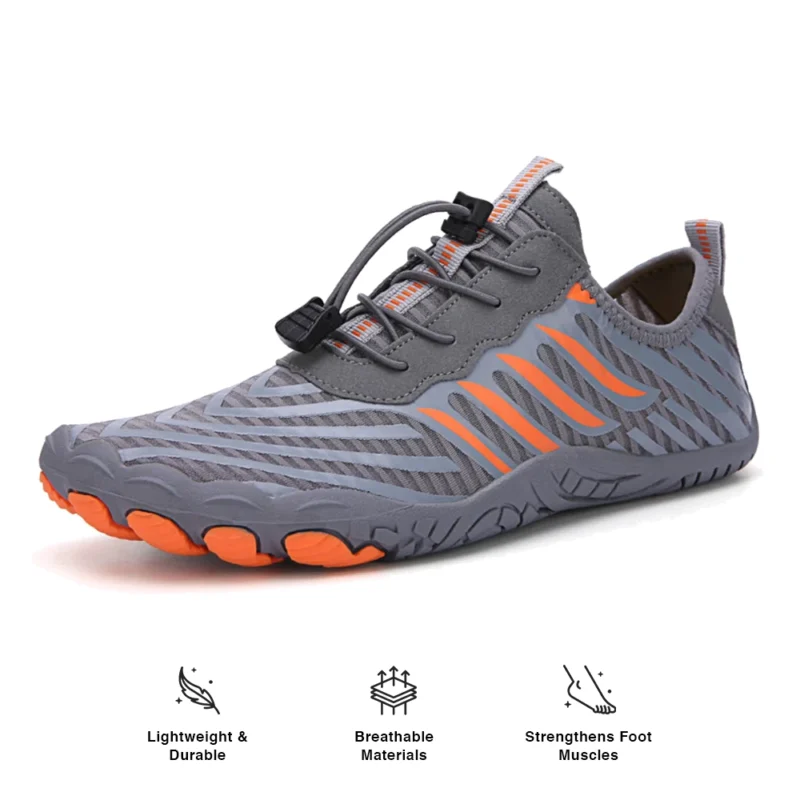
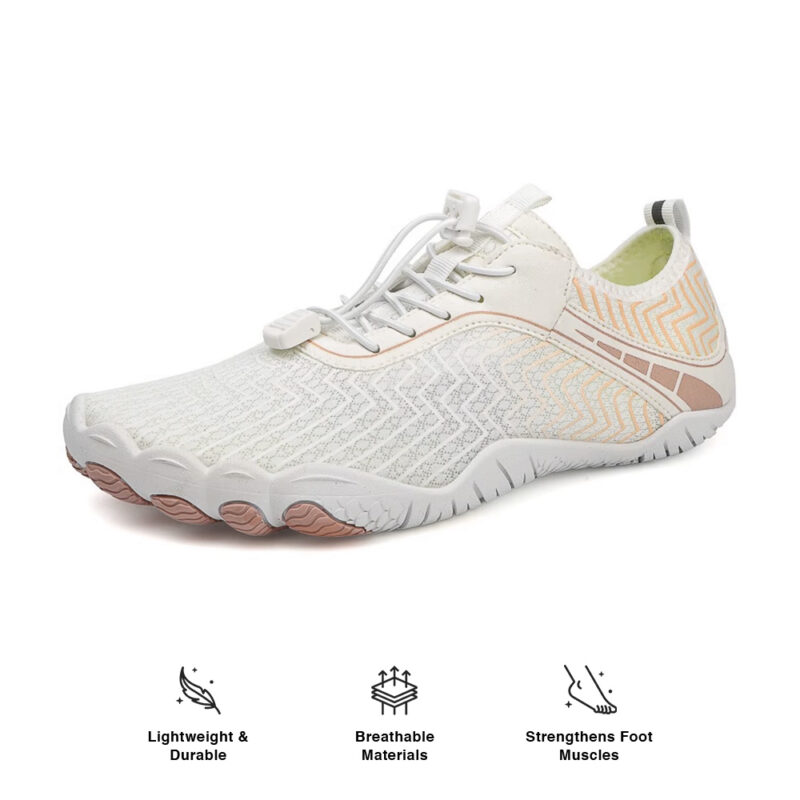
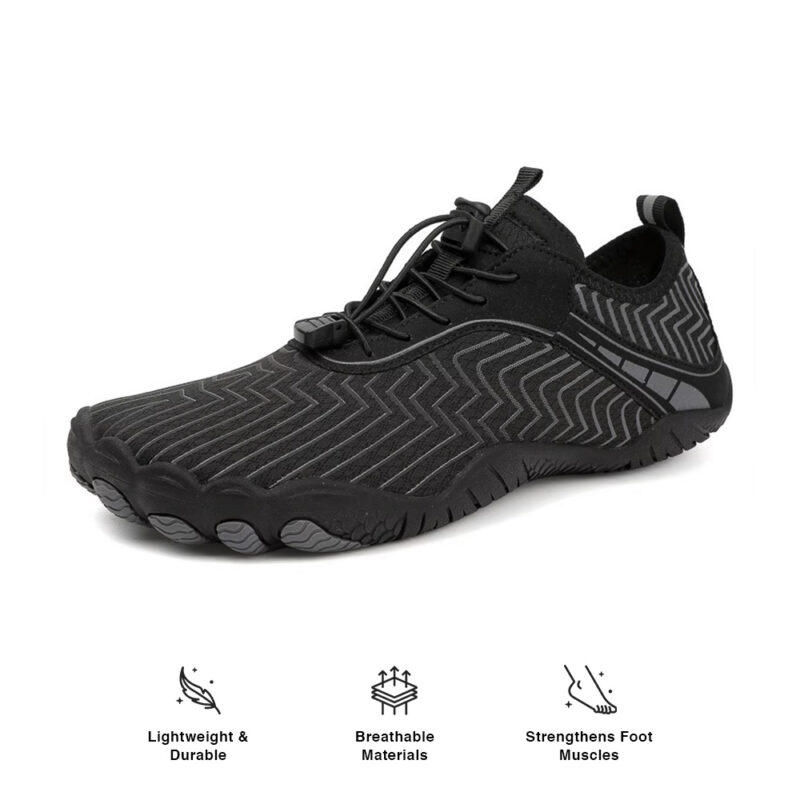
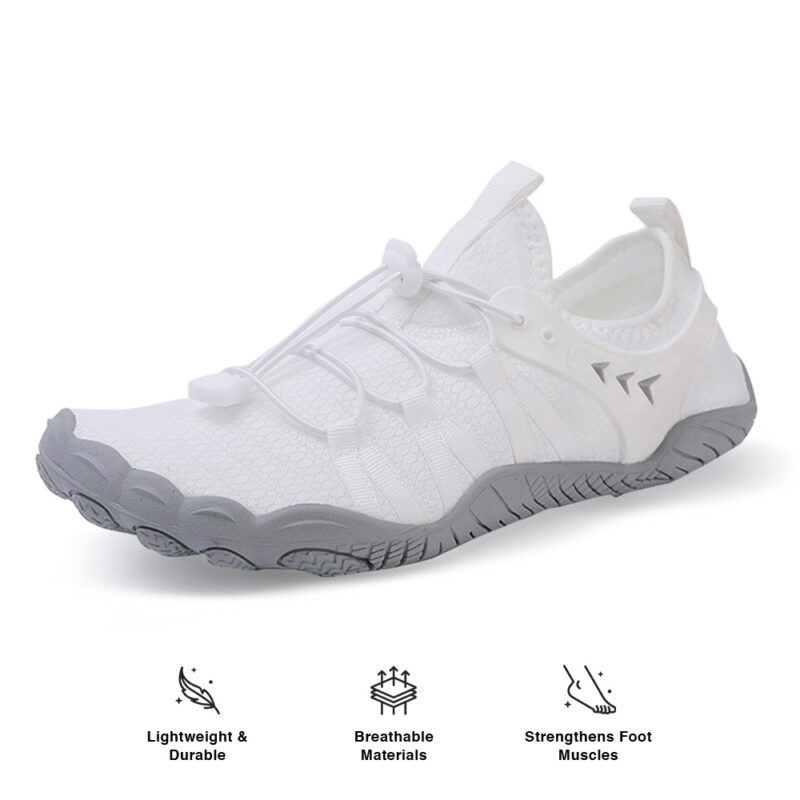
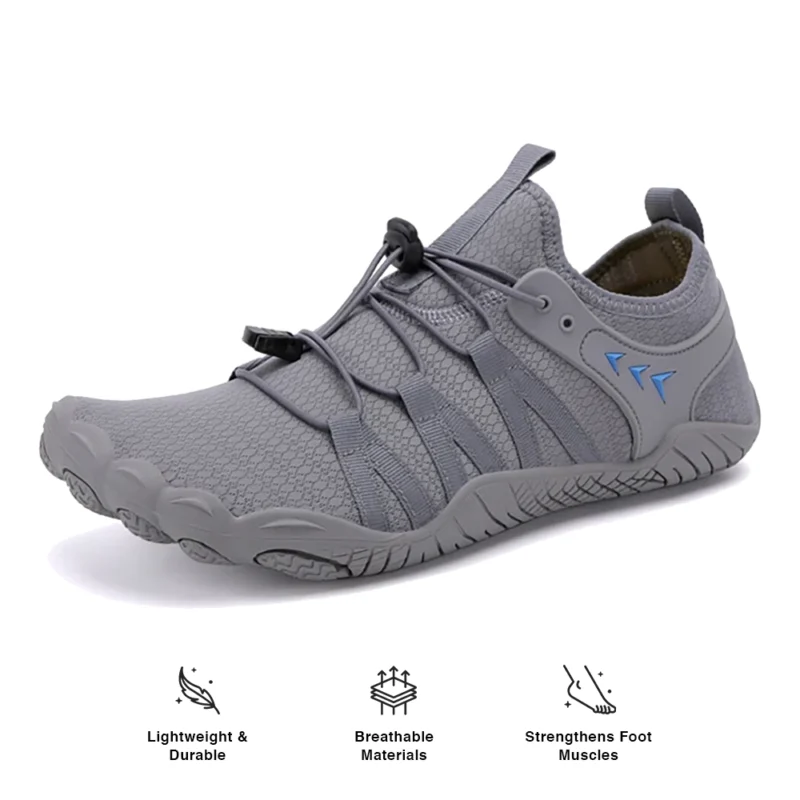
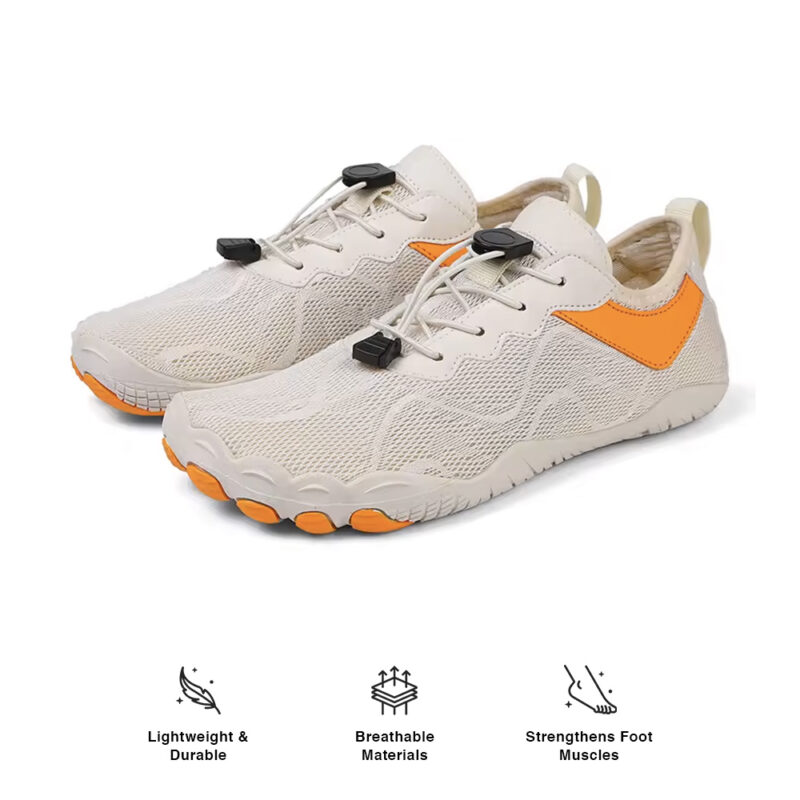
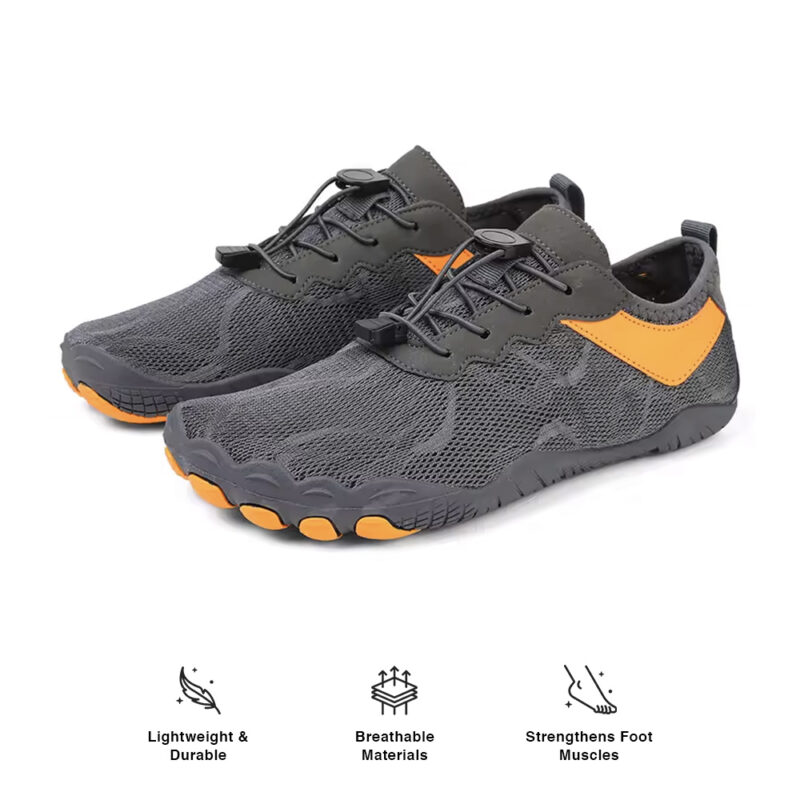
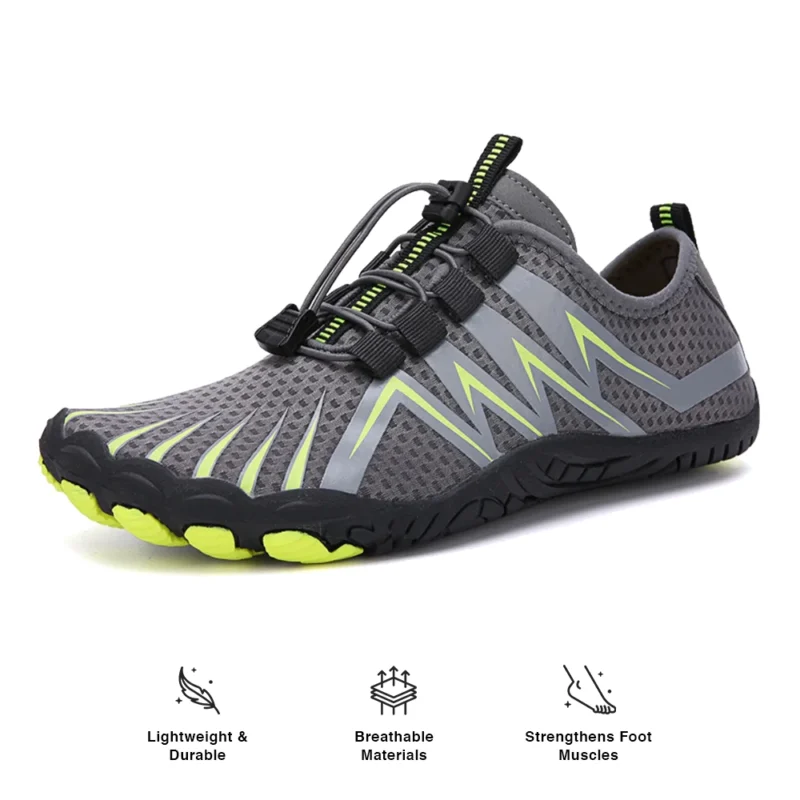
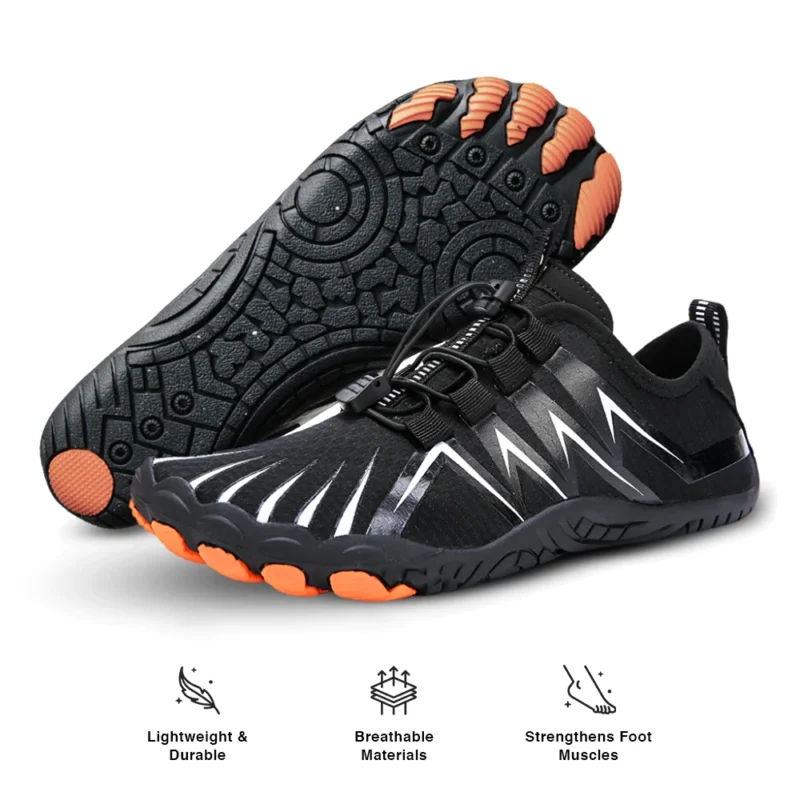
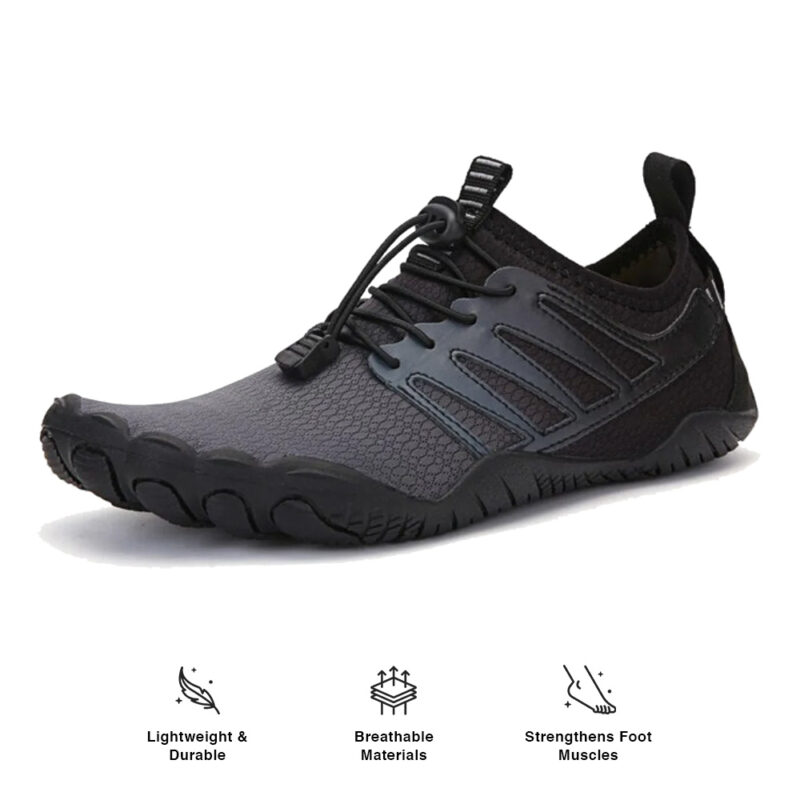
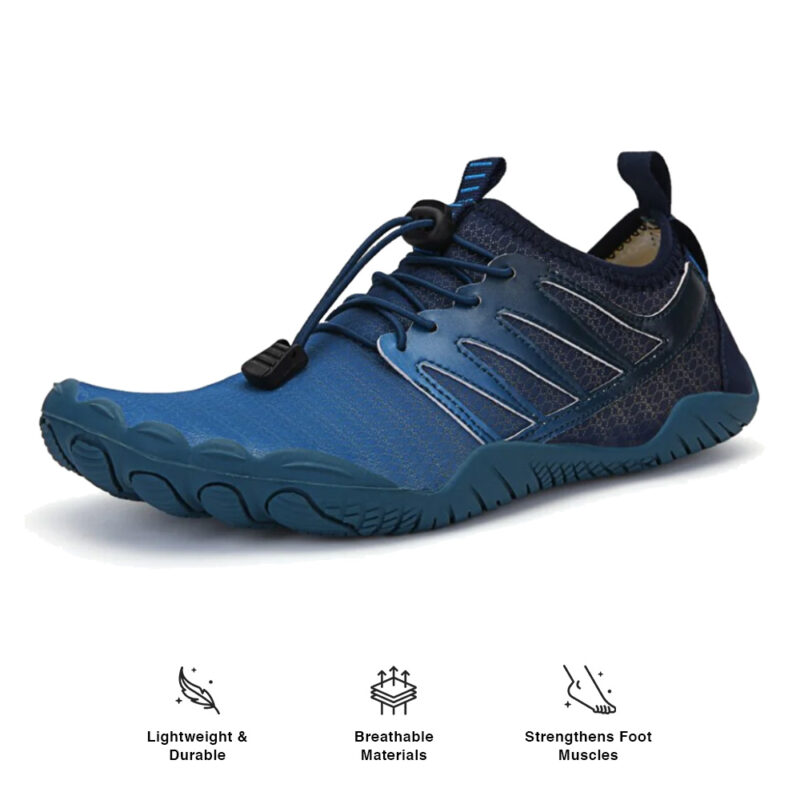
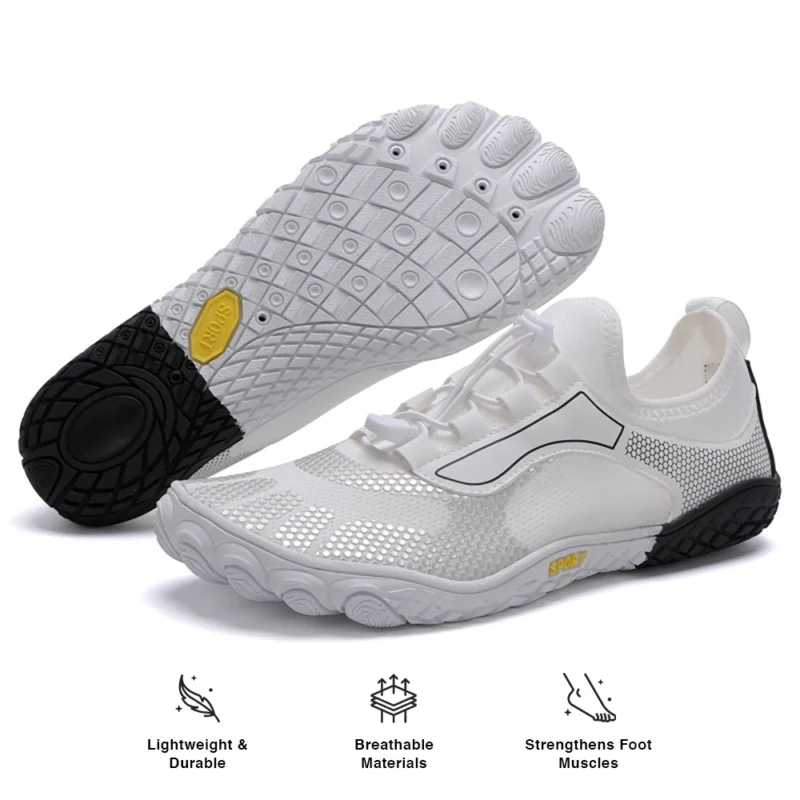
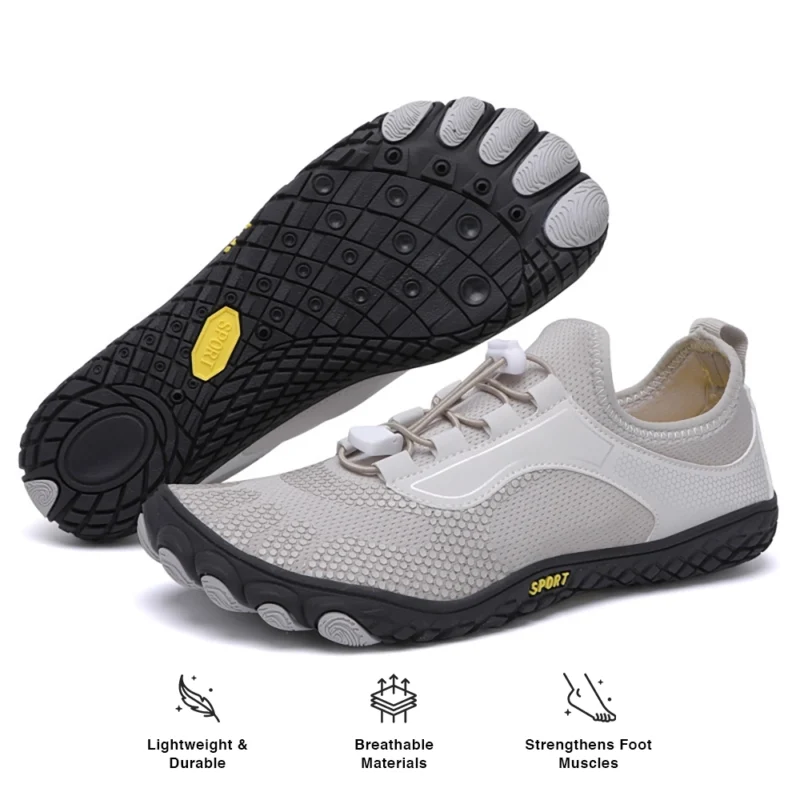
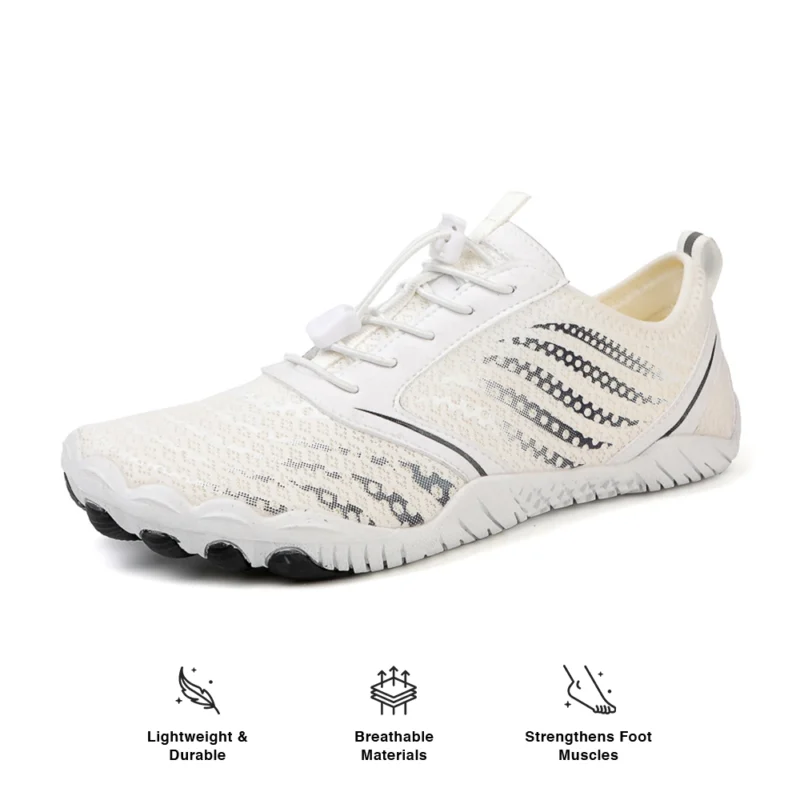
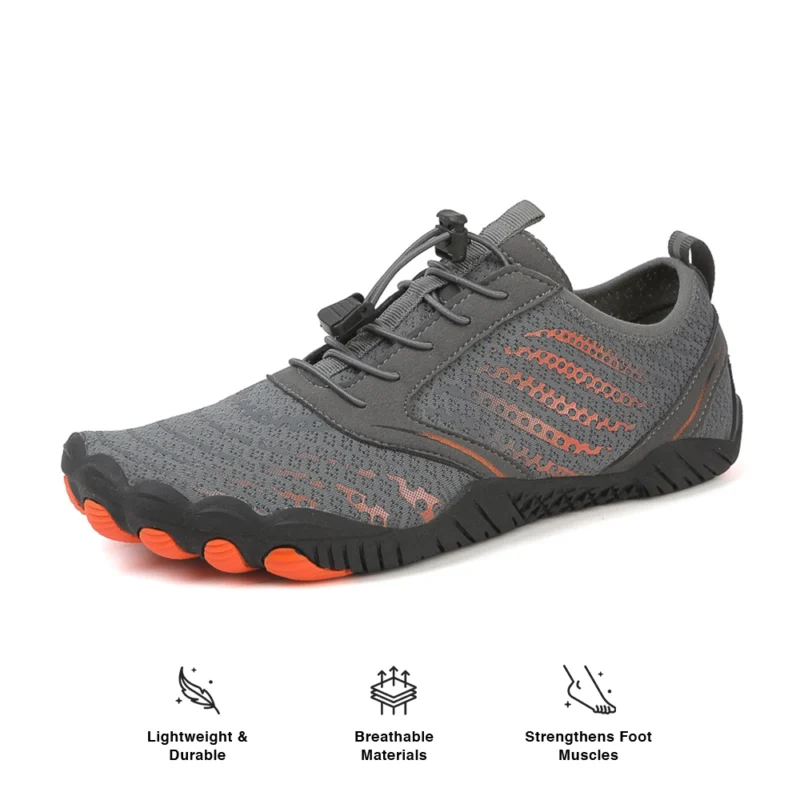
Your Knees Are Crying Out for Natural Movement
That stabbing pain in your knees after every run isn't just bad luck – it's your body's way of telling you something is seriously wrong with how you're moving. Traditional running shoes force your feet into rigid positions that throw off your entire kinetic chain, creating stress patterns that your knees simply can't handle long-term. What you need are shoes that allow your feet to flex, bend, and adapt to each surface naturally, just like they would if you were barefoot. When your feet can move freely, they send better signals to your brain about ground contact, which automatically improves your running form and reduces the impact forces traveling to your knees. Start by spending just 10 minutes a day walking barefoot on different surfaces to wake up those dormant nerve pathways in your feet.
Ground Connection Transforms Your Running Form
You've probably noticed that your running feels clunky and uncomfortable, like you're fighting against your own body with every stride. This happens because thick-soled shoes create a barrier between you and the ground, forcing you to heel-strike and overstride in ways that send massive impact forces directly to your knee joints. The best running shoes for bad knees provide maximum ground feedback, allowing you to feel exactly how and where your feet are landing. This sensory information naturally guides you toward a more efficient midfoot or forefoot strike pattern that distributes forces more evenly throughout your entire leg. Practice running in place barefoot for 30 seconds at a time to experience how your body naturally wants to land when it can actually feel the ground.
Foot Strength Becomes Your Natural Shock Absorption System
Your feet contain 26 bones, 33 joints, and over 100 muscles, tendons, and ligaments – yet traditional shoes lock most of this incredible machinery in place, forcing other parts of your body to compensate. When these compensations reach your knees, they create the persistent pain and inflammation that makes running feel impossible. Minimalist running shoes allow all those small muscles in your feet to activate and strengthen, creating a natural shock absorption system that works far better than any artificial cushioning. Strong, flexible feet naturally reduce the impact forces that reach your knees while improving your overall stability and balance. Incorporate toe spreading exercises and calf raises into your daily routine to accelerate the strengthening process.
Proper Alignment Starts from the Ground Up
The chronic knee pain you experience isn't just about your knees – it's about how your entire body stacks up from your feet to your head. Shoes with elevated heels and rigid construction force your body into unnatural positions that create compensation patterns throughout your kinetic chain. Your ankles can't move properly, your hips shift forward, and your knees bear the brunt of these misalignments with every step you take. The best running shoes for bad knees have zero heel drop and flexible construction that allows your body to maintain its natural alignment. When your feet can lie flat and your muscles can fire in their intended patterns, your knees automatically track better and experience significantly less stress. Focus on maintaining tall posture during your runs, imagining a string pulling you up from the crown of your head.
Gradual Adaptation Prevents Injury and Builds Resilience
Your body has likely spent years adapting to traditional footwear, which means jumping straight into minimalist running could initially create new problems instead of solving your knee pain. The key to successfully transitioning to the best running shoes for bad knees lies in respecting your body's need for gradual adaptation. Start with short walks and easy runs, gradually increasing both distance and intensity as your feet grow stronger and your movement patterns improve. This patient approach allows your muscles, tendons, and ligaments to develop the strength and coordination needed to support your knees naturally, rather than relying on external structure that ultimately makes you weaker. Begin with just 10-15 minutes of easy running in minimalist shoes, adding 5 minutes each week until you can comfortably complete your normal running routine.
Recovery Becomes Faster and More Complete
One of the most frustrating aspects of knee pain is how it lingers long after your run ends, often affecting your daily activities and making you dread your next workout. This persistent discomfort happens because traditional shoes create inflammatory stress patterns that your body struggles to resolve. When you switch to footwear that supports natural movement, you'll notice that post-run soreness decreases dramatically and recovery happens much more quickly. Your improved running form reduces tissue damage, while stronger feet and better alignment prevent the compensation patterns that create secondary problems throughout your body. Create a post-run routine that includes gentle stretching and joint mobility work to support your body's natural recovery processes and maintain the gains you're making.
Long-Term Joint Health Becomes Your Priority
The real tragedy of knee pain isn't just how it affects your current running – it's how it can rob you of an active future if left unchecked. Every run in shoes that promote poor movement patterns adds to the cumulative damage in your knee joints, potentially leading to more serious problems down the road. The best running shoes for bad knees are an investment in your long-term joint health, helping you build the strength and movement quality that will keep you running pain-free for decades to come. By choosing footwear that works with your body instead of against it, you're not just solving today's knee pain – you're preventing tomorrow's joint replacement surgery. Make this transition slowly but deliberately, knowing that every step in the right direction is building a foundation for lifelong running enjoyment.